
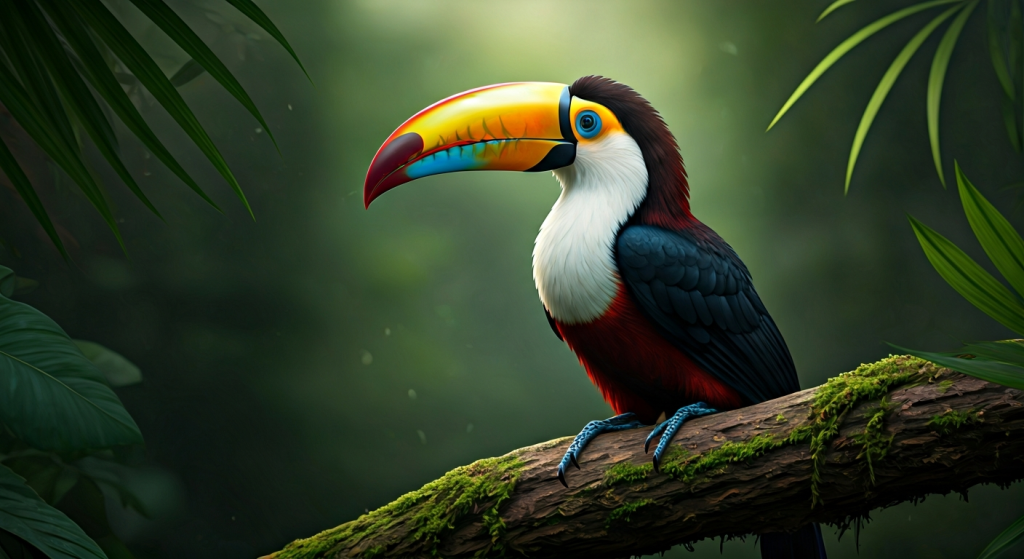
Is toucan endangered is a question that requires looking at the entire family of these iconic, large-billed birds.
Quick Answer: No, not all of them. The “toucan” actually refers to a family (Ramphastidae) of over 40 distinct species. While the majority are classified as Least Concern on the IUCN Red List, several species are facing severe toucan population decline and are currently listed as Near Threatened or Vulnerable due to habitat loss and the exotic pet trade.
Toucan Conservation Status & The IUCN Red List
Are toucans endangered across the board? The short answer is no, but their toucan conservation status varies heavily by species. According to the IUCN Red List, most of the Ramphastidae family still falls under Least Concern. However, this broad classification masks the localized extinction threats facing specific birds.
For instance, the Yellow-browed Toucan and the Channel-billed Toucan are considered Vulnerable and Near Threatened, respectively. Their populations are steadily dropping, raising alarms among ecologists. Because toucans require vast territories to forage for fruit and breed successfully, even minor environmental disruptions can have outsized impacts on their survival rates. Scientists continuously monitor these populations, hoping to prevent any single species from reaching the critical “Endangered” threshold.
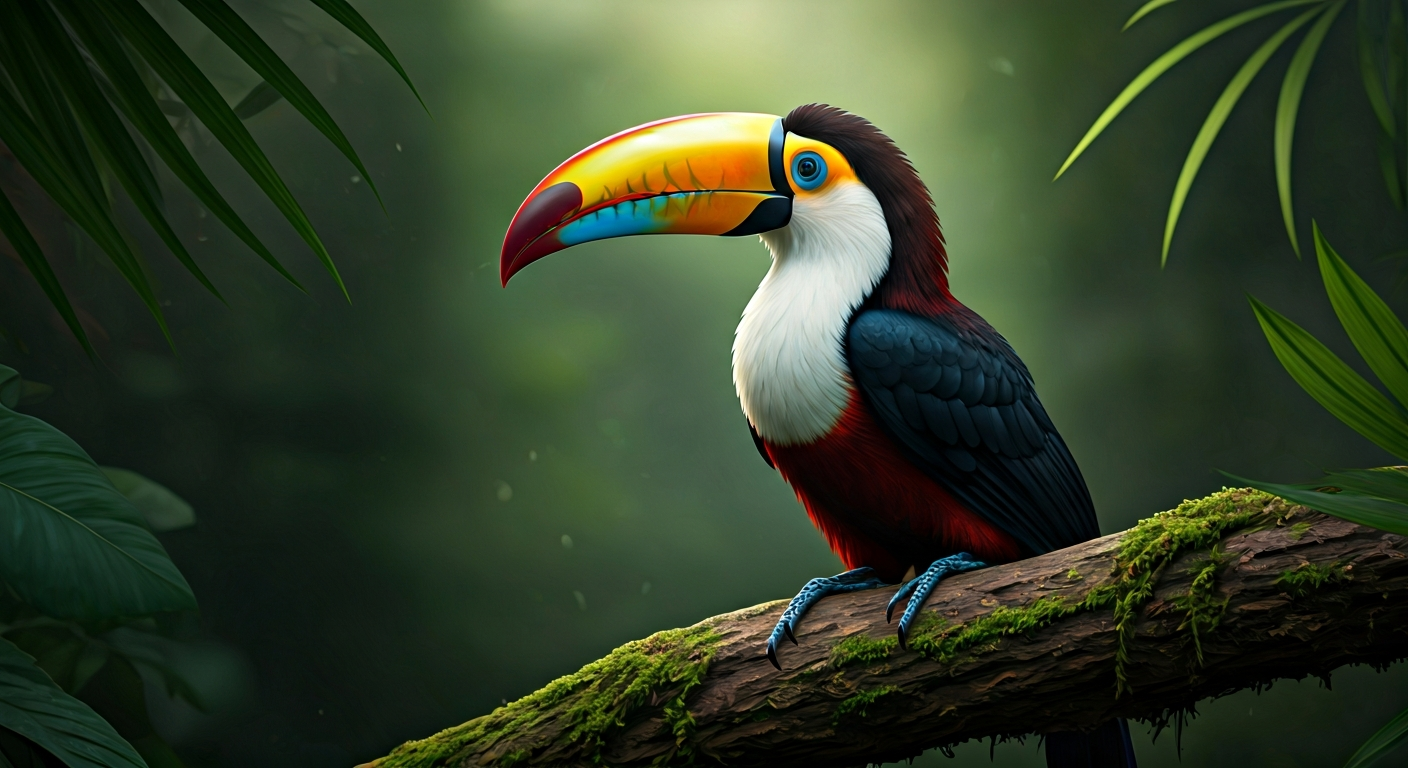

Why Are Toucans Endangered? The Core Threats
When people ask, why are toucans endangered, the answer almost always points to human activity. The single greatest driver of toucan population decline is toucan habitat loss. As vast stretches of the Amazon Rainforest undergo rapid deforestation for agriculture and logging, these birds lose both their nesting sites and primary food sources.
Because toucans nest in the hollows of old-growth trees, the targeted logging of these massive timber species leaves them without safe breeding grounds. Furthermore, toucan threats extend beyond just losing their homes. The illegal wildlife trade and the booming exotic pet trade disproportionately target brightly colored species. Smugglers capture thousands of wild chicks each year, severely disrupting natural breeding cycles and pushing already fragile populations closer to the brink.
Concrete Examples & How to Help
To combat these threats, conservationists are focusing on preserving the tropical Rainforest and enforcing stricter penalties on the illegal wildlife trade. While saving these birds requires international cooperation, individuals can make a real difference. By avoiding the exotic pet trade, choosing sustainable wood products that don’t contribute to deforestation, and donating to verified wildlife sanctuaries, you can directly support these efforts. Together, we can ensure that the Ramphastidae family continues to thrive in the wild for generations to come.
Get our latest guides, news, and insights highlighted in your Google Search & AI Overviews.










