

Did you know that despite their vibrant colors and striking beaks, toucans are often confused with parrots? While both belong to the avian world and share a tropical habitat, they hail from different families with distinct characteristics. Understanding the differences between toucans and parrots isn’t just an academic exercise; it’s crucial for bird enthusiasts, pet owners, and nature lovers alike who wish to appreciate the unique traits of each species. From their dietary needs and social behaviors to their habitats and vocalizations, identifying these key differences can enhance your knowledge and foster a deeper connection with these incredible birds. Curious to learn more about these feathered friends? Join us as we dive into the fascinating world of toucans and parrots, unraveling their mysteries and helping you recognize what sets them apart!
Differences Between Toucans and Parrots: An Overview
The world of avian wonders often leads bird enthusiasts to ponder the similarities and distinctions among various species, with toucans and parrots frequently sparking curiosity. While both belong to the colorful and diverse avian family, they inhabit different niches in the tropical ecosystems of the Americas and have unique traits that set them apart. Understanding these key differences is essential for bird watchers, potential pet owners, and anyone who appreciates the beauty of nature.
Toucans, which belong to the family Ramphastidae, are renowned for their large, vibrant bills that can be almost half the size of their bodies. These striking characteristics serve not only aesthetic purposes but also functionality, aiding in feeding and temperature regulation. In contrast, parrots belong to the family Psittacidae, characterized by their strong, curved beaks and zygodactyl feet (two toes pointing forward and two backward), which provide them with excellent gripping abilities.
One of the most significant contrasts lies in their social behaviors and vocalizations. Toucans are generally more social in the wild, often found in small groups or pairs, relying on their loud calls to communicate across the dense forest canopy. They primarily eat fruits, nuts, and insects, using their beaks to reach food that would be inaccessible to other birds. Parrots, conversely, exhibit complex social structures and are known for their extraordinary vocal abilities. Many parrot species can mimic human speech and sounds from their environment, reflecting their highly interactive nature.
When it comes to keeping these birds as pets, it’s crucial to recognize these differences in temperament, care, and social needs. Parrots require extensive interaction and mental stimulation, often needing varied diets and toys to keep them engaged. Toucans, while equally fascinating, have specific dietary needs that can be more challenging to meet in captivity due to their fruit-intensive diet and need for specialized care. Thus, understanding the foundational traits of each species enhances appreciation and informs responsible ownership, ensuring their welfare and happiness.
Common Misconceptions About Toucans and Parrots
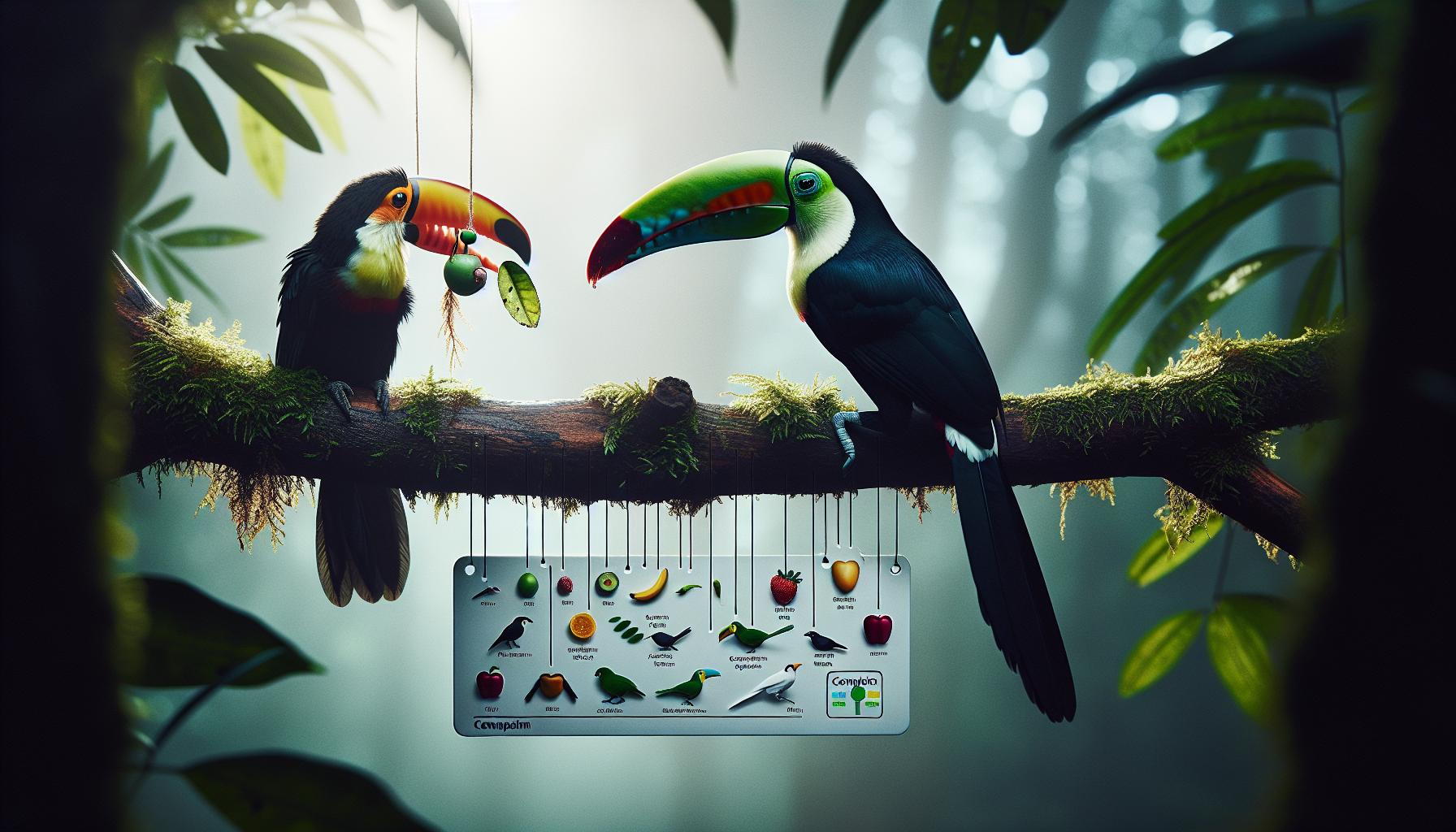
Many people assume that all colorful, exotic birds belong to the same family, leading to the misconception that toucans and parrots are one and the same. While both inhabit tropical regions and boast striking appearances, they are fundamentally different in several aspects that are vital for bird enthusiasts to know.
One common misunderstanding is regarding their dietary needs. Toucans are primarily frugivores, meaning their diet consists largely of fruits, supplemented by insects and small animals. This unique requirement can make feeding them in captivity quite challenging, as they often need specific fruits to thrive. In contrast, parrots are omnivorous; their more varied diet can include seeds, nuts, fruits, and vegetables, which makes it easier for owners to provide balanced nutrition without specialized knowledge of exotic foods.
Another misconception relates to their social interactions. Toucans are highly social birds that often live in flocks and communicate using a range of vocalizations, from loud calls to softer whistles. However, they are not known for mimicking sounds like parrots, which are famous for their exceptional vocal abilities, including the capability to replicate human speech and various environmental sounds. This difference emphasizes that while both bird types are social, their interaction with humans and other species is quite distinct, impacting how they are kept as pets.
Lastly, many people think that because both toucans and parrots are tropical birds, their care requirements are similar. This is far from the truth. Toucans require more meticulous care due to their specific nutritional needs and environmental preferences. For example, their large bills necessitate a diet rich in soft foods to avoid injury, whereas parrots tend to adapt well to more diverse settings and can thrive with a wider variety of toys and climbing structures.
Understanding these nuances not only debunks widespread myths but also enriches our appreciation for these extraordinary birds, making it easier for prospective owners to provide the best care possible.
Physical Characteristics: Toucans vs. Parrots
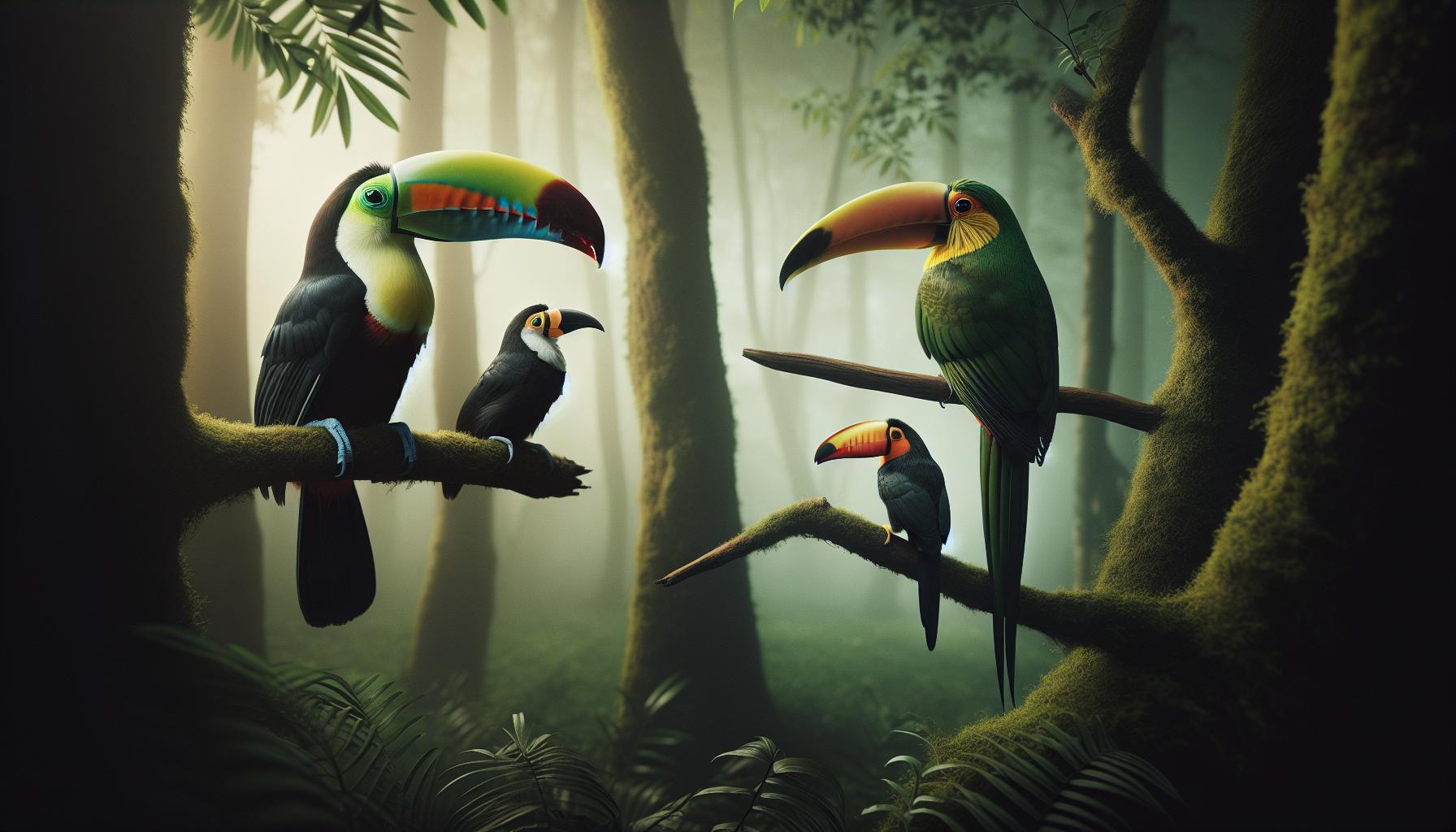
The vibrant world of tropical birds is captivating, and among these feathered wonders, toucans and parrots stand out due to their remarkable appearances. Yet these two groups are often confused despite their strikingly different physical characteristics. For example, toucans are easily recognized by their enormous, colorful bills that can be as long as their bodies. Their bills are not just for show; they serve several functions, including helping them reach and manipulate fruit and providing thermoregulation. Conversely, parrots have shorter, stronger beaks designed for cracking seeds and nuts, which reflects their omnivorous diet.
Despite their bright colors, the plumage of these birds tells their own stories. Toucans, typically sporting a mosaic of bright yellows, oranges, and blacks, exhibit a unique feather structure that allows for remarkable agility among branches. In contrast, parrots are usually adorned with greens, blues, and reds, lending them better camouflage in their leafy habitats. This difference in coloration is not merely aesthetic; it aligns with their ecological niches, helping toucans blend into fruit-laden trees while enabling parrots to avoid predation amid dense foliage.
When it comes to size, there’s a notable variation within each group. Toucans can vary significantly; the smallest, the toco toucan, measures about 40 cm (16 in) long, while some smaller toucan species, like the aracari, are more compact. Parrots also present a wide range of sizes, from the tiny budgerigar at around 18 cm (7 in) to the formidable macaws that can reach up to 90 cm (35 in).
Understanding these physical distinctions not only highlights the diversity of avian life but also emphasizes the specific care each requires if kept as pets. For instance, due to their larger size and unique dietary needs, toucans require a specialized environment with ample space and fruit-rich diets, unlike parrots, which adapt well to varied diets and a range of cage sizes. This knowledge equips bird enthusiasts with the necessary insights for responsible care and appreciation of both toucans and parrots.
Behavioral Traits of Toucans and Parrots
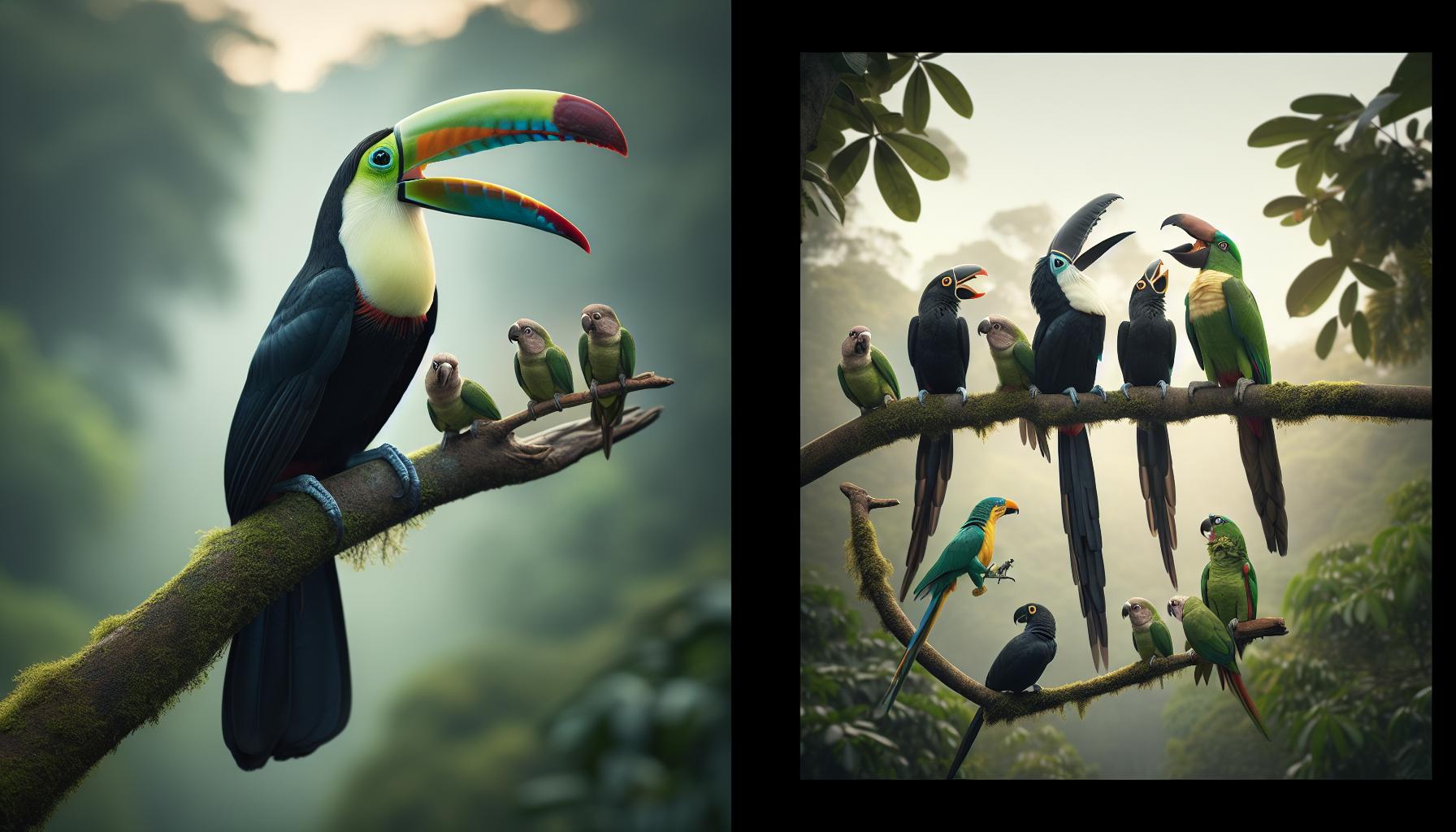
Toucans and parrots exhibit a fascinating array of behavioral traits that reflect their ecological adaptations and social structures, making them captivating subjects for bird enthusiasts. While both belong to the order Psittaciformes, their behaviors reveal key differences that underline their unique lifestyles.
Toucans are known for their remarkable social interactions. They often live in small flocks, utilizing their large, colorful bills not only for feeding but also as social tools. Their interactions can be quite playful, marked by gentle bill clashes-a display that strengthens social bonds. They communicate through a series of low croaks and clicks, which can often be heard echoing through the rainforest. Additionally, toucans are non-migratory, relying on their localized foraging skills to consume a varied diet of fruits, insects, and small animals, showcasing their adaptability to tropical environments.
In contrast, parrots are famous for their intelligence and vocal mimicry. Many species are capable of learning a vast repertoire of sounds, including human speech, which makes them particularly appealing as companion animals. Parrots thrive in social settings and form strong pair bonds, often exhibiting affectionate behaviors towards their mates and owners. Their playful nature drives them to engage in activities such as problem-solving with toys or performing tricks, reflecting their advanced cognitive skills. Unlike toucans, many parrot species are known for their migratory patterns, which provide them access to different food sources as seasons change.
Understanding these differences is crucial, especially for those considering these birds as pets. Toucans require environments rich in space and specific substrates to climb due to their body structure and natural behaviors. On the other hand, providing a stimulating environment for parrots often means incorporating toys and social interaction into their daily lives. Recognizing these behavioral traits not only enhances the appreciation of each bird’s uniqueness but also informs responsible care practices for bird lovers.
Habitat Preferences: Where Do They Live?
Toucans and parrots, though both iconic representatives of tropical avifauna, thrive in distinctly different habitats that cater to their unique lifestyles. Toucans primarily inhabit the lush, humid environments of Central and South America. Their preferred habitats include tropical rainforests, where the canopy provides abundant opportunities for foraging and nesting. These environments are characterized by high humidity and a diversity of fruit-bearing trees, which supply the toucan’s favorite food. They are arboreal, meaning they spend most of their time in trees, making the intricate network of branches and foliage crucial for their daily routines.
In contrast, parrots showcase a broader range of habitat preferences. While many species also dwell in tropical forests, others adapt well to savannas, woodlands, and even scrublands. For instance, the cockatoo, a well-known parrot species, can thrive in more arid areas, exhibiting remarkable flexibility in its habitat choice. This adaptability allows parrots to exploit various ecological niches, from the dense underbrush of forests to the open skies of grasslands. Their strong, curved beaks are designed for cracking nuts and seeds, which are abundant in these varied environments.
When considering keeping such birds as pets, it’s vital to replicate these habitat needs. Toucans, with their specific dietary and spatial requirements, need a sizable aviary lined with branches for climbing. The enclosure should mimic a tropical environment, incorporating trees and vertical space to allow for their natural behaviors. Conversely, parrots require stimulating environments filled with toys and social interaction to thrive. Their spaces should encourage exploration and play, reflecting their naturally curious natures.
Understanding these habitat preferences not only sparks appreciation for these birds but also informs responsible care. Creating a space that closely resembles their natural habitats can significantly enhance the well-being of pet toucans and parrots, ensuring they lead enriched lives.
Dietary Needs of Toucans and Parrots
Toucans and parrots, while both celebrated for their vibrant plumage and engaging personalities, have distinct dietary needs reflective of their unique evolutionary paths. Toucans, with their extraordinary long bills, primarily thrive on a diet high in fruit, supplemented by insects and small animals. Their specialized digging beaks allow them to forage through the dense canopies of tropical rainforests, where they select ripe fruits from various trees. When caring for a toucan, it’s essential to replicate this diet in captivity, offering a variety of fresh fruits such as bananas, papayas, and berries, along with high-quality pellets designed specifically for toucans.
Parrots, in contrast, have a more diverse dietary approach influenced by their adaptability to different environments. While many species enjoy fruits and vegetables, they are also known for their affinity for nuts and seeds, thanks to their powerful, curved beaks. A well-balanced diet for a parrot should include a mix of seeds, pellets, nuts, and fresh produce like leafy greens, carrots, and bell peppers. It is crucial to avoid certain foods toxic to parrots, such as chocolate, avocado, and caffeinated drinks, ensuring they receive a healthy and varied diet.
Furthermore, understanding portion sizes is vital for both species to prevent obesity or malnutrition. Toucans require larger amounts of fruit due to their high metabolism, while parrots can develop dietary preferences that lead to selective eating. Monitoring their weight and adjusting their diets accordingly is beneficial for both bird types.
Incorporating foraging activities into their feeding routines can also enrich their lives. For example, scattering food or hiding it within toys can mimic their natural behavior, encouraging mental stimulation and physical activity. This not only promotes health but also offers a fulfilling way to engage with these extraordinary birds. Understanding their distinctive dietary requirements not only enhances their well-being but also fosters a deeper appreciation for the remarkable diversity of avian life.
Social Structures in Toucans and Parrots
While both toucans and parrots are fascinating birds, their social structures reveal significant differences that highlight their unique behaviors and interactions. Toucans are generally more solitary compared to their parrot counterparts. They may be seen foraging alone or in small family groups, often maintaining a certain level of independence. However, during breeding season, toucans will form temporary pairs, working together to build nests in tree cavities and raise their young. These pairs are typically monogamous, and both parents participate in nurturing their chicks, showcasing a cooperative aspect of their social structure.
In contrast, parrots are renowned for their social nature, often forming large flocks that can range from a few individuals to hundreds. This social behavior is crucial for their survival, as it helps them protect against predators, locate food, and engage in social interactions that are vital for their well-being. Within these flocks, parrots exhibit strong bonds with their mates and other flock members, often engaging in grooming rituals and vocalizations that reinforce social relationships. The high intelligence of parrots contributes to complex hierarchies and social communication, making them incredibly engaging companions for bird enthusiasts.
| Aspect | Toucans | Parrots |
|---|---|---|
| Social Structure | Generally solitary or in small family groups | Form large, social flocks |
| Social Bonds | Temporary pair bonds during breeding | Strong, long-lasting bonds within flocks |
| Cooperative Care | Both parents care for the young | Not all species exhibit cooperative care, but many engage in social learning |
| Vocalization | Less vocal, with simpler calls | Complex vocalizations and mimicry |
Understanding these differences in social structures can significantly impact how you care for each type of bird. For instance, if you are considering keeping a parrot, prepare to provide ample social interaction and enrichment to satisfy their need for companionship. On the other hand, a toucan might require a more solitary or less interactive environment, respecting their natural tendencies. Each species presents a unique opportunity for learning and companionship, making them delightful subjects for both casual bird watchers and dedicated aviculturists.
Caring for Toucans vs. Caring for Parrots
Caring for toucans and parrots presents distinct challenges and rewards, reflecting their varied habitats, social structures, and dietary needs. For instance, toucans generally thrive in more secluded environments, which means they require spacious enclosures that mimic their natural rainforest setting. A well-structured habitat with plenty of perches at varying heights, along with tree branches as natural enrichment, can provide the stimulation they need while respecting their tendency toward solitude.
When it comes to diet, toucans have specific nutritional requirements primarily based on fruits, with a lesser emphasis on insects. A varied diet of soft fruits, berries, and specially formulated toucan pellets is essential to ensure they receive adequate vitamins and minerals. Regular monitoring of their weight and health is crucial, as toucans can be prone to obesity, particularly if they are less active than they would be in the wild.
On the other hand, caring for parrots involves a greater emphasis on social interaction and an enriched environment to maintain their mental health. Parrots are inherently social creatures that thrive in dynamic atmospheres filled with various toys, mirrors, and perches to explore. Early socialization is vital, and daily interaction with caregivers helps prevent behavioral issues. Offering a varied diet including seeds, nuts, fresh fruits, and vegetables can enrich their lives and promote overall health.
Both types of birds require regular veterinary care, but their health tests and attention may differ. For example, routine blood tests for parrots often focus on detecting signs of psittacine beak and feather disease and other avian viruses, while toucans might face conditions linked to their fruit-heavy diets.
Ultimately, whether you are drawn to the calm, solitary nature of toucans or the vibrant, social character of parrots, providing the right care tailored to their unique needs ensures a healthy and enriching life for your feathered companion.
Unique Sounds and Communication Styles
The sounds made by toucans and parrots are as distinctive as their appearances, serving as a critical part of their communication in the wild. Toucans, with their large, colorful bills, produce a range of vocalizations that are often described as croaks, grunts, and soft crooning noises. Their calls can vary by species, but they are typically less melodic and more rhythmic than those of parrots. For example, the Keel-billed Toucan is known for its series of hoots, while the Chestnut-mandibled Toucan emits a deep, resonating call that echoes through its forest home. These sounds often serve to establish territory and communicate with mates or flock members, showcasing their role in social interactions within their more solitary lifestyle.
On the other hand, parrots are famous for their vocal abilities, often mimicking human speech and various environmental sounds. Parrots produce a kaleidoscope of whistles, screeches, and chatter, reflecting their highly social nature. Species like the African Grey Parrot are particularly adept at imitating sounds, making them popular pets for those looking for a companion with a vast vocal repertoire. This ability to mimic not only entertains but also plays a vital role in their social structures, as they use sounds to bond with their flock and engage with caregivers.
When considering these unique communication styles, it’s essential to remember that both birds have their own ways of expressing themselves. While toucans may rely on deep, resonant calls that connect them to their environment and each other, parrots often engage in complex vocal play, indicating their need for social interaction. When caring for these birds, whether a toucan or a parrot, understanding their communication can enhance your relationship with them. Being responsive to their sounds and mimicking their calls can reinforce trust and create a more enriching environment.
In summary, the soundscapes of toucans and parrots present an intriguing contrast; both serve crucial roles in their respective social and environmental contexts. As someone interested in avian companions, recognizing and appreciating these unique auditory expressions will foster a deeper connection with these fascinating birds.
Conservation Status of Toucans and Parrots
The survival of toucans and parrots is under increasing threat, with both groups facing significant challenges in their natural habitats. These mesmerizing birds, known for their vibrant colors and charming personalities, are crucial to their ecosystems, yet habitat destruction, illegal trade, and climate change jeopardize their future.
Toucans, with their unique ecological role as seed dispersers, rely heavily on old-growth forests in Central and South America. Unfortunately, extensive deforestation for agriculture and logging practices has led to a decline in their populations. According to conservation organizations, several toucan species are considered vulnerable or endangered. The Toco Toucan, for instance, while more widespread, is still affected by habitat loss.
Meanwhile, parrots, particularly in regions like the Amazon rainforest, are increasingly threatened by the illegal pet trade and habitat destruction. Species such as the Spix’s Macaw, once thought extinct in the wild, serve as a potent reminder of the dire situation many parrot species face. Conservation efforts are underway, but their success hinges on stricter regulations and community engagement.
Addressing these issues requires a multifaceted approach, including habitat restoration, legal protections, and awareness campaigns to educate the public about the importance of these birds in our world. Encouragingly, birdwatching and eco-tourism can support conservation initiatives, providing local communities with sustainable economic opportunities while safeguarding the habitats of both toucans and parrots.
For anyone passionate about bird conservation, supporting reputable organizations dedicated to protecting these species can make a tangible difference. Consider participating in local conservation efforts or supporting wildlife sanctuaries. Every action counts, and by fostering a greater understanding of these remarkable birds, we can contribute to their preservation for generations to come.
Cultural Significance of Toucans and Parrots
With their striking colors and captivating characteristics, toucans and parrots hold significant cultural importance in many societies, especially in their native regions. In the vibrant tapestry of Central and South American folklore, both bird families symbolize various elements of nature and human experience. For instance, toucans are often associated with the rainforest’s richness, serving as icons in art and crafts, where their bold appearance is mirrored in vibrant textiles and ceramics. Their unique bills, characterized by a myriad of colors and patterns, symbolize communication and connection, and they’re frequently depicted in local myths as messengers between the human world and the divine.
Parrots, on the other hand, are often seen as symbols of joy and companionship due to their social nature and playful behavior. In many indigenous cultures, they are revered as creatures of wisdom and guardians of knowledge. The Amazonian parrot species, known for their striking plumage, often appear in traditional dances and rituals, representing the harmony between humans and nature. Their ability to mimic human speech has also made them popular figures in various media, reinforcing their status as beloved companions and symbols of communication.
Furthermore, both toucans and parrots play a vital role in eco-tourism, attracting birdwatchers and nature enthusiasts from around the globe. Tour operators create opportunities for locals to engage with visitors, thus fostering a deeper appreciation for their natural and cultural heritage. This interaction not only educates travelers but also provides economic benefits to local communities, emphasizing the importance of preserving these species. By protecting the habitats of these remarkable birds, communities can sustain traditional practices while ensuring the survival of toucans and parrots, enriching both local culture and global biodiversity.
In conclusion, the goes beyond mere aesthetic appeal; they are integral to the identity and traditions of the regions they inhabit. As guardians of the rainforest, their colorful presence not only enhances the natural landscape but also reinforces the cultural narratives woven into the lives of those who share their habitat. Protecting their future is not just about conserving species; it’s about preserving the stories and connections they represent in the broader human experience.
Fun Facts About Toucans and Parrots
Did you know that toucans can eat fruits larger than their own beaks? Their impressive bills are not just for show; they’re incredibly functional and help them reach and consume a variety of fruits high in the canopy of the rainforest. These striking birds can also consume small insects and eggs, making their diet quite versatile. Parrots, on the other hand, are known for their remarkable intelligence and mimicry abilities; some species can learn to mimic human speech and sounds with astonishing accuracy. This social interaction is part of what makes them such beloved pets and engaging companions.
Toucans and parrots share a tropical habitat but vary widely in their physical traits and behaviors. Toucans are often easily recognized by their oversized, colorful bills which can be up to half their body length. In contrast, parrots tend to have strong, curved beaks adapted for cracking nuts and seeds, and many species possess vibrant plumage that can include hues of green, blue, and red. In terms of behavior, toucans prefer a more solitary lifestyle compared to the highly social nature of parrots, which thrive on interaction with their flock and can often be seen engaging in playful antics.
When it comes to care and companionship, both birds require proper diet and enrichment to thrive. Toucans need a fruit-based diet supplemented with insects and specialized pellets to ensure they get the right nutrients, while parrots often require a varied diet rich in seeds, nuts, and fresh fruits and vegetables. Understanding these dietary needs is crucial for any bird owner. Additionally, providing ample opportunities for mental stimulation and physical activity, such as toys and social interaction, can help reduce stress and enhance their quality of life.
Many cultures celebrate these birds for their unique traits and symbolism. Toucans are often depicted in art as vibrant, colorful creatures reflecting the beauty of the rainforest, while parrots are associated with companionship and communication. Whether it’s the toucan’s distinctive bill that sparks your interest or the parrot’s ability to mimic speech that captivates your heart, both birds offer fascinating insights into our world. Engaging with them can deepen our appreciation for the ecological diversity and cultural richness they represent.
Frequently Asked Questions
Q: What is the main difference between a toucan and a parrot?
A: The main difference is that toucans belong to the Ramphastidae family, while parrots are part of the Psittacidae family. Toucans are known for their large, colorful bills, whereas parrots have strong, curved beaks ideal for cracking nuts and seeds. For more information, refer to the “Differences Between Toucans and Parrots” section.
Q: Are toucans social like parrots?
A: Toucans are generally less social than parrots. While many parrot species thrive in large flocks, toucans often form small groups or are solitary, usually coming together only during breeding seasons. Explore more in the “Social Structures in Toucans and Parrots” section.
Q: Can you keep a toucan as a pet like a parrot?
A: While it is technically possible to keep a toucan as a pet, they require more specialized care than parrots. Toucans need a specific diet and a larger enclosure due to their active nature. For detailed care requirements, see the “Caring for Toucans vs. Caring for Parrots” section.
Q: What do toucans eat compared to parrots?
A: Toucans primarily eat fruit, insects, and small reptiles, while parrots have a more varied diet that includes seeds, nuts, fruits, and vegetables. It’s crucial to provide the right diet tailored to each species’ needs. More details can be found in the “Dietary Needs of Toucans and Parrots” section.
Q: How do the vocalizations of toucans differ from those of parrots?
A: Toucans produce a series of low-pitched croaks and clicks, whereas parrots are known for their ability to mimic sounds and human speech. This reflects their different communication styles and social structures. Find more in “Unique Sounds and Communication Styles.”
Q: Where do toucans and parrots typically live?
A: Toucans are primarily found in tropical forests in Central and South America, while parrots inhabit various regions, including rainforests, savannas, and even urban areas worldwide. For a deeper look, check out the “Habitat Preferences: Where Do They Live?” section.
Q: Are toucans endangered like some parrot species?
A: Some toucan species are vulnerable due to habitat loss and hunting, but not all are endangered. In contrast, many parrot species face severe threats, leading to a higher conservation status risk. For more on conservation, refer to the “Conservation Status of Toucans and Parrots.”
Q: What are some fun facts about toucans compared to parrots?
A: Toucans can actually see ultraviolet light, which helps them perceive food, while parrots can live over 50 years in captivity. Both birds are fascinating, but they exhibit unique traits. Discover more in the “Fun Facts About Toucans and Parrots” section.
The Way Forward
Now that you understand the key differences between toucans and parrots, you’re well-equipped to explore these fascinating birds further! Toucans are not parrots, but they each hold unique traits and captivating behaviors worth discussing. If you’re curious about their care requirements or how to identify various species, check out our guides on bird care tips and tropical bird species.
Don’t miss out on more engaging content; subscribe to our newsletter for the latest insights on avian care and behavior directly to your inbox. Encountered a toucan or parrot in your area? Share your experiences in the comments below! Exploring the world of birds is an adventure, and we’re excited to have you join us. Your journey into ornithology starts here-let’s dive deeper together!
Get our latest guides, news, and insights highlighted in your Google Search & AI Overviews.










