Is a pigeon a dove? This question not only sparks curiosity but also reveals the fascinating complexity of the bird family Columbidae, which includes over 300 species worldwide. While we often perceive pigeons and doves as entirely different birds, understanding their key differences can enhance our appreciation for these ubiquitous creatures in our cities and countryside.
Have you ever noticed how the same word can evoke varying images and meanings in our minds? That’s exactly the case with pigeons and doves. The size, shape, and even the cultural significance of these birds can lead to confusion about their identities. From distinguishing the stout Feral Pigeon that frequents urban squares to recognizing the delicate mourning dove fluttering through the trees, knowing the nuances between them enriches our birdwatching experience. Join us as we delve into the intriguing world of pigeons and doves, unraveling their distinctions to deepen your understanding and admiration for these remarkable birds.
Understanding Common Misconceptions: Pigeons vs. Doves
Many people assume that doves and pigeons are distinct types of birds, but this common misconception often stems from cultural semantics rather than biological differences. In reality, both doves and pigeons belong to the same family, Columbidae. This familial relationship means that many birds we refer to as doves, such as mourning doves, are actually species within the pigeon family. The terminology often reflects the bird’s size or habitat; for example, we commonly use “dove” for smaller, more delicate birds and “pigeon” for larger, often urban-dwelling relatives.
Another prevalent misconception is visual: while some individuals believe all doves are white and pigeons gray, this is far from the truth. Both groups exhibit a rich spectrum of colors and patterns. Urban pigeons, particularly feral pigeons, showcase a variety of plumage due to their domestication, leading to a confusing mix of colors that can easily mislead those trying to identify them. Understanding that the terms “dove” and “pigeon” can often be used interchangeably is crucial for anyone interested in ornithology or simply getting to know these fascinating birds better.
In terms of behavior, people may also assume that doves are quieter or more serene than pigeons. While it’s true that some dove species have softer calls, this does not universally apply. Both families exhibit a wide range of vocalizations to communicate with one another, but the perception of difference is often colored by their environments-urban pigeons thrive in bustling cities where their cooing becomes part of the urban soundscape, while doves might be found in more tranquil, rural settings, contributing to the mystique surrounding them.
To truly appreciate these birds, one must look beyond mere labels and recognize the underlying similarities that define them. Whether we spot a pigeon in a city park or a dove in the wild, both play vital roles in our ecosystems and deserve recognition and understanding for their unique behaviors and characteristics.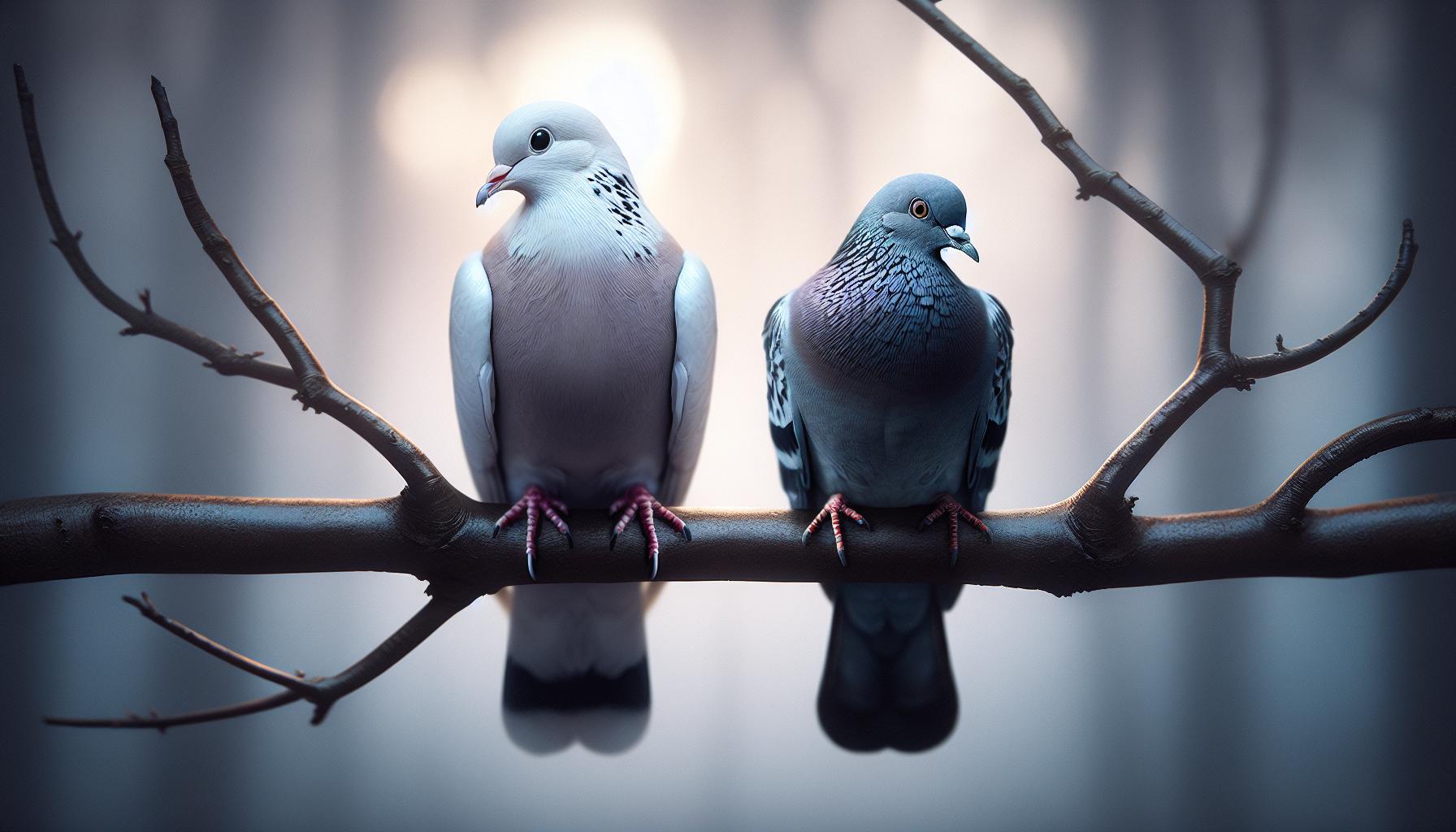
Key Physical Differences Between Pigeons and Doves
Pigeons and doves, though often lumped together in everyday conversation, present key physical differences that are fascinating to explore. One of the most noticeable distinctions is size. Generally, doves tend to be smaller and more slender than pigeons, which are usually stockier and larger. For instance, the mourning dove, a popular species in North America, is slender, measuring about 9 to 13 inches long, while the common rock pigeon, often seen in urban areas, can range from 12 to 15 inches or more.
Another stark contrast lies in their coloration. Doves typically exhibit softer, more muted hues such as light grays, tans, and browns that blend beautifully into their natural environments. On the other hand, pigeons display a wider range of color patterns, especially urban ones that have been domesticated. Feral pigeons can flaunt an impressive variety of feather colors, including deep blues, iridescent greens, and browns, often with striking speckles or patterns. This visual distinction is not merely superficial; it reflects their adaptations to different environments and lifestyles.
Distinct Features
To further illustrate these differences, here are a few characteristics to help you distinguish between pigeons and doves:
- Body Shape: Doves usually have a more streamlined body, while pigeons are rounder and more robust.
- Tail Shape: Doves often have longer, pointier tails, whereas pigeon tails are shorter and broader.
- Cere Size: The cere, or the fleshy area above the beak where nostrils are located, is usually larger and more pronounced in pigeons compared to doves.
When trying to identify these birds in your backyard or local park, consider their physical attributes as essential clues. Whether you’re captivated by the delicate features of a dove or the vibrant contrasts of a pigeon, taking a closer look can significantly enhance your birdwatching experience. Understanding these distinctions also enriches our appreciation for the variety within the species that belong to the Columbidae family.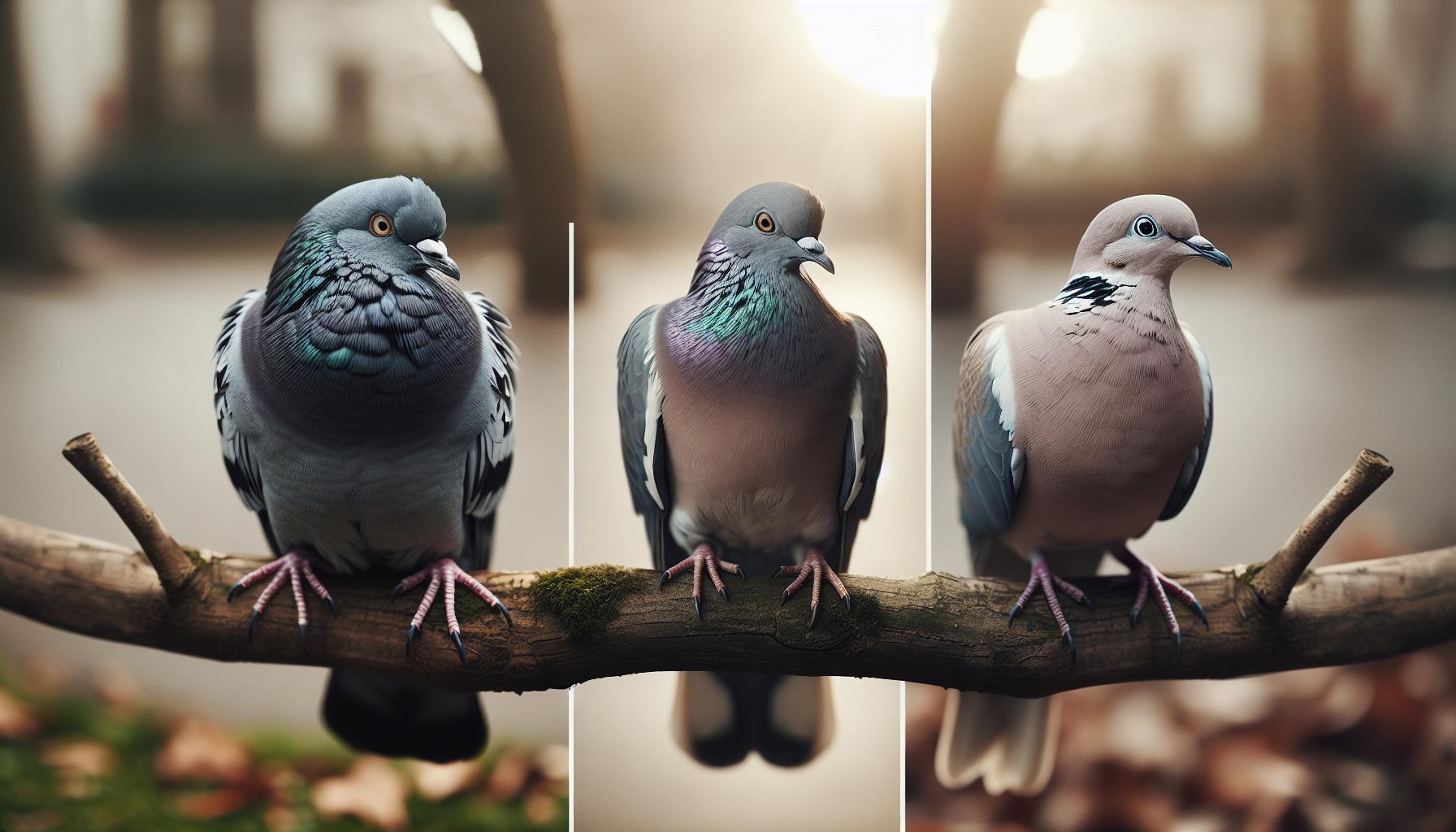
Behavioral Traits: How Pigeons and Doves Differ
Observing the behavioral traits of pigeons and doves reveals intriguing differences that reflect their adaptations and lifestyles. While both species belong to the Columbidae family, their behaviors exhibit unique nuances driven by their habitats and social structures. Pigeons are renowned for their impressive homing ability, allowing them to navigate back to their roosting places from great distances. This strong instinct has made them valuable in various roles, from messenger birds in ancient times to participants in racing competitions today. They are highly social creatures, often seen in flocks, where they engage in communal activities, such as foraging and preening, which reinforce their social bonds.
In contrast, doves tend to display more solitary tendencies, especially when nesting. For instance, the mourning dove is known to establish its territory during the breeding season, often displaying defensive behaviors to ward off intruders. Doves’ communication primarily consists of soft coos and gentle calls, which convey a sense of tranquility and can be enchanting to hear. They typically engage in less elaborate courtship displays compared to some pigeon species, relying on simple posturing and vocalizations to attract mates.
Another fascinating aspect is how they interact with their environment. Pigeons are often found in urban settings, adapting well to human-altered landscapes, while doves prefer more open, natural habitats such as fields, woodlands, and gardens. This difference influences their feeding behaviors, with pigeons scavenging for food scraps in bustling cities, whereas doves forage on the ground for seeds and grains, typically in quieter surroundings.
In understanding these behavioral traits, we see how pigeons and doves embody different aspects of avian life, which not only enhances our appreciation for their diversity but also informs how we can care for them and strengthen their populations in our communities. Whether you’re watching a flock of pigeons compete for crumbs or silently observing a dove cooing in a nearby tree, each encounter offers a window into the rich tapestry of birdlife that surrounds us.
Habitat Preferences: Where Pigeons and Doves Thrive
Pigeons and doves, although closely related, represent two distinct approaches to habitat preferences that reflect their adaptations to the world around them. One fascinating fact is that while pigeons have seamlessly integrated into urban environments, thriving in the midst of human activity, doves tend to gravitate towards quieter, more natural locales. This fundamental difference influences not only their foraging behaviors but also their social structures and reproductive strategies.
Pigeons, particularly species like the rock dove, have mastered the art of urban survival. You might spot them on bustling city streets, congregating near parks, and scavenging in public squares. Their ability to thrive in these settings stems partly from their flexible feeding habits; they often eat discarded food, showcasing their adaptability. Additionally, pigeons favor sites that offer high perches for roosting, which are abundant in urban areas-think rooftops and ledges of buildings. This urban lifestyle has enabled them to form larger flocks, bolstering their social interactions and safety in numbers.
In contrast, doves prefer habitats that offer more natural resources and tranquility. For instance, the mourning dove is often found in open fields, woodlands, and gardens, where it can forage for seeds and grains scattered across the ground. Their nesting habits reflect this preference; doves typically construct their nests in trees or shrubs, using twigs and grasses to create a sheltered environment away from the hustle and bustle of human activity. This affinity for natural settings allows doves to exhibit a more solitary lifestyle, especially during breeding seasons when they establish territories through gentle coos and defensive displays.
Understanding these habitat preferences equips bird enthusiasts and casual observers alike with greater insight into the behaviors and lifestyles of these remarkable birds. Whether you’re drawn to the industrious pigeons of the city or the serene doves of the countryside, appreciating these differences enhances our connection to the avian world around us.
Dietary Needs: What Pigeons and Doves Eat
Pigeons and doves, despite their similar appearances and shared family, have distinct dietary preferences based on their feeding behavior and habitat conditions. Understanding what each species consumes is crucial for anyone interested in keeping these birds or simply observing them in the wild.
Pigeons, particularly the rock pigeon, are opportunistic feeders. They thrive in urban environments, often seen pecking at discarded food. Their diet primarily consists of seeds, grains, and fruits. They possess a unique digestive system that efficiently processes various food types, which contributes to their adaptability in various environments. Interestingly, pigeons often consume small amounts of grit, which aids in digestion. In captivity, a balanced diet for pigeons might include a high-quality seed mix, grains, and occasional treats like vegetables and fruits. Their ability to thrive on a less specific diet can be attributed to their flexibility in foraging habits.
Doves, on the other hand, generally have a more selective diet, favoring seeds and grains found in their natural habitats, such as gardens and open fields. Mourning doves, for instance, typically forage on the ground, sifting through the soil for seeds. This behavior is distinct from the more scavenger-like tendencies of pigeons. In keeping doves, it’s important to provide a diet that replicates their natural preferences, which might include pellets, a mix of seeds specifically designed for doves, and occasional fruits for variety. Some caretakers also suggest introducing vitamin supplements to ensure a balanced intake of nutrients, especially when feeding them formulated pellets or seed mixes.
Whether you’re watching these birds in a city park or caring for them at home, recognizing their dietary needs can help ensure they remain healthy and thrive in their environments. To summarize, while pigeons show more feeding flexibility due to their urban adaptations, doves maintain a diet more strictly aligned with their natural foraging habits, reflecting their deep-rooted instincts.
Reproductive Habits: Nesting and Breeding Practices
Pigeons and doves exhibit fascinating reproductive habits that reflect their adaptability and varied lifestyles. For both groups of birds part of the Columbidae family, nesting and breeding practices are crucial for the continuation of their species. Interestingly, many species are known for their strong pair bonds and elaborate courtship behaviors, often captivating birdwatchers and enthusiasts alike.
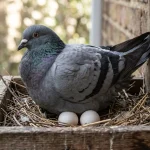
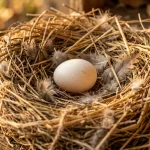
When it comes to nesting, both pigeons and doves tend to choose secluded sites that offer shelter from predators. Pigeons, particularly urban varieties like the Rock Pigeon, are opportunistic and may nest in man-made structures such as ledges and building eaves, while doves typically prefer more natural settings, building their nests in trees or dense shrubbery. The nests themselves are often simple platforms made from twigs and grasses, reflecting the available materials in their environment.
Breeding Practices: The breeding habits of pigeons and doves can vary notably. Most commonly, they may breed year-round, especially in favorable conditions. Pigeons can lay up to two eggs and raise multiple broods per year, making them prolific breeders. These eggs are generally incubated for about 17 to 19 days, with both parents participating in this essential task. After hatching, the chicks, known as squabs, are cared for diligently, receiving a nutrient-rich substance called “pigeon milk” produced in the parents’ crop, emphasizing the nurturing nature of pigeons.
Doves, such as the Mourning Dove, usually lay two eggs as well but may take a more extended approach to parenting. They incubate their eggs for around 14 to 15 days, and like pigeons, both parents share the responsibility of feeding their young, which are fledged and ready to leave the nest in about two weeks. The distinctively soft cooing sounds made by doves during courtship display not only a commitment to their partner but also serve as a means to attract mates and establish territory.
Caring for these birds during the breeding season requires knowledge and dedication. For bird enthusiasts keeping pigeons or doves, providing a stable environment with adequate nesting materials is key to encouraging successful breeding. Ensuring that the birds have a safe, quiet space to rear their young can lead to successful outcomes and a rewarding experience for both the caretaker and the birds. Whether you’re a seasoned birder or just beginning to explore the world of pigeons and doves, understanding their reproductive habits offers valuable insights into their lives and the importance of conservation efforts to protect these resilient species.
Cultural Significance: Pigeons and Doves in Society
Throughout history, pigeons and doves have woven themselves into the fabric of human culture, symbolizing a range of ideas from peace to communication. In particular, the dove is often associated with tranquility and has become a universal icon of peace. This symbolism is exemplified in various religious texts, such as the biblical story of Noah, where a dove brings back an olive branch to signify the end of the flood. Additionally, doves are frequently released at weddings and memorials, embodying the themes of love, hope, and remembrance.
Pigeons, on the other hand, have held varying perceptions, particularly in urban environments where they are seen as feral and often unappreciated. Yet, they possess a rich heritage as messengers, especially during wartime and across vast distances. Carrier pigeons, a breed of domestic pigeon, played crucial roles in delivering messages during World War I and II, proving their reliability and intelligence. The story of Cher Ami, a pigeon that delivered a vital message that saved soldiers, showcases the heroic side of these birds, despite their often-underappreciated status in everyday life.
In many cultures, both pigeons and doves are celebrated in art and literature. Poets and artists have drawn on their flight and cooing sounds to evoke feelings of romance and nostalgia. In local traditions, especially in places like Asia, bird racing events featuring pigeons highlight their bond with humans and reflect local history and community. For those who keep pigeons as pets or in racing, there is a deep sense of pride and kinship, as these birds are nurtured and trained, transforming them from mere wildlife to cherished companions.
Beyond their symbolism, caring for pigeons and doves also brings a tangible appreciation for their behaviors and needs. For enthusiasts wanting to keep these birds, it’s essential to create environments that mirror their natural habitats. Providing adequate space, proper food, and opportunities for social interaction can enhance their well-being. Engaging with these birds not only enriches one’s understanding of avian life but also fosters a broader appreciation for the ecological roles they play in our lives and surroundings. Whether through a symbolic understanding or hands-on care, exploring the cultural significance of pigeons and doves allows us to connect with nature in meaningful ways.
Pigeons and Doves: Similarities That Bind Them
Pigeons and doves, despite the misconceptions surrounding their identities, share a multitude of fascinating similarities that are captivating for both bird enthusiasts and casual observers alike. These avian cousins belong to the same family, Columbidae, and showcase traits that underline their interconnectedness, enriching our understanding of their behaviors and ecological roles.
Both pigeons and doves exhibit a characteristic cooing sound, which is integral to their communication. This melodic cooing is not just random noise; it plays a significant role in courtship rituals and territorial displays. Observing this behavior can be a rewarding experience-watching pigeons puff out their chests and sway as they call to potential mates adds a dynamic layer to urban wildlife encounters. Notably, the social structures of both groups also reflect similar patterns; they often thrive in flocks, utilizing social interaction to enhance their survival and navigate their environments.
In addition to their social behaviors, pigeons and doves share dietary preferences that highlight their adaptability. Both birds primarily consume seeds, fruits, and grains, which makes them often found in gardens, parks, and other green spaces. This overlapping diet not only underscores their significant roles in ecosystems as seed dispersers but also presents practical opportunities for those interested in birdwatching. Providing a basic feeding station with appropriate seeds can attract both species, enriching local biodiversity.
When it comes to nesting habits, pigeons and doves are equally industrious. They typically prefer to nest in sheltered spots, utilizing readily available materials like twigs and grasses. Their nesting behaviors-often a cooperative effort between male and female-highlight the nurturing aspects of both species. For bird lovers, creating a friendly environment that encourages nesting by providing safe spaces can foster a deeper appreciation for these remarkable birds. By understanding their similarities, bird enthusiasts can enhance their observation experience and contribute to the conservation of these species in their local areas.
Pigeons and doves bridge the gap between various expressions of natural beauty, making them symbols of both urban life and wild habitats. Whether you are witnessing their graceful flights against the city skyline or admiring the tranquil presence of doves in a garden, recognizing their shared traits deepens our connection to these birds and invites us to consider their importance within our ecosystems.
How to Identify Pigeons and Doves in the Wild
To spot pigeons and doves in the wild, you don’t need a pair of binoculars or extensive birdwatching experience; a keen eye and a little knowledge about their physical and behavioral traits will enhance your observation skills. While both birds belong to the Columbidae family, their distinctions can be subtle yet significant. Here’s a guide to help you identify these fascinating avians as they flit and coo in your surroundings.
Key Characteristics for Identification
When trying to differentiate between doves and pigeons, pay attention to the following characteristics:
- Size: Doves tend to be smaller and more delicate, while pigeons are generally larger and bulkier. For example, the mourning dove, a common species in many areas, measures about 9 to 13 inches in length, while the rock pigeon can reach 12 to 15 inches.
- Coloration: Doves often exhibit softer, muted colors-think pale browns and grays. In contrast, pigeons can have a broader range of color variations, including vibrant shades, especially in domesticated breeds. The feral pigeon, for instance, can display iridescent feathers around its neck.
- Tail Shape: Observe the tail feathers; doves typically have longer, pointed tails, whereas pigeons often possess broader, fan-shaped tails.
- Coos and Calls: Their vocalizations help in identification. Doves generally produce softer, more melodious coos, while pigeons have a deeper, more pronounced cooing sound.
Behavioral Observations
Behavior can also give clues to their identities. Doves are often seen foraging alone or in pairs, frequently in quieter settings like gardens or parks. They may exhibit a characteristic bobbing motion when they walk. Pigeons, however, are social birds, often found feeding in large flocks, especially in urban areas. Watching them can be entertaining, as they display a range of behaviors from puffing up their chests during courtship to displaying territorial antics.
Practical Tips for Birdwatching
If you want to improve your ability to identify these birds in your local area, here are a few practical tips:
- Visit Different Environments: Each species may prefer different habitats. Doves often seek out quieter areas, while pigeons thrive in urban settings. Observing them in diverse environments will increase your chances of spotting various species.
- Time of Day Matters: Early morning or late afternoon are often the best times to see these birds, as they are most active during these hours.
- Bring Along Some Food: Consider bringing along birdseed or small grains. Not only will you attract both pigeons and doves-a real treat for birdwatching-but you’ll also have the chance to observe their feeding behaviors closely.
By sharpening your skills and honing in on the specific traits of doves and pigeons, you can deepen your appreciation for these captivating birds. Whether you’re in a bustling city park or a serene natural setting, the thrill of identifying these avian friends adds a rich layer of enjoyment to your outdoor experiences.
Caring for Pigeons vs. Caring for Doves
When considering the care of these birds, it’s essential to recognize the unique needs of pigeons and doves, despite their shared lineage in the Columbidae family. Whether you’re drawn to the social nature of pigeons or the quieter demeanor of doves, understanding their specific requirements can enhance the experience for both the birds and the caretaker.
Pigeons, particularly domesticated varieties, are hardy birds that thrive in a multitude of environments. They require spacious living quarters and benefit from a diet rich in seeds, grains, and occasional fruits or vegetables. Pigeons are also social creatures, so companion birds or interactions with humans are vital for their happiness. A secure aviary or a large cage with opportunities for flight will keep them physically and mentally stimulated.
On the other hand, doves generally enjoy calmer habitats and tend to be more solitary or pair-bonded. Doves’ diet usually consists of seeds and grains, with a need for grit to aid digestion. Providing them with nesting materials, such as dried grasses or soft paper, is crucial for their breeding habits. Doves also thrive with less interference; thus, it’s advisable to offer them a more tranquil setting, which allows them to exhibit their natural behaviors without stress.
To ensure you are meeting the specific needs of each bird, consider creating a care plan that addresses their dietary, social, and environmental preferences. Below is a summary comparison of care needs for pigeons and doves:
| Aspect | Pigeons | Doves |
|---|---|---|
| Social Needs | Highly social; benefit from interactions | More independent; prefer quiet, often solitary |
| Space Requirements | Need larger spaces for flying and exercising | Smaller spaces acceptable; focus on nesting |
| Diet | Seeds, grains, some fruits/vegetables | Seeds and grains, some require grit |
| Nesting Materials | May need minimal assistance or materials | Requires soft nesting materials to enhance breeding |
By tailoring your care to the distinct behaviors and needs of pigeons and doves, you’ll create a supportive environment that promotes their health and well-being. Whether you’re just starting as a bird caretaker or have experience under your belt, taking the time to understand these nuances will yield a rewarding experience with these fascinating birds.
Exploring Common Species of Pigeons and Doves
With a wide variety of species within the Columbidae family, both pigeons and doves bring a diverse array of beauty and behavior to bird observation and care. It’s fascinating to consider that not only are they often confused with one another, but they also inhabit unique ecological niches that define their lifestyles. Among the most common species, we can find notable representatives from both categories, each with distinct characteristics that make them special.
Common Pigeon Species
One of the most recognized species is the Rock Pigeon (Columba livia), often found in urban areas worldwide. These adaptable birds are typically gray with two black wing bars and a glossy sheen on their necks. They are social by nature, frequently seen congregating in flocks. Their diet primarily consists of seeds and scraps found in city landscapes, making them resilient companions in bustling environments.
Another fascinating pigeon is the Victoria Crowned Pigeon (Goura victoria), a strikingly beautiful species native to New Guinea. With its blue-gray plumage and elaborate crest, this pigeon is larger than most, reaching about 28 inches in length. Unlike its urban relatives, it thrives in dense rainforest environments and primarily feeds on fruits, seeds, and leaves. Caring for a Victoria Crowned Pigeon requires a spacious sanctuary mimicking its natural habitat since it needs both room to fly and plenty of vertical space to perch.
Common Dove Species
When it comes to doves, the Mourning Dove (Zenaida macroura) stands out not only for its widespread prevalence but also for its distinctive cooing sound. These slender birds possess a soft gray-brown coloration with long pointed tails, typically inhabiting open areas, including gardens, fields, and suburbs. Mourning Doves have a varied diet of seeds, grains, and fruits, and they prefer to nest in trees or shrubs, making nest boxes an excellent choice for those wishing to foster them in captivity.
Another notable species is the Eurasian Collared Dove (Streptopelia decaocto), identifiable by its black “collar” at the nape of its neck. Originally from Asia, it has adapted well to various environments across Europe and North America. This species is less fussy about nesting sites, often using buildings or other human-made structures, and enjoys a similar diet-primarily seeds and grains with a preference for open habitats.
In each case, understanding the unique needs and behaviors of these birds enhances not only your observation experience but also your ability to provide relevant care if you’re considering them as pets. Both pigeons and doves contribute to the ecological balance while offering joy and companionship to bird enthusiasts around the globe. Whether watching a flock of rock pigeons perform their acrobatic flights in the park or listening to the soothing coos of mourning doves in your backyard, there’s no shortage of joy in exploring these remarkable birds.
Conservation Status: Protecting Pigeons and Doves
Despite their resilience and adaptability, many species of pigeons and doves face significant threats that jeopardize their survival. The Passenger Pigeon, once numbering in the billions, is a stark reminder of the consequences of overhunting and habitat destruction, having been driven to extinction in the early 20th century. Today, conservation efforts are crucial for preserving the diverse species within the Columbidae family, which encompasses more than 300 known types.
Pigeons and doves often thrive in human-altered landscapes, yet they are not immune to challenges such as habitat loss, pollution, and climate change. Organizations and initiatives aimed at protecting these birds focus on several strategies:
- Habitat Restoration: Rehabilitating natural habitats is vital. This includes reforesting areas and creating green spaces in urban environments, which can help sustain local populations.
- Legal Protections: Some species, like the Victorian Crowned Pigeon, are listed under international treaties and laws that restrict hunting and trade, enabling protected breeding and living spaces.
- Public Engagement: Programs that educate the public about the importance of pigeons and doves can foster greater appreciation and support for conservation efforts. This includes citizen science initiatives where people can report sightings, which contributes to data collection and species tracking.
- Captive Breeding Programs: For particularly at-risk species, breeding in captivity can bolster populations, with eventual reintroductions into the wild.
As bird enthusiasts, we can play an active role in conservation by creating habitats in our own backyards. Installing nest boxes, providing fresh water, and offering seeds can attract local dove species and support their breeding efforts. Understanding the behaviors and needs of both pigeons and doves fosters a deeper connection and commitment to ensuring their survival in an ever-changing world. Through collaborative efforts, both professional and casual birders contribute significantly to the thriving ecosystems that these remarkable birds inhabit.
Frequently asked questions
Q: What are the main differences between pigeons and doves?
A: The main differences between pigeons and doves lie in their size, coloration, and behavior. Pigeons are generally larger, with a thicker body, while doves are smaller and have more varied color patterns. For detailed information, check the section on “Key Physical Differences Between Pigeons and Doves” in our article.
Q: Can pigeons and doves interbreed?
A: Yes, pigeons and doves can interbreed, as they belong to the same family, Columbidae. However, such hybrids are relatively rare and may not exhibit consistent traits from either parent. For more insights, see our section on “Exploring Common Species of Pigeons and Doves.”
Q: Why are doves often associated with peace while pigeons are not?
A: Doves symbolize peace largely due to cultural references and their gentle nature, particularly in religious contexts like the biblical story of Noah. In contrast, pigeons, particularly feral ones, are often viewed less favorably due to their urban prevalence. Discover more about this in our “Cultural Significance” section.
Q: How can I identify a pigeon versus a dove in the wild?
A: To identify pigeons and doves in the wild, observe their size, coloration, and calls. Pigeons typically have robust bodies and cooing sounds, while doves are slender with distinctive cooing. For specific identification tips, check our section on “How to Identify Pigeons and Doves in the Wild.”
Q: What do pigeons and doves eat?
A: Both pigeons and doves primarily eat seeds and grains, but doves also consume a broader range of plant materials, including fruits. They require a balanced diet for optimal health. Learn more about their dietary needs in our section on “Dietary Needs: What Pigeons and Doves Eat.”
Q: Where do pigeons and doves typically nest?
A: Pigeons often nest in urban areas, utilizing buildings and roofs, while doves prefer sheltered areas like tree branches or shrubs. Understanding their nesting habits can help in conservation efforts; read more in our “Reproductive Habits” section.
Q: Are pigeons or doves better pets?
A: Both can make excellent pets, but it depends on personal preference. Doves tend to be quieter and require less space, while pigeons can be more social and interactive. For care tips, refer to our “Caring for Pigeons vs. Caring for Doves” section.
Q: How do the social behaviors of pigeons and doves differ?
A: Pigeons are generally more social and tend to live in larger groups, while doves are often seen in pairs or small family units. This can affect how they interact with humans and their environment. Explore more in our “Behavioral Traits” section.
Wrapping Up
Now that you’ve explored the intriguing differences between pigeons and doves, I invite you to deepen your understanding of these fascinating birds! Remember, while they share similarities, their traits and behaviors can vary significantly. If you’re interested in birdwatching tips or need guidance on caring for your feathered friends, check out our comprehensive guides on avian behavior and bird care essentials.
Don’t miss out on the latest insights-subscribe to our newsletter for exclusive content and updates on everything from species identification to birding hotspots. Have questions or experiences to share? We’d love to hear from you in the comments below! Keep exploring the wonderful world of birds, and let’s embark on this journey together. Your next adventure awaits!
Get our latest guides, news, and insights highlighted in your Google Search & AI Overviews.