Did you know that pigeons can be surprisingly persistent guests on balconies? While these birds may seem charming, their droppings and noise can quickly become a nuisance. If you’ve found yourself battling feathered intruders on your outdoor space, you’re not alone. Many homeowners share the same frustration and seek effective ways to reclaim their balconies without resorting to harm. In this guide, we’ll explore proven tactics to deter pigeons, ensuring your balcony remains a serene retreat. Whether you’re a seasoned bird lover or new to this challenge, you’ll find actionable strategies to manage your space effectively. Ready to learn how to keep your balcony pigeon-free? Let’s dive in!
Effective Strategies to Keep Pigeons Away
Creating a pigeon-free balcony requires a multifaceted approach that addresses both the birds’ behavior and effective deterrent methods. Pigeons are creatures of habit, often returning to familiar spots, so disrupting their patterns is crucial. Here are some effective strategies to keep pigeons at bay.
Understand the Behavioral Patterns
To effectively deter pigeons, start by understanding their habits. Pigeons are attracted to areas with easy access to food, water, and safe nesting locations. Examine your balcony for any food sources, such as pet food, birdseed, or food waste, and eliminate these attractants. For instance, make it a habit to clean your balcony regularly after meals or avoid leaving out containers that might collect rainwater.
Implement Physical Barriers
Physical barriers can be an excellent first line of defense. Consider installing pigeon spikes or netting, which prevents them from landing or nesting on your balcony. These solutions are unobtrusive and act as effective deterrents. Additionally, using sloped surfaces on ledges can prevent the birds from perching effectively.
Visual and Auditory Deterrents
To dissuade pigeons from returning, incorporating visual and auditory deterrents can be beneficial. Products like reflective tape, plastic owls, or even wind chimes can create an environment that feels less stable and safe for pigeons. Sound devices that emit predator calls are also worth exploring; while their effectiveness can vary, many people have found success in driving pigeons away temporarily.
Maintain a Clean Environment
Keeping your balcony clean is fundamental to pigeon control. Ensure that there is no litter or leftover food that could attract pigeons. Regularly wash down surfaces where droppings may accumulate to discourage pigeons from considering your balcony a suitable nesting spot.
Using these strategies consistently can help create an environment that is less appealing to pigeons, making your balcony a more pleasant place to relax and enjoy the outdoors.
Understanding Pigeon Behavior and Habits
Understanding pigeons can significantly aid in effective deterrent strategies. These intelligent birds are remarkably adaptive and often return to familiar territories, making it crucial to disrupt their behavioral patterns. Pigeons are typically drawn to spaces where they find convenient access to food, water, and safe nesting sites. It’s fascinating to note how they can remember locations for years, which is why removing any attractants from your balcony is vital for long-term success.
To begin, examine your environment thoroughly. Pigeons are opportunistic feeders and will gravitate toward any food sources, such as spilled seeds, pet food, or even compost piles. Regular cleaning is essential; I recommend sweeping the balcony after meals and ensuring no food waste accumulates. Furthermore, check for any standing water or rainwater collection since pigeons also seek hydration from these sources.
Pigeons prefer to nest in sheltered areas where they feel protected from predators and the elements. If your balcony has any nooks or crannies, these could be potential nesting sites. To deter nesting, it’s wise to inspect and modify these areas. Consider using materials like pigeon spikes or netting to make perching and nesting less appealing.
Moreover, observing pigeon flocks can provide insight into their activities. Pigeons often gather in groups, so a sudden flocking behavior might indicate your balcony has become attractive. By understanding this behavior, you can better anticipate their visits and act quickly to remove any enticements. In essence, recognizing these patterns lays the groundwork for implementing effective deterrents and keeping your balcony pigeon-free.
Choosing the Right Deterrents for Your Balcony
To effectively deter pigeons from your balcony, selecting the right deterrents can make all the difference in maintaining a pleasant outdoor space. Pigeons, known for their adaptability and intelligence, tend to return to locations where they feel safe and can easily access food and shelter. Therefore, implementing a combination of strategies tailored to your specific environment will yield the best results.
A variety of physical deterrents can create an unwelcoming atmosphere for pigeons. Here are a few effective options:
Pigeon Spikes
Pigeon spikes are among the most popular deterrents. These simple installations prevent birds from landing and perching on rails and ledges. Available in various materials, spikes can be affixed with adhesive or mounted directly. When strategically placed, they help disrupt the pigeon’s behavior, dramatically reducing their presence.
Netting
Another robust deterrent is netting. This option is particularly effective if your balcony has secluded nooks that pigeons might find attractive for nesting. Netting can be draped across these areas to physically block access while still allowing light and air to flow through. Additionally, ensure that any gaps or holes are sealed, as pigeons are skilled at finding even the smallest openings.
Motion-Activated Sprinklers
For a more dynamic approach, consider installing motion-activated sprinklers. These devices can startle pigeons with a sudden burst of water, teaching them to avoid the area over time. They are especially effective if you live in a hot climate where birds tend to congregate for hydration.
Ultrasonic Repellents
Some might consider using ultrasonic devices that emit high-frequency sounds, irritating to birds but inaudible to humans. While experiences with these devices can vary, many users report reduced pigeon activity after consistent use.
Choosing the Right Combination
As you evaluate these deterrent options, remember that a multifaceted approach often yields the best results. Combining physical barriers with sound devices and environmental modifications can create an environment where pigeons feel unwelcome. Regular observation is key-monitor how pigeons interact with your space and adjust your strategies as needed. With persistence and the right tools, you can reclaim your balcony and enjoy it without the inconvenience of unwanted feathered visitors.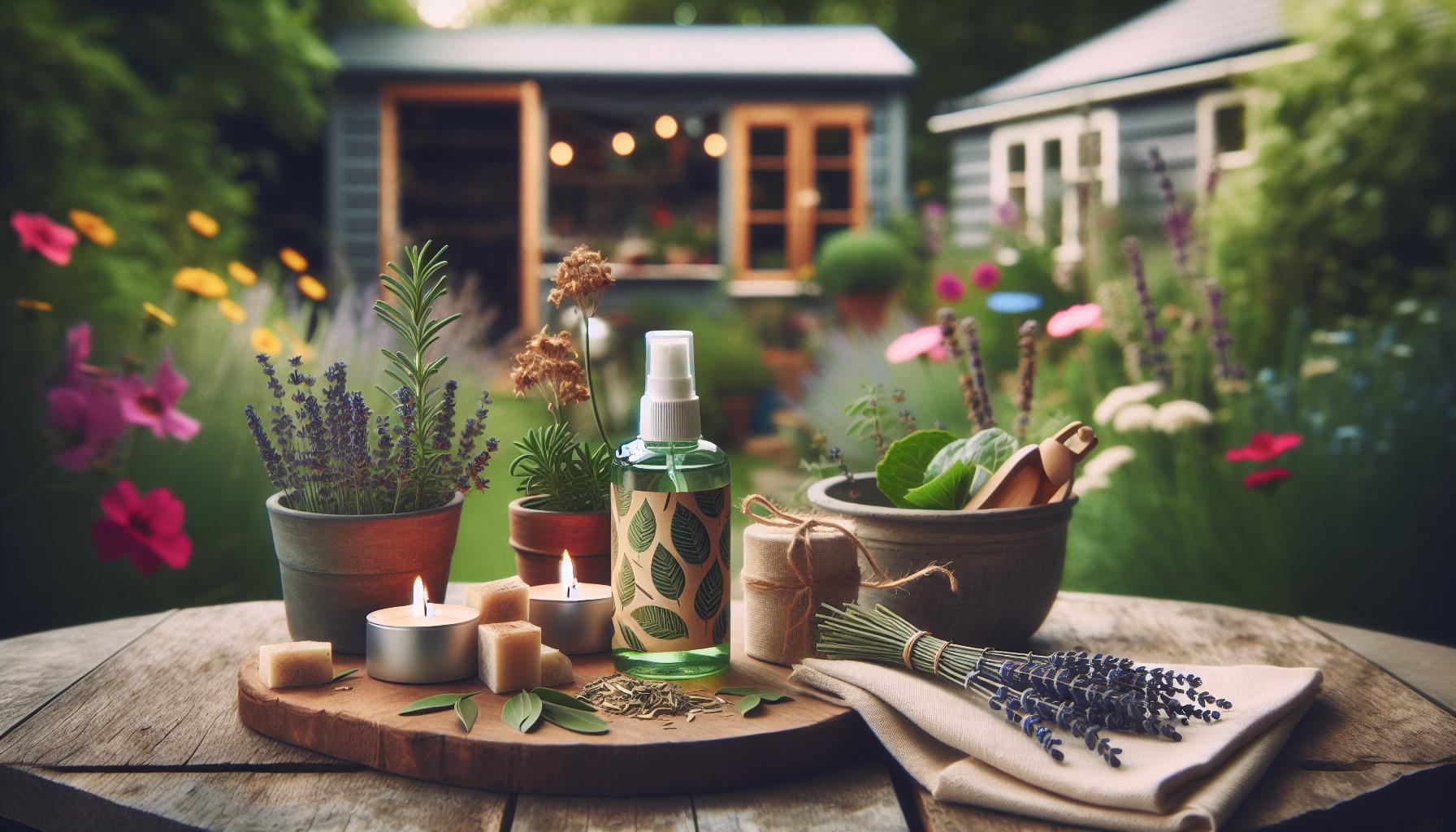
Natural Repellents: Safe and Eco-Friendly Options
There’s something about the fresh scent of citrus that seems to irritate pigeons, making it an excellent natural repellent for your balcony. If you’re looking for safe and eco-friendly ways to discourage these feathered visitors, consider implementing a few simple strategies that harness the power of natural remedies. These options not only help to keep pigeons at bay but also contribute to a more pleasant environment for you and your guests.
One effective method is to create a citrus-based spray using essential oils or fresh peels. Pigeons dislike the strong scent of citrus fruits like lemon, orange, and grapefruit. To make your own spray, mix water with a few drops of essential oil in a spray bottle, or boil citrus peels in water to create a potent deterrent solution. Simply spray this mixture around your balcony railings and any potential nesting sites. Reapply it regularly, especially after rain, to maintain its effectiveness.
Another natural deterrent to consider is the use of spices such as cayenne pepper or chili powder. Pigeons are sensitive to strong flavors and scents, and sprinkling these spices around the areas where they typically gather can create an unwelcoming environment for them. A light dusting is usually sufficient, and the bonus is that these spices won’t harm the birds; they simply find the experience uncomfortable and will likely seek food elsewhere.
Lastly, planting certain herbs can also deter pigeons while adding beauty to your balcony. Herbs such as mint, basil, and lavender not only have pleasant aromas for humans but can repel pigeons with their strong scents. Consider placing pots of these herbs strategically around your balcony, providing both a natural barrier to pigeons and a delightful aesthetic and culinary addition to your space.
By integrating these natural repellents into your balcony management plan, you can create a more enjoyable outdoor space without resorting to chemical solutions. These eco-friendly methods align with a broader commitment to maintaining a safe and healthy environment for both yourself and local wildlife.
Using Physical Barriers to Block Access
To effectively keep pigeons off your balcony, employing physical barriers is a highly effective strategy that capitalizes on their natural behaviors. Pigeons tend to return to familiar spots, especially where they perceive safety and availability of resources. By blocking their access, you can significantly reduce their presence.
One practical approach is to install pigeon spikes along railings and ledges. These spikes are designed to prevent pigeons from perching without causing them harm. They disrupt their landing and the perceived comfortable resting spots, guiding them to seek alternative venues. When using spikes, make sure they are installed properly; they should cover areas where pigeons typically gather. Combine this with nets or bird mesh around your balcony to physically block their access to nesting areas. This method not only discourages entry but also protects any plants or furniture below from droppings.
Another effective tactic is to strategically place wire or clear polycarbonate sheeting across areas that act as gateways to your balcony. This transparent barrier can deter pigeons while allowing you to maintain your view. Additionally, make sure to seal off any gaps or spaces where pigeons could potentially squeeze through, as they are adept at fitting into tight spots. Consider using removable barriers that can be adjusted based on your needs and seasonal changes.
Ultimately, the combination of physical barriers creates an environment that is less inviting to pigeons. Not only do they find it difficult to settle, but they also perceive your balcony as an unwelcoming territory. By being proactive and placing these barriers, you can create a comfortable space for yourself-one where pigeons are no longer a nuisance.
Sound Devices: Do They Really Work?
Using sound devices to deter pigeons can be a fascinating, albeit polarizing, tactic for balcony management. Many pigeons, like other birds, rely heavily on their auditory senses for communication and navigation. This reliance opens the door to using sound to alter their behavior. However, the effectiveness of sound devices varies significantly based on the type and consistency of sounds used, as well as the specific environment in which they are employed.
In general, sound devices include ultrasonic repellers, distress calls, and even artificial noise makers designed to simulate predators. Ultrasonic devices emit high-frequency sounds that are unpleasant for birds but mostly inaudible to humans. These can create a challenging environment for pigeons as they prefer quieter spaces for nesting and resting. However, it’s essential to note that pigeons can become habituated to sounds over time, especially if they do not pose any real threat or disruption. Therefore, if you’re considering an ultrasonic repeller, ensure it comes with variable tones or is adjustable to keep the audio experience fresh for the birds.
Using distress calls can be another strategy, where recorded sounds of pigeons in distress are played at intervals. This method can be particularly effective during specific times of the day when pigeons are more active. The key here is to use recordings that mimic genuine distress calls, as pigeons are less likely to return to an area where they perceive danger. For best results, combine this approach with other deterrents, such as physical barriers, to create a less inviting atmosphere.
Ultimately, while sound devices can offer a complimentary method to deter pigeons, they are part of a larger strategy. Their success depends significantly on regular monitoring and adaptation. So, if you decide to integrate sound into your pigeon deterrent strategy, keep an eye on its effectiveness and be prepared to switch tactics if the pigeons start to ignore the noises. Through a multi-faceted approach, you can create an environment that makes your balcony less appealing to these feathered visitors.
Visual Deterrents That Deter Pigeons
The sight of pigeons happily roosting on your balcony can quickly become a nuisance. Understanding how to leverage visual deterrents effectively can make your outdoor space less appealing to these feathered visitors while also maintaining the aesthetic appeal of your home. Visual deterrents rely on specific stimuli to confuse or scare away pigeons, altering their perception of safety in the area.
One widely used and effective visual deterring method involves reflective materials. Pigeons are naturally wary of shiny surfaces that can reflect light unexpectedly. Simple tools such as aluminum foil strips, reflective tape, or old CDs hung at various heights can create dazzling flashes of light that deter pigeons. Consider creating a captivating display by stringing these items along your balcony railings or attaching them to plants. This not only helps to keep pigeons at bay but also adds an interesting visual element to your space.
Another intriguing option is the use of decoys, such as plastic predators. Life-sized replicas of hawks or owls, strategically placed to mimic their natural hunting position, can serve as a strong warning to pigeons. These faux predators can be particularly effective when occasionally moved to give the appearance of life. If you’re looking for a more colorful solution, consider employing colorful, moving objects like wind spinners or brightly colored flags that add a dynamic element to your balcony. Their movement, combined with vibrant colors, disrupts the environment in ways that make pigeons uncomfortable.
While visual deterrents can be effective, their success often hinges on regular updates and changes. Pigeons are quick to adapt to their surroundings, becoming familiar with stationary threats. Therefore, rotating the position of reflective materials and decoys periodically will maintain their efficacy. This strategy not only protects your balcony but allows you to engage in fun, creative expressions while working toward a pigeon-free environment.
Maintaining a Clean Environment to Prevent Nesting
While pigeons can seem charming, their persistent nesting habits can quickly turn a lovely balcony into a messy situation. The key to preventing these birds from claiming your space involves a consistent commitment to cleanliness and a proactive approach to maintenance. Pigeons are notorious for returning to sites where they’ve previously nested, so the first step is to eliminate any attractions that might invite them back.
Regularly cleaning your balcony is essential. This means not only sweeping away crumbs and food remnants that might draw pigeons but also removing potential nesting materials such as twigs, feathers, or debris that could serve as a foundation for their nests. Here are a few practical tips to keep your space uninviting for pigeons:
- Clear Debris: Schedule weekly clean-ups to remove any items such as plant clippings, old flower pots, or other materials that could attract nesting.
- Avoid Food Waste: Make sure to promptly dispose of any food items or scraps that might accumulate, especially if you enjoy outdoor dining.
- Trash Management: Keep trash bins securely closed and avoid leaving garbage bags or recycling containers out in the open.
- Regular Inspections: Look for signs of nests or droppings frequently. Early detection can prevent pigeons from establishing a presence.
Furthermore, it’s beneficial to create an inhospitable environment for pigeons by keeping your balcony tidy. Utilizing planters with less accessible configurations or incorporating spikes or slanted surfaces can discourage them from landing. By making these areas less appealing, you not only contribute to a cleaner view but also reinforce the message that your balcony is not a safe spot for roosting.
By committing to these cleanliness practices, you create a space that is not only enjoyable for you but also unwelcoming for pests, fostering a more pleasant outdoor environment free from the nuisances associated with pigeons.
Success Stories: Real-Life Experiences with Deterrents
When it comes to deterring pigeons from your balcony, real-life success stories provide valuable insights that can guide your efforts. One homeowner in a busy urban area recounted how they transformed their pigeon problem with simple, yet effective tactics. They installed angled ledges on their balcony, which made it difficult for pigeons to find a comfortable spot to perch. After just a few weeks, they noticed a significant decrease in bird activity. This investment not only saved them from constant cleaning but also improved the overall aesthetic of their balcony.
Another individual shared their experience using visual deterrents. They hung reflective tape and old CDs from their balcony railings, which caught the sunlight and created a dazzling visual distraction. The shiny surfaces startled the pigeons, leading to a notable decline in visits. The homeowner reported that this method was particularly effective during the warmer months when pigeons were most active. Additionally, they complemented this with regular balcony cleaning, ensuring that any potential food sources were removed, reinforcing the message that their space was not an inviting habitat.
On an eco-friendly front, a resident living near a park utilized natural repellents as part of their strategy. They planted herbs like basil and rosemary, both known for their strong scents that deter birds. Combining this with a clean environment and the strategic placement of bird-spikes on potential nesting areas, they successfully created a bird-free zone. These personal anecdotes highlight not just the feasibility of these tactics but also encourage a proactive and enjoyable approach to maintaining a peaceful balcony environment.
Remember, while each method may not work universally, experimenting with a combination of solutions tailored to your unique situation can lead to rewarding results. Take inspiration from these success stories, and don’t hesitate to share your journey in creating a pigeon-free haven!
What to Avoid: Common Mistakes in Pigeon Control
Pigeons are often seen as a nuisance, but surprisingly, a significant part of the problem lies in common missteps that many make when trying to deter them. One major mistake is relying solely on one form of deterrent, believing it to be a comprehensive solution. This approach can lead to frustration, especially if the chosen method proves ineffective against a determined flock. Instead, it’s crucial to adopt a multi-faceted strategy that blends various deterrents to create an unwelcoming environment for these birds.
Another frequent error is neglecting the importance of regular maintenance. Pigeons tend to flock to areas where they can find food and nesting materials. If balcony spaces are not kept clean, with leftover food scraps or accessible nesting materials, the efforts to deter pigeons may go to waste. For instance, failing to remove seed husks or food remnants will only attract more pigeons. To combat this, establish a routine cleaning schedule, ensuring that your balcony is frequently cleared of any potential food sources.
Additionally, many people underestimate the significance of proper installation of deterrents. For example, simply placing bird spikes or nets without ensuring they are securely fastened can result in ineffective deterrence as pigeons find ways around them. Make sure that all physical barriers are installed correctly and that they cover all potential roosting and nesting spots. Using incorrect materials or forgetting to address all access points will give pigeons a chance to settle back into their preferred territory.
Lastly, individuals often overlook the seasonal behaviors of pigeons. For instance, during breeding seasons, it can be harder to deter them as they become more persistent in seeking out nesting locations. Understanding that certain times of the year are more challenging for pigeon control can help you prepare ahead of time, deploying more aggressive strategies or additional deterrents right before breeding season hits.
By avoiding these common pitfalls and implementing a well-rounded and proactive approach, you can effectively create a pigeon-free balcony that remains inviting for human use, rather than a haven for birds.
Seasonal Considerations for Balcony Management
As the seasons change, so do the behaviors and habits of pigeons, making it crucial for balcony management strategies to be adaptable. Pigeons typically become more persistent during the breeding season, which often occurs in spring and early summer. During this time, they seek safe and sheltered spaces to nest, with balconies offering an appealing location. Understanding these seasonal patterns can help you proactively implement measures that deter these birds before they establish their presence.
To effectively manage your balcony year-round, it’s essential to adjust your cleaning routines based on the season. In fall and winter, food sources might dwindle, reducing pigeon activity. However, as spring approaches, ensure that any valuable space on your balcony is devoid of food scraps or nesting materials that could attract pigeons. Regularly clearing away debris and food remnants is vital at this time, as it discourages pigeons from setting up shop. Moreover, consider removing any plants that could provide cover or nesting opportunities.
The type of deterrents you use should also be seasonally responsive. For instance, in spring, it may be beneficial to increase physical barriers, such as bird spikes or nets, as pigeons are more determined to find roosting areas. Conversely, during colder months when pigeon activity decreases, you might choose to simplify your approach temporarily. Additionally, introducing visual deterrents, such as reflective tape or decoys, can be particularly effective in spring and summer, when pigeons might be more visible in your area.
Lastly, pay attention to local wildlife laws and regulations which can vary by season. Some localities impose restrictions on certain types of deterrents, especially during nesting season, to protect birds. Understanding these nuances ensures that your efforts are not only effective but also compliant with wildlife conservation regulations. By aligning your strategies with seasonal behaviors, you can create a welcoming balcony for yourself while effectively minimizing the chances of a pigeon invasion.
Legal Considerations When Deterring Wildlife
When dealing with wildlife, including pigeons, it’s crucial to understand that there are legal frameworks in place designed to protect these creatures. In many regions, local and national laws dictate how we can and cannot interact with wildlife, especially during breeding seasons. For instance, certain species of birds are protected under the Migratory Bird Treaty Act, which prohibits the removal or destruction of nests without appropriate permits. Hence, before implementing robust deterrent strategies, it’s essential to familiarize yourself with local wildlife regulations to avoid potential penalties.
One common legal consideration involves the use of specific types of deterrents. For example, while installing spikes or nets may seem like a straightforward solution, some municipalities have restrictions on their use during nesting season. This is to ensure the safety of not only adult birds but also the nests and chicks that may be present. Failure to comply with such regulations can result in fines or legal action, rendering your efforts counterproductive. Always check with your local wildlife agency or authority to ensure that your chosen methods comply with regulations.
Common Legal Considerations:
- Check if pigeons are protected under local wildlife laws.
- Know the nesting seasons and laws concerning disturbance.
- Be aware of local ordinances regarding bird control devices.
- Consult wildlife experts or local authorities if uncertain about regulations.
Moreover, consider engaging with local wildlife rescue organizations. They can provide valuable insights into humane approaches for managing pigeon populations that respect both the law and animal welfare. Often, these organizations can suggest alternatives that align with conservation principles while still addressing your concerns about pigeons on your balcony. By ensuring that your deterrence strategies are compliant with wildlife laws, you not only protect the birds but also contribute to a more harmonious coexistence between urban living and nature.
Faq
Q: What are the best natural repellents to deter pigeons from my balcony?
A: The best natural repellents include vinegar, essential oils like peppermint or eucalyptus, and spicy substances such as cayenne pepper. Spray these around your balcony to create an unpleasant environment for pigeons. For detailed recipes, check the section on natural repellents in our article.
Q: How can I use visual deterrents effectively against pigeons?
A: Visual deterrents like reflective tape, predator decoys, and shiny objects can disrupt pigeons’ comfort. Place these items in visible areas where pigeons frequent. For proper installation tips, refer to the visual deterrents section of our main article.
Q: What physical barriers can I install to prevent pigeons from landing?
A: Installing pigeon spikes, nets, or sloped surfaces can effectively deter pigeons from landing on your balcony. Ensure the barriers are securely fitted and check for any gaps. More details on these options can be found in our article’s physical barriers section.
Q: Do sound devices actually work to deter pigeons?
A: Sound devices can help deter pigeons, but results vary. Ultrasonic devices emit sounds that are uncomfortable for birds, while noise-making systems can scare them away. Test different models and observe their effectiveness. For a comprehensive comparison, read about sound devices in our article.
Q: How can I maintain a clean environment to stop pigeons from nesting?
A: Regularly clean your balcony to remove food scraps, droppings, and nesting materials. Ensure all potential nesting sites are eliminated, such as sheltered areas and planters. Our section on maintaining a clean environment provides more specific guidelines.
Q: What should I do if pigeons are already nesting on my balcony?
A: If pigeons are nesting, it’s important to wait until chicks fledge before removing the nest to avoid legal issues concerning wildlife. Once vacant, clean the area thoroughly and implement deterrents to prevent future nesting. More details can be found in the legal considerations section of our article.
Q: Are there any humane ways to deter pigeons from my balcony?
A: Yes, humane methods include using visual deterrents, natural repellents, or physical barriers that prevent pigeons from accessing the area without harming them. Our article emphasizes safe and eco-friendly options to help you achieve this.
Q: What seasonal considerations should I keep in mind when deterring pigeons?
A: Seasonal changes affect pigeon behavior; spring and summer see increased nesting activity. Preparing your balcony in advance with deterrents during these times can minimize issues. For detailed seasonal tactics, refer to the seasonal considerations section of our article.
To Conclude
Now that you’re equipped with proven tactics to deter pigeons from your balcony, take action today to reclaim your space! Implementing these strategies will not only enhance your comfort but also protect your property from potential damage. Remember to regularly monitor the effectiveness of your methods and make adjustments as needed.
For more insights on bird control, check out our articles on “Best Bird Repellent Techniques” and “Understanding Pigeon Behavior.” These resources will deepen your knowledge and help you become even more effective in managing your bird-related challenges. Don’t hesitate to share your experiences or ask questions in the comments below; your engagement helps us grow our community!
Ready to tackle your bird dilemmas? Sign up for our newsletter to receive expert tips right to your inbox, or explore our product recommendations to find the ideal solutions tailored for your needs. Together, we can create a harmonious living environment!
Get our latest guides, news, and insights highlighted in your Google Search & AI Overviews.