
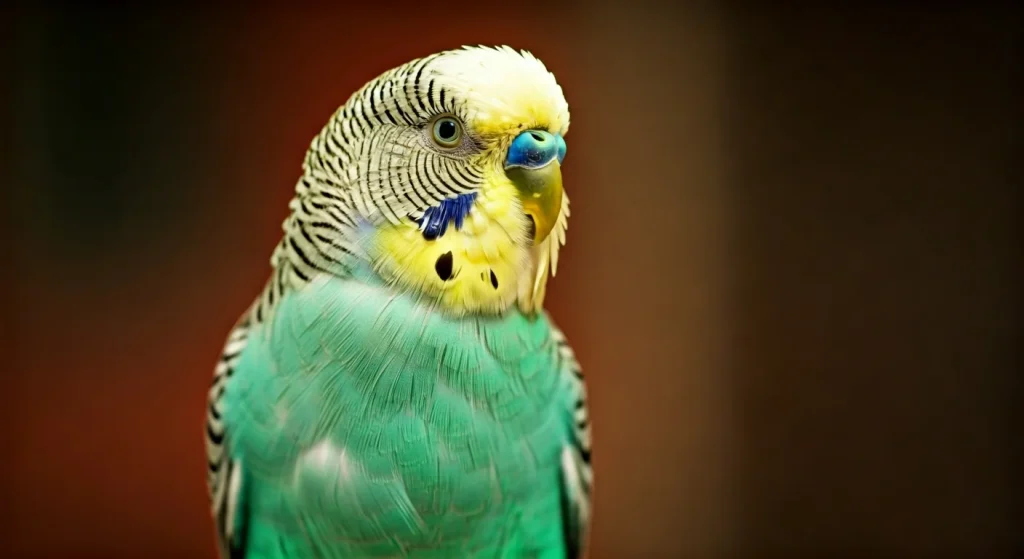
Do Parakeets Get Cold? Your Guide to Temperature Needs
Quick Answer
Parakeets temperature tolerance is a critical aspect of their care, with the ideal range being between 65°F and 85°F (18°C – 29°C), which is the parakeet ideal room temperature. While wild Australian budgerigars are hardy, captive-bred pet parakeets are highly sensitive to drafts and temperature drops. Below 60°F, they risk hypothermia in birds. Always avoid rapid temperature fluctuations.
Signs of a Cold Budgie and Biological Thermoregulation
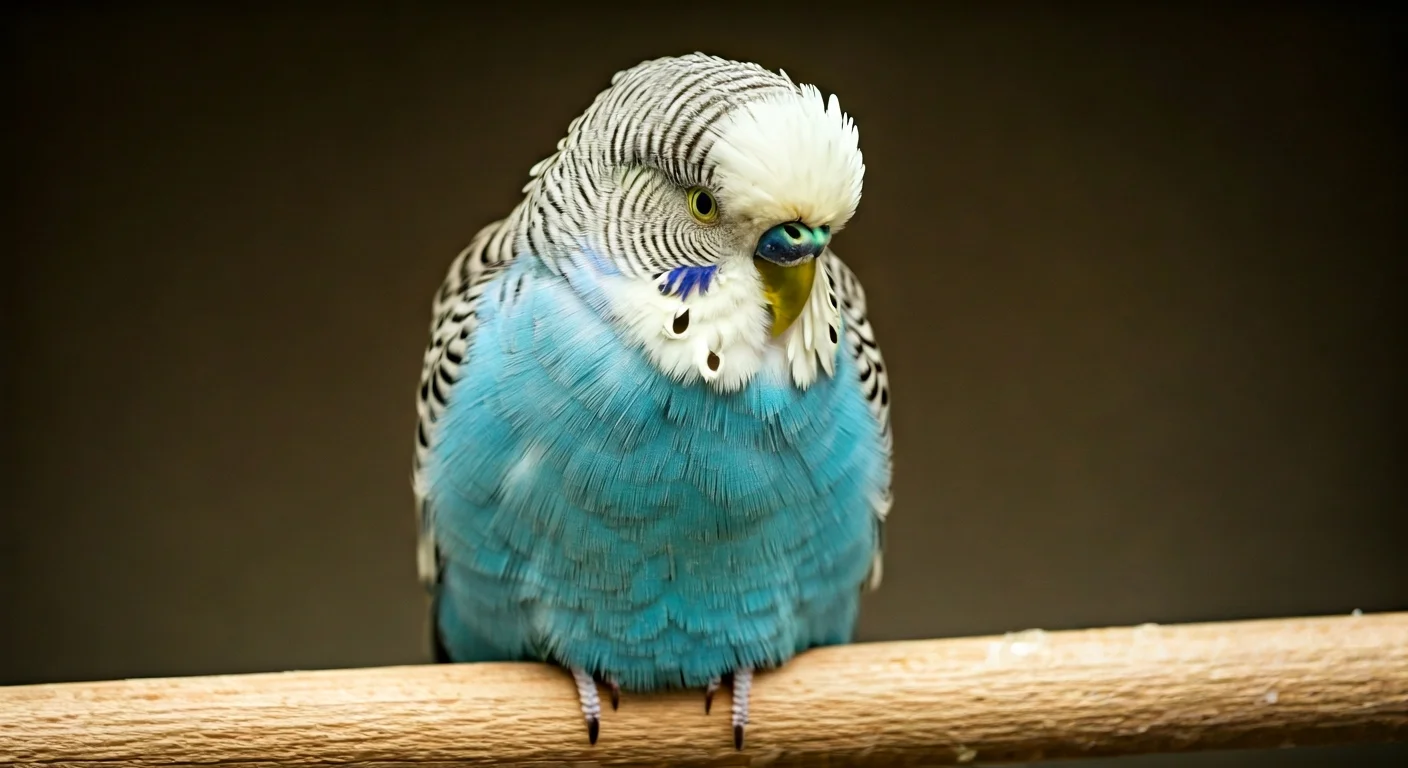
Wondering, “do parakeets get cold?” The answer is absolutely yes. Unlike wild budgies, indoor pets have strict cold limits for budgies and struggle with extreme cold. When a budgie gets cold, you will notice fluffed-up feathers. This is a crucial biological mechanism where they trap warm air within their down feathers to maintain their metabolism and thermoregulation. Other signs of a cold budgie include shivering, tucking their head under a wing, and lethargy. If left unchecked, this directly leads to hypothermia.
Safe Heating vs. Toxic Dangers
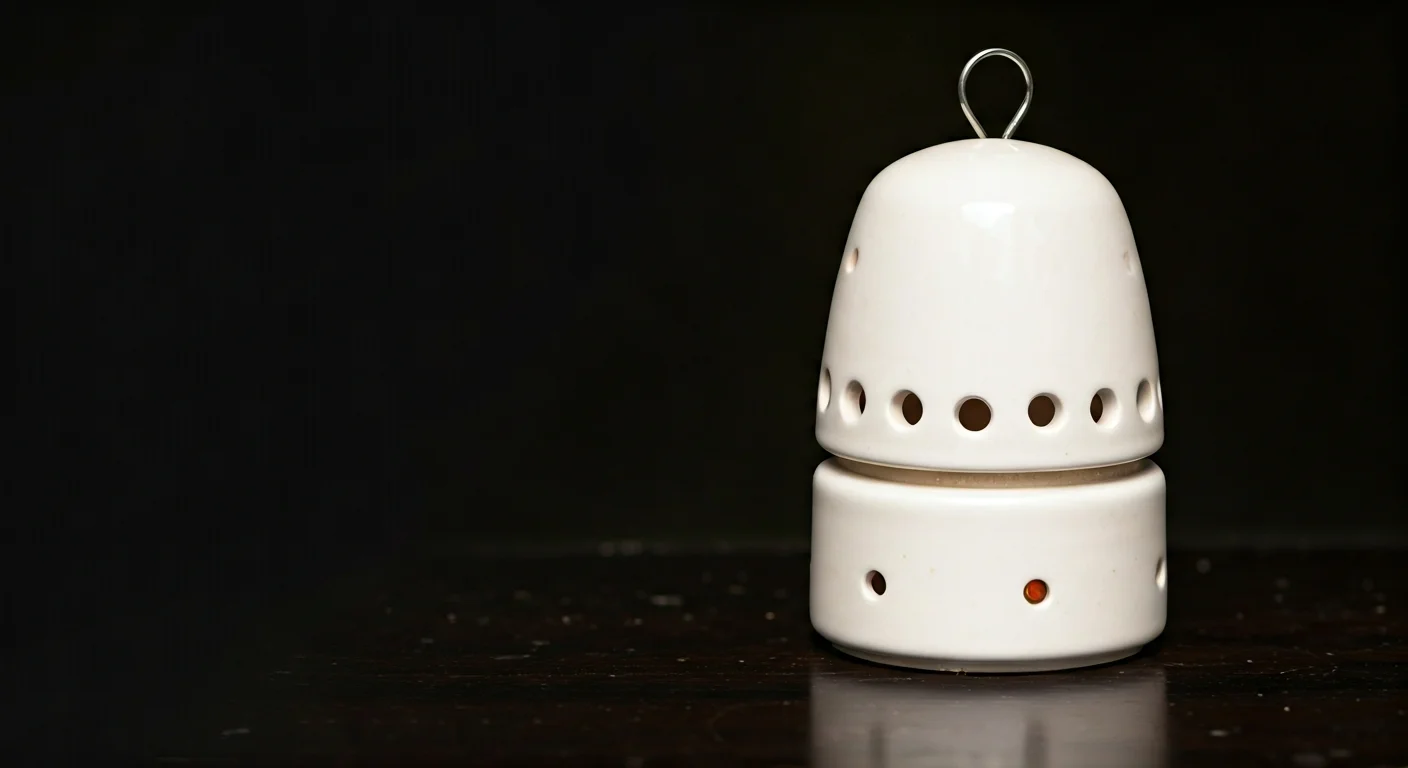
To respect the heat limits for parakeets while keeping them warm, you must use safe heating. Never use standard PTFE/Teflon space heaters, as they emit toxic fumes fatal to birds. Instead, opt for bird-safe ceramic heaters or heated perches. An avian veterinarian will always recommend keeping a stable environment, as rapid temperature fluctuations from indoor HVAC cycling or open windows are more lethal than steady absolute cold. Always monitor the room in both Celsius and Fahrenheit to avoid heat stress.
Budgies Temperature Tolerance Comparison
Wild Australian budgerigars experience vast temperature swings in the outback, but your captive-bred pet parakeet requires absolute stability.
| Condition | Impact on Parakeets |
|---|---|
| 65°F – 85°F (18°C – 29°C) | Ideal Zone for healthy metabolism |
| Below 60°F (15°C) | Risk of hypothermia, fluffed-up feathers |
| Above 85°F (29°C) | Risk of heat stress, panting |
Safe Heating (Pros)
- Ceramic radiant heat panels
- Avian-safe heated perches
Dangerous Heating (Cons)
- PTFE/Teflon space heaters
- Drafts from open windows
Get our latest guides, news, and insights highlighted in your Google Search & AI Overviews.










