

Owls, with their captivating beauty and mysterious behavior, are often viewed as symbols of wisdom. Yet, did you know that they can also be surprisingly aggressive? In this exploration of the infrequent yet intriguing phenomenon of owl attacks on humans, we’ll unravel the circumstances that lead to these rare encounters. Understanding why and when these majestic birds might feel threatened or provoked is vital for bird watchers and outdoor enthusiasts alike. By the end, you’ll gain valuable insights not only into owl behavior but also into how to safely enjoy their presence in the wild. So, let’s demystify these incredible creatures and learn how to coexist with them respectfully and safely!
Do Owls Attack Humans: Understanding the Myths and Realities
Owls are often viewed with a mix of fascination and fear, but the truth about their interactions with humans is more nuanced than popular myths suggest. Although the idea of an owl attacking a human can invoke a chilling image, such events are exceedingly rare and typically arise from misunderstandings of owl behavior. Owls primarily act in defense of their territory or their young, and their aggressive displays often stem from instinct rather than malice.
In the rare instances when owls do display aggression, it’s usually linked to specific circumstances such as nesting season. During this time, a female owl may feel threatened by perceived intrusions near her nest and may swoop down to ward off a potential danger. Their natural reaction is to protect their young using intimidation tactics-such as loud hoots or physical posturing-rather than outright attacks. Like any wild animal, they prefer to avoid confrontation, and if they can, they will retreat instead of engaging.
Understanding the behavior of owls is vital in dispelling myths surrounding their aggression. These birds of prey are typically timid and prefer to observe rather than confront. They are also nocturnal hunters, which means their interactions with humans are limited. However, if you inadvertently come too close to their nesting area, it’s essential to recognize their defensive behaviors, such as hooting or dive-bombing, as signals of discomfort rather than overt hostility. Being able to identify these signs ensures safer and more respectful encounters with these remarkable creatures.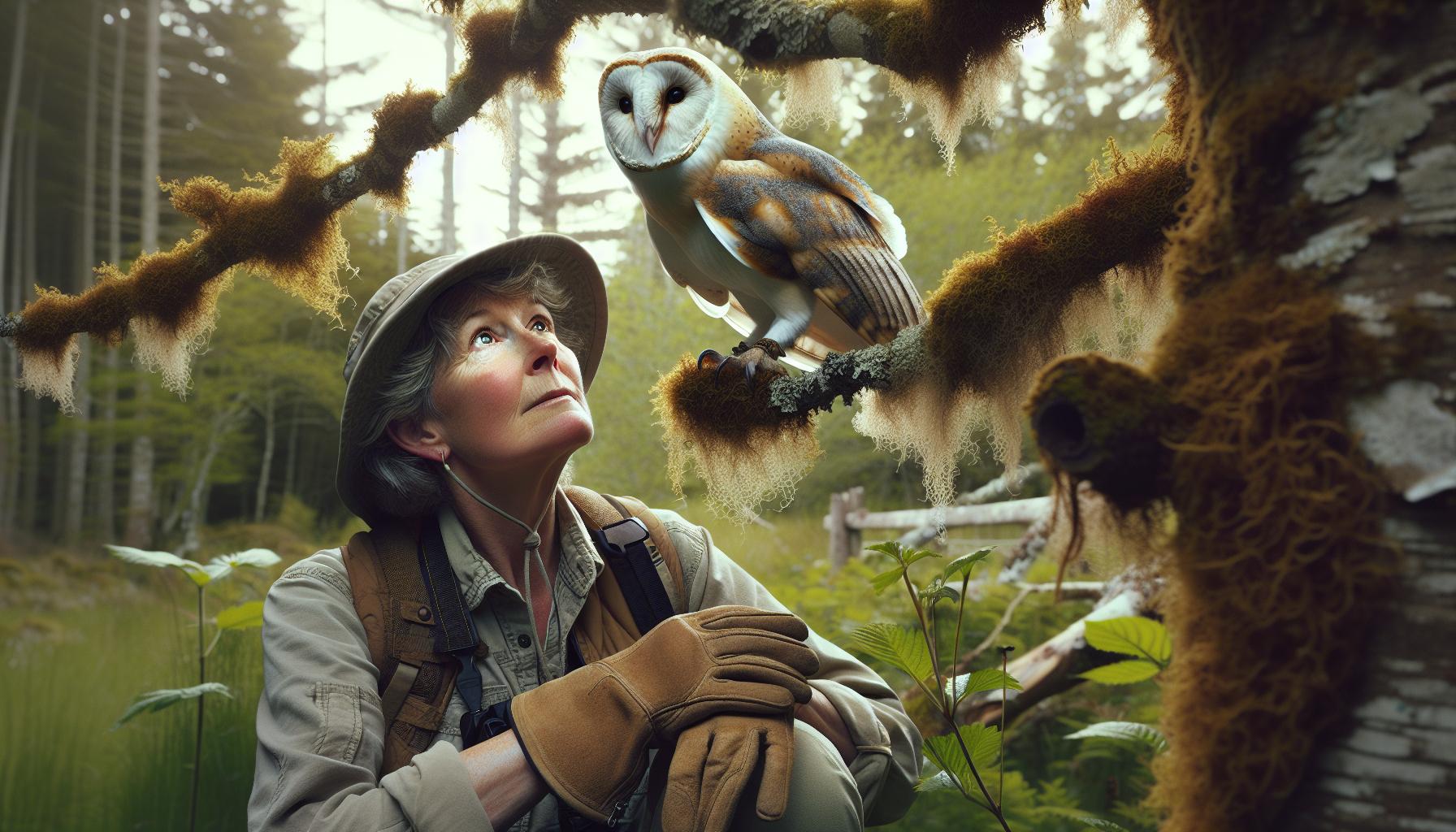
When and Why Do Owls Display Aggression?
Owls are often regarded as symbols of wisdom and mystery, but their behavior can sometimes lead to misunderstandings about their interactions with humans. While the notion of an owl attacking a person may evoke a frightful scenario, occurrences of such incidents are quite rare and typically occur under specific circumstances. One of the most significant triggers for owl aggression is the presence of their nests during the breeding season. Female owls, particularly, exhibit protective instincts towards their young. When they perceive a threat near their nesting area, they may exhibit aggressive behaviors such as swooping, hooting loudly, or posturing to intimidate intruders.
Interestingly, owls are not naturally aggressive animals; their first line of defense is usually avoidance. They are inherently solitary and prefer to keep their distance from humans. However, if an owl feels cornered or unable to retreat, it may resort to defensive tactics to ward off perceived threats. Factors such as maternal instincts during nesting, territorial disputes with other owls, or even the presence of pets can provoke these defensive behaviors. In many cases, what might seem like an attack is simply the owl’s way of safeguarding its territory and offspring. Understanding this behavioral context is crucial for anyone interested in observing these magnificent birds in their natural habitat.
In addition to nesting season, the maturity of the owl also plays a role in aggressive displays. Immature owls, especially those recently fledged, are less adept at recognizing threats and may react more impulsively when approached. This unpredictability can catch unsuspecting observers off-guard. Thus, when in the vicinity of nesting areas or young owls, knowing how to accurately interpret their signals is essential for both the safety of the observer and the well-being of the owls. By appreciating the complexities of owl behavior, we can foster a respectful coexistence with these remarkable creatures.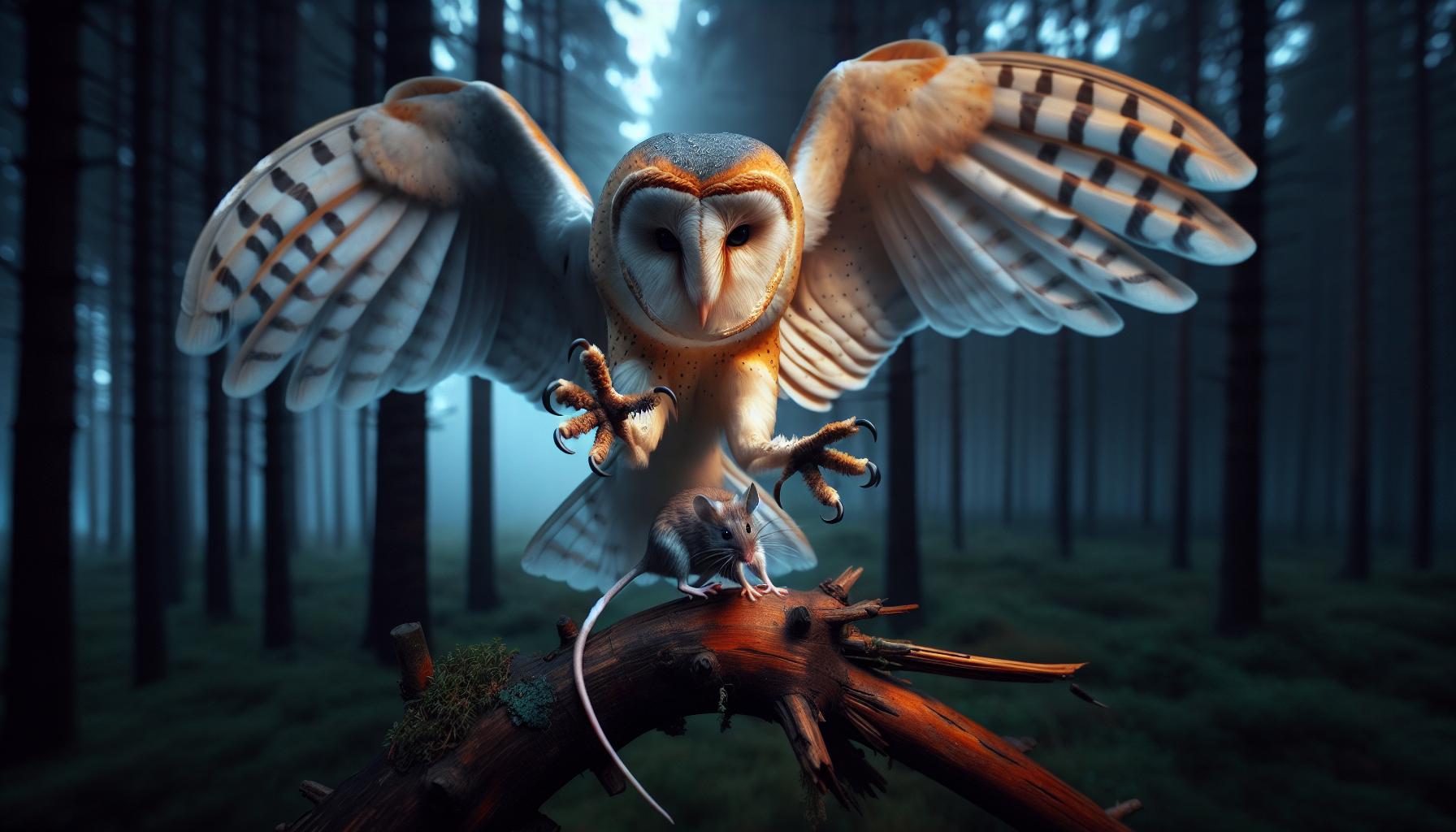
Common Scenarios Leading to Owl Attacks
While encounters with aggressive owls are rare, certain situations can escalate emotions, leading to what may seem like attacks. Understanding these scenarios can help us navigate the delicate balance between coexisting with these fascinating creatures and ensuring our safety.
One common scenario arises during the breeding season, typically from late winter to early spring, when owls are especially protective of their nests. Female owls will fiercely defend their young by exhibiting defensive behaviors such as swooping down on intruders, loud hooting to signal distress, or even standing their ground if they feel their territory is threatened. This protective instinct can result in perceived aggression if humans unknowingly enter their nesting area.
Another scenario involves territorial disputes among owls, particularly in regions where their habitats overlap with human activity. Owls are highly territorial, and interactions may occur as a result of competition for food or nesting sites. In these cases, aggressive displays may happen if one owl perceives another as an encroaching threat. Furthermore, close encounters with pets, particularly dogs, can trigger defensive behavior. An owl may perceive a dog as a potential predator or a rival, leading to aggressive posturing in an effort to protect itself and its territory.
Additionally, juvenile owls or those recently fledged can exhibit unpredictable behaviors when approached. Young owls, still learning to navigate their habitats, might react defensively due to their inexperience in identifying threats. This impulsive behavior can catch observers off-guard, amplifying the chances of a startling encounter.
While most owls prefer to avoid humans, recognizing these common scenarios can enhance your understanding of owl behavior. If you are observing owls in the wild, it’s crucial to give them space and respect their nesting areas, especially during the breeding season. Understanding their triggers allows you to engage with these magnificent birds safely while appreciating their role in our ecosystem.
Understanding Owl Behavior: Fear or Protection?
Encountering an owl in the wild can be a magical experience, but it’s essential to understand that these magnificent birds have complex emotional responses, often driven by a need to protect themselves or their young. Owls are generally not aggressive towards humans without cause; instead, what might seem like an attack is often a manifestation of fear or a protective instinct. Their natural behaviors can sometimes lead to misunderstandings during casual encounters, particularly when we find ourselves too close to their territory.
Owls primarily display aggression as a response to perceived threats. For instance, during the breeding season, owls become especially vigilant and defensive of their nests. They may swoop down or make loud hooting calls to signal distress when they feel their young are in danger. This behavior is less about attacking and more about safeguarding their offspring. Recognizing when an owl is acting out of fear rather than outright hostility can greatly inform how we interact with them. Observing these birds from a distance, especially during critical periods like nesting, can help ensure we do not inadvertently provoke a defensive reaction.
Additionally, young owls may exhibit erratic behaviors due to inexperience. Unlike their adult counterparts, fledglings are still mastering their surroundings and may react unpredictably when approached. Such responses are often driven by their instinctual desire to protect themselves from what they perceive as danger. For those interested in birdwatching, it’s crucial to give ample space to these juvenile owls, allowing them the freedom to navigate their environment without added stress.
Ultimately, understanding owl behavior hinges on recognizing the delicate balance between fear and protection. By respecting their boundaries and acknowledging the nuances of their reactions, we can appreciate the role owls play in our ecosystem while also maintaining our safety. When observing these incredible birds, patience and awareness are key, ensuring a positive experience for both the observer and the owl.
Species of Owls Most Likely to Attack
Certain owl species are more prone to displaying aggressive behavior, particularly during critical periods such as nesting or when they feel their territory is being encroached upon. It’s essential to recognize that while these birds are inherently majestic and fascinating, their defensive actions can lead to unexpected encounters with humans. Understanding which owls are more likely to exhibit aggression helps prepare birdwatchers and naturalists for safe interactions.
The Great Horned Owl is one of the most notorious species for its defensive nature. With strong territorial instincts, these owls are known to fiercely protect their nests from perceived threats, including humans who venture too close. Their impressive size and loud hoots can be intimidating, but they are primarily acting out of necessity to safeguard their young.
Similarly, the Barn Owl can exhibit aggressive behavior if it feels threatened. While generally more reclusive than the Great Horned Owl, they are highly protective of their nesting sites. Their sharp talons and unexpected dive-bombing tactics can surprise those who wander near their territory, especially during the breeding season when they are more sensitive to perceived dangers.
Other Notable Species
Beyond these two, several other species might exhibit aggressive behaviors under certain circumstances:
- Barred Owl: Known for their haunting calls, these owls may attack if they feel their territory is being invaded.
- Eastern Screech Owl: Despite their small size, they can pack a punch when defending their nests, often using their loud vocalizations as a warning.
- Snowy Owl: While generally more docile, they can become aggressive if cornered or during nesting.
The best approach when encountering these species is to always maintain a respectful distance, especially during sensitive times like nesting season. Learning to recognize the signs of an agitated owl, such as hooting loudly, swooping, or not taking flight, can help enthusiasts avoid uncomfortable confrontations. This understanding fosters safer and more rewarding experiences in nature, allowing both owls and observers to share the environment harmoniously.
Signs That an Owl Feels Threatened
When observing owls in their natural habitats, it’s crucial to recognize the signs that indicate they may feel threatened. Understanding these behaviors not only enhances your wildlife experience but also ensures your safety as well as the well-being of these magnificent birds. Owls, like many wild animals, have specific ways of communicating their discomfort or aggression, which can be easily observed if you know what to look for.
One of the most common is through vocalizations. If you hear loud hooting, screeching, or even hissing sounds, this may indicate that the owl is agitated. For instance, the Eastern Screech Owl has a distinctive trill that can be an early warning sign. Another behavior to watch for is the owl’s body language. If an owl fluffs up its feathers, it can make itself look larger and more intimidating to perceived threats. Additionally, an owl may turn its head to track your movements, showing interest or concern about your presence.
When an owl is feeling particularly aggressive or cornered, it may engage in swooping behavior. This action involves flying close to a person or pet to scare them away from the area. Great Horned Owls, known for their fierce territorial instincts, often display this type of behavior if they believe their nest or young are in danger. In such cases, it’s essential to remain calm and slowly back away to give the owl space.
Finally, if an owl remains on a perch but keeps its eyes fixed on you without taking flight, it’s a signal that it feels uncomfortable yet vigilant. This is distinct from a relaxed stance, where the bird appears more casual and unfazed by nearby activity. By being mindful of these signs and respecting an owl’s space, you contribute to a safe and harmonious environment for both yourself and these extraordinary creatures.
Safe Ways to Observe Owls in Nature
Observing owls in their natural habitats can be a truly exhilarating experience, especially considering the aura of mystery that these nocturnal predators exude. However, it’s essential to approach this activity with respect and caution to ensure both your safety and the well-being of the owls. Owls are usually shy and prefer to avoid human interaction, but they can display aggressive behaviors if they feel threatened, particularly during nesting season or if their young are at risk. Here are some effective strategies for observing these magnificent birds safely and responsibly.
Maintain a Respectful Distance
One of the most fundamental rules when observing owls is to keep a safe distance. Use binoculars or a camera with a zoom lens to appreciate their beauty without intruding on their personal space. Approaching too closely can cause stress to the owl, prompting defensive behaviors. Make sure to observe from a distance that allows you to see the owl clearly while minimizing your impact on their natural behavior.
Timing Your Observations
Owls are primarily nocturnal, which means that they are most active at dusk and dawn. Planning your outings during these times increases your chances of spotting them while they are hunting or socializing. Additionally, during twilight hours, the light creates an enchanting atmosphere, perfect for capturing their ethereal presence. Always remember to check local regulations regarding wildlife observation, as some areas may have restrictions to protect these birds.
Minimize Noise and Disturbance
Keeping noise to a minimum is crucial when observing owls. They are sensitive to sound, and loud conversations or sudden movements can startle them. If you’re in a group, communicate softly, and avoid any abrupt gestures. It’s also advisable to stay on designated trails to reduce your footprint on their habitat, ensuring that movements do not disturb their natural surroundings.
Educate Yourself on Owl Behavior
Understanding owl behavior and body language can enhance your observation experience. Familiarize yourself with the different calls and vocalizations specific to the species you are observing. For instance, the Great Horned Owl has a distinctive hoot that can indicate its presence. Knowing the signs of aggression, such as fluffing feathers or intense staring, helps you gauge their comfort level in your presence. This knowledge not only enriches your experience but also helps you engage with these birds in a more informed manner.
By employing these strategies, you can enjoy watching owls in their natural habitats while ensuring that both you and the owls have a safe and enjoyable experience. Respecting their space and understanding their behavior allows for a rewarding connection with these fascinating creatures, deepening your appreciation of nature and wildlife conservation.
Impact of Nesting Season on Owl Aggression
During the nesting season, owls exhibit heightened levels of aggression, primarily driven by instinctual protective behaviors towards their young. This period typically occurs in spring, varying slightly by species and geographic location, and it marks a critical time when owls are particularly vigilant. The arrival of vulnerable chicks necessitates a fierce defense of their nest sites, as the survival of the next generation relies heavily on parental care and protection from perceived threats.
Owls, being territorial birds, will aggressively defend their nesting areas from any potential intruders, which can include both humans and other animals. For instance, Great Horned Owls are particularly known for their boldness during this time; they may swoop down on anyone who ventures too close to their nesting site. This behavior not only serves to ward off predators but also reinforces their dominance in the area, ensuring that they have the resources to nurture their offspring. Recognizing common indicators of nesting behavior, such as frequent vocalizations or protective posturing, can provide valuable insights into their state of mind and help observers maintain a respectful distance.
To mitigate the risks of an encounter with an aggressive owl during nesting season, it’s vital for bird watchers to be aware of their surroundings and respect the signs of aggression. Here are some practical tips:
- Know the Timing: Be aware of local nesting seasons specific to the owl species in your area. This knowledge can guide your plans for observation.
- Keep Your Distance: Use binoculars or telephoto lenses to observe from afar, allowing you to appreciate their behavior without encroaching on their territory.
- Be Attentive to Cues: Watch for signs of nesting, such as increased vocalizations or aggressive displays like hooting or diving.
- Limit Disruption: Avoid lingering near known nesting sites, particularly during the critical early weeks when chicks are most vulnerable.
By understanding the dynamics of owl behavior during nesting season, we can foster a more harmonious coexistence with these majestic birds, while also enjoying the thrill of observing their natural instincts in action. Being informed and respectful not only enhances the experience but also plays a crucial role in the conservation of these fascinating creatures.
Cultural Perceptions of Owls and Human Interaction
Owls have long captured the human imagination, often embodying the mysterious and the misunderstood in various cultures worldwide. While these nocturnal birds are revered for their wisdom and grace, perceptions of owls can drastically shift when considering their interactions with humans, particularly during aggressive encounters. Many myths and cultural narratives paint owls as harbingers of doom or symbols of malevolence, leading to a heightened fear surrounding their presence. Such cultural sentiments can influence public perception and response to owl behavior, particularly when aggression is displayed.
Historically, in many Indigenous cultures, owls were viewed as protectors of the night, offering guidance and warnings through their calls. However, as urban expansion encroaches on wildlife habitats, this relationship has become more complex. An unfortunate consequence of this shift is that owls are often seen as threats, particularly by people who may not understand their behavior. For example, when an owl attacks, it is typically a defensive action caused by territorial instincts or the protection of their young, not a manifestation of inherent aggression. Recognizing these motivations can foster a more nuanced understanding of owls and lead to healthier human-owl interactions.
As enthusiasts and wildlife observers, understanding the cultural narratives surrounding owls can empower us to approach these birds with respect and curiosity rather than fear. Education plays a key role here; by sharing factual information about owl behavior and their ecological significance, we can help demystify their presence. For instance, owls often exhibit aggression during nesting season, not only to defend their chicks but also as a natural instinct to protect their territory from perceived threats. Being aware of these behaviors allows us to appreciate owls as integral parts of our ecosystems and to observe them safely and responsibly.
To coexist harmoniously with owls and appreciate them from a respectful distance, consider the following approaches:
- Educate Yourself: Learn about the species of owls in your area, their behaviors, and nesting seasons to minimize risks and enrich your experiences.
- Promote Conservation: Support local efforts to protect owl habitats and raise awareness about the importance of their role in the ecosystem.
- Engage with the Community: Participate in or organize local events centered on owl observation and education to help dispel myths and foster appreciation.
Ultimately, by bridging the gap between cultural perceptions and the realities of owl behavior, we can cultivate a society that celebrates these magnificent creatures rather than fears them. Understanding the blend of fear, respect, and admiration in our cultural narrative is essential for creating a more harmonious relationship with our feathered neighbors.
What to Do If You Encounter an Aggressive Owl
Encounters with aggressive owls can be startling, particularly since these creatures are often associated with wisdom and tranquility. However, it’s essential to remember that owl aggression is usually a defensive reaction rather than a sign of inherent anger. When an owl feels threatened, its first instinct is to protect its territory or young. If you find yourself in a situation where an owl displays aggression-perhaps the bird swoops down at you or vocalizes loudly-there are several steps you can take to ensure your safety while respecting the owl’s behavior.
Firstly, remain calm. Sudden movements may escalate the situation. Instead of retreating rapidly, back away slowly while keeping your eyes on the owl. If possible, place a solid object such as a tree or a vehicle between you and the owl. This provides a physical barrier that may help the owl feel less threatened and can give you the opportunity to distance yourself from its perceived territory. It’s also wise to avoid direct eye contact, which can be seen as a challenge in the animal kingdom. Instead, use your peripheral vision to keep track of the bird’s movements.
After you’ve safely distanced yourself, observe the owl’s behavior from afar. Understanding the species in your vicinity is vital. For example, great horned owls and barred owls are known for their territorial instincts and may exhibit aggressive behavior if their young or nests are nearby. If the owl is persistently aggressive, consider finding an alternative path during your outings, particularly during nesting season when they are more defensive.
If you feel the need to report the encounter-especially if the owl seems unusually aggressive towards people or pets regularly-contact local wildlife authorities. They can provide guidance on whether the owl poses a risk and whether any intervention is necessary. Always remember, owls, like many wild animals, are best appreciated from a respectful distance, allowing them to thrive without unnecessary stress. Engaging with local wildlife organizations can also help you gain more insight into owl behavior and how to coexist peacefully with these fascinating birds.
Best Practices for Coexisting with Owls
Owls are some of the most fascinating and misunderstood creatures in the animal kingdom. Many people admire them for their beauty and the role they play in our ecosystem; however, when it comes to interactions with humans, caution is essential. To ensure a harmonious coexistence with these majestic birds, there are several best practices to consider.
First and foremost, understanding their behavior is key. Owls are generally solitary and territorial animals that can become aggressive if they feel their nest or young are threatened. During nesting season, which typically occurs in spring, owls may be more defensive. It’s crucial to stay informed about local owl populations and their nesting habits. If you’re aware of an owl nesting nearby, it’s best to steer clear of that area or take alternate routes when walking or hiking. This minimal disturbance creates a respectful distance that allows the owls to thrive without feeling cornered or stressed.
When observing owls in the wild, practice patience and respect their space. Use binoculars or a camera with a good zoom lens to enjoy their beauty from a distance. This not only keeps you safe but also ensures that you don’t inadvertently provoke the owl into an aggressive display. If you do find yourself close to an owl, remember to keep your movements slow and deliberate. Avoid sudden actions, as these can trigger a defensive response. Instead, back away calmly while facing the owl, and look for safe barriers, like trees or rocks, that can protect you during your retreat.
Additionally, fostering awareness within your community can have a positive impact on owl conservation. Engage with local wildlife organizations or participate in community education programs. By sharing information about owl behavior and emphasizing the importance of respecting their territory, you help promote a peaceful coexistence. Remember, owls play a vital role in controlling rodent and insect populations, and protecting them benefits the ecosystem as a whole.
In summary, by understanding their behavior, respecting their space, and engaging with your community, you can enjoy the incredible presence of owls while minimizing any risks associated with human interaction. This balanced approach assures both your safety and that of these magnificent birds, allowing everyone to appreciate their beauty in harmony.
When to Contact Wildlife Authorities About Owl Behavior
If you find yourself in a situation where an owl is displaying aggressive behavior or you feel threatened by one, it’s crucial to understand when it’s appropriate to contact wildlife authorities. Such interactions can sometimes stem from misunderstandings of owl behavior or human encroachment upon their habitat, especially during sensitive periods like nesting seasons.
In general, reporting an owl incident is advisable if the behavior is beyond a typical defensive display-such as prolonged attacks or if the owl is acting unusually aggressive in urban areas where interaction is uncommon. Here are some specific scenarios to consider:
- Repeated Aggression: If an owl has approached you or others multiple times, especially in a concentrated area like a park or residential neighborhood, this behavior should be reported. Such patterns can indicate a protective instinct gone awry, and wildlife officials can assess and advise on safety measures.
- Signs of Distress: If an owl appears injured or unable to fly away from a human presence, it may require assistance. Contacting authorities can help ensure the bird gets the care it needs and reduce risks to both the owl and people nearby.
- Unusual Behavior: An owl that seems unusually lethargic, disoriented, or aggressive without apparent provocation may be affected by environmental factors or illness. Reporting this can provide insights for wildlife experts to examine potential threats to the local owl population.
- Community Safety: If aggressive owl behaviors pose a risk to children or pets, especially during peak outdoor activity times, reporting these incidents can prompt local authorities to address the concern, potentially through education or mitigation strategies.
Keep in mind that many wildlife authorities have protocols in place to handle these situations sensitively and effectively, ensuring both human safety and the well-being of the owl. By contacting them, you play a role in conserving wildlife while maintaining a safe environment for your community. Remember, most owl attacks stem from natural protectiveness and can often be managed with awareness and the assistance of professionals.
Frequently Asked Questions
Q: Why do owls attack humans?
A: Owls may attack humans primarily when they feel threatened, especially during nesting season when they are protecting their young. Their aggressive behavior is often a defensive reaction rather than a predatory one. To avoid attacks, maintain a respectful distance from nesting sites and observe from afar.
Q: What should I do if I encounter an angry owl?
A: If confronted by an aggressive owl, remain calm and slowly back away without making sudden movements. Avoid direct eye contact, which can be perceived as a challenge. If the behavior persists, it may be best to leave the area entirely to prevent further confrontation.
Q: Are certain owl species more aggressive than others?
A: Yes, some species, such as the Great Horned Owl and the Barred Owl, are known to be more territorial and aggressive than others. Understanding the species you may encounter can help in assessing potential risks and knowing how to act when in their habitat.
Q: Can owls recognize humans?
A: Owls can recognize individual humans, especially if they have had frequent interactions. They may become accustomed to humans in their vicinity but can still display aggression if they feel threatened or if their nesting area is disturbed.
Q: When is owl nesting season, and how does it affect their behavior?
A: Owl nesting season typically occurs in late winter to early spring. During this time, adult owls are especially protective of their nests and young, which can lead to increased aggression toward perceived threats, including humans. Observers should avoid areas where owls are nesting to prevent conflicts.
Q: How can I safely observe owls in the wild?
A: To safely observe owls, use binoculars to maintain distance and minimize disturbance. Visit during daylight hours when they are less active, and stay quiet and still. Know the signs of distress in owls, such as vocalizing or changing posture, and leave the area if they seem agitated.
Q: Do owls attack pets or livestock?
A: Owls can attack small pets, such as cats and small dogs, especially if they are left unattended at night. It’s advisable to supervise pets outdoors during dusk and dawn, and to secure them in safe areas to prevent potential encounters with hunting owls.
Q: What impact does urban development have on owl behavior towards humans?
A: Urban development can alter owl habitats, leading to increased human-owl interactions. Owls may become more aggressive as they adapt to environmental changes and defend their territory. Understanding these dynamics helps in managing expectations and behavior around urban wildlife.
Insights and Conclusions
Understanding when and why owls might attack humans is essential for appreciating these magnificent birds while staying safe. While such encounters are rare, they can occur due to defensive behavior or territory protection. Now that you know more about their behavior, consider exploring our related articles on “How to Coexist with Urban Wildlife” and “Common Misconceptions About Owls” for deeper insights into these intriguing creatures.
Don’t miss out on valuable updates-sign up for our newsletter to stay informed about wildlife education and safety tips. If you have further questions or stories about your encounters with owls, we invite you to share in the comments below! Your experience can help enrich our community’s knowledge. Keep exploring the wonders of nature, and join us in fostering a safe environment for both humans and wildlife.
Get our latest guides, news, and insights highlighted in your Google Search & AI Overviews.










