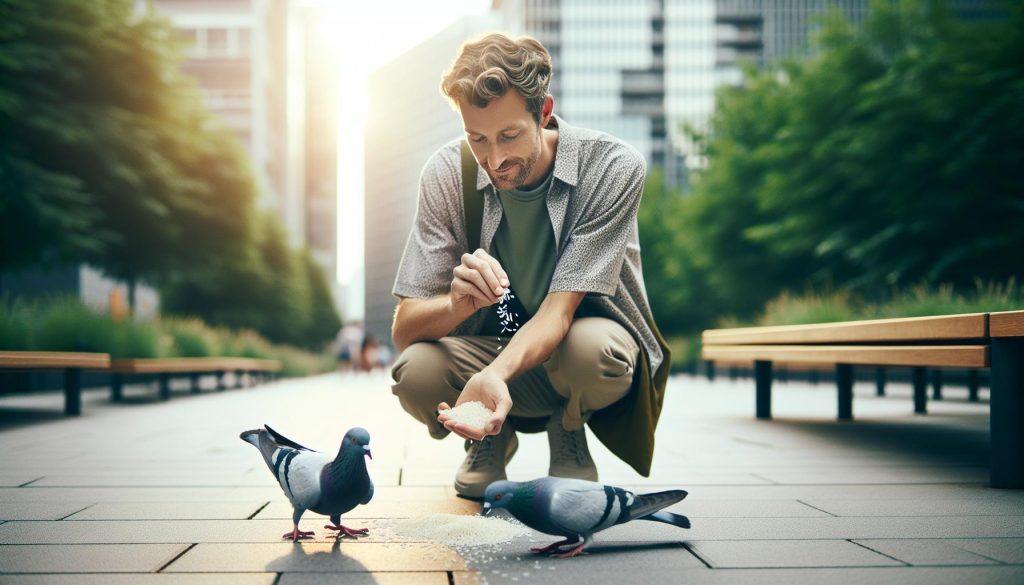
Did you know that the belief that feeding pigeons rice is harmful stems from one of many myths surrounding these fascinating birds? As urban dwellers, pigeons often feast on a variety of foods, but the question remains: can rice safely be part of their diet? Understanding what pigeons can eat not only helps us care for them better but also enhances our connection with these resilient creatures. This article delves into the myths and truths about feeding pigeons rice, offering you valuable insights into their dietary needs and safe feeding practices. By exploring the facts, you’ll gain a deeper appreciation for pigeons and learn how to support their health and well-being, ensuring that every feeding experience is enjoyable for both you and them. So, let’s unravel the truth together and discover how to be responsible and informed caretakers of our feathered friends!
Can Pigeons Eat Rice? The Truth Behind the Myths
Despite popular belief, feeding pigeons rice is not as harmful as some myths suggest. This misconception often stems from cultural narratives and misunderstandings about bird diets. In fact, pigeons can eat rice, whether it’s cooked or dry. However, there are important considerations to keep in mind about their overall health and nutrition.
Pigeons have a unique digestive system well-suited for processing seeds and grains. Their bodies can handle various types of food, including rice. When feeding them rice, it’s essential to serve it in moderation and as part of a diverse diet. Dry rice, for instance, may need to be crushed to prevent choking, especially for younger birds. It’s also worth noting that while rice isn’t toxic, its nutritional value is limited compared to other foods, such as seeds, fruits, and grains that offer more vitamins and minerals.
The key takeaway here is balance. Providing pigeons with rice occasionally can be a delightful treat, but relying solely on it can lead to nutritional deficiencies. A varied diet, including pellets designed for pigeons, seeds, fresh vegetables, and occasional fruits, will support their well-being more effectively. Always being mindful of their dietary habits ensures not only their health but also enhances your experience as a pigeon caretaker.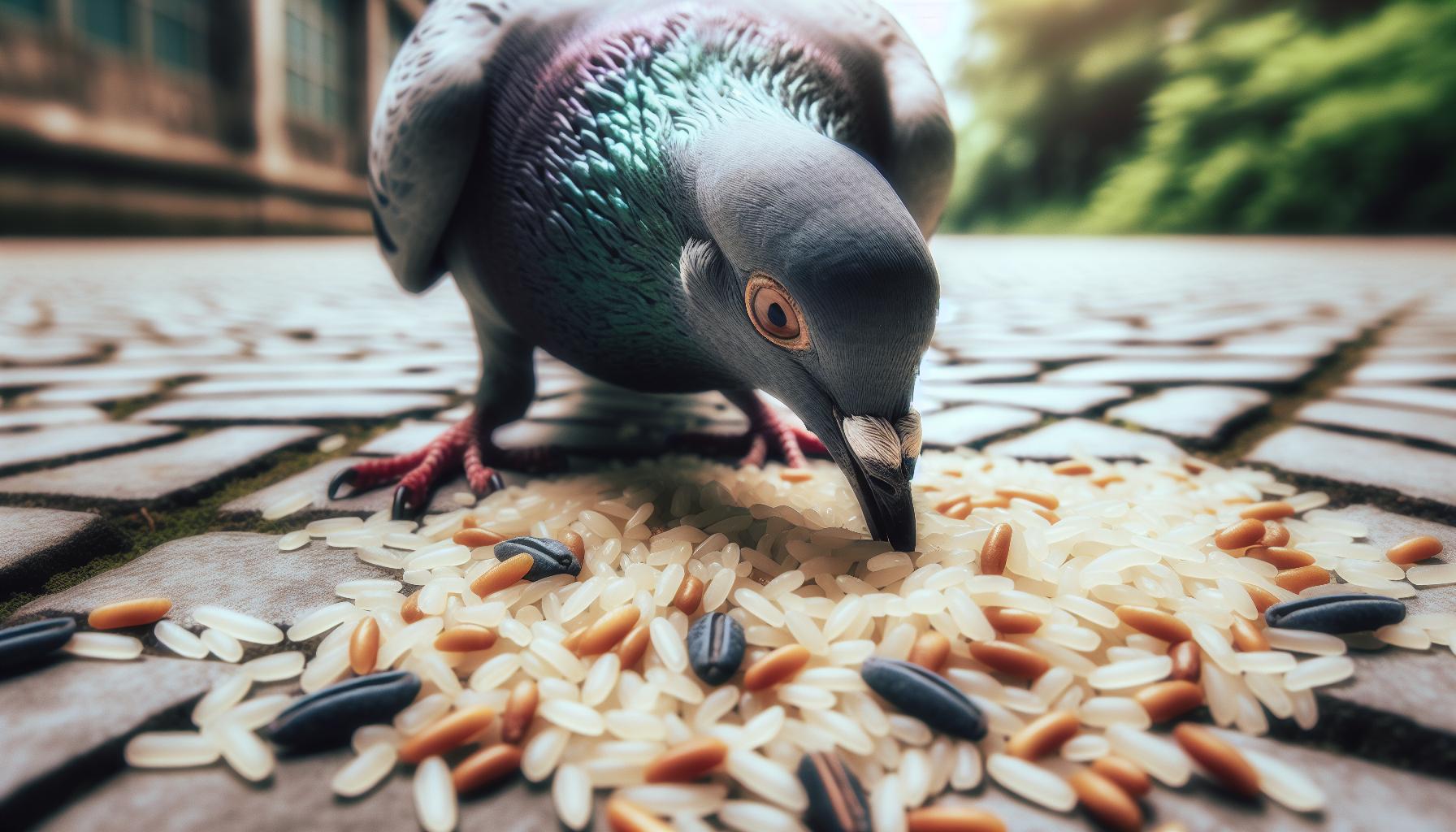
Understanding Pigeon Digestive Systems and Diet
Pigeons are remarkable creatures with surprisingly complex digestive systems that are intricately designed to process a wide variety of foods. At the core of their diet, pigeons thrive on seeds and grains, which serve as the foundation of their nutritional intake. Their gizzards, which are muscular and efficient, help grind down tough food items, making digestion easier. This biological trait permits them to consume grains like rice without adverse effects, provided the food is administered appropriately.
It’s essential to recognize that although rice can be part of a pigeon’s diet, it should not dominate their feeding regimen. Pigeons naturally forage for a balanced variety of nutrients in the wild, consuming seeds, fruits, and occasionally small insects. This natural behavior underscores the need for a diverse diet when raising or feeding pigeons in human care. Including a mixture of high-quality pigeon pellets, seeds, and fresh greens can ensure that these birds receive essential vitamins and minerals crucial for their overall health.
When considering what to feed pigeons, it’s important to be mindful of portions and food types. Providing rice in moderation can serve as a treat, but when offered excessively, it could lead to nutritional imbalances. For instance, pigeons fed an exclusive diet of rice may lack critical nutrients found in other foods. Therefore, balancing rice with more nutrient-dense options, such as vegetables and specially formulated pigeon feeds, promotes a healthier, more vibrant flock.
Incorporating practices that mimic their natural feeding habits can enhance their welfare and well-being. Observing how your pigeons interact with different food types can inform you of their preferences and needs, ensuring you provide them with the diet they not only enjoy but also thrive on. Creating a varied feeding environment encourages exploration and social interaction, both of which are vital for pigeons’ psychological health.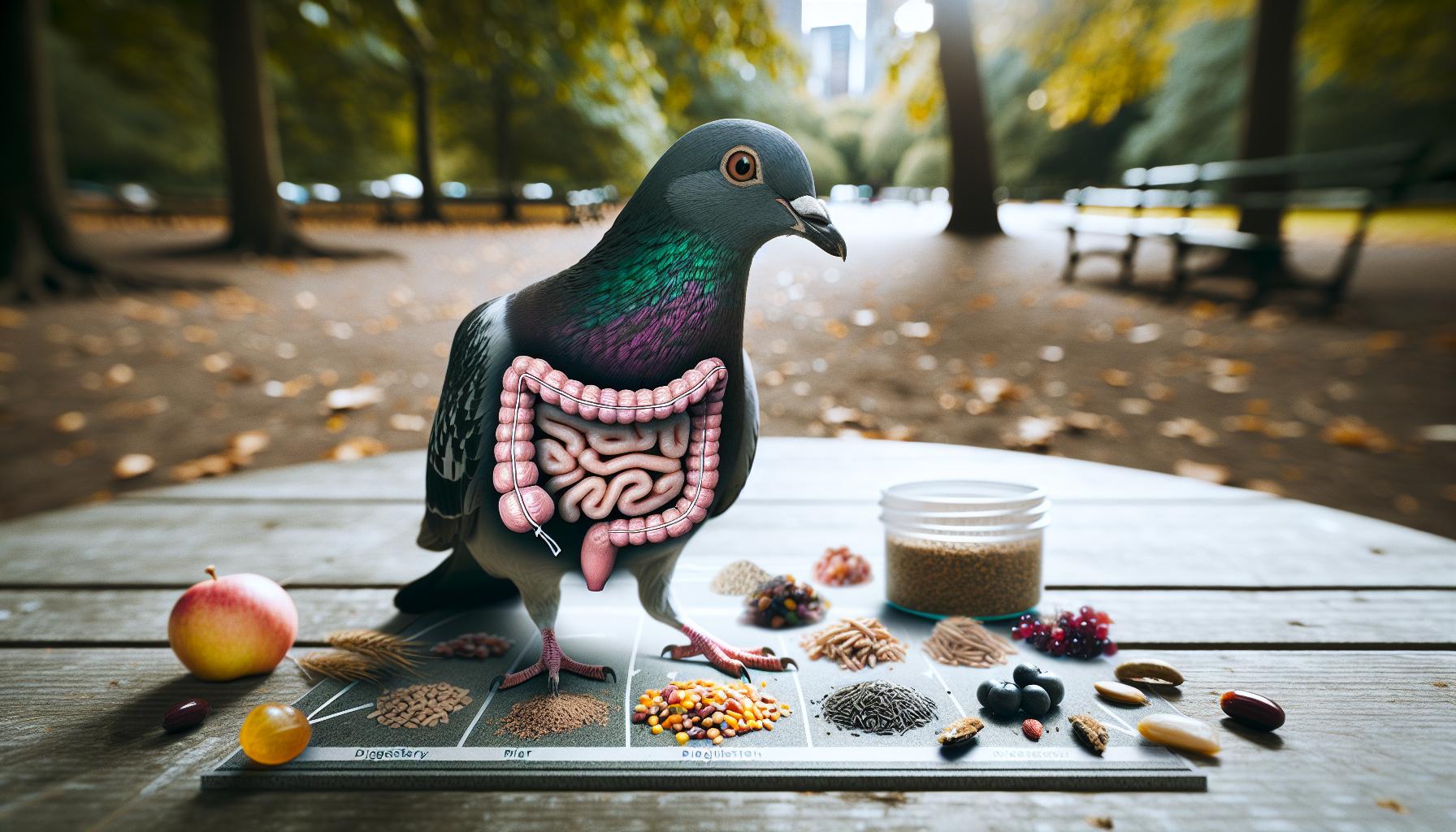
Common Myths About Pigeons and Rice
Many pigeon enthusiasts and casual feed-givers believe that rice is harmful to pigeons, a misconception that has circulated for years. Let’s set the record straight: while it’s true that rice should be offered in moderation, this staple grain can actually be a nutritious part of a pigeon’s diet. When considering the complexity of a pigeon’s digestive system, it’s important to understand how they process various foods. Pigeons possess gizzards that efficiently grind down tough grains, making them capable of digesting rice without significant issues.
Another common myth is that feeding pigeons rice can cause them to explode. This notion is entirely false and stems from a misunderstanding of avian digestion. Pigeons, like many birds, consume food that absorbs water and expands in their gizzards; however, rice does not pose a unique risk in this regard. Instead, the key focus should be on the overall balance of their diet. Offering a variety of foods ensures that pigeons get the nutrients they need without the risks associated with over-reliance on any single food item, including rice.
Additionally, some people think that pigeons will come to rely solely on rice if they are offered it regularly, leading to potential nutritional deficiencies. Pigeons are opportunistic feeders; in the wild, they hunt for a mix of seeds, grains, fruits, and occasionally small insects. To prevent any dietary imbalance, it’s important to complement rice with a diverse range of other foods. Including high-quality pigeon pellets, fresh vegetables, and fruits can create a more balanced and healthy diet.
In short, understanding the dietary needs of pigeons can help debunk the myths surrounding rice. By offering rice as an occasional treat, while ensuring a varied diet, you can contribute to the well-being and health of your feathered friends.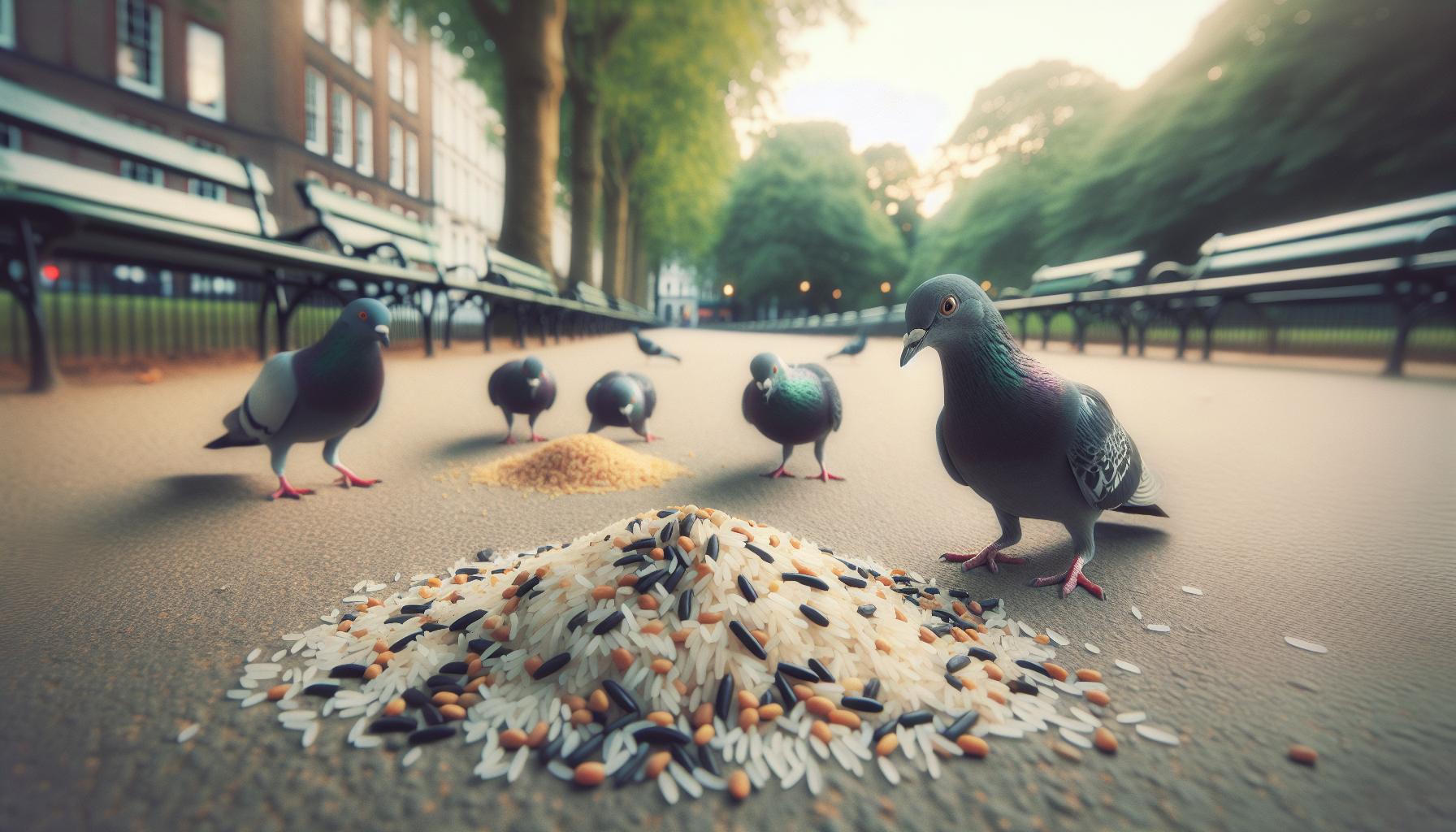
Is Rice Safe for Pigeons? Nutritional Insights
Pigeons are remarkable creatures with adaptable dietary habits, but the question of whether rice is safe for them often stirs confusion. Many pigeon enthusiasts believe that rice, particularly when uncooked, can be harmful. However, this belief stems more from myth than fact. In reality, rice can be a nutritious supplement when offered responsibly. Pigeons have a unique digestive system, featuring a gizzard that effectively processes grains, including rice. This means they can digest it without issues, provided it is introduced as part of a varied diet.
When considering the nutritional profile of rice, it’s important to recognize its benefits. Rice is a good source of carbohydrates, providing energy that pigeons need for their daily activities, from flying to foraging. However, relying solely on rice or giving it in excessive amounts can lead to nutritional imbalances. Pigeons thrive on a mixed diet, which should include grains, seeds, vegetables, and fruits to cater to their diverse nutritional needs. By incorporating rice in moderation, owners can enhance the overall diet, making it richer and more varied.
To maintain a healthy feeding routine, consider these guidelines:
- Offer in moderation: Rice should be given as a treat rather than a staple. A small handful mixed with other foods once or twice a week is sufficient.
- Complement with diversity: Mix rice with high-quality pigeon pellets, seeds, and fresh produce to ensure a balanced diet.
- Monitor behavior: Observing how your pigeons react to their diet can provide insight. If they seem less active or display signs of poor health, reevaluate their food sources.
Understanding what constitutes a healthy diet for pigeons helps to dispel the myths surrounding rice feeding. By taking a balanced approach, you can ensure your feathered friends thrive, enjoying both the energy of rice and the diverse nutrients from other food sources.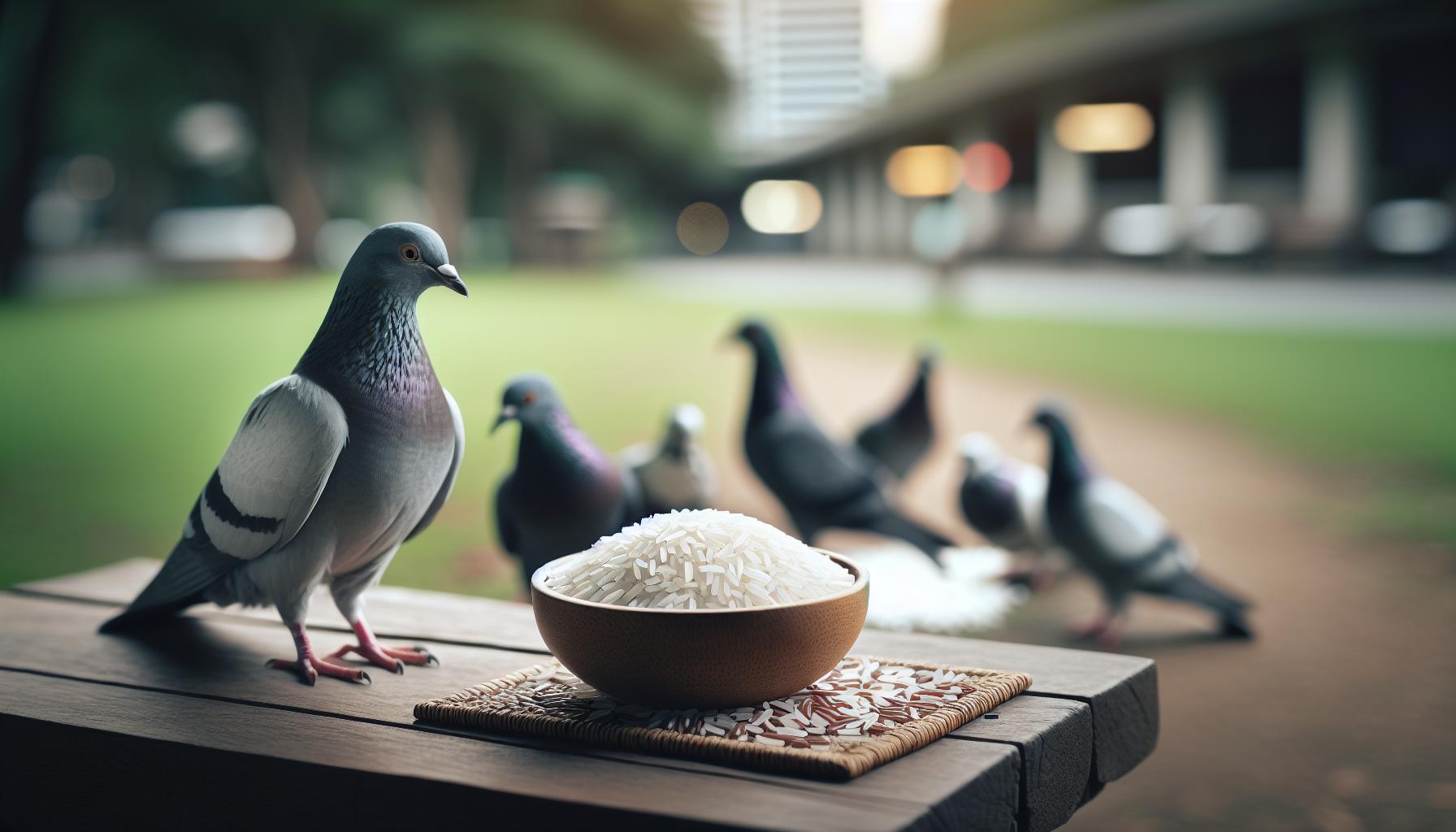
Alternatives to Rice: What to Feed Pigeons
Pigeons are versatile feeders, and while rice can be a delightful addition to their diet when offered in moderation, it’s essential to explore an array of other options that can provide the necessary nutrients and variety these birds need. An enriching diet is not only about sustenance; it plays a crucial role in their overall health, behavior, and well-being. By incorporating different food sources, you can keep your pigeons vibrant and thriving.
Grains and Seeds
One of the most important components of a pigeon’s diet is a mix of grains and seeds. These provide essential fats, proteins, and carbohydrates. Some excellent options include:
- Millet: A small, nutritious seed that is easy for pigeons to consume, millet serves as a fantastic source of energy.
- Sorghum: This whole grain is rich in carbohydrates and helps maintain energy levels.
- Sunflower Seeds: High in fat and a favorite among many birds, these seeds also provide valuable vitamins.
- Oats: Rolled or whole oats can be included for additional fiber and energy.
Make sure to vary the selection to keep meal times interesting and to meet their nutritional requirements.
Fruits and Vegetables
Fresh produce is an excellent way to introduce vitamins and antioxidants into your pigeon’s diet. While they may not be the first to try vegetables and fruits, many pigeons enjoy the crunch and flavor! Consider these options:
- Leafy Greens: Kale, spinach, and romaine lettuce are great choices that offer numerous health benefits. Chop them into manageable pieces for easy eating.
- Apples and Berries: Unsweetened, chopped apples or fresh berries like blueberries and strawberries provide hydration and essential nutrients.
- Carrots: Grated or chopped carrots are a simple way to introduce vitamin A into their diet.
Always remember to wash fruits and vegetables thoroughly and remove any seeds or pits that could be harmful.
Pigeon Pellets
For those seeking convenience and nutritionally balanced feed, high-quality pigeon pellets can be an outstanding addition to your feeding regimen. These pellets are specially formulated to meet the dietary needs of pigeons, covering protein, vitamins, and minerals in a single, easy-to-use product. Look for brands that prioritize natural ingredients and avoid excessive fillers.
Tips for Feeding
When introducing new foods to your pigeons, do so gradually. This helps prevent digestive upset and allows them to adjust to the new flavors. Observe their preferences and behaviors after feeding. Keeping a varied diet not only meets their nutritional needs but also stimulates their natural foraging behaviors, encourages exploration, and helps prevent boredom, which can lead to undesirable behaviors like feather plucking.
By providing a balanced diet filled with diversity, we create a healthy environment for our feathered companions. The right mix of dietary choices can enhance their quality of life, encourage sociability, and ensure they stay active and healthy.
The Dangers of Overfeeding Pigeons Rice
Many pigeon enthusiasts might not realize that rice, while often thought of as a harmless and fun treat, can pose significant health risks when fed in excess. One common misconception is that feeding pigeons rice-whether cooked or uncooked-won’t impact their health since it’s a staple food for many animals. However, overindulgence can lead to serious digestive issues and nutritional imbalances in these birds.
When pigeons consume large quantities of rice, they may experience digestive upset. Rice is high in carbohydrates and low in fiber, which means that when fed excessively, it can disrupt the natural balance in their digestive systems. This imbalance can lead to conditions such as fatty liver disease, as pigeons convert those carbohydrates into fat if not utilized for energy. Moreover, an overload of simple carbohydrates without sufficient protein, vitamins, and minerals can weaken their immune system and overall health.
Incorporating rice into a pigeon’s diet can certainly be enjoyable for them; however, moderation is key. As a general guideline, rice should only comprise a small portion of their overall diet-perhaps used as an occasional treat rather than a regular staple. Nutritionally rich foods, such as grains, seeds, fruits, and vegetables, should form the foundation of their meals. Offering a variety of foods not only ensures they receive necessary nutrients but also helps promote healthier feeding behavior that mimics their natural foraging instincts.
Engaging with pigeons can be a delightful experience. I have found that varying the types of food offered keeps them engaged and excited during feeding time. Occasionally, I toss in a small handful of rice along with other seeds or greens, observing happily as they search for their favorites. This not only keeps meal times interesting but also fosters their natural instincts to forage. By understanding the potential dangers of overfeeding rice, we can create a balanced diet that supports the long-term health and vitality of our feathered friends.
How to Feed Pigeons Safely and Responsibly
Engaging with pigeons can be an incredibly rewarding experience. Did you know that these birds have a remarkable ability to learn and remember different feeding routines? This means that providing them with a varied diet can not only keep them healthy but also enrich their lives. If you’re considering how to safely and responsibly feed pigeons, it’s essential to understand their dietary needs and preference for foraging.
When feeding pigeons, moderation and variety are key. While it’s tempting to toss them a handful of rice because it feels harmless, the nutritional balance is crucial. Instead of relying on rice as a staple, consider incorporating a diverse range of foods into their diet. Here’s a simple guide on how to create a safe feeding regimen:
Providing a Balanced Diet
- Grains & Seeds: Offer a mix of grains like millet, wheat, and cracked corn. Seeds provide essential fats and proteins that are vital for their health.
- Fruits & Vegetables: Introduce fresh fruits like apples, berries, and vegetables such as leafy greens and carrots. These can supply necessary vitamins and hydration.
- Occasional Treats: Use rice as an occasional treat mixed with other foods rather than a primary component. This helps limit its potential negative effects while still allowing them to enjoy it.
Maintaining a feeding schedule can also help pigeons learn when to expect food, promoting a sense of security. For example, feeding them in the morning or late afternoon can create a routine. Make it a fun event: I often note how excited they become when they hear the rustle of grain in my container-a clear indicator that it’s mealtime!
Safe Feeding Practices
When you feed pigeons, consider the following safety measures to ensure their well-being:
- Environmental Cleanliness: Always feed in an area with proper drainage to prevent moldy food from accumulating.
- Portion Control: Only provide enough food for them to consume in one sitting to prevent leftover food from spoiling.
- Observe and Adapt: Pay attention to the pigeons’ dietary preferences and adjust what you offer accordingly. Are they leaving the rice behind? Maybe they prefer seeds!
By adopting these responsible feeding habits, we can cultivate healthier populations of pigeons while also enhancing our interactions with them. Not only does this approach prioritize their health, but it also satisfies their natural foraging instincts. This mutual enjoyment not only fosters a deeper connection with the birds but supports their long-term vitality in the environment they inhabit.
Pigeon Feeding Habits: What You Need to Know
Pigeons are fascinating creatures that display a range of unique feeding behaviors, offering us a glimpse into their remarkable adaptability and intelligence. One captivating fact about these birds is their exceptional spatial memory. They can remember the locations of food sources and return to them long after their initial visit, highlighting their critical need for a consistent and balanced diet. To best support our urban cohabitants, understanding their feeding habits is essential in ensuring their health and well-being.
Pigeons are opportunistic feeders, meaning they thrive on a variety of food sources. In the wild, their diet primarily consists of seeds, grains, and plant material, which they forage on as they explore their environment. When we try to feed them, it’s tempting to offer easy options such as rice. However, understanding the broader spectrum of what they need can make a more significant impact on their long-term health. It’s important to replicate their natural foraging behavior: pigeons spend considerable time foraging, scratching the ground for seeds, and pecking at plants. By mimicking this behavior, we can create a more enriching feeding experience.
Encouraging Natural Feeding Behavior
By providing a variety of foods that reflect their natural diet, we can encourage pigeons to engage in their foraging instincts. Here are some recommendations for fostering healthy feeding habits:
- Diverse Grains: Mix in a variety of grains like oats, barley, and quinoa. Different textures and flavors can capture their interest and promote exploration.
- Environmental Enrichment: Scatter food around your feeding area or hide it in boxes or grass to encourage hunting behaviors.
- Seed Treats: Occasionally offer them seeds or nuts, but be cautious about portions; these can be high in fat.
Understanding feeding dynamics can significantly enhance your interaction with pigeons. For instance, certain pigeons may show a preference for seeds over grains, demonstrating their unique personalities and tastes. By observing their reactions closely, you can adapt your offerings to what excites them most.
Behavioral Insights
Another interesting component to consider is how their feeding habits can impact their social behaviors. Pigeons are known for their complex social structures and often feed in groups. This not only provides safety in numbers but also offers them opportunities to engage with others while foraging. In your feeding interactions, consider inviting friends or family to join in the experience, which could elicit more lively behaviors among the pigeons.
Ultimately, encouraging healthy eating habits in pigeons requires a thoughtful approach to feeding. By offering a variety of foods while paying attention to their preferences and behaviors, we can enrich their lives, ensure their nutritional needs are met, and foster community connection through these marvelous birds.
Identifying Healthy vs. Unhealthy Foods for Pigeons
When it comes to feeding pigeons, distinguishing between healthy and unhealthy food options is crucial for their well-being. Pigeons, as opportunistic feeders, have specific dietary requirements that should encourage vibrant health and optimal behavior. A well-balanced diet not only supports their physical health but also impacts their social interactions and overall vitality.
To help identify what is beneficial for pigeons, consider the following categories of foods:
- Healthy Options: Pigeons thrive on whole grains and seeds that replicate their natural diet. Foods such as:
- Oats: Rich in fibers and nutrients, oats are an excellent source of energy.
- Barley: This grain is easily digestible and supports overall health.
- Quinoa: A complete protein source, quinoa can help maintain body condition.
- Seeds: A variety like sunflower or safflower seeds can provide essential fats; just ensure moderation to avoid obesity.
- Fruits and Vegetables: Incorporating small pieces of fresh fruits such as apples, berries, and leafy greens like spinach offers additional vitamins and hydration. These can also help attract pigeons and stimulate their foraging instincts.
- Commercial Pigeon Pellets: Formulated specifically for their dietary needs, these pellets can be a balanced supplemental option, particularly in urban environments where natural foraging might be limited.
On the flip side, there are several foods that should be avoided at all costs. Pigeons can be susceptible to certain detrimental items that can harm their health.
- Processed Foods: Items high in sugars and salts, such as bread, snacks, or human food leftovers, can lead to nutritional deficiencies or obesity.
- Rice (especially uncooked): Contrary to popular myths, uncooked rice can swell in a pigeon’s digestive system and lead to health issues. Cooked rice, low in nutrients, should only be offered in moderation and must not replace a balanced diet.
- Caffeine and Alcohol: These substances are toxic to pigeons and any exposure can lead to severe health problems or even death.
Practical Advice
When preparing food for these remarkable birds, a good rule of thumb is to rotate their diet regularly while ensuring it consists primarily of natural grains, seeds, and occasional fruits or vegetables. Observing how pigeons respond to different offerings will allow you to tailor their diet according to their preferences and health needs, ensuring they thrive in their environment.
Ultimately, providing healthy food options promotes not only their physical health but also enriches their behavior, allowing for a more interactive and engaging experience when feeding these fascinating urban dwellers.
How Rice Affects Pigeon Behavior and Health
When considering the impacts of rice on pigeons, it’s essential to understand that their health and behavior can be closely intertwined with their diet. Rice is often romanticized as a benign or even beneficial food for these birds, but the reality is far more nuanced. Incorporating rice improperly into a pigeon’s diet can lead to behavioral changes and health complications that can affect their overall vitality.
Pigeons are naturally inquisitive and adaptable creatures, often foraging for a variety of food sources in urban environments. Their feeding behavior is crucial not just for sustenance but also for their mental stimulation and social interactions. When pigeons consume rice, particularly uncooked grain, it can lead to digestive issues. The rice can swell when it absorbs moisture in the digestive tract, potentially causing blockages or discomfort. This physical stress can manifest in altered behavior, where pigeons may become lethargic or refrain from foraging as actively, preferring a sedentary lifestyle.
In contrast, cooked rice, while easier to digest and less likely to cause swelling, still falls short nutritionally. It lacks the essential vitamins and minerals found in their natural diet of grains, seeds, and fruits. Constant reliance on rice may result in deficiencies, impacting feather quality, energy levels, and even reproductive health in breeding pairs. Over time, a dull appearance and reduced mating rituals may become evident as these birds compensate for inadequate nutrition, echoing a shift not just in health but in their social cohesion and interactions.
To ensure that pigeons flourish, consider how food choices engage their instincts. When feeding pigeons, think of food as not only nourishment but also as a means of enriching their environment. Offering a mix of seeds, grains, and healthy scraps can encourage more dynamic feeding behavior, promoting foraging skills and social interaction. It also reduces the risk of food-related health issues that arise with an over-dependence on staple items like rice.
By cultivating a more diverse and balanced diet, we can significantly boost their well-being and behavioral health. There’s joy in observing these birds thrive and express their natural instincts when we offer them a varied menu that reflects their needs and preferences. A healthy pigeon is an engaged pigeon, and that’s the key to fostering both their health and delightful behaviors that we cherish.
Cultural Perspectives on Feeding Pigeons Rice
Feeding pigeons has long been a cherished activity in many cultures, bringing people together in urban spaces and parks. The act of tossing grains or seeds has evolved into a symbolic gesture of care and connection, often centered around the simple offering of rice. This practice, particularly prevalent in various cultures, raises important questions about the implications for the birds themselves and the accuracy of the myths surrounding rice as a staple in their diet.
In many cities around the world, feeding pigeons rice has become a tradition, especially during festivals or community gatherings. For instance, in parts of Asia, it is common to see throngs of people throwing grains to flocks of pigeons, believing this act nourishes the birds and brings goodwill to the community. However, the cultural practice is often mixed with misconceptions. The idea that rice is a harmless or beneficial food option for pigeons can lead to unintentional consequences, as the reality is more complex. Educating communities about the nutritional needs of pigeons fosters an appreciation for these creatures and emphasizes the importance of providing a varied and appropriate diet.
To celebrate and promote healthy feeding practices, it’s crucial to offer alternatives that align with pigeons’ natural dietary needs. Consider sharing knowledge about suitable foods through community workshops or local bird-watching groups. For those who wish to partake in feeding activities, an effective approach would involve providing nutritious seeds, grains, and even small fruits that can sustain pigeon health and well-being. Engaging with fellow bird enthusiasts to promote best practices not only enhances the welfare of local pigeon populations but also cultivates a deeper respect for wildlife in urban settings.
By fostering a more informed approach to feeding pigeons, we can transform a simple act of kindness into a powerful movement for compassion and responsibility. Encouraging discussions about the impact of food choices on pigeon health can lead to a broader understanding of their welfare and promote behaviors that keep both the birds and the community thriving. Ultimately, as caretakers and observers of urban wildlife, our responsibilities extend beyond mere feeding; they encompass a commitment to enriching the lives of these remarkable birds.
Frequently Asked Questions About Pigeon Diets
Feeding pigeons is a delightful way to engage with wildlife, and many of us wonder what foods are best for our feathered friends. When it comes to rice, you’ll find a mix of information floating around. One prevalent concern is whether feeding pigeons rice-particularly cooked rice-might harm them. Let’s delve into some common questions and clear up any misconceptions about a pigeon’s diet.
Can Pigeons Eat Rice?
The short answer is yes, pigeons can eat rice, but there are caveats. Both cooked and uncooked rice may be safe for pigeons in moderation, although it’s important to note that, in large quantities, rice doesn’t provide the balanced nutrition that pigeons require. When pigeons consume a lot of rice, they may miss out on essential nutrients, leading to health problems over time.
What Other Foods Should I Avoid?
While it’s tempting to share leftovers with pigeons, not all human food is beneficial. Here are some items to avoid:
- Processed Foods: Chips, bread, and other processed snacks can be high in salt and sugar, which is unhealthy for pigeons.
- Citrus Fruits: Fruits like oranges and lemons can upset a pigeon’s digestive system.
- Chocolate: As with many pets, chocolate is toxic to pigeons and should never be shared.
If you’re interested in healthy options, consider providing a varied mix of seeds, whole grains, fruits, and vegetables that align with their natural diet.
How Often Should I Feed Pigeons?
Feeding frequency can vary depending on the environment and the needs of local pigeon populations. In urban areas, it’s best to feed pigeons once a day, providing just enough food that they can consume quickly without leaving leftovers that could attract pests. Always ensure fresh water is available, which is crucial for their health.
How Do I Know If Pigeons Are Well-Fed?
Healthy pigeons will exhibit lively behavior and shiny feathers, while malnourished pigeons may appear dull, lethargic, or have unkempt plumage. Giving them a diet that mimics their natural feeding habits can help maintain their health. Community engagement in proper feeding practices will not only benefit the pigeons but also enhance your experience as an urban wildlife observer.
By understanding these aspects, you can contribute positively to the health of local pigeon populations while enjoying the experience of feeding them.
FAQ
Q: Can feeding rice to pigeons cause health issues?
A: Yes, feeding rice to pigeons in large amounts can lead to digestive problems. While small amounts of cooked rice can be safe, excessive intake can cause bloating and discomfort. It’s essential to offer rice as a treat rather than a primary food source. For more details, check out the section on “The Dangers of Overfeeding Pigeons Rice.”
Q: What types of rice are safe for pigeons to eat?
A: Pigeons can safely eat small amounts of cooked white or brown rice. Avoid feeding them raw rice, as it may expand in their stomachs and cause harm. Always ensure any rice offered is fully cooked and free of additives. For additional safe food ideas, refer to “Alternatives to Rice: What to Feed Pigeons.”
Q: How do pigeons digest rice compared to other foods?
A: Pigeons digest rice differently than grains designed for their diet, like seeds. Their digestive systems are adapted to process softer, more nutritious foods. As a result, while rice can be digested, it lacks essential nutrients for pigeons. For a deeper understanding, check out the section on “Understanding Pigeon Digestive Systems and Diet.”
Q: Why do some people believe rice is harmful to pigeons?
A: The myth that rice is harmful stems from the notion that it expands in their stomachs. This misconception oversimplifies pigeon digestion. While raw rice can pose risks, cooked rice is generally safe in moderation. Explore more about these myths in the article’s section on “Common Myths About Pigeons and Rice.”
Q: How often can I safely feed pigeons rice?
A: You can offer cooked rice to pigeons occasionally as a treat. Aim for once a week, ensuring it makes up only a small portion of their overall diet. For the best feeding practices, see the section titled “How to Feed Pigeons Safely and Responsibly.”
Q: Are there any foods I should avoid feeding to pigeons besides rice?
A: Yes, avoid feeding pigeons chocolate, coffee, raw beans, and high-fat or salty foods, as these can be harmful. Instead, focus on a diet rich in seeds, fruits, and vegetables. Learn more about healthy and unhealthy foods in “Identifying Healthy vs. Unhealthy Foods for Pigeons.”
Q: Can rice affect a pigeon’s behavior?
A: Feeding rice in moderation does not negatively impact a pigeon’s behavior. However, over-reliance on rice can lead to nutritional deficiencies, potentially causing lethargy or unusual behaviors. For tips on nutritious meals, visit “Pigeon Feeding Habits: What You Need to Know.”
Q: Should I soak rice before feeding it to pigeons?
A: There’s no need to soak cooked rice before feeding it to pigeons. Just ensure it’s well-cooked and cooled, making it easier for them to digest. For cooking and preparation tips, check out the section on safe feeding practices!
Feel free to dive into our article for extensive insights on pigeon diets and responsible feeding practices!
Insights and Conclusions
Thanks for joining us on this enlightening journey into the world of pigeons and their diet! Now that you know the truth about whether pigeons can eat rice, remember that providing a balanced diet is essential for their health and happiness. If you’re concerned about the optimal feeding practices for your feathered friends, check out our articles on “Best Seeds for Pigeons” and “Healthy Treats: What Birds Love” to enrich your feeding strategy.
If you’re eager to learn more about avian care or have a specific question in mind, don’t hesitate to leave a comment below! Your insights and experiences contribute to our vibrant community of bird enthusiasts. For those who want to stay updated with the latest in bird care tips, consider subscribing to our newsletter for exclusive content and resources tailored just for you.
Take the next step in your bird-keeping journey and explore our resource section for tools and guides that will help enhance your understanding and connection with these remarkable creatures. Together, we can ensure that our urban cohabitants live their best lives! Happy birding!
Get our latest guides, news, and insights highlighted in your Google Search & AI Overviews.