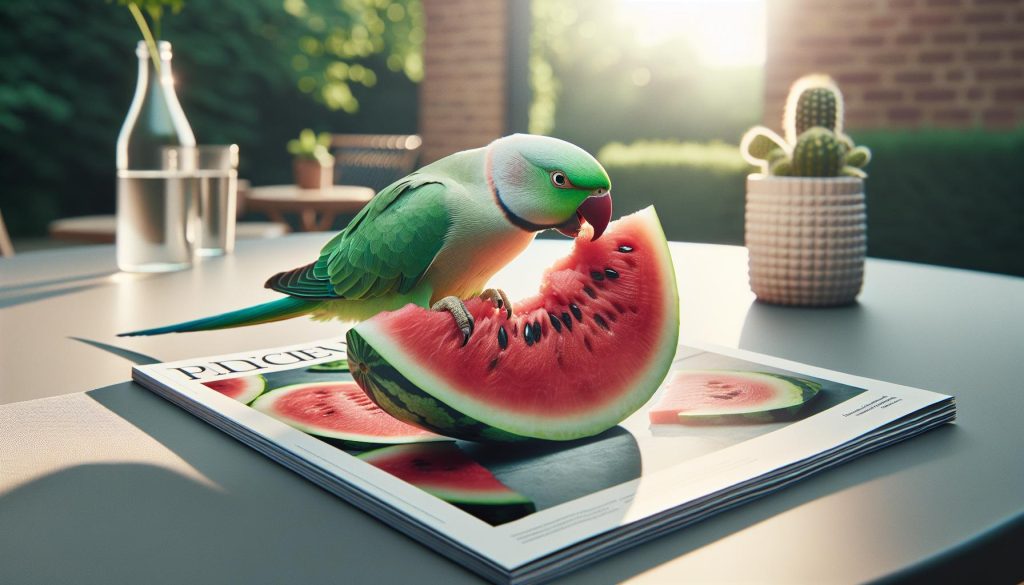
As summer rolls in, many pet owners look for fun and refreshing ways to keep their feathered friends happy and healthy. One popular question arises: Can parakeets eat watermelon? This vibrant fruit not only tantalizes our taste buds but also offers a unique opportunity to enrich your parakeet’s diet with hydration and essential nutrients. Understanding the potential benefits and risks of feeding watermelon to your parakeet is crucial for ensuring their well-being. Join us as we explore the importance of this summer treat and how it can add variety to your parakeet’s meals while satisfying their natural curiosity. You might just discover some delightful ways to share these sunny moments with your pet!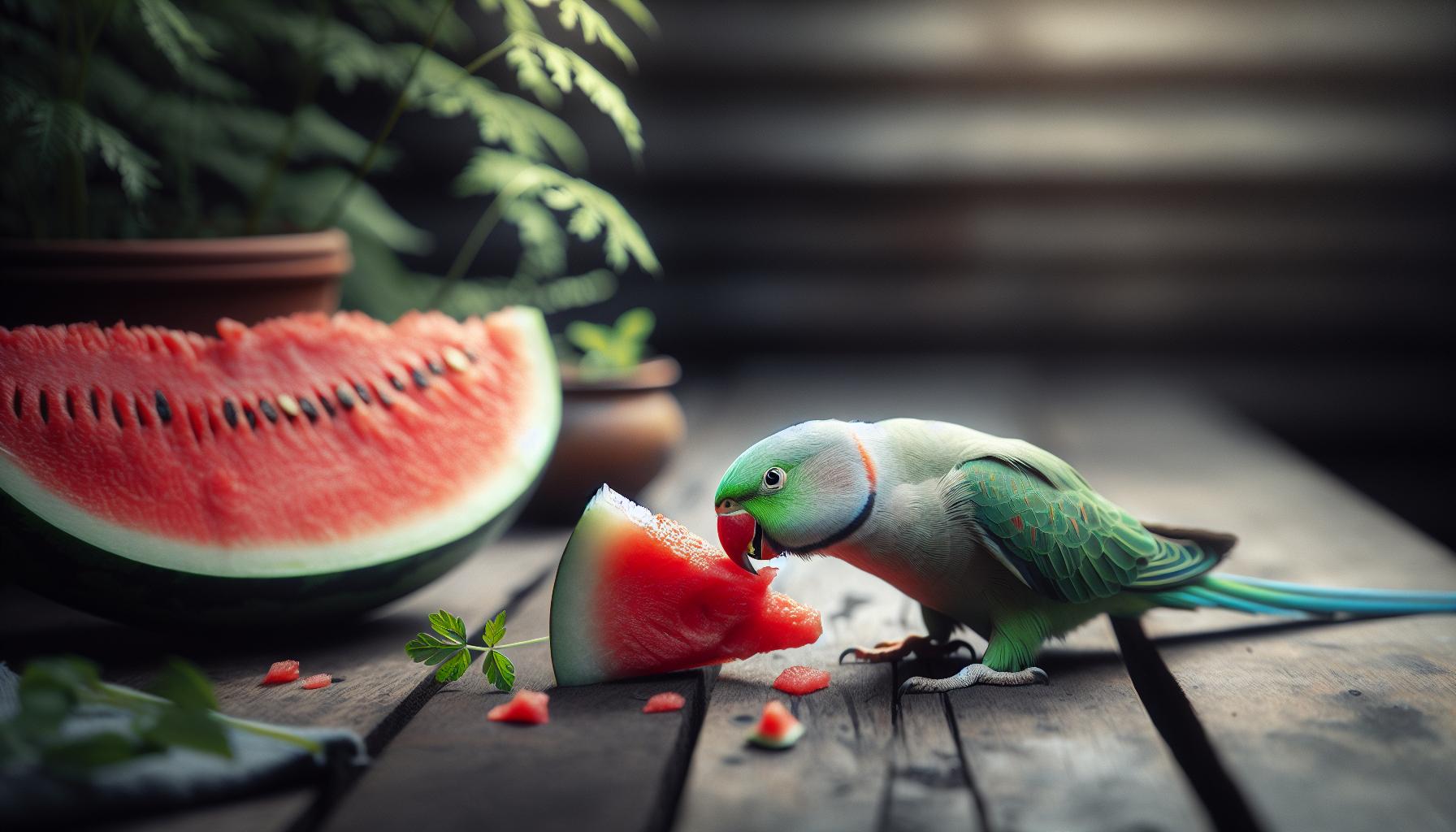
Can Parakeets Enjoy Watermelon Safely?
Parakeets can safely enjoy watermelon as a refreshing summer treat, but there are important guidelines to follow to ensure their health and happiness. Watermelon is not only sweet and hydrating but also packed with nutrients that cater to the dietary needs of these vibrant little birds. The juicy flesh is rich in vitamins A and C, which are essential for maintaining their immune system and overall well-being. Moreover, the high water content in watermelon helps keep parakeets hydrated, especially in warm weather when they may be more prone to dehydration.
To introduce watermelon safely into your parakeet’s diet, start with small, bite-sized pieces, ensuring you remove any seeds and the rind, as these can pose choking hazards. Placing a tiny piece on a flat surface or attaching it to their cage can encourage exploration and interaction. Observing your parakeet’s reaction is critical; while most will relish the new taste, it’s essential to monitor for any signs of digestive issues or discomfort after their first encounter with this juicy fruit.
While watermelon can provide enjoyable sensory experiences and nutritional perks, it’s important to remember that it should complement a balanced diet rather than serve as a staple. Moderation is key! Limit watermelon treats to a few times a week, thereby allowing your parakeet to enjoy the seasonal delight without overindulging. Keeping a diverse array of fruits and vegetables in your bird’s diet will not only keep their meals interesting but also ensure they get a wide range of nutrients essential for their health.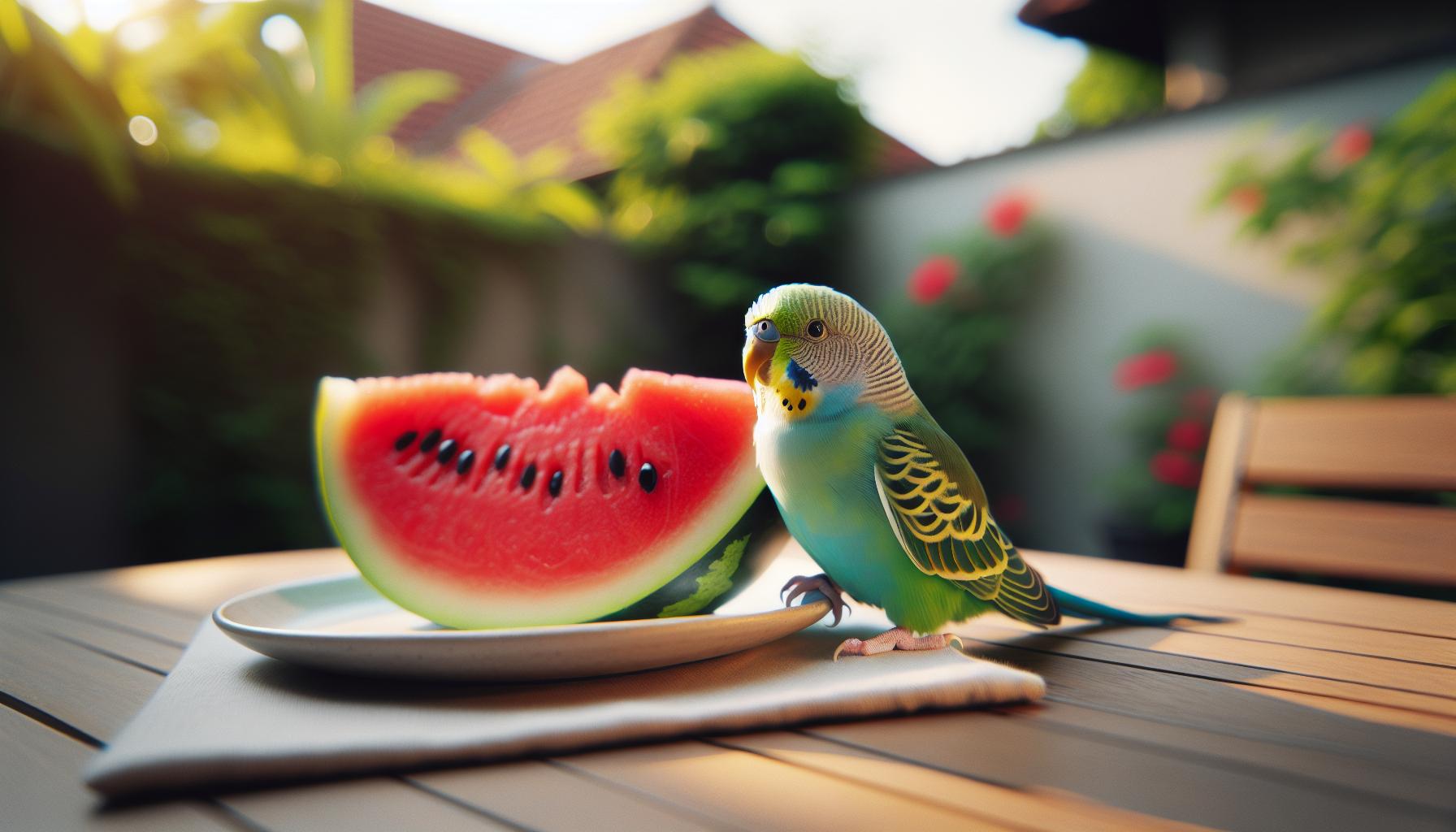
Nutritional Benefits of Watermelon for Parakeets
Watermelon is not just a popular summer snack for humans; it can also be a delightful treat for parakeets, packed with essential vitamins and hydration. The vibrant pink flesh of the watermelon is a feast for the eyes and the palate. This fruit is particularly rich in vitamins A and C, which are critical for bolstering the immune system and promoting healthy skin and feathers in our feathered friends. These nutrients play a significant role in overall health, helping to prevent illnesses that can compromise a parakeet’s well-being.
One of the standout benefits of watermelon is its extraordinary water content, which can help keep parakeets hydrated during the hotter months. As parakeets are prone to dehydration, especially when temperatures soar, incorporating watermelon into their diet can provide a refreshing boost. The fruit’s natural sugars also offer a quick energy source that can invigorate your parakeet, making playtime even more enjoyable.
In addition to its hydration and nutritional benefits, watermelon can offer an exciting sensory experience for parakeets. The soft texture, sweet aroma, and vibrant color can stimulate their curiosity and encourage them to engage more with their food. Providing this fruit occasionally can enhance their diet and enrich their environment, making mealtime an adventure!
It’s essential, however, to remember that while watermelon is nutritious, it should be given in moderation. A balanced diet remains the cornerstone of a healthy parakeet, so consider watermelon as a special treat rather than a staple. This approach will ensure your parakeet enjoys the best of what this seasonal fruit has to offer while maintaining their overall health.
How to Introduce Watermelon into a Parakeet’s Diet
When it comes to incorporating new treats into a parakeet’s diet, introducing watermelon can be a delightful adventure for both you and your feathered friend. The key is to transition gradually, ensuring that your parakeet adapts well to this juicy addition without any digestive distress. Start by offering small, manageable pieces of watermelon, preferably seedless, as larger chunks can be overwhelming for their tiny beaks. A great way to begin is by offering a thin slice or small chunks placed securely in their food dish or on a bird-friendly skewer, allowing for interactive eating.
Parakeets are naturally curious creatures, so presenting watermelon in an engaging way can spark their interest. Try hanging a piece from their cage or placing some in a foraging toy to stimulate their instincts to explore. Observing their response during these first encounters can provide invaluable insights into their preferences and behavior. As always, keep an eye on how your parakeet interacts with the fruit; the excitement of a new treat can sometimes result in overeating or an unexpected mess!
It’s advisable to introduce watermelon during early morning or late afternoon when your parakeet is most active. This timing ensures they have the enthusiasm to engage with the treat without it interfering with their primary diet. Monitoring your bird’s response during the first few feedings will help you gauge their enjoyment and tolerance. If your parakeet enjoys the watermelon and shows no signs of digestive upset, you can gradually increase the frequency of this delectable treat.
In addition to observing their preferences, remember to balance their diet. After a few introductions, consider offering watermelon as an occasional treat rather than a daily fixture. This approach rewards your parakeet while ensuring they continue to receive essential nutrients from their regular balanced diet. By highlighting watermelon’s role as a special indulgence, you not only keep mealtime exciting but also contribute to your parakeet’s overall health and happiness.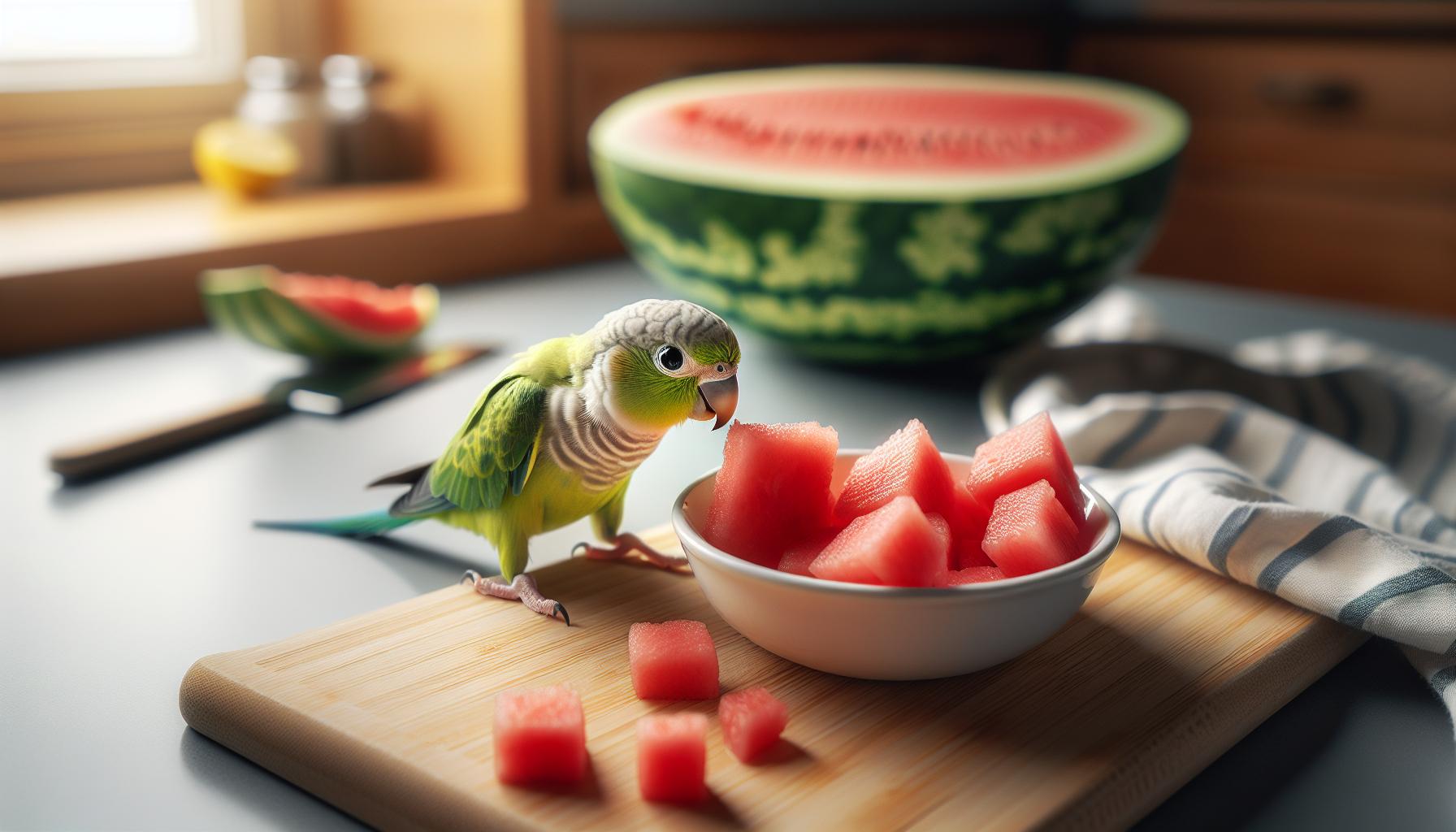
Signs Your Parakeet Likes Watermelon Treats
When you introduce watermelon to your parakeet, you’ll quickly be able to spot the signs that this delightful fruit is a hit! Parakeets are expressive little creatures, and their enthusiasm for new treats often reveals itself through their behavior and body language. For instance, if your feathered friend fluffs up its feathers and chirps excitedly as it nears the watermelon, it’s a good indicator that it finds the treat intriguing!
Look for changes in your parakeet’s activity levels as well. A parakeet that enjoys watermelon might engage in playful antics, such as climbing around its cage or swinging from toys while occasionally darting back to nibble at the fruit. If your parakeet eagerly approaches the treat and investigates it with curiosity-pecking at it, climbing onto it, or even tossing small bits around-these are all positive signs of enjoyment.
Additionally, be attentive to your parakeet’s eating patterns. If it tends to consume the watermelon quickly and seems to ask for more-by vocalizing or exhibiting behaviors like reaching towards you or the treat itself-it’s likely that the watermelon has been deemed a favorite. In contrast, if your parakeet simply ignores the watermelon or shows signs of disinterest, such as turning away or not approaching it at all, it may not be its preferred treat.
In this exploration of your parakeet’s preferences, remember that each bird has its own personality and taste preferences. Offering watermelon intermittently allows you to gauge its response, and you may just discover that it’s one of the fruits your parakeet loves best! As you enjoy observing your parakeet’s antics, knowing the signs of its liking will help you better cater to its tastes and enhance your bond.
Common Misconceptions About Birds and Watermelon
While the idea of offering your parakeet a slice of juicy watermelon might sound delightful, several misconceptions often cloud bird owners’ decisions about feeding this fruit. One prevalent belief is that all fruits are universally safe for birds, which isn’t the case. Although watermelon can be a nutritious and hydrating treat for your feathered friend, some birds may have unique dietary needs that exclude certain fruits. It’s essential to approach this with a degree of caution and awareness.
Another common myth is that the seeds of watermelon pose no risk to birds. While watermelon seeds are generally non-toxic, they can sometimes lead to digestive blockages due to their size and shape. It’s advisable to always remove the seeds before offering watermelon to your parakeet to eliminate any potential health issues. Additionally, there’s a misconception that birds won’t overindulge in sweet treats like watermelon, but parakeets, like most pets, can develop preferences for sugary snacks if given free access. Treat watermelon as an occasional treat rather than a dietary staple to maintain a well-rounded diet.
Some owners worry that providing watermelon-or any fruit-will result in nutritional deficiencies. However, when offered in moderation, watermelon can complement a balanced diet rich in seeds, pellets, vegetables, and other fruits. Remember to observe your bird’s reaction to new foods. For instance, introducing watermelon for the first time may lead to some surprise pecking or hesitant approaches, but these initial responses should not deter you from allowing them to explore this hydrating summer delight.
In summary, while watermelon can make a refreshing treat for your parakeet, understanding these common misconceptions is vital for responsible pet care. Providing varied, nutritious foods while maintaining moderation allows your feathered friend to enjoy the best of what summer has to offer without jeopardizing its health.
Cautions: Risks of Feeding Watermelon to Parakeets
Feeding watermelon to your parakeet can be enticing, but it’s important to keep a watchful eye on the risks involved. The juicy treat’s high water content can lead to excessive thirst, potentially resulting in a sudden increase in water intake that might upset your bird’s digestive system. Furthermore, the sweetness in watermelon can be misleading; overindulgence might predispose your parakeet to obesity or nutritional imbalance if its diet starts to lean too heavily on sugary treats rather than a balanced range of seeds, pellets, and vegetables.
Seed Safety
While watermelon seeds are generally considered non-toxic, they can still pose a risk. Their size and hardness can potentially lead to digestive blockages, which is why it’s critical to always remove seeds before offering this fruit. As a responsible bird owner, it’s vital to ensure that your feathered friend only enjoys the pulp of the watermelon to avoid any health issues associated with improper chewing and swallowing.
Moderation is Key
Another caution is to consider how often watermelon is given. This fruit should be treated as a rare treat, rather than a regular component of your parakeet’s diet. A few bites once in a while can be a delightful experience for your parakeet, but daily feeding can alter their taste preferences and lead to rejection of more nutritionally balanced food options. Monitoring portion sizes and fostering a diverse diet will help maintain not only your parakeet’s health but also its enthusiasm for meals.
In essence, while watermelon can bring joy during those hot summer days, being vigilant about its potential downsides will ensure your parakeet stays happy and healthy. Implementing these precautions helps create a feeding strategy that celebrates this sweet fruit while managing risks effectively.
Alternatives to Watermelon: Other Summer Fruits
When summer temperatures rise, providing your parakeet with refreshing fruits is an excellent way to keep them hydrated and happy. While watermelon is a popular choice, it’s not the only fruit that can tickle a parakeet’s taste buds. There are numerous other summer fruits that can safely be introduced into their diet for variety and nutrition.
One of the top alternatives is cantaloupe. This juicy melon is not only hydrating but also rich in vitamins A and C, which are essential for your bird’s immune health. Parakeets typically enjoy the sweet, orange flesh, making it a delightful treat. Another excellent option is berries-such as blueberries, strawberries, and raspberries. These colorful fruits are bursting with antioxidants and offer a slight tartness that many birds love. They can be fed whole or sliced, depending on your parakeet’s preference.
Additionally, peaches and nectarines can make for sweet, succulent treats. Just remember to remove the pits before offering any fruit, as they can pose a choking hazard. Cherries are also a great summer fruit; just be sure to remove the pits and serve them in moderation.
Safe Summer Fruit Options
- Cantaloupe – Hydrating and rich in vitamins A and C
- Berries – Rich in antioxidants and loved for their sweetness
- Peaches/Nectarines – Flavorful and juicy, without pits
- Cherries – Sweet and enjoyable; pits must be removed
Using these alternatives, you can create a colorful fruit platter that will engage your parakeet’s curiosity while ensuring a balanced diet. Offering a mix of fruits not only provides variety but also ensures that your pet receives different nutrients, promoting overall wellness. Always introduce new fruits gradually and observe your parakeet’s reactions, as some may prefer certain flavors over others. By incorporating these delicious and safe summer fruits, you can keep your parakeet’s diet exciting and enjoyable!
How Often Can Parakeets Eat Watermelon?
Watermelon can be an enticing treat for parakeets, especially during the warm summer months when hydration is crucial. However, it’s important to strike a balance in how often you offer this juicy fruit to your feathered friend. In general, watermelon should be regarded as an occasional treat rather than a staple of their diet. A good rule of thumb is to serve watermelon once or twice a week, ensuring that it complements their primary diet of pellets, seeds, and fresh vegetables.
When offering watermelon, keep portions small-about a teaspoon or two per serving, depending on the size of your parakeet. This prevents overindulgence and helps avoid potential digestive issues, which can arise from giving them too much fruit at once. Regularly observing your parakeet’s preferences and reactions is vital. Some birds may relish watermelon’s sweetness, while others may be indifferent. By rotating fruits in their diet, including watermelon in moderation, you help maintain dietary interest and provide essential nutrients they need.
It’s also worthwhile to consider their individual health conditions. If your parakeet has weight issues or any underlying health concerns, it’s wise to consult with an avian veterinarian regarding the frequency of treating them with watermelon and other fruits. Maintaining a balanced diet for your parakeet is essential for their overall health, so providing watermelon as a rare indulgence is a great way to keep them satisfied without compromising their nutritional needs.
Watermelon Preparation Tips for Parakeets
Watermelon is not just a delicious summer fruit for us humans; it’s also a refreshing treat for our feathered friends. Parakeets can enjoy watermelon, but proper preparation is essential to ensure their safety and enjoyment. When introducing this juicy delight, the first step is to select a ripe, fresh watermelon. Look for watermelons that have a uniform shape and feel heavy for their size, which indicates that it’s juicy and sweet.
Once you have your watermelon, carefully wash the exterior to remove any pesticides or contaminants before cutting. Despite our instincts, parakeets benefit from eating the flesh of the watermelon rather than seeds or rind. Remove all seeds-both white and black-to prevent any choking hazards or digestive issues. Cut the watermelon into small, manageable pieces to suit the size of your parakeet’s beak, aiming for bite-sized chunks that make it easy for them to enjoy without fuss.
When offering watermelon to your parakeet, consider these preparation tips:
- Serve Fresh: Always offer fresh watermelon that has been prepared just before mealtime to maximize flavor and nutritional benefits.
- Limit Portions: Stick with small amounts, about one to two teaspoons. This helps avoid an upset stomach.
- Rotate Treats: Introduce watermelon alongside other fruits and vegetables to maintain interest in their diet and ensure a variety of nutrients.
- Monitor Reactions: After serving watermelon, observe your parakeet to see if they enjoy the taste and texture, adjusting future servings based on their preferences.
Finally, always remove any uneaten watermelon after a couple of hours to prevent spoilage and bacterial growth, keeping your bird’s environment clean and safe. By following these guidelines, you can treat your parakeet to a delightful summer snack that enhances their diet and keeps them hydrated!
Understanding Parakeet Nutritional Needs
Understanding the nutritional needs of parakeets is essential for their health and happiness. These vibrant, energetic birds require a balanced diet rich in various nutrients to thrive. While seeds are often a staple in a parakeet’s diet, they should only make up a portion of it. A diet high in seeds can lead to obesity and nutritional deficiencies. Instead, consider a mix of high-quality pellets, fresh vegetables, and fruits to provide vital vitamins and minerals that enhance their overall well-being.
Fresh fruits, such as watermelon, can serve as an excellent source of hydration and vitamins, particularly vitamin A and C, which support their immune system and vision. However, it’s essential to provide fruits in moderation, as they contain natural sugars. A good rule of thumb is to ensure fruits and vegetables comprise about 20% of their diet, with the remainder being quality pellets and seeds. Always wash fruits thoroughly to remove pesticides, and avoid feeding your parakeet the seeds or rinds, which might pose a choking hazard or digestive issue.
To enrich your parakeet’s experience and encourage foraging, try offering a variety of fruits and vegetables. Rotate different options throughout the week, such as apples, carrots, and leafy greens, to maintain dietary interest and promote healthy eating habits. This variety not only meets their dietary needs but also provides mental stimulation, which is vital for their happiness and preventing boredom. By focusing on a balanced and diverse diet, you can ensure your parakeet leads a healthy, delightful life, ready to enjoy treats like watermelon safely!
Watermelon as a Hydration Source for Parakeets
Watermelon is not just a delicious summer treat for us; it can also serve as a refreshing source of hydration for parakeets. With its high water content-nearly 92%-watermelon is an excellent way to help keep your feathered friend hydrated, especially during warm months when parakeets may spend more time outdoors. As our little companions need to stay well-hydrated to support their energy levels and overall health, introducing watermelon into their diet can be a fun and beneficial option.
When adding watermelon to your parakeet’s diet, it’s vital to ensure that it complements their nutritional needs. Watermelon contains vitamins such as A and C, which are essential for a parakeet’s immune function and skin health. To safely provide this fruity treat, cut it into small, manageable pieces, avoiding the seeds and rind, which can be harmful. You might find that your parakeet enjoys pecking at watermelon slices, providing both hydration and enrichment as they explore new textures and tastes in their diet.
One of the best ways to incorporate watermelon for hydration is to observe your parakeet’s response during the warm months. You can experiment with offering small pieces of watermelon on a skewer or in a foraging bowl to encourage natural foraging behaviors. This not only provides hydration but also keeps them mentally stimulated and engaged. Be sure to monitor their consumption and adjust the portion size accordingly, as moderation is key to a balanced diet.
Keep in mind that while watermelon is a great source of hydration, it should only make up a portion of your parakeet’s overall diet. Combining watermelon with other hydrating fruits like cucumber or strawberries can create a delightful and varied menu that your parakeet will love. As you embark on this fruity journey with your parakeet, you’ll likely see them enjoying their hydration-rich treats while basking in the summer sun, their vibrant plumage shining as brightly as their personalities!
Engaging Experiments: Observing Your Parakeet with Watermelon
Watching a parakeet engage with different foods can be a delightful experience, and introducing watermelon into their diet opens up a whole new avenue of exploration. These vibrant birds are naturally curious, and offering them watermelon not only provides a tasty treat but also stimulates their senses in a fun and enriching way. You can enhance this experience by conducting simple experiments that encourage your parakeet to interact with this juicy fruit.
Start by presenting watermelon in various ways. You might try offering small slices on a plate or dangling them from a skewer. This method allows your parakeet to engage in natural foraging behavior, encouraging them to peck and nibble, which mimics their instinctive actions in the wild. You could even create a mini watermelon “salad” by mixing small pieces with other safe fruits and vegetables, such as strawberries or cucumbers. This vivid mixture not only entices their curiosity but also provides a visually appealing feast that can captivate their attention.
As your parakeet interacts with watermelon, pay close attention to its behavior. Does it show preference for the red, sweet flesh, or does it explore the rind? You may observe some birds delicately nibbling at the flesh while others prefer to tear into it joyfully. Documenting these behaviors can provide insights into your pet’s preferences and dietary inclinations, enabling you to tailor their diet better. If you notice your parakeet is particularly enthusiastic about watermelon, consider using it as a reward during training sessions.
It’s essential to keep the playfulness balanced with care. Always ensure that the watermelon pieces are small enough to prevent choking and free from seeds. Incorporating these playful and engaging experiments can not only make snack time more exciting for your parakeet but can also strengthen the bond between you and your feathered companion, turning mealtime into a delightful interactive session.
FAQ
Q: Can parakeets safely eat watermelon seeds?
A: Yes, parakeets can eat watermelon seeds in moderation. However, it’s best to remove large seeds to prevent choking. Introducing seeds alongside the fleshy part of the watermelon can create a fun feeding experience while ensuring safety. For more on preparing watermelon, check out the Watermelon Preparation Tips for Parakeets section.
Q: What is the best way to offer watermelon to my parakeet?
A: The best way to offer watermelon is by cutting it into small, manageable pieces. Ensure the watermelon is fresh and has no preservatives. You can also mash it slightly to make it easier for your parakeet to consume. For more tips, see the How to Introduce Watermelon into a Parakeet’s Diet section.
Q: How does watermelon benefit parakeets?
A: Watermelon provides hydration and is low in calories, making it an excellent summer treat for parakeets. Its high water content helps keep them hydrated, especially in warmer weather. Check out the Nutritional Benefits of Watermelon for Parakeets for more details.
Q: Are there any side effects of feeding watermelon to parakeets?
A: While watermelon is generally safe, overfeeding can lead to digestive upset. Monitor your parakeet for signs of discomfort, such as diarrhea or lethargy. For further information, refer to the Cautions: Risks of Feeding Watermelon to Parakeets section.
Q: How often can I give my parakeet watermelon as a treat?
A: You can offer watermelon to your parakeet a couple of times a week as a treat, ensuring it doesn’t replace their main diet of seeds and pellets. For a deeper dive into treat frequency, visit the How Often Can Parakeets Eat Watermelon? section.
Q: What other fruits are safe for parakeets apart from watermelon?
A: Besides watermelon, safe fruits for parakeets include apples (without seeds), bananas, and berries. These provide different nutrients and variety in their diet. Learn more in the Alternatives to Watermelon: Other Summer Fruits section for additional options.
Q: Can watermelon help a parakeet stay hydrated?
A: Yes, watermelon is composed of about 92% water, making it an excellent source of hydration for parakeets. This is especially beneficial during hot summer months. For more on hydration, see the Watermelon as a Hydration Source for Parakeets conclusion.
Q: What signs indicate my parakeet enjoys watermelon?
A: Signs that your parakeet enjoys watermelon include enthusiastic pecking, vocalizations, and immediate attention to the treat. They’ll also show excitement by flapping their wings. Learn more about this in the Signs Your Parakeet Likes Watermelon Treats section.
The Way Forward
Now that you know parakeets can safely enjoy watermelon as a refreshing summer treat, why not add some variety to your birds’ diet? Remember, moderation is key, so offer it as an occasional snack alongside their regular feed. If you’re curious about other fruits safe for your feathered friends, check out our article on “Top Fruits for Parakeets” and discover even more delightful additions to their menu!
We’d love to hear your experiences with feeding your parakeets watermelon! Share any tips or tricks in the comments below, and don’t forget to subscribe to our newsletter for more insights and bird care tips delivered straight to your inbox. Curious about the best toys or cage setups for your parakeets? Click through to explore our comprehensive guides. Your journey to becoming a parakeet pro starts today-let’s keep those wings flapping and those beaks happy!
Get our latest guides, news, and insights highlighted in your Google Search & AI Overviews.