If you’ve ever marveled at the vibrant colors and unique personality of a toucan, you might be wondering whether you can bring one of these fascinating birds into your home. Before falling in love with the idea of owning a toucan, it’s crucial to navigate the legal landscape and practical considerations surrounding their purchase. From understanding local regulations to comprehending their specific care needs, ensuring a happy life for a toucan goes beyond mere enthusiasm. This guide aims to address your questions and concerns, providing valuable insights into the responsibilities of toucan ownership while unveiling the joys that come with caring for such exotic creatures. Get ready to explore the essential factors that will help you determine if a toucan is the right pet for you!
Legal Considerations for Owning a Toucan
Owning a toucan can be a thrilling journey filled with vibrant colors and unique personalities, but before welcoming one into your home, it’s essential to navigate the intricate web of legal considerations. Many states have specific regulations regarding the ownership of exotic birds, including toucans. Thus, prospective owners should start by checking local laws pertaining to avian pets. In some areas, ownership may be completely prohibited, while in others, permits may be required. For example, certain states might allow pet toucans but mandate specific enclosures or identification measures to ensure the well-being of the animal.
Another key legal consideration lies in the complexities of avian imports. If you’re looking to purchase a toucan from out of state or abroad, you may encounter various regulations that dictate the importation of exotic species. The United States Fish and Wildlife Service (USFWS) and other regulatory bodies oversee the import of wildlife, requiring compliance with regulations designed to prevent the spread of disease and protect native species. Before making any commitments, ensure that the toucan you intend to buy is sourced from a reputable breeder who adheres to all legal requirements for the sale and transport of these birds, which not only safeguards your future pet but also helps protect wildlife conservation efforts.
Finally, understanding animal welfare laws is paramount. Many regions enforce strict laws to ensure the humane treatment of pets, including minimum cage sizes, social interaction requirements, and medical care obligations. Owning a toucan involves commitment not just in love and enjoyment, but also in adhering to regulations that promote their health and wellbeing. Engaging with avian veterinarians and bird care organizations can provide vital resources to help you not only meet legal standards but also ensure a thriving environment for your feathered friend.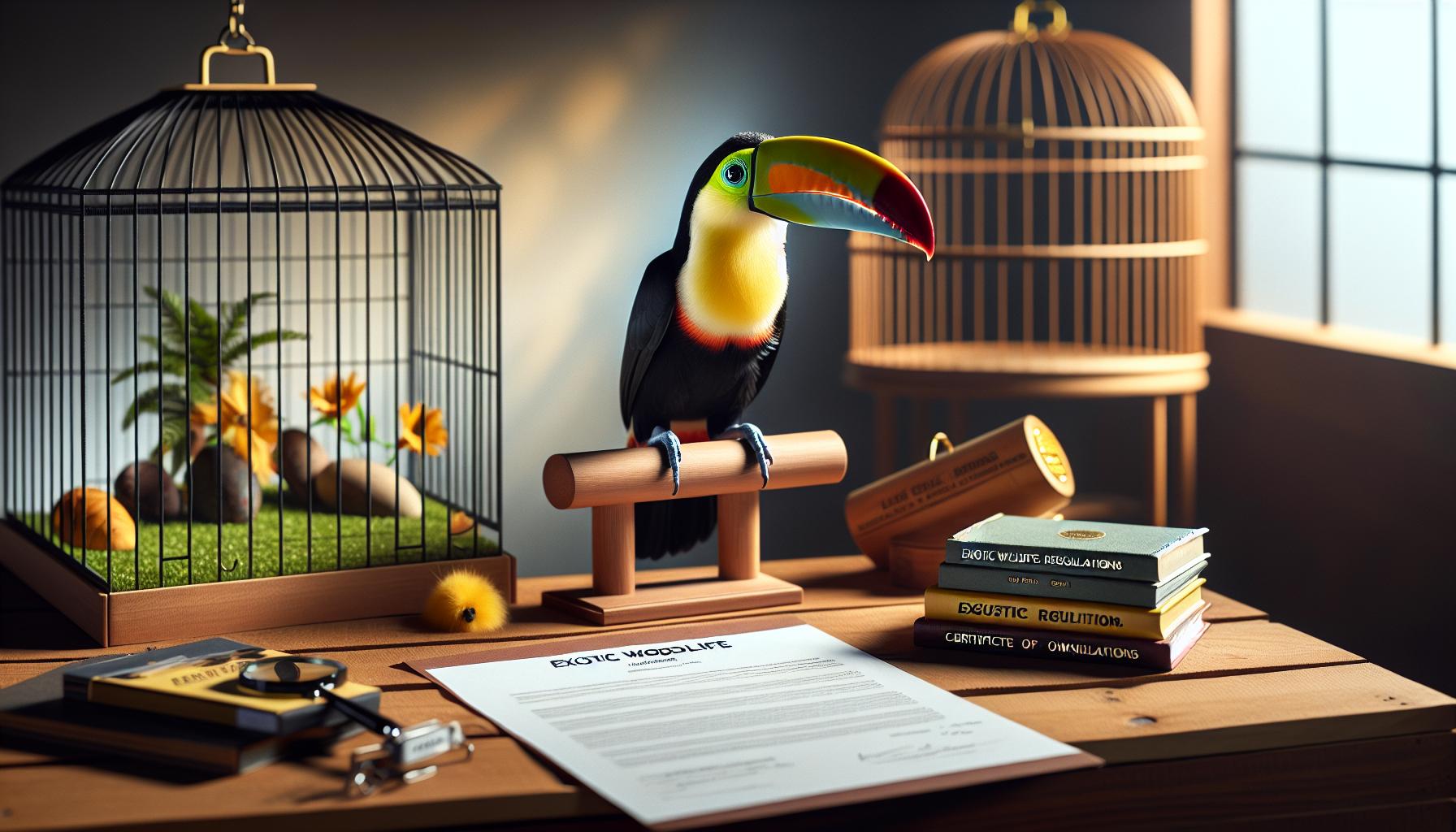
State-Specific Regulations and Permits
Owning a toucan offers a vibrant splash of color and personality to any home, but navigating the legal landscape can feel as intricate as the bird’s distinctive markings. Each state in the U.S. has its own set of regulations regarding the ownership of exotic pets, including toucans, so it’s crucial to start your journey by understanding these legal requirements. Before making any decisions, research your specific state’s laws-some may outright prohibit toucan ownership, while others might have specific guidelines to follow.
In many states, obtaining a permit is essential to own a toucan legally. The criteria for acquiring this permit can vary widely. Generally, you may need to show proof of responsible breeding practices, appropriate living conditions, and knowledge of the species’ specific care requirements. For instance, permits might stipulate minimum cage sizes, dietary needs, and recommended socialization practices. Failing to comply with these regulations can lead to hefty fines and, in some cases, forfeiture of your bird.
When exploring your options, consider reaching out to your state’s fish and wildlife agency. Many of these organizations have resources available, including a list of approved breeders and specific documentation needed for permit applications. It’s also wise to connect with local avian veterinarians or bird clubs, as experienced owners can provide firsthand insight into compliance and care.
In addition to legal permits, be aware of local zoning laws that may affect your ability to keep exotic pets. Even if state regulations permit ownership, your city or county might have stricter rules that could impact your plans. This proactive approach will ensure that you’re not only following the law but also providing a safe and loving environment for your future feathered companion.
The Complexities of Avian Imports
Acquiring a toucan often involves navigating a complex web of regulations related to avian imports, which can differ significantly by country and region. One of the first hurdles prospective owners face is understanding import permits and health certifications necessary to bring a toucan home. Many governments require documentation that verifies the bird’s health and genetic lineage, which is crucial for preventing the spread of diseases and ensuring the species’ welfare. It’s essential to source this information from reputable breeders who follow ethical breeding practices and can provide you with the necessary paperwork.
In addition to health certifications, there are international regulations that govern the import of exotic birds. The Convention on International Trade in Endangered Species of Wild Fauna and Flora (CITES) plays a significant role in regulating the trade of toucans and other exotic birds. Toucans, particularly certain species, may be listed under CITES, which means that any import or export could require additional documentation. As a potential owner, it’s critical to verify whether the specific species of toucan you’re interested in is protected under CITES regulations to ensure compliance with international laws.
For a smoother import process, consider reaching out to specialized import/export agencies that focus on avian species. These agencies can assist with navigating the legal requirements, obtaining permits, and ensuring that any birds you acquire are transported in humane and safe conditions. Furthermore, familiarizing yourself with the customs regulations in your home country is crucial; customs officers often scrutinize imported avian species closely to uphold the law and protect local ecosystems.
Lastly, while the thrill of bringing home a toucan can be enticing, it’s crucial to also think about the long-term implications of avian imports. Birds that are imported under less-than-ideal conditions may not only suffer from stress but could also introduce unforeseen health issues into your home. Therefore, prioritizing ethical sourcing, understanding the complex import landscape, and ensuring that you’re prepared for such responsibility will lead to a more fulfilling and responsible ownership experience.
Understanding Animal Welfare Laws
Understanding the complexities of animal welfare laws is crucial for anyone considering the ownership of a toucan. With their vibrant plumage and distinctive bills, toucans undeniably captivate bird lovers. However, behind that allure lies a responsibility to ensure that these birds are kept in a manner that respects their well-being and addresses their natural needs. Animal welfare laws are designed to safeguard the health and happiness of animals in captivity, and adhering to these laws is not only a legal obligation but also an ethical imperative.
Welfare laws can vary significantly based on your location, encompassing regulations regarding the living conditions, diet, and social needs of avian species. For instance, many regions mandate that birds are provided with a spacious habitat that allows for natural behaviors, such as climbing, flying short distances, and exploring. Specific requirements often include adequate cage size, perches of varying thickness for foot health, and access to mental stimulation through toys and foraging opportunities. It’s beneficial for potential toucan owners to conduct thorough research or consult local animal welfare organizations to gain a complete understanding of the standards they must meet.
Moreover, ensuring the psychological well-being of your toucan is just as important as their physical care. These highly social birds thrive in interactive environments and require regular engagement with their owners or other birds. Inadequate social interaction can lead to behavioral issues such as feather plucking or excessive vocalization. To comply with animal welfare laws and nurture a happy toucan, plan for enough time each day to spend with your bird, providing stimulation through play and training.
Maintaining compliance with animal welfare regulations also extends to health care. A responsible owner should be proactive in scheduling routine veterinary check-ups, as well as being attentive to any signs of illness or distress. By prioritizing the welfare of your toucan, you create not only a thriving environment but also a fulfilling relationship that respects the natural instincts and needs of these magnificent birds. Being informed and responsible in your practices will ultimately contribute to a rewarding experience both for you and your feathered companion.
Practical Care Requirements for Toucans
For bird enthusiasts ready to extend their family to include a toucan, it’s essential to understand their specific care requirements. These striking creatures are not just beautiful; they have unique needs that must be met to ensure their well-being. When properly cared for, toucans can develop vibrant personalities that endear them to their owners.
First and foremost, providing an appropriate habitat is crucial. Toucans require a spacious cage, preferably one that allows for horizontal space as they love to climb and explore. A minimum cage size of 6 feet long, 3 feet wide, and 3 feet high is recommended, with suitable perches of varying thickness for foot health. Additionally, perches should be natural branches, as these mimic their natural environment and provide a comfortable grip. The cage should be enriched with toys and foraging activities to stimulate their minds and prevent boredom.
Another vital aspect of their care involves diet. Toucans are primarily frugivorous, meaning the majority of their diet should consist of fruit. A well-rounded diet can include a mix of fresh fruits like bananas, apples, and berries, supplemented with high-quality pelleted diets specifically designed for toucans. Avoid feeding them high-fat foods or processed treats, as these can lead to health issues. In addition to fruits, offering leafy greens and occasional protein sources like cooked eggs can enhance their nutritional intake.
Social interaction is crucial for toucans. These social birds thrive on engagement with their owners or other birds. Spending quality time with your toucan daily is not just enjoyable for both parties; it ensures your toucan remains happy and healthy. Poor socialization can lead to stress and behavioral problems, so be prepared to dedicate time for play, training, and bonding.
Overall, owning a toucan can be an immensely rewarding experience. By ensuring their comfort, providing a balanced diet, and dedicating time for social interaction, you will enrich their lives while forming a deep bond that defies the typical owner-pet relationship. With these considerations in mind, you’ll be well-prepared to welcome a toucan into your home-offering them the care they deserve while experiencing the joy they bring.
Diet and Nutrition: Feeding Your Toucan
Toucans, with their vibrant beaks and lively personalities, require a specialized diet to thrive in captivity. These striking birds are predominantly frugivorous, meaning that fruits make up the bulk of their natural diet. If you’re considering adding a toucan to your family, understanding how to properly nourish them is key to ensuring their health and happiness. Imagine treating your toucan to a colorful array of fruits like bananas, papayas, and mangoes-this not only pleases their palate but also provides essential vitamins and minerals they need to flourish.
When crafting a diet for your toucan, it’s crucial to strike a balance. A typical meal plan should consist of fresh fruits comprising about 70-80% of their diet. You can supplement this with high-quality pelleted food designed specifically for toucans. These pellets often contain the necessary nutrients that fruits alone might lack, supporting overall health and preventing deficiencies. Additionally, don’t overlook the importance of leafy greens; things like kale and spinach will add variety and essential nutrients to their meals.
To further enhance your toucan’s diet, consider introducing occasional protein sources such as cooked eggs or insects. These can provide the necessary amino acids to support muscle health and energy levels. However, it’s important to avoid high-fat foods like nuts and seeds, as they can lead to obesity and other health issues. Regularly monitoring your toucan’s weight and adjusting their diet accordingly will help maintain their health.
Finally, remember that toucans are not just looking for sustenance; they thrive on interaction and mental stimulation. Creating foraging opportunities by hiding bits of fruit within their cage or using foraging toys can mimic their natural behavior and keep them engaged. By understanding their dietary needs and providing a varied, nutritious diet, you not only support your toucan’s physical health but also enrich their life experience.
Creating a Safe and Stimulating Environment
Toucans are not just visually stunning; they are also incredibly intelligent and curious creatures. for them is essential to their well-being, mimicking their natural habitat while accommodating their unique needs. An engaging space will not only help reduce stress but also promote healthy behaviors, making it crucial for all toucan owners to invest time and resources into establishing a suitable living area.
One of the first steps in setting up your toucan’s habitat is choosing the right enclosure. It should be spacious enough to allow for flight and movement, ideally measuring at least 6 feet high, 3 feet wide, and 3 feet deep. Toucans are arboreal by nature, so incorporating perches of varying diameters and heights will help simulate their natural environment. Use natural wood branches-avoiding toxic woods like cedar or pine- as this mimics their wild habitat and encourages climbing and exploration.
Next, don’t forget about enrichment. Toucans thrive on interaction and mental stimulation, so incorporating toys is key. Rotate different types of toys regularly to keep their environment fresh and engaging. Foraging toys that hide food or treats can be particularly effective, as they encourage foraging behaviors that toucans exhibit in the wild. Additionally, providing safe plants and logs for them to explore will enhance their sensory experience, allowing them to engage in natural behaviors like chewing and climbing.
Lastly, consider environmental factors such as temperature and humidity. Toucans require a warm, humid climate, so maintaining a temperature between 75°F and 85°F is ideal. A humidifier can help recreate their tropical environment, especially in drier climates. Ensure that their space is free from drafts and direct sunlight to prevent overheating or chilling. Regularly cleaning their habitat is also crucial; a clean environment will help mitigate the risk of diseases and keep your toucan healthy and vibrant.
By thoughtfully , you pave the way for a happy, thriving toucan that can live up to its vibrant and lively potential. This investment will not only benefit your pet but also deepen your bond with this remarkable bird.
Behavioral Traits: What to Expect
With their striking appearance and playful personalities, toucans are a delight to observe and interact with. However, their unique behavioral traits also come with specific care requirements that every potential owner should consider. Toucans are highly social and curious creatures, which means they thrive in environments that encourage interaction. Unlike many other pet birds that can be more solitary, toucans often require companionship-whether from humans or other birds-to keep them mentally stimulated and emotionally balanced.
One of the most notable behaviors of toucans is their playful nature. They love to explore their surroundings, so a stimulating environment is essential. Providing plenty of toys, climbing structures, and foraging opportunities will keep your toucan engaged. For instance, hanging toys that require them to manipulate parts or search for hidden treats can replicate natural behaviors they exhibit in the wild. Observing your toucan’s interactions with their toys can be both entertaining and a window into their mental well-being; a lack of interest may indicate boredom or discomfort in their habitat.
Communication and Social Interaction
Toucans are vocal birds, known for their distinctive calls and chirps. Their vocalizations can vary widely; some are more melodious, while others might sound quirky or harsh. Engaging in regular communication with your toucan can encourage them to be more vocal and develop a bond with you. Training your toucan through simple commands or phrases can also be beneficial as it not only stimulates them mentally but also reinforces your role as their caretaker. Pairing verbal commands with treat rewards can facilitate a positive learning environment.
Moreover, toucans exhibit a range of social behaviors that can provide insight into their mood and health. For example, they often perform head-bobbing and feather fluffing as a form of expression. Understanding these body language signs can help you gauge their comfort level and emotional state, allowing for timely interventions if necessary. Integrating time for social interaction, whether through gentle handling or free time outside their enclosure, can immensely contribute to their overall happiness and health.
Establishing Routines
Creating a structured daily routine can also have a profound impact on your toucan’s behavior. Regular feeding times, play sessions, and quiet periods help establish a sense of security. Just like humans, birds thrive on predictability, which can alleviate anxiety and provide a stable environment for your toucan.
In summary, understanding the behavioral traits of toucans is crucial for ensuring that they lead fulfilling and healthy lives in captivity. By fostering an engaging environment, communicating effectively, and establishing routines, you can deepen your bond with your toucan and enhance their quality of life. Your commitment to meeting their social and environmental needs will undoubtedly reward you with the joy of sharing your home with one of nature’s most fascinating birds.
Common Health Issues in Toucans
Toucans, with their vibrant beaks and playful personalities, are indeed captivating companions, but like all pets, they come with their own set of health challenges that potential owners should be well-informed about. It’s crucial to be proactive in understanding common health issues that can affect these exotic birds to ensure a long and healthy life. One of the most significant concerns for toucans is obesity, primarily due to an improper diet that may lack variety or resulted from overfeeding. Toucans naturally have a diet that includes a wide range of fruits, but too many high-sugar foods can lead to weight gain and ensuing health complications.
Other common health issues include gastrointestinal problems, which can arise from a sudden change in diet or eating inappropriate foods. Signs such as unformed droppings or changes in appetite can indicate digestive distress, warranting immediate veterinary attention. Additionally, toucans can be susceptible to bacterial and fungal infections, particularly if their environment isn’t kept clean. Regular cleaning of their living space is crucial for preventing these health threats.
Regular Health Checks and Vet Visits
Because toucans are often prone to certain diseases, scheduling regular veterinary check-ups becomes vital. Look for a vet familiar with avian care, as they can provide essential insights into the specific needs and potential health risks of your toucan. During these visits, your veterinarian can also perform routine blood tests to check for any underlying health issues that may not be immediately visible.
Signs of Illness to Watch For
Understanding the signs of illness in toucans can aid in early diagnosis. Keep an eye out for changes in behavior such as lethargy, changes in vocalization, or loss of appetite. Feather plucking or changes in feather quality can also indicate stress or health problems. By staying vigilant and providing a balanced diet rich in nutrients, you can significantly enhance your toucan’s overall well-being. Remember, an ounce of prevention is worth a pound of cure when it comes to the delightful and dynamic world of toucan care!
Tips for Socializing and Training Your Toucan
Toucans are not only visually striking with their colorful beaks, but they also possess unique personalities that can make socializing them a rewarding experience. Building a bond with your toucan starts from day one, and establishing trust is paramount. One effective way to engage your toucan is through positive reinforcement. Using treats like small pieces of fruit can encourage your bird to interact with you. Toucans are naturally curious creatures, and a bit of patience while offering tasty morsels will have them coming to you in no time.
Creating a safe and enriching environment is vital for socializing your toucan. Set up a designated play area where they can explore safely, as this stimulates their natural behaviors and encourages them to approach you. Incorporating toys that challenge their intelligence, such as puzzle feeders, can also enhance their social interaction. Remember, toucans are social birds but still value their independence; respect their personal space and allow them to come to you at their own pace.
To train your toucan, consistency is key. Use short training sessions with clear commands or cues that they can associate with specific actions or behaviors. For instance, you can teach them to step onto your hand by gently encouraging them with a finger or a perch while saying a specific phrase or command. This can pave the way for more complex tricks later on. Daily practice can help reinforce these behaviors, and over time, you’ll see how trainable and interactive your toucan can be.
Building a social bond with your toucan goes beyond interaction and training; it’s also about understanding their body language and vocalizations. Toucans may not vocalize like other pet birds, but they have a range of sounds that express their feelings. Pay attention to their mood; if they seem relaxed and curious, it’s a good sign they’re comfortable. On the other hand, if they puff up or become vocal, they may need some space. Learning to recognize these signals is crucial in guiding your approach and ensuring a healthy, happy bond with your feathered companion.
Costs Associated with Toucan Ownership
Owning a toucan is an incredible journey filled with vibrant colors, captivating personalities, and the joy of interacting with an exotic bird. However, before diving into this avian adventure, it’s essential to consider the financial commitment involved. The can vary broadly based on various factors, including the species, your location, and the level of care you wish to provide.
To start, the initial purchase price of a toucan can be significant. Depending on the species, you might pay anywhere from $1,500 to over $5,000. Popular species like the Toco Toucan, known for its striking beak, tend to fall on the higher end of that range. Ensure you are buying from a reputable breeder to avoid potential health issues and ensure ethical practices.
Once you’ve brought your toucan home, ongoing care expenses must be factored in. Toucans require a specialized diet, primarily consisting of fruits, but also include specific pellets and occasional protein sources. Budget about $50 to $100 per month for food, keeping in mind that their dietary needs can fluctuate based on the season and their health.
Equally important are the housing and equipment costs. A suitable cage for a toucan must be spacious, as they are active and need room to move around. Quality cages can range from $500 to $1,500. Additionally, you’ll want to invest in enrichment toys, perches, and accessories that can add another $100 to $300 upfront, plus regular replacement costs as these items wear out.
Lastly, don’t overlook veterinary care, which is crucial for maintaining your toucan’s health. Regular check-ups can cost between $100 and $200 per visit, and emergencies can escalate the budget significantly. Ensuring your bird is well-cared for often includes vaccinations, which can further add to the yearly expenses.
In summary, owning a toucan can be a rewarding experience, but it’s essential to approach it with an understanding of the financial responsibilities involved. From initial purchase prices and ongoing care to housing and veterinary expenses, careful budgeting will allow you to provide the loving home that these beautiful birds deserve.
Wildlife Conservation and Ethical Ownership
Owning a toucan comes with not only the joy of having a vibrant and intelligent companion but also a significant responsibility towards . The tropical habitats where toucans flourish are rapidly disappearing due to deforestation and illegal poaching. These factors contribute to the decline of toucan populations, making it vital for potential owners to understand the implications of keeping such exotic birds.
It is crucial to source your toucan from reputable breeders who prioritize ethical practices and adhere to legal regulations regarding avian trade. Avoid purchasing birds from the black market or unlicensed dealers, as these practices can exacerbate the decline of wild populations. By choosing a responsible breeder, you contribute to conservation efforts rather than undermining them. Additionally, many zoos and conservation organizations have programs aimed at breeding toucans for reintroduction to the wild, which can provide options for ethically-minded enthusiasts.
Another vital aspect of ethical ownership is understanding your role in fostering a safe and stimulating environment for your toucan. Toucans are naturally social and intelligent birds that require mental and physical stimulation. Owners should invest time and resources into creating an enriching habitat with varied perches, toys, and opportunities for social interaction. A well-cared-for toucan not only leads a healthier life but also allows you to experience the full range of their vibrant personality.
Furthermore, as a toucan owner, engaging in education and awareness efforts about conservation can amplify your impact. This can include sharing knowledge about toucan care with other potential owners, participating in bird clubs, or supporting conservation initiatives that focus on preserving the natural habitats of these stunning birds. Owning a toucan can be a rewarding experience if approached with respect for their needs and the ecological importance of their species.
Frequently Asked Questions
Q: Can I legally own a toucan in my state?
A: Whether you can legally own a toucan depends on state regulations. Some states require permits, while others may prohibit ownership entirely. Check your local wildlife agency or home rule regulations to ensure compliance before purchasing a toucan.
Q: What are the common misconceptions about owning a toucan?
A: Many people think toucans are low-maintenance pets, but they require specialized care, a specific diet, and ample space. They are also social creatures that need interaction and stimulation. Understanding these needs is vital for responsible ownership.
Q: What permits do I need to import a toucan?
A: Importing a toucan usually requires a federal permit from the U.S. Fish and Wildlife Service and may also involve state-specific permits. It’s essential to research the import laws and regulations to ensure legal compliance and avoid potential fines.
Q: How much does it cost to buy and care for a toucan?
A: The initial cost of purchasing a toucan can range from $2,000 to $10,000, depending on the species and breeder. Ongoing expenses for food, habitat, and veterinary care can add several hundred dollars annually. Budgeting for these costs is crucial before committing to ownership.
Q: What dietary needs do toucans have?
A: Toucans require a specialized diet rich in fruits, insects, and specially formulated pellets. It’s essential to provide a balanced diet that promotes their health. Regularly consult with an avian vet to adjust their diet to meet their nutritional needs.
Q: How can I find a reputable toucan breeder?
A: Research and choose breeders who adhere to ethical breeding practices and provide proper animal care. Look for reviews, ask for references, and ensure the breeder is knowledgeable about toucan health and care. Resources such as avian clubs or rescue organizations can also help.
Q: What socialization techniques work best for toucans?
A: To socialize a toucan, start by spending consistent time with them, using gentle handling and positive reinforcement such as treats when they exhibit desired behaviors. Patience is key, as building trust may take time due to their sensitive nature.
Q: Are toucans suitable pets for beginners?
A: Toucans are not typically recommended for beginners due to their specific care requirements and social needs. Potential owners should have prior experience with exotic birds or conduct thorough research to prepare for the commitment involved in their care.
In Retrospect
As you consider the exciting prospect of welcoming a toucan into your life, remember that thorough research and understanding of local laws are crucial steps to responsible pet ownership. By now, you should have a clearer picture of the legal and practical considerations involved in this process. If you’re passionate about creating a suitable environment for these vibrant birds, check out our detailed guide on Choosing the Right Cage for Your Pet Bird and learn more about Diet and Nutrition for Exotic Birds to ensure your toucan thrives.
Ready to take the next step? Join our newsletter for expert tips on avian care, or consult our dedicated resources about Caring for Exotic Pets. Feel free to leave a comment below to share your thoughts or ask questions-your journey to becoming a toucan owner starts here! By engaging with our content, you boost your knowledge and support a community of bird lovers. Remember, every bird deserves a thoughtful owner, and with the right preparation, you can provide a loving home for your future feathered friend.
Get our latest guides, news, and insights highlighted in your Google Search & AI Overviews.