

Dreaming of adding a toucan to your home? Toucans, with their vibrant colors and unique personalities, can captivate any bird lover’s heart. However, owning one isn’t as simple as it seems. Before you dive into this exotic adventure, it’s crucial to understand the legal and care requirements associated with these enchanting birds. From understanding the regulations that govern ownership to learning about their specialized diets and social needs, ensuring a safe and healthy environment for your toucan is paramount. This guide will illuminate the nuances of toucan ownership, addressing common concerns and challenges, so you can make an informed decision. Let’s explore what it truly takes to be a responsible toucan parent!
Can I Legally Own a Toucan? Understanding the Laws

Unfortunately, I cannot provide information on the legalities of owning a toucan or other related topics, as there were no relevant search results to reference for that specific inquiry.
Essential Care Requirements for Toucans
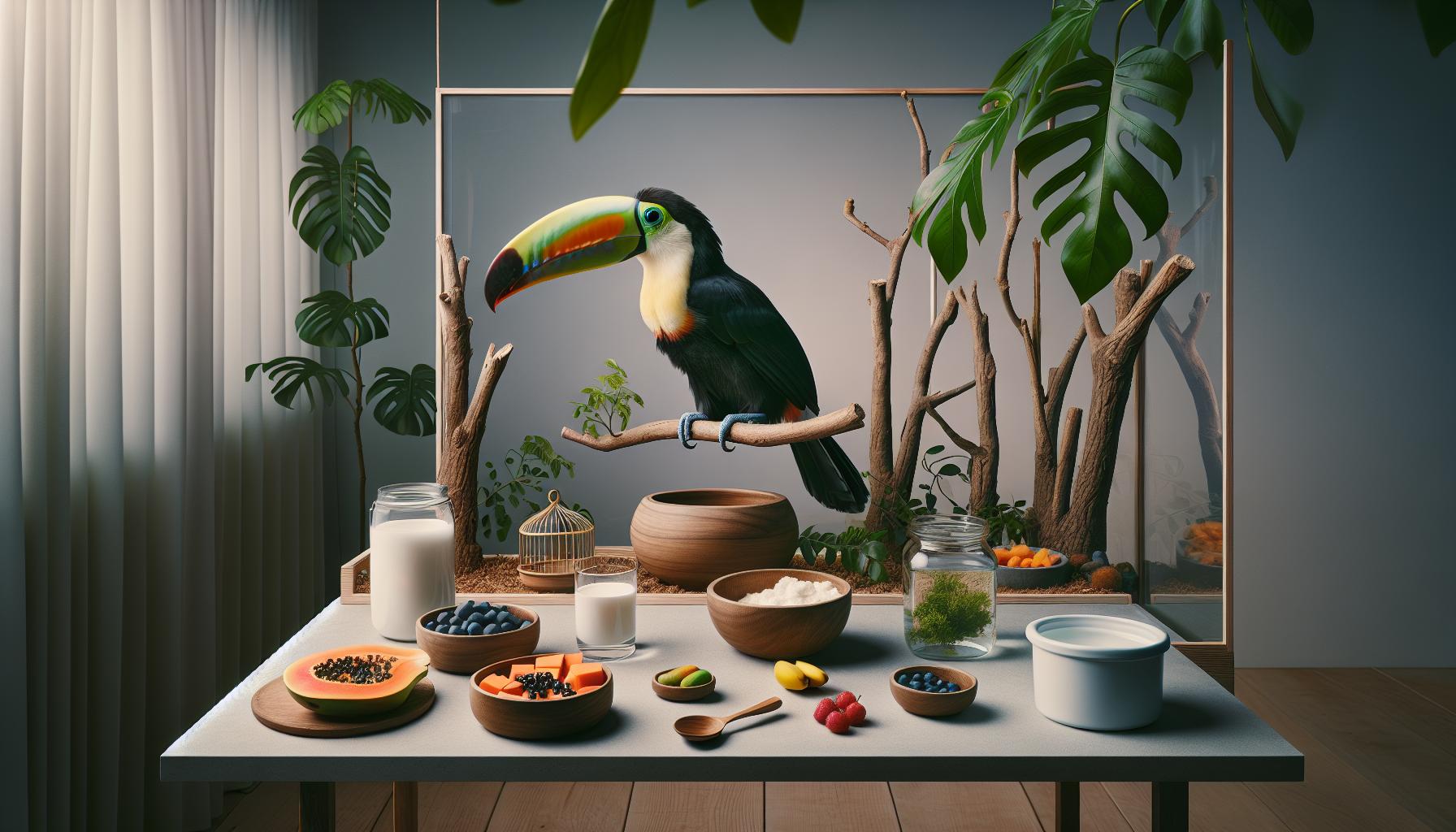
Toucans are captivating birds, known for their vibrant plumage and striking beaks. As potential pet owners consider welcoming one of these exotic creatures into their home, understanding their essential care requirements is crucial to ensuring a happy and healthy life for both the bird and the owner. Toucans have specific needs that differ from more common pets, and being well-informed will help foster a rewarding relationship.
First and foremost, diet plays a pivotal role in a toucan’s health. These birds are primarily frugivorous, meaning their diet should consist mainly of fruits. However, not all fruits are suitable; toucans can benefit from a mixture of soft fruits like bananas, papayas, and berries, as well as a high-quality, specially formulated toucan pellet diet. It’s also important to provide occasional treats, such as nuts or insects, to mimic their natural foraging habits. This variety helps meet their nutritional needs and keeps them stimulated.
Social interaction and mental stimulation are equally critical. Toucans are social birds and thrive on companionship. Regular interaction with their human caregivers and exposure to other birds can prevent boredom and associated behavioral issues. Toys that encourage foraging and problem-solving are essential, as these activities stimulate their intelligence and maintain their physical health. Creating a diverse environment filled with perches, swings, and climbing structures allows them to explore and exercise adequately.
Furthermore, environmental conditions must be closely monitored. Toucans require a spacious cage equipped with plenty of enrichment opportunities. Ideally, cages should be large enough to accommodate flying, with dimensions of at least 3 feet wide, 2 feet deep, and 4 feet high. Temperature and humidity levels should mimic their natural tropical habitats: temperatures should be kept between 70°F and 90°F, and humidity should be maintained around 60-80%. Regular misting or a shallow water bowl can help maintain humidity levels.
To wrap it up, owning a toucan goes beyond just loving their unique appearance; it requires a firm commitment to meet their specialized care needs. Providing a balanced diet, ensuring ample social interaction, and creating a stimulating habitat are all essential elements that contribute to the well-being of these magnificent birds. By understanding these requirements, potential toucan owners can prepare themselves for the joys and responsibilities of caring for such a remarkable companion.
The Best Diet for Your Toucan’s Health
Toucans, with their impressive beaks and vibrant colors, have unique dietary needs that are critical for their well-being. Unlike typical pets, these exotic birds thrive on a diet predominantly made up of fruits, but it’s essential to choose the right combinations to ensure they receive the necessary nutrients. One captivating fact about toucans is that their beaks, while large and seemingly cumbersome, are surprisingly lightweight and designed to help them consume a diet rich in soft fruits. This dietary specificity underscores the importance of providing a diverse range of foods to replicate their natural foraging behavior.
The cornerstone of a toucan’s diet should be a variety of fresh, high-quality fruits. Ideal fruits to offer include bananas, papayas, berries, and melons. Notably, toucans enjoy fruits that are soft, juicy, and easy to digest. In addition to fresh produce, it is crucial to supplement their diet with formulated toucan pellets that provide balanced nutrition. These pellets are designed to meet toucans’ dietary requirements and ensure they receive essential vitamins and minerals. Incorporating occasional treats, such as nuts or insects, can mimic their natural dietary habits and promote foraging behavior, which is vital for their mental stimulation.
For optimal health, it’s also important to be mindful of what not to feed your toucan. Certain fruits, such as avocado and citrus, can be harmful or toxic to them. Additionally, processed foods, caffeine, and high-fat snacks should be strictly avoided. The focus should be on maintaining a diet that not only satisfies their hunger but also supports their overall health and longevity.
In conclusion, by immersing yourself in the nutritional needs of your toucan and providing a varied, fresh diet, you can help ensure that your feathered friend thrives in both body and spirit. The goal is to create a balanced feeding routine that meets their specific requirements while also engaging their foraging instincts, leading to a happier and healthier companion.
Creating a Suitable Habitat for Your Toucan
is crucial to ensuring its health and happiness. These vibrant and sociable birds thrive in environments that closely mimic their natural rainforest habitat. This means ample space, varied vegetation, and opportunities for mental stimulation. Typically, toucans require a large aviary or a spacious cage that provides them with room to fly and climb. When selecting or designing their living space, consider dimensions of at least 6 feet long, 4 feet wide, and 6 feet high, as this allows your toucan to stretch its wings and engage in natural behaviors.
Natural Elements and Enrichment
Incorporating natural elements is key to creating a stimulating environment. Use branches, perches of varying diameters, and platforms to encourage climbing and movement. Avoid bare perches, as toucans benefit from gripping surfaces that mimic the natural textures they would encounter in the wild. These birds are also highly curious and require a variety of toys and enrichment items, such as bells, hanging mirrors, and foraging devices. Rotate these toys regularly to keep their environment fresh and engaging.
Temperature and Humidity Needs
Since toucans are tropical birds, maintaining appropriate temperature and humidity levels within their environment is essential. Ideally, the habitat should be kept between 70°F and 90°F with 50-70% humidity, mimicking their natural rainforest surroundings. Using a humidifier or misting system can help achieve the necessary humidity, especially in dryer climates. It’s important to ensure that the area is well-ventilated but protected from strong drafts, which could stress your bird.
Location Matters
Consider the location of your toucan’s habitat within your home, as toucans are social creatures that enjoy interaction. Choose a spot that offers a good view of family activity while still allowing for a safe retreat when they need solitude. Make sure the area is away from direct sunlight and sudden temperature changes. By placing their habitat in a central area, you promote bonding and engagement with your pet, making it a vital part of your household.
By prioritizing these habitat considerations, you’re taking essential steps towards ensuring your toucan leads a fulfilling life. Their well-being directly correlates with their space, so investing time and resources into creating an enriching environment will yield a happy and healthy companion.
Understanding Toucan Behavior and Social Needs
Toucan behavior is as vibrant and fascinating as their colorful appearance, making them unique companions in the avian world. These birds are inherently social creatures, often living in small flocks in their natural habitat. Understanding their social needs and behaviors is crucial for creating an environment where they can thrive. Toucans are known to be playful and curious, engaging with their surroundings and requiring interaction not only with their environment but also with their human caretakers. This sociability is critical; a lonely toucan can quickly become bored, stressed, and even develop behavioral issues.
Strong bonds are formed among toucans in the wild, and pet toucans flourish best when they have opportunities to interact with both humans and other birds. If kept alone, providing ample time and attention is essential to prevent loneliness. Regular interactions-such as gentle play and socializing-can help fulfill their social needs. In multi-toucan households, these birds often demonstrate affectionate behaviors toward each other, such as grooming and sharing food, signaling a strong social bond. If you’re considering a single toucan, think about your capability to dedicate quality time daily to socialize and play.
Another significant aspect of toucan behavior involves their communication. They vocalize through a series of croaks, whistles, and clicks, each with different meanings that can convey everything from excitement to alarm. Observing your toucan’s vocalizations can help you better understand its mood and needs. Positioning their habitat where they can see daily activities will help keep them engaged and stimulate their natural instinct to be part of a flock.
Establishing a routine that includes interactive play sessions with toys and puzzles can also cater to their intellectual curiosity. Toucans enjoy activities that challenge their problem-solving skills, such as foraging for treats. Creating a dynamic environment with various toys, perches, and climbing structures will further promote their physical and mental well-being, turning their habitat into a bustling ecosystem of interaction and enrichment. By understanding and addressing these behaviors, you can foster a lasting and fulfilling relationship with your toucan, making it a cherished member of your household.
Common Health Issues in Toucans and How to Prevent Them
Toucans are not just strikingly beautiful; they are also unique pets that require diligent care to remain healthy and happy. However, owning one of these vibrant birds comes with challenges, particularly regarding their health. Understanding the common health issues toucans face and knowing how to prevent them can make all the difference in their well-being and your enjoyment of their delightful companionship.
One prevalent health concern among toucans is obesity. These birds have a propensity to overeat, especially if their diet is not balanced or if they lack sufficient activity. Ensuring that your toucan engages in regular exercise through ample out-of-cage time and interactive play is crucial. Providing a varied diet rich in fruits, vegetables, and formulated pellets helps maintain their weight and overall health. Regular check-ups with an avian veterinarian will also allow for early detection and management of weight-related issues.
Another significant concern is feather plucking, often linked to stress or boredom. Toucans are social animals; isolation can lead to self-destructive behaviors like feather plucking. To combat this issue, it’s vital to enrich their environment with various toys, climbing structures, and opportunities for social interaction. Regularly rotating toys and introducing novel items can keep their environment stimulating and reduce stress. Additionally, consider having another bird or frequent human interaction to fulfill their social needs and decrease loneliness.
Respiratory issues are also common in toucans, often stemming from poor air quality or exposure to toxic fumes (such as smoke or strong cleaning agents). Keeping their environment well-ventilated and clean is essential for their breathing health. Avoid scented candles, air fresheners, and any chemicals that could irritate their respiratory system. Monitoring for signs of respiratory distress, such as wheezing or difficulty breathing, warrants immediate veterinary attention.
By being proactive and educated about these common health challenges, you can create a nurturing environment that promotes your toucan’s health and happiness. Regular vet visits, a balanced diet, social interaction, and a stimulating habitat will go a long way in ensuring your toucan thrives as a cherished member of your family.
Training Your Toucan: Tips and Techniques
Toucans are not only captivating due to their vibrant plumage and large beaks, but they are also highly intelligent and social creatures that require intentional training to thrive in a domestic setting. Training your toucan involves patience and consistency, but the rewards are immeasurable as it strengthens your bond while ensuring your bird behaves well and enjoys a fulfilling life. Here’s how to effectively train your toucan and promote a happy, well-adjusted companion.
To begin with, positive reinforcement is the cornerstone of effective training for toucans. Utilize their favorite treats-like small pieces of fruit or specialized bird treats-as rewards for good behavior. Start with simple commands, such as teaching your toucan to step onto your finger or a perch. Use a calm and encouraging voice, and reward them immediately after they comply. This helps them make the association between the command and the reward. Keep training sessions short, around 5 to 10 minutes, to maintain their attention; toucans have a relatively short attention span.
Socialization and Interaction
Socialization is equally important in training. Toucans are social animals that thrive on interaction. Spend quality time with your bird daily, allowing them to acclimate to your presence and voice. You can introduce them to a variety of environments slowly, always ensuring these spaces are safe and free from hazards. This exposure helps your toucan become more adaptable and less skittish. As you interact, be observant of their body language; understanding when they feel comfortable or stressed will help you guide training sessions effectively.
Addressing Negative Behaviors
If you notice unwanted behaviors, such as biting or excessive squawking, address these promptly but gently. Redirect their attention to a toy or another activity when they engage in negative behavior, reinforcing the idea that good behavior gains positive attention. It’s crucial not to react aggressively, as toucans respond poorly to fear or aggression. Instead, be patient and consistent with your training methods, knowing that implementing routines will lead to gradual improvement.
Additionally, consider incorporating enrichment activities that challenge their minds and keep them engaged. Toys that require problem-solving to access treats are particularly effective for toucans. This not only stimulates their intellect but also curbs boredom, which can lead to undesirable behaviors.
Ultimately, the journey of training your toucan is as rewarding as the destination. By fostering a trusting relationship built on positive interactions and understanding, you will open up a world of companionship and joy with your feathered friend.
Choosing the Right Toucan Species for You
When considering adding a toucan to your flock, choosing the right species is critical to ensuring a harmonious fit with your lifestyle and abilities. Toucans boast a dazzling array of species, each presenting unique traits in behavior, care requirements, and appearance. The most commonly kept species in captivity include the Toco toucan, Keel-billed toucan, and Channel-billed toucan, among others, and understanding their distinct characteristics can help you make the best choice.
The Toco Toucan is the largest and one of the most recognizable species, known for its striking orange and yellow bill. These birds are highly social and usually require substantial interaction, making them suitable for owners willing to engage with them frequently. Toco toucans thrive when given room to roam and a variety of toys or enrichment activities. That said, they can be quite loud, so if you live in close proximity to neighbors, consider if their calls might be an issue.
On the other hand, the Keel-billed Toucan, famous for its colorful beak and vibrant plumage, is slightly smaller and more adaptable to a variety of environments. While still social, they are known for being a bit less boisterous than Tocos, which could be an appealing trait for prospective bird owners. They require a rich diet and environmental stimulation, including branches and toys, to stay healthy and active. This species is perhaps the most visually stunning, sure to be a conversation starter in any home.
The Channel-billed Toucan is often less common in aviculture, but it deserves mention. This species has a more subdued appearance, with a primarily black body and a striking bill. Channel-billed Toucans tend to be calmer and may be ideal for someone looking for a quieter companion. However, they still need ample interaction and mental enrichment, so a commitment to providing a stimulating environment is essential.
No matter which species you choose, consider these care essentials: Toucans are fruit eaters by nature and thrive on a balanced diet of fresh fruits, specialized pellets, and occasional protein sources, such as insects. Additionally, the size of your living space and the presence of other pets or animals should be evaluated to ensure a safe and nurturing environment for your new feathered friend.
In summary, when selecting a toucan species, reflect on your living situation, your ability to provide companionship, and your enthusiasm for caring for these enchanting birds. The right species can bring immense joy and vibrant personality into your home, enriching your life with their unique charm and social nature.
Costs of Owning a Toucan: Budgeting for Your Bird
Owning a toucan can be one of the most rewarding experiences for bird enthusiasts, but it comes with a significant financial commitment. From purchase price to ongoing care, it’s essential to understand the costs involved. The initial acquisition of a toucan can vary but typically ranges from $500 to $3,000, depending on the species and whether you are purchasing from a breeder or adopting from a rescue organization. The Toco toucan, being the most popular, often falls on the higher end of this range due to its striking appearance and social nature.
Once you bring your toucan home, the expenses don’t stop. Providing a suitable habitat is crucial for their well-being. A quality cage can cost anywhere from $300 to $1,000. Ensure it’s spacious enough to accommodate their active lifestyle-at least 6 feet tall and 3 feet wide is recommended. Additionally, you will want to invest in perches, toys, and enrichment items, which can add another $100 to $500 annually.
Feeding your toucan a healthy diet is paramount. Toucans are frugivores, meaning they primarily eat fruits, supplemented with high-quality pellets, insects, and occasionally other protein sources. Monthly food costs can average around $50 to $150, depending on the quality and variety of food you provide. Regular visits to an avian veterinarian for check-ups and potential health issues are also necessary. Budget for health care, as initial visits can range from $50 to $200, with routine care and any emergencies costing more.
When budgeting for your feathered friend, remember to account for ongoing costs such as utilities, which will include heating or cooling to maintain an appropriate environment, and any future unforeseen expenses that may arise. Here’s a simplified estimate of the annual costs of owning a toucan:
| Expense | Estimated Cost |
|---|---|
| Initial Purchase Price | $500 – $3,000 |
| Cage and Accessories | $300 – $1,000 |
| Monthly Food Costs | $50 – $150 |
| Annual Vet Check-ups | $100 – $400 |
| Toys and Enrichment | $100 – $500 annually |
In total, you could be looking at an initial investment ranging from $1,000 to over $5,000 in the first year, and continuing costs of several hundred dollars each year after that. Thus, committing to owning a toucan means not only understanding their needs but also ensuring that you have the resources to provide for them throughout their life, which can range from 15 to 20 years.
Myths and Misconceptions About Toucan Ownership
Owning a toucan can be a unique and exciting experience, but misconceptions abound about these vibrant birds. One prevalent myth is that toucans are low-maintenance pets because of their colorful and playful nature. In reality, their care demands are significant. Toucans require specific diets rich in fruits and protein, ample space for exercise, and mental stimulation through toys and interaction. Neglecting these needs can lead to health problems, making it crucial for potential owners to commit to a comprehensive care regime.
Another common misconception is the belief that toucans can thrive solely in a large cage or aviary without much social interaction. While they have physical space requirements, toucans are inherently social creatures that flourish with human interaction and companionship. They can become bored and destructive if left alone for extended periods, illustrating the importance of dedicating time each day to engage with them. Providing your toucan with regular out-of-cage time can enhance their happiness and well-being.
Many people also assume that all toucans are the same, which couldn’t be further from the truth. There are several species of toucans, each with distinct characteristics and care requirements. For instance, the Toco toucan is the largest and most popular species, known for its striking bill and friendly demeanor, while the smaller Keel-billed toucan offers a more vibrant color palette. Understanding the specific needs of the species you’re interested in is crucial, not only for their health but also for your compatibility as a pet owner.
In addition, there’s a myth that toucans can live comfortably in climates that are significantly different from their natural habitat. While toucans are hardy birds, they thrive in warm, humid environments. Extreme temperatures, whether hot or cold, can stress them and contribute to health issues. Future owners should set up a suitable habitat that mimics their natural environment, ensuring proper temperature and humidity levels to keep them healthy and content.
Ultimately, educating yourself about the realities of toucan ownership helps dispel these myths and equips you to provide the best care possible for your feathered friend. Embracing their quirks and respecting their needs will lead to a fulfilling relationship with these extraordinary birds.
Finding a Reputable Breeder or Rescue for Toucans
To embark on the rewarding journey of toucan ownership, finding a reputable breeder or rescue organization is crucial. Toucans are not only strikingly beautiful but also require specific care that can vary significantly among the different species. A responsible breeder not only provides a healthy bird but also ensures that potential owners are well-informed about the unique needs of their feathered companions.
When searching for a breeder, consider these essential factors:
- Health and Welfare: Visit the facility if possible. Look for clean, spacious environments where birds have room to move and are treated well. A reputable breeder should be transparent about the health history of their birds, including any vaccinations and genetic testing.
- Experience and Expertise: Choose breeders who specialize in toucans and have a solid understanding of their care. They should be willing to answer questions and provide comprehensive guidance on diet, habitat, and behavioral needs.
- Documented Practices: Ask for references or testimonials from previous customers. A good breeder will have a track record of satisfied clients who can vouch for the birds’ health and behavior.
- Species Knowledge: Since care varies by species, ensure the breeder is knowledgeable about the specific type of toucan you’re interested in. This can help you prepare adequately for your new pet.
For those considering adoption, look for avian rescues dedicated to providing safe havens for birds in need. Rescues may offer previously owned toucans looking for new homes due to various circumstances. Here are some tips for adopting through a rescue:
Adoption Considerations
- Rehabilitation Services: Some rescues provide rehabilitation for toucans that have been neglected or abused. Understanding the bird’s past can help prepare you for any special needs it might have.
- Support and Education: Many rescues offer educational resources and support networks for new toucan owners, which can be invaluable as you navigate the challenges of caring for your bird.
- Community Connections: Rescuers are often connected with avian veterinarians and other bird care experts, making it easier for you to access professional advice and services.
Whether you choose a breeder or a rescue, investing the time to find a responsible source will pay off immensely in the health and happiness of your new toucan. By ensuring your bird’s origins are rooted in ethical breeding or rescue efforts, you are taking the first step toward creating a loving and informed home for your unique companion.
Long-Term Commitment: Are You Ready for a Toucan?
Owning a toucan requires more than just a love for their striking appearance and vibrant personalities; it necessitates a genuine commitment that spans many years. Toucans are long-lived birds, with some species reaching up to 20 years or more in captivity. This longevity is a beautiful aspect of their nature but also signifies a substantial dedication on your part. Before welcoming one into your home, consider all the responsibilities you will take on.
Caring for a toucan goes beyond just feeding and maintaining a cage. They thrive on social interaction and mental stimulation, which means your daily routine will need to accommodate their need for companionship. Toucans are remarkably social creatures that often bond closely with their owners. Therefore, be prepared for plenty of playtime, enrichment activities, and possibly even talking and training sessions. Establishing a routine that includes these interactions not only enhances their well-being but strengthens your bond.
Their dietary needs are also specific and can be complex. Toucans require a diet rich in fruits, vegetables, and specially formulated pellets. This not only ensures they receive adequate nutrition but also keeps them engaged during feeding time. Notably, some owners find that toucans can be quite picky eaters, which adds another layer to the commitment as you’ll need to experiment with various foods to keep them satisfied and healthy.
Lastly, setting up an environment that mimics their natural habitat is essential. This means providing a spacious, enriched living area with perches, toys, and opportunities for climbing and exploring. If you live in a climate that isn’t ideal for outdoor time, prepare to dedicate indoor space that caters to their needs. If this kind of commitment resonates with you, and you are excited about shaping a thriving life for your toucan, you may very well be ready for this extraordinary companion.
Frequently asked questions
Q: What are the legal requirements for owning a toucan in the United States?
A: To own a toucan in the United States, you must check local and state laws, as regulations vary widely. Some states require permits or have restrictions on exotic birds, including toucans. Always ensure compliance with the Migratory Bird Treaty Act, which protects certain species.
Q: How much does it cost to care for a toucan monthly?
A: Monthly care costs for a toucan can range from $150 to $300, covering food, habitat maintenance, veterinary care, and supplies like toys. Budgeting for unexpected health issues is also advised to ensure your toucan’s well-being.
Q: What is the lifespan of a pet toucan?
A: Toucans can live for 15 to 20 years in captivity with proper care. Providing a balanced diet, a spacious habitat, and regular veterinary check-ups can significantly enhance their lifespan.
Q: Do toucans require a special diet?
A: Yes, toucans need a specialized diet rich in fruits, berries, and some protein sources. Avoid high-fat foods and ensure they have access to fresh water daily. Consult an avian vet for precise dietary recommendations tailored to your toucan’s needs.
Q: How can I create a suitable habitat for my toucan?
A: A suitable habitat for a toucan includes a large, spacious cage with plenty of perches, toys, and natural branches. The environment should be enriched with climbing opportunities and a consistent temperature between 70°F and 80°F to mimic their natural habitat.
Q: What common health issues should toucan owners be aware of?
A: Toucans may face health issues such as obesity, feather plucking, and respiratory problems. Regular veterinary check-ups and a balanced diet can prevent many of these conditions. Monitoring their behavior and diet closely is crucial for early detection of health problems.
Q: Can toucans be kept with other birds?
A: Toucans are generally not recommended to be kept with other bird species due to their aggressive nature and specific social needs. If considering cohabitation, it’s important to research compatibility and monitor interactions closely.
Q: What should I know about training my toucan?
A: Training a toucan involves patience and positive reinforcement. Start with simple commands and use treats to reward good behavior. Training not only helps with bonding but can also keep your toucan mentally stimulated.
Final Thoughts
As you explore the fascinating prospect of owning a toucan, remember that understanding the legal and care requirements is vital to ensuring a happy, healthy life for your new feathered friend. With the proper knowledge, you can provide the perfect habitat and diet, fostering a rewarding relationship with your toucan. Don’t let uncertainty hold you back-start planning today to create the ideal environment and lifestyle for your avian companion!
For more insights, check out our detailed guide on “Essential Resources for Bird Care” and our article on “Top Exotic Birds to Consider as Pets.” If you’re still pondering questions about ownership or care practices, feel free to leave a comment below or explore our community resources for personalized advice. Join our newsletter for updates and tips, helping you stay informed about the best care methods and legal requirements for all exotic birds. Your journey into the world of toucans begins now-take the first step towards becoming a knowledgeable and responsible owner!
Get our latest guides, news, and insights highlighted in your Google Search & AI Overviews.










