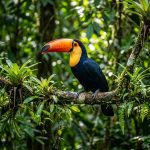
The Russet Nightingale-Thrush, a hidden gem of the forest, captivates birdwatchers with its beautiful song and elusive nature. This guide invites you to explore the enchanting world of this secretive bird, providing essential insights into its behavior, habitat, and identification tips. Whether you’re a seasoned birder or just starting your journey, understanding this thrush can deepen your appreciation for the avian wonders that grace our ecosystems. Imagine wandering through a lush forest, the melodious notes of the Russet Nightingale-Thrush guiding your path, igniting your curiosity about its life and habits. As you delve into this guide, prepare to uncover the mysteries of this captivating species, equipping yourself with knowledge that enriches every birdwatching experience. Together, let’s embark on a journey to unveil the secrets of one of nature’s finest songsters!
Identifying the Russet Nightingale-Thrush: Key Characteristics

The Russet Nightingale-Thrush is a captivating figure in the avian world, known for its elusive nature and exquisite beauty. At first glance, identifying this bird may present a challenge due to its penchant for dense forest habitats and its tendency to remain hidden among the underbrush. However, with a keen eye and a bit of patience, birdwatchers can discover this gem of the forest.
These thrushes can be identified by their striking and well-defined features. Adult Russet Nightingale-Thrushes exhibit a rich russet or rufous color on their upper parts, contrasted with a paler, almost creamy underbelly. Their facial markings include a prominent eye-ring that can assist in distinguishing them from similar species. Their size is also a key characteristic; they are typically medium-sized thrushes, about 8 to 9 inches in length, boasting a robust build that allows them to navigate through thick foliage with ease.
When observing the Russet Nightingale-Thrush, pay attention to their distinctive behavior and vocalizations. They are notoriously shy and often prefer to stay low to the ground, making them a delight to see when they emerge. Their song, a melodious and varied series of notes, can often be heard echoing through the forests they inhabit. Listening for their calls can significantly enhance your chances of spotting one, as they will sometimes break into song while nestled among the branches.
To confirm your sighting, look for additional characteristics such as their tail, which is often held slightly elevated, and their long, slender legs, perfect for maneuvering through their preferred habitat. Observing them during the dawn or dusk hours, when they are most active, can increase your chances of a successful identification. With these pointers in mind, you’ll be well-equipped to encounter the Russet Nightingale-Thrush on your birdwatching adventures.
Habitat and Range: Where to Find This Elusive Bird
In the lush heart of Central and South American forests, the Russet Nightingale-Thrush thrives in an environment that reflects its secretive nature. This bird is typically found in dense, humid forests, often favoring areas with heavy understory vegetation where it can remain hidden from prying eyes. These habitats provide not only shelter but also an abundance of food sources, making them ideal for this elusive thrush. If you’re keen on spotting one, you’ll want to explore these rich, verdant landscapes-your chances improve significantly in regions characterized by lowland tropical forests, particularly during the rainy season when its vocalizations resonate more clearly.
The Russet Nightingale-Thrush is more than just a wanderer of the shadows; it has a specific geographical range that offers unique birdwatching opportunities. You’ll commonly find it in countries such as Costa Rica, Panama, and as far south as northern Argentina. Within this range, the bird tends to favor elevations from sea level up to about 1,500 meters, where the forest environment remains intact and undisturbed. Consider visiting national parks and reserves that prioritize biodiversity and the preservation of natural habitats; these areas often serve as sanctuaries for various bird species, including the Russet Nightingale-Thrush.
For those eager to track down this remarkable bird, patience is essential. Engage in early morning or late afternoon walks through the forest, as these are key times for bird activity. Equip yourself with a good pair of binoculars and remain as quiet as possible while you explore. Listening attentively to their unique calls can help you locate their presence among the foliage. Their song is not only beautiful but serves as a guide-if you can identify their distinctive melody, you’re one step closer to a successful sighting. With a strategic approach and a genuine respect for their environment, you’ll enhance your birdwatching experience considerably and deepen your appreciation for this captivating thrush.
Behavior and Vocalizations: Understanding the Russet Nightingale-Thrush

In the realm of elusive forest dwellers, the Russet Nightingale-Thrush showcases a captivating blend of behavior and vocalization that both intrigues and challenges birdwatchers. Known for its secretive nature, this thrush adapts remarkably well to its dense habitat, often remaining hidden yet highly active. Understanding its behavior not only enhances your chances of spotting this remarkable bird but also enriches your overall birdwatching experience.
One of the most striking characteristics of the Russet Nightingale-Thrush is its vocal prowess. Its song is a melodious and complex series of notes that resonate through the underbrush, often drawing those who appreciate the subtleties of avian music. The call is distinctively rich and almost ethereal, featuring varied pitches that can echo through the forest, creating a connection between bird and observer. Birdwatchers frequently describe the experience of locating a singing thrush as both challenging and exhilarating-listening for its song can guide you closer, especially during early mornings or just before dusk when the thrush is most active.
When it comes to behavior, these thrushes exhibit both solitary and social tendencies. While they often prefer to forage alone among the leaf litter for insects and fruits, they may also join mixed-species flocks during foraging activities. Observing the Russet Nightingale-Thrush’s behavior offers valuable clues to its presence; it tends to be more vocal and visible during the breeding season, especially when defending territory. If you’re fortunate enough to witness their courtship displays, characterized by elaborate songs and fluttering movements, it can be a highlight of your birdwatching journey.
To increase your odds of observing and appreciating the behavior and vocalizations of the Russet Nightingale-Thrush, consider visiting during the breeding season. Equip yourself with quality binoculars, and be prepared to stand still and listen; patience is your ally in this endeavor. The more you learn to recognize its calls, the better equipped you will be to pinpoint its location among the dense foliage, turning the thrill of the chase into a rewarding connection with nature.
Feeding Habits: What Does the Russet Nightingale-Thrush Eat?

The Russet Nightingale-Thrush has a diverse and adaptable diet that reflects its secretive nature and forest habitat. This bird primarily feeds on insects and fruits, making it an opportunistic forager that takes advantage of seasonal abundance. As an avid insectivorous bird, you are likely to spot it rummaging through leaf litter, skillfully uncovering hidden beetles, caterpillars, and ants. Its penchant for fruit also allows it to play an important role in seed dispersal within its ecosystem-so next time you observe one, take note of what it’s consuming; you may just witness its contribution to forest health!
During breeding season, the Russet Nightingale-Thrush is particularly focused on foraging, and you might notice an increase in its activity. This is the optimal time to witness them energetically hunting for high-protein insects to support nesting duties. It often takes advantage of the forest’s understory, where it seeks out softer fruits, such as berries and wild grapes, which provide essential energy for their demanding lifestyle.
Feeding Strategies
The feeding habits of the Russet Nightingale-Thrush are also reflective of its adaptability. Here are some strategies this remarkable bird employs:
- Solitary Foraging: Primarily foraging alone, the thrush uses its keen eyesight and acute hearing to locate food hidden beneath leaves and branches.
- Listening for Movement: It often remains still, using its auditory senses to detect the bustling activity of insects, before pouncing on its prey.
- Food Storage: There is evidence suggesting that some individuals may cache food, particularly fruits, to consume later, displaying foresight in their feeding strategy.
Whether you are a seasoned birder or a novice looking to enhance your skills, observing how the Russet Nightingale-Thrush forages can offer remarkable insights into not just the species but forest ecology as a whole. Be sure to take note of any fruits and insects you see it consume during your birdwatching adventures, as these observations can deepen your understanding of its role within the habitat. Remember, patience and keen observation will enrich your experience, leading you to connect more profoundly with this elusive forest dweller.
Breeding and Nesting: Insights into Their Reproductive Life

The Russet Nightingale-Thrush embarks on an intriguing chapter of its life during the breeding season, which typically spans from late spring to early summer. A captivating fact about this bird is its remarkable ability to blend into its environment, a trait that becomes even more pronounced when it selects nesting sites. The female is primarily responsible for nest-building, often choosing locations hidden amidst dense foliage or shrubs where their nests can go unnoticed by potential predators. This remarkable skill highlights their instinctive understanding of safety in their natural habitat.
Nests are usually built low to the ground, crafted from a combination of leaves, twigs, and mud, forming a sturdy structure that can protect fragile eggs from the elements. After the female lays a clutch of 2 to 4 eggs, she engages in relentless incubation, which lasts about 12 to 15 days. During this period, the male plays a critical role by defending the territory and bringing food to the female, ensuring she has the energy necessary for her important role. The male’s vocalizations become more pronounced during this time, both as part of his courtship behavior and to deter rival males from encroaching on their nesting territory.
Once the eggs hatch, both parents are involved in rearing the chicks, which fledge approximately 12 to 15 days after hatching. It’s fascinating to observe that the adults will continue to feed the fledglings for several days after they leave the nest, helping to ensure their survival as they learn to navigate the complexities of their environment. This parental cooperation not only strengthens their bond but also underscores the critical importance of nurturing young ones in a world filled with potential threats.
For those interested in birdwatching or studying these elusive birds, the breeding season provides a prime opportunity to observe the intricacies of their reproductive behaviors. Look for the telltale signs of breeding activity: the males singing their melodious calls from prominent perches or the females stealthily moving in and out of their leafy nests. Being mindful of their secretive nature while watching from a distance helps ensure that these beautiful creatures can carry on their legacy without undue stress.
Conservation Status: Protecting the Russet Nightingale-Thrush
The survival of the Russet Nightingale-Thrush is acutely tied to the health of its forest habitat, making conservation efforts vital for this secretive bird. These thrushes thrive in densely forested areas rich in undergrowth, which not only provides ideal nesting sites but also ample foraging opportunities. However, deforestation, habitat fragmentation, and climate change pose significant threats to their populations. As birder enthusiasts, recognizing the importance of preserving these habitats can lead to a more profound commitment to conservation initiatives.
Engaging in local conservation efforts can take many forms, from participating in habitat clean-up days to supporting organizations that focus on forest preservation. For instance, understanding the significance of native plant species is crucial, as these plants offer food and shelter not just for the Russet Nightingale-Thrush but for various forest-dwelling wildlife. Planting native species in your garden can create a patchwork of suitable habitats, providing a refuge for these birds and others.
Moreover, active birdwatching can contribute to conservation science. Reporting sightings, particularly of breeding pairs or unusual behaviors, helps ornithologists track population trends and identify areas in need of protection. Citizen science projects meet the dual goals of education and engagement while significantly contributing to our understanding of bird species and their ecological requirements.
Protecting the Russet Nightingale-Thrush is not just a task for conservationists; it extends to everyone who appreciates the beauty of birds in nature. By fostering a supportive ecosystem and advocating for policies that protect forest habitats, we can help ensure that future generations will continue to witness the enchanting melodies of this elusive bird in its natural setting.
Photography Tips: Capturing the Perfect Shot of This Bird
Capturing a glimpse of the Russet Nightingale-Thrush in the wild is akin to discovering a hidden gem in the heart of a lush forest. This elusive bird’s secretive nature poses a challenge for photographers eager to showcase its beauty. To enhance your chances of obtaining that perfect shot, fostering an understanding of its habitat and behavior is paramount. The Russet Nightingale-Thrush tends to stay close to dense undergrowth, often venturing out during the early morning or late afternoon when it is most active. Carrying a long lens can be beneficial, allowing you to photograph from a distance without disturbing its natural surroundings.
When planning your photographic expedition, consider the following tips to capture stunning images of this captivating bird:
- Choose the Right Time: The early morning light is incredibly flattering for bird photography; it enhances colors and reduces harsh shadows. Look for the Russet Nightingale-Thrush when the sun starts rising or just before it sets.
- Be Patient: These birds can be quite elusive. Settle into a location where you anticipate they may appear. Remaining quiet and minimizing movement can increase your chances of catching them in action.
- Focus on Composition: Utilize natural framing techniques with branches or leaves to add depth to your photos. Aim for a clean background that allows the bird to be the focal point.
- Utilize Natural Light: Whenever possible, opt for shooting with natural available light, which showcases the rich colors of the Russet Nightingale-Thrush without the harshness of flash photography.
In addition to these techniques, leveraging audio to attract the Russet Nightingale-Thrush can enhance your opportunities. The bird’s melodious calls can lure it out of thickets for a brief appearance. Using playback of its vocalization at low volume may help you coax it into view, but use this method sparingly to avoid stressing the bird.
Engaging with a local birding community can also provide invaluable insights and tips specific to your region. Other birders may share prime locations for sightings or even recommend specific times of year when the Russet Nightingale-Thrush is more frequently observed. With these strategies at your disposal, you will not only increase your chances of a successful outing but also cultivate a deeper appreciation for the splendid yet elusive nature of this species.
Best Times for Birdwatching: When to Spot the Russet Nightingale-Thrush
The Russet Nightingale-Thrush is not merely a bird; it’s an enigma waiting to be unveiled in the quietude of the forest. To increase your chances of spotting this elusive creature, timing your excursions is crucial. Early mornings and late afternoons prove to be the most rewarding times for birdwatching enthusiasts, as these periods align with the thrush’s peak activity levels. Often, it can be heard singing its enchanting melodies just after dawn or just before dusk, providing a unique opportunity for observers to enjoy its brilliant vocalizations while searching the underbrush for its rust-colored plumage.
In addition to diurnal patterns, considering seasonal variances can enhance your birdwatching experience. Spring is particularly fruitful as male Nightingale-Thrushes are engaged in singing to establish their territories and attract mates. By venturing into their habitats during this time, you’ll not only witness this behavior but may also catch a glimpse of nesting activities. Autumn, with its striking foliage, is another excellent time to observe these birds as they forage in preparation for winter. The changing landscape not only makes them more visible but creates a picturesque backdrop for photography.
Weather can also play a pivotal role in birdwatching. Overcast days can provide excellent visibility, as the softer light reduces harsh shadows and helps highlight birds moving through the canopy. However, be mindful of rain; a light drizzle might encourage the Russet Nightingale-Thrush to venture from cover to hunt for insects. Lastly, engaging with local birdwatching groups can enhance your outings, as members often share insights about recent sightings and optimal times based on local patterns-making for a communal learning experience that can benefit both beginners and seasoned birders alike.
For those keen to delve deeper into this bird’s fascinating habits, observing its behaviors during different times of the day can yield rich insights. The more you tune into the rhythms of the Russet Nightingale-Thrush, the greater the likelihood of encountering this secretive inhabitant of the forest.
Comparing Similar Species: Identifying Look-alikes and Differences
When delving into the world of the Russet Nightingale-Thrush, enthusiasts quickly encounter several bird species that share its elusive nature and similar habitats. Distinguishing these avian look-alikes is crucial for proper identification. One prominent contender is the Hermit Thrush. While both species boast warm brown plumage, the Hermit Thrush is generally lighter in color and features a distinctive white eye ring and spotted breast, which are absent in the Russet Nightingale-Thrush. Observing the behavior can also provide hints; while the Russet Nightingale-Thrush tends to remain concealed in dense foliage, the Hermit Thrush is more likely to forage in open areas.
Another similar bird is the Veery, known for its rich, melodic song. Like the Russet Nightingale-Thrush, the Veery has a rusty hue, but its song is more fluid and less varied, often characterized by a series of cascading notes. Identification can be further enhanced by noting the Veery’s reddish-brown back and relatively pale underparts, which differentiate it from the deeper, ruddier tones of the Nightingale-Thrush. Observers should be alert for the Veery’s tendency to sing prominently from exposed perches, in contrast to the more secretive nightingale-thrush.
Additionally, the Gray-Cheeked Thrush presents identification challenges, particularly in dim light or dense cover. This thrush has a more ashy color palette and a faintly spotted breast that can sometimes appear similar to that of the Russet Nightingale-Thrush when viewed quickly. The Gray-Cheeked is also known for its understated, whisper-like song, which lacks the more robust qualities found in the nightingale-thrush’s vocalizations.
To aid identification, note the following key features:
| Species | Coloration | Vocalizations | Behavior |
|---|---|---|---|
| Russet Nightingale-Thrush | Rusty, warm brown | Rich and varied | Secretive, prefers dense cover |
| Hermit Thrush | Lighter brown, spotted breast | Melodic, clear | Forages in open areas |
| Veery | Reddish-brown, pale underparts | Cascading notes | Sings from exposed perches |
| Gray-Cheeked Thrush | Ashy with faint spots | Soft, whisper-like | Often remains concealed |
Understanding these distinctions not only enhances your identification skills but also enriches your birdwatching experience. By familiarizing yourself with these look-alikes, you’ll be better equipped to appreciate the unique charm and presence of the Russet Nightingale-Thrush amidst its thrush relatives.
Cultural Significance: The Russet Nightingale-Thrush in Folklore
The Russet Nightingale-Thrush has long captivated the imaginations of cultures that share its woodland habitat. This elusive bird, shrouded in the dense underbrush of forests, has become a symbol of mystery and beauty in various folklores across its range. Folklore narratives often portray it as a messenger of the forest, its rich and varied songs echoing through the trees, believed to communicate the moods of nature and herald the arrival of different seasons. Those fortunate enough to hear its song might feel a connection to the spirit of the forest, as many indigenous tribes and local cultures often ascribe spiritual significance to birds known for their melodious calls.
In some cultures, the Russet Nightingale-Thrush is associated with themes of transformation and renewal. Its behavior of remaining hidden, only to reveal itself through song, resonates with stories of personal growth and revelation. The bird’s presence during certain times of the year is thought to signify fertility, inspiring rituals and celebrations centered around nature’s cycles. For birdwatchers and nature enthusiasts, this understanding enhances the experience. Observers often bring binoculars and cameras to capture not just the physical beauty of this bird but also the ethereal qualities that it embodies in cultural tales.
Moreover, the Russet Nightingale-Thrush contributes to local ecosystems, playing roles in seed dispersal and insect population control, which has also garnered it respect in various traditional narratives where nature and its elements are viewed as interconnected. Engaging with the bird not only enhances one’s birdwatching experience but also deepens appreciation for the cultural significance surrounding it. Birdwatchers can benefit from learning local stories or legends that feature the Russet Nightingale-Thrush, enriching their encounters with the bird by viewing it through the lens of folklore.
By understanding these cultural connections, we invite a broader narrative into our experiences with the Russet Nightingale-Thrush, celebrating not only its physical presence in nature but also its enduring legacy in human stories, enriching our passion for birdwatching and the natural world.
Field Guide Essentials: What to Bring on Your Birdwatching Trip
When venturing into the wooded realms where the Russet Nightingale-Thrush resides, preparation is key to a successful birdwatching experience. This secretive bird, often cloaked beneath layers of foliage, requires a blend of keen observation skills and the right gear to enhance your encounter. Whether you are a seasoned birder or a curious beginner, having the right essentials can transform your experience from mundane to magical.
First and foremost, high-quality binoculars are indispensable. Look for a pair with at least an 8×42 magnification for a clear and steady image, allowing you to spot the Russet Nightingale-Thrush amid the treetops and underbrush. Additionally, a field guide specific to your area can be very valuable, as it enables you to identify not just the thrush but also its elusive look-alikes. A guide with photographs and details about behavior and habitats can greatly enhance your understanding and appreciation of these birds.
Another important tool is a notebook or birdwatching app to jot down your observations. Record the date, location, and behaviors you witness. This not only enriches your own experience but can also contribute to citizen science projects focused on bird populations. Photography gear can capture the thrilling moments when the thrush reveals itself, so consider bringing a zoom lens to photograph this beautiful bird without disturbing its natural habitat.
Lastly, don’t forget practical items that enhance both comfort and safety during your outing. A lightweight backpack can hold water, snacks, and a first-aid kit, while dressing in layers helps you adapt to shifting temperatures in the forest. Sturdy footwear is essential for navigating uneven terrain, and a hat and sunscreen protect you from the elements. Bringing along a friend or joining a birdwatching group can also enhance the experience, allowing for shared knowledge and camaraderie on your quest to observe the enchanting Russet Nightingale-Thrush.
Q&A
Q: What is the best time of year to see the Russet Nightingale-Thrush?
A: The best time to spot the Russet Nightingale-Thrush is during spring and early summer when they are most active. Early mornings and late afternoons offer the best opportunities for sightings, especially near their preferred wooded habitats. Check the “Best Times for Birdwatching” section for tips on planning your trips.
Q: How does the Russet Nightingale-Thrush communicate?
A: The Russet Nightingale-Thrush is known for its melodious songs, which vary between individuals. They often sing to defend territory or attract mates. Understanding their vocalizations can enhance your birdwatching experience, as elaborated in the “Behavior and Vocalizations” section of the guide.
Q: What threats does the Russet Nightingale-Thrush face?
A: The primary threats to the Russet Nightingale-Thrush include habitat loss and climate change. Conservation efforts are crucial for their protection. Learn more about their conservation status and what you can do to help in the relevant section of our guide.
Q: Are there specific behaviors unique to the Russet Nightingale-Thrush?
A: Yes, the Russet Nightingale-Thrush is known for its elusive behavior, often foraging quietly on the forest floor. Their secretive nature makes them harder to spot but rewarding to observe. Discover more about their behaviors in the “Behavior and Vocalizations” section.
Q: Can I attract the Russet Nightingale-Thrush to my backyard?
A: Attracting the Russet Nightingale-Thrush is challenging due to their preference for dense forests, but providing native plants and maintaining a natural habitat can help. For further tips on creating bird-friendly environments, see our “Field Guide Essentials” section.
Q: How do I distinguish the Russet Nightingale-Thrush from similar species?
A: Distinguishing the Russet Nightingale-Thrush from similar species involves noting its unique coloration and vocalizations. Detailed comparisons are available in the “Comparing Similar Species” section of our guide to help you identify this elusive bird accurately.
Q: What role does the Russet Nightingale-Thrush play in its ecosystem?
A: The Russet Nightingale-Thrush plays a vital role in its ecosystem by aiding in insect control and seed dispersal, contributing to the health of their forest habitats. Explore deeper insights about their ecological significance in our comprehensive guide.
Q: Why are folklore stories about the Russet Nightingale-Thrush important?
A: Folklore often highlights cultural connections to the Russet Nightingale-Thrush, symbolizing beauty and mystery in many traditions. These stories enhance our appreciation for the species. For more context, check out the “Cultural Significance” section of the guide.
Key Takeaways
Thank you for exploring the fascinating world of the Russet Nightingale-Thrush with us! As you’ve discovered, understanding this secretive forest bird not only enhances your birdwatching experiences but also deepens your appreciation for the unique ecosystems they inhabit. Don’t stop here-expand your knowledge with our related guides on forest bird behavior and effective birdwatching techniques.
We highly encourage you to join our newsletter for the latest updates and expert tips on birdwatching. Your journey in ornithology is just beginning, and there’s so much more to explore! If you have questions or would like to share your own birdwatching stories, leave a comment below. Let’s transition your newfound interest into a lasting passion. Before you go, check out our resources on bird identification tips and useful tools to enhance your birdwatching adventures. Happy birding!
Get our latest guides, news, and insights highlighted in your Google Search & AI Overviews.