

Meet the Bat Falcon, a remarkable small raptor renowned for its extraordinary aerial mastery and ability to thrive in urban environments. With adept hunting skills, particularly at dawn and dusk, these birds catch bats mid-flight, showcasing an impressive blend of agility and precision. For birdwatchers and nature enthusiasts, understanding the Bat Falcon’s adaptations opens doors to appreciating the intricate dance of wildlife and urban landscapes. From their striking black and white plumage to their solitary nature, these falcons embody resilience and resourcefulness in a rapidly changing world. Join us as we delve deeper into the captivating life of the Bat Falcon, exploring its behaviors, habitat, and how it navigates the challenges of modern environments. You’ll discover why this raptor is not just a master of the sky, but also a symbol of adaptability and survival.
Bat Falcon: Unique Characteristics and Identification
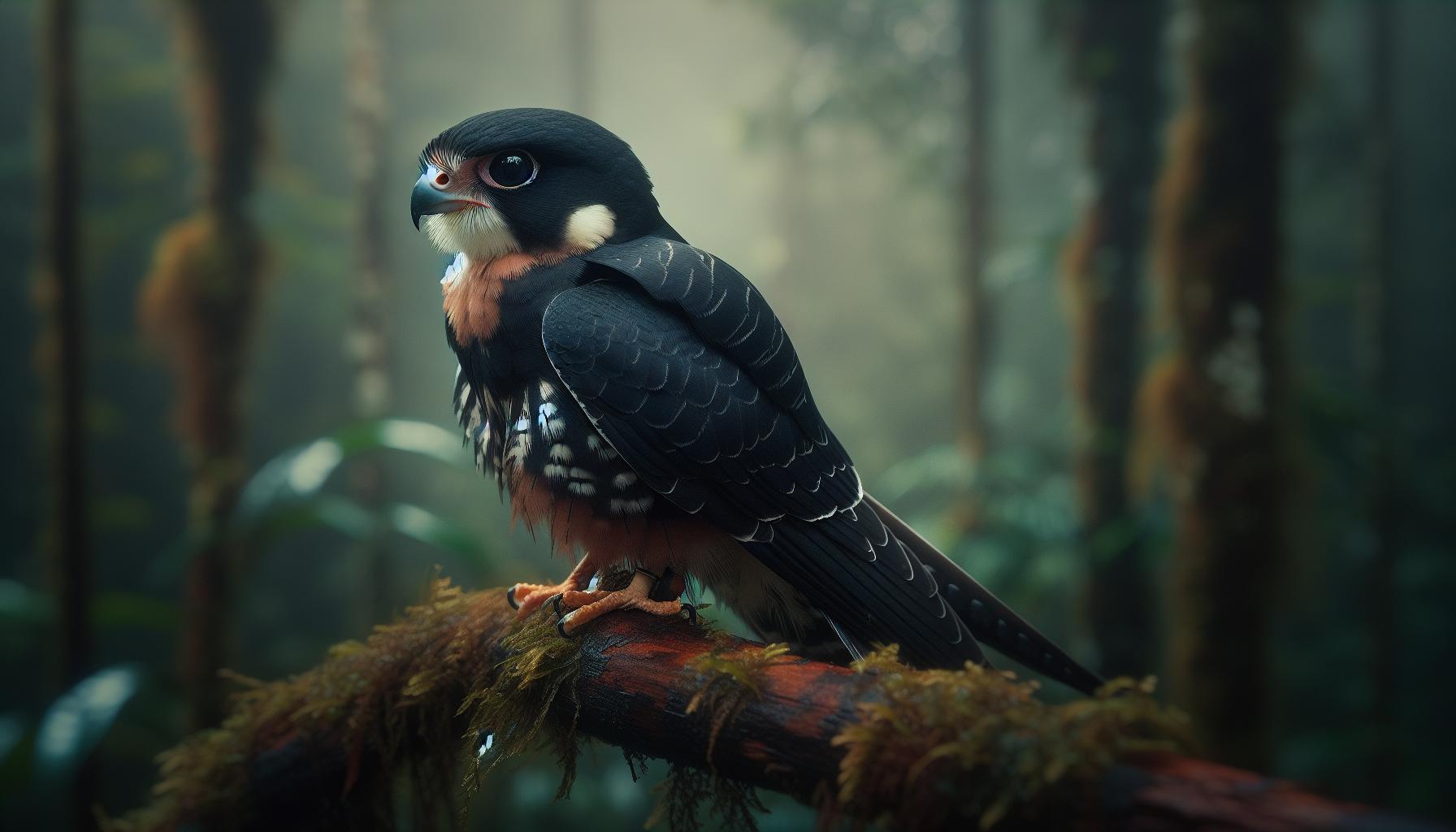
The Bat Falcon, a striking small bird of prey, is not only captivating in appearance but also uniquely adapted to its environment. Recognizable by its distinctive coloration, adults showcase a vibrant black back, head, and tail, paired with a rufous throat and upper breast that add to their charm. This bird, with a length of about 30 to 35 centimeters, exemplifies adaptability with its small size, making it an efficient hunter in various habitats, especially at the edges of rainforests and urbanized areas.
When it comes to identification, keen observers will find several defining features that set the Bat Falcon apart from other species. Notably, its sharp facial markings and distinctive eye markings contribute to a bold and fierce appearance. The falcon’s long wings and short tail facilitate agile flight, essential for catching small prey in mid-air. Its diet primarily consists of insects, particularly bats, from which it derives its name, and its hunting style melds agility with precision-a true aerial acrobat in the truest sense.
Birdwatchers can often spot Bat Falcons perched on high branches or utility poles, scanning their surroundings for movement. Their preference for open spaces bordered by trees allows for enhanced visibility while they patrol for insects. Observing a Bat Falcon in action often reveals their characteristic flying behavior: swift, direct chases filled with sharp turns. This not only showcases their hunting prowess but also highlights their integral role in the ecosystem as predators of challenging prey.
In summary, the Bat Falcon is a testament to the adaptability and skill present in the avian world. Its unique traits, from striking plumage to impressive hunting techniques, make it a fascinating subject of study and a thrill to observe for bird enthusiasts of all levels.
The Art of Aerial Hunting: Techniques of the Bat Falcon
The Bat Falcon is a true specialist in aerial hunting, displaying remarkable agility and strategy as it pursues its prey. Known for hunting primarily at dawn and dusk, this small raptor excels in environments where it can leverage its sharp eyesight and quick reflexes. Its hunting grounds often include forest edges and areas adjacent to rivers where insects, especially flying insects and bats, are abundant. By nesting in positions that give a commanding view of their surroundings, Bat Falcons master the art of visual tracking, allowing them to spot potential meals from a distance.
With its long wings and short tail, the Bat Falcon is built for speed and precision. During a hunt, it employs a technique of surprise and stamina, initiating a rapid dive once it identifies its target. This approach often includes sharp turns and quick ascents as the falcon weaves through the air, adapting to the movements of its agile prey. Observers can witness this extraordinary aerial skill as the falcon engages in direct chases, showcasing not just its swiftness but also intricate agility, often maneuvering around obstacles in its path.
The Bat Falcon’s hunting success is closely linked to its ability to adapt to urban environments, where it can also be found hunting around streetlights or other artificial light sources that attract insects. Here, the falcon becomes a master of urban hunting, demonstrating an incredible ability to exploit human-modified landscapes. As cities encroach on natural habitats, the Bat Falcon has not only survived but thrived by utilizing the resources available in urban settings. This adaptability highlights the species’ resilience and cleverness as it continues to fulfill its role as an efficient predator within both wild and urban ecosystems.
Urban Adaptation: Thriving in City Landscapes

Urban environments may seem inhospitable for wildlife, but the Bat Falcon has proven to be an extraordinary example of adaptability. This remarkable bird not only survives but thrives amidst the complexities of city life. Its ability to exploit artificial light sources has transformed it into a skilled urban hunter, capitalizing on the opportunities presented by streetlights and illuminated buildings that attract a plethora of insects during the evening hours. Imagine standing on a bustling city street as dusk falls, observing the swift movements of the Bat Falcon as it deftly swoops through the air, showcasing its stunning aerial agility.
One of the secrets to the Bat Falcon’s urban success lies in its keen observational skills and adaptability to dissimilar habitats. It can often be spotted perched on high vantage points-rooftops, telephone poles, or when surveying the park below-allowing it to monitor potential prey with precision. Such behavior is not merely opportunistic; it represents a strategic approach to urban living. The falcon’s preference for open areas supplemented by urban structures gives it an edge in spotting insects while maintaining the advantages of flight. Urban parks, open fields, and gardens increasingly serve as vital hunting grounds, where the Bat Falcon can utilize its aerial prowess against the backdrop of a crowded cityscape.
Moreover, the Bat Falcon’s presence in cities serves as a fascinating intersection of nature and urban life. Birdwatchers and nature enthusiasts are often pleasantly surprised to find these agile hunters within metropolitan settings. To enhance your chances of spotting a Bat Falcon, consider visiting areas with rich greenery or large insects swarming near lights. Look for signs of movement or listen for sudden flapping tones that break the city’s soundscape. For those inspired to support the Bat Falcon’s presence in urban areas, promoting green space, native plantings, and reducing insecticide use can help expand their habitat and food supply.
As we celebrate the resilience of the Bat Falcon, it’s crucial to recognize the broader implications of its urban adaptation. It highlights not only the adaptability of wildlife in a rapidly changing environment but also beckons us to consider how we can coexist with such magnificent species. Efficient, quick, and strong, the Bat Falcon continues to redefine what it means to be a master aerial hunter, seamlessly blending its hunting strategies with the demands and complexities of urban living.
Dietary Preferences: Hunting Strategies and Prey Selection
The Bat Falcon is a prime example of an aerial hunter that has adapted its hunting techniques to both natural and urban environments. Known for its remarkable agility and speed, the Bat Falcon predominantly feeds on flying insects, with a special focus on moths, beetles, and other nocturnal insects that become active at dusk. What makes this falcon particularly unique is its strategy of utilizing urban lighting; it often hunts around streetlights and illuminated buildings, where these insects are drawn, allowing it to showcase its exceptional flying skills.
During twilight, when many insects are at their peak, the Bat Falcon expertly navigates the night sky using its keen eyesight to spot prey from high perches. Once it identifies a target, the falcon swoops down with precision, often catching its meal mid-air. This behavior not only demonstrates its impressive hunting technique but also highlights its ability to thrive in a man-made environment.
One effective strategy for birdwatchers to spot Bat Falcons in action is to visit areas with high insect activity at dusk, such as parks or gardens under streetlights. Watching for their fast, agile movements can be exhilarating, and understanding their dietary preferences enhances the experience. Here are some additional tips to identify hunting behaviors:
- Timing: Early evening is the best time to observe their hunting, especially in urban settings.
- Location: Look for Bat Falcons perched on high structures like rooftops, light poles, or trees near water bodies.
- Sound: Their swift wing beats are often the first indication of their presence before visually spotting them.
Engaging in habitat-friendly practices, such as reducing insecticide use in gardens, can further support the presence of Bat Falcons by ensuring a steady food supply. These falcons, with their mastery in aerial hunting and adaptability, are truly a marvel amidst the urban sprawl, showcasing nature’s resilience and ingenuity.
Breeding and Nesting Habits: Family Life of the Bat Falcon
During the breeding season, the Bat Falcon showcases some of its most fascinating behaviors. These birds are generally monogamous, forming strong pair bonds that can last for years. As twilight descends and insect activity increases, the pair engages in elaborate courtship displays, which often involve impressive aerial acrobatics and synchronized flying. This impressive courtship not only strengthens their bond but is also a spectacle for birdwatchers interested in avian behaviors.
When it’s time to nest, Bat Falcons often choose cavities in trees or ledges on cliffs, making strategic selections that provide safety from predators and easy access to their hunting grounds. They typically lay two to three eggs per breeding season, which both parents incubate. This shared parental responsibility is key; while one parent remains with the eggs, the other hunts for food. This collaborative effort ensures that both the incubating parent and the chicks receive the necessary nutrition for their development.
After hatching, the chicks are altricial, meaning they rely heavily on their parents for protection and food during their early life stages. Over the next few weeks, the parents bring back a diet consisting largely of insects, which is crucial for the chicks’ growth. Observing this nurturing dynamic can be especially rewarding for birdwatchers, as the fledging process is a testament to the effectiveness of the Bat Falcon’s parenting techniques.
For those keen on witnessing these captivating family dynamics, scouting locations where Bat Falcons are known to breed can be enlightening. Look for areas with plenty of tree cover and access to urban lights, as these locations often attract not only insects but also falcons eager to raise their young in an environment teeming with food sources. Whether you’re a novice or an experienced birder, understanding the breeding and nesting habits of Bat Falcons enriches the overall birdwatching experience, offering insight into the resilience and adaptability of these remarkable birds.
Behavioral Insights: Social Structures and Communication
The Bat Falcon is not just an extraordinary aerial hunter; it also exhibits fascinating behavioral traits that reflect its social structure and communication methods. These raptors are generally solitary outside of the breeding season, emphasizing their independence as they patrol their territories for prey. However, during courtship and nesting periods, they become more interactive, showcasing a complex relationship dynamic characterized by cooperative behavior and effective communication.
When mating, Bat Falcons engage in thrilling aerial displays that serve multiple purposes: they attract potential partners, reinforce existing bonds, and demonstrate their hunting prowess. These breathtaking displays often involve dramatic dives and synchronized flying, showcasing not only their agility but also their strength as a pair. This behavior is particularly appealing to birdwatchers, who can witness the courtship rituals as the sun sets and nocturnal insects begin to rise-a substantial food source for these falcons.
Once the breeding season has passed and chicks hatch, both parents play crucial roles in nurturing their young. The parents communicate frequently through a range of calls and body language, ensuring coordination during feeding and protective activities. For instance, one parent might vocalize to signal the arrival of food, allowing the other to focus on guarding the nest. Observing these interactions provides insightful glimpses into their social structure and reflects the teamwork essential for raising their altricial young.
If you are captivated by avian social interactions, consider visiting areas where Bat Falcons are known to breed. You may witness their unique communication styles and cooperative behaviors firsthand, from tender courtship displays to the dedicated parenting strategies they employ. Not only does this enhance your understanding of the Bat Falcon, but it also deepens your appreciation for the intricate social lives of these magnificent birds.
Conservation Status: Threats and Protection Efforts
The plight of the Bat Falcon is a poignant reminder that even the most adept aerial hunters face challenges in an ever-changing world. These magnificent birds are not only exceptional at navigating urban landscapes but also confront various threats that could jeopardize their populations. Habitat loss, driven by urban development and agricultural expansion, poses a significant risk. As their natural habitats dwindle, Bat Falcons often struggle to find adequate nesting sites and prey, which can lead to declining numbers.
To contribute to the conservation of Bat Falcons, understanding the specific threats they face is crucial. Here are some key challenges:
- Habitat Loss: As cities expand and agricultural lands encroach on their natural environments, Bat Falcons lose essential habitats for breeding and hunting.
- Pesticide Use: The application of pesticides not only poisons the prey these falcons rely on but can also lead to health issues within the bird population itself.
- Climate Change: Altered weather patterns can impact the availability of prey and suitable nesting sites, forcing these birds to adapt rapidly or face serious survival challenges.
- Human Disturbance: Increasing human activity near nesting sites can lead to stress and abandonment of nests, negatively affecting breeding success.
Conservation efforts aimed at protecting the Bat Falcon involve habitat restoration and legal protections. Organizations often engage in initiatives that promote the sustainable management of urban spaces, ensuring that natural habitats can coexist with human development. Additionally, educating the public on the importance of these raptors encourages community involvement in conservation efforts.
Birdwatchers and nature enthusiasts can play a role in supporting Bat Falcon conservation by participating in local outreach programs, advocating for wildlife-friendly policies, and reporting sightings to help researchers track population trends. By fostering a deeper understanding of these incredible birds, we can collectively contribute to their survival, allowing future generations to marvel at their aerial mastery and resilience in urban settings.
Crossing Cultures: The Bat Falcon in Folklore and Art
The Bat Falcon, a remarkable raptor celebrated for its agility and hunting prowess, has transcended its role as a biological entity to become a symbol woven into the fabric of various cultures. In ancient Mayan society, the Bat Falcon was revered as a messenger between the gods and humanity, a testament to its significant place in their mythology. This connection to the divine underlines how different civilizations interpret the natural world, often attributing spiritual meanings to the traits and behaviors of local wildlife.
Folklore and Symbolism
Across the Americas, indigenous tribes often associate birds of prey with power, strength, and freedom. The Bat Falcon, with its stunning aerial displays and hunting tactics, embodies these attributes. Legends may describe it as a harbinger of change or as an omen, reflecting shifts in seasons or fortunes. Its hunting technique-catching birds and bats in mid-air-has also made it a figure of fascination in contemporary birdwatching culture, where enthusiasts admire and emulate its skill.
Artistic Representations
In terms of artistic depictions, the Bat Falcon often appears in traditional crafts, totems, and paintings where artists capture its striking plumage and dynamic flight. Contemporary artists, motivated by a desire to highlight the beauty and importance of this species, incorporate its image into modern artwork, echoing the styles of their predecessors while aiming to raise awareness about conservation challenges. Through these expressions, the Bat Falcon serves not only as a subject for admiration but as a call to action for preservation efforts amid urban development pressures.
In sum, the Bat Falcon’s role in folklore and art transcends mere admiration; it fosters a deeper understanding of our connection to nature and encourages cultural narratives that advocate for conservation. As birdwatchers and enthusiasts, our engagement with these stories can inspire further action toward protecting the habitats that allow such magnificent creatures to thrive, both in the wild and within our collective imagination.
Top Destinations for Birdwatching: Spotting the Bat Falcon
Spotting the Bat Falcon in its natural habitat is an exhilarating experience for birdwatchers, blending the thrill of discovery with the joy of witnessing this remarkable raptor in action. Known for its acrobatic hunting skills, the Bat Falcon is often found in diverse environments ranging from urban landscapes to tropical forests. If you’re keen to catch a glimpse of this aerial hunting master, certain locations offer better opportunities than others.
In the heart of Central and South America, cities like Mexico City and Quito are prime spots. Here, the Bat Falcon has adeptly adapted to urban life, often seen soaring above parks and open spaces. Watching them skillfully dive for their favorite prey can be a rewarding sight. Local parks-such as Chapultepec Park in Mexico City-provide the right blend of natural habitats and urban features where these falcons hunt effectively.
For those inclined towards more rural settings, the Amazon Rainforest or the coastal areas of Eastern Brazil present excellent opportunities. In these lush environments, Bat Falcons can be seen deftly catching insects, bats, or small birds. Birdwatching tours in these regions not only increase your chances of a sighting but often include knowledgeable guides who can enhance your understanding of the species’ behaviors and habitats.
Another fantastic destination is the Pantanal Wetlands in Brazil, a UNESCO World Heritage site. This vast region’s rich biodiversity creates an ideal hunting ground for the Bat Falcon. Here, you can enjoy a range of other wildlife while focusing on spotting these exceptional birds in action. Planning your visit around early morning or late afternoon often yields the best results as these times align with the Bat Falcon’s active hunting periods.
Regardless of your chosen destination, patience and keen observation are key. Bring a good pair of binoculars and be prepared to enjoy the thrill of waiting as these magnificent birds display their stunning aerial mastery. Whether you are a seasoned birdwatcher or a curious beginner, the experience of spotting a Bat Falcon is sure to be a highlight of your birding adventures.
Comparative Analysis: Bat Falcon vs. Other Falcon Species
The Bat Falcon is an extraordinary aerial predator, but how does it measure up against other falcon species? Understanding its characteristics through comparison can enhance your appreciation of their unique adaptations and hunting strategies. Notably smaller than many of its relatives, the Bat Falcon (Falco rufigularis) boasts a distinctive mix of agility and precision that serves it well in urban and natural environments alike.
One of the most striking features of the Bat Falcon is its remarkable ability to hunt in urban settings, which is not as common for many other falcon species. For example, while the Peregrine Falcon (Falco peregrinus) is known for its prodigious speed and hunting prowess in open landscapes, it typically prefers areas with more unimpeded aerial corridors. On the other hand, Bat Falcons thrive in densely populated areas, where they can easily navigate between buildings and green spaces to chase down their preferred prey such as bats and large insects. This adaptability is a key factor in their resilience against habitat loss and urbanization.
In terms of hunting techniques, the Bat Falcon employs a blend of stealth and rapid dive, reminiscent of techniques used by the Merlin (Falco columbarius). Merlins are known for targeting smaller birds in swift, direct pursuits. However, the Bat Falcon’s unique preference for aerial prey allows it to leverage its aerial agility and quick reflexes. This specialized hunting strategy helps differentiate the Bat Falcon from the larger and more bulkily built Orange-breasted Falcon (Falco deiroleucus), which, while capable of similar feats, often relies on a broader diet, including terrestrial birds.
Here’s a comparative table to give a clearer picture of the Bat Falcon in relation to other falcon species:
| Feature | Bat Falcon | Peregrine Falcon | Orange-breasted Falcon | Merlin |
|---|---|---|---|---|
| Size | Medium | Large | Medium | Small |
| Preferred Habitat | Urban areas, forests | Open landscapes, cliffs | Forests, coastal areas | Open fields, forests |
| Primary Diet | Bats, large insects | Birds | Birds | Smaller birds |
| Hunting Style | Agile aerial dives | High-speed stoops | Stealth and staccato hunting | Fast and direct pursuits |
Engaging with the Bat Falcon through this comparative lens reveals not just its unique adaptations but also where it stands among falcons in terms of behavior and survival strategies. Whether you’re spotting a Bat Falcon gliding through the urban skyline or witnessing its hunting feats in the wild, each encounter is greatly enriched by understanding its peers in the raptor family.
Captivating Stories: Personal Encounters with Bat Falcons
The thrill of observing a Bat Falcon in action is an experience that birdwatchers cherish, particularly considering how these incredible raptors have adapted to urban settings. One encounter that stands out occurred while I was perched on a rooftop observing the city’s skyline. I first heard the faint whir of flapping wings, and then, in mere moments, a Bat Falcon swooped past. With its graceful, agile movements, it deftly maneuvered between buildings, its keen eyes scanning for its favorite prey: bats and large insects.
Witnessing the Bat Falcon’s unique hunting technique is a lesson in precision. Unlike other falcon species that may rely on speed and force, the Bat Falcon employs a mix of stealth and agility. I remember one afternoon as dusk fell and bats began to emerge from a nearby cave, the Bat Falcon positioned itself on a ledge, perfectly still. Suddenly, it launched into a breathtaking dive, demonstrating the kind of aerial agility that leaves observers in awe. It wasn’t just about speed; it was about timing and strategy, highlighting what makes this species distinctive.
For those seeking personal encounters, urban settings are often the best places to spot these falcons. Here are some tips to enhance your birdwatching experience:
- Timing is crucial: Early mornings and late evenings are prime times for spotting Bat Falcons as they hunt.
- Look for rooftops and ledges: These birds often perch on high structures, giving them a vantage point to scan for prey.
- Stay quiet and patient: The urban noise can be distracting, but stillness often yields the best results in spotting these elusive falcons.
Encounters with Bat Falcons not only teach us about their hunting techniques but also about their resilience in thriving alongside urban development. Observing how they successfully navigate this environment adds a layer of depth to our understanding of wildlife interactions with modern landscapes. Whether you’re a seasoned birder or just beginning, each sighting is an invitation to appreciate the marvels of adaptation in nature.
How to Support Bat Falcon Conservation Efforts
A captivating way to engage with the world of Bat Falcons is to actively participate in their conservation efforts. These remarkable birds not only add vibrancy to our urban landscapes but also play a crucial role in their ecosystems. As a passionate birdwatcher or nature enthusiast, your involvement can significantly aid in ensuring that Bat Falcons continue to thrive, especially as their habitats face increasing urbanization and environmental challenges.
One of the most effective ways to support Bat Falcon conservation is to become a vocal advocate for urban wildlife. Engage your local community by promoting awareness about the importance of preserving green spaces and ensuring that building practices consider the habitats of urban-dwelling birds. Participating in or organizing community clean-up events can also create healthier environments for these raptors and their prey. Additionally, you can join local or national bird conservation organizations that focus on habitat preservation and restoration efforts.
Moreover, educating yourself and others about the specific needs of Bat Falcons can amplify conservation efforts. Understanding their hunting techniques, nesting requirements, and prey preferences enables you to better appreciate their ecological role. Sharing this knowledge through social media, local birdwatching groups, or even casual conversations can inspire others to take action. Consider developing bird-friendly habitats in your backyard, such as planting native plants that attract their prey-large insects and bats-thus fostering a rich environment conducive to their survival.
Lastly, supporting legislation that protects raptor habitats and promotes sustainable urban development is crucial. Keep abreast of local environmental initiatives and participate in public forums to voice your support for laws and policies that help wildlife coexist with urban areas. Whether through letter-writing campaigns, attending town hall meetings, or volunteering your time, every effort counts towards giving Bat Falcons a fighting chance in our ever-changing cities. By joining these efforts, you not only contribute to the preservation of an iconic species but also enrich your own experiences in the great outdoors.
Frequently Asked Questions
Q: What adaptations make the Bat Falcon successful in urban environments?
A: The Bat Falcon’s short wings and agile flight enable it to navigate through narrow city spaces. Its ability to hunt small birds and insects in urban settings helps it thrive where other raptors may struggle. For more details, see our section on Urban Adaptation.
Q: How does the hunting technique of the Bat Falcon differ from other falcons?
A: Unlike many falcons that stoop from great heights, the Bat Falcon exhibits agile, low-altitude hunting. It uses rapid turns and changes in direction to catch its prey mid-air, which is particularly effective in urban landscapes. Explore more in The Art of Aerial Hunting.
Q: When is the best time to spot Bat Falcons in the wild?
A: The best time to observe Bat Falcons is during early morning or late afternoon when they are most active. This is especially true during their breeding season, which typically occurs from late winter to early summer. Check out Top Destinations for Birdwatching for specific locations.
Q: What role do Bat Falcons play in their ecosystem?
A: Bat Falcons help control populations of smaller birds and insects, balancing the ecosystem and contributing to pest management in urban areas. Their predatory skills enhance biodiversity by keeping prey numbers in check. Further insights can be found under Conservation Status.
Q: Why are Bat Falcons important for urban biodiversity?
A: Bat Falcons are keystone species that support urban biodiversity by preying on various small bird species, thus maintaining ecological balance in city landscapes. Learn more about their ecological contributions in the Urban Adaptation section.
Q: How can I support Bat Falcon conservation efforts?
A: Supporting Bat Falcon conservation involves promoting habitat protection, reducing pesticide use, and participating in local birdwatching initiatives. Engaging with conservation organizations also enhances protection efforts. Refer to our article on How to Support Bat Falcon Conservation Efforts for more actionable steps.
Q: What challenges do Bat Falcons face in urban settings?
A: Bat Falcons face habitat loss due to urban development, pollution, and reduced prey availability. These factors can threaten their populations. Our section on Conservation Status discusses ongoing threats and how to mitigate them.
Q: What cultural significance do Bat Falcons hold?
A: In various cultures, Bat Falcons are symbols of agility and precision, often featured in folklore and art. Their remarkable hunting skills inspire respect and admiration. Dive deeper into their cultural impact in Crossing Cultures.
Closing Remarks
As we wrap up our exploration of the Bat Falcon, the ultimate aerial hunting master and urban adaptor, remember that these incredible birds embody resilience and expertise in their environments. Understanding their remarkable agility and hunting techniques not only enriches your knowledge but also deepens your appreciation for wildlife. Are you ready to witness the Bat Falcon in action? Don’t miss out-check out our linked resources on urban birdwatching tips and bird behavior guides for more insights!
Take the next step and join our newsletter for exclusive content, tips on local bird species, and the latest in bird conservation. If you have questions or insights to share, drop a comment below-we’d love to hear your thoughts! Explore our comprehensive guides on raptors and urban wildlife strategies, and let’s keep the conversation about these magnificent birds alive. Your journey into the world of birding is just beginning; embrace it fully and let the Bat Falcon inspire your next adventure!
Get our latest guides, news, and insights highlighted in your Google Search & AI Overviews.










