Did you know that some swifts can cover up to 300,000 miles non-stop during their migration? The Apodidae family, renowned for their incredible aerial abilities, is home to the fastest flying birds in the world, showcasing a mesmerizing mastery of flight that captivates bird enthusiasts and casual observers alike. Understanding swifts is not just about appreciating their speed; it’s about exploring their unique adaptations, behaviors, and the vital role they play in ecosystems. Whether you’re a seasoned birder looking to refine your identification skills or a curious novice eager to learn more about these remarkable creatures, this guide will equip you with insight into the swift family. From distinguishing between various species to uncovering their fascinating life histories, you’ll find valuable information that deepens your appreciation and enriches your birdwatching adventures. So, join us on this journey of discovery and unlock the secrets of the Apodidae as they soar through our skies!
Understanding the Apodidae Family of Birds
Swifts, belonging to the Apodidae family, are remarkable aerial acrobats that captivate birdwatchers and enthusiasts alike. These birds are known for their exceptional flying abilities, with some species capable of reaching speeds of up to 100 miles per hour. They spend most of their lives in the air, even eating, drinking, and mating on the wing. Their unique adaptations for flight, including long, pointed wings and a slender body, allow them to maneuver effortlessly through the skies, chasing insects and catching them mid-flight.
The Apodidae family encompasses several genera and numerous species, all sharing characteristics like a short bill and a wide mouth designed for feeding on small aerial insects. Among the most recognized types of swifts are the common swift (Apus apus) and the white-throated swift (Aeronautes saxatalis). To distinguish these birds, look for their specific plumage patterns, wing shapes, and flight styles. While some swifts are predominantly found in urban environments, others inhabit rural areas, emphasizing their diverse adaptability to various ecosystems.
Swifts exhibit fascinating behaviors that enhance their survival and social structures. They are typically colonial nesters, often choosing to build their nests in high places, such as cliffs, eaves, or even inside buildings. The social structure within these colonies can be quite dynamic, with established hierarchies influencing mating opportunities and territorial disputes. As you observe these birds, take note of their vocalizations and interactions, which can provide insight into their social dynamics and breeding behaviors. The agility and grace of swifts not only make them a joy to watch but also a critical part of our environment, helping to control insect populations and contribute to biodiversity.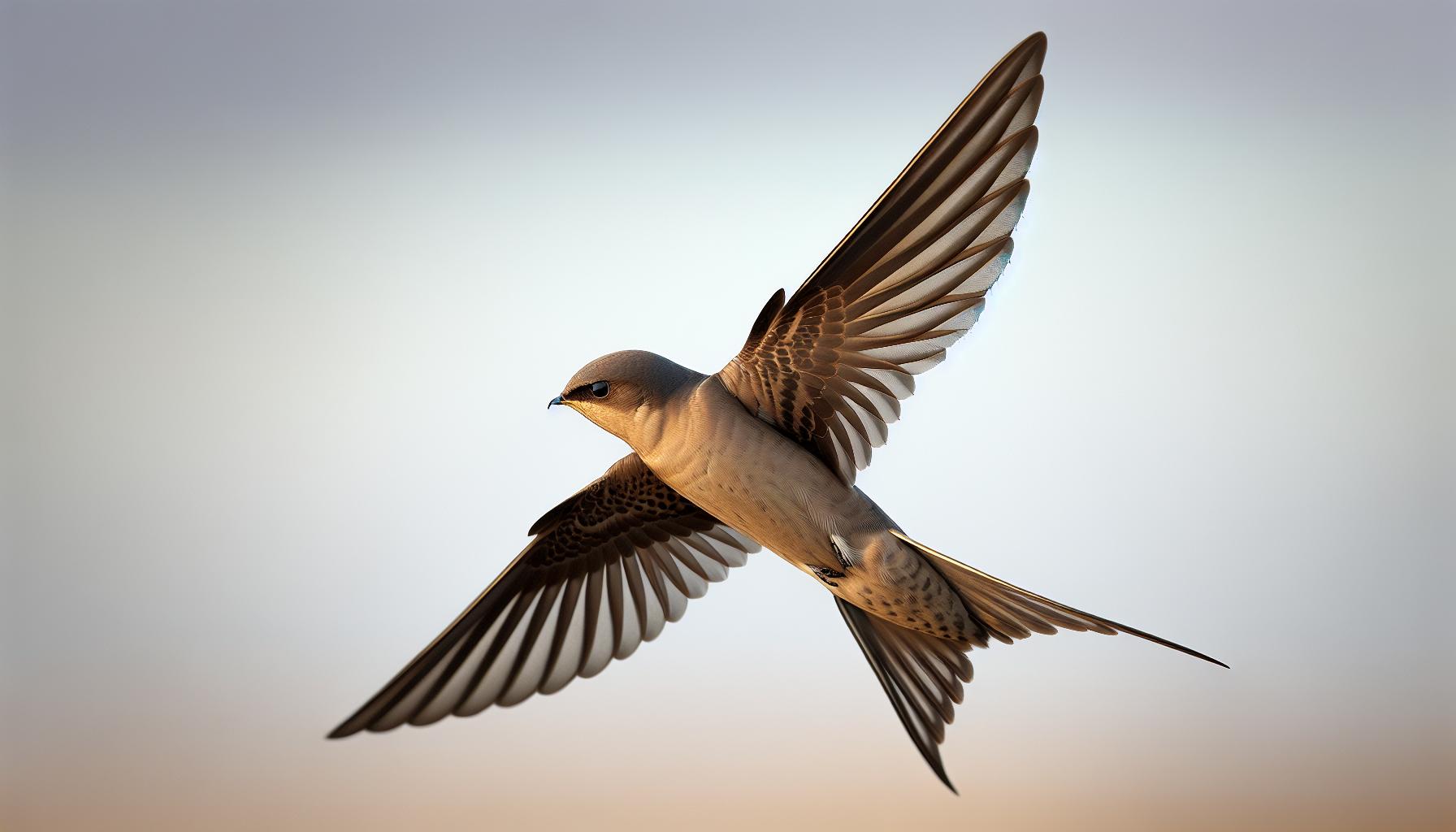
Remarkable Traits of Swift Birds
Swifts are among the avian elite when it comes to aerial prowess, earning their place as some of the fastest and most agile birds in the sky. One of the most remarkable traits is their incredible speed; species like the White-throated Needletail can reach astonishing speeds of up to 100 miles per hour, making it not just one of the fastest in their family, but the fastest of all birds. This incredible speed is matched by their endurance; some swifts can fly thousands of miles during migration without ever landing, relying on their aerodynamic bodies that are perfectly designed for sustained flight.
Their physical adaptations don’t stop at speed. Swifts possess long, pointed wings that assist in their rapid ascents and agile maneuvers. Their lightweight, streamlined bodies minimize air resistance, allowing them to execute acrobatic feats mid-flight, from sharp turns to rapid descents. Additionally, their tiny feet are adapted for gripping rather than perching, as they often eat, drink, and sleep while flying. Instead of traditional perching, swifts use their feet primarily for grasping onto vertical surfaces when nesting, which is another fascinating aspect of their lifestyle.
In terms of social behavior, swifts are extremely vocal and often engage in high-energy displays that involve intricate aerial formations. These gatherings are not only for social interaction but also for courtship, with males showcasing their prowess to attract females. Their nesting habits also reflect their unique traits; they build nests in high, often secluded locations such as cliffs, eaves, or even building ledges. This choice of nesting sites offers safety from ground predators and enhances their survival odds.
Furthermore, the swifts’ role in their ecosystems is significant; they are voracious insectivores, helping to control pest populations. By understanding these remarkable traits and behaviors, birdwatchers can better appreciate the unique adaptations that enable swifts to thrive in aerial environments unlike any other. Whether you’re a seasoned birder or a curious newcomer, watching these avian marvels in action is a thrilling experience that highlights the beauty and complexity of nature.
Identifying Different Swift Species
To truly appreciate the diversity and beauty of the swift family, it’s essential to master the art of identification. With over 90 species found worldwide, swifts exhibit a fascinating array of physical characteristics, behaviors, and habitats. One of the first things to notice about swifts is their unique body structure, which is optimized for flight. These birds sport long, narrow wings and streamlined bodies that allow them to soar gracefully through the sky. Understanding the key features that distinguish each species can elevate your birdwatching experience.
Key Identification Features
When , consider these distinctive traits:
- Size and Shape: Swifts range from the small, compact species like the Pygmy Swift to the much larger Common Swift. Observing their wing shape, which varies among species, can also aid in identification.
- Color Patterns: While many swifts appear predominantly dark brown or gray, others boast unique markings. For instance, the White-throated Swift displays striking white markings on its throat and underparts, while the Chimney Swift is characterized by its darker, more uniform coloration.
- Behavior: Pay attention to their flight patterns. Some swifts exhibit unique feeding behaviors, such as catching insects in flight. The Fork-tailed Swift, known for its acrobatic displays, often performs dazzling aerial maneuvers that can provide valuable clues to its identity.
Regional Variations
Swifts are found across various continents, and their appearance can vary depending on geographical location. For example, the Common Swift (Apus apus) is widespread across Europe and is known for its distinctive, screaming call during the breeding season. Conversely, the White-throated Needletail, primarily found in Asia and Australia, stands out due to its impressive speed and distinctive forked tail.
To aid identification in the field, consider creating a simple table comparing these swift species, noting their key characteristics, habitats, and calls. Making notes or using a birdwatching app can also enhance your ability to recognize these aerial wonders.
With practice and attention to detail, you’ll soon feel confident as they zip through the sky, showcasing their incredible aerial skills. Whether you’re observing swifts in your local area or on your travels, each sighting becomes an opportunity to appreciate the diverse talents and adaptations of these remarkable birds.
The Aerodynamic Wonders of Swifts
When watching swifts dart through the sky, it’s easy to be captivated by their remarkable flight capabilities. These birds are superbly designed for aerodynamic efficiency, and their incredible aerial maneuvers set them apart as some of the fastest and most agile flyers in the avian world. Swifts possess long, narrow wings and a streamlined body, enabling them to cut through the air with minimal resistance. This physical adaptation is key to their ability to reach speeds of over 100 km/h (approximately 62 mph) and to perform acrobatic flight patterns that are nothing short of mesmerizing.
One of the most striking aspects of swifts’ aerodynamics is their ability to exploit thermals-rising columns of warm air-allowing them to glide effortlessly for hours. Unlike many birds that require a perch for rest, swifts can sleep while flying, feeding on the wing, and even copulating in the air. This adaptation is particularly crucial since they are often found in urban areas where suitable nesting sites might be limited. Their long wings help maintain lift even in challenging weather conditions, making them relentless travelers and aerial hunters.
To truly appreciate the dynamics of swift flight, consider how specific species have adapted differently to their environments. For instance, the Fork-tailed Swift is renowned for its incredible aerial displays, often soaring and swooping in elaborate patterns to catch insects. In contrast, the Common Swift is known for its straight, fast flights, characterized by a distinct, screaming call. Understanding these flight behaviors not only aids in identification but also enhances the experience of observing these aerial wonders in their natural habitats.
When birdwatching, look for swifts in the late afternoon or early evening when they are most active, hunting insects close to the ground or swirling in the sky. If you’re lucky, you may even witness their incredible courtship displays, where males perform breathtaking aerial dives and swoops to attract the attention of females. Engaging with these behaviors while observing swifts will deepen your appreciation for their unparalleled aerial mastery, allowing for a richer birdwatching experience.
Habitats and Ranges of Swift Birds
Swifts are not just remarkable in flight; their habitats and ranges are equally fascinating and diverse. These aerial maestros can be found on every continent except Antarctica, showcasing their adaptability to various environments. Most swifts prefer high-altitude regions and urban areas, where they can exploit the abundance of thermal updrafts necessary for their dynamic flight patterns. Whether soaring over bustling cityscapes or nesting in old buildings, swifts have evolved unique behaviors that allow them to thrive in human-dominated landscapes.
In terms of specific habitats, swifts typically favor regions with ample insects, such as forests, wetlands, and grasslands. They are particularly adept at navigating urban environments, often nesting in the eaves of buildings or under bridges. The Common Swift is a prime example of this urban adaptability, frequently observed in large cities across Europe and Asia during the breeding season. Similarly, the White-throated Swift can be spotted in the mountainous areas of the western United States, where it thrives in rugged terrain and nests in cliffs.
Another fascinating aspect of their distribution is migratory behavior. Many swift species are known for their long migrations, traveling thousands of miles between breeding and wintering grounds. For instance, the Chimney Swift migrates from North America to South America, a journey that links diverse ecosystems and showcases the species’ resilience. These migrations highlight the importance of conserving both breeding and winter habitats to support the survival of swifts.
When birdwatching, understanding the typical habitats of various swift species can enhance your experience. Look for these birds in the late afternoon, gliding in tight circles or making quick, agile movements. They often feed high above the ground, so binoculars focused on the sky are a must. By familiarizing yourself with their preferred locations, you can increase your chances of spotting these incredible birds in their natural settings. Such insights not only benefit seasoned birders but also engage newcomers eager to connect with the avian world.
Behavior and Social Structure of Swifts
Swifts are some of the most social and fascinating avian acrobats you’ll encounter, often flying in large groups that can resemble swirling clouds in the sky. This tight-knit social structure plays a significant role in their behavior and community dynamics. When observing swifts, you’ll notice their remarkable coordination, especially during flocking, where they engage in intricate aerial displays. These displays can serve various purposes, including attracting mates, warning of predators, and simply demonstrating their aerial prowess, which is exhilarating to witness.
One aspect of swift behavior that stands out is their unique communication. While swifts are primarily visual creatures, relying on their remarkable flying abilities, they also utilize a range of chirps and calls during their social interactions. These vocalizations facilitate their strong bonds within flocks, especially during breeding season when males engage in dramatic flights to impress females. The agility and speed they exhibit while performing these courtship displays help solidify their place in the social hierarchy of their kind.
Understanding the social structure of swifts enhances the birdwatching experience. When watching them take to the skies, consider the time of year. During the breeding season, their social interactions intensify, making them more conspicuous as they prepare nesting sites and compete for mates. Look for common species, like the Common Swift, seen often in urban areas, and the Chimney Swift, known for its unique nesting habits in chimneys and buildings. Each species displays different social behaviors, which can inform you of their lifestyle, making each sighting more meaningful.
To make the most of your swift-watching experience, consider these tips:
- Be patient: Swifts can be elusive, so take your time to observe their behavior. Bring binoculars to get a closer look at their interactions.
- Choose the right time: Early morning or late afternoon are ideal for capturing their most active moments when they are feeding and socializing.
- Document behavior: Keep a journal of the different behaviors you observe, noting any specific interactions between swifts that stand out to you.
- Use the right location: Find spots near nesting areas or open fields, particularly where you’ll see insects-these are prime hunting grounds for swifts!
By recognizing and appreciating their behavioral nuances, birdwatchers can connect more deeply with these marvelous flyers and understand the importance of their social interactions within their unique ecosystems. Observing their lives unfold in the air can be a profound and rewarding experience for any bird enthusiast.
Nesting and Reproductive Strategies of Swifts
Swifts are remarkable not just for their aerial abilities but also for their fascinating nesting and reproductive behaviors. During the breeding season, swifts exhibit strong pair bonds, often choosing a mate for life, which emphasizes the significance of social relationships in their reproductive strategies. The courtship displays that males perform are an extraordinary sight, filled with agile twists and turns in the air, catching the attention of prospective females while signaling their fitness as partners.
These birds typically nest in cavities and vertical structures, with some species demonstrating unique preferences. For instance, the Chimney Swift (Chaetura pelagica) is known for its affinity for chimneys and other man-made structures, where it builds its nests using a mixture of twigs, saliva, and feather lining, creating a sturdy yet cozy abode for their young. On the other hand, the Common Swift (Apus apus) often chooses to nest in crevices within buildings or natural cliffs, showcasing an adaptability that aids in their survival across diverse environments.
When it comes to egg-laying, swifts are efficient breeders, usually producing a clutch of 2 to 6 eggs, depending on the species. The incubation period lasts about 18 to 23 days, during which both parents take turns keeping the eggs warm. Once the chicks hatch, they are altricial, meaning they are born helpless and rely entirely on the parents for food and warmth. Interestingly, swift chicks grow rapidly and are often ready to fledge within 40 to 50 days, a relatively short time frame that allows the adults to prepare for another brood later in the season.
To enhance your understanding of swift nesting behaviors, consider observing specific nesting sites during the breeding season, usually from spring to early summer. Look for the characteristic flight patterns of swifts near known nesting sites, as they often return to the same locations year after year. As you watch their behaviors, contemplate the complex interplay of environmental factors that influence their nesting choices and chick development, adding depth to your birdwatching experience.
Feeding Habits: What Do Swifts Eat?
Swifts are truly fascinating aerialists, and their feeding habits reflect their remarkable adaptations to a life spent in the skies. With their sleek bodies and long wings, swifts are among the fastest flying birds, and they mainly consume insects while on the wing. This remarkable feeding strategy allows them to catch small prey mid-air, with some swifts reported to reach speeds of up to 60 miles per hour during feeding dives.
Swifts primarily feast on a diet of aerial insects, including flies, moths, and beetles, which they snatch while flying. Their wide mouths and agile flying abilities enable them to capture insects efficiently in flight. They also engage in a behavior known as “hawking,” where they may soar high to catch insects or chase down swarms, demonstrating both speed and agility. During migration or in areas with abundant insect life, swifts can be seen performing spectacular aerial acrobatics as they hunt for food.
Another interesting aspect of swift feeding is their ability to ingest water while flying by skimming the surface of lakes or rivers. Unlike many birds that must land to drink, swifts can drink on the go, which is crucial for their survival in various habitats. This adaptation reduces the time spent searching for food and water, giving them a competitive edge in the aerial environment they inhabit.
Unsurprisingly, these feeding habits pose unique challenges and opportunities for birdwatchers and enthusiasts. To observe swifts during feeding, find a location near a known nesting site or a high vantage point during the dawn or dusk hours when insects are most active. Watching these birds dart and swoop through the air offers an exciting glimpse into their feeding behaviors and the ecological dynamics at play. If you’re keen on attracting swifts to your area, consider providing suitable nesting sites, as healthy swift populations reflect an abundant insect ecosystem, which benefits both these incredible flyers and local biodiversity.
Conservation Status and Protection Efforts
The rapid decline in swift populations around the globe is a pressing concern for ecologists and bird enthusiasts alike. Many swift species, including the well-known Chimney Swift, are facing threats from habitat loss, climate change, and predation. Recognizing and addressing these issues is crucial to ensuring the survival of these remarkable aerialists. For instance, urban development often leads to the destruction of traditional nesting sites, such as old chimneys and buildings, which swifts depend on for roosting and breeding.
Conservation Efforts
To combat these challenges, various conservation initiatives aim to protect swifts and their habitats. Local advocacy groups often engage in efforts to restore and maintain existing nesting sites, providing resources and support for construction of artificial nesting structures. These initiatives not only help swifts find safe spaces to breed but also raise awareness about the ecological significance of these birds and the environments they occupy.
On a larger scale, organizations like the Cornell Lab of Ornithology are conducting research to monitor swift populations and migratory patterns. Understanding their behavior and adapting conservation strategies accordingly can significantly impact these birds’ chances of thriving in changing environments. Furthermore, community involvement is essential-birdwatchers and nature enthusiasts can play a critical role in documenting swift sightings and reporting changes in local populations.
How You Can Help
Individuals also have a part to play in swift conservation. Consider the following actions to support swift populations in your area:
- Install nesting boxes in your yard or community spaces to provide alternative roosting sites.
- Participate in local citizen science projects that track swift populations and habitat health.
- Advocate for the preservation of old buildings and chimneys that serve as nesting sites.
By taking such actions, everyone can contribute to the conservation of swifts, helping maintain their role as vital components of our ecosystems. The plight of swifts underscores a broader narrative of environmental stewardship, where every small effort can shape lasting change.
Tips for Birdwatching: Spotting Swifts in the Wild
Spotting swifts in the wild is an exhilarating experience, thanks to their incredible aerial agility and distinctive behaviors. Did you know that swifts can fly for months without landing? This is a testament to their mastery of flight and makes them fascinating subjects for birdwatchers. Whether you’re a seasoned birder or just starting out, here are some practical tips to help you enhance your swift-watching experience.
Begin your birdwatching adventure by finding suitable locations where swifts are known to nest. Urban areas are often ideal, especially during breeding seasons when swifts can be seen swooping around old chimneys and buildings. The Chimney Swift, for instance, is commonly found darting around these spots, especially in the late afternoon when they return to roost. Look for them around dusk when their feeding frenzy is at its peak. Their fast, erratic flight patterns make them easier to spot against the evening sky.
Gear Up for Swift Watching
Having the right tools can greatly enhance your birdwatching experience. Here are some essentials to consider:
- Binoculars: A good pair of binoculars is crucial. Opt for something lightweight with at least 8x magnification, which will help you clearly see swifts at a distance.
- Field Guide: Bring along a field guide or a bird identification app on your smartphone to help you distinguish between swift species as you observe them.
- Notebook: Consider keeping a birdwatching journal to document your sightings, behaviors observed, and any notes about their habitat preferences.
Understanding Swift Behavior
Being mindful of swift behavior will also enhance your chances of a successful sighting. Swifts are social birds and are typically seen in flocks. When approaching a known nesting site, remain quiet and patient to avoid startling them. Watch for their characteristic “screaming” calls, especially during flight; this can be a key indicator of their presence. You might spot them soaring high above or skimming the ground as they feed on insects.
In sum, with the right preparation and understanding of swift behaviors, birdwatching can be an immensely rewarding pursuit. These remarkable aerialists not only add beauty to our skies but also remind us of the importance of conservation efforts to protect their habitats. So grab your binoculars, find a cozy spot, and immerse yourself in the captivating world of swifts!
Adapting Swift Care for Enthusiastic Birders
The swift family of birds, known for their unparalleled aerial acrobatics, presents unique challenges and rewards for those passionate about avian observation and care. One fascinating aspect of swift care is understanding their specific needs during various life stages. For bird enthusiasts keen on improving their swift care knowledge, it can be beneficial to delve into the nuances of their behavior, habitat, and diet, making your encounters even more enriching.
To begin with, appreciate their lifestyle as aerial foragers. Swifts spend most of their lives in flight, relying on insects for sustenance, which underscores the importance of suitable feeding environments. Create opportunities for engaging with swifts by ensuring their habitats, especially near nesting areas, are insect-friendly. Planting native flora such as flowering plants can help attract insects, turning your backyard or viewing area into a vibrant ecosystem for swift watching. As you observe, take note of which types of insects are present and how that attracts the swifts-this will enhance your understanding of their feeding behavior.
In addition, understanding their nesting preferences can greatly enrich your experience. Swifts prefer to nest in colonies, often utilizing old structures like chimneys and eaves. From a birding perspective, familiarizing yourself with the architecture of potential nesting sites in your area can aid in swiftly identifying where these birds congregate. If you wish to support local swifts, consider installing swift nest boxes designed for their specific dimensions. This not only helps create a safe nesting environment but also allows you to monitor and enjoy the nesting process firsthand.
When observing swifts, remember to practice patience and quietness, as their sensitive nature requires a discreet approach. Educate yourself on their social calls and behaviors-learning the differences among species through online resources or field guides can vastly improve your identification skills. Consider keeping a binoculars-ready kit with a notebook to jot down your findings during encounters, contributing to citizen science efforts and enhancing your engagement.
Ultimately, being an enthusiastic birder involves not just watching but also participating in the birds’ conservation. Understanding their ecological needs, respecting their habitats, and even helping to raise awareness about their conservation status are excellent ways to adapt your approach and deepen your connection with these remarkable flyers. With a commitment to their care and observation, you not only become a part of the swift narrative but also enrich your own birding experience.
Cultural Significance of Swifts in Folklore
The swift, often regarded as a symbol of freedom and the untamed spirit of nature, holds a notable place in various cultures and folklore. Across the globe, swifts have inspired tales and legends, often reflecting the awe-inspiring acrobatics and seemingly effortless flight they exhibit. In many traditions, swifts are seen as messengers or harbingers of change, likely due to their migratory patterns and the way they dart through the sky with agility. For instance, in some rural communities in Europe, the arrival of swifts in spring signals not just the change of seasons but also the renewal of life, echoing the themes of rebirth found in many cultural narratives.
- Spiritual Symbols: Many Indigenous cultures view swifts as spiritual guides or protectors, embodying the qualities of speed, agility, and adaptability. Their ability to live almost exclusively in the air resonates with ideals of transcending earthly limitations and embracing freedom.
- Folklore and Superstitions: In some regions, swifts are believed to bring good luck or are seen as omens. For example, if a swift circles around a homestead, it is thought to indicate an impending good fortune for the dwellers.
- Literary References: Literature often features swifts, using their effortless flight as metaphors for hope and aspiration. Poets and writers have drawn parallels between the swift’s aerial prowess and human longing for liberation and connection with nature.
These cultural significances illustrate the deep connection between humans and these remarkable birds. For birdwatchers and enthusiasts, understanding the mythos surrounding swifts not only enriches their observational experience but also enhances their appreciation for these aerial masters. Engaging with the local lore about swifts can serve as excellent conversation starters during birdwatching excursions, providing insights into how different communities relate to their environment. As you observe swifts in action, consider the stories and beliefs that surround them, allowing these narratives to deepen your engagement with both the birds and the ecosystems they inhabit.
FAQ
Q: What are the unique flying abilities of swift birds?
A: Swift birds are renowned for their remarkable flying abilities, including the ability to remain airborne for months and exhibit exceptional speed, reaching up to 200 km/h (124 mph). Their long, pointed wings and aerodynamic bodies allow them to maneuver deftly through the air, making them unmatched aerial masters.
Q: How do swifts differ from other birds?
A: Swifts differ from other birds in their unique adaptations for flight, such as their long wings and short, forked tails. Unlike many birds, swifts spend most of their lives in the air, feeding, mating, and even sleeping on the wing, showcasing their specialized nature within the bird kingdom.
Q: What is the significance of swifts in different cultures?
A: Swifts hold cultural significance in folklore around the world, often symbolizing freedom and agility. In many cultures, their arrival signals the change of seasons, and they feature in various myths and stories, highlighting humanity’s fascination with these incredible aerial acrobats.
Q: Where do swifts typically nest, and what are their nesting habits?
A: Swifts typically nest in high places such as cliffs, tall buildings, or tree hollows. They use their saliva to bond nesting materials, creating a sturdy but delicate structure. Most species return to the same nesting sites annually, indicating strong site fidelity.
Q: How do I attract swifts to my backyard?
A: To attract swifts, consider installing swift boxes on tall structures or near their natural habitats. Ensure the boxes mimic their nesting environment and provide a clear flight path. In addition, keep nearby areas free from large predators to encourage visits from these aerial birds.
Q: What conservation efforts are in place for swifts?
A: Various conservation efforts aim to protect swift populations from habitat loss and climate change. Initiatives include the preservation of nesting sites and the creation of awareness campaigns to educate the public on protecting these unique birds, emphasizing their ecological importance.
Q: When is the best time to observe swifts in the wild?
A: The best time to observe swifts is during the warmer months, typically from late spring to early fall, when they are actively nesting and foraging. Early mornings and late evenings provide optimal viewing opportunities as swifts perform aerial displays while feeding.
Q: What do swifts eat, and how do they forage?
A: Swifts primarily feed on insects caught in mid-air, including flies, moths, and beetles. They have a unique foraging technique, flying with their mouths open to capture food while gliding or diving, which allows them to efficiently consume large amounts while on the wing.
In Summary
Thank you for exploring the fascinating world of the Apodidae family, where the aerial mastery of swifts showcases not just their incredible flight abilities, but their vital role in ecosystems across the globe. Remember, whether you’re an expert birder or just beginning your journey, understanding these remarkable birds enhances our appreciation for nature’s wonders. Don’t miss our detailed guides on identifying swift species and their unique behaviors-check out our articles on Swift Migration Patterns and Best Spotting Techniques to deepen your knowledge.
Want to stay updated on the latest in ornithology? Sign up for our newsletter for exclusive content, tips, and community discussions that nurture your passion for birds. If you have questions or want to share your swift sightings, leave a comment below! Your insights help us expand this vibrant community. Dive deeper, and let your curiosity take flight-just like a swift!
Get our latest guides, news, and insights highlighted in your Google Search & AI Overviews.