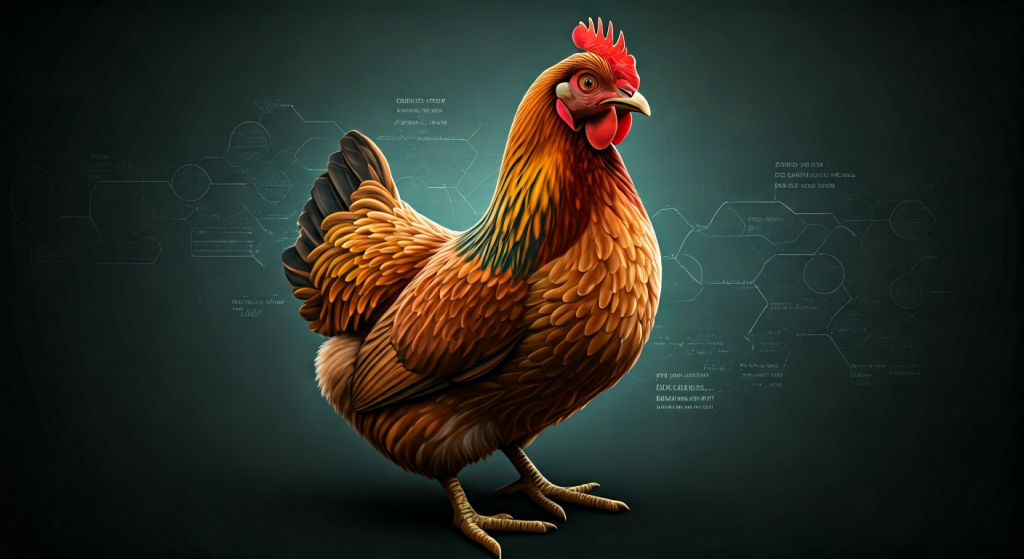
Are chickens birds? Yes, they absolutely are. Biologically, they are classified as avian vertebrates within the class Aves. People often ask, are chickens mammals or birds, primarily because agricultural laws sometimes label them as “livestock” or “poultry” for regulatory purposes. This legal distinction creates widespread public confusion. However, biologically speaking, they are 100% birds.
Chicken Scientific Classification: What Animal Group is a Chicken?
When asking what animal group is a chicken, we must look at the chicken scientific classification. They belong to the order Galliformes and the family Phasianidae. As true avians, they possess all core characteristics of birds: they have wings, a beak with no teeth, and a lightweight skeleton. Their domestication traces back thousands of years to the wild Red Junglefowl of Southeast Asia.
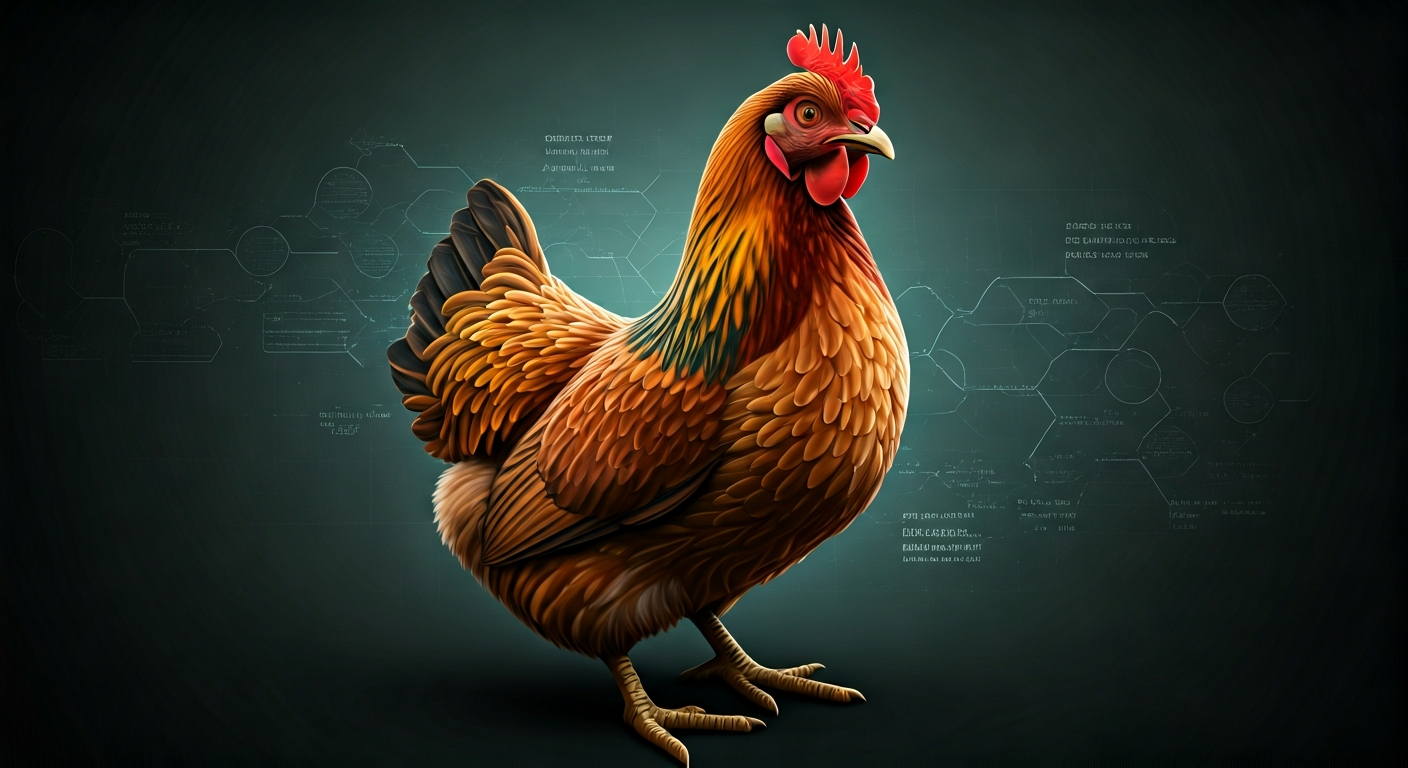
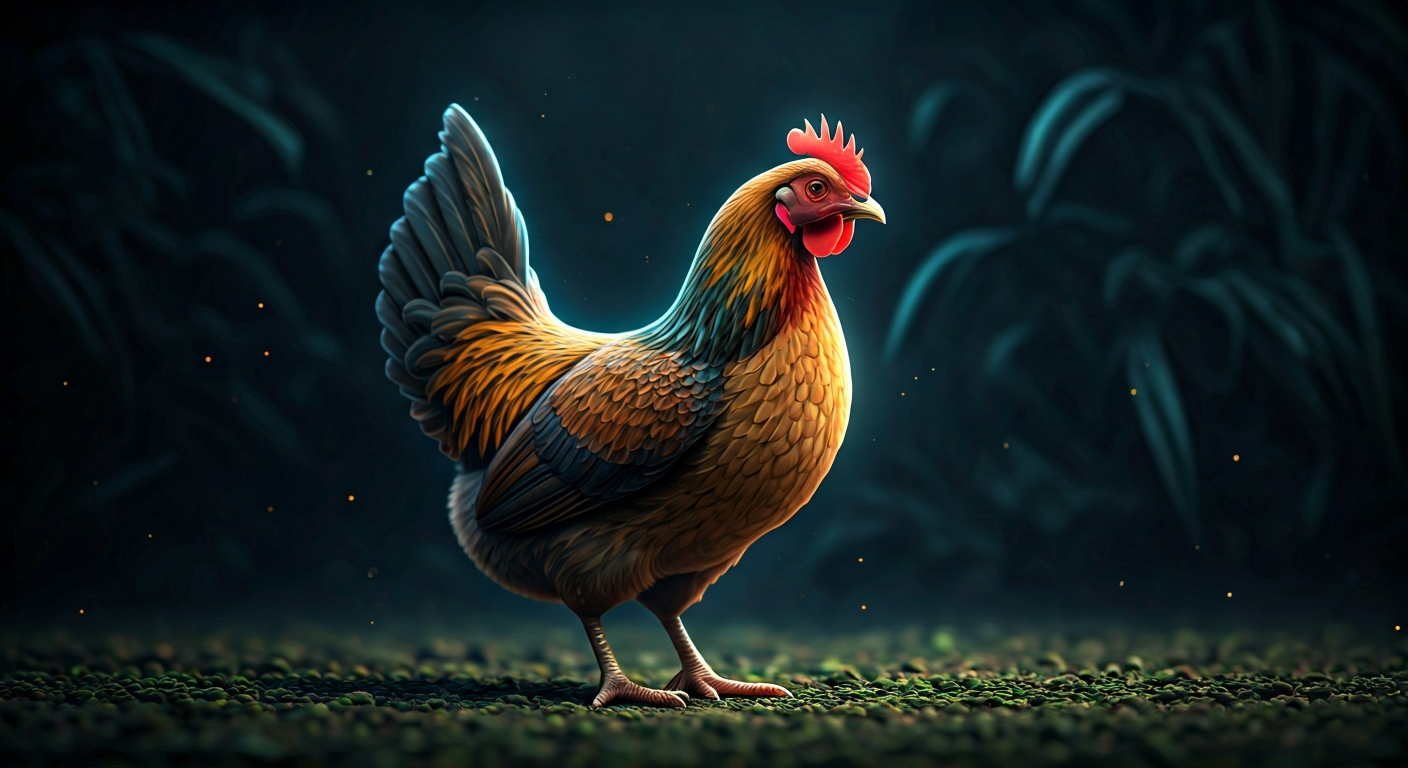
Why Are Chickens Birds If They Barely Fly?
A common question is why are chickens birds if they are notoriously bad at flying? The physiological explanation lies in human intervention. Over centuries of selective breeding, chickens were engineered for agriculture. They developed a heavy breast muscle mass and high wing loading, which makes sustained flight nearly impossible. Despite this, their wings still serve essential functions like balance and escaping short-distance threats. They remain true birds, deeply connected to theropod dinosaurs—in fact, they are among the closest living relatives to the Tyrannosaurus Rex!
Are Chickens Animals or Birds?
To answer are chickens animals or birds, the reality is they are both. All birds are animals (Kingdom Animalia). The confusion stems from culinary and farming terms. While an agricultural inspector might say do chickens count as birds with a “no, they are poultry,” an ornithologist will confirm they are absolutely birds. The fascinating evolutionary link between modern poultry and ancient predators is well-documented by paleontologists. Chickens are part of a lineage that survived the mass extinction event millions of years ago. Their skeletal structure, particularly the wishbone (furcula), is a direct physiological bridge to their dinosaur ancestors. By understanding their roots, we can appreciate the unique E-E-A-T biology of Gallus gallus domesticus.
| Biological Marker | Chicken Trait |
|---|---|
| Class | Aves (Birds) |
| Reproduction | Oviparous (Egg-laying) |
| Thermoregulation | Warm-blooded |
| Body Covering | Feathers |
Get our latest guides, news, and insights highlighted in your Google Search & AI Overviews.