In the whimsical world of What We Do in the Shadows, even the supernatural can’t escape the excitement of the Superb Owl! This special episode blends hilarious antics with the thrill of birdwatching, captivating viewers with its unique take on both vampire lore and avian appreciation. Fans of the series know that every episode promises outrageous comedy and unforgettable moments, making it essential viewing. What makes this episode stand out? It cleverly combines the beloved characters of the mockumentary with a theme that resonates beyond their vampire antics-inviting both seasoned bird enthusiasts and newcomers alike to ponder the wonders of the natural world. Join me as we dive into the quirky, laugh-filled chaos of “Superb Owl,” exploring how it highlights the charm of both our feathered friends and the quirky vampires we can’t help but love. Your curiosity will be rewarded with insights into the episode that celebrates not just comedy but the joy of connection, both avian and otherwise.
The Significance of “Superb Owl” in Pop Culture
The clever fusion of humor and pop culture in the “Superb Owl” episode of What We Do in the Shadows offers a unique lens through which we can appreciate contemporary social gatherings, particularly those tied to significant sporting events. The title plays on the phonetic similarity between “Super Bowl” and “Superb Owl,” inviting viewers to explore a comedic interpretation of beloved traditions, all while indulging in whimsical narratives about owls.
In the episode, the main characters’ misunderstanding of the Super Bowl’s nature emphasizes not just their outsider status but also how cultural events create shared experiences-something that transcends the specificities of any one gathering. This clever twist not only entertains but also provides a commentary on how different communities interpret popular culture and rituals. Viewers familiar with Super Bowl parties can relate to the social dynamics, revelry, and camaraderie typically found at these events, thus bridging the gap between the mundane and the supernatural aspects inherent in a show about vampires.
Moreover, the episode employs tropes commonly associated with major cultural festivities: parties, food, and fanatics. By lampooning these customs, What We Do in the Shadows adds depth to its satirical take on modern life. The phrase “Superb Owl” has thus entered the lexicon of fans, representing both a love for the show and a playful critique of the sometimes absurd lengths to which society goes in celebrating such occasions.
In summary, highlights how What We Do in the Shadows cleverly navigates the intersection of humor and social commentary, using a familiar cultural framework to question and mock the fervor with which we approach our pastimes. Whether one is a casual viewer or a dedicated fan, this episode resonates well beyond its comedic premise, striking chords about our collective cultural identities.
Overview of What We Do in the Shadows Series
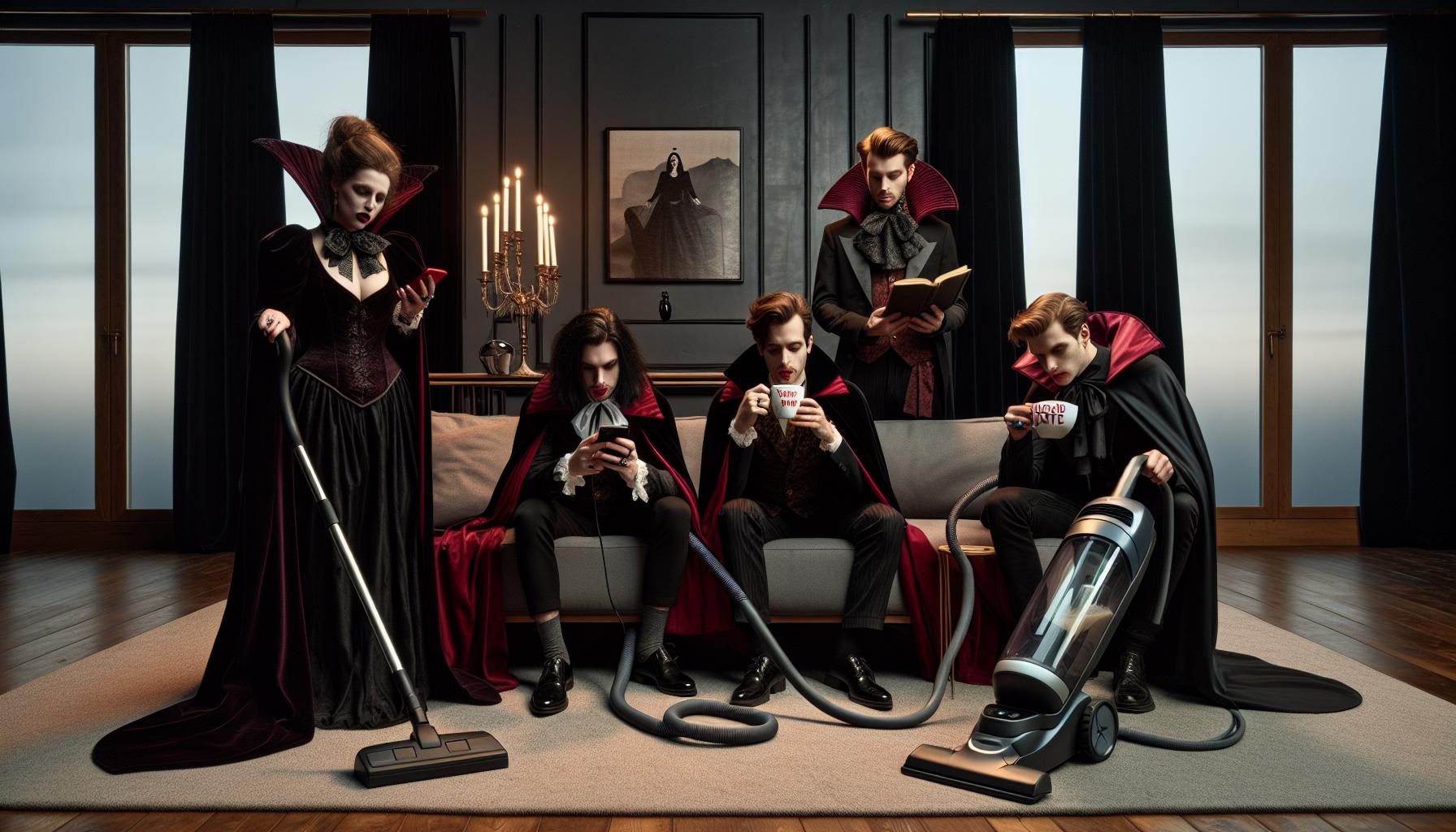
In a delightful blend of absurdity and satire, What We Do in the Shadows has solidified its reputation as a unique comedic series that brings the vampire genre into the realm of modern-day humor. Set in Staten Island, the show follows the mundane daily lives of four vampire roommates-Nandor, Laszlo, Nadja, and energy vampire Colin Robinson-as they navigate life in the 21st century. The series artfully contrasts the immortal qualities and ancient rituals of vampires with the trivialities and challenges of contemporary human existence, creating a comedic landscape that resonates with viewers.
With its roots in the 2014 film of the same name, the series expands on the deadpan humor and mockumentary style that captures the vampires’ interactions with the human world. The characters are rich in personality-the pompous Nandor, the flamboyant Laszlo, the fierce Nadja, and the unassuming yet manipulative Colin-each providing a fresh take on traditional vampire stereotypes. Their antics often reveal an endearing naiveté about human customs, making their misunderstandings not only humorous but also relatable to the audience.
The show’s writing shines in its ability to balance comedic elements with deeper themes of friendship, identity, and the struggle for acceptance. Each episode is packed with clever dialogue, visual gags, and a myriad of pop culture references, all while subtly reflecting on the nature of immortality and the absurdities of modern life. Viewers are consistently treated to a blend of horror and hilarity, with the vampires’ attempts to adapt to the human world leading to some truly unforgettable moments.
As the series has progressed, it has developed a devoted fanbase, drawn in by its whimsical take on dark themes and the camaraderie that exists between the misfit characters. With its clever writing and strong character development, What We Do in the Shadows remains a standout in the landscape of contemporary sitcoms, continually finding new ways to refresh its premise while keeping audiences engaged and entertained.
Key Plot Points in “Superb Owl” Episode
The “Superb Owl” episode serves as a clever and humorous twist on the traditional chaos surrounding the Super Bowl, as the vampires mistakenly believe they’re attending a gathering centered around owls rather than the football event. This misunderstanding sets the stage for both comedic moments and character development throughout the episode.
One of the key plot points involves the gang’s preparation for the “Superb Owl” party, showcasing their naive enthusiasm and lack of awareness regarding human customs. Each character approaches the event in their unique style, with Nandor expressing a desire to impress the humans with traditional owl-themed costumes, while Laszlo and Nadja take a more skeptical approach, suspecting that the party might not be what they expect. The humor unfolds as they engage in increasingly ridiculous preparations, revealing their obliviousness to the actual event.
Another pivotal moment occurs when they finally arrive at the gathering. Their initial excitement quickly turns to confusion as they encounter other party-goers who are focused on football. This shift highlights the show’s signature blend of absurdity and satire, as the vampires navigate a world that is foreign and bewildering to them. The interactions with the human party guests lead to several laugh-out-loud moments, particularly when Colin Robinson, the energy vampire, chooses to harness the competitive spirit of the game in his usual manipulative style, gaining energy from the intensity of the sports fans around him.
Throughout the episode, the comedic timing and dialogue are sharp, with running gags that add layers to the humor. For instance, Nandor’s insistence on how owls are majestic creatures provides a contrasting backdrop to the chaotic energy of the football game, while Nadja’s disdain for the triviality of human sports creates tension that is delightful to witness. Ultimately, the “Superb Owl” episode not only entertains but also enriches the overarching narrative of the series by deepening our understanding of the characters and their humorous struggles with human culture.
Character Development Highlights in “Superb Owl
In “Superb Owl,” the dynamic interactions among the main characters reveal their varying degrees of ignorance regarding human culture, while simultaneously shining a light on their quirky personalities. Nandor, ever the eager participant, dives headfirst into preparations, embodying the role of an enthusiastic yet misguided leader. His determination to showcase owls as majestic, intelligent creatures underscores his naivety, as he conflates the literal and metaphorical significance of the event. This eagerness serves as a reflection of his character’s deeper desire for acceptance and approval from the human world, illustrating the emotional layer beneath his comedic exterior.
Laszlo’s skepticism acts as a counterpoint to Nandor’s enthusiasm. His natural cynicism towards human customs allows for moments of profound humor, as he delivers dry, witty commentary on the absurdity of their situation. This dynamic not only amplifies the comedic effect but also showcases Laszlo’s role as a grounding force within the group. His reluctance to fully engage even escalates into a comedic critique of the whole football idea, illustrating a growing disillusionment with human traditions.
Nadja’s character development in this episode highlights her ever-present disdain for humanity’s frivolities, which juxtaposes Nandor’s idealism. Her biting remarks about the party reflect her deep-rooted belief that human pursuits are trivial, yet this perspective offers subtle insight into her character’s struggle with loneliness and a desire for genuine connection. As she watches her companions get swept up in the revelry, her reactions provide a poignant commentary on the isolation that often accompanies her vampiric existence.
Colin Robinson, the energy vampire, brings a unique flavor to the character development in this episode. Inhabiting a less dynamic, yet equally entertaining persona, he turns the atmosphere of the party into an energy-gathering opportunity. His interactions emphasize the show’s ability to portray the mundane aspects of life through a supernatural lens, allowing audiences to witness his exhausting mastery of social manipulation. Each character’s response to the so-called “Superb Owl” transforms the episode into a rich tapestry of comedic moments interwoven with deeper character explorations, ultimately enhancing the viewers’ investment in their journeys.
Humor and Themes: Analyzing the Episode
In the episode titled “Superb Owl,” the combination of clever writing and character dynamics creates a rich landscape for humor and themes that resonate deeply with audiences. At its core, the episode is a comedic exploration of cultural misunderstandings, particularly the intersection of vampire life and human traditions. The characters, each embodying distinct perspectives and personalities, engage in a whimsical interpretation of the Superbowl, showcasing how their supernatural traits translate into hilarious misadventures amidst human customs.
The humor is most evident in the absurdity of the vampires’ enthusiastic yet misguided attempts to celebrate a day rooted in human festivities. For instance, Nandor’s zealous devotion to owls-both as literal birds and symbolic representations-serves as a comedic foil to Laszlo’s dry wit and cynicism. This back-and-forth not only provides laughter but also elevates the dialogue with sharp observations about cultural norms. The episode thrives on the juxtaposition of Nandor’s idealism and Laszlo’s skepticism, creating a comedic tension that propels the narrative forward. These moments highlight the show’s signature blend of supernatural elements with the mundane aspects of human life.
Themes of belonging and identity also permeate the episode, encapsulated in Nandor’s desperate quest for acceptance through a misguided celebration. As he and his fellow vampires bumble their way through human rituals, it becomes apparent that their interpretations reflect deeper desires for connection and understanding. Nadja’s disdain for humanity and Colin Robinson’s energy-draining antics further illustrate the vampires’ varied responses to human society and the challenges they face in reconciling their supernatural identities with human expectations. These thematic undertones provide a poignant layer to the humor, showcasing that beneath the comedic surface lies a genuine exploration of community and belonging.
In conclusion, “Superb Owl” encapsulates what makes What We Do in the Shadows such a beloved series. The humor is nuanced, driven not just by witty one-liners but also by the deeper character arcs that evolve throughout the episode. As the vampires grapple with the ridiculousness of human customs, they inadvertently confront their own struggles with identity and connection, making for a memorable and impactful viewing experience.
Fan Reactions and Ratings for “Superb Owl
The response from fans regarding the episode “Superb Owl” has been overwhelmingly positive, highlighting the clever writing and humor that the show is known for. Many viewers took to social media and platforms like Reddit to express their enjoyment, often pointing out specific scenes that left them laughing out loud. The juxtaposition of vampire lore with contemporary human traditions resonated with the audience, as it cleverly demonstrated the absurdity of trying to adapt to customs far removed from the vampires’ reality.
Ratings for “Superb Owl” have echoed this sentiment, with many fans praising its ability to blend humor with poignant character development. Most reviews highlight how the episode seamlessly integrates the supernatural with the mundane, making the characters’ misunderstandings both hilarious and relatable. Such acclaim is evident in the episode’s score on platforms like IMDb, where it regularly receives high ratings, especially for its comedic timing and character interactions.
Feedback has also pointed out the impressive character arcs shown throughout the episode. Nandor’s misguided enthusiasm and Laszlo’s cynical commentary struck a chord with many viewers, who appreciated the depth of their interactions. This showcases the series’ ability to evolve its characters while maintaining the comedic essence that fans adore.
In summary, “Superb Owl” not only entertained audiences but also strengthened their attachment to the characters and themes of the series. By thriving on the absurdity of a vampire’s take on human rituals, it provided a delightful viewing experience that sparked joy and connection among a diverse fan base.
Behind-the-Scenes Insights into Production
In the making of “Superb Owl,” the creative team behind What We Do in the Shadows demonstrated their flair for blending comedy, horror, and cultural commentary. One captivating aspect of its production was the meticulous attention to detail in portraying the quirks of vampire life juxtaposed with human customs. The writers worked closely with the cast to infuse their characters’ unique personalities into the narrative, which allowed for improvisation that ultimately enriched the dialogue and comedic timing. For instance, moments where Nandor’s excitement about human sports collides comedically with his oblivion to their nuances were largely influenced by the actors’ input, leading to spontaneous and hysterical interactions that viewers loved.
Visually, the episode stands out due to the creative use of settings that feel both familiar and surreal. The production team transformed ordinary locations into spaces that evoke the unexpected charm of the show. For example, the set design included intricate details like vampire-themed decorations that humorously overlooked the actual festivities of the Superb Owl day, creating an absurd yet relatable atmosphere. This attention to ambiance is a hallmark of the series, enhancing its supernatural elements while grounding them in reality.
The episode’s humorous take on a widely recognized cultural event also involved collaboration with sports consultants, ensuring accuracy in depicting human traditions through the eyes of beings who are centuries out of touch. This careful research lent authenticity to the plot and character reactions, allowing fans to laugh while recognizing the underlying absurdities of both vampire lore and human rituals.
Finally, the production team recorded multiple takes of key scenes to capture the best comedic moments, ensuring that the final cut showcased performances that resonated deeply with fans. Such dedication to crafting each scene illustrates why What We Do in the Shadows remains a beloved series, continually engaging its audience while raising the bar for comedic storytelling in television.
Comparative Analysis with Previous Episodes
The episode “Brain Scramblies” from What We Do in the Shadows cleverly showcases how the show’s unique blend of humor and character development reflects and builds on themes established in previous episodes. In this chapter, the vampires’ misguided excitement for the “Superb Owl” party provides a humorous twist that emphasizes their otherworldly detachment while highlighting a staple of the series: the absurdity of mundane human customs interpreted through the lens of immortal beings. This gag is reminiscent of earlier episodes where the characters navigate similar cultural miscommunication, such as their encounters with modern technology or contemporary social norms.
One notable comparative analysis can be drawn to episodes like “The Trial,” where the vampires face off against the human world. Just as the courtroom situation revealed their ignorance of legal proceedings-blended with slapstick comedy-this episode similarly places our leads in a social setting that magnifies their cluelessness regarding human traditions. The comedic timing in “Brain Scramblies” reflects the show’s established trend of juxtaposing the supernatural with absurd, slice-of-life scenarios, which not only entertains but also cultivates character arcs. For example, Nandor’s earnest misunderstanding of sports parallels his comedic interactions with modern dating, showcasing a consistent theme of his endearing yet oblivious nature.
Furthermore, the execution of humor in “Brain Scramblies” builds upon the solid foundation laid in episodes like “Hunting” and “Stag Do,” where the vampires engage with societal norms but fail hilariously. The stakes might be lower in this social gathering context, but the underlying premise remains: every attempt they make to fit into human life results in chaos, revealing deeper insights into their characters. By using familiar structures from earlier episodes-character-centric storylines that revolve around cultural faux pas-the writers successfully maintain narrative continuity while inviting a fresh, seasonal context that keeps audiences engaged.
This comparative exploration reinforces how What We Do in the Shadows skillfully evolves its humor and character dynamics over time. Each episode builds on the accomplishments and missteps of past interactions, allowing viewers not only to appreciate the comedy but also to feel a sense of familiar growth in character arcs, providing a deeper connection to the series as it illustrates the ongoing challenges the vampires face in adapting (or failing to adapt) to the modern world.
Influence of “Superb Owl” on the Series Narrative
The episode “Superb Owl” from What We Do in the Shadows serves as a pivotal moment in the series, cleverly intertwining the show’s established themes while inviting fresh interpretations of character dynamics and narrative development. This episode not only plays with the absurdity of the vampires misunderstanding a cultural phenomenon-mistaking the Super Bowl for an event centered around owls-but also expands on the characters’ evolution in their attempts to engage with human society. This comedic misinterpretation highlights how the show consistently challenges the vampires’ grasp of modern life and cultural norms, which in turn enriches the narrative.
A notable influence of “Superb Owl” lies in how it deftly reinforces the series’ exploration of human customs as seen through the eyes of the undead. The characters’ naive excitement and profound misunderstanding reflect their eternal detachment from the human experience, providing a comedic yet introspective lens into how they approach social interactions. This theme resonates across several previous episodes and contributes to the continuity of character development. For instance, watching Nandor, Nadja, and Laszlo navigate the complexities of this ‘Superb Owl’ party reveals their distinct personalities and flaws, showcasing how far they’ve come while also emphasizing how much they still miss about human customs.
Moreover, this episode’s narrative influence extends beyond mere humor; it shapes the overarching storylines that connect episodes to one another. By focusing on the group’s exaggerated excitement for an event they fundamentally misunderstand, “Superb Owl” reinforces the camaraderie and chaotic energy that define the core group. This comedic escapism contrasts with previous episodes where stakes were higher, such as encounters with law enforcement or attempts at gaining local acceptance. The lighthearted nature of this episode acts as a foil to these more intense scenarios, allowing viewers to breathe while still providing character and plot development.
In terms of future episodes, the groundwork laid here expands possibilities for further exploration of the vampires’ integration-or lack thereof-into human life. By showcasing their interactions at a culturally significant event like the Super Bowl, the show hints at future misunderstandings and misadventures that will likely stem from their continued attempts to blend in. As viewers anticipate upcoming episodes, the humorous reflection embedded in “Superb Owl” will undoubtedly shape the path forward for these beloved characters, balancing their growth with the unending hilarity of their misaligned perspectives on modern existence.
Thematic Connections to Broader Cultural Events
The intersection of misunderstood cultural events and misadventures among vampires in “Superb Owl” serves as a clever commentary on the larger societal rituals that dominate contemporary life. At its core, the episode playfully highlights the absurdities surrounding sports culture, particularly the Super Bowl, which has evolved into a major communal event in the United States. By framing this football-themed gathering as an occasion centering around owls, the series not only propels its humor but also critiques the rituals that bring people together, suggesting that even in their eternal state, the characters are ever-curious about human customs yet entirely disconnected from their true essence.
Cultural celebrations like the Super Bowl are known for their collective significance-people gather, share experiences, and forge bonds over their shared interests, often marked by overindulgence in food and beverage, and elaborate parties. “Superb Owl” cleverly mirrors this dynamic through the vampires’ ludicrous yet endearing efforts to engage with these festivities. The show invites viewers to reflect on their own experiences with community events, encouraging a sense of nostalgia while poking fun at the sincerity with which humans often approach such social functions. The vampires’ misunderstanding of this iconically American event serves as a humorous lens through which we can explore our eccentricities and the lengths we go to celebrate.
Furthermore, the juxtaposition of the vampires’ alienation and the human experience underscores a poignant theme: the struggle for connection within a modern context filled with established social norms. The hilarity in their attempts to participate in this “Superb Owl” party speaks to a broader commentary on belonging and the often misguided pursuit of acceptance. As the characters navigate the nuances of human behavior and social expectations, viewers are encouraged to consider their personal quests for connection and how cultural events can serve as a bridge-or a barrier.
Ultimately, this episode not only entertains but also prompts a reflection on how cultural phenomena-be they sports, holidays, or other societal rituals-shape our identities and interactions. The laughs elicited from the vampires’ antics resonate on a deeper level, revealing the universal theme of what it means to be part of a community, even when one is fundamentally different. This thematic exploration is a hallmark of the series, which consistently strives to illuminate the complexities of human nature while showcasing the endearing folly of its beloved characters.
Expectations for Future Episodes After “Superb Owl
As fans eagerly await what’s next for the vampires of What We Do in the Shadows, the standout episode “Superb Owl” leaves us with much to contemplate. This episode not only entertained but also set the stage for an exciting exploration of character dynamics and thematic depth unique to the series. One compelling direction for future episodes could involve further character development rooted in the absurdity of their interactions with human customs. We can expect the vampires to engage more deeply with various aspects of modern life, perhaps taking on holidays or traditions that challenge their alien perspectives while also reflecting aspects of our own society.
The witty commentary on cultural events seen in “Superb Owl” could spark a series of episodes where our vampire friends attempt to assimilate into different societal rituals. This might include attempts at Thanksgiving, Halloween, or even something as mundane as a book club, providing ample opportunities for humor and poignant insights into the human experience. Each episode could serve as a mirror, reflecting how these episodes resonate with audiences, who often find themselves caught between schedules filled with social obligations and their true selves.
Moreover, the episode’s playful critique of social norms combined with the vampires’ delightful misunderstandings offers fertile ground for ongoing comedic arcs. Character pairings that highlight these dynamics-such as the suave but socially clueless Nadja navigating a contemporary dating scene while Guillermo balances his own human desires-could be particularly entertaining and revealing. As the show continues, fans may witness further emotional depth as characters confront their insecurities and desires in increasingly human-like ways, fostering moments of both humor and vulnerability.
In terms of plot arcs, we might expect ongoing conflicts or collaborations among the vampire household that expand on the themes introduced in “Superb Owl.” As characters react to their peculiar understanding of community and belonging, the writers are likely to explore the friction caused by their idiosyncratic embrace of human traditions, leading to unique storylines that challenge the very essence of what it means to be part of a community-vampire or otherwise. These upcoming narratives promise to maintain the series’ signature blend of laughter and thought-provoking commentary, ensuring that each episode remains as engaging and relevant as the beloved “Superb Owl.”
FAQ
Q: What themes are explored in the “Superb Owl” episode of What We Do in the Shadows?
A: The “Superb Owl” episode delves into themes of community, rivalry, and the absurdity of contemporary sports culture, highlighting how these themes intertwine with the supernatural elements of the series. For a deeper understanding, refer to our section on humor and themes.
Q: How does “Superb Owl” connect to previous episodes of What We Do in the Shadows?
A: “Superb Owl” serves as a narrative pivot, reinforcing character arcs established earlier while introducing new dynamics. By comparing it to past episodes, viewers gain insight into character growth and evolving storylines, elaborated in our comparative analysis section.
Q: What makes the humor in “Superb Owl” unique compared to other episodes?
A: The humor in “Superb Owl” blends slapstick and situational comedy with cultural references, making it distinct. This episode’s comedic approach cleverly critiques both vampire lore and sports fandom, a topic we analyze thoroughly in our humor section.
Q: What were fans’ reactions to the “Superb Owl” episode?
A: Fans praised “Superb Owl” for its witty dialogue and engaging plot twists. Many took to social media to express their love for character moments and the episode’s humorous take on the Superbowl, details of which are covered in our fan reactions and ratings section.
Q: How does “Superb Owl” reflect current cultural events?
A: “Superb Owl” cleverly mirrors contemporary cultural events by satirizing the spectacle of sports and its commercialization. This connection reflects broader societal trends, elaborated on in our thematic connections section, enhancing viewers’ engagement with the content.
Q: What character developments are highlighted in the “Superb Owl” episode?
A: In “Superb Owl,” key character developments include increased interpersonal dynamics and new revelations that deepen viewer investment. These aspects are thoroughly explored in our character development section, showcasing how the episode enhances overall series narrative.
Q: Are there any notable behind-the-scenes insights from the making of “Superb Owl”?
A: Yes, the production of “Superb Owl” involved unique storytelling techniques and creative decisions that highlight the show’s distinctive style. Behind-the-scenes insights offer a glimpse into how these elements shape the final product, as discussed in our behind-the-scenes section.
Q: What can viewers expect from future episodes after “Superb Owl”?
A: Following “Superb Owl,” viewers can anticipate character arcs evolving and plotlines further intertwining, setting the stage for exciting developments. Our section on expectations for future episodes provides detailed insights into potential narrative paths.
The Conclusion
As we wrap up our review of “What We Do in the Shadows Superb Owl,” it’s clear that this episode brings a fresh mix of humor and supernatural antics that fans have come to love. If you enjoyed our insights, don’t miss out on exploring more about the show’s clever character developments and hilarious moments. Check out our related articles on the intricacies of vampire lore in the series and behind-the-scenes secrets that enhance your viewing experience.
Feeling compelled to dive deeper? Be sure to sign up for our newsletter to stay updated on future episode breakdowns and exclusive content. Join the conversation by leaving a comment below or sharing your thoughts on social media! Your engagement not only fuels our passion for this show but also helps build a community of fellow fans eager to explore every facet of “What We Do in the Shadows.” Let’s keep the dialogue going and see what other supernatural stories await us next!
Get our latest guides, news, and insights highlighted in your Google Search & AI Overviews.