

Did you know that the ideal temperature for your parakeet can directly influence its energy levels, mood, and overall health? Understanding what temperature parakeets prefer is crucial for any bird owner looking to create a comfortable and thriving environment for their feathered friend. Parakeets, like many small birds, are sensitive to their surroundings, and maintaining the right temperature can prevent stress and health issues. As you embark on this journey of parakeet care, you not only ensure your pet’s well-being but also deepen your bond with them. Curious about the optimal temperature range for your parakeet? Read on to discover essential tips and insights that will enhance your pet’s home life and keep them chirping happily!
Understanding Parakeet Temperature Preferences
Understanding the temperature preferences of parakeets is crucial for their comfort and overall well-being. These vibrant little birds are sensitive to temperature fluctuations and thrive best within a specific range, ideally between 65°F to 80°F (18°C to 27°C). Staying within this comfort zone allows parakeets to engage in their playful, social behavior without the stress that extreme temperatures can cause. As social creatures, they react not only to direct temperature changes but also to the overall atmosphere of their environment.
Parakeets can show a variety of responses when temperatures drift too far from their ideal range. For example, in colder conditions, you may notice your parakeet fluffing up its feathers in an attempt to insulate against the chill. Conversely, if the room becomes too warm, they might become lethargic or seek cooler areas in their cage. It’s essential for owners to observe these behaviors closely. Regularly monitoring your bird’s activity patterns and comfort level can alert you to any unsettling temperature changes in their habitat.
Creating a comfortable habitat goes beyond simply managing the thermostat; it involves understanding the nuances of your specific living space. For instance, placing the cage away from drafty windows or direct sunlight during the hottest parts of the day can greatly improve your parakeet’s comfort. Fans, air conditioning, or even a heat lamp in cooler months can help maintain an even temperature, but it’s vital to ensure these devices do not create harsh drafts that could disturb the delicate balance they require.
In summary, maintaining an ideal temperature for your parakeet is about being observant and proactive in adjusting their environment. By doing so, you’ll not only enhance their health and happiness but also deepen the bond you share with your feathered friend.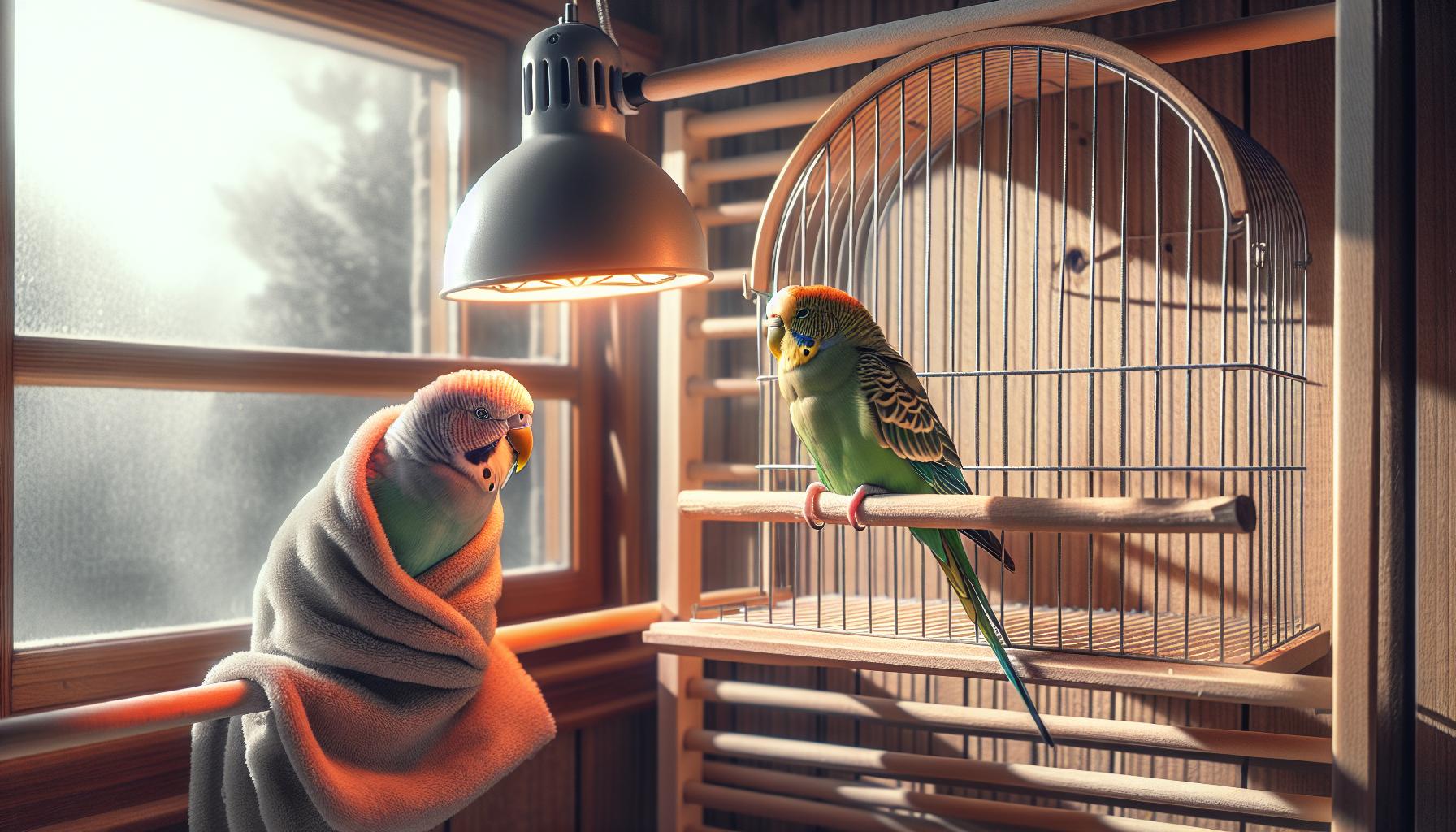
Ideal Temperature Ranges for Parakeets
Creating a happy and thriving environment for your parakeet starts with understanding their ideal temperature preferences. While they are often viewed as hardy little birds, parakeets actually have specific temperature ranges that significantly impact their well-being. Generally, parakeets thrive best in temperatures between 65°F and 80°F (18°C to 27°C). This range allows them to engage in their natural behaviors like playing, climbing, and interacting without the stress that extreme cold or heat can induce.
When temperatures dip below the ideal range, parakeets may exhibit signs of discomfort. You might notice them fluffing their feathers, a behavior that helps them trap warm air for insulation. In contrast, excessive heat can lead to lethargy as they struggle to cool down. Providing an environment that stays within this comfortable range is essential-not only for their happiness but also for their health.
To ensure your parakeet’s comfort, consider placing their cage in a spot that avoids direct drafts from windows or doors-in doing so, you help shield them from sudden changes in temperature. Additionally, using a thermometer can help you monitor the room temperature effectively. Regular observation of your parakeet’s behavior will also give you insights into their comfort levels, allowing you to adjust their environment accordingly. Their health and liveliness will be your best indicators that they are in their ideal temperature zone!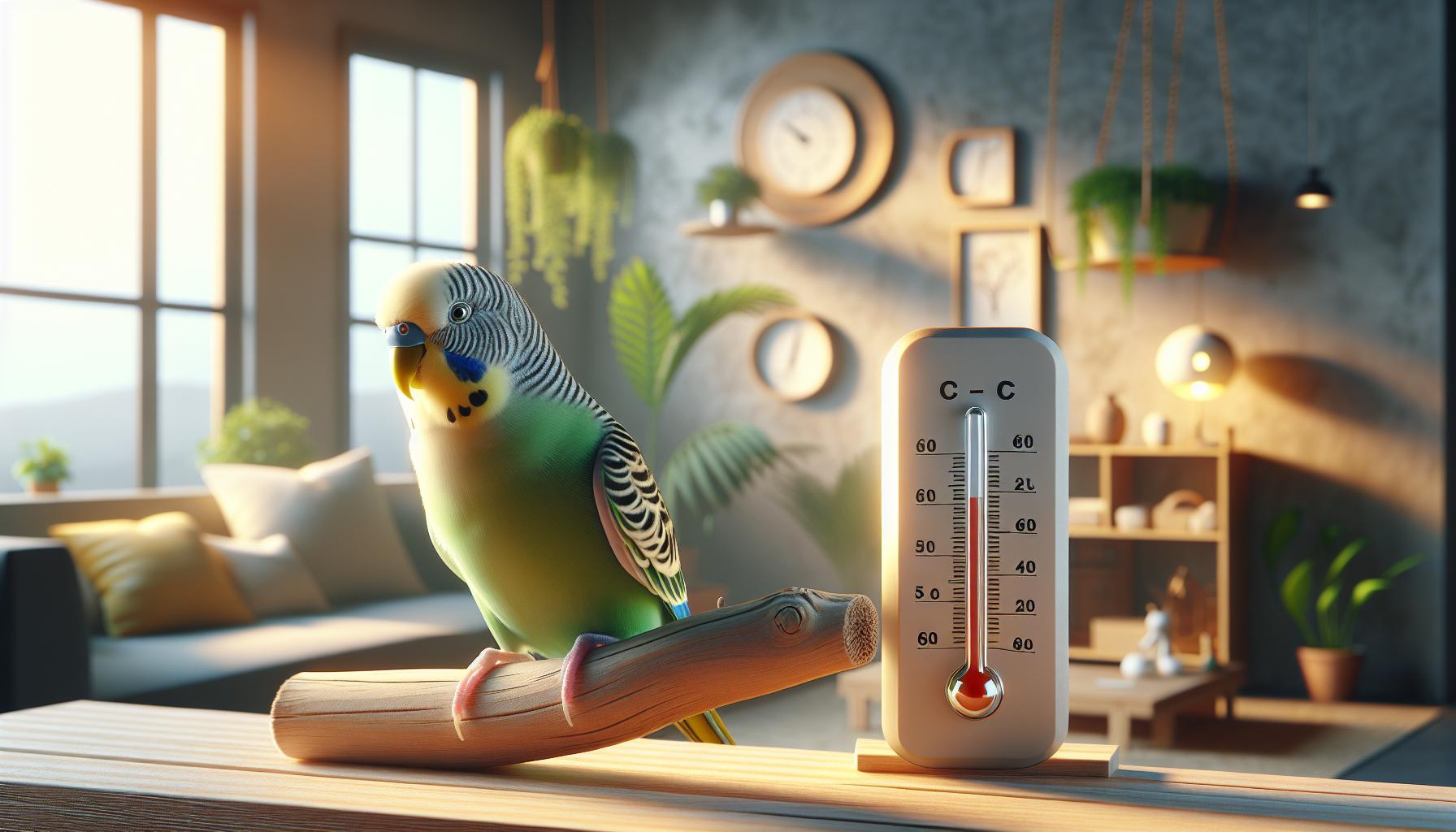
How to Create a Comfortable Habitat
Creating a comfortable habitat for your parakeet is fundamental to ensuring their well-being and happiness. Did you know that parakeets are social creatures who thrive in environments that mirror their natural habitats? This means providing not just the right temperature, but also a space that feels safe and stimulating. Start by choosing the right location for your parakeet’s cage; it should be placed in a room that maintains consistent temperature ranges, avoiding areas near windows or doors that can expose them to drafts or extreme temperature fluctuations.
To enhance comfort further, it’s essential to fill their home with engaging elements. Incorporate perches of varying thickness and material; natural wood perches are especially beneficial as they mimic what parakeets would find in the wild. Additionally, providing a variety of toys and activities-like swings, ladders, and chew toys-can keep their minds active and their bodies healthy. Remember, the layout should allow them to feel secure while also encouraging exploration and play.
For added comfort, consider the use of fabrics or materials that can help eliminate drafts around the cage. A soft cover over the cage during the night can create a cozy, secure environment that encourages restful sleep. However, be mindful of airflow; it’s vital to ensure the cage is not completely sealed, as parakeets require ventilation to stay healthy. Regularly check the temperature with a thermometer and adjust as necessary, as this will help you maintain the ideal range conducive to your parakeet’s comfort and overall health.
Ultimately, observing your parakeet’s behavior will be your best guide. Are they more active and playful in their habitat? Do they appear calm and relaxed? These cues indicate that you’ve created an environment that suits them well. Keeping their space clean and offering fresh food and water daily are also key aspects of their care that contribute to a comfortable living space, ensuring your feathered friend remains happy and healthy year-round.
Signs Your Parakeet is Uncomfortable with Temperature
Recognizing when your parakeet is uncomfortable due to temperature fluctuations can make all the difference in maintaining their health and happiness. While these birds are resilient, they do have preferences, and failing to meet them can lead to stress and health issues. Observing subtle changes in behavior can provide essential clues about their comfort level.
One of the first signs of temperature discomfort is changes in activity levels. If your parakeet becomes lethargic and spends more time resting or hiding, it may indicate they’re feeling too cold. Conversely, if they seem overly agitated, panting, or fluttering around excessively, it could be a sign that they are too hot. Another critical behavioral change to watch for is fluffing up their feathers. When parakeets ruffle their feathers, they are often trying to trap heat in cold temperatures. On the other hand, if they’re holding their wings away from their body, they’re likely trying to cool down.
Their vocalization patterns also provide insights into their comfort levels. Parakeets usually engage in chirping and vocal play; if they start emitting loud, distressed calls or becoming unusually quiet, it may suggest discomfort. Furthermore, watch for signs of stress, such as aggression toward cage mates or toys. Birds that feel overly hot or cold may lash out or act withdrawn.
Finally, physical indicators cannot be overlooked. A parakeet that is experiencing discomfort may exhibit signs of dehydration when overheated, such as droopy wings or lethargy. On the other hand, if they are shivering or their feathers look ruffled and unkempt, these can be signs that they are feeling the chill. Regularly checking in on your parakeet’s behavior and being attuned to these signs will help you create a nurturing environment that keeps them content and healthy.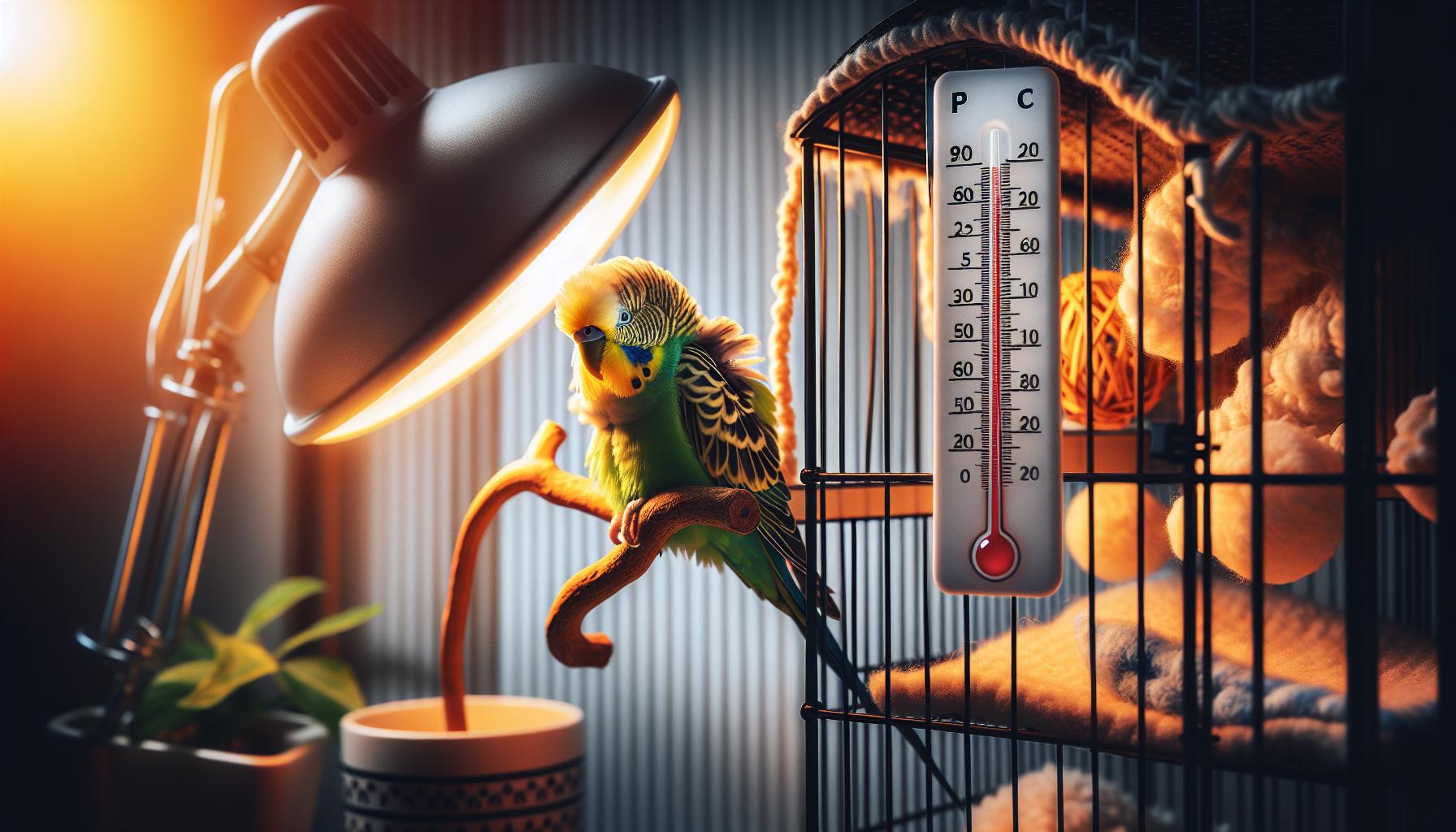
Seasonal Temperature Considerations for Parakeets
Understanding the seasonal changes in temperature is crucial for keeping your parakeet comfortable and healthy. These small and colorful birds thrive in environments that mimic their natural habitat, which generally experiences mild conditions. During warmer months, ensure your parakeet is protected from excessive heat and humidity, which can elevate their stress levels and lead to dehydration. Conversely, in the colder months, providing warmth is essential since parakeets can be quite sensitive to cold drafts.
To help regulate the temperature effectively throughout the seasons, consider the following strategies:
Spring and Summer Care
In spring and summer, aim to maintain indoor temperatures between 70°F and 80°F (21°C to 27°C). Here are some tips for the hotter months:
- Monitoring Humidity: High humidity levels can be just as uncomfortable as excessive heat. Use a dehumidifier if necessary to keep the air comfortable.
- Cooling Methods: Create shaded areas in the cage and ensure proper airflow. You can hang damp cloths or use safe fans to circulate air while avoiding drafts directly on the cage.
- Ice Sources: Offer ice cubes in shallow dishes for your parakeet to play with or perch on. This can be a fun way to help them cool down.
Fall and Winter Adaptations
As temperatures drop in fall and winter, your parakeet’s comfort needs change. Aim to keep indoor temperatures between 60°F and 75°F (16°C to 24°C):
- Heat Sources: Make sure your home is adequately heated, but avoid excessive heat that can lead to overheating. Using a ceramic heat emitter or a safe heater will work well, but always ensure that your parakeet cannot get too close to the direct source.
- Draft Protection: Seal any gaps around windows and doors to eliminate drafts. Caging your bird away from these openings will help reduce their exposure to cold air.
- Bedding Materials: Providing extra perches with insulating materials can help them stay warm. You might also consider keeping a light cover on their cage at night to trap warmth.
By adapting to the seasons, you can create an environment that minimizes stress on your parakeet, allowing them to thrive year-round. Being vigilant about changes in their behavior as seasons shift will give you the best insight into their comfort and health needs.
Effects of Drafts and Wind on Parakeets
Parakeets are particularly sensitive to drafts and wind, which can significantly affect their health and well-being. These small birds thrive in stable environments and can become stressed or even ill when exposed to sudden changes in air currents. If you’ve ever noticed your parakeet fluffing up its feathers or retreating to a corner of the cage, it may be feeling the effects of a draft. Protecting your feathered friend from cold winds is essential, especially as the seasons change and heating systems kick in.
To keep your parakeet comfortable, it’s crucial to evaluate the layout of their living space. Ensure that their cage is positioned away from any doors, windows, or vents where cold air can seep in. A covered cage or a cage placed against an interior wall can act as a barrier against drafts. Additionally, sealing gaps in windows and doors can minimize the chill entering your home, creating a cozier shelter for your pet.
Another way to safeguard against drafts is to use fabric covers specifically designed for bird cages. These can trap warmth and make your parakeet feel more secure, especially during the night. Make sure the cover is breathable to avoid trapping moisture, which can lead to respiratory issues. Regularly check the area around your bird’s cage for any potential sources of wind or drafts, and adjust their environment accordingly. In doing so, you will not only enhance your parakeet’s comfort but also contribute to its overall health and happiness.
Ultimately, being attentive to your parakeet’s environment and recognizing the subtle signs of discomfort are key to providing the best care possible. By taking proactive measures to mitigate drafts and wind exposure, you create a nurturing habitat where your parakeet can thrive.
Heat Sources: Safe Options for Your Parakeet
When it comes to providing warmth for your parakeet, choosing the right heat sources is essential for their comfort and health. Parakeets thrive in temperatures that mimic their native habitats, ideally around 65°F to 75°F (18°C to 24°C). However, during colder seasons or in drafty areas, additional warmth may be necessary to keep your feathered friend cozy and happy.
One of the safest methods to provide heat is using ceramic heat lamps. These lamps emit a gentle warmth without the harsh light of traditional bulbs, ensuring your parakeet can maintain a regular day-night cycle while enjoying a comfortable environment. Placing the lamp above the cage, but out of reach for your bird, can create a warm zone they can choose to bask in. Always make sure it is securely mounted to prevent any accidents.
Another excellent option is to incorporate heating pads into your bird’s environment. These pads should be specifically designed for pets, featuring low temperatures and safety features. A heating pad can be placed under a section of the cage or in a cozy nook for your parakeet to snuggle up to during chillier nights. Make sure to monitor the temperature and adjust the settings as necessary, ensuring that your pet’s resting area stays warm but not too hot.
It’s crucial to avoid using traditional space heaters or electric blankets near your parakeet’s cage, as these can pose serious safety hazards, including overheating or the risk of fire. Additionally, ensure that any heat source is positioned where your parakeet cannot access it directly, preventing burns or other injuries.
Always remember, it’s vital to observe your parakeet’s behavior when introducing any new heat source. If they seem overly fluffed up or consistently move away from the warmth, it may indicate that the area is too hot, and adjustments should be made immediately. By thoughtfully selecting safe heat sources, you’ll create a nurturing environment that supports your parakeet’s health and happiness throughout the year.
Keeping Your Parakeet Cool in Summer
During the hot summer months, ensuring your parakeet stays cool is essential for their well-being. These vibrant little birds, originally from temperate regions, can struggle with excessive heat, which may lead to stress, dehydration, or even heat-related illnesses. To create a comfortable environment, it’s important to monitor not only the temperature but also the overall conditions in their habitat.
One effective way to help your feathered friend beat the heat is by positioning their cage in a well-ventilated area of your home, away from direct sunlight. You can also encourage air circulation by opening windows or using fans; however, be cautious about drafts. Parakeets thrive when they can enjoy a mild breeze without being subjected to direct wind, which may cause them to feel chilly or uncomfortable.
Refreshing your parakeet’s hydration is crucial during these warmer months. Fill their water dish with fresh, cool water multiple times a day, and consider adding ice cubes to keep it chilled longer. Additionally, providing shallow dishes for bathing can be a fun and effective way for your bird to cool down. Parakeets love splashing around, and a short soak can do wonders for their mood, while also helping to regulate their body temperature.
Another excellent tip is to provide shaded areas in their cage. You can use bird-safe materials, such as leafy branches or cloths, to create shaded retreats. When your parakeet has the option to choose between sunny spots and shaded areas, they can regulate their own comfort. Also, avoid using heat sources like traditional heating lamps or electric blankets around their living space, as these can contribute to overheating.
By observing your parakeet’s behavior, you can better understand if they’re comfortable or feeling the heat. Signs of distress may include excessive panting, fluffed feathers, or lethargy. With these proactive steps, you’ll ensure a safe and enjoyable summer for your lively companion while keeping them cool and happy in their vibrant home.
Common Myths About Parakeet Temperature Needs
Many bird owners hold misconceptions about the ideal temperature needs for their parakeets, often leading to unintended discomfort for their feathered friends. One prevalent myth is that parakeets are entirely immune to temperature fluctuations due to their feathered coats. While it’s true that the feathers provide some insulation, budgies are sensitive to extreme temperatures, whether hot or cold. It’s important to understand that parakeets achieve optimal health and happiness in a temperature range of 65°F to 80°F (18°C to 27°C). Temperatures outside this range, especially in the extremes of winter or summer, can stress them significantly.
Another common myth is that parakeets can adapt effortlessly to any living condition as long as they have food and water. However, a lack of proper temperature control can lead to health issues such as respiratory problems or lethargy. Many owners underestimate drafts, believing that simply keeping their birds indoors offers sufficient protection. In reality, drafts from poorly sealed windows or doors can chill or overheat parakeets very quickly. It’s crucial to place their cage away from direct airflow and to monitor the overall environment to ensure that they feel secure and comfortable.
Furthermore, some might think that heat sources like traditional heating lamps or blankets are safe for keeping their parakeets warm during colder months. This notion is misleading, as these sources can create hotspots that are dangerous for birds. Instead, opt for safer solutions such as space heaters with thermostats or heated perches designed specifically for avian health.
Lastly, there’s a belief that parakeets, being tropical birds, will thrive in whatever warmth their owners provide during the summer months without any additional assistance. While they enjoy warm weather, too much heat can also lead to stress and sunstroke. Providing shaded areas and maintaining adequate hydration is essential for their well-being when temperatures soar. Understanding these myths can help parakeet owners create a more suitable habitat that promotes the health and happiness of their pets.
Behavior Changes Related to Temperature
Observing your parakeet’s behavior is one of the most insightful ways to gauge their comfort level regarding temperature. Just like us, these vibrant little birds exhibit clear signs of distress or contentment based on their environment. A parakeet that is too hot might display behaviors such as panting, spreading their wings away from their body, or seeking out cool areas in their cage. Conversely, if the temperature drops too low, you may notice them fluffing up their feathers, becoming less active, or huddling together for warmth.
It’s crucial for parakeet owners to understand these behavioral cues. For instance, a parakeet that suddenly becomes quiet or withdrawn may be feeling overly cold or stressed by heat. Regularly monitoring your bird’s activity level and vocalizations is essential; changes could indicate they are experiencing temperature-related discomfort. Creating an engaging habitat filled with toys and perches can also mitigate stress as they adapt to their environment.
Additionally, environmental changes can result in behavioral shifts. If your parakeet is used to a steady room temperature and a sudden temperature drop occurs-perhaps from a draft or a window being opened-this can lead to increased anxiety or agitation. In such situations, you might find them pacing the cage or behaving aggressively. It’s wise to have a dedicated space free from drafts and direct heat sources, ensuring they have consistent warmth or cooling.
Lastly, be mindful that extreme temperatures-either hot or cold-can detrimentally impact not just behavior but overall health. Extended exposure to unfavorable conditions can lead to problems such as respiratory issues or lethargy. Regular attention to their behavior and swift action in adjusting their environment will foster a healthier, happier parakeet. By understanding and responding to these , you can significantly enhance your bird’s quality of life.
Understanding the Impact of Temperature on Parakeet Health
The well-being of parakeets is closely tied to their temperature environment, making it essential for owners to understand how temperature fluctuations impact their health. Parakeets thrive best in a temperature range of 65°F to 75°F (18°C to 24°C). When subjected to temperatures outside this optimal range, their physical and psychological health can suffer significantly. For instance, extreme heat can lead to heat stress, evident in symptoms like panting, excessive wing spreading, and a general state of lethargy. Conversely, cold conditions can result in hypothermia, where parakeets fluff up their feathers to retain warmth, becoming less active and more withdrawn.
Health Implications of Temperature Extremes
Understanding the health implications of temperature extremes is crucial for any parakeet owner. Temperatures below 60°F (15°C) can compromise a parakeet’s immune system and increase the likelihood of respiratory illnesses. Situations where your bird feels cold, such as being near an open window or drafty areas, should be rectified immediately. It’s important to create a safe and stable microclimate for your parakeet, ideally away from drafts and direct sunlight.
In warmer months, monitoring your parakeet’s hydration and adjusting their habitat to provide shade can prevent overheating. Providing fresh, cool water and experimenting with misting their feathers lightly can also help them cool down. Remember, parakeets are particularly sensitive to higher humidity levels; thus, ensuring good ventilation is paramount when the temperature rises.
Monitoring and Adjustments
To maintain your parakeet’s health, regular monitoring is key. Observing their behavior can provide insights into their temperature preference. If your parakeet shows signs of distress, such as constant chirping or excessive flapping, it may indicate discomfort due to temperature. To assist in maintaining an appropriate environment, consider the use of thermometers and hygrometers-these tools will help you track temperature changes accurately and make necessary adjustments in their habitat.
Investing time in understanding the relationship between temperature and your parakeet’s health can lead to a happier, more vibrant companion. By being proactive about their environmental comfort, you not only support their physical health but also enhance their overall quality of life.
Tips for Monitoring and Regulating Home Temperature
To keep your parakeet happy and healthy, it’s crucial to monitor and regulate the temperature in their environment. Just like humans, parakeets can experience discomfort when temperatures rise or drop outside their ideal range. A captivating fact to consider: parakeets are originally from warm climates, but even these resilient birds need a stable and comfortable home to thrive. Here are some effective strategies to ensure their living conditions meet their temperature needs.
One of the simplest and most effective ways to monitor your home’s temperature is by using reliable thermometers. Place one in your parakeet’s cage and another in the room to track both ambient and cage temperatures. This will help you identify any drastic temperature changes. In addition, consider adding a hygrometer to measure humidity levels, as high humidity can affect their comfort as much as temperature. Regularly check these readings and adjust your heating or cooling sources accordingly.
Understanding your parakeet’s behavior can also provide clues about their comfort level. Watch for signs of stress, such as excessive flapping, rapid breathing, or a change in vocalizations. If you notice any of these signs, it may be a prompt to check the thermostat. Creating a microclimate is another excellent method-this might include using a heat lamp during colder months or maximizing shade and ventilation in summer. Experiment with various cage placements; moving the cage away from windows or air conditioning vents can minimize temperature extremes caused by drafts or direct sunlight.
Additionally, personal experiences can provide insight into effective temperature management. For instance, when the warm season arrives, I set up my parakeets’ enclosure near a fan, but I position it so the birds are not directly exposed to the wind. I also ensure they have multiple water sources to stay hydrated. It’s essential to create a routine where you check on their environment multiple times a day, especially during seasonal changes. By combining these practical steps, you can create a nurturing habitat that keeps your parakeet both comfortable and vibrant.
Frequently asked questions
Q: What is the ideal room temperature for parakeets?
A: The ideal room temperature for parakeets is between 65°F to 75°F (18°C to 24°C). Keeping the environment within this range ensures they remain comfortable and healthy. Ensure their living space is not subject to extreme temperature fluctuations.
Q: How can I tell if my parakeet is too hot or too cold?
A: Signs of discomfort in parakeets include panting, fluffed feathers, or lethargy when too hot, and shivering or huddling together when too cold. Monitor their behavior closely to adjust the temperature accordingly.
Q: What outdoor temperatures are safe for parakeets?
A: Parakeets should not be exposed to temperatures below 60°F (15°C) or above 85°F (29°C) for extended periods. During outdoor activities, always ensure they have shade and protection from wind and extreme weather.
Q: How can I maintain a stable temperature for my parakeet?
A: To maintain a stable temperature, place your parakeet’s cage away from drafts and direct sunlight. Use blankets or insulation during winter, and consider a fan or air conditioning during summer months to prevent overheating.
Q: Can parakeets acclimate to different temperatures?
A: Yes, parakeets can acclimate to some temperature changes. However, sudden shifts can stress them. Gradually introduce them to new temperature conditions to minimize stress and discomfort.
Q: What are safe heat sources for parakeets in winter?
A: Safe heat sources for parakeets include ceramic heaters, heat lamps designed for birds, and heat mats placed under the cage. Ensure all heat sources are placed out of reach to prevent burns or overheating.
Q: How do I keep my parakeet cool during hot summer days?
A: To keep your parakeet cool, ensure adequate ventilation and offer ice blocks or frozen fruit as a treat. Regular misting with warm water can also help them stay comfortable without overheating.
Q: When should I be concerned about my parakeet’s temperature?
A: Be concerned if your parakeet shows signs of distress, such as excessive panting or shivering, or if they are inactive for prolonged periods, as these can indicate dangerous temperature conditions. Always consult a vet in such cases.
Closing Remarks
Ensuring your parakeet is comfortable with the right temperature is crucial for their health and happiness. By maintaining a cozy environment, you’re not just meeting their needs; you’re reinforcing that special bond between you and your feathered friend. If you’re ready to elevate your pet care routine, explore our articles on parakeet care essentials and types of parakeets to broaden your knowledge and enhance your experience as a bird owner.
Don’t wait! Subscribe to our newsletter for expert tips straight to your inbox and join our community of passionate bird lovers. Still have questions or concerns? Feel free to drop a comment below, and let’s get the conversation started. Your parakeet deserves the best, and we’re here to help you every step of the way!
Get our latest guides, news, and insights highlighted in your Google Search & AI Overviews.










