The legendary Guinness toucan is an advertising mascot created in 1935 by artist John Gilroy and copywriter Dorothy L. Sayers at the S.H. Benson agency. Balancing pints of dark stout on its oversized bill, the whimsical toucan popularized the slogan ‘Guinness is Good for You’ across decades of poster campaigns.
Did you know that the toucan, with its vibrant beak and tropical flair, has a quirky connection to Guinness? Toucans are not just stunning birds that inhabit the lush rainforests of Central and South America; they also symbolize a playful spirit that complements the iconic brand’s cheeky slogan. This intriguing relationship reflects a fascinating blend of wildlife and culture, underscoring how diverse symbols can unite enjoyment, history, and storytelling. In this article, we’ll explore the captivating tale of the toucan’s association with Guinness, unraveling how these two seemingly disparate subjects create a unique narrative that enriches both our understanding of avian beauty and the world of marketing. Join us as we dive into the delightful story that reveals much more than just a bird and a beer!
What Makes the Toucan an Iconic Symbol for Guinness?
The toucan stands out not just as a vibrant creature of the rainforest, but as a symbol rich with cultural significance and brand identity for Guinness. Its striking bill, a kaleidoscope of colors, is synonymous with joy and celebration, traits that align harmoniously with the essence of Guinness beer. This avian emblem encapsulates a sense of adventure and tropical warmth, suggesting camaraderie and enjoyment in social settings. As such, the toucan has itself become a visual pun on the idea of “good times,” which resonates deeply with beer enthusiasts worldwide.
The journey of the toucan as a marketing icon traces back to the late 1930s when Guinness sought to differentiate its brand in a crowded marketplace. Through clever advertising, the toucan was designed not just as an eye-catching image, but as a character that conveyed a message of fun and spontaneity. This brilliant marketing strategy utilized the toucan’s outgoing personality and distinct appearance to symbolize a carefree lifestyle, making it memorable for consumers. The bird wasn’t merely a symbol of Guinness; it became a central figure in playful advertisements, where it could be found engaging with the product in whimsical ways, further entrenching its status in popular culture.
In essence, the toucan’s association with Guinness transcends mere branding. It mirrors qualities we admire-exuberance, conviviality, and warmth-creating a vivid link between the beer and the experiences we cherish in good company. As we sip our pints, the toucan serves as a reminder of the joyous moments shared over a drink, making it an enduring symbol that encapsulates the spirit of Guinness and its commitment to crafting unforgettable experiences.
The Fascinating History of the Toucan and Guinness
When one thinks of the iconic Guinness brand, the vibrant toucan often springs to mind, an unforgettable figure that has delighted audiences for decades. This whimsical bird was cleverly chosen not only for its striking appearance but also for the deeper symbolism it embodies, encapsulating the playful and sociable spirit of enjoying a good pint. The origins of this unique association date back to the late 1930s, during a time when Guinness sought to capture the imagination of consumers in a rapidly evolving advertising landscape. The introduction of the toucan marked a pivotal shift in their marketing strategy, positioning the brand as one synonymous with fun, camaraderie, and a zest for life.
The concept behind using a toucan in advertising was more than mere aesthetics; it was a strategic symbol that conveyed a sense of adventure and communal joy. People were drawn to the sight of this enchanting bird, renowned for its vibrant, multicolored bill, which mirrored the lively atmosphere often found in pubs and social gatherings. By personifying the bird in lively scenarios-carrying a pint or engaging in playful antics-Guinness successfully created a character that resonated with audiences, teasing out memories of good times spent with friends. This clever approach transformed the toucan from a simple mascot into a cultural icon, reminding consumers of the happiness associated with sharing a drink.
Ad campaigns featuring the toucan were not only innovative but also effective, driving brand recognition and creating a lasting connection between the product and joyful experiences. As the toucan’s popularity grew, so too did its role as a unifying symbol at celebrations and events. Its ability to evoke positive emotions inevitably fortified Guinness’s identity as a brand committed to community and merriment. This deep-rooted connection illustrates how a well-chosen mascot can transcend mere marketing; it becomes an integral part of a brand’s narrative, reflecting its core values while engaging the hearts and minds of consumers.
In celebrating the history of the toucan and Guinness, one can appreciate the interplay of creativity and marketing genius. The toucan not only adds color to advertisements but has also woven itself into the fabric of social culture, serving as a reminder of the joy found in gathering around a shared table, ideally with a pint of Guinness in hand.
How the Toucan Became a Marketing Icon
The toucan, with its vibrant and oversized bill, is not just a bird; it’s a symbol of joy and connection, perfectly aligning with the cheerful spirit that Guinness aims to embody. When the iconic beer brand sought to enhance its image in the late 1930s, the selection of the toucan was a masterstroke, intertwining a captivating creature with the essence of communal enjoyment. Toucans are social birds often found in pairs or small groups, mirroring the camaraderie and shared experiences associated with a pint of Guinness. This alignment between the toucan’s natural behavior and the brand’s values made it an ideal mascot.
Utilizing the toucan in advertisements leveraged its visual appeal in several effective ways. Through clever and whimsical marketing strategies, Guinness showcased the toucan in vibrant scenarios – often depicted carrying a pint or engaging in mischievous antics. This not only captured the attention of viewers but also sparked a sense of nostalgia and joy, inviting people to connect the toucan with their own celebratory moments. The bird’s bright colors and playful demeanor offered a perfect metaphor for the enjoyment of life, subtly reminding consumers that Guinness was a key part of social gatherings and happy memories.
The success of the toucan as a marketing icon also can be attributed to its ability to evoke emotions and create memorable experiences. Advertising campaigns featuring the toucan became a staple during celebrations, reinforcing the brand’s association with festivity and camaraderie. By creating a character that resonated deeply with audiences, Guinness transformed the toucan from a mere advertisement figure into a cultural icon, encapsulating the heartwarming essence of friendship and leisure time. This strategy forged a lasting bond between the brand and its consumers, demonstrating how impactful an engaging mascot can be in nurturing brand identity and loyalty.
In summary, the journey of the toucan as the quintessential mascot for Guinness showcases the power of combining natural wonder and effective branding. By choosing a creature that embodies the spirit of fun and connection, Guinness effectively captured the hearts of many, reminding each beer drinker to celebrate life’s simple pleasures alongside good friends and shared stories.
Exploring the Cultural Significance of Toucans
The toucan has a vibrant cultural significance that transcends its natural habitat in the rainforests of Central and South America. With its strikingly colorful bill and charming personality, this bird has captured the imaginations of various cultures and industries, including the world of advertising. Toucans symbolize festivity and communal joy, making them ideal ambassadors for brands like Guinness, which seeks to convey messages of camaraderie and celebration.
In many Indigenous cultures, the toucan is revered not only for its beauty but also for its unique traits that represent abundance and happiness. Its large bill, which can appear almost whimsical, acts as a metaphor for abundance in nature, signifying the richness of the Amazon rainforest where it resides. This cultural symbolism resonates strongly with the themes that Guinness promotes, linking the act of sharing a drink with the abundance of life’s experiences. Whether during festivities or quiet, thoughtful moments, the toucan embodies the idea that joyful connections form the essence of community, making it a fitting mascot for a brand centered around social bonding.
To appreciate how cultural traditions can amplify the significance of the toucan, consider the celebrations that often incorporate vibrant imagery and symbolism. The bird’s bright plumage aligns perfectly with the exuberant atmospheres found at gatherings, festivals, or even everyday celebrations of friendship. With its playful antics depicted in advertising, the toucan has become synonymous with joy, instantly sparking positive emotions and nostalgia among consumers.
Integrating Nature and Marketing
The cultural importance of the toucan extends to the realm of marketing, where its unique abilities to convey warmth, connection, and joy have been leveraged by brands to communicate similar values. Guinness’s strategic use of the toucan represents how brands can successfully tap into cultural symbols to create powerful emotional connections with their audiences. It invites consumers to identify with the brand not just as a product, but as part of a larger lifestyle filled with joyous moments-whether that’s shared pints in a pub or celebrations at home.
In summary, the toucan is much more than an exotic bird; it’s a cultural icon that reflects joy, community, and festivity. Its role as a marketing mascot for Guinness exemplifies how intertwining natural beauty with branding can forge meaningful connections between products and people, steeped in cultural significance and emotional resonance.
Behind the Scenes: Designing the Toucan Logo
The journey of designing the toucan logo for Guinness is a fascinating interplay of creativity and strategic branding. This vibrant bird, with its striking colors and oversized bill, serves as much more than mere decoration; it embodies the spirit of the brand itself. To bring the toucan to life in a way that resonates with consumers, designers needed to harness its unique features while cultivating a friendly and approachable image that aligns with Guinness’s message of camaraderie and celebration.
One of the key considerations was how to capture the toucan’s essence in a way that appeals to a diverse audience. The whimsical nature and colorful appearance of the toucan made it an excellent vehicle for storytelling in advertisements. Designers focused on simplifying the bird’s details, emphasizing the large bill which became the focal point of the logo. This playful yet streamlined design not only made the toucan easily recognizable but also ensured it remained visually impactful across various mediums, from print ads to television commercials.
The Process Behind the Logo Creation
Art directors and graphic designers collaborated to brainstorm concepts that merged the toucan’s natural characteristics with the brand’s values. This creative process involved multiple iterations, detailed sketches, and discussions about color palettes that reflect Guinness’s rich heritage. Bold colors, particularly the distinctive black and gold, were utilized to link the toucan to the iconic stout itself, creating a cohesive visual identity.
In addition, animators added personality to the toucan, allowing it to interact with the brand narrative dynamically. This involved bringing the character to life through various marketing campaigns, showcasing its playful attributes and ability to fit into celebratory contexts-whether it was sharing a pint or joining a lively gathering. By doing so, the toucan transformed from a mere logo into a beloved mascot that resonates emotionally with consumers, fostering a connection that spans generations.
The toucan logo not only symbolizes a fun-loving spirit but also serves as a reminder of the cultural significance of this bird in various communities. In aligning the brand with this imagery, Guinness embraced the inherent qualities of the toucan-its vibrancy and social nature-ultimately crafting a logo that mirrors the joyous experience of sharing a drink with friends. This thoughtful design process highlights the immense value and importance of carefully considered branding in establishing emotional ties with audiences.
What Can We Learn from Guinness’s Use of Toucans?
Understanding Guinness’s use of the toucan in branding offers valuable insights into effective marketing strategies that capitalize on visual identity and emotional resonance. The toucan, with its vibrant colors and striking bill, embodies qualities that transcend mere aesthetics; it signifies celebration, joy, and social interaction-traits that are fundamental to the Guinness brand. By aligning these attributes with the product, Guinness has crafted a mascot that not only captures attention but also fosters a sense of community among its consumers.
One of the critical lessons from Guinness’s approach is the power of storytelling through imagery. The toucan serves as a narrative device that goes beyond traditional marketing by creating a relatable and engaging character. It’s important for brands to invest in the development of icons or mascots that can tell stories, evoke feelings, and create memorable experiences. For instance, the animated toucan in commercials often partakes in lively gatherings, illustrating the fun and spirited nature of enjoying a pint. This strategy highlights how businesses can enhance brand recall and customer loyalty through relatable characters that consumers can connect with emotionally.
Moreover, the colorful toucan demonstrates the importance of simplicity and clarity in design. The logo’s streamlined form ensures high recognizability across various platforms and marketing materials. Brands should consider the ease with which their mascots can be identified and remembered. Keeping designs simple while effectively conveying the brand message can significantly enhance consumer engagement.
Lastly, embracing cultural significance can bridge the gap between a brand and its audience. The toucan is not just an appealing abstract figure; it symbolizes social interactions that resonate in many cultures. By selecting elements that are culturally valuable, brands like Guinness can enhance their appeal and relevance, showing consumers that they understand and appreciate their values. Building emotional connections through shared cultural symbols can lead to lasting brand loyalty and a stronger personal bond with consumers. Adopting these strategies can help other brands leverage their identities to foster deeper connections with audiences, driving engagement and loyalty.
Toucans in Nature: Habitats and Behaviors
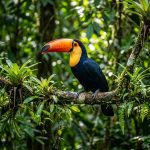
The toucan’s striking appearance and unique behaviors make it a captivating subject for bird enthusiasts and marketers alike. This vibrant bird thrives in the tropical forests of Central and South America, particularly in countries like Brazil, Colombia, and Costa Rica, where it plays a crucial role in the ecosystems of the rainforests. Toucans are known for their large, colorful bills, which are not only a visually stunning feature but also serve practical purposes such as regulating body temperature and aiding in foraging for fruits and insects.
In the wild, toucans are highly social creatures, often found in small flocks ranging from 5 to 15 individuals. They are most active during the day (diurnal) and typically engage in playful interactions, which can include wrestling and chasing each other among the branches. Their diet is primarily frugivorous, meaning they consume a wide variety of fruits, but they also eat insects, small reptiles, and occasionally bird eggs. This diverse diet plays a significant role in forest ecology, as toucans act as seed dispersers, helping to cultivate and maintain the rainforest ecosystem.
Toucans create nests in tree cavities, often abandoned by woodpeckers, where they lay eggs and raise their young. The nesting process fosters strong social bonds; both parents share the responsibility of feeding their chicks. This behavior not only showcases their nurturing side but also highlights the importance of familial bonds in their communities. Observing these birds in their native habitat can be a thrilling experience for bird watchers and offers a glimpse into their rich and interactive lives.
When considering how the characteristics of the toucan resonate with Guinness’s brand, it’s easy to draw parallels. Just as the toucan brings people together in its natural habitat, whether sharing a bounty of fruit or playing with its flock, Guinness cultivates a sense of community through its products. Marketing campaigns often reflect this communal spirit, mirroring the toucan’s role in its environment. Understanding the intricacies of these birds enhances not only our appreciation of their role in nature but also informs how brands could connect meaningfully with their audiences.
By appreciating the toucan’s vibrant behavior and environmental significance, we can recognize why this bird has become an icon for Guinness: it symbolizes joy, community, and the celebration of life’s simple pleasures.
Comparing Other Animal Mascots in Advertising
The toucan is not just any bird; it’s a vibrant symbol that encapsulates the spirit of adventure and camaraderie, much like the marketing strategies employed by notable brands. In the world of advertising, animal mascots have unique roles that go beyond mere representation-they embody brand characteristics, align with target audience values, and foster emotional connections. The toucan stands out among other animal mascots, such as Tony the Tiger or the Geico Gecko, due to its distinctive traits and the engaging lore that surrounds it.
Many brands choose animal mascots for their capacity to convey specific attributes. For example, Tony the Tiger represents strength and athleticism, appealing to a younger demographic craving excitement and vitality in their breakfast. In contrast, the Geico Gecko uses humor and relatability to demystify insurance, making it more approachable. Toucans, with their colorful bills and lively behavior, symbolize joy and community, making them an excellent fit for a brand like Guinness, which emphasizes celebration and togetherness.
Why Toucans Triumph in Advertising
- Visual Appeal: The toucan’s vibrant plumage and oversized bill capture attention instantly, making it visually memorable. This is crucial in marketing, where first impressions can dictate a customer’s interest.
- Cultural Symbolism: Toucans are often associated with tropical settings and a sense of adventure, resonating with brands that want to evoke feelings of wanderlust and enjoyment. This ties seamlessly into Guinness’s identity, which celebrates good times and shared moments.
- Social Creatures: Just as toucans thrive in groups, fostering camaraderie and social interaction, so does Guinness promote community spirit through its marketing. The toucan becomes a metaphor for togetherness, aligning perfectly with the shared experience of enjoying a pint with friends.
Brands like Aflac and Coca-Cola also employ animal mascots effectively, but their focus varies. Aflac’s use of the duck emphasizes loyalty and reliability, while Coca-Cola’s polar bears evoke warmth and nostalgia during the holiday season. The toucan, however, uniquely bridges the gap between playfulness and cultural richness, allowing Guinness to draw thus deeper connections to its heritage and the rich tapestry of social interactions associated with its beer.
In evaluating the effectiveness of animal mascots, it’s clear that while they serve to capture attention, they also need to resonate contextually with the brand’s values. The toucan’s vividness and social nature offer a compelling narrative that can inspire both curiosity and camaraderie, proving invaluable in the realm of marketing and brand identity. Through such unique examples, brands can learn valuable lessons about using animal mascots to foster connections, build community, and enhance their narrative appeal.
The Environmental Impact of Marketing with Wildlife
The connection between wildlife and marketing triggers significant conversations about environmental stewardship. Using animals like the toucan as a brand mascot can evoke feelings of nature’s beauty and the need for its conservation. However, leveraging wildlife in marketing comes with responsibilities, particularly concerning the environments these animals inhabit. Brands like Guinness should acknowledge the impact their advertising has on perceptions of wildlife, emphasizing conservation efforts and sustainability alongside their marketing strategies.
When a brand chooses to use a creature like the toucan, it’s not just about the catchy imagery or the colorful personality it brings to advertisements; it extends to how such representations influence public attitudes towards biodiversity. Toucans are prominent ambassadors of tropical ecosystems-often found in conservation areas that are crucial for maintaining the balance of flora and fauna. Thus, their representation can and should encourage consumers to appreciate and protect these environments. For instance, Guinness could enhance its brand story by supporting initiatives that protect toucan habitats in Central and South America, linking their iconic product to the well-being of these vibrant birds.
Moreover, marketing campaigns can integrate environmental education, making consumers aware of how their actions affect the habitats of these birds. Whether through collaborations with environmental organizations, sponsorship of wildlife sanctuaries, or campaigns that highlight sustainability, brands can turn their marketing efforts into a platform for raising awareness about conservation. Such initiatives do not only boost brand loyalty but also position the company as a responsible corporate citizen. By aligning advertising with ecological responsibility, brands instill a sense of community among consumers who share values of environmental stewardship.
Engaging with wildlife through marketing, particularly with compelling mascots like the toucan, allows companies to be part of an important conversation. It’s essential for brands to promote not just their products but also their commitment to the planet. Through thoughtful marketing strategies that uphold environmental integrity, brands can create a connection that resonates with consumers while nurturing the ecosystems that sustain these marvelous creatures.
The Role of Mascots in Brand Identity
The colorful toucan, with its oversized bill and vibrant plumage, serves as an enduring symbol for Guinness, perfectly embodying the brand’s commitment to heritage and quality. Mascots play a critical role in brand identity, as they encapsulate the essence of a company while fostering a relatable connection with consumers. The toucan’s lively persona and striking appearance not only grab attention but also convey the spirit of adventure and enjoyment associated with Guinness’s products.
Using a mascot like the toucan enables brands to communicate their values more effectively. The toucan’s association with tropical rainforests can evoke imagery of rich landscapes and nature’s diversity, aligning with Guinness’s narrative around craftsmanship and tradition. Such mascots become more than mere representations; they are storytellers that weave the brand’s history and values into the fabric of marketing campaigns. For instance, lively visuals featuring the toucan can invoke feelings of fun and celebration, suggesting that enjoying a pint of Guinness is a social event steeped in camaraderie.
Moreover, the role of mascots extends into the realm of emotional branding. They create memorable experiences that resonate on a personal level with the audience. Consumers often develop a sense of loyalty and familiarity toward these characters, resulting in a deeper emotional connection to the brand. Guinness’s use of the toucan is a prime example of this approach, as it fosters not just recognition but a sense of belonging among its drinkers. The toucan symbolizes an invitation to celebrate life’s moments, reinforcing the message that Guinness isn’t just a product; it’s part of shared experiences.
In the modern landscape of advertising, where consumers are increasingly discerning, mascots like the toucan can also serve as vehicles for environmental awareness. As brands incorporate messages about sustainability into their identities, having a mascot that signifies a connection to nature can amplify these efforts. This dual role enhances brand identity, ensuring it remains relevant and responsible in the eyes of consumers today. By aligning with ecological themes, Guinness exemplifies how a beloved mascot can contribute not only to brand loyalty but also to broader conversations about conservation and environmental stewardship.
Toucans vs. Other Birds: Why Choose the Toucan?
The toucan stands out as a striking choice among bird mascots for branding, especially in the context of a beloved brand like Guinness. With its vibrant colors and distinctively large bill, the toucan captivates attention immediately, making it an eye-catching symbol that transcends cultural and geographical boundaries. This iconic bird not only embodies the spirited atmosphere associated with social gatherings but also represents the rich biodiversity of the tropical ecosystems where they thrive.
Toucans, particularly known for their playful and social behaviors, have a personality that aligns perfectly with the ethos of Guinness: celebration, camaraderie, and enjoyment. Their intriguing social dynamics can remind consumers of the warmth and connection experienced during shared meals or pints at the pub. Choosing a toucan over other birds neatly encapsulates a message of liveliness and joy-qualities that resonate with the experiences surrounding Guinness’s consumption.
In comparison to other bird mascots, toucans offer a unique narrative potential. While many birds might symbolize speed or grace-think of the sleek falcon or the elegant swan-the toucan’s uniqueness lies in its bold visual identity and association with lush, tropical habitats. This alignment with nature not only enhances brand storytelling but also opens avenues for engaging in discussions about environmental conservation, a growing imperative in today’s marketing landscape.
Moreover, while animals like eagles may convey power and strength and parrots can emphasize qualities like communication and playfulness, the toucan’s charm bridges these characteristics and adds an element of warmth and approachability. This balance makes the toucan a remarkable choice for brands looking to create meaningful connections with their audience. Its cheerful nature and striking appearance work harmoniously to foster a lasting bond between Guinness and its consumers, making the toucan an ideal mascot that embodies both the spirit of the drink and the essence of shared enjoyment.
Engaging the Audience: How Toucans Connect with Consumers
The toucan’s vibrant plumage and striking bill do more than just attract the eye; they create a visual connection that resonates deeply with consumers. Illustrated in Guinness marketing, the toucan’s lively spirit encapsulates the joy and togetherness associated with the drink. This feathered icon serves not only as a marketing tool but also as an emotional bridge that connects the observant consumer to experiences of celebration, comfort, and camaraderie typically found in social settings.
Toucans are inherently social animals known for their playful nature. Their behaviors in the wild mimic themes of community and fun-traits that align closely with the culture surrounding Guinness. By choosing the toucan as a mascot, Guinness taps into the essence of these social moments. When consumers see the toucan, they are reminded of lively gatherings, laughter over pints, and shared experiences, forging a subconscious connection that enhances brand loyalty. This connection is not just about visual appeal; it’s about creating a narrative that invites people to be part of something larger.
Moreover, the relationship between the toucan and Guinness exemplifies how effectively mascots can embody a brand’s ethos. By utilizing the toucan’s imagery, the brand fosters an association with warmth and vibrancy, prompting consumers to recall their own social experiences. The narrative surrounding the toucan allows for engaging storytelling that resonates across various cultures-making it relatable to a global audience. From lively advertisements to social media interactions, the toucan serves as a dialogue starter, encouraging consumers to share their own memories tied to the brand.
Incorporating the toucan into branded content gives consumers a familiar and comforting symbol to connect with. It emphasizes a playful, approachable, and inclusive image that draws people in, ultimately encouraging them to choose Guinness as part of their celebrations. This strategy of connecting through recognizable and endearing symbols reveals a smart understanding of consumer psychology, making the toucan not just a mascot, but a beloved figure that enhances the brand’s identity and fosters enduring consumer engagement.
Faq
Q: How did the toucan become associated with Guinness?
A: The toucan became associated with Guinness in the 1930s through the creative advertising work of illustrator John Gilroy. His unique artwork featured the toucan in various humorous settings, establishing it as a beloved mascot for the brand and transforming how beer was marketed [[2]].
Q: What role did John Gilroy play in the Guinness toucan’s popularity?
A: John Gilroy, an illustrator, crafted over 50 iconic posters featuring the toucan for Guinness. His imaginative designs and clever storytelling not only popularized the toucan as a marketing figure but also demonstrated the effectiveness of character-driven advertising [[3]].
Q: Why is the toucan seen as a symbol of joy and camaraderie for Guinness?
A: The toucan symbolizes joy and camaraderie because its playful imagery in advertisements evokes positive emotions, making the act of drinking Guinness more than just a transaction. Instead, it highlights a shared experience among friends and lifting spirits [[1]].
Q: What are some key marketing lessons from the Guinness toucan?
A: Key marketing lessons from the Guinness toucan include the power of storytelling, the importance of character in brand identity, and how humor can enhance consumer connection. These strategies show how a well-designed mascot can elevate a product’s appeal beyond its functional attributes.
Q: In what significant way did the toucan’s design impact the advertising industry?
A: The toucan’s design influenced the advertising industry by demonstrating how imaginative and relatable mascots could effectively convey brand messages. This approach encouraged other brands to develop unique characters that resonate emotionally with consumers, reshaping marketing strategies [[2]].
Q: How has the Guinness toucan evolved over the years in advertising?
A: The Guinness toucan has evolved from whimsical illustrations to modern interpretations in various media. Despite changes in design style and cultural contexts, its core message of enjoyment and community aligns with Guinness’s brand identity, making it a timeless symbol.
Q: What is the cultural significance of the toucan beyond its marketing with Guinness?
A: Beyond advertising, the toucan holds cultural significance as a symbol of tropical biodiversity and ecological richness. Its vibrant appearance and distinctive call have made it iconic in wildlife protection narratives, representing the allure and fragility of natural habitats.
Q: Why do brands choose animal mascots like the toucan?
A: Brands choose animal mascots like the toucan because they can evoke emotional connections, create memorable images, and simplify complex messages. Animal mascots are relatable and can embody brand values, making them effective tools for engagement and recognition in marketing campaigns.
In Conclusion
As we wrap up our exploration of the intriguing connection between toucans and Guinness, it’s clear that this relationship extends beyond mere branding-it’s a celebration of creativity and nature. If you’re fascinated by unique animal stories, be sure to check out our articles on the top ten bird species that captivate human hearts and the conservation efforts that protect our feathered friends.
Don’t miss out on future insights! Subscribe to our newsletter for the latest updates on wildlife tales, quirky animal facts, and tips on how to care for your own birds. Whether you’re a novice birdwatcher or an experienced enthusiast, there’s always something new to discover.
Your journey into the world of birds doesn’t have to stop here. Join the conversation in the comments below-share your thoughts, stories, or questions! Let’s continue exploring the bond between nature and culture together.
The Guinness Toucan: Advertising History & John Gilroy’s Artistry
Few brand mascots have achieved the enduring worldwide affection of the Guinness toucan. First introduced to the British public in 1935, this vibrant Neotropical bird transformed the marketing of Arthur Guinness, Son & Co., transitioning commercial advertising from solemn medicinal claims to lighthearted artistic humor.
Creative Origins: John Gilroy and Dorothy L. Sayers
The campaign emerged from the London advertising agency S.H. Benson under legendary illustrator John Gilroy:
- The Zoo Inspiration: After Guinness leadership resisted human depictions in their campaigns, Gilroy visited the London Zoo looking for animated characters. Observing sea lions, pelicans, and ostriches, Gilroy envisioned animals experiencing mischievous joy after drinking dark Guinness stout.
- The Toucan’s Balance: The toucan quickly eclipsed other animals due to its magnificent, elongated bill. Gilroy realized the bill served as a natural tray upon which pints and bottles of foaming stout could be gracefully balanced.
- Dorothy L. Sayers’ Verses: Renowned novelist and copywriter Dorothy L. Sayers penned the famous rhyming quatrain that accompanied the iconic poster:
‘If he can say as you can / Guinness is good for you / How grand to be a Toucan / Just think what Toucan do.’ - Two-Can Wordplay: Beyond visual charm, the toucan embodied a brilliant linguistic pun: ‘Two can’ drink Guinness, inspiring twin-pint posters featuring two balanced glasses of ruby-red stout.
The Guinness Menagerie: Comparative Advertising Icons
The table below summarizes the animal cast created by Gilroy for the historic Guinness campaign:
| Menagerie Mascot | Introduction Year | Signature Visual Stunt | Key Rhyme / Slogan |
|---|---|---|---|
| The Toucan | 1935 | Balancing two pints of stout along its rainbow bill | ‘Just think what Toucan do’ |
| The Sea Lion | 1935 | Balancing a foaming pint glass on its wet nose | ‘My Goodness, My Guinness’ |
| The Ostrich | 1937 | Swallowing a pint glass whole (visible in its neck) | ‘Goodness gracious, it’s a Guinness!’ |
| The Pelican | 1936 | Carrying three pint bottles inside its distended gullet | ‘A bottle in the beak is worth two on the bar’ |
| The Kangaroo | 1938 | Hiding a bottle of stout inside its marsupial pouch | ‘Pocketing the good stuff’ |
To learn about the real biological bird that inspired this caricature, read our guide on what bird is toucan sam and explore toucan beak mechanics in how does a toucan eat.
Get our latest guides, news, and insights highlighted in your Google Search & AI Overviews.