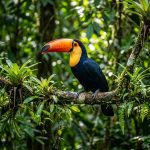
Did you know that the toucan, with its vibrant beak and striking appearance, is one of nature’s most recognizable birds? However, despite its popularity in culture and media, many people struggle with how to correctly pronounce its name. This confusion can be important, especially for bird enthusiasts, educators, or just anyone who wants to engage in conversations about this fascinating species. Whether you’re sharing your latest birdwatching adventure or discussing toucans in a classroom, saying the name correctly enhances your credibility and showcases your passion for wildlife. In this guide, we will explore the correct pronunciation of “toucan,” break down common mistakes, and provide tips to help you confidently incorporate this beautiful bird into your vocabulary. Let’s dive into the world of toucans and uncover the magic behind their name!
How to Pronounce “Toucan” Correctly
To pronounce “toucan” correctly, you’ll want to focus on the phonetic breakdown of the word, which is typically articulated as /ˈtuː.kæn/. Breaking it down, it consists of two syllables: the first syllable “too” (which rhymes with “too”) and the second syllable “can,” pronounced like the word “can” in English. The emphasis is placed on the first syllable, making it sound like “TOO-kan.”
For those looking to master this pronunciation, it can be helpful to practice saying the word slowly and then gradually increase your speed until it feels more natural. A great tip is to visualize the bird while you’re saying its name; knowing that it’s a vibrant, colorful creature can help reinforce your memory of the pronunciation. You might also find it beneficial to listen to native speakers or birdwatchers say the word; mimicry can often help with quick learning.
An interesting aspect of the toucan’s name is its linguistic roots. The term “toucan” is derived from the indigenous Tupi language of Brazil, where the birds are native. This connection highlights not only the beauty of the bird but also its cultural significance. Understanding these roots can deepen your appreciation for both the bird and the correct pronunciation, allowing conversations about toucans to flow more easily.
In summary, remember that it’s “TOO-kan,” emphasize the first syllable, and practice saying it out loud. Engaging with others about the toucan using the correct pronunciation also invites a fun conversation about these fascinating birds!
Common Mispronunciations of “Toucan” to Avoid
Mispronouncing the name of such a vibrant and iconic bird as the toucan can take away from the sheer joy of discussing these fascinating creatures! Many people stumble over the two-syllable name, often leading to confusion in conversations. A common pitfall is to stress the second syllable, pronouncing it as “toh-KAN” instead of the correct “TOO-kan.” Additionally, some might incorrectly pronounce the “ou” in toucan, sounding it out like “toe,” which not only alters the pronunciation but can also mislead listeners about the bird’s identity.
To navigate these common mistakes, it’s helpful to familiarize yourself with what to avoid. Here are a few common mispronunciations to steer clear of:
- Too-Can: While this variation sounds close, it shifts the stress to the second syllable, which is not how it is pronounced.
- Tou-Can: This version mispronounces the “ou,” leading to a disconnect from the correct phonetic structure.
- Toocan: Dropping the ‘u’ and compressing it to one syllable is quite a frequent error that simplifies the word too much.
Proper pronunciation enhances the enjoyment of birdwatching and discussions about toucans. By focusing on saying “TOO-kan,” you can confidently engage with other bird enthusiasts. Whether sharing a fascinating fact about their feeding habits or discussing their role in biodiversity, using the correct pronunciation is the initial step toward deeper conversations about these remarkable birds. Embrace the beauty of the toucan, and let the correct pronunciation flow as easily as the vibrant colors of its plumage!
Phonetic Breakdown: Understanding “Toucan
Understanding the pronunciation of “toucan” can enrich your conversations about this fascinating bird, characterized by its striking plumage and vibrant personality. The word “toucan” consists of two syllables: “TOO” and “CAN.” The first syllable, which sounds like the English word “too,” is where the stress lies, ensuring that its pronunciation aligns with the correct phonetic structure. For clarity, the “ou” is pronounced like the “oo” in “food,” rather than the “o” in “toe.” This aspect of pronunciation can be tricky for many, but mastering it can provide you greater confidence when discussing these iconic birds.
When breaking down this word phonetically, one can think of it as “TOO-KAN” (IPA: /ˈtuːkæn/). This approach helps demystify the sounds involved. The initial “TOO” rolls smoothly off the tongue, transitioning naturally into “KAN,” which completes the name. Notably, some may be tempted to conflate the sounds due to regional accents or personal habits, leading them to say “TOH-KAN” or even “TOO-CAN,” both of which do not reflect the precise phonetics of the word.
Practicing the correct pronunciation can bring about a deeper appreciation for the bird itself-not just how it sounds, but how it fits into discussions about nature, conservation, and ecology. For instance, when you confidently use “TOO-KAN,” you evoke both the allure of the species and the dedication behind preserving its tropical habitat. Engaging with other birdwatchers or naturalists about toucans can become all the more rewarding when you do so with the correct pronunciation, further enhancing your exchanges on this remarkable bird.
Cultural Significance of the Toucan and Its Name
The toucan, with its striking beak and vibrant colors, is more than just a captivating sight in the tropical rainforests of Central and South America; this bird carries a rich cultural significance that resonates in various contexts. Its name derives from the indigenous Tupi word “tucan,” which reflects the bird’s longstanding presence and importance in the folklore and traditions of native peoples. The toucan is often seen as a symbol of the lush biodiversity of the rainforest, embodying the beauty and ecological complexity of its habitat.
In many cultures, particularly among indigenous communities, the toucan holds deep spiritual meaning. It is often associated with the idea of communication and relationships-thanks in part to its distinctive calls that echo through the jungle. The toucan’s vibrant appearance and sociable nature often inspire artistic representations, becoming a popular motif in local crafts and art. This connection enhances the bird’s status as a cultural icon, uniquely representing the convergence of nature and human creativity.
Moreover, the toucan serves a vital ecological role, acting as a seed disperser for many plant species within its habitat. By fostering the growth of new plants, toucans contribute to the health of their ecosystems, reinforcing their importance beyond mere aesthetic appeal. This ecological significance adds an additional layer to their identity in conservation efforts where recognizing the correct pronunciation of “toucan” becomes a crucial first step in fostering a greater appreciation and understanding of these remarkable birds.
Overall, engaging with the toucan-be it through study, birdwatching, or conversation-offers a pathway to connect with the intricate web of life that characterizes the rainforests. When we discuss these birds, mastering the pronunciation of “TOO-KAN” not only honors their identity but also enhances our conversations about their cultural and ecological importance.
Tips for Mastering the Correct Pronunciation
To pronounce “toucan” correctly, it’s essential to embrace the nuances of the word. The pronunciation can often be simplified to “TOO-KAN.” A good starting point is to break it into two distinct syllables: the first syllable sounds like the word “too,” and the second syllable is pronounced like “kan” in “can.” Practice saying it slowly at first, then gradually speed up as you become more confident.
To master this pronunciation, it can be helpful to associate the pronunciation with familiar words. For example, thinking of “too” as in “too much” can solidify the first syllable, while remembering “can” as in “I can do it” reinforces the second syllable. Engaging with the word in various contexts, like saying sentences involving toucans, can also enhance retention. Consider phrases like “I saw a toucan in the rainforest” to get comfortable with its use in conversation.
Additionally, listening to native speakers or ornithologist videos can provide authoritative examples. Repetition is vital; don’t hesitate to repeat after hearing it to train your ear and mouth for the correct sounds. You may also find it beneficial to practice with friends or family, turning it into a fun learning experience. For those who are beginners or just starting to explore the world of birds, using this engaging method will make it easier to incorporate the term “toucan” confidently into your vocabulary.
Audio Resources for Practicing “Toucan
Engaging with audio resources can significantly enhance your ability to pronounce “toucan” confidently and accurately. Audio aids provide real-life examples, allowing you to hear the correct pronunciation in various contexts, making it easier to master. Consider utilizing a mix of online platforms and personal interactions to enrich your learning experience.
To start, platforms like YouTube offer a plethora of videos featuring ornithologists, birdwatchers, and language enthusiasts articulating the word “toucan.” Search for terms like “how to pronounce toucan” or “toucan pronunciation” and listen carefully to the phonetic nuances. Replaying these videos can help reinforce your learning, as you mimic the sounds you hear. For a more interactive experience, try platforms like Forvo, where native speakers contribute audio pronunciations of various words, including “toucan.”
In addition to online resources, engaging with fellow bird enthusiasts is invaluable. Organize pronunciation practice sessions where you and your friends take turns saying “toucan” in sentences related to your experiences with birds or nature. This not only helps with pronunciation but also deepens your connection to the subject matter.
Lastly, don’t forget about language learning apps like Duolingo or Babbel, which may feature pronunciation exercises. These tools can help reinforce your understanding through repetition and various contextual phrases. Embrace these resources and make the most of your practice-your confidence in using “toucan” will grow, allowing you to discuss these fascinating birds with ease.
Diverse Dialects: How Pronunciation Varies
When it comes to pronouncing “toucan,” the variations can be quite fascinating, often reflecting regional dialects and accents. For example, in American English, most speakers tend to pronounce it as “too-kan,” placing emphasis on the first syllable. Conversely, in some British dialects, it may sound closer to “tow-can,” where the first syllable blends into a softer sound. Understanding these nuances not only enriches your appreciation for linguistics but also empowers you to communicate more effectively across different cultures.
Accents also play a significant role in how “toucan” is pronounced. In areas where English is not the first language, or in multilingual communities, the word might be adapted to fit local phonetic conventions. For instance, in Spanish-speaking countries, you might hear “tucán,” which retains a sharp, clear pronunciation distinct from the English counterparts. This adaptation illustrates the flexibility of language and how it integrates with local identities.
Moreover, engaging with birdwatching communities worldwide can expose you to even more variations. You’ll encounter enthusiasts from various regions, each contributing to a rich tapestry of pronunciations influenced by their native languages and local dialects. When conversing with fellow bird lovers, consider asking about their pronunciation-this not only sharpens your skills but also opens the door to cultural exchange and learning about the different species and habitats they’re familiar with.
In practice, embracing these diverse pronunciations helps build confidence. Listen attentively when interacting with speakers from different backgrounds and mimic the styles you hear. This practice not only aids in mastering the correct pronunciation but also enhances your overall communication skills, turning the simple act of saying “toucan” into an engaging and culturally responsive experience.
Related Birds: Commonly Mispronounced Names
Mispronunciations can throw a wrench in your birdwatching conversations, especially with names that stir curiosity like “toucan.” While enhancing our vocabulary around avian species, it’s worth exploring the unique mispronounced names of related bird species that can trip up both novices and seasoned birders alike. By familiarizing ourselves with these common mistakes, we not only improve our pronunciation skills but also broaden our understanding of the diverse avian world around us.
One frequently mispronounced bird is the Macaw. Many people pronounce it as “ma-COW,” placing the emphasis incorrectly on the second syllable. The correct pronunciation is “ma-KAW,” which sounds more rhythmic and aligns with its vibrant personality and striking colors. Similarly, the Chiacchierino, a lesser-known Italian term for the Great Spotted Woodpecker, is often mispronounced by English speakers as “chee-AH-kay-ree-no.” However, if you break it down phonetically, the proper articulation would be “kee-ah-kee-REE-no,” which keeps the fluidity of the original Italian.
Then there’s the Kea, a native parrot of New Zealand known for its intelligence and playful nature. It’s frequently pronounced as “KEE-uh,” but the more accurate way to say it is “KEE-a,” where the emphasis remains staunch on the first syllable. Another example is the Potoo, which many might say as “po-TOO,” but the correct pronunciation is more punctuated: “POH-too,” aptly emphasizing its nocturnal habits and mysterious calls.
Getting these names right can enhance your experience when sharing your passion for birds with others. Plus, it shows respect for the rich cultural backgrounds associated with these creatures. As you become comfortable pronouncing “toucan” and its relatives, consider sharing these names with fellow bird enthusiasts, turning potential missteps into enriching dialogues about the splendid diversity of avian life. Engaging with names accurately not only elevates conversations but creates a more inclusive environment for learning about the intricacies of birds and their habitats.
Engaging with Others: Using “Toucan” in Conversation
One of the most delightful aspects of discussing birds like the toucan is the engaging conversations it can spark among fellow bird lovers. For starters, the toucan’s striking appearance-with its vibrant bill and colorful feathers-makes it an irresistible topic at any gathering. When relating your experiences with this iconic bird, ensure that you pronounce “toucan” correctly as “TOO-kan” to show your familiarity and respect for the species. Mispronunciations can lead to confusion, so keeping it authentic fosters a better connection with your audience and establishes you as a knowledgeable enthusiast.
To enrich discussions, consider sharing interesting facts about toucans. For example, did you know that toucans are not only admired for their beauty but also play a crucial role in forest ecosystems as seed dispersers? Their unique feeding habits help maintain the growth of various tree species. Engaging others with such insights can stimulate lively discussions about bird behaviors and habitat needs. When chatting with fellow bird watchers, sharing your field experiences-whether it’s a memorable sighting of a toucan in the wild or highlighting its playful nature and social interactions-can ignite a shared passion for these creatures.
Moreover, incorporating toucans into conversations about conservation efforts can resonate deeply with your audience. Discuss the threats that toucans face due to habitat loss and the importance of protecting tropical rainforests. This shift towards a more serious topic showcases your depth of knowledge and care for avian species beyond their aesthetic appeal. It can encourage others to reflect on how they can contribute to wildlife protection efforts, thereby turning your discussion into a platform for meaningful action.
Lastly, don’t hesitate to ask others about their experiences with toucans or similar birds. This creates an inclusive dialogue where everyone feels valued. Whether you’re at a birdwatching meet-up, casual social gathering, or online forum, weaving toucan conversations into your interactions can build camaraderie and enhance your passion for ornithology. By sharing pronunciation tips and engaging narratives, you can foster a community that thrives on curiosity and love for wildlife.
Expert Insights: Pronunciation from Birdwatchers
Birdwatchers often emphasize the importance of pronunciation not just as a matter of etiquette, but as a reflection of respect for the species they adore. When discussing the toucan, resonating with its vibrant character begins with saying its name correctly-pronounced “TOO-kan.” Many enthusiasts share how even a small slip in pronunciation can detract from the credibility of the speaker. For example, some might incorrectly say “TOO-can” (with a prolonged vowel sound in the second syllable), which could lead to awkward moments in conversation. Acknowledging and correcting mispronunciations fosters accurate communication and enhances the learning experience for all.
Experienced birders often recommend associating the correct pronunciation with memorable characteristics of the toucan. This technique can help engrain the correct way to say it. Toucans are iconic for their bright, oversized bills-perfect for reminding us of the emphasis on the first syllable, “TOO.” Engaging in friendly discussions about the toucan’s unique behaviors, including its role in ecosystems as crucial seed dispersers, can also serve as a nice segue to ensure that you’re seamlessly integrating the name into your dialogues.
Additionally, many birdwatchers enjoy sharing tips from their own circle of friends or during community events. One effective method is to repeat the word several times in natural conversation, perhaps in the context of spotting one in the wild. For instance, you can say, “I spotted a toucan today, and its colors were stunning!” This approach can disperse nerves about pronunciation, making it feel more organic and less of a performance. Creating a comfortable environment can encourage others to learn without the fear of being criticized.
Lastly, participating in local birdwatching clubs or online forums provides a rich atmosphere for practice. Here, members exchange knowledge not just on species identification but also on how to engage others with enthusiasm and passion. Leveraging these settings allows birders to refine their skills and share insights, making accurate pronunciation of “toucan” a cornerstone of their community engagement. These connected moments solidify the bond within the birdwatching community while ensuring that knowledge is shared effectively among enthusiasts and novices alike.
Resources for Bird Enthusiasts: Further Learning
Birdwatching is as much about understanding and celebrating the nuances of avian life as it is about enjoying the experience of seeing these magnificent creatures in their natural habitats. For those keen on mastering the subtleties of bird names, like “toucan,” a variety of resources can significantly enhance both your pronunciation and overall birding proficiency. Engaging with these materials allows bird lovers to deepen their knowledge and communicate more confidently about their favorite species.
Begin by exploring online birdwatching communities, where you can connect with fellow enthusiasts. These platforms often feature discussions on bird names, pronunciation tips, and specific experiences that can offer insight. For instance, participating in a forum dedicated to toucans or tropical birds can provide you with practical examples and corrections directly from seasoned birders. Furthermore, many sites host webinars and workshops focusing on bird identification and terminology that can help solidify your understanding of different species, including their correct pronunciations.
Another excellent resource is birdwatching apps, which not only assist with identification but often include audio guides for learning pronunciations of bird names. Apps like Merlin Bird ID and Audubon Bird Guide include recordings of bird calls and descriptions of species, enhancing your knowledge alongside proper pronunciation techniques. By practicing with these tools, you can reinforce the correct way to say “toucan” while enjoying their vibrant songs in contextual settings.
Lastly, consider enriching your learning experience through books and documentaries about birds. Titles focusing on tropical ecosystems or specific avian families often delve into the cultural significance and ecological roles of birds, helping you appreciate their importance while mastering their names. Documentaries frequently emphasize birdwatchers’ vocabularies, providing context and making the learning process engaging.
By leveraging these resources, you’ll not only refine your pronunciation of “toucan” but also deepen your appreciation for these distinct birds and the environments they inhabit. As you advance your skills, engaging with the birding community and using varied learning tools can turn pronunciation from a simple task into an enriching aspect of your birdwatching journey.
Q&A
Q: How do you pronounce “toucan”?
A: The correct pronunciation of “toucan” is /ˈtuː.kæn/. It rhymes with “do can” and emphasizes the first syllable. Practicing this phonetic breakdown can help ensure accurate pronunciation. You can find phonetic guidance in the “Phonetic Breakdown” section of our article.
Q: What are common mispronunciations of “toucan”?
A: Common mispronunciations of “toucan” include stressing the second syllable, saying “toh-KAN” or “too-CAN.” These variations can lead to confusion, so it’s crucial to stick to the correct pronunciation highlighted in our article.
Q: Why is the pronunciation of “toucan” important?
A: Proper pronunciation of “toucan” is important for effective communication, especially in discussions about biodiversity or when engaging with birdwatching communities. It shows respect for the species and enhances understanding among enthusiasts.
Q: Are there dialectal variations in pronouncing “toucan”?
A: Yes, dialectal variations exist, but “toucan” is predominantly pronounced the same across English-speaking regions. Familiarizing yourself with these subtle differences can enrich your conversations about birds. Check our section on “Diverse Dialects” for more details.
Q: When should I practice the pronunciation of “toucan”?
A: Practice pronouncing “toucan” regularly, especially if discussing birds frequently or preparing for a presentation. Utilize audio resources mentioned in our article to improve your confidence and clarity.
Q: Where can I listen to the correct pronunciation of “toucan”?
A: You can listen to the correct pronunciation of “toucan” through audio resources available in our article. These resources will help you refine your pronunciation and ensure you’re comfortable using the term in conversation.
Q: What tips can help me master the pronunciation of “toucan”?
A: To master “toucan,” break the word into syllables, practice it slowly, and gradually increase speed. Recording yourself can also provide feedback. Our “Tips for Mastering the Correct Pronunciation” section offers effective strategies.
Q: How can engaging with others improve my pronunciation of “toucan”?
A: Engaging in conversations with fellow bird enthusiasts can improve your pronunciation of “toucan” through practice and feedback. Discussing related topics from our article fosters confidence and enriches your vocabulary.
In Conclusion
Now that you know how to pronounce “toucan” correctly, consider sharing this newfound knowledge with friends or fellow bird enthusiasts-your confidence will soar! If you’re eager to expand your birding vocabulary, check out our article on the top 10 exotic birds to know and learn about their fascinating characteristics. Don’t forget to sign up for our newsletter for more tips and insights into bird care and identification that will deepen your passion for avian wonders.
Have any lingering questions about toucans or other birds? We’d love to hear from you in the comments below! Engaging with our community will not only enhance your experience but also empower you with shared knowledge. Your next adventure in birding is just a click away-explore related resources and take the first step toward becoming the ultimate bird expert today!
Get our latest guides, news, and insights highlighted in your Google Search & AI Overviews.