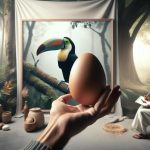
Did you know that toucans are not only famous for their vibrant beaks but also for their role in rainforest ecosystems? Drawing a toucan can be a delightful experience for artists of all skill levels, blending creativity with nature’s beauty. In this step-by-step guide, we’ll unlock the secrets of capturing this colorful bird on paper, whether you’re a beginner eager to pick up a pencil or an experienced artist looking to refine your skills.
As we embark on this artistic journey, you’ll discover easy techniques to enhance your drawing while appreciating the unique characteristics of toucans. By the end, you’ll not only have a beautiful rendering of this iconic bird but also a deeper understanding of its whimsical presence in the wild. So grab your supplies and get ready to bring a splash of tropical color to your canvas!
How to Choose the Right Materials for Drawing a Toucan
Choosing the right materials for drawing a toucan is essential for capturing the vibrant essence of these magnificent birds. Toucans are often recognized for their strikingly colorful beaks and vivid plumage, making them a favorite subject for artists. The materials you choose can significantly affect not only the outcome of your artwork but also your overall experience during the creative process.
Start with a solid foundation by selecting high-quality paper. If you’re working with pencils or charcoal, opt for a textured paper that can hold layers and erasures effectively. For watercolors, a heavier watercolor paper (300 GSM) prevents warping and allows for better pigment absorption. Consider using a mixed-media paper if you plan on combining different mediums in your piece; it provides versatility without compromising quality.
When it comes to choosing your drawing tools, you have a multitude of options:
- Pencils: A range of graphite pencils (HB to 8B) will allow you to achieve varied shading and detail in the outlines and textures.
- Colored Pencils: Opt for artist-grade colored pencils for richer pigments that can blend beautifully-a must for the vibrant colors of a toucan’s beak.
- Pastels: Soft pastels are excellent for creating lush, vibrant backgrounds and can bring life to the feathers with their rich colors.
- Markers: Alcohol-based markers provide a smooth application and can be layered for a variety of effects.
Don’t forget about additional tools like erasers and blending stumps, which can help refine your details and create smoother transitions in color. Engaging with these materials will not only enhance your artwork but also deepen your understanding of the toucan’s distinctive features as you work. Each tool brings its own character to the drawing process, allowing you to explore different techniques and styles in your toucan art.
Understanding the Unique Features of Toucans
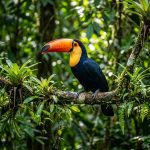
Toucans are iconic for their vivid plumage and oversized, colorful bills, making them one of the most fascinating subjects for artists. Their unique features extend beyond mere aesthetics; understanding these characteristics can greatly enhance your drawing skills. For instance, the toucan’s bill is not only an eye-catching element but also surprisingly lightweight due to its hollow structure, which enables them to forage effectively in their native tropical forests.
When sketching a toucan, pay close attention to its distinctive shape and proportions. The large, curving bill is a hallmark feature, often overshadowing its smaller body. Toucans boast a range of beak colors, from deep orange to vivid yellow, accompanied by contrasting patches of black, green, or red. This diversity allows for exciting color combinations in your artwork. Their plumage consists of a rich palette of colors, including vibrant blues, bright yellows, and striking reds, often accented with bold patterns. By focusing on these variations, you can create depth and vibrancy in your drawings.
Another intriguing aspect of toucans is their social behavior. They are generally seen in small flocks, which can influence how you depict them in context. Including multiple toucans in a scene can showcase their social interactions, such as preening or calling to one another, adding a sense of life and movement to your artwork. Understanding these behavioral nuances not only helps in creating more accurate representations but can also inspire unique compositions that reflect the toucan’s lively nature.
As you prepare to draw, consider studying reference images or observing toucans in nature, if possible. Explore various angles and perspectives to capture their features dynamically. This will help enhance your understanding and allow you to replicate their essence in your art, ensuring a more authentic and engaging final piece.
Step-by-Step Tutorial: Sketching the Toucan Outline
To create a captivating depiction of a toucan, starting with the outline is crucial. A well-drafted outline not only sets the foundation for your artwork but also establishes the proportions and positioning essential for this striking bird. Begin by observing reference images of toucans, focusing on the overall shape and posture which are key to capturing their unique characteristics.
Start with a rough sketch of the basic shapes. Use simple geometric forms to represent the main body, head, and bill. The toucan’s body can be visualized as an oval, while the head is a smaller circle attached at the top. Make sure to emphasize the bill; it is disproportionately large, so you might want to draw it first to ensure its size is appropriately represented. Remember, the bill should curve downwards and have a pronounced shape, which is essential for defining the toucan’s identity.
Once you have the basic shapes in place, refine your sketch by adding features like the eyes and the contour of the body. The eyes are generally round and positioned towards the front of the head, which gives the toucan a forward-looking expression. From here, carefully outline the bill’s edge, noting the color transitions and patterns that appear in the polished feathers. Don’t rush through this part-great detail at this stage will pay dividends later when you start shading and coloring.
Finally, erase any overlapping lines and adjust any proportions as necessary to capture the essence of a toucan accurately. Take a step back and view your outline from a distance. This helps to identify any distortions or areas that need adjustment. Your goal is to have a clean and accurate outline that makes the next steps-coloring and detailing-much clearer, setting you up for a vibrant and striking final piece.
Adding Color: Techniques for a Vibrant Toucan
To capture the vibrant essence of a toucan in your artwork, the use of color is critical. Toucans are renowned for their brilliantly colored feathers and distinctive bills, which offer great opportunities for artistic expression. A well-thought-out coloring technique can enhance the vibrancy of your toucan and bring it to life on the page.
Begin by selecting your medium. Whether you prefer colored pencils, watercolors, or acrylic paints, each medium offers unique benefits. For instance, colored pencils can create fine details and allow for control over shading, while watercolors offer a fluidity that can replicate the soft transitions in feather colors. Regardless of the medium you choose, start with the lighter hues first. This technique allows you to build depth gradually. With a toucan, think of using yellows and oranges for the body feathers, which can then be layered with reds and blacks to show shadow and depth.
When applying color, pay special attention to the toucan’s bill, which displays a rainbow of colors. Use bold strokes of yellow, orange, and red, blending them with a subtle touch of blues and greens at the edges. Employ techniques like stippling or light brush strokes to mimic the texture of the feathers and create the illusion of shine on the bill.
Additionally, consider the environment around your toucan. Adding a background can enhance the vibrancy of your subject. Use contrasting colors that complement the toucan, such as lush greens or bright floral hues, to create a tropical feel that enhances the overall look.
Finally, don’t shy away from experimenting! Toucans’ colors can vary, and artistic interpretation can lead to stunning results. Engage with your creative instincts-try different blending techniques and unexpected color combinations to create a unique representation of these magnificent birds. Remember, the goal is to evoke the lively spirit of the toucan while honing your own artistic style.
Incorporating Background Elements for Depth
To truly elevate your toucan artwork, the background plays a pivotal role in creating depth and context. Imagine the lush rainforests or vibrant tropical settings that are natural habitats for these splendid birds. By incorporating a well-thought-out background, not only does your toucan become the focal point of the piece, but it also tells a story, transporting viewers into a vivid natural landscape.
Begin by sketching the outline of your background elements lightly with a pencil. This can include a variety of flora such as giant leaves, colorful flowers, and perhaps the silhouette of distant trees. The key is to create a harmonious blend that does not overshadow the toucan itself. Using colors that contrast yet complement the toucan will enhance the visual impact. For example, if your toucan features bold yellows and blacks, consider using soft greens and blues for the foliage. This contrast creates a visual pop, allowing the toucan to stand out while still being part of its environment.
When applying color to your background, think about layering. Using a wet-on-wet technique in watercolors can lead to beautiful blended effects that mimic the soft transitions of light and shadow in a natural setting. For acrylics, utilize a dry brush technique to create texture in trees or ground elements that suggest depth. Incorporating shadows behind larger leaves or branches can further add dimension, making the toucan appear more dynamic and alive within its habitat.
Finally, remember that the interaction between your toucan and the background is crucial. Consider adding elements like a tree branch for the toucan to perch on or overlapping leaves that frame the bird, guiding the viewer’s eye directly to it. This layered approach will not only enrich your composition but will also showcase your understanding of the toucan’s place in the ecosystem, enhancing both the artistry and the narrative of your piece.
Tips for Capturing Realistic Feather Textures
To create truly lifelike representations of toucan feathers, it’s essential to capture the unique textures and intricate patterns that define these stunning birds. The feather structure of a toucan is not just visually striking but is also varied, with rich color gradients and a subtle gloss that can be challenging to replicate on paper. By understanding the feather anatomy and employing specific techniques, artists can add depth and realism to their drawings.
A great starting point is to focus on layering your colors strategically. Toucans often display a range of colors within a single feather, which means that using a mix of colored pencils or watercolors can create that nuanced appearance. Begin with a base layer in the lightest color of the feather, and gradually build up darker shades to enhance the shadows. For instance, if you’re working on a vibrant yellow feather, start with a light yellow and then blend in deeper hues of gold and orange to create dimension. Make sure to overlap various colors to mimic how light reflects off the feathers.
In addition to color layering, pay close attention to the direction of your strokes, emulating the natural growth patterns of the feathers. Use short, flicking motions for individual feather strands to convey the texture and softness. For the toucan’s tail, longer strokes can help depict the broader feathers effectively, while also suggesting movement. Highlighting the edges of some feathers with a lighter shade will add a sense of luminosity, making your toucan appear more three-dimensional.
Moreover, consider incorporating the use of highlights to emulate the iridescent quality of toucan feathers. A simple gel pen or a white pencil can work wonders for this purpose. Apply these highlights sparingly along the edges of the feathers, where they naturally catch the light. This small detail can significantly elevate your artwork, giving it a polished and realistic touch.
Lastly, observing real toucan photographs or live examples can provide invaluable insights into the specifics of feather texture and pattern. Pay attention to how the light plays across their plumage and take notes on the subtle color shifts. Bringing these observational skills into your drawing practice will empower you to capture the essence of the toucan’s gorgeous feathers, creating artwork that not only looks beautiful but also tells a story of this remarkable bird’s natural beauty.
Common Mistakes to Avoid When Drawing Toucans
When it comes to capturing the vibrant essence of a toucan in your artwork, there are several common pitfalls that can detract from your vision. One major mistake is neglecting the detailed anatomy of the toucan. While their bold colors may draw your eye, it’s essential to understand their unique features, such as the shape of their beak and the arrangement of their feathers. A misrepresentation in these areas can make your drawing look unnatural. Spend some time studying photographs of toucans to appreciate their structure before putting pencil to paper.
Another frequent error is over-reliance on outlines. While outlines can provide a foundational structure, relying solely on them can result in flat, two-dimensional artwork. Instead, integrate shading and color variation within your sketch to create depth. Use soft, gradual transitions rather than harsh lines to give a more lifelike appearance to your toucan. Remember that the beauty of a toucan lies not just in its striking colors but also in the subtle nuances of light and shadow that define its form.
Additionally, many artists overlook the importance of background elements. A toucan perched on a branch surrounded by lush foliage evokes a sense of its natural habitat. Without these contextual details, your drawing may feel isolated and incomplete. Incorporate elements like leaves or flowers to add depth and interest, which will not only enhance your composition but also showcase the toucan’s vibrant features against a dynamic backdrop.
Lastly, it’s crucial to embrace the process and not rush through it. Many beginners push to finish quickly, missing opportunities for refinement and exploration. Take your time to layer colors thoughtfully, adjust details, and step back to evaluate your work. This patience will transform your artwork from a simple representation into a vivid portrayal of these magnificent birds, allowing their beauty to truly shine.
Exploring Different Art Styles for Toucan Drawings
When exploring the myriad ways to interpret the striking beauty of toucans in your art, it’s essential to recognize that each style can highlight different aspects of this fascinating bird. From the vivid realism that captures their exact colors and proportions to abstract representations that transform these features into emotions and forms, the possibilities are as diverse as the toucan species themselves. Engaging with various art styles not only broadens your creative repertoire but can also deepen your appreciation for these remarkable creatures.
One popular approach is realism, where artists strive to depict toucans with precision, focusing on meticulous details of their feathers, beaks, and surroundings. This style emphasizes the accurate representation of light and shadow, creating a lifelike portrayal that resonates with birdwatchers and nature enthusiasts alike. Spending extra time observing toucans in photographs or in nature can enhance your ability to capture their unique attributes. Aim to replicate not just their colors but also their texture and form using techniques like glazing or layering watercolors.
Alternatively, consider the impressionistic style, which offers a more subjective take on toucans. Rather than focusing on minute details, impressionism encourages the use of vibrant colors and loose brush strokes to convey the essence of the bird. This approach allows for an exploration of mood and emotion, inviting viewers to feel the warmth of a tropical setting alongside the toucan. Experiment with this style by using impasto techniques to create a textured effect, making your artwork dynamic and engaging.
Abstract art can also provide a refreshing way to depict toucans. In this style, artists might deconstruct the toucan’s features into geometric shapes or playful patterns, allowing the colors and forms to evoke feelings rather than form a direct representation. This method can be particularly liberating for beginners or artists looking to break free from traditional constraints. You might use bold colors and unconventional shapes to suggest the toucan’s joyful nature without being tethered to realism.
Finally, mixed media is an exciting avenue to explore. By combining various materials-such as collage items, paint, and ink-you can create a multidimensional representation of toucans that reflects their rich textures and colors in an innovative way. This style gives you the freedom to experiment and make your artwork truly unique, integrating natural elements like leaves or feathers to enhance your connection to the subject.
- Realism: Focusing on detail and accuracy to construct lifelike representations.
- Impressionism: Using vibrant colors and loose strokes to capture the essence and mood.
- Abstract: Deconstructing features into shapes and forms to evoke emotion.
- Mixed Media: Combining various materials to create unique, textured representations.
By delving into these different styles, you can find one that resonates with you personally while celebrating the beautiful toucan in your own distinctive way. Each method allows you to capture the essence of this delightful bird while encouraging your artistic growth.
Inspirational Toucan Art: Notable Artists and Styles
The vibrant and striking features of toucans have inspired countless artists, showcasing their beauty in various forms through art. From traditional paintings to modern illustrations, engaging with toucan art can ignite creativity and appreciation for this remarkable bird. Notable artists have made a significant impact on how we perceive toucans in art, each bringing their unique style and interpretation to their work. Exploring their contributions can provide both inspiration and techniques for your own artistic endeavors.
One artist known for his vivid representations of tropical wildlife, including toucans, is Franz Lichtenegger. His acrylic paintings often highlight the intricate patterns of toucan feathers and the vivid landscapes they inhabit, using a blend of realism and expressive brush strokes. This style emphasizes texture and form, encouraging artists to experiment with color saturation and layering techniques. Observing Lichtenegger’s art can be incredibly beneficial for those looking to capture the lush vibrancy of toucans in their work.
Moving toward digital art, Paulina Abarca is a contemporary illustrator who incorporates toucan motifs into her whimsical creations. Her playful use of colors and shapes reflects the essence of the toucan’s joyful nature. Abarca’s work exemplifies how artists can use digital mediums to experiment with patterns and textures, leading to fresh interpretations of these birds. For aspiring artists, studying her process can reveal the potential of digital tools to create stunning and engaging animal art.
Beyond these individual artists, the Tropical Art Movement has fostered a community dedicated to celebrating and interpreting the inherent beauty of creatures like toucans. This movement encourages artists to delve into various styles, from impressionism to abstract interpretations, each contributing a unique perspective on the toucan’s form. The emphasis on diversity in representation helps artists grow; they can explore different techniques and narrative expressions that resonate with them personally while connecting with the characteristics of these beautiful birds.
By drawing inspiration from established artists and movements, you can enhance your artistic practice. Consider attending workshops or participating in online forums where toucan art is a central theme. Engaging with other artists not only broadens your skill set but also nurtures a supportive environment that celebrates creativity and nature alike. Remember, art is about exploration, and the world of toucans offers boundless opportunities for your creative journey!
Engaging with the Community: Sharing Your Toucan Art
Sharing your toucan art can be an exhilarating experience that not only showcases your creativity but also opens doors to valuable feedback and community connections. Online platforms such as social media, art forums, and dedicated art websites offer fantastic opportunities to engage with fellow enthusiasts who share your passion for these vibrant birds. By participating in these communities, you can gain insights and encouragement that can inspire your future projects.
When sharing your artwork, consider using hashtags and joining groups specifically focused on bird art or natural illustrations. This visibility can help your work reach a broader audience, allowing you to connect with other artists and art lovers who appreciate your depiction of toucans. Engaging in discussions, sharing your creative process, and providing feedback on others’ works can enrich your artistic journey, fostering a sense of belonging within the community.
In addition to online platforms, consider local art shows and exhibitions that celebrate wildlife art. These venues often provide a critical space for feedback and connections with experienced artists. Participating in such events not only allows you to display your art but also to learn from the diverse interpretations of toucans by other creators, which can enhance your own techniques and perspectives.
Don’t forget to document your artistic progress and share it in your online journey! Posting before-and-after shots, or even time-lapse videos of your drawing process, can captivate your audience’s attention and provide aspiring artists with insights into how you achieve your vibrant results. Engaging with your audience personally through live art sessions or Q&A posts can also create a deeper connection, transforming your art-sharing experience from a passive display into an active dialogue that fosters mutual growth and appreciation.
Resources for Further Learning: Books and Online Courses
To truly master the art of drawing toucans, diving into a variety of resources can significantly enhance your skills and knowledge. There are numerous books and online courses that cater to different learning styles, whether you’re a beginner eager to learn the basics or an experienced artist looking to refine your techniques.
One highly recommended book is “The Complete Guide to Drawing Birds” by John Muir Laws. This comprehensive guide offers practical advice on bird anatomy, posture, and features, specifically tailored for artists. It’s filled with step-by-step instructions and helpful illustrations that can guide you in accurately depicting a toucan’s distinct characteristics.
For those who prefer online learning, platforms like Skillshare and Udemy feature specific courses focused on bird drawing. Courses such as “Bird Drawing Essentials” provide video tutorials that break down the drawing process into manageable steps, making it easier to follow along at your own pace. Additionally, many of these platforms allow you to interact with instructors and join discussions with fellow students, enhancing your learning experience.
Another valuable resource is YouTube, which has a plethora of channels dedicated to drawing tutorials. Creators like Art with Trista often share their techniques for drawing various animals, including birds, giving you visual guidance that can be incredibly beneficial.
Lastly, engaging with local libraries or bookstores can uncover hidden gems like “Drawing and Painting Birds” by A. B. Hipkiss, which focuses on painting techniques that can make your toucans come alive with vibrant colors. Collecting a mix of books and digital resources will not only expand your artistic library but also provide ongoing inspiration and practical techniques to help you capture the beauty of these fascinating birds in your artwork.
Frequently Asked Questions
Q: What materials do I need to draw a toucan?
A: To draw a toucan, gather the following materials: high-quality drawing paper, graphite pencils for sketching, erasers for corrections, and colored pencils or markers for vibrant color application. These tools will help you capture the toucan’s unique features effectively. Refer to the “How to Choose the Right Materials for Drawing a Toucan” section in the article for more details.
Q: How can I achieve realistic feather textures when drawing a toucan?
A: To achieve realistic feather textures, use layering techniques with colored pencils or pastels. Start with a base color and gradually add lighter and darker shades to create depth. Incorporate finer details with a sharp pencil for individual feather strokes. For specific tips, check the “Tips for Capturing Realistic Feather Textures” section.
Q: What are the key features of a toucan to focus on while drawing?
A: Key features to focus on include the toucan’s large, colorful beak, distinct eye markings, and unique plumage patterns. Emphasizing these characteristics will bring your drawing to life. More insights can be found in the “Understanding the Unique Features of Toucans” part of the article.
Q: Should I use reference images when drawing a toucan?
A: Yes, using reference images is crucial for accuracy and inspiration. They help you understand the proportions and colors of a toucan. Consider keeping a few images handy while working through the drawing process.
Q: How can I add background elements to my toucan drawing?
A: To create depth, add background elements like tropical leaves or a sky. Use softer color tones to ensure the toucan stands out while integrating it with the setting. For more guidance, refer to the section “Incorporating Background Elements for Depth.”
Q: What are some common mistakes to avoid when drawing a toucan?
A: Common mistakes include incorrect proportions, overly dark outlines, and neglecting the texture of feathers. To avoid these, take your time during the sketching phase and refer to the “Common Mistakes to Avoid When Drawing Toucans” section for further tips.
Q: How can I improve my toucan drawing skills over time?
A: Practice regularly and seek feedback from your art community. Participate in art forums and workshops to learn new techniques. You can also explore the “Resources for Further Learning: Books and Online Courses” section for additional growth opportunities.
Q: What art styles can I explore when drawing toucans?
A: You can experiment with various art styles such as realism, abstract, or cartoon. Each style offers a different approach to presenting the toucan. For more on this, check out “Exploring Different Art Styles for Toucan Drawings” in the article.
Closing Remarks
Congratulations on completing your journey to draw a toucan! You’ve unlocked a creative skill that’s not only fun but also an excellent way to express your love for these vibrant birds. Remember, practice makes perfect, so don’t hesitate to revisit our step-by-step guide if you wish to refine your skills. Want to learn more? Explore our related guides on how to draw other exotic birds or check out our article on birdwatching tips to deepen your appreciation for these remarkable creatures.
Feeling inspired? Share your creations with us in the comments or on social media-your art could spark creativity in someone else! And for those eager to dive deeper into the world of art and nature, consider signing up for our newsletter to stay updated with the latest tips, tricks, and tutorials. Your artistic adventure doesn’t have to end here; take the next steps to continue drawing, exploring, and enjoying nature. Happy drawing!
Get our latest guides, news, and insights highlighted in your Google Search & AI Overviews.