

Did you know that Toucan Sam, the colorful mascot of Froot Loops, has delighted cereal lovers since 1963? This vibrant bird has become a staple of breakfast culture, but many fans wonder: how old is he, really? Understanding Toucan Sam‘s age and timeline not only adds depth to your appreciation of this iconic character but also reveals how marketing and pop culture have evolved over the decades. As you dive into this exploration, you’ll learn about his origins, the changes he has undergone, and what keeps him relevant in today’s world. Stick around to discover the fascinating story behind this beloved toucan and why he continues to capture the hearts of both kids and adults alike!
How Did Toucan Sam Come to Life?
Toucan Sam’s vibrant existence began in 1963, born from the creative mind of artist Manuel R. Vega. Originally envisioned as a charismatic and colorful mascot for Froot Loops cereal, this delightful character was designed to captivate children and adults alike with his personality and distinctive looks. Vega drew inspiration from the tropical toucans that inhabit Central and South America, integrating bright colors and a playful demeanor that would become hallmarks of Toucan Sam’s character. His alluring appearance, with his iconic blue feathers and rainbow-colored beak, was crucial in making him a recognizable figure in cereal marketing.
The character’s debut on television marked a key moment in advertising history. Mel Blanc, renowned for his work with Looney Tunes, became the voice that breathed life into Toucan Sam. His infectious enthusiasm and catchy phrases, such as “Follow your nose!,” created an immediate connection with audiences, enhancing the character’s popularity. This clever use of voice acting not only made Toucan Sam memorable but also laid the groundwork for future animated mascots in the industry. Over the years, Toucan Sam has evolved, adapting his design and style to remain relevant while keeping the core traits that fans have adored since his inception.
As part of his ongoing journey, Toucan Sam has been featured in various advertising campaigns, television spots, and even video games, solidifying his place in pop culture. He is not just a mascot but a symbol of nostalgia for many who grew up enjoying Froot Loops. The enduring appeal of Toucan Sam serves as a reminder of the creativity and ingenuity that go into character design and marketing, keeping him alive in the hearts and minds of consumers for decades.
The Evolution of Toucan Sam’s Character Design
Toucan Sam’s journey through the world of cereal advertising is as colorful and vibrant as the character himself. Since his introduction in 1963, his design has undergone several transformations aimed at making him more appealing to contemporary audiences while preserving the essence that fans cherish. Initially, Toucan Sam was a creature of simple lines and bold colors, primarily blue and orange, designed to be eye-catching and distinct. Over the decades, his appearance has evolved in response to shifts in design trends, such as the transition to the more rounded, playful aesthetic known as the CalArts style, which has become prevalent in children’s media.
One notable change occurred in 2013, when Kellogg’s reimagined Toucan Sam for a new generation. This redesign emphasized a sleeker body, exaggerated features, and a brighter palette, giving him a friendlier, more approachable look. Critics had mixed feelings about this transformation; some claimed it strayed too far from his classic charm, while others appreciated the fresh appeal that aligned with modern sensibilities[1][2]. Each iteration reflects an understanding of evolving consumer tastes and the nostalgia associated with the character, ensuring that Toucan Sam remains relevant after more than six decades.
The longevity of Toucan Sam in the marketing landscape is not just due to his visual appeal but also the crafted narrative around his character. He embodies adventure and exploration, which resonates with young audiences and parents alike, creating a lasting connection that goes beyond just a cereal mascot. The evolution of his design is complemented by his role in various advertisements, where he invites children to join him on a quest for tasty, colorful Froot Loops, allowing them to imagine a journey of flavor and fun[3]. As he continues to adapt to the times, Toucan Sam exemplifies how character design and marketing strategies can intertwine to create a beloved icon that withstands the test of time.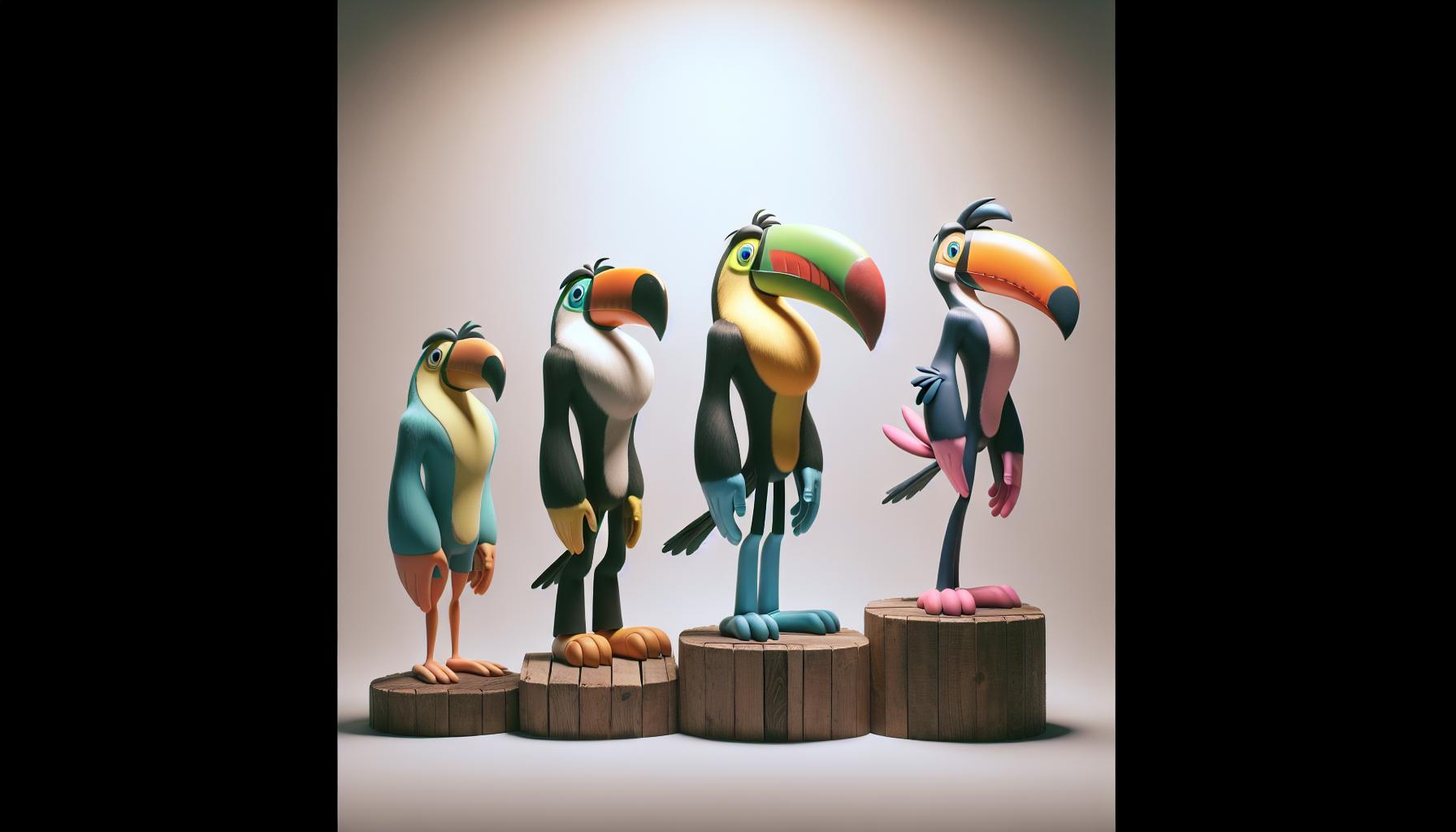
When Was Toucan Sam First Introduced?
Toucan Sam made his grand debut in 1963 as the vibrant mascot for Kellogg’s Froot Loops cereal, captivating the hearts of children and adults alike. Created by the advertising agency Leo Burnett, his colorful design and cheerful personality were crafted to stand out in a crowded cereal market, which was rapidly evolving to attract young consumers. His introduction coincided with a booming era of animated advertising, where characters like Toucan Sam could engage viewers while highlighting the product’s unique selling points.
Initially, Toucan Sam was depicted with simple design traits-bold colors and a large, friendly beak-that made him instantly recognizable. His role was to guide children on a whimsical journey, encouraging them to follow their taste buds on a quest for the colorful, fruity flavors found in Froot Loops. This thematic element of exploration was not just about promoting cereal but also about inspiring a sense of adventure and curiosity, qualities that appealed to the playful nature of the young audience of the time.
Over the decades, Toucan Sam has proven to be more than just an ad character; he has become a cultural icon whose influence has extended beyond the cereal aisle. His continuous presence in advertisements has allowed him to adapt to changing societal norms and tastes, remaining relevant in an era where children’s media is constantly evolving. This adaptability is a testament to the thoughtful foundation laid during his introduction, which has allowed him to traverse the landscape of advertising while retaining his core essence of fun and flavor.
Today, as we look back at his humble beginnings, it’s clear that Toucan Sam’s introduction was not just a launch of a character, but an invitation to adventure that would charm generations and solidify a legacy in the world of advertising.
Exploring the Iconic Voice of Toucan Sam
Toucan Sam’s voice has played a pivotal role in bringing this beloved mascot to life, enchanting audiences with a unique blend of charm and enthusiasm. The character first took flight in 1963, and since then, several talented voice actors have stepped into the role, each contributing to the Toucan Sam legacy. Initially brought to life by the legendary Mel Blanc, known for voicing many iconic characters, Toucan Sam’s voice was characterized by its vibrant and playful essence, perfectly matching his colorful personality and the whimsical world of Froot Loops.
Over the years, other actors have continued this legacy, making their mark on how Toucan Sam is perceived. Most notably, voice actor Paul Frees took over from Blanc, breathing new life into the character during the 1970s and 1980s. His distinct delivery helped to solidify Toucan Sam’s presence in advertising and media. More recently, Colin Cassidy has been recognized as the voice of Toucan Sam, bringing a fresh yet familiar energy to the iconic character, as shared on Instagram.
The role of Toucan Sam’s voice reflects not just the evolution of the character, but also the changing landscape of advertising strategies aimed at children. The voice embodies the essence of exploration and adventure that the Froot Loops brand represents. It invites children on a delightful journey filled with fruity flavors and colorful experiences that have become synonymous with enjoying cereal. This ability to adapt while maintaining core characteristics illustrates how Toucan Sam has remained relevant, evolving alongside modern audiences while preserving the engaging, adventure-seeking spirit that fans adore.
Through these various voice actors, Toucan Sam has not only engaged generations of children but has also evolved into a cultural icon. His voice, like his colorful plumage, captures the imagination, enticing kids to follow their taste buds into a world bursting with flavor and fun. As we consider how old Toucan Sam is in canon-celebrating over six decades since his debut-it’s clear that his voice is integral to his timeless appeal and essential to understanding his place in both advertising history and pop culture.
The Role of Toucan Sam in Advertising History
Toucan Sam has fluttered through the world of advertising since the early 1960s, captivating audiences with his colorful persona and playful spirit. His introduction marked a significant step in cereal marketing, transforming how brands engaged with children and families. In a time when many products relied on generic mascots or simple slogans, Toucan Sam emerged as a lively character brimming with personality, helping to establish Froot Loops as a key player in the breakfast cereal market.
This beloved toucan wasn’t just an addition to the cereal box; he became synonymous with the very essence of the brand. His adventures often depicted an exploration of vibrant fruit flavors, effectively stimulating children’s imaginations and enticing them to indulge in the playful experience that Froot Loops represented. Advertising strategies evolved to focus on storytelling, and Toucan Sam thrived in this environment, whisking viewers away on a fruity adventure, highlighted by his catchphrase, “Follow your nose!” This blend of adventure and flavor united the brand’s identity with a sense of fun and curiosity, making cereal more than just a breakfast item.
Toucan Sam’s impact on advertising is also reflected in his evolution alongside changing marketing trends. Initially, he was a vibrant figure in animated commercials, captivating audiences with catchy jingles and whimsical narratives. As television and media evolved, so did Toucan Sam, transitioning into a digital age where he appeared in mobile apps, social media, and even augmented reality experiences. Each iteration allowed the brand to connect with audiences in fresh, innovative ways, securing his relevancy across generations. The versatility of his character has not only made him an enduring figure but also a key element of savvy marketing that resonates with kids and parents alike.
In the broader context of advertising history, Toucan Sam serves as a prototype for successful brand mascots, illustrating how character-driven marketing can establish emotional connections with consumers. This approach has influenced numerous brands to create their own mascots in a bid to capture the hearts of young audiences. As a pioneer in this space, Toucan Sam has shown that a well-crafted character can become a timeless icon, embodying the spirit of a brand while simultaneously engaging and inspiring consumers. His legacy continues to influence new generations, reminding us of the power of imagination in advertising.
How Old Is Toucan Sam in Canon?
Toucan Sam, the colorful embodiment of Froot Loops, is often perceived as a timeless figure in the world of breakfast cereals. But in terms of character age, it’s intriguing to consider that he has been captivating audiences since his introduction in 1963, which places his canonical age at a remarkable 62 years as of 2025. This longevity is not merely a result of nostalgia; it speaks volumes about his character’s adaptability and charm that resonate with new generations of cereal enthusiasts.
Since his debut, Toucan Sam has evolved from a classic animated mascot into a multidimensional character that reflects changing marketing landscapes. For instance, his adventures have journeyed through various media, transitioning from television commercials filled with catchy jingles to vibrant online and mobile advertising strategies. This evolution allows him to appeal to a broad audience, incorporating modern elements that maintain his relevance in contemporary culture.
Through the years, Toucan Sam’s age hasn’t hindered his appeal; instead, it has empowered his status as a nostalgic icon. His timeless catchphrase, “Follow your nose!” encourages children to embrace their curiosity while also reinforcing the fun associated with enjoying Froot Loops. Just as the breakfast cereal has remained popular for its unique flavors and colors, Toucan Sam has also successfully navigated changes in consumer preferences and media trends, reflecting the age-old connection between beloved brands and their mascots.
Understanding Toucan Sam’s timeline offers a fascinating insight into not only his character’s age but also the evolution of marketing strategies over the decades. His continued presence in advertising demonstrates that good characters can truly stand the test of time, making them not just mascots but cherished companions in our childhood memories.
Unpacking the Timeline of Toucan Sam’s Appearances
From his vibrant debut in 1963, Toucan Sam has had a consistently engaging presence that has evolved with the times. Initially introduced to promote Kellogg’s Froot Loops, he quickly became a staple of children’s breakfast experiences, known for his colorful plumage and cheerful personality. Over the decades, his appearances have shifted in style, channeling the changing landscape of advertising and media consumption.
His initial foray into the public eye was through television commercials where he charmed audiences with his catchy phrases and whimsical adventures. As the cartoon mascot for Froot Loops, Toucan Sam’s timeless catchphrase, “Follow your nose!” guided children toward the cereal’s enticing flavors, melding the act of eating breakfast with imaginative exploration. This concept made his character relatable and memorable, fueling a loyal fan base.
The Shifting Scene of Appearances
As the world of media transformed, so did Toucan Sam. The late ’90s and early 2000s saw a significant transition: he began appearing not only in traditional commercials but also in interactive games and online content. These adaptations showcased his versatility, keeping him relevant as new generations of children discovered him through various platforms, including mobile apps and web-based experiences.
More recently, Toucan Sam has embraced social media, taking advantage of platforms like Instagram and TikTok to connect with younger audiences. His presence in these spaces not only innovates how brands interact with consumers but also reinforces his role as a cultural icon. He remains a figure that encourages curiosity and creativity, drawing kids into the magical world of Froot Loops through fresh and engaging narratives.
Thus, the timeline of Toucan Sam’s appearances reflects not just the longevity of a beloved character but also the evolution of marketing strategies and media consumption. His adaptability in keeping up with trends is a testament to his enduring charm and relevance, ensuring that he will continue to resonate with future generations.
The Impact of Toucan Sam on Pop Culture
Toucan Sam’s influence on pop culture is as vibrant and rich as his colorful plumage. Since making his debut in 1963, he has transcended the role of a mere cereal mascot to become a cultural icon associated with childhood and the joy of breakfast. His catchy tagline, “Follow your nose!” resonates beyond the marketing sphere, symbolizing an adventurous spirit and a sense of curiosity that many people carry into adulthood. This phrase has ingrained itself into everyday language and is often referenced in various forms of media, showcasing how effective branding can create lasting connections.
Over the years, Toucan Sam has made appearances beyond commercials-he has become a fixture in animated shorts, children’s books, and even video games. This widespread media presence has solidified his status as a recognizable figure who embodies fun and imagination. Furthermore, his character resonates with audiences worldwide, allowing for cross-cultural adaptations and experiences, which has expanded his appeal far beyond the borders of the United States.
The impact of Toucan Sam isn’t limited to nostalgia; he represents a shift in advertising strategies, particularly aimed at children. As studies suggest that familiar media characters can significantly influence children’s food choices, Toucan Sam stands at the center of conversations regarding marketing ethics. His enduring presence in a landscape of ever-evolving media consumption highlights the balance between engaging marketing and promoting healthy choices, making him a recurring topic in discussions about childhood nutrition and advertising regulations.
In an era where social media dominates, Toucan Sam continues to adapt, connecting with new generations through platforms like TikTok and Instagram. These modern outreach strategies not only maintain his relevance but also foster a community around him, where fans share creative content centered on Froot Loops and his whimsical adventures. This has led to a resurgence of interest in the character, proving that even a beloved mascot from the ’60s can evolve and remain significant in today’s fast-paced, digital world. Through his impactful evolution, Toucan Sam has not only become a breakfast staple but also an indelible part of contemporary pop culture.
Comparing Toucan Sam to Other Mascots
Toucan Sam has become a remarkable emblem in the world of advertising, but how does he stack up against other beloved mascots? From cereal to fast food, mascots have played crucial roles in how brands connect with consumers, especially children. Unlike many mascots that come and go, Toucan Sam has remained a central figure in marketing strategies for over six decades, making him a standout in the landscape of character branding.
One major distinction is his unique design and character traits. While many mascots lean heavily on anthropomorphism, Toucan Sam’s avian nature allows for both a playful and adventurous persona without straying too far from his origins. His bright colors and distinctive parrot-like beak not only capture attention but also symbolize fun and excitement-aligning perfectly with the spirit of Froot Loops cereal. In comparison, characters like Tony the Tiger or Ronald McDonald tap into different archetypes; Tony exudes strength and athleticism, while Ronald embodies whimsy and family friendliness. Each mascot serves its purpose depending on the product’s intended message and audience.
Moreover, Toucan Sam’s catchphrase, “Follow your nose!” invites curiosity and exploration, setting him apart as a guide in the pursuit of a flavorful breakfast adventure. This tagline is not just memorable; it encourages children’s imaginations and highlights the adventurous elements of food choices, establishing an emotional bond that goes beyond mere product promotion. Other mascots may use similar tactics, but few have managed to integrate such a calling to adventure into their brand messaging as effectively as Toucan Sam.
A key component of Toucan Sam’s longevity and relevance is his adaptability. As social media shapes consumer engagement, he has transitioned seamlessly into modern platforms, keeping young audiences interested and involved. Mascots like the Green M&M or even the Geico Gecko have also embraced digital media, but few have managed to maintain a legacy over decades like Toucan Sam. The ability to evolve while retaining key characteristics is a hallmark of successful mascots, and Toucan Sam continues to reflect this ideal within an ever-changing marketing landscape.
Ultimately, reveals not only individual strengths and roles within advertising but also illustrates how cultural significance and lasting appeal can elevate a character to iconic status. His representation of fun, curiosity, and adventure makes him a timeless figure, capable of charming generations of cereal lovers around the world.
Fan Theories and Lore Surrounding Toucan Sam
The vibrant world of Toucan Sam is brimming with intriguing fan theories and lore that highlight not only his enduring charm but also the imagination of his audience. One captivating speculation revolves around the origins of Toucan Sam’s distinctive appearance. Fans often debate whether his unique coloring-a vivid palette of reds, blues, and yellows-was inspired by actual toucans or serves as a symbolic representation of the bright and fruity flavors of Froot Loops. This connection between the character and the cereal evokes a sense of playfulness that aligns perfectly with his role in promoting a breakfast adventure.
Another prominent theory suggests that Toucan Sam’s character is a whimsical portrayal of the archetype of the “guide.” His famous catchphrase, “Follow your nose!” resonates with many who view him as a mentor figure for children on an exploration of deliciousness. This guide role is further emphasized through various storylines in commercials where he leads children on playful quests for the colorful cereal, adding depth to his character beyond mere branding. This notion engages audiences by encouraging curiosity and an adventurous spirit, reflecting broader themes of exploration found in childhood experiences.
Furthermore, some fans have delved into speculations regarding Toucan Sam’s potential age. Considering he was introduced in 1963, discussions often center around how this timeline influences his personality and behavior. Is he a timeless, ageless figure in a perpetually youthful state, or does his long history imbue him with a wisdom that translates into his interactions with children? This openness to interpretation enriches the character’s lore, allowing for a more nuanced understanding of his adventures.
As we explore the lore surrounding Toucan Sam, it’s clear that he has transcended the role of a mere cereal mascot to become a beloved figure in pop culture. His ability to engage audiences of all ages, combined with the playful fan theories and narratives that evolve over time, ensures that the legacy of this colorful toucan will continue to delight and inspire generations to come.
What Makes Toucan Sam Timeless?
Toucan Sam remains a beloved figure more than six decades after his introduction, carving a unique niche in the world of advertising and children’s consciousness. What makes him timeless is not just his vibrant, colorful design or catchy phrases, but also his ability to evolve while maintaining a core identity that resonates with audiences. His enduring popularity can be attributed to several key factors that seamlessly intertwine nostalgia, cultural relevance, and character adaptability.
One of the most significant aspects of Toucan Sam’s timelessness is his innate connection to childhood experiences and exploration. His enthusiastic invitation to “Follow your nose!” serves as a charming prompt for curiosity, encouraging children to engage in adventures centered around taste and discovery. This approach aligns perfectly with the exploratory nature of childhood, making him an relatable guide in a world filled with possibilities. His joyful demeanor and commitment to fun reinforce a connection that many generations fondly recall, creating a sense of familiarity and comfort.
Additionally, Toucan Sam has successfully adapted to changing societal norms and consumer expectations over the years. From his initial depictions to his more recent appearances, the character has embraced modernization without losing the essence that defines him. This adaptability keeps Toucan Sam relevant in a fast-paced media landscape, allowing him to resonate with both older audiences who grew up with him and new generations discovering his adventures for the first time. His character design has evolved, reflecting current artistic styles while still remaining true to his original vibrant persona, ensuring that he remains visually appealing.
Moreover, Toucan Sam embodies spirited positivity and a playful sense of joy. Unlike some mascots that may have transitioned into more serious or edgy themes, Sam has maintained his cheerful aura, making him a wholesome figure that parents feel comfortable introducing to their children. This timeless positivity transforms him from a mere advertising tool into a cherished figure who stands for exploration and fun, further solidifying his place in contemporary culture.
Through his blend of nostalgia, adaptability, and positivity, Toucan Sam transcends the traditional boundaries of a mascot. He invites us into a world where childhood curiosity is celebrated, and joy is ever-present. His enduring charm ensures that he will remain a cultural icon as new generations eagerly await his colorful escapades.
Future of Toucan Sam in Media and Merchandise
Toucan Sam, the charming avian mascot of Froot Loops, has captured the hearts of generations since his debut in 1963. As we look towards the future of this beloved character, his evolution in media and merchandise reflects both nostalgia and modern innovation. Over the years, Sam has navigated changing cultural landscapes and consumer expectations while maintaining his colorful identity, making him an enduring presence in marketing.
In the realm of media adaptations, Toucan Sam continues to evolve, recently receiving a redesign that aims to blend contemporary aesthetics with his classic charm. Recent campaigns feature not only updated visuals but also fresh, vibrant storytelling that resonates with today’s audiences. This approach keeps the character relevant and appealing to both older fans who remember the original Sam and new viewers encountering him for the first time. The integration of digital platforms, such as interactive web content and social media engagement, is crucial in building a lasting connection with younger audiences, allowing them to participate in Sam’s adventures and share in the fun.
Additionally, the merchandise landscape surrounding Toucan Sam is expanding. With an increasing demand for nostalgic and character-branded products, Kellogg’s has broadened its range to include apparel, toys, and collectibles that capture the essence of Sam. Collaborations with various artists and designers for limited-edition merchandise not only appeal to collectors but also enhance brand engagement, showcasing Sam’s relevance in modern pop culture. The character’s imagery is versatile, allowing for everything from whimsical kitchenware to fun bedding sets, reflecting how deeply embedded he is in childhood experiences.
As we gaze into the future, we can expect Toucan Sam to not only remain a marketing staple but also an icon capable of adaptation and growth. His cheerful demeanor and connection to exploration will continue to inspire new content that encourages curiosity in children. By balancing the fresh and the familiar, Toucan Sam is poised to thrive in both media and merchandise, inviting multiple generations to “Follow your nose!” to delightful experiences.
Q&A
Q: When was Toucan Sam created?
A: Toucan Sam was created in 1963 by the advertising agency Leo Burnett for the cereal brand Froot Loops. He made his first appearance in television commercials that highlighted the colorful and fruity nature of the cereal, becoming an iconic mascot over the years.
Q: How has Toucan Sam’s design changed over the years?
A: Toucan Sam’s design has evolved from a more cartoonish look in the 1960s to a sleeker, vibrant appearance today. The character has been updated to reflect modern animation styles while retaining his recognizable features, such as his large beak and vibrant plumage.
Q: What is Toucan Sam’s significance in advertising?
A: Toucan Sam is significant in advertising as he represents Froot Loops’ fun and adventurous brand image. His engaging personality and catchy slogans have made him a memorable mascot, contributing to the overall success of the cereal brand and influencing marketing strategies for mascots in general.
Q: How old was Toucan Sam in his first advertisement?
A: Since Toucan Sam was introduced in 1963 and remains a perpetual character in the realm of advertising, he does not age in a traditional sense. In terms of canon, he is stylistically ageless, appealing to both nostalgic audiences and new generations alike.
Q: What are some memorable catchphrases used by Toucan Sam?
A: One of Toucan Sam’s most memorable catchphrases is “Follow your nose! It always knows!” This slogan highlights the character’s whimsical nature and connection to the fruity flavors of Froot Loops, making it an integral part of his charm.
Q: Has Toucan Sam appeared in any media outside of commercials?
A: Yes, Toucan Sam has appeared in various media beyond commercials, including animations, video games, and merchandise. His character has been featured in Froot Loops branding and promotional content designed to engage younger audiences, enhancing his cultural presence.
Q: What impact has Toucan Sam had on pop culture?
A: Toucan Sam has had a significant impact on pop culture, becoming a symbol of childhood for many. He has inspired countless parodies, fan art, and merchandise, and is often referenced in discussions about iconic advertising mascots.
Q: How does Toucan Sam compare to other cereal mascots?
A: Toucan Sam is often compared to other cereal mascots, such as Tony the Tiger and Cap’n Crunch, for his vibrant personality and memorable catchphrases. Unlike some mascots, Toucan Sam’s emphasis on adventure and exploration distinguishes him within the cereal category, appealing to a diverse audience.
The Way Forward
As we wrap up our journey exploring how old Toucan Sam is, it’s clear that this vibrant character has been captivating audiences for decades. Whether you’re reminiscing about childhood cereal commercials or discovering his colorful adventures for the first time, Toucan Sam continues to be a beloved figure in pop culture. So, what do you think? Share your thoughts below, and let’s keep the conversation going!
For more delightful content related to our feathered friend, check out our articles on the history of cereal mascots and the fascinating world of real toucans. Don’t forget to subscribe to our newsletter for exclusive updates and insights about your favorite characters and avian topics. Click here to explore further, and stay connected with the spirit of adventure that Toucan Sam embodies. Your next favorite find is just a click away-don’t miss out!
Get our latest guides, news, and insights highlighted in your Google Search & AI Overviews.










