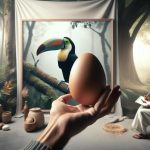
Did you know that the toco toucan, with its strikingly vibrant bill, is not only a symbol of tropical rainforests but also a beloved subject for artists? In this easy art tutorial, we’ll explore how to draw this magnificent bird step-by-step, perfect for both beginners and those looking to refine their skills. As you engage with the process, you’ll not only enhance your artistic technique but also learn about the toucan’s fascinating behaviors and characteristics, deepening your connection to this remarkable species. Whether you’re aiming to create a stunning centerpiece for your gallery wall or simply explore your creativity, this guide will provide you with tips and inspiration to bring your toucan drawing to life. So grab your pencils and let’s embark on this artistic adventure together!
Understanding the Basics of Toucan Anatomy for Drawing
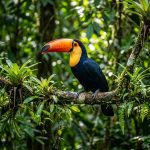
Drawing a toucan can be an exhilarating experience, especially when you appreciate the distinct anatomical features that make these birds so unique. With their iconic large bills and vibrant plumage, understanding a toucan’s anatomy helps artists capture their essence accurately. Toucans belong to the Ramphastidae family, characterized by their strikingly colorful feathers and oversized, serrated bills. This bill, despite its size, is lightweight, made primarily of a protein called keratin, which adds both visual drama and functional benefits to the bird’s diet and social interactions.
When observing toucan anatomy for drawing, highlighting the proportions is vital. The bill can be more than half the length of the bird’s body, creating a balance that is both whimsical and practical. The body itself is compact with a stout neck leading into a wide throat, which is essential for their feeding habits. Their vivid feathers often exhibit gradients of oranges, yellows, greens, and blacks, which can be reflected in your artwork using varying shades and textures. Pay attention to the posture as well; toucans frequently perch upright and often shift their heads in a dynamic way, which can add life to your drawings.
Additionally, examining the feet can provide insight for adding realism to your artwork. Toucans have zygodactyl feet, meaning they have two toes pointing forward and two pointing back, which aids in grasping branches while they hop and climb among the trees. Consider incorporating these details, as they not only enhance the overall realism but also the specific character of your toucan.
In summary, a solid understanding of toucan anatomy-focusing on their distinctive bill, body proportions, and foot structure-will set a strong foundation for your artistic endeavors. It invites a chance to explore their vibrant forms, encouraging both new and experienced artists to engage with these fascinating birds in a uniquely creative way.
Essential Materials for Your Toucan Art Tutorial
To embark on your toucan drawing adventure, having the right materials can make all the difference. Start with quality paper; a smooth drawing sketchpad is perfect for pencil sketches, while heavyweight watercolor paper works wonderfully if you plan to add color later. Visualizing those vibrant feathers requires tools that allow for both precision and flair, so have a variety of pencils on hand-from hard (H) pencils for fine lines to soft (B) pencils for rich textures and shading.
- Pencils: Choose a range from H to 6B for detailed lines and soft shading.
- Erasers: A kneaded eraser is great for lifting graphite without damaging the paper, while a regular one will serve for more general corrections.
- Coloring tools: Consider colored pencils, watercolors, or markers. Each can bring out the toucan’s stunning colors; colored pencils allow for detailed work, while watercolors can deliver soft gradients.
- Brushes: If you opt for watercolors, a couple of round brush sizes for detailing and washes will enhance your process.
- Reference Images: Acquire a couple of reference images of toucans in varying poses. This helps in observing their unique shapes and features, inspiring a more accurate representation in your art.
Once you’ve gathered your tools, you might want to consider where you’ll draw. A well-lit space can help you capture the bright colors and subtle details of a toucan’s anatomy. Natural light is ideal, but a good desk lamp can also work wonders. Your creative environment should inspire you, so personalize your workspace with bird photography or your favorite art pieces for added motivation as you draw this fascinating bird.
With these essentials at your fingertips, you’re well on your way to creating stunning toucan artwork that captures the beauty and vibrancy of these birds. Enjoy the process, and let your creativity take flight!
Step-by-Step Guide to Drawing a Toucan
Drawing a toucan can be an incredibly rewarding experience, especially when you capture their vibrant colors and unique shapes. To help you on this artistic journey, here’s a detailed step-by-step guide that breaks down the process into manageable chunks, making it accessible for both beginners and more experienced artists alike.
Start by lightly sketching the basic shapes that form the toucan’s body. Use simple geometric shapes; for instance, an oval for the body, circles for the head and eyes, and triangles for the beak. Position the shapes proportionally to ensure the toucan’s distinct features are recognizable. Once you’re satisfied with the placement, begin refining these shapes into a more defined outline. Remember to make the beak large and prominent; it’s one of the toucan’s most striking attributes.
Next, focus on adding detail to your outline. Toucans have a unique texture, so sketch in the feathers, paying attention to the flow and direction. Use short, curved lines to depict the feathers on the body and longer strokes for the tail. For the beak, consider the slight grooves and ridges that define its surface. This stage is crucial, as it transforms your basic shapes into a recognizable toucan figure.
Once the outline is complete, it’s time to start adding color. Toucans are known for their bold coloration; bright yellows, blues, and, of course, that beautiful beak coloration. Depending on your chosen medium-colored pencils, markers, or watercolors-layer your colors gradually. Begin with lighter shades and slowly build up to the darker, more vibrant tones. This method allows for better blending and depth, particularly in areas that require subtle transitions, like the feathers on the body.
Lastly, add finishing touches that bring your toucan to life. Consider incorporating highlights on the beak and eyes to suggest shine and dimension. You might also want to add a simple background-perhaps some tropical leaves or sky elements-to place your toucan in its natural habitat, enhancing your composition. Always step back periodically to view your work from a distance; sometimes, a fresh perspective can reveal areas that need adjustments.
Through each of these steps, take your time and let your creativity shine. Drawing is as much about the process as it is about the final product, so enjoy the journey of bringing this magnificent bird to life on your page!
Tips for Capturing a Toucan’s Unique Colors
Capturing the vibrant colors of a toucan is not just an artistic choice; it’s an essential part of what makes your drawing truly come alive. Known for their striking beaks and colorful plumage, toucans present a fantastic opportunity to experiment with bold color palettes. Observing a real toucan can significantly enhance your understanding of its colorations. In nature, these birds showcase a brilliant array of yellows, oranges, blacks, and blues, often with gradients that can be nuanced in your artwork.
To effectively incorporate these colors in your drawing, start by choosing the right materials. Using high-quality colored pencils or watercolors can make a dramatic difference. For instance, layering techniques can help you achieve depth and highlight the stunning texture found in a toucan’s feathers and beak. Always begin with lighter colors and gradually build up to darker shades. This not only allows for blending but also creates a more dynamic representation of light interacting with the feathers.
Understanding Color Theory
When selecting colors, refer to a color wheel for complementary hues that can enhance your drawing. For example, the bright yellow of a toucan’s chest can be beautifully complemented by the deep black of its back and wings. Using contrasting colors can make each section pop and enhance the vibrancy of your work. Pay special attention to the transitions between colors; smooth blends can mimic the natural gradients seen in a toucan’s plumage.
Practical Tips for Color Application
- Layering: Start with lighter tones, such as pale yellows or greens, and then add darker colors, such as deep blues for shadow areas and rich oranges or reds for highlights.
- Highlights and Shadows: Use white or cream to create highlights, particularly on the beak and around the eyes, where light would naturally reflect.
- Reference Images: Utilize photographs of real toucans to better understand the distribution and blending of colors within their feathers. This observation can guide your color choices and application techniques.
By focusing on these techniques, you can not only replicate the stunning beauty of the toucan but also develop your own unique interpretation, showcasing the bird’s magnificent colors with flair and accuracy. Let your creativity soar as you bring the vibrancy of a toucan to life on your page!
Common Mistakes to Avoid When Drawing Toucans
When embarking on the creative journey of drawing a toucan, it’s easy to get lost in the excitement of capturing their vibrant colors and unique shapes. However, even the most passionate artist can fall into common pitfalls that hinder their masterpiece. Knowledge is your best ally against these mistakes, allowing you to represent the toucan’s striking features more accurately and engagingly.
One prevalent error is neglecting proportion, particularly concerning the toucan’s remarkable beak. Because the beak can be almost half the length of the bird’s body, misjudging its size can lead to an unrealistic depiction. Take a moment to study toucan anatomy, using reference images to ensure you’re capturing that distinct, extravagant beak rather than inadvertently shrinking it or distorting its shape.
Another common oversight is underestimating the importance of texture. Toucans possess beautifully layered feathers that contribute to their overall appearance. To achieve this in your art, avoid using a flat application of color; instead, opt for techniques like gentle strokes or stippling to suggest the depth and softness of their feathers. Skipping this step can result in a drawing that lacks the richness and liveliness characteristic of these extraordinary birds.
Additionally, be mindful of the colors you choose. While toucans boast a range of vibrant hues, beginners often fall into the trap of over-saturation, using excessively bright tones without considering natural variation and shadow. Remember, the interplay of light and color is what gives a toucan its life-like appearance. Mixing in subtle gradients and using complementary shades will help your drawing pop while staying faithful to the toucan’s natural beauty.
Lastly, pay attention to the background and surrounding elements. A populated rainforest scene can significantly enhance your toucan, providing context and a narrative to your artwork. Neglecting background details can leave your drawing feeling flat or isolated, undermining the toucan’s striking presence. A thoughtfully composed scene invites the viewer into the vibrant world where these magnificent birds reside.
By being aware of these common mistakes, you can refine your technique and bring your toucan drawing to life with authenticity and flair. Embrace the journey of exploration and learning-each stroke brings you closer to creating a masterpiece that celebrates the beauty of this extraordinary bird.
Incorporating Background Elements in Your Toucan Art
To elevate your toucan drawing, it’s essential to consider the setting in which these vibrant birds thrive. Toucans are often found in lush, tropical rainforests, which teems with life, color, and texture. Integrating background elements not only enhances the overall appeal of your artwork but also provides context, making your toucan feel more alive and part of its natural habitat.
Start by envisioning the rainforest environment. You might want to include layers of green foliage, which can be achieved with varying shades of greens and hints of browns. To create depth, use darker shades for leaves that would naturally recede into the background and lighter shades for those that appear closer to the viewer. Adding elements like bamboo stalks, hanging vines, or even distant trees can help create a three-dimensional effect. The key is to balance the background so it complements the toucan without overpowering it.
The incorporation of other wildlife can also enrich your scene. Consider adding smaller birds or butterflies that flutter around, as they not only add interest but also demonstrate the toucan’s vibrant ecosystem. You might portray a few colorful flowers or fruits that connect to the toucan’s diet, like the bright fruits of a bromeliad. This connection between the toucan and its environment not only makes your drawing more informative but also tells a story of interdependence in nature.
Finally, don’t forget to think about the sky. Whether it’s a bright daytime sky or a twilight scene, the color and mood of the background can dramatically affect how your toucan is perceived. A gradient from light blue to soft white clouds or a vibrant sunset can enhance the emotional tone of your piece. Use soft strokes to blend colors in the sky, ensuring that your toucan stands out prominently against this backdrop.
By thoughtfully considering the background elements, you can create a captivating scene that showcases your toucan’s beauty and the richness of its world, inviting viewers into a vibrant portrayal of life in the tropics.
Exploring Different Drawing Styles for Toucans
The beauty and vibrancy of toucans make them a favorite subject for artists, and exploring various drawing styles can truly elevate your work. Whether you lean towards realism or whimsical interpretations, each style has the potential to showcase the toucan’s striking features in unique ways. From bold, graphic representations to soft, blended illustrations, your choice of style can dramatically alter the mood and impact of your artwork.
One popular approach is realism, where attention to detail is paramount. This style involves paying close attention to the anatomy and coloring of the toucan, capturing its distinctive beak and plumage with precision. To master this technique, you might consider using references from nature photography or visiting a local zoo. Graphite pencils or colored pencils often work well for this style, allowing for detailed layering and shading. The aim is to recreate the natural textures and vibrant colors that define these magnificent birds.
On the flip side, abstract or stylized drawings allow for a more expressive interpretation of toucans. By exaggerating colors or simplifying shapes, you can create a composition that resonates with a personal artistic vision. Watercolors can be particularly effective for this style; their fluidity allows for merging colors and creating a dreamy effect that evokes the vibrancy of a rainforest. You can play around with geometric patterns or whimsical backgrounds that contrast with the toucan, infusing your piece with a playful spirit.
If you’re inclined towards cartooning, this style embraces fun and exaggeration. It can be a delightful method for beginners, as it encourages creativity without the pressure of realism. Cartoon toucans can have oversized beaks and joyful expressions. Use bright colors and thick outlines to enhance the cartoonish feel. This approach can also engage younger audiences, making your art accessible and appealing.
For those who like to experiment, consider incorporating mixed media into your toucan drawings. Combining elements such as collage, ink, and paint can create visually dynamic pieces that draw attention. You can create textures with materials like paper, fabric, or even natural elements, giving depth to your artwork.
By experimenting with different styles, you not only develop your artistic skills but also discover new ways to express your fascination with toucans. Whichever method you choose, remember that the most important aspect is to enjoy the creative process and let your personal style shine through.
Enhancing Your Toucan Drawing with Textures
Creating texture in your toucan drawings adds depth and realism, enhancing the vibrancy of your artwork. The toucan’s extraordinary feathers and their unique patterns offer an exciting opportunity to experiment with various techniques that bring your illustrations to life. One effective approach to achieving texture is by layering different mediums. For instance, starting with a base sketch using graphite or colored pencils allows you to establish the form and basic color palette. Then, you can build upon this foundation with watercolors or acrylics, which can create rich, vibrant effects that mimic the natural sheen of a toucan’s plumage.
Exploration of Techniques
There are several techniques you can use to incorporate texture effectively:
- Cross-Hatching: Use cross-hatching with pen and ink or colored pencils to create shadows and dimension on the body feathers. This method can particularly enhance the curve and volume of the toucan’s beak.
- Sponging: When working with paint, using a sponge can introduce a soft, dappled texture. This can replicate the fluffy quality of feathers and create a more lifelike representation.
- Dry Brushing: For those using acrylics, dry brushing over a base coat brings out highlights and can imitate the soft texture of feathers, giving your toucan drawings a more organic feel.
- Mixed Media: Consider incorporating materials such as textured paper or fabric. You can glue these materials onto your canvas to mimic feathers or branch textures, making your art piece three-dimensional.
Textures in Detail
When focusing on specific areas like the toucan’s beak, the contrasting textures create captivating visual interest. The beak is often glossy, while the body feathers might appear soft and matte. Experiment with gloss varnishes or gel mediums over the beak after painting to achieve that shiny, wet look. This small detail can elevate your artwork significantly. Don’t forget the background as well-adding elements like leaves or branches with varied textures can help integrate your toucan into its tropical habitat, enhancing the overall composition.
Incorporating these textural techniques will not only make your toucan drawing more engaging but also deepen your artistic understanding of the subject. Be bold in trying different methods and remember that each experiment adds to your skill set, ultimately leading to a richer portrayal of these magnificent creatures.
Showcasing Your Toucan Art: Best Practices
Showcasing your toucan art can be an exhilarating experience, especially when you find the right way to present your unique creation. Toucans are vibrant and eye-catching, and your artwork deserves a display that matches their beauty. Whether you’re exhibiting your piece at home, in a local gallery, or even online, thoughtful presentation can make a substantial difference in how your work is perceived.
One of the most crucial elements in showcasing your toucan art is the choice of framing. A well-selected frame not only enhances the artwork but also complements its colors and subjects. Choose frames that resonate with the tropical theme: wood frames with a natural finish or vibrant colors can evoke the rich environments toucans inhabit. If your artwork features a lot of texture, consider using a shadow box frame to provide depth and emphasize three-dimensional elements.
Lighting is another critical factor that can dramatically impact how viewers perceive your art. Natural light is ideal, but if you’re showcasing artwork in a less-than-ideal setting, adjust lighting to eliminate glare and highlight colors. Soft, diffused lighting can beautifully illuminate the rich hues of your toucan’s feathers, creating an inviting atmosphere that draws viewers in.
Lastly, consider the context in which you’re displaying your work. If you’re presenting in a gallery setting, label your art with a title, your name, and a brief description of your creative process or inspiration. This not only engages viewers but also provides them with insight into your artistic journey. If you’re sharing online, ensure your photograph of the artwork captures the vibrancy and details of the piece. Using an uncluttered background will help keep the focus on your toucan art, enhancing engagement on social media platforms.
In summary, effective showcasing of your toucan art relies on thoughtful framing, appropriate lighting, and engaging context. Each of these elements contributes to a presentation that not only highlights your skill as an artist but also pays homage to the beauty of one of nature’s most colorful birds.
Inspiration and Ideas from Famous Toucan Artists
Toucans are not just fascinating bird species; they’re also a treasure trove of inspiration for many artists around the world. Renowned for their vibrant colors and distinctive beaks, these birds have captured the imaginations of both professional and amateur artists alike. Drawing from their unique qualities, many famed toucan artists have developed styles that effectively communicate the beauty and majesty of these stunning creatures, providing us with fresh perspectives and innovative techniques for our own art.
Many artists, such as David Allen Sibley, have embraced the beauty of toucans in their work. Sibley’s exquisite illustrations showcase a variety of toucan species and emphasize their intricate feather patterns and lively colors. He often employs a combination of watercolors and ink to achieve a rich, textured look, which can inspire your own artwork. When attempting to capture a toucan’s essence, consider focusing on their characteristic features-like their oversized beaks and bright plumage-and practicing sketching them from different angles.
Additionally, the botanically-inspired works of artists like John James Audubon demonstrate how incorporating surrounding elements can elevate your toucan art. Audubon skillfully integrated flora into his avian portraits, providing context and enhancing the vibrancy of the birds. You can follow suit by adding tropical plants or colorful flowers that complement the toucan’s natural habitat, making your drawing not only a representation of the bird but also a portrayal of its ecosystem.
For those searching for contemporary influences, artists on social media platforms like Instagram often share innovative toucan illustrations, showcasing diverse styles from realistic depictions to whimsical, abstract interpretations. Engaging with online art communities can offer fresh ideas; consider experimenting with mixed media or digital art to reinvent traditional toucan drawings. Most importantly, let the passion for these incredible birds inspire your work-allow their colors, shapes, and character to guide your creation process, ensuring that each piece is a true reflection of your artistic journey.
Advanced Techniques for Realistic Toucan Drawings
To capture the vibrant essence and intricate details of a toucan in your artwork, it helps to explore a range of advanced techniques that elevate your drawing from simple sketches to lifelike portraits. Toucans are renowned for their striking colors and unique shapes, making them a captivating subject for artists looking to hone their skills in realism.
One effective method is to begin with high-quality reference images. Analyzing photos or studying real-life toucans can reveal subtle variations in feather texture, light reflection, and color gradients that are essential for realistic representations. Pay close attention to how the light interacts with different areas of the beak and feathers, noting how shadows can add depth and dimension. Consider using a grid method to translate these details accurately onto your canvas, allowing for precise scaling and placement.
Incorporating layering techniques with your chosen medium can significantly enhance your depiction of a toucan’s plumage. For instance, if you’re working with watercolors, start with light washes to establish base colors and gradually build up layers to create depth. For pencil drawings, layering different hardnesses of graphite or colored pencils can produce a range of tones that mimic the natural shading found in a toucan’s feathers. Focus on blending colors smoothly, particularly in areas like the throat and underbelly, to reproduce their soft texture.
Utilizing a mix of textured materials can also add realism. Experiment with various tools such as sponges, brushes, and even fingers to apply paint in different ways. For example, using a dry brush technique can create the illusion of fine feather details, while a sponge may help to soften the blending between hues. Don’t shy away from integrating digital tools into traditional methods; software can help refine your work by adjusting color balance and enhancing details after scanning your traditional artwork.
Lastly, don’t forget the importance of a captivating background that complements your toucan drawing. Adding elements like tropical foliage or flowers provides context and can make your artwork more engaging. This not only showcases the toucan in its natural habitat but also allows you to play with perspectives, enhancing the overall composition of your piece.
By embracing these advanced techniques, you can deepen your understanding of a toucan’s anatomy, transform your artistic approach, and ultimately create a stunning representation of these remarkable birds that captures not only their beauty but also their vibrant personality.
Faq
Q: What are some easy tips for drawing a toucan?
A: Start with basic shapes for the body and bill, then refine the outline. Focus on capturing the bill’s unique shape and vibrant colors. Using simple gradients and bold outlines can enhance the overall look. For more detailed tips, refer to the section on “Tips for Capturing a Toucan’s Unique Colors.”
Q: How can I make my toucan drawings more realistic?
A: To create more realistic toucan art, pay attention to textures and lighting. Use shading techniques to define the bill and feathers. Incorporating elements from the section on “Advanced Techniques for Realistic Toucan Drawings” can also help.
Q: What materials do I need for a toucan drawing?
A: Essential materials include good quality paper, colored pencils or markers, and an eraser. For detailed projects, consider using watercolors or pastels for a more vibrant effect. Check the section about “Essential Materials for Your Toucan Art Tutorial” for more specific recommendations.
Q: How should I choose colors for my toucan drawing?
A: When selecting colors, focus on the bright yellows, oranges, and blacks typical of toucans. Study reference images to match shades accurately. The “Tips for Capturing a Toucan’s Unique Colors” section helps with color selection strategies.
Q: What common mistakes should I avoid when drawing a toucan?
A: Avoid disproportionate body parts and overly simplified shapes. Take care to accurately represent the bill and its distinctive features. You can find further insights in the section covering “Common Mistakes to Avoid When Drawing Toucans.”
Q: How can I incorporate a background into my toucan drawing?
A: Consider adding rainforest elements like leaves or branches to make your toucan drawing more dynamic. Use soft hues to avoid overwhelming the main subject. The article’s section on “Incorporating Background Elements in Your Toucan Art” offers detailed advice.
Q: What are different styles I can use to draw a toucan?
A: You can experiment with realistic, cartoonish, or abstract styles. Each style offers unique challenges and creative opportunities. Explore the “Exploring Different Drawing Styles for Toucans” section for inspiration and techniques tailored to various styles.
Q: How can I display my toucan artwork?
A: Frame your drawing or create a gallery wall to showcase your toucan art effectively. Consider using glass to protect the artwork. The section on “Showcasing Your Toucan Art: Best Practices” includes additional display tips to enhance visibility.
The Conclusion
Thank you for joining me in this vibrant art journey! You’ve learned how to draw a toucan with ease and flair, capturing its unique features that make it such a beloved symbol of the tropics. If you’d like to deepen your artistic skills, be sure to explore related tutorials on drawing other exotic birds or our tips on enhancing your watercolor techniques. Don’t miss out-sign up for our newsletter for the latest updates, expert advice, and exclusive resources tailored just for you!
Ready to take your art to the next level? Check out our comprehensive guides on color theory and shading techniques for more inspiration. If you have any questions or want to share your stunning toucan artwork, drop a comment below-we’re eager to see your creations! Remember, every stroke is a step toward mastery. Keep creating, and see you in our next tutorial!
Get our latest guides, news, and insights highlighted in your Google Search & AI Overviews.