
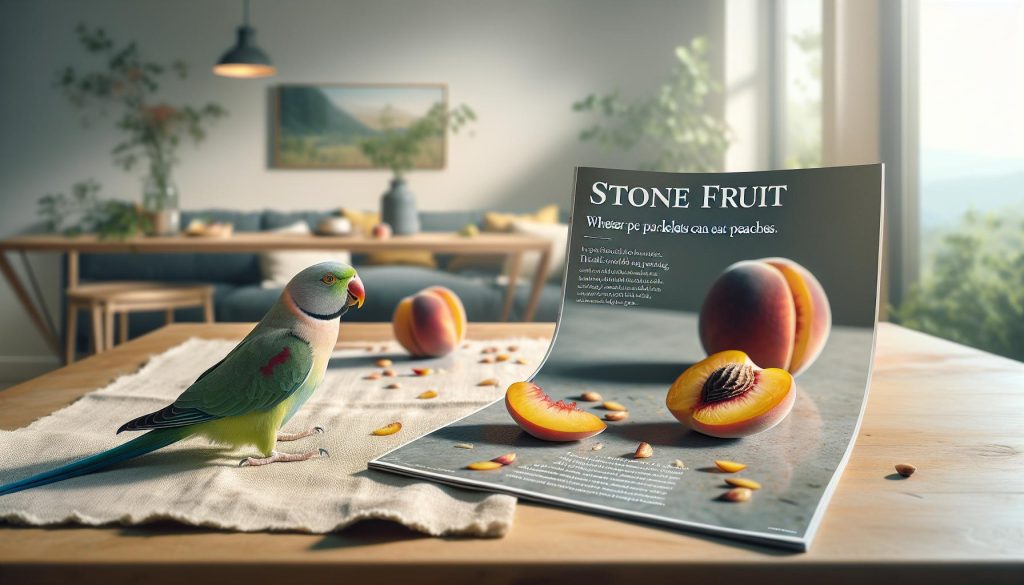
Did you know that fruits can be a delightful treat for your parakeet, adding variety and crucial nutrients to their diet? Among these, peaches are often a subject of curiosity among bird owners. This guide will explore whether parakeets can safely enjoy this juicy stone fruit, highlighting its benefits and any potential risks. Understanding what your feathered friend can eat is essential for their health and happiness. After all, as caring parakeet parents, we want to provide the best nutrition while keeping mealtime interesting! Join us as we dive into the world of peaches and other stone fruits, unlocking the secrets to offering safe and tasty treats that can enhance your pet’s diet and well-being.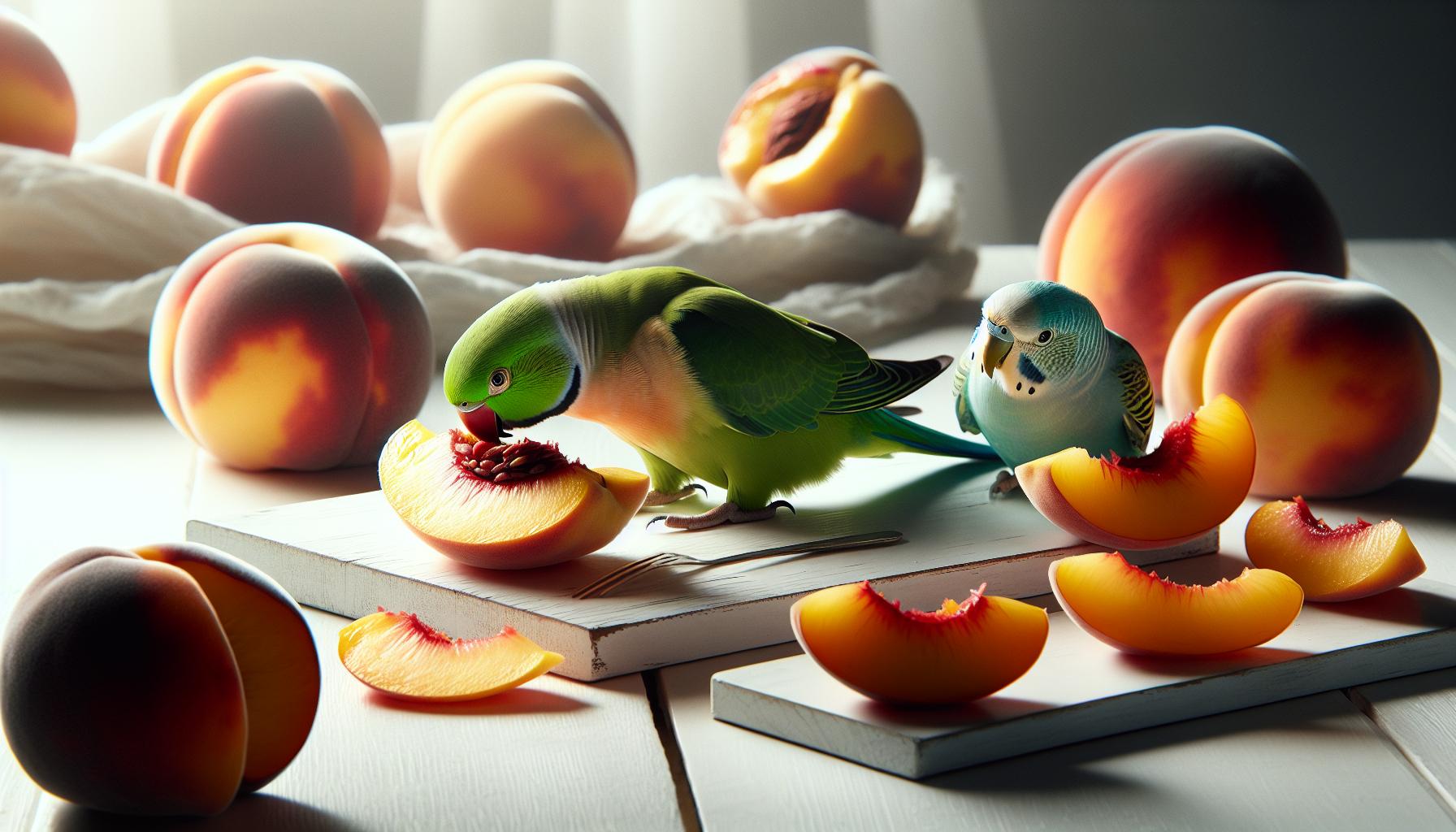
Can Parakeets Safely Eat Peaches?
Parakeets are curious and adventurous little birds, often displaying a fondness for a variety of fruits, including peaches. Yes, parakeets can safely enjoy peaches, but there are some important considerations to keep in mind to ensure your feathered friend’s health and happiness. The juicy sweetness of ripe peaches is not only appealing to parakeets but also packed with vitamins that can contribute positively to their diet.
When introducing peaches to your parakeet’s menu, it’s essential to always offer fresh, ripe fruit. The vibrant flesh is a great source of vitamins A and C, both of which play a crucial role in your bird’s overall health. However, it’s advisable to avoid the peach pit, as it contains cyanide compounds that can be harmful if ingested. Always peel the skin and remove the pit before offering this treat to your parakeet.
If you’re curious about how to incorporate this delightful fruit into your pet’s diet, consider offering small, bite-sized pieces as an occasional treat rather than a staple food. This approach not only helps enrich their diet but also encourages foraging behavior, which is essential for their mental stimulation. Making peaches a part of a varied diet can make feeding time a fun and engaging experience for both you and your parakeet!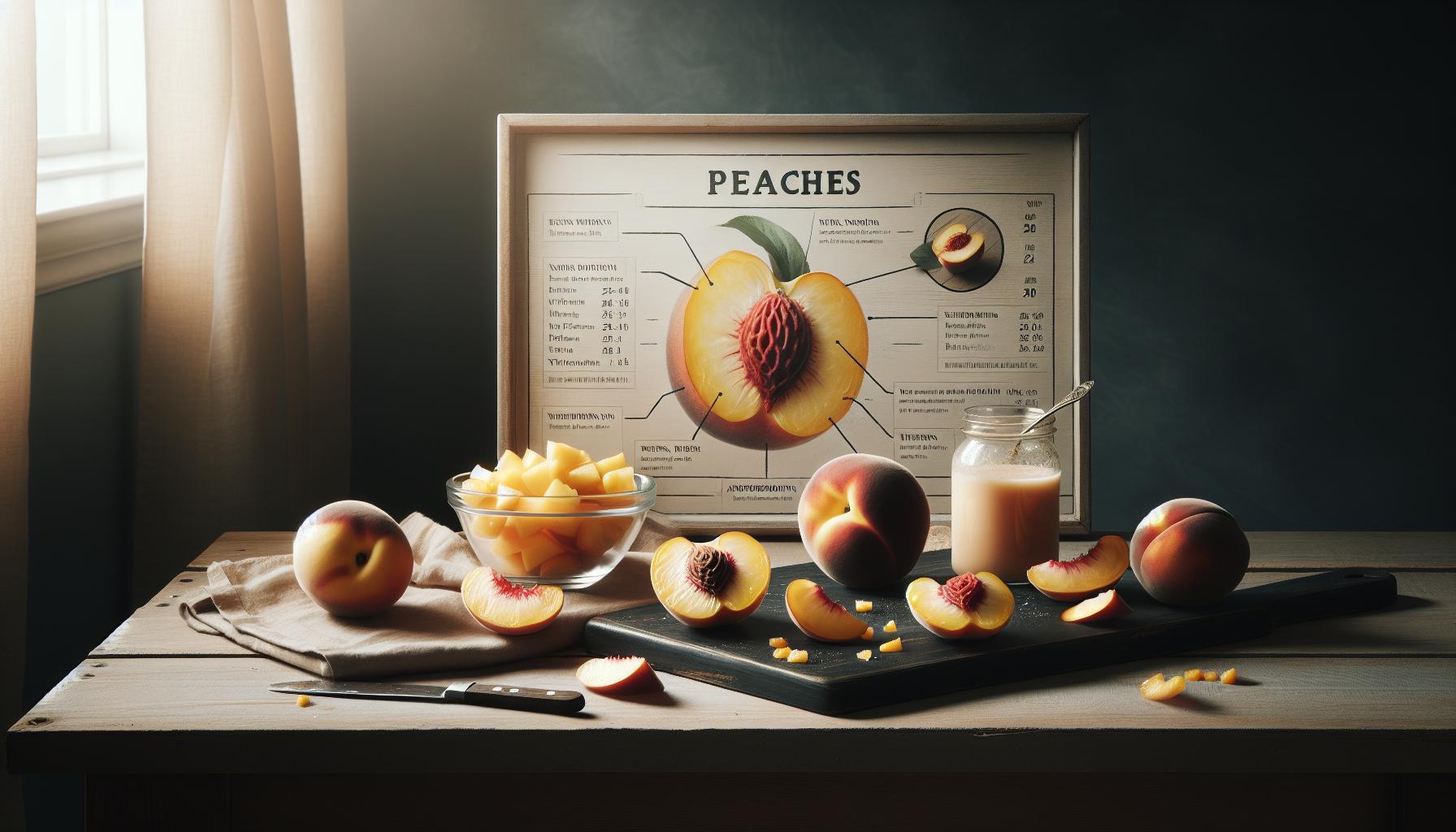
Understanding the Nutritional Value of Peaches
The vibrant and succulent peach is not just a delightful summer treat but also a nutritional powerhouse for your parakeet. Packed with essential vitamins and minerals, peaches can significantly enhance the diet of these social and curious birds. When you introduce peaches, you’re not only offering a tasty morsel but also a plethora of benefits that contribute to their overall health and well-being.
Peaches are particularly rich in vitamins A and C. Vitamin A plays a crucial role in maintaining healthy feathers and skin, while vitamin C boosts the immune system, helping your parakeet fend off illnesses. Additionally, peaches provide dietary fiber, which aids in digestion, contributing to a balanced diet. The juicy flesh is not only appealing due to its sweet taste but also encourages your parakeet to explore new textures and flavors, aligning with their natural foraging behaviors.
When incorporating peaches into your pet’s diet, it’s vital to ensure that you’re providing them with the fruit in its freshest form. Fresh peaches are moist and easier for birds to consume than dried or canned varieties, which can contain added sugars or preservatives. Remember that while peaches offer numerous health benefits, they should be served as an occasional treat to maintain a well-rounded diet. By focusing on variety and balance, you can create an enriching feeding experience that keeps your feathered friend healthy and happy.
Common Concerns: Peach Pits and Parakeets
Peach pits pose a significant concern when it comes to feeding peaches to your parakeet. While the juicy flesh of a peach offers numerous nutritional benefits, the pits themselves are not safe for your bird. They are hard and can not only cause choking hazards but also may result in serious digestive issues if ingested. Additionally, the pits contain amygdalin, which can release cyanide when metabolized-a substance that is toxic to many animals, including birds. Hence, it is crucial to remove the pit before offering any peach to your feathered friend.
When preparing peaches, take a moment to thoroughly wash the exterior to remove any pesticides or contaminants. Once clean, slice the peach in half and discard the pit, ensuring no fragments remain that a curious parakeet might accidentally consume. It’s always wise to err on the side of caution and double-check that your parakeet has access only to the safe and delectable parts of the fruit.
Moreover, if you notice your parakeet exhibiting any unusual behavior such as lethargy or digestive discomfort after eating, consult your avian veterinarian immediately. They can provide guidance tailored specifically to your bird’s health needs. Always remember that while introducing new fruits is an exciting way to enrich your pet’s diet, safety should be your top priority.
How to Prepare Peaches for Your Parakeet
Preparing peaches for your parakeet can be a delightful experience, both for you and your feathered friend. The sweet, juicy flesh of peaches not only pleases their taste buds but also provides essential nutrients. However, the preparation process must be approached with care to ensure safety and enjoyment.
First and foremost, cleanliness is crucial. Rinse the peach thoroughly under running water to remove any pesticides or contaminants that might be harmful to your bird. Once your peach is clean, it’s time to slice it: cut the peach in half and gently twist to separate the two halves. Always remember to remove the pit entirely; it is not only a choking hazard but also contains harmful substances. Make sure to inspect each half to ensure no pit fragments remain. You can then cut the peach flesh into small, manageable pieces, making it easier for your parakeet to nibble on.
Next, consider the presentation. Birds often enjoy engaging with their food, so you can use creativity to make snack time more fun. Try threading peach pieces onto a skewer to create a colorful fruit kabob, or simply arrange the pieces on a flat surface where your parakeet can hop around and investigate. To further enhance their experience, you might mix the peach with other safe fruits, creating a vibrant fruit medley that offers a stimulating array of flavors and textures.
Lastly, always observe your parakeet’s reaction after introducing peaches to their diet. While peach flesh is generally safe and nutritious, it’s important to ensure that your pet enjoys them without any adverse effects. If they exhibit any unusual behavior following snack time, consult an avian veterinarian just to be safe. By taking these steps, you can safely share the vibrant taste of peaches with your parakeet while keeping their diet exciting and healthy!
Benefits of Feeding Peaches to Parakeets
Feeding your parakeet peaches can be a delightful way to enhance their diet while introducing them to new flavors. These juicy fruits are not just a tasty treat; they are packed with essential nutrients that promote overall health and well-being in birds. Peaches are rich in vitamins A and C, which support healthy immune function and good vision, while also aiding in skin and feather health. The hydration from the juicy flesh can also help maintain an optimal fluid balance, essential for active birds.
Beyond nutritional benefits, offering peaches can also stimulate your parakeet’s foraging instincts. The natural sweetness of peaches makes them an enticing option that can encourage exploring and playing with their food. Birds, like humans, enjoy variety, and introducing fruits like peaches can break the monotony of a standard seed mixture. The vibrant color and unique texture of peaches can make snack time visually appealing and engaging, prompting your parakeet to interact more with their environment.
Furthermore, peaches contain dietary fiber which aids digestion. A healthy digestive system is crucial for the well-being of your parakeet, and incorporating fresh fruits can help achieve this goal. For those new to bird care, offering peaches in moderation is an excellent way to experiment with their dietary preferences while ensuring they receive a range of nutrients. The enjoyment of new tastes can lead to a happier, healthier parakeet, enriching your bond with your feathered friend.
In conclusion, feeding peaches can be a fun and beneficial addition to your parakeet’s diet. By providing this sweet treat, you not only contribute to their nutrition but also offer mental stimulation, fostering joy and curiosity in their daily lives. So, next time you’re enjoying a peach, consider sharing a slice with your vibrant companion and watch them revel in the experience.
Other Stone Fruits Safe for Parakeets
Every bird lover delights in discovering new treats that can enrich their pet’s diet. If peaches have captured your parakeet’s fancy, you might find it interesting to explore other stone fruits that are equally safe and nutritious. These vibrant fruits not only offer diverse flavors but also contribute essential vitamins and minerals that promote a healthy, balanced diet for your feathered friend.
One of the most popular stone fruits is the plum. Juicy and sweet, plums are rich in vitamins A and C, much like peaches, and can help support your parakeet’s immune system. Their soft flesh is easy for birds to chew and digest. Always remember to remove the pit before offering plums to your parakeet, as it can pose a choking hazard.
Another excellent option is cherries. Not only are they delicious, but cherries also contain antioxidants and anti-inflammatory properties, beneficial for your parakeet’s overall health. Like other stone fruits, you should remove the pits and any stems before feeding cherries to your bird. The sweetness of cherries often makes them a favorite among parakeets, encouraging them to explore and enjoy their meals.
Apricots are another stone fruit that can be included in your parakeet’s diet. With a soft texture and rich orange color, apricots are high in beta-carotene and vitamins A and C. These nutrients are essential for maintaining healthy feathers and skin. Preparing apricots for your parakeet is simple-just slice them into manageable pieces, making sure to avoid the pit.
Lastly, nectarines are also a worthy addition to your parakeet’s fruit repertoire. Similar to peaches, they offer a juicy bite and a plethora of vitamins. Their smooth skin is less fuzzy than that of peaches, which some birds may prefer. As with all stone fruits, ensure you remove the pit before serving.
By incorporating these varied stone fruits into your parakeet’s diet, you can provide a colorful, nutritious, and enjoyable feeding experience. This not only enhances their nutritional intake but also keeps mealtime exciting, catering to their natural foraging instincts. Always introduce new foods gradually and watch for any signs of allergy or discomfort. Feeding a variety of fruits helps keep your parakeet happy, healthy, and engaged!
Recognizing Signs of Peach Allergies in Parakeets
When introducing delightful treats like peaches into your parakeet’s diet, it’s essential to remain vigilant about potential allergies. Birds can have varied reactions to new foods, and recognizing the signs of a peach allergy can help you ensure your feathered friend stays healthy and happy. Just like humans, parakeets can exhibit allergic reactions which might manifest in several observable ways.
One of the primary indicators of an allergic reaction is gastrointestinal distress. If you notice your parakeet experiencing diarrhea, vomiting, or a change in appetite after consuming peaches, it’s crucial to discontinue feeding this fruit immediately. Additionally, observe for behavioral changes; signs like excessive scratching, preening, or unusual lethargy can signal discomfort or an adverse reaction. Skin irritations may also appear in the form of redness or swelling around the beak, eyes, or feet, which are clear indicators that your bird isn’t handling the fruit well.
Furthermore, respiratory issues can sometimes arise. If your parakeet is coughing, sneezing, or has labored breathing after eating peaches, seek veterinary advice promptly. It’s important to remember that these symptoms can resemble other health issues, so careful monitoring and noting the timing of your parakeet’s dietary changes is essential. If you suspect allergies, consult an avian veterinarian who can provide guidance tailored specifically to your pet’s needs.
In practice, to minimize the risk of an allergy developing, it’s advisable to introduce new foods gradually. Start with a small piece of peach and observe how your parakeet reacts over the next few days. This cautious approach allows you to identify any adverse effects early, ensuring safe and enjoyable munching experiences for your feathered companion.
How Much Peach Should You Feed Your Parakeet?
When it comes to adding peaches to your parakeet’s diet, moderation is key. Parakeets are small birds with unique dietary needs, and ensuring that treats like peaches are offered in appropriate amounts is crucial for their health. A good rule of thumb is to limit fruit servings to about 10-15% of their total diet. For a medium-sized parakeet, this translates to a few small slices, approximately 1-2 tablespoons of peach flesh per feeding.
It’s essential to consider the frequency of feeding peaches, as they are high in sugar and can impact your bird’s overall health if given too frequently. Ideally, you might offer peaches once or twice a week as a delightful treat rather than a staple food. This allows your feathered friend to enjoy the sweet flavor without overwhelming their system with sugar.
Before feeding, ensure you thoroughly rinse the peach and remove any skin if desired, as some birds prefer peeled fruits. Cut the peach into manageable, bite-sized pieces that your parakeet can easily grasp and consume. Introducing new foods should always be done gradually, so if it’s your parakeet’s first experience with peaches, give just a small piece to start and observe for any signs of adverse reactions. Remember, every bird is unique; while some may adore the flavor of peaches, others might be indifferent or experience digestive issues. Always monitor their reaction, adjusting portions accordingly to keep your parakeet healthy and happy.
Incorporating peaches into your parakeet’s diet not only adds variety but also serves as an excellent source of hydration and vitamins. Offer the peach pieces in a foraging toy or your bird’s favorite feeding station to pique their curiosity, making snack time an engaging and enjoyable experience!
Integrating Peaches into Your Parakeet’s Diet
Integrating fresh peaches into your parakeet’s diet can be an enriching experience for both you and your feathered friend. These juicy fruits not only provide a delightful burst of sweetness but also introduce a variety of flavors and textures that can stimulate your parakeet’s senses. To ensure a smooth transition and maintain a balanced diet, it’s important to incorporate peaches thoughtfully.
Start by introducing peaches gradually. Slice the fruit into small, manageable pieces that your parakeet can easily grasp with its beak. This not only makes it easier for your bird to eat but also encourages foraging behavior, which is beneficial for their mental stimulation. Consider offering peach slices in different ways, such as on a skewer or placed in a foraging toy, to keep mealtime engaging and exciting. Observe your parakeet’s reactions; some may dive right in, whereas others may take their time to investigate the new addition to their diet.
Monitoring your parakeet’s response to peaches is crucial. Since fruits like peaches are high in sugar, balance is essential. Aim to serve peaches as an occasional treat rather than a staple, suggesting a frequency of about once or twice a week. This care ensures that while your parakeet enjoys the nutritional benefits and hydration that peaches offer, it does not consume excessive sugar that could lead to health issues.
Moreover, it’s vital to combine peaches with a variety of other fruits and vegetables to create a well-rounded diet. Other safe stone fruits, such as cherries and plums, can also be introduced, giving your parakeet the chance to explore new tastes while receiving diverse nutrients. Remember, each parakeet is unique, so keeping track of your bird’s preferences and health will guide you in providing the best dietary experience. Make mealtimes a joyous exploration, and you might just find that your parakeet has a newfound love for this delicious stone fruit!
Alternatives to Peaches for Parakeets
While peaches can be a delicious treat for your parakeet, it’s essential to remember that variety is the spice of life when it comes to a balanced diet. Offering different fruits not only enriches your bird’s experience but also ensures they receive a wide spectrum of nutrients. If you’re looking for alternatives to peaches, consider incorporating these other fruits into your feathered friend’s meals:
Fruits to Consider
- Cherries: These juicy treats are not only sweet but also packed with antioxidants. Just be sure to remove the pits, as they can be harmful.
- Plums: Similar in texture to peaches, plums can add a different flavor profile. Ensure they are pitted and offered in small pieces.
- Apricots: These are another delightful option. They should be served in moderation due to their sugar content but are generally safe for parakeets.
- Melons: Watermelon and cantaloupe are hydrating and low in calories. These fruits can help keep your parakeet hydrated, especially in warmer months.
- Berries: Blueberries, raspberries, and strawberries are great for their antioxidants and can easily be fed whole or sliced.
It’s important to introduce these alternatives gradually and monitor your parakeet’s response. Each bird has its unique preferences, and you may discover that your pet prefers one fruit over another. Furthermore, rotating fruits can help prevent boredom and encourage foraging, which is vital for their mental stimulation. For additional variety, you can mix fruits into a soft mash or incorporate them into treats to keep mealtime engaging.
Lastly, always ensure that any fruit offered is fresh, clean, and cut into manageable pieces to avoid any choking hazards. By broadening your parakeet’s diet with these delightful alternatives to peaches, you’ll be providing both nutrition and enjoyment for your avian companion!
Best Practices for Feeding Fruits to Parakeets
Parakeets are naturally curious and adventurous eaters, which makes mealtime a perfect opportunity for both nutritional enrichment and bonding. When it comes to offering fruits like peaches, there are some best practices that can enhance your pet’s dining experience while ensuring their health and safety. Always remember, fruits should complement a balanced diet, not replace it!
Start by ensuring that the fruits you offer, such as peaches, are freshly washed and pesticide-free. Remove any skins, as some birds may have difficulty digesting them. Cut the fruit into small, manageable pieces to prevent choking hazards. Smaller pieces not only make it easier for your parakeet to eat but also encourage more natural foraging behaviors, which can help keep your bird mentally stimulated. Gradually introducing new fruits helps your parakeet acclimate to different tastes and textures. I aim to offer a variety of fruits throughout the week to keep their diet interesting and diverse.
When incorporating fruits into your parakeet’s diet, moderation is key. Fruits should make up only a small part of their overall diet, usually around 10-15%. It’s also wise to monitor your parakeet’s response to new foods. Look for any signs of digestive upset or unusual behavior, as some birds may have specific responses to certain fruits. Additionally, take note of your bird’s preferences-some may be avid fruit lovers, while others might be pickier, showcasing their unique personalities.
Finally, consider the presentation of the fruits. You can try hanging pieces of fruit in the cage to mimic foraging, or integrate them into toys that encourage interaction. This not only makes eating more fun but also stimulates your parakeet’s natural behaviors. Experiment with different types of fruits, including peaches, to find what delights your bird the most. With these thoughtful practices, feeding fruit can be a delightful experience for you and your feathered friend!
Engaging Ways to Offer Fruits to Your Parakeet
One of the most delightful aspects of caring for parakeets is discovering engaging ways to offer them fruits like peaches. These vibrant, juicy snacks not only provide essential nutrients but also serve as an excellent opportunity for mental stimulation and physical activity. Offering fruit can be much more than just handing over a piece; it can involve creative methods that cater to your parakeet’s natural instincts.
Start by using a variety of presentation techniques that mimic foraging behavior, which is instinctual for birds. For example, you can try hanging pieces of peach from the sides of the cage or providing them in a small basket. This encourages your parakeet to work a bit for their food while also making the experience dynamic and entertaining. You can use thin slices of peach, skewered on a safe, clean stick, which can be securely fastened to the cage. Watching your parakeet peck and nibble at the fruit can be both amusing and heartwarming.
Another engaging way to offer fruits is by incorporating them into toys or puzzles. There are numerous bird-safe toys available that allow you to hide small pieces of fruit within, prompting your parakeet to explore and interact with their environment. This not only helps keep your feathered friend entertained but also promotes good mental health. You can also create homemade foraging toys by wrapping small pieces of peach in non-toxic paper or using cardboard rolls where they can dig in for their reward.
Don’t forget that presentation is crucial; you might consider pairing peaches with other fruits they enjoy to create a colorful fruit salad. Cut them into interesting shapes, as the visual stimulus of varied textures and colors can attract your parakeet’s curiosity. Additionally, providing fruits at different times during the day can encourage excitement around mealtime, making it an event they look forward to.
Whatever methods you choose to engage your parakeet with peaches, always remember to adjust quantities to ensure that fruits comprise only a small part of their overall diet. Keeping mealtime interactive and fun not only nurtures your parakeet’s physical health but also deepens the bond you share through play and trust.
FAQ
Q: Can parakeets eat peach skins?
A: Yes, parakeets can eat peach skins, but it’s essential to wash them thoroughly to remove any pesticides or contaminants. Skins are often rich in fiber but should be offered in moderation. For the best advice, refer to the section on preparing peaches for your parakeet in our guide.
Q: Are fresh or dried peaches better for parakeets?
A: Fresh peaches are preferred over dried peaches for parakeets. Fresh fruit retains more moisture and nutrients, while dried options often contain added sugars or preservatives that can be unhealthy. Always prioritize fresh fruit for your bird’s diet.
Q: How often can I feed peaches to my parakeet?
A: You can feed peaches to your parakeet 2-3 times a week as an occasional treat. Balance is key; ensure that peaches complement a varied diet. Check our section on how much peach to feed for more precise guidance.
Q: Can peach pits harm my parakeet?
A: Yes, peach pits can be dangerous for parakeets due to their hard structure and potential cyanide content. Always remove the pit before offering any peach to your bird. For more safety tips, review our common concerns about peach pits.
Q: What are signs of peach allergies in parakeets?
A: Signs of peach allergies in parakeets can include vomiting, diarrhea, lethargy, or feather plucking. If you notice these symptoms after feeding peaches, discontinue and consult an avian vet. Read our section on recognizing allergy signs for more details.
Q: Can parakeets eat canned peaches?
A: Canned peaches are not advisable for parakeets due to added sugars and preservatives found in syrup. If you wish to offer peaches, always choose fresh or frozen (unsweetened) options. Refer to our article on alternatives to peaches for safer fruit choices.
Q: Are there any benefits of feeding peaches to parakeets?
A: Yes, peaches provide beneficial vitamins, hydration, and antioxidants that can enhance your parakeet’s health. They can support digestion and improve your bird’s overall energy levels. Check the benefits section in our guide for more insights.
Q: What is the best way to introduce peaches into my parakeet’s diet?
A: Introduce peaches gradually by offering small, bite-sized pieces and observing for any adverse reactions. Mix them with their usual diet to encourage acceptance. For engaging ways to offer fruits to your parakeet, consult our detailed guide.
To Wrap It Up
Now that you’re equipped with the knowledge of whether parakeets can eat peaches, why not explore more about their ideal diet? Understanding which fruits are safe can enhance your feathered friend’s health and happiness. Be sure to check out our detailed guides on “Best Fruits for Parakeets” and “Common Foods to Avoid.”
For specific questions or tips, we invite you to comment below or share your experiences with your parakeets and their favorite snacks. Don’t miss out on future insights-subscribe to our newsletter for ongoing tips on bird care and nutrition! Your next adventure in avian pet care could be just a click away, so let’s keep exploring together. Remember, a well-fed parakeet is a happy parakeet!
Get our latest guides, news, and insights highlighted in your Google Search & AI Overviews.










