Did you know that bananas are one of the most popular fruits enjoyed worldwide? But when it comes to our feathered friends, particularly parakeets, the question arises: Can they safely share in this tasty treat? In this guide, we’ll explore the nutritional benefits of bananas for parakeets, as well as any potential risks, ensuring that you can make informed choices for your pet’s diet. Understanding what fruits are safe for your parakeet not only promotes their health but also enhances their overall well-being and enjoyment. Join us as we delve into the details of incorporating bananas into your parakeet’s diet, empowering you to keep your beloved bird happy and healthy!
Can Parakeets Eat Bananas Safely? Understanding the Basics
Many parakeet owners often wonder whether they can safely share their snacks with their feathered friends, and bananas frequently come up in these discussions. The good news is that bananas are generally safe for parakeets to eat, as long as they are offered in moderation. This tropical fruit is not only appealing with its bright color and sweet taste, but it also provides essential nutrients that can benefit your parakeet’s health.
When considering introducing bananas into your parakeet’s diet, it’s important to keep a few things in mind. First, bananas should be treated as an occasional treat rather than a staple. While they are high in potassium and vitamin C-nutrients that can support your bird’s overall health-excessive consumption can lead to an inappropriate dietary balance. It’s ideal to limit banana intake to perhaps once or twice a week, ensuring that your parakeet still receives a variety of nutrients from other fruits and vegetables.
To prepare bananas for your parakeet, simply slice a small piece and serve it fresh. Avoid using processed banana products, such as banana chips or dried bananas, which may contain unhealthy additives. Taking these steps ensures a safe and enjoyable experience, contributing to a well-rounded diet that keeps your parakeet thriving. Always monitor your bird’s reaction to new foods and consult with an avian veterinarian if you have any concerns regarding allergies or dietary needs.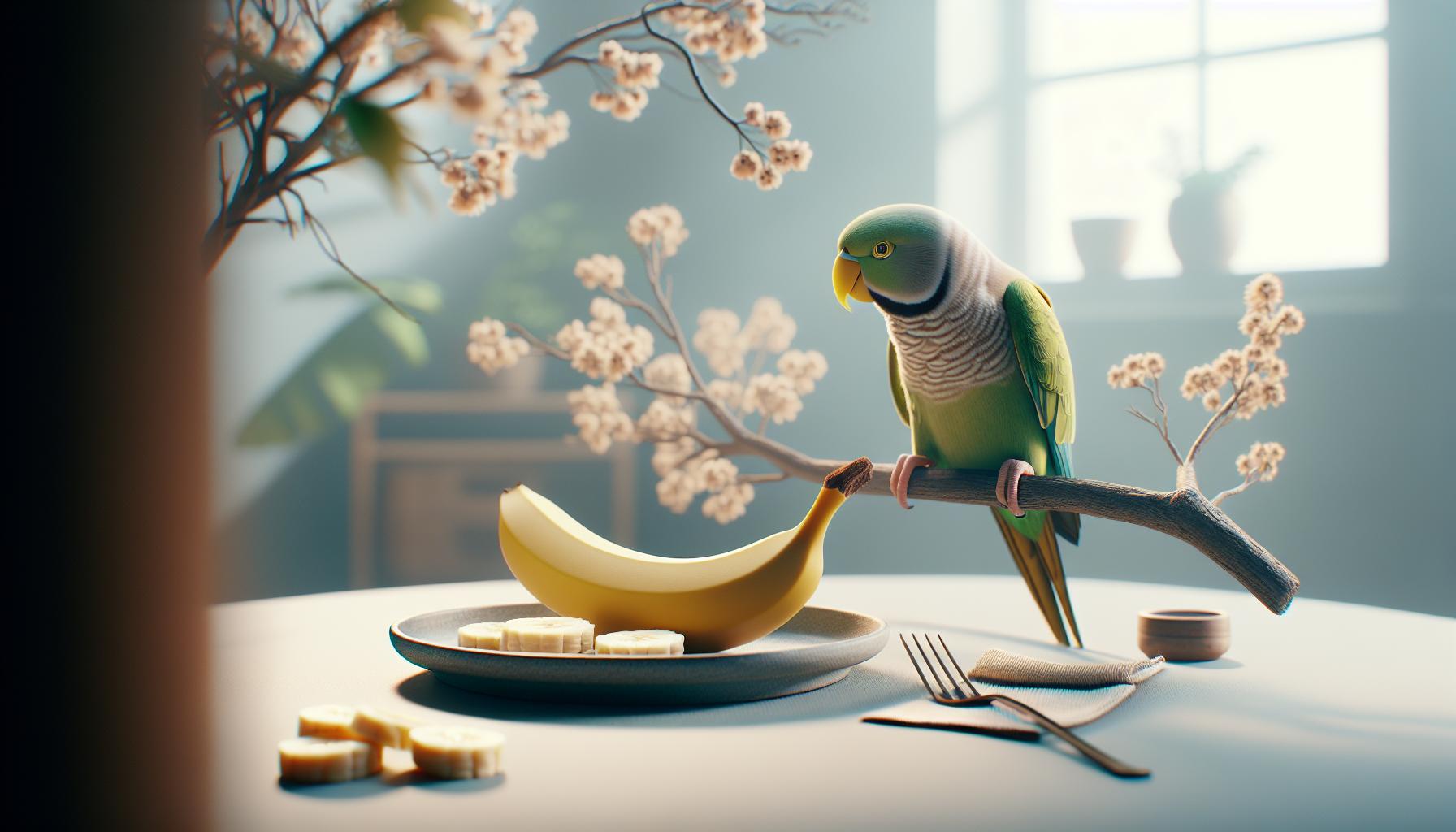
Nutritional Benefits of Bananas for Parakeets
Bananas are not just a tasty treat; they are packed with nutritional benefits that can greatly enhance your parakeet’s diet! These vibrant fruits are particularly high in potassium, which is crucial for maintaining proper muscle function and overall bodily health in birds. In addition to potassium, bananas also provide vitamin C, a vital nutrient that supports the immune system and helps combat illness, making them a smart addition to your feathered friend’s meals.
Another advantage of bananas is their natural sweetness and soft texture, which many parakeets find irresistible. This can be especially beneficial if you’re looking to encourage your bird to try new foods. Bananas can serve as a gateway fruit to introduce a variety of other nutritious options into your parakeet’s diet. To safely enhance your bird’s nutritional intake, bananas should always be given in moderation, balancing their consumption with other fruits, vegetables, and seeds.
When serving bananas, it’s essential to chop them into small, manageable pieces. This not only helps your parakeet eat more easily but also encourages them to engage with their food, as they enjoy perching and nibbling on fresh offerings. Pairing bananas with a selection of other fruits can create an exciting and varied menu that keeps your bird interested and healthy.
In conclusion, while bananas can be a delightful addition to your parakeet’s diet, remember that moderation is key. Offering them as a treat ensures a well-rounded nutrition profile, allowing your feathered companion to thrive and enjoy the best of what nature has to offer. By incorporating bananas wisely, you create opportunities for exploration, enjoyment, and overall well-being for your avian friend.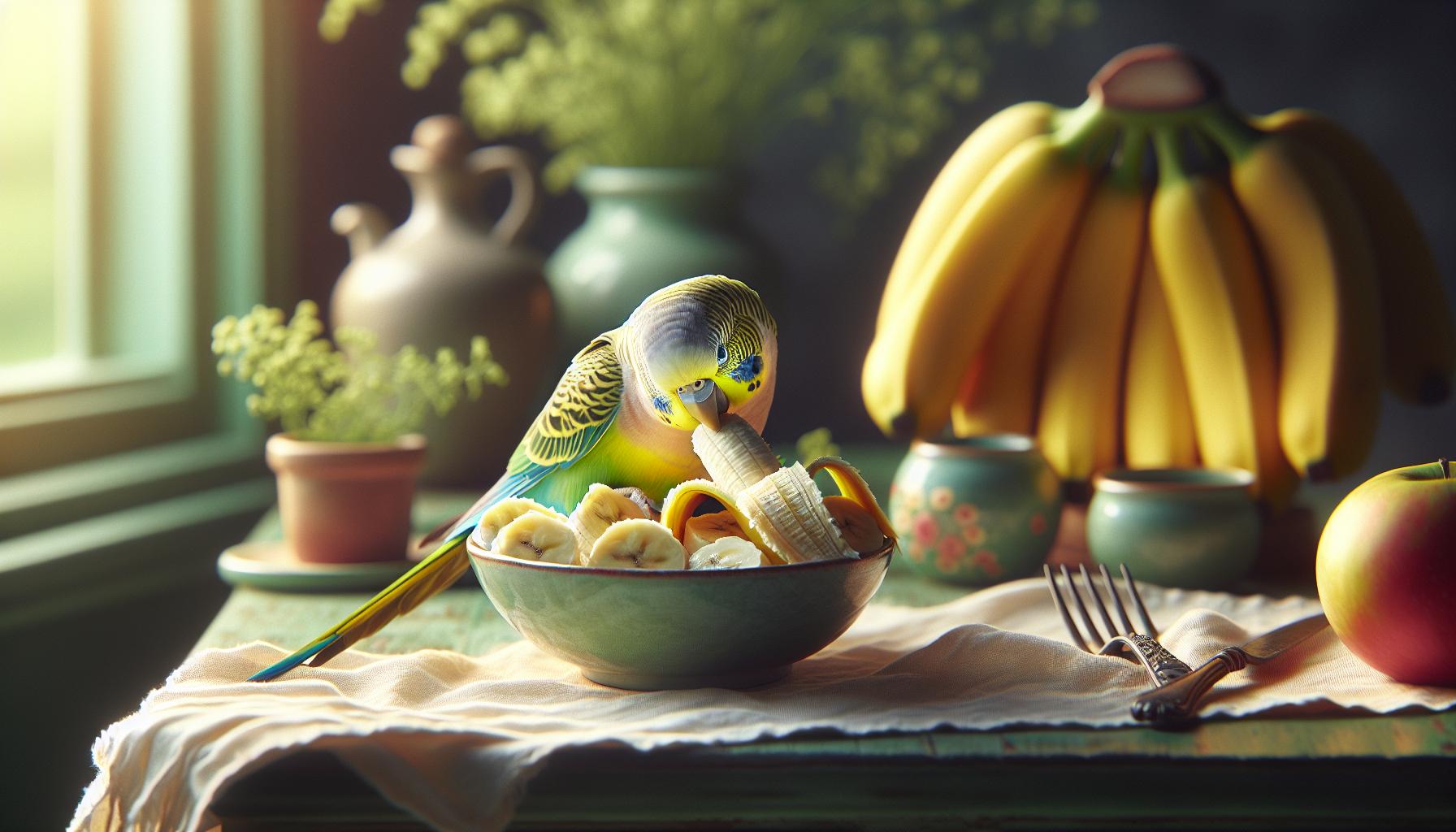
How to Introduce Bananas to Your Parakeet’s Diet
Introducing bananas into your parakeet’s diet can be an enjoyable process, not only for you but also for your feathery companion. Bananas are not only tasty but also provide essential nutrients, making them a wonderful treat. To ensure a smooth transition and foster healthy eating habits, start gradually. Cut a small piece of banana-about the size of your fingernail-and present it to your parakeet. Observe their reaction: many will be curious and eager to explore this new addition, thanks to the banana’s sweet smell and soft texture.
When first offering bananas, consider placing the small pieces in their food dish alongside their regular pellets and seeds. This way, your parakeet can choose to nibble on the banana when they’re comfortable. You might also want to hang the banana piece from their cage using a skewer; this encourages natural foraging behavior, making the experience more engaging. If your parakeet shows delight in this new flavor, you can gradually increase the frequency to a few times a week, always ensuring that the treat complements their primary diet of pellets and veggies.
It’s essential to keep in mind that not all birds will take to bananas immediately. If your parakeet seems disinterested or unsure, don’t be discouraged! Patience is key. Sometimes, birds may need to see the fruit several times before they decide to taste it. You can also try different serving methods, like mashing the banana slightly or combining it with other fruits to create a colorful fruit medley. The goal is to make fruit exploration a positive and enriching experience.
Finally, be vigilant about any reactions; while allergies are rare, they can happen. If you notice any signs of distress or unusual behavior after introducing bananas, consult your avian veterinarian. By following these steps, you’re not just providing a delicious treat; you’re also adding variety to your parakeet’s diet while strengthening the bond between you and your little friend.
Other Safe Fruits for Parakeets: A Comprehensive List
Offering your parakeet a variety of fruits can be a delightful way to enhance their diet and stimulate their natural foraging instincts. Besides bananas, there are numerous other fruits that parakeets can safely enjoy, each providing unique flavors and nutritional benefits. Incorporating a diverse selection can help keep your feathered friend engaged and healthy.
When it comes to safe fruits for parakeets, consider adding these options to their menu:
- Apples: Remove the seeds, as they can be harmful, and slice the apple into small pieces.
- Pears: Like apples, core and slice them to offer bite-sized pieces.
- Berries: Strawberries, blueberries, raspberries, and blackberries are excellent choices, packed with antioxidants. Serve them whole or halved.
- Melon: Watermelon, cantaloupe, and honeydew are not only hydrating but also very appealing due to their sweetness. Just be sure to remove all seeds.
- Pineapple: Fresh pineapple can be offered in small chunks, making it a tropical treat.
- Grapes: Halved grapes are a juicy snack that many parakeets love, but feed them in moderation due to their sugar content.
- Peaches: Remove the pit and slice into manageable pieces.
- Figs: Fresh figs can be a nutritious option, providing fiber and natural sugars.
Parakeets are generally open to exploring new tastes, but keep in mind that introducing new fruits can require patience. Start by offering small amounts alongside their regular diet, allowing them to adjust to the new flavors. Also, observe your bird’s reactions-some might take to fruits quickly, while others may need a little coaxing. Over time, you can develop a rotation of safe fruits that keeps their diet exciting while also providing essential vitamins and minerals.
It’s important to note that not all fruits are suitable; for instance, citrus fruits like oranges and lemons can be too acidic in large quantities, so offer them sparingly. As you embark on this nutritious journey, always ensure that fresh fruits complement their primary diet of pellets and vegetables, contributing to a well-rounded and balanced nutritional profile.
Signs of Banana Allergy in Parakeets
While bananas are generally safe and nutritious for parakeets, it’s essential to be aware that some birds may develop allergies or sensitivities to certain foods, including bananas. Recognizing the signs of a potential banana allergy in your feathered friend can be crucial for their health and well-being.
One of the first indicators of an allergy is a change in behavior. If your parakeet becomes unusually lethargic, irritable, or disinterested in usual activities after consuming bananas, it may be a sign of discomfort. Additionally, monitor their physical condition. Symptoms such as swelling around the eyes, beak, or feet, along with ruffled feathers, can indicate an allergic reaction.
Digestive issues are another common sign. Watch for signs of diarrhea, vomiting, or gastrointestinal disturbances after feeding bananas. These symptoms can affect not only your parakeet’s health but also their appetite and overall mood. If you notice any of these signs, it is advisable to eliminate bananas from their diet and consult a veterinarian to ensure your pet receives appropriate care and guidance.
To ensure a smooth introduction of bananas and minimize allergy risks, always start with a tiny piece. Observe their reactions for any adverse effects, and consider keeping a food diary to track what they eat and any subsequent symptoms. This proactive approach helps you determine which foods agree with your parakeet and supports their dietary needs while keeping them happy and healthy.
Best Practices for Preparing Bananas for Your Bird
To enrich your parakeet’s diet with bananas, it’s essential to know how to properly prepare this delicious fruit. Bananas are not only safe for budgies but also offer a range of nutritional benefits when introduced correctly. When preparing bananas for your feathered friend, hygiene and portion control are paramount.
First, start by selecting ripe bananas. These are sweeter and easier for your parakeet to eat, which may encourage them to try this new treat. Before serving, thoroughly wash the banana to remove any pesticides or residues, even if you plan on peeling it. Keeping the banana’s skin intact until you’re ready to serve can help it stay fresh longer.
Once washed, peel a small piece-about the size of a quarter-and slice it into manageable pieces for your parakeet. Small slices will make it easier for your bird to handle and consume the banana without becoming overwhelmed. It’s also advisable to remove any leftover pieces after feeding, as fruit can spoil quickly and lead to health issues if left in the cage.
If you’re looking to make the banana even more enticing, consider mashing it slightly or mixing it with other bird-safe fruits to create a healthy fruit salad. This not only adds variety to your parakeet’s diet but can also stimulate their interest in trying new foods. Remember, moderation is key; too much banana can lead to an imbalanced diet due to their sugar content. By offering bananas as an occasional treat, you can create a joyful and healthy eating experience for your parakeet while enriching their nutritional intake.
Common Misconceptions About Parakeets and Fruits
Many bird owners believe that fruits, particularly bananas, should be completely off-limits to their parakeets due to the high sugar content. This misconception can stem from generalizations about feeding birds or a misunderstanding of their dietary needs. In reality, bananas can be a nutritious addition to a parakeet’s diet when fed in moderation. Most healthy parakeets can safely enjoy small pieces of banana as a treat, providing essential vitamins and minerals.
Another common myth is that all fruits are harmful to parakeets. While it’s true that some fruits, such as avocados, are toxic to birds, many others, like apples, berries, and of course, bananas, can be beneficial. The key is to research and ensure any fruit offered is safe. It’s also important to remember that fruits shouldn’t replace a balanced diet of seeds, pellets, and greens but should complement it to ensure a varied and nutritious intake.
Additionally, some bird enthusiasts worry that introducing fruits like bananas will cause their parakeet to become picky eaters. While it’s wise to monitor how your bird responds to new foods, offering fruits in conjunction with their regular diet can help develop a broader palate. Mixing fruits with vegetables or grains can also encourage healthy eating habits and reduce aversion to new foods.
Lastly, there’s the misconception that feeding fruits regularly is harmful because of sugar content. While bananas do contain sugar, this doesn’t mean they should be eliminated from their diet. The focus should be on balance; small amounts of banana can provide energy and enjoyment without risking health issues, so long as they’re introduced thoughtfully and as part of a varied diet. Educating bird owners about these myths is vital for promoting a healthier, happier life for parakeets.
The Role of Fruits in a Balanced Parakeet Diet
Incorporating fruits into your parakeet’s diet can greatly enhance their overall health and well-being, much like what we experience as humans when we enjoy a variety of nutritious foods. Fruits, such as bananas, not only serve as delicious treats but also provide essential vitamins and minerals that contribute to a balanced diet. When used wisely, fruits can play an integral role in supplementing the primary diet of seeds and pellets, helping to ensure that your feathered friends receive a wide range of nutrients.
Fruits like bananas deliver important nutrients that parakeets may not receive from seeds and pellets alone. They are rich in potassium, vitamin C, and dietary fiber, all of which support various bodily functions-from maintaining healthy muscles and nerves to strengthening the immune system. A balanced diet for parakeets should ideally consist of about 10-20% fruits, which can ensure they continue to thrive and remain vibrant. When offering fruits, it’s essential to consider their water content and natural sugars; moderation is key. Fresh, organic fruits are the best option, free from pesticides or additives, which can harm your bird.
Additionally, it’s essential to rotate the fruits offered to keep your parakeet interested and stimulated. Incorporating a diverse range of fruits-from apples and berries to more exotic options like papaya or kiwi-can enhance their dietary experience and provide a wider array of nutrients. Mixing fruits with their regular seeds and pellets creates a stimulating foraging environment that supports natural behaviors and reduces the likelihood of boredom.
Remember, introducing fruits should be a gradual process. You can start by offering small pieces of banana and observing how your parakeet reacts. Not only will this help ensure they enjoy the new food, but it also allows you to monitor for any adverse reactions. By treating fruit as a complementary aspect of their diet rather than a primary source of nutrition, you create a more balanced and enjoyable eating experience that can lead to happier, healthier parakeets.
How Much Banana is Too Much for a Parakeet?
When it comes to keeping your parakeet healthy and happy, understanding portions is crucial, especially with treats like bananas. While bananas are a tasty and nutritious option, moderation is vital. It’s essential to remember that fresh fruits should only comprise about 10-20% of a parakeet’s overall diet, with the bulk being quality seeds and pellets. This guideline helps ensure that your bird gets a balanced intake of essential nutrients while enjoying the occasional fruit treat.
For bananas specifically, a small slice or a half of a slice a few times a week is generally considered a safe amount for an average-sized parakeet. The high natural sugar content can pose risks if given too frequently, leading to potential health issues like obesity or fatty liver disease. Additionally, keep a close eye on your parakeet’s response to bananas; if you notice changes in their droppings or behavior, it might be time to cut back.
It’s also beneficial to vary the fruits you offer. Not only does this keep the diet interesting for your bird, but it also prevents over-reliance on a single type of fruit. Consider rotating bananas with other safe fruits like apples, pears, or berries, allowing your feathered friend to enjoy a diverse palate while securing a range of nutritional benefits.
Remember, the goal is to promote a healthy lifestyle for your parakeet, so being mindful of portion sizes and frequency can help maintain their health and prevent potential problems that can arise from excessive fruit consumption. By treating bananas as an occasional complement rather than a staple, you can ensure your parakeet enjoys the best of both worlds-delicious treats and a balanced diet!
Feeding Guidelines for Different Parakeet Species
When it comes to feeding parakeets, not all birds are created equal, especially considering the variety of species and individual dietary needs. Understanding how different types of parakeets-like the popular budgerigar, English budgie, and American parakeet-respond to new foods, particularly fruits like bananas, can enhance their dietary experience while ensuring their health.
Budgerigars (budgies) are generally the most common parakeet species kept as pets. They are relatively adaptable and enjoy a diverse diet. Adding small pieces of banana as a treat can provide them with much-needed vitamins and energy, but moderation is key. A small slice once or twice a week will suffice. Keep an eye on their health-if you notice any adverse reactions, such as changes in droppings or decreased activity, it may be wise to reduce the frequency of banana treats.
English budgies, often larger and with different personalities than their American counterparts, may also enjoy the banana treat but might require a more tailored approach. Due to their larger size, you can consider offering slightly larger pieces of banana compared to what you would offer a typical budgerigar, but still be cautious about frequency. Limiting banana to a few times per week ensures they receive a balanced diet without excess sugar.
American parakeets, which encompass a variety of color mutations and variations, can have a different attitude toward new foods. Some may take to bananas immediately, while others may need a bit of encouragement. For these birds, it’s beneficial to introduce banana in a mashed form, which can make it easier for them to accept. As with other species, maintain the guideline of offering banana in moderation-perhaps once a week-and balance it with other fruits and seeds to keep their diet well-rounded.
Regardless of the species, it’s essential to remember that fresh fruit should only make up about 10-20% of a parakeet’s diet. This helps prevent issues stemming from high sugar intake, such as obesity or fatty liver disease. By nourishing your feathered friend with the right portion of banana, along with a variety of other fruits and a proper mix of seeds and pellets, you can contribute to a vibrant, healthy life for your parakeet.
Tips for Encouraging Healthy Eating Habits in Parakeets
Encouraging your parakeet to embrace a healthy diet is a rewarding journey that can dramatically enhance their well-being. One of the most appealing aspects of having a parakeet is their playful nature, which can be leveraged to make food exploration exciting. To get your feathered friend to enjoy bananas and other healthy options, start by creating a varied menu that includes colorful fruits, vegetables, and seeds. Birds are naturally curious, so a vibrant plate will pique their interest.
To introduce bananas effectively, try using them as a treat during playtime. Use small pieces or mashed banana to make it easier for your parakeet to eat. This method not only encourages exploration but also builds positive associations with new foods. Parakeets appreciate surprises, so rotating treats helps keep their diet exciting. Pair bananas with other fruits such as apples, berries, or leafy greens to create a balanced and nutritious feast. Remember, presenting food in different ways-like skewer-ing fruits to hang in their cage-can make mealtime a fun adventure.
It’s also critical to observe and interact with your parakeet during mealtime. If they seem hesitant about a new food, remain patient and give them time to adjust. This process might involve trial and error; some birds are more adventurous than others. For instance, if a budgerigar turns away from banana slices, consider trying a different texture, like banana puree, or switching to another fruit that they may already enjoy, such as mango or kiwi. Engaging them in this way not only cultivates their dietary preferences but also strengthens your bond with them.
Lastly, maintain a consistent feeding schedule and demonstrate healthy eating habits yourself. Birds are great mimics and will often observe our behaviors. By eating fruits and vegetables around them, you can encourage your parakeet to try these nutritious options as well. Create a routine that includes a variety of foods, which can lay the foundation for a well-rounded diet. Remember to limit treats like bananas to a few times a week, ensuring that their primary diet consists of high-quality pellets and seeds for optimal health. With a bit of creativity and patience, you can inspire your parakeet to develop healthy eating habits that build a strong foundation for their lifespan.
Caring for Your Parakeet: Beyond the Diet
Caring for your parakeet goes far beyond just selecting the right foods; it’s about creating an enriching and supportive environment that promotes their overall well-being. These vibrant little birds thrive on interaction and stimulation, both physical and mental, making it essential to provide a diverse setup that caters to their natural instincts. One captivating aspect of parakeet behavior is their social nature-crafted from their flocking instincts in the wild. Engaging with them through play, conversation, and training can significantly enhance their quality of life.
Creating a Stimulating Environment
To ensure your parakeet remains happy and healthy, consider the following tips for their living situation:
- Toys and Enrichment: Rotate a variety of toys to keep your parakeet entertained. Items like bells, mirrors, and foraging toys stimulate their inquisitive minds and encourage healthy activity.
- Flight Space: If possible, allow for free flight time outside their cage in a safe, bird-proofed area. This promotes exercise and reduces stress.
- Social Interaction: Spend time talking to or training your bird, as parakeets are highly social creatures. Interaction can help prevent loneliness and behavioral issues.
These elements help mirror a parakeet’s natural habitat, fostering their well-being.
Health Monitoring and Regular Care
Beyond nutrition and environment, keeping an attentive eye on your parakeet’s health is crucial. Regularly observe their behavior; signs of distress or a change in eating habits may indicate health issues. Routine check-ups with an avian veterinarian ensure that your feathered friend stays in top shape. Look out for common issues like feather plucking or changes in vocalization, as these can be indicators of underlying problems.
In addition, proper hygiene in their living space is essential. Clean their cage regularly, including food and water dishes, to prevent the buildup of bacteria that can compromise their health. A clean and tidy living environment not only contributes to their physical health but also affects their mental state, keeping them active and content.
By nurturing your parakeet’s surroundings and staying vigilant about their care, you can cultivate a joyful and vibrant life for your feathered companion. This holistic approach ensures they receive the attention, stimulation, and love they need, leading to a fulfilling and rich relationship that both you and your parakeet will cherish.
Q&A
Q: Can parakeets eat banana peels?
A: Yes, parakeets can eat small amounts of banana peels, but it’s essential to wash them thoroughly to remove any pesticides. The peel contains fiber and other nutrients. For details on safe preparation, refer to our section on best practices for preparing bananas for your bird.
Q: What are the signs of a banana allergy in parakeets?
A: Signs of a banana allergy in parakeets may include gastrointestinal upset, lethargy, or changes in behavior after consuming bananas. If you notice these symptoms, discontinue feeding bananas and consult a veterinarian. See our section on signs of banana allergy for more insights.
Q: How often can I give bananas to my parakeet?
A: Bananas should be fed as an occasional treat rather than a staple. Offering a small slice once or twice a week is generally safe. For more on feeding frequency, check our guidelines on how much banana is too much for a parakeet.
Q: Are there any fruits that are toxic to parakeets?
A: Yes, certain fruits like avocados and fruit seeds (like those from apples) can be toxic to parakeets. Always research and ensure you’re providing safe fruits by reviewing our list of other safe fruits for parakeets.
Q: What other vegetables can parakeets eat besides bananas?
A: Parakeets enjoy a variety of vegetables, including carrots, spinach, and bell peppers. These provide essential nutrients and can be given alongside bananas for a balanced diet. Explore more in our guide on the role of fruits and vegetables in a balanced parakeet diet.
Q: Can parakeets eat dried bananas?
A: Dried bananas can be given occasionally as a treat, but they are more concentrated in sugars. Make sure they’re free from additives and preservatives. For tips on introducing new foods, see our section about how to introduce bananas to your parakeet’s diet.
Q: What is the best way to prepare bananas for parakeets?
A: The best way to prepare bananas is to wash them, peel them (optional), and slice them into small pieces. This makes it easier for your parakeet to eat. For additional preparation tips, refer to our best practices for preparing bananas for your bird.
Q: Do parakeets like bananas?
A: Many parakeets enjoy the sweet taste of bananas, making them a favorite treat. However, individual preferences may vary, so observe your bird’s reaction. For tips on encouraging healthy eating habits, check our article on tips for encouraging healthy eating habits in parakeets.
Insights and Conclusions
Now that you know parakeets can safely enjoy bananas in moderation, it’s time to get creative! Try incorporating this tasty fruit into your budgie’s diet and observe their reactions. For more insights on avian nutrition, don’t miss our guides on “Healthy Treats for Your Parakeet” and “How to Introduce New Foods to Your Bird.”
Remember, every bird is unique, and experimenting can lead to discovering their favorites. If you have any questions or need help with your parakeet’s diet, feel free to drop a comment below-we’re here to support you! Stay engaged with us for more articles that help enrich your parakeet’s life and health. Subscribe to our newsletter for the latest tips and community stories, ensuring you never miss a beat on your journey as a bird owner.
Your parakeet’s happiness is just a healthy snack away, so dive into those feeding adventures today!
Get our latest guides, news, and insights highlighted in your Google Search & AI Overviews.