

Have you ever caught a glimpse of an owl gliding silently through the night and wondered what it might mean? In many cultures, seeing an owl is considered a powerful omen-often associated with wisdom, transformation, and even good fortune. This intriguing relationship between owls and luck is steeped in ancient lore and modern interpretations alike.
As we explore the cultural meanings behind owl sightings, we’ll delve into various traditions that reveal their significance. Whether you’re a birdwatching enthusiast or simply curious about the spiritual connections animals have with our lives, understanding the symbolism of owls can enrich your perspective. Join us as we uncover why these enchanting creatures are more than just stunning to observe; they may also hold personal messages and insights waiting to be discovered.
Cultural Beliefs Surrounding Owls Across the Globe
Owls have captivated human imagination for centuries, embodying a rich tapestry of cultural meanings and beliefs across the globe. These enigmatic creatures, often associated with wisdom and mystery, appear in folklore and mythology from diverse cultures. For instance, in ancient Greece, the owl is a symbol of Athena, the goddess of wisdom, representing knowledge and strategic warfare. In contrast, in many Native American cultures, owls are regarded as harbingers of change and transformation, viewed either as protectors or as messengers from the spirit world.
The symbolism of owls varies significantly among cultures, creating a complex narrative about their presence in our lives. In some traditions, their hooting is seen as an omen of death or misfortune, while in others, it signifies good luck and protection. In Japan, the owl (or “fukuro”) is considered a lucky charm, associated with good fortune and protection from hardship. To illustrate this cultural divergence, consider how in parts of Africa, certain tribes believe that seeing an owl can signal impending danger, while in other regions, the sighting of these birds is celebrated as a sign of ancestral guidance.
Understanding these cultural beliefs can enhance one’s appreciation for owls and inform our interactions with them. For birdwatchers and enthusiasts, learning about the characteristics and behaviors of these creatures deepens respect and fosters a desire to protect their habitats. Engaging with owls in respectful ways-through photography or responsible birdwatching-allows us to honor the cultural significance they hold while promoting coexistence with these wild beings.
The Symbolism of Owls in Folklore and Mythology
Owls have long been woven into the fabric of human culture, stunning us with their mysterious presence and nocturnal lifestyle. Their striking features, particularly their large, round eyes and distinctive calls, have inspired countless myths and legends across the globe. In various traditions, owls are seen not just as mere birds but as powerful symbols imbued with deeper meanings that reflect our understanding of life, death, and the unknown.
In ancient Greece, the owl was the favored emblem of Athena, the goddess of wisdom and warfare, symbolizing insight and strategy. This association not only elevated the status of owls but also embedded them in the cultural psyche as creatures of knowledge and foresight. Conversely, in parts of Africa, owls are often seen as omens of misfortune; their presence may be interpreted as a warning of death or danger. Such contrasting views highlight how different cultures engage with the symbolism of owls, shaping their meanings based on local beliefs and experiences.
In Asia, particularly in Japan, owls, or “fukuro,” are embraced as symbols of good luck, protection from suffering, and prosperity. This positive connotation is celebrated through various charms and artifacts, showcasing the owl’s ability to adapt its symbolic significance across various cultures. The dual nature of owl symbolism invites reflection on what these creatures represent to us as individuals and communities-serving as protectors, harbingers, or mystical guides that point to deeper truths about existence.
Understanding this rich tapestry of cultural meanings not only enhances our appreciation of owls but also informs how we interact with them in our daily lives. Engaging with the folklore surrounding owls can lead to transformative experiences and greater respect for these magnificent birds, allowing them to inspire both wonder and wisdom in the world around us. As you delve into these narratives, consider how they reflect your own beliefs and experiences-whether they evoke a sense of admiration, caution, or connection with nature’s remarkable tapestry.
Owls as Omens: Good Luck or Bad?
Encounters with owls often stir a sense of wonder and provoke questions about their significance in our lives. Across cultures, the sighting of an owl can evoke a broad spectrum of reactions, ranging from feelings of good fortune to foreboding. In many traditions, these enigmatic birds are perceived as omens, their presence interpreted differently based on cultural contexts and personal beliefs.
In Western cultures, where folklore often surrounds these birds, owls can be seen as both bad omens and bearers of good news. For instance, in some regions of the United States, an owl’s call is considered a sign of impending change or bad luck, while in others, their appearance is celebrated as a harbinger of wisdom and guidance. This dichotomy illustrates how local traditions shape beliefs about nature, linking owls to notions of life transitions or even warnings of danger.
Conversely, in many Eastern traditions, particularly in Japanese culture, owls are embraced as symbols of good luck. Known as “fukuro,” these birds are often associated with fortune and protection. Small owl figurines are common gifts intended to bring good fortune, reflecting a cultural reverence that contrasts sharply with negative interpretations found elsewhere. This highlights the importance of considering regional beliefs when evaluating the symbolism of owls.
The personal significance of owl sightings can also be profound, with many recounting transformative experiences when encountering these majestic birds. Whether one views an owl as a guardian spirit or a sign of change, it’s clear that they evoke strong emotional responses. Engaging with these interpretations allows individuals to explore their feelings about luck, fate, and the mysteries of the natural world, making each owl encounter uniquely personal. Understanding these cultural nuances encourages us to appreciate the owl not merely as a bird but as a powerful symbol that resonates deeply within human consciousness.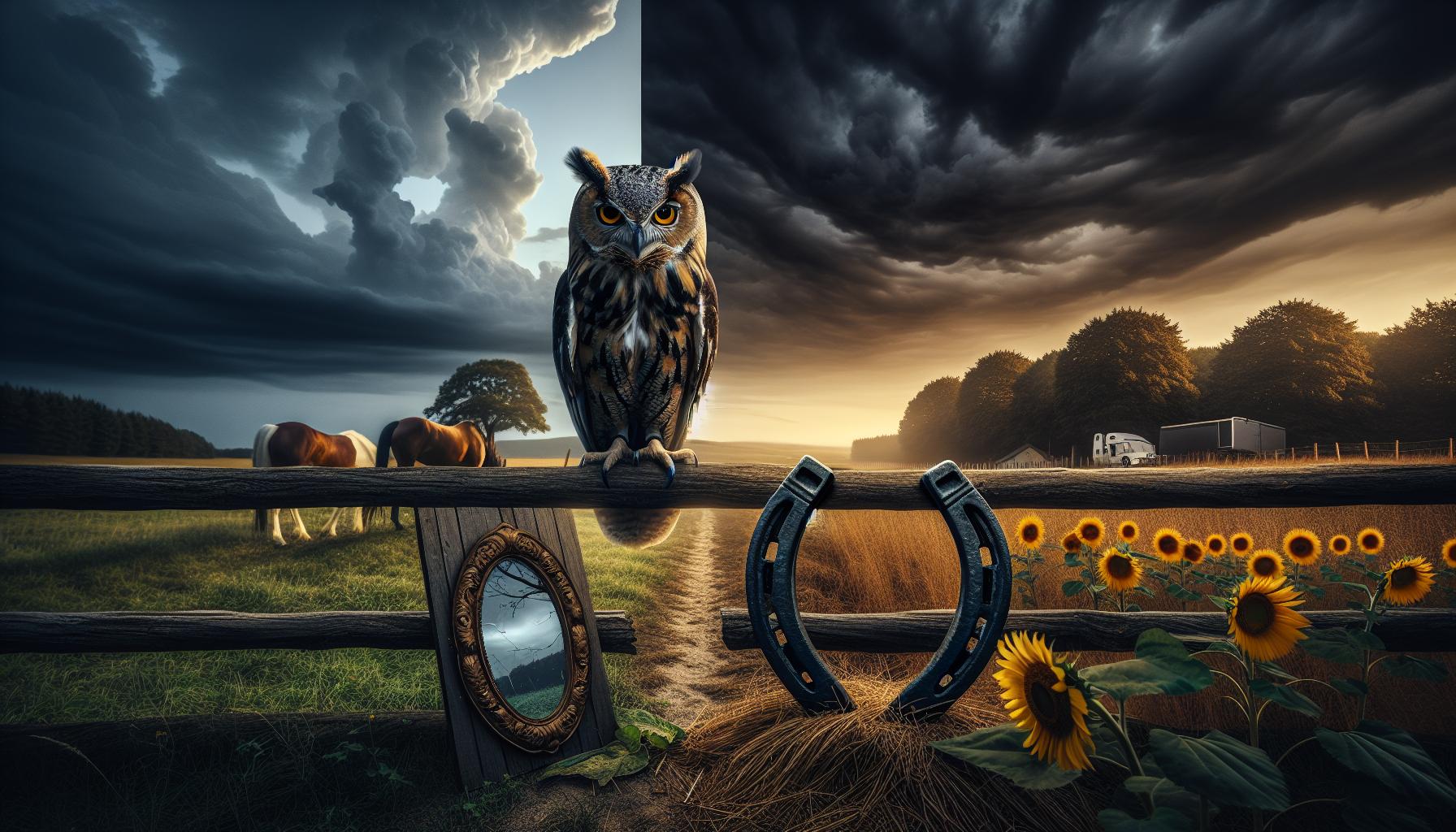
Regional Superstitions: How Owls Are Perceived Differently
The perception of owls varies dramatically across cultures, often reflecting deep-seated superstitions and regional beliefs. In many indigenous cultures, these nocturnal hunters are revered for their wisdom and as protectors, while in other societies, particularly in parts of Western Europe, they can be viewed with suspicion as harbingers of death or misfortune. This duality reveals a complex tapestry of beliefs shaped by local history, environment, and folklore.
In North America, for instance, certain Native American tribes celebrate the owl as a powerful spirit animal. To them, owls symbolize wisdom and guidance, often associated with the spirit world. The Hopi tribe, for example, regards the owl as a protector and a bearer of messages from the ancestors. This contrasts sharply with some European traditions, where the call of an owl is dreaded; many believe it foreshadows death or illness. Some cultures go so far as to employ protective charms or rituals to ward off the ill fate that might be signaled by an owl’s presence.
Cultural Interpretations Around the Globe
These superstitions are not just shapeless tales but often come with rich narratives that define local identities. In Eastern cultures, the Japanese fukuro, or owl, is often seen as a symbol of good luck. Known for their ability to see in the dark, owls are celebrated as protectors against evil spirits. Figurines of owls are commonly gifted during significant occasions such as weddings or housewarmings, embodying wishes for prosperity and success.
In the Caribbean, superstitions can take a different turn. In some communities, if an owl hoots at night, it is perceived as a call for someone to die. This belief warrants fear and caution, leading to a reluctance to speak of owls openly or to acknowledge their presence. Such polarizing views reveal how individual experiences and environmental factors shape our relationships with these birds.
Ultimately, regional superstitions surrounding owls offer a fascinating glimpse into how humans interpret their natural environment. These beliefs can inspire encounters that provoke reflection on our own lives, offering a rich connection to both culture and nature. Whether you view them as messengers of wisdom or omens of misfortune, understanding these diverse perspectives can deepen your appreciation for these remarkable creatures, making each sighting a profound experience.
The Role of Owls in Native American Cultures
In the rich tapestry of Native American cultures, the owl stands out as a profound symbol deeply intertwined with spirituality, wisdom, and guidance. Hearing the call of an owl is often not just a simple moment in nature; it is perceived as a significant event, rich with meaning. Various tribes view these majestic birds not merely as nocturnal hunters but as important messengers connecting the physical world to the spiritual realm. For many, the owl serves as a guide through life’s mysteries, imparting knowledge and insight.
Among the Hopi tribe, for example, the owl is revered as a protector and a wise counselor. It is believed that these birds can communicate messages from ancestors, enabling individuals to connect with their heritage and wisdom. The presence of an owl is interpreted as a reminder to pay attention to one’s surroundings and introspectively evaluate the personal journey. Similarly, the Zuni people regard the owl as a powerful symbol of the underworld and the spirit of the dead, serving to keep ancestral knowledge alive and relevant. Their stories and teachings often highlight how to navigate life’s challenges through the insight that owls provide.
The connection many Native American cultures feel towards owls extends not only into spiritual territories but also into practical realms, influencing art, storytelling, and traditional practices. Owls have been depicted in totem poles, pottery, and beadwork, often symbolizing fertility, protection, and wisdom. When creating art, these depictions serve not only decorative purposes but also as reminders of the moral lessons embedded in the stories these owls tell.
Engaging with owl mythology can be a meaningful path for those looking to explore their deeper selves or cultural roots. If you’re interested in attracting good luck associated with these magnificent birds, consider setting up an owl-friendly garden environment with native plants and nesting boxes. This not only contributes to conservation efforts but also fosters a space that honors the wisdom and mystery of owls, inviting their presence into your life. By understanding and appreciating the role of owls within Native American cultures, we enrich our own lives, embracing the balance of knowledge and nature that they embody.
Owl Encounters: Personal Stories of Luck and Transformation
The experience of encountering an owl can be transformative, often evoking deep introspection and elevating the mundane into the realm of the miraculous. For many, the sudden appearance of these enigmatic creatures can inspire feelings of luck and serendipity that linger long after the encounter. Remarkably, numerous cultures around the world attribute significant meanings to owl sightings, ranging from harbingers of wisdom to protectors against hardship. These stories not only enrich our appreciation of owls but also deepen our connection with nature and the spiritual messages it conveys.
Consider the tale of a young woman named Clara, who, during a particularly challenging time in her life, stepped outside one night for fresh air. As she stood quietly under the starlit sky, an owl swooped down from a nearby tree and perched just a few feet away. Its intense gaze seemed to lock onto hers, establishing a silent yet profound exchange. That owl, she later recounted, became her symbol of hope and resilience. Since that night, Clara felt empowered to approach her challenges with newfound strength, interpreting the owl’s presence as a sign of guidance-an affirmation that she was not alone in her struggles.
Such personal stories echo the broader cultural narratives where owls serve as auspicious symbols. In some Native American traditions, encountering an owl can signify a call to delve deeper into one’s spirituality, encouraging individuals to seek knowledge and wisdom from within. Likewise, many people believe that spotting an owl brings good luck, often leading to life changes or fortuitous opportunities. This belief encourages many owl enthusiasts to cherish their moments with these birds, viewing them as indicators of transformation and hope in their lives.
To embrace your own owl encounter as a moment of potential change, consider keeping a journal to document your experiences. Note when and where you see an owl, what you were feeling, and any thoughts that arise during the encounter. This practice not only enhances mindfulness but creates a tapestry of memories that can illuminate patterns and lessons over time. Whether you see an owl as a spiritual guide or simply a beautiful creature of the night, recognizing their role in your life can invite a deeper appreciation for the natural world and its intricate messages.
Scientific Perspectives: What Owls Represent in Nature
Owls are more than just captivating creatures of the night; they play a significant role in the natural ecosystem, serving as both predators and indicators of environmental health. Their unique adaptations, such as silent flight and acute hearing, make them exceptional hunters, allowing them to thrive in various habitats from forests to grasslands. These traits not only highlight owls’ biological prowess but also exemplify why they have been revered in many cultures as symbols of wisdom and intuition.
Despite their cultural associations, owls represent vital components of biodiversity. As apex predators, they help maintain the balance of populations among small mammals and insects. For example, a single barn owl can consume over a thousand rodents in one breeding season, drastically reducing the population of these critters. This natural pest control not only protects crops but also minimizes the spread of diseases associated with rodent populations. Thus, owls are not merely subjects of folklore; they serve crucial ecological functions that underpin the health of their environments.
From a scientific perspective, the presence of owls can indicate a well-balanced ecosystem. Because they are sensitive to changes in their habitats, owls can serve as bioindicators, helping us assess environmental conditions. When analyzing local populations of screech owls or great horned owls, for example, researchers can glean insights into habitat quality and the overall health of the ecosystem. Understanding these dynamics reinforces our appreciation for owls as both cultural symbols and essential members of the natural world.
To connect more with owls in your surroundings, consider creating owl-friendly spaces in your garden. Native plant species can attract their prey, while providing shelter can encourage owls to visit your area. Positioning owl boxes high in trees can also increase your chances of an encounter. By nurturing these magnificent birds in your environment, you not only help with their conservation but also enhance your own experience of witnessing their fascinating natural behaviors. Owls, after all, offer a glimpse into the interconnectedness of life, reminding us that our actions toward nature can have profound impacts on the world around us.
The Fascinating Behavior of Owls: Nature’s Mystics
The silent, gliding flight of owls captivates birdwatchers and nature enthusiasts alike. Known for their remarkable adaptations, owls possess unique features that allow them to hunt efficiently in the dark. Their specialized feathers have serrated edges that muffle sound, enabling them to approach prey stealthily. With extraordinary hearing capabilities, they can pinpoint even the faintest rustle of a mouse in the underbrush, making them both efficient hunters and symbols of mysterious wisdom. This elusiveness further enhances the perception of owls as mystical creatures, intertwining their behavior with various cultural meanings.
Owls’ nocturnal habits also contribute to their enigmatic presence. Unlike most birds, they are primarily active at night, which has allowed cultures around the world to attribute various meanings and superstitions to their sightings. In many Native American cultures, owls are seen as protectors and guides, embodying the spirit of the night. Observing an owl may be interpreted as a sign of impending change or a call to pay attention to one’s intuition. These interactions can lead to personal transformations, as many individuals report feeling a renewed sense of clarity or purpose after an owl encounter.
Engaging with owls in your own environment can be both fulfilling and enlightening. Creating owl-friendly habitats not only supports these majestic birds but also enhances the chances of witnessing their fascinating behaviors. Here are some helpful tips to attract owls to your backyard:
- Provide nesting boxes: Building or buying owl boxes can encourage owls to take up residence in your yard.
- Plant native trees and shrubs: Dense foliage provides shelter and hunting grounds, attracting their prey.
- Avoid pesticides: Reducing chemical use enhances the health of local rodent populations, ensuring a steady food source for owls.
By nurturing a welcoming environment, you not only support owl conservation but may also experience the serendipity of their presence-reminding us that these birds are not just creatures of folklore, but also valuable indicators of ecological health and vital participants in our ecosystems.
Owls in Art and Literature: Cultural Reflections
Owls have long fascinated artists and writers, serving as powerful symbols within the tapestry of human culture. Their striking features and elusive nature make them ideal subjects for exploration in art and literature. From ancient mythology to modern storytelling, these nocturnal birds have been depicted in various ways, reflecting diverse cultural beliefs and values. This cultural reflection not only solidifies their status as potent symbols but also influences our perceptions of luck and wisdom associated with these birds.
In many cultures, owls are imbued with dual meanings; they can represent both wisdom and death. For instance, in Ancient Greece, owls were associated with Athena, the goddess of wisdom, which cemented their place as symbols of knowledge and insight. This connection is reflected in various works of art, from classical sculptures to Renaissance paintings. On the other hand, in some Native American traditions, the owl is often seen as a harbinger of death, thought to possess supernatural powers. This complexity is mirrored in contemporary literature, where owls sometimes embody both guidance and warning, offering a narrative richness that captivates readers.
Art movements have also harnessed the enigmatic quality of owls. The surrealists, for example, frequently depicted owls in dream-like scenarios, using them to explore themes of the subconscious and duality. Their representation in folk art often captures not just their physical attributes but also the emotional responses they evoke. This blend of aesthetics and symbolism reinforces the notion that encounters with these birds can be transformative, leading to introspection and personal growth.
If you’re looking to immerse yourself in owl-related art and literature, consider visiting local galleries or libraries to discover works that feature these fascinating creatures. You can also explore online platforms focused on bird art where you can find an array of and unique owl artwork. Additionally, writing your own stories or poems about owls can be a rewarding way to engage with their rich symbolism, allowing you to express your own experiences and feelings linked to these mystical birds. Whether you’re admiring a painting or crafting your own tale, the owl continues to be a source of inspiration and reflection, urging us to look deeper into our understanding of luck and the mysteries of life.
Comparative Analysis: Owls vs. Other Birds of Prey
When considering the enigmatic allure of owls, it’s essential to compare them with other birds of prey to understand their unique place in both nature and cultural symbolism. Owls, with their silent flight and nocturnal habits, embody characteristics distinct from their diurnal cousins like hawks and eagles. While all birds of prey are known for their hunting prowess, owls often signify deeper spiritual meanings and cognitive interpretations in various cultures.
Owls primarily hunt at night, relying on their exceptional hearing and eyesight to locate prey in darkness. This gives them a mystical quality that contrasts with daytime hunters such as the falcon or the red-tailed hawk. For instance, hawks are often viewed as symbols of vision and clarity, embodying direct insight and awareness in the waking world. In contrast, owls represent intuition, the subconscious, and a connection to mysteries beyond immediate perception. Their association with wisdom stems largely from these traits, as well as their historical reverence in cultures such as Ancient Greece, where they were linked to Athena, the goddess of wisdom.
Culturally, the perceptions of owls vary significantly across different societies when compared to other birds of prey. While hawks might symbolize triumph and power in many Western traditions, owls can carry dual meanings. For example, in some Native American cultures, owls are seen as protectors or guides, whereas, in others, they are viewed as omens of death. This dichotomy illustrates how cultural beliefs shape our understanding of these birds, making owls unique among raptors and highlighting the rich tapestry of interpretations surrounding them.
To attract owls to your backyard, consider creating a conducive environment by incorporating a variety of trees and dense brush, which offer shelter and hunting grounds. In contrast, hawks and eagles are often drawn to open spaces with perches that provide a clear view of the ground below. Therefore, gardens designed for owls will differ significantly from those intended to attract more common raptors, offering a unique challenge for bird lovers looking to invite these mystical creatures into their lives.
Ultimately, the comparison between owls and other birds of prey reveals not only differences in behavior and habitat preferences but also the distinct cultural meanings ascribed to each species. By appreciating these contrasts, we can deepen our understanding of owls as symbols of wisdom and mystery, while recognizing the power and clarity associated with other raptors. Whether you’re a novice birdwatcher or an avid ornithologist, exploring these differences enriches your connection to the avian world and enhances your appreciation for the unique narratives surrounding these exceptional birds.
How to Attract Owls: Gardening for Good Luck
Creating an owl-friendly garden can transform your outdoor space into a sanctuary for these enigmatic creatures, enhancing not only your connection to nature but also potentially inviting a stroke of good luck, as many cultures believe. Owls thrive in environments that mimic their natural habitats, which include mature trees, open fields, and areas with dense underbrush. To draw these fascinating birds to your yard, consider adding a variety of plants that can provide both food and cover.
Key Elements for Attracting Owls
Start by incorporating the following elements into your garden:
- Native Trees and Shrubs: Plant native species that provide nesting sites and shelter. Look for large trees such as oaks, pines, and willows which can offer roosting spots and cavities for nesting.
- Open Spaces: Incorporate spots of open ground or meadows within your garden. This landscape helps attract small mammals (like voles and mice) that owls frequently hunt.
- Dense Vegetation: Create hedges or thickets with dense shrubs to provide cover for both owls and their prey, ensuring they feel safe hunting in your garden.
- Water Sources: Having a small pond or birdbath can also attract creatures that owls might hunt while providing a refreshing stopover for many birds.
Additionally, you can support owl populations by putting up nesting boxes specifically designed for different owl species, such as barn and screech owls. Make sure these boxes are positioned high off the ground in locations where they can remain undisturbed.
Behavioral Insights and Garden Maintenance
Owls are nocturnal hunters, relying heavily on their acute hearing and silent flight to catch their prey under the cover of darkness. Therefore, maintaining a quiet and less artificially lit garden space in the evening can increase your chances of observing these creatures. Reducing noise and artificial lighting in the evenings will contribute to a more inviting environment for owls.
Remember that attracting owls may take some time; patience is key. Each season brings different opportunities for improvement, so keep your garden well-maintained and observe its evolution. Additionally, be prepared to adapt your landscaping based on what works best for attracting these birds. Engaging with local birdwatching communities can provide you with invaluable insights and tips reflective of your specific region.
In recognizing the unique qualities that owls bring, as well as the cultural significance attached to their presence, you will not only create a thriving habitat but also deepen your appreciation for these remarkable birds. Creating an owl-friendly environment allows you to become part of the larger narrative surrounding wildlife conservation while enriching your daily life with the quiet companionship of these guardians of the night.
Understanding Owl Conservation: Protecting Cultural Symbols
Owls have long captivated human imagination, embodying wisdom, mystery, and a deep connection to the night. They play intricate roles in various cultures, with many societies attributing significant symbolic meanings to these creatures. However, as urban development, pollution, and habitat loss threaten owl populations, it becomes increasingly essential to prioritize conservation efforts that not only safeguard these magnificent birds but also protect the cultural narratives intertwined with them.
One vital aspect of owl conservation is habitat preservation. Owls require diverse environments to thrive, including forests, grasslands, and wetlands, each bustling with the life forms they hunt. Consider participating in local conservation projects or supporting organizations that focus on habitat restoration. For instance, participating in community tree-planting initiatives can help recreate natural spaces that encourage owl presence. Additionally, by making informed choices about landscaping-such as avoiding pesticides and using native plants-you create a welcoming environment for not just owls, but a plethora of wildlife that enriches our ecosystems.
Engaging with your local community can further enhance conservation efforts. Many regions host educational programs or workshops focused on owls and their habitats, providing opportunities to learn more about these awe-inspiring birds while becoming advocates for their protection. Sharing personal stories or experiences related to owl sightings fosters a sense of wonder and appreciation that can motivate others to join conservation efforts. Create “Owl Appreciation Days” where people can gather to celebrate these creatures through art, storytelling, or guided owl-watching tours.
Moreover, supporting laws and policies that protect owl habitats is crucial in the fight against environmental degradation. Your voice matters when it comes to advocating for wildlife corridors, limiting light pollution, and preserving natural spaces crucial for owls. Each step taken towards conservation not only contributes to the well-being of these elusive birds but also makes a significant impact on the cultural symbols they represent. Owls remind us of the importance of mystery, wisdom, and connection to the natural world, values that deserve our protection and reverence. Embrace the role you play in this ongoing narrative by taking actionable steps today-becoming a guardian for the night’s silent sentinel.
Q&A
Q: What does it mean spiritually to see an owl?
A: Seeing an owl is often interpreted as a spiritual message of wisdom, transformation, or insight. In many cultures, owls are believed to be messengers from the spirit world, signaling that you should pay attention to your intuition and the changes around you [1].
Q: Are there specific cultural beliefs about owls bringing luck?
A: Yes, various cultures have unique beliefs regarding owls as symbols of good luck. For example, in some Native American tribes, owls represent protection and foresight. However, others may associate them with death or misfortune, reflecting the complex symbolism of owls across different traditions [3].
Q: How can you encourage owl sightings for good luck?
A: To attract owls and potentially gain good luck, create a conducive environment with dense vegetation and a water source. Also, consider building a nesting box to provide a safe habitat. This approach can enhance your chances of owl encounters, as mentioned in our guide on attracting owls [1].
Q: What do different owl species symbolize in various cultures?
A: Different owl species carry distinct meanings. For instance, the great horned owl is often seen as a protector, while the barn owl is associated with the supernatural. Understanding these cultural nuances can deepen your appreciation of owl symbolism [2].
Q: Can seeing an owl indicate an upcoming transformation?
A: Yes, many believe that encountering an owl signals impending change or transformation in one’s life. This aligns with the owl’s symbolism of wisdom and the ability to see beyond the surface, prompting individuals to embrace upcoming life shifts [1].
Q: Are there negative superstitions associated with seeing an owl?
A: While owls are often seen as symbols of wisdom and good fortune, some cultures do associate them with bad omens or death. It’s essential to consider the cultural context when interpreting the meaning of seeing an owl [3].
Q: What role do owls play in psychic development?
A: In many spiritual practices, owls are considered guides for psychic development, encouraging individuals to trust their intuition and explore their inner wisdom. They serve as reminders to listen closely to one’s guiding instincts [2].
Q: How does owl symbolism vary between cultures?
A: Owl symbolism varies widely; for example, in Ancient Greece, owls represented wisdom linked to Athena, while in some African cultures, they may symbolize foreboding or witchcraft. Understanding these differences enhances the appreciation of owls in cultural narratives [3].
Key Takeaways
As we’ve explored, the presence of owls carries profound cultural significance, often seen as omens of good fortune across various traditions. Remember, whether you encounter an owl in your backyard or a story about one captures your imagination, these majestic creatures can symbolize wisdom and protection. If you’re intrigued by the mystical associations of other birds, check out our articles on the Symbolism of Other Birds and How to Attract Owls to Your Backyard.
Don’t let this interest fade! Subscribe to our newsletter for the latest insights on bird watching and cultural meanings, and explore our comprehensive guides to deepen your understanding. Share your owl sightings or stories in the comments below; we’d love to hear how these encounters have impacted you! Each visit enriches our community-let’s continue this journey together as we unveil more about the enchanting world of birds. Your next adventure awaits!
Get our latest guides, news, and insights highlighted in your Google Search & AI Overviews.










