Did you know that distinguishing between male and female parakeets can significantly impact your bird-keeping experience? Understanding your parakeet’s sex not only helps in choosing a suitable companion but also plays a crucial role in breeding considerations and behavioral insights. While many pet owners simply adore their colorful feathered friends, knowing whether your parakeet is a male or female enriches your bond and care strategies. In this guide, we will explore the most effective methods for identifying the sex of parakeets, including key visual cues and behavioral traits. By the end, you’ll feel confident in understanding your parakeet’s unique identity, enhancing both your knowledge and your pet’s well-being. Let’s dive in!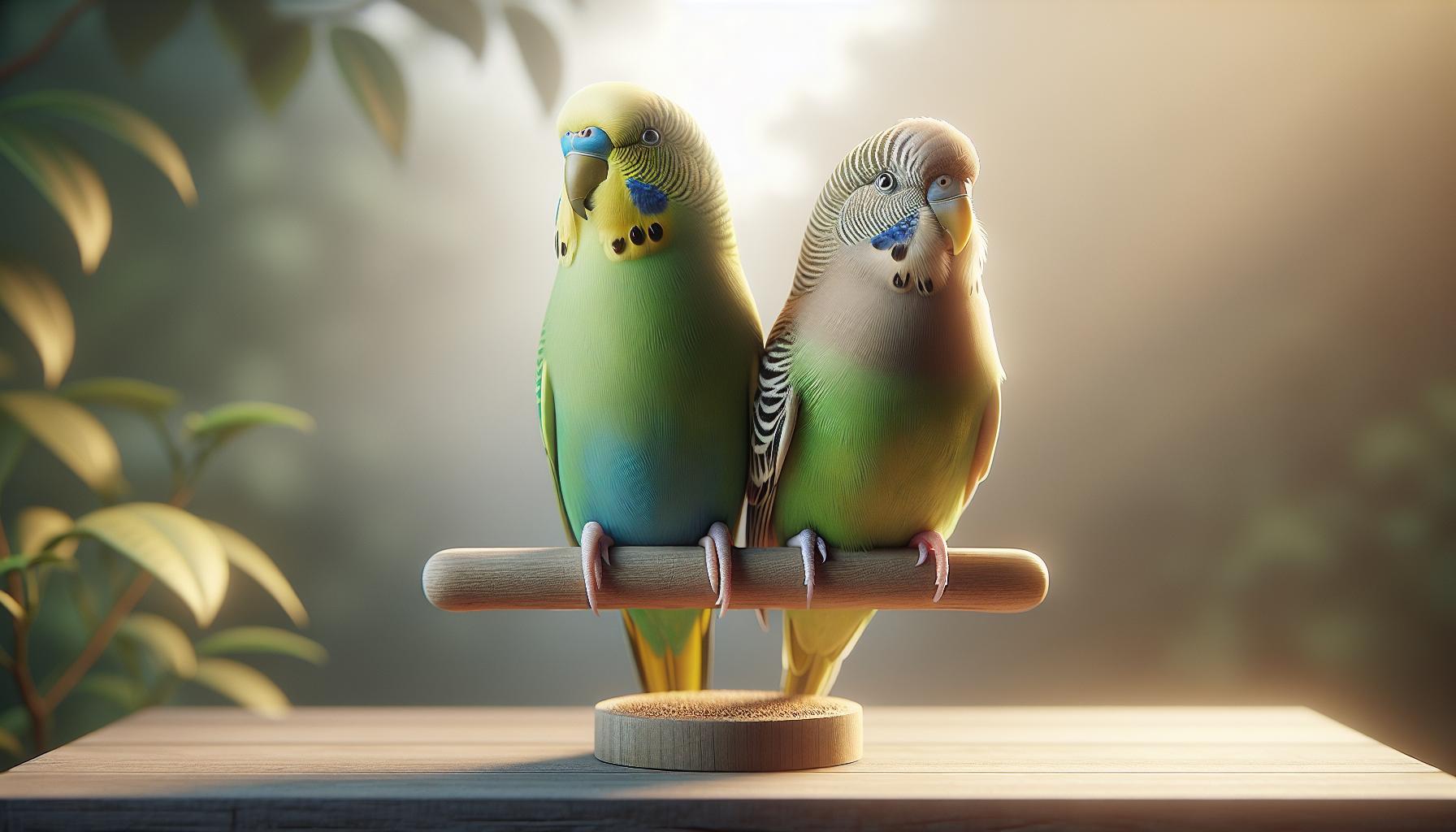
How to Differentiate Between Male and Female Parakeets
Determining whether a parakeet is male or female can be crucial for owners interested in breeding or simply wanting to understand their feathered friends better. One of the most recognizable indicators is the color of the cere-the fleshy area above the beak that houses the nostrils. In males, especially during their mature stages, the cere is usually bright blue, while females typically have a pinkish or brown cere, particularly when they are in breeding condition. Young parakeets, however, can be tricky; their ceres might appear pale or uniform, making it imperative to observe changes as they mature.
Beyond the cere’s color, other visual signs can further clarify gender differences. Male parakeets tend to have more vibrant plumage and are often more visually striking than females. You may notice that males exhibit more playful and adventurous behavior, frequently engaging in singing and chirping, while females might display a calmer demeanor and may be more reserved. This behavioral contrast can be an additional clue to help determine gender, provided you observe them closely.
As you assess your parakeet, don’t overlook the importance of their age. Juvenile parakeets, under six months old, often do not show definitive characteristics, which can lead to confusion. During this early stage, waiting until they reach sexual maturity-usually around 6 to 12 months-can assist in making a clearer identification. If you’re in doubt, specialized DNA testing can provide an accurate answer, eliminating ambiguity entirely.
When choosing a parakeet as a pet, consider how their gender may impact their behavior. Male parakeets are generally more social and enthusiastic about human interaction, which can be rewarding for first-time bird owners. Conversely, if you’re looking for a quieter companion, a female might be the better option. Ultimately, knowing is not just about identification; it’s about selecting a bird that fits seamlessly into your lifestyle while enhancing your experience as a bird owner.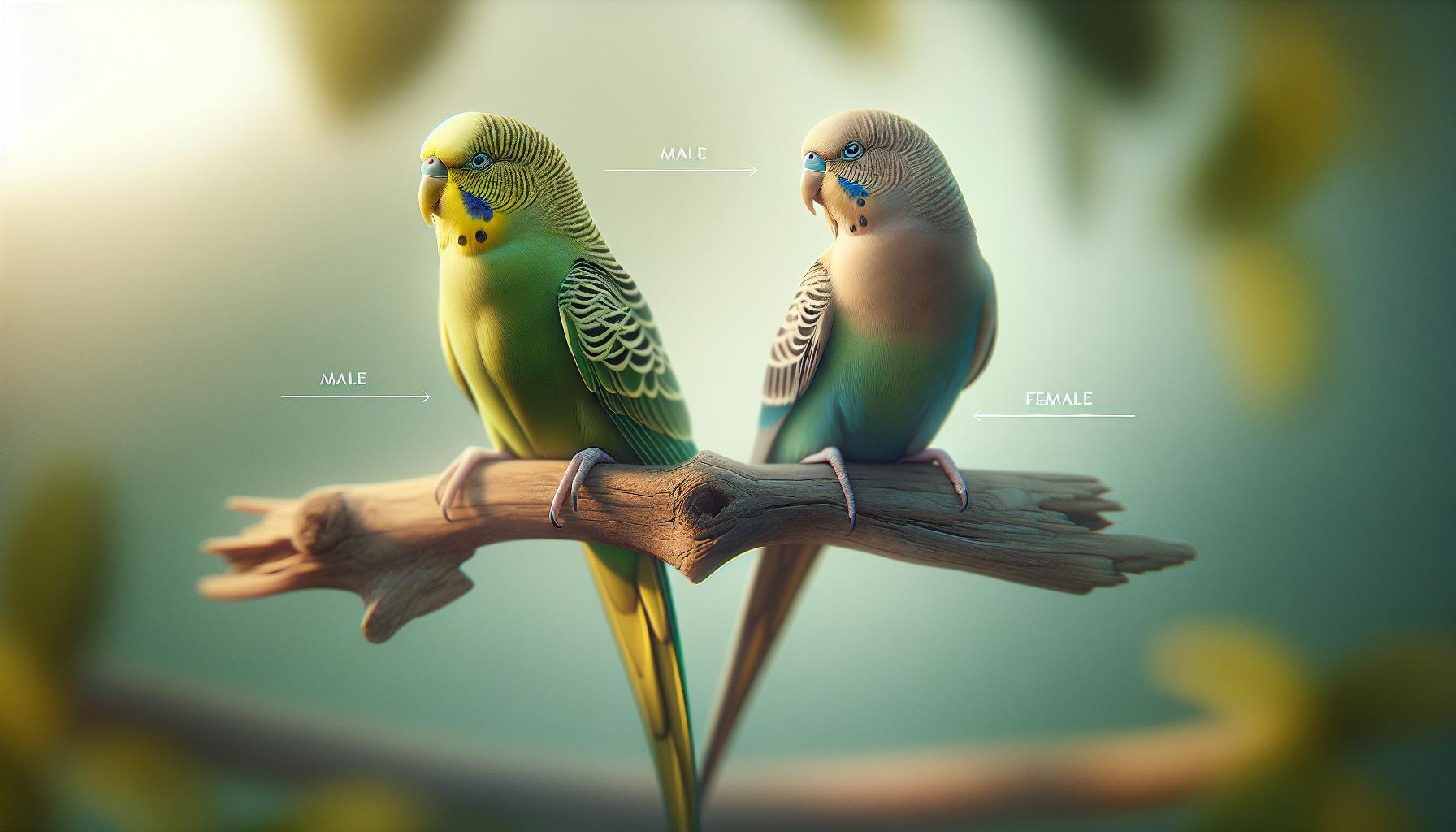
Visual Signs of Male Parakeets
When it comes to identifying male parakeets, one of the most striking features is their vibrant coloration. Males typically boast more intense and eye-catching plumage compared to their female counterparts. This can manifest in various shades depending on the breed; for instance, in the popular budgerigar species, males often exhibit bright blues and greens that not only make them visually appealing but also help in attracting mates within their natural habitat. The vivid feathers are not just for show-they play a crucial role in social interactions among parakeets.
Another key indicator of a male parakeet is the texture and shape of their body. Generally, males are leaner and more elongated than females, whose bodies tend to be more robust and rounded. When they display, particularly during courtship rituals, male parakeets will often puff up their feathers, enhancing their size and visual allure. If you observe your parakeet in a relaxed pose, the slender silhouette of a male can be quite distinct, especially when comparing it side-by-side with a female.
The behavior of male parakeets also serves as a visual cue for identification. Males are often much more animated and social than females. They engage in singing, chirping, and even mimicking sounds, showcasing their expressive nature. You might find a male parakeet swinging on toys, flapping its wings, and performing aerial acrobatics, all of which contribute to its lively demeanor. This exuberance is not just personality; it reflects the biological imperative to attract a mate by showcasing their health and vitality.
Lastly, pay close attention to the cere, the fleshy area above a parakeet’s beak. In mature male parakeets, the cere is usually a bright shade of blue, contrasting sharply with the softer, more muted hues typically found in females. This visual distinction can be particularly useful when judging the gender of your parakeet, especially between the ages of 6 to 12 months, when these visual signs become more pronounced. Understanding these traits can significantly enhance your ability to differentiate between male and female parakeets effectively.
Visual Signs of Female Parakeets
Identifying female parakeets can be a delightful endeavor, especially for bird enthusiasts eager to understand these vibrant creatures. One of the most prominent visual cues is the color and appearance of the cere, which is the fleshy area right above the beak. In mature female parakeets, particularly budgerigars (budgies), the cere typically presents as a muted brown or tan color, often appearing dry or less noticeable compared to the bright blue of their male counterparts. This difference can be especially apparent in birds aged over six months, where the contrast becomes pronounced, making it easier for owners to differentiate gender.
While male parakeets often boast vibrant feathers that can draw the eye, female parakeets generally exhibit softer, more pastel colors. Typically, you’ll see shades of yellow, green, or grey in various hues that tend to have less intensity compared to males. For instance, in a spectrum of budgies, you might find a male sporting a striking cobalt blue, whereas his female counterpart may be adorned in a pale yellow or green with subtle streaks. This less flamboyant coloration can sometimes lead to misconceptions regarding their vibrancy, but it serves an important purpose; female parakeets may choose understated appearances to signal their readiness and attract discerning mates without overly showcasing their health.
In addition to coloration, the physical size and shape of female parakeets provide insights into their gender as well. Females tend to be stockier and rounder in appearance when compared to the leaner, more elongated males. This can be particularly noticeable when both genders are side by side. Behaviorally, females may exhibit less overt social interactions, often being more reserved, which can also serve as a contrast to the higher levels of activity noted in males. Observing these characteristics can enrich your understanding of parakeet dynamics and help you foster a nurturing environment tailored to the personalities and needs of your birds.
Finally, pay close attention to any specific breeding behaviors or markings that can occur during certain periods, such as nesting. This can include the formation of more pronounced markings or changes in plumage conditions that are unique to females during their breeding cycles. Understanding these visual signs helps not only in identification but also in ensuring that you can provide the best possible care for your parakeet according to its gender. Overall, becoming adept at recognizing these characteristics will enhance your experience as a parakeet owner, helping you appreciate the unique traits each individual bird brings to your life.
Understanding Parakeet Behavior: Gender Differences
Understanding the behavioral nuances between male and female parakeets can significantly enhance your relationship with these charming birds. Observing their interactions within the aviary or during playtime can reveal a lot about their personality traits, which are often influenced by their gender. For many bird owners, these differences can help tailor care routines, enrich environments, and even aid in training regimens.
Male parakeets are generally more outgoing and exhibit flamboyant social behaviors, often displaying higher energy levels and more vocalizations. You’ll find them engaging in playful antics like whistling, singing, and even mimicking sounds more frequently than their female counterparts. This penchant for play not only reflects their social nature but also their instinct to attract a mate. They may also exhibit more overt courtship behaviors, like puffing up their feathers and performing aerial displays.
In contrast, female parakeets are often characterized by a more reserved demeanor. They might appreciate quieter environments and tend to observe rather than initiate interactions. This subtlety in behavior doesn’t translate to a lack of personality; female parakeets can be affectionate and playful but often express these traits in more understated ways. During breeding season, however, females can shift into a nurturing mode, displaying nesting behaviors that can include sitting in nests or gathering materials-an instinct that showcases their readiness to mate and care for young.
Understanding these behavioral distinctions not only provides deeper insights into your parakeet’s personality but also helps in creating a nurturing and engaging environment. Recognizing when your male parakeet is vying for attention through flashy displays versus when a female seeks a quiet perch can foster better communication and bonding. This tailored approach in understanding their behaviors makes for a more enriched life for both you and your feathered friends.
The Role of the Cere in Gender Identification
The cere, a fleshy area located above a parakeet’s beak, plays a pivotal role in identifying the gender of these delightful birds. One of the most fascinating aspects of the cere is how its appearance changes over time, acting as a biological marker that unveils gender characteristics. For those of us passionate about parakeets, learning to read this subtle yet crucial feature can significantly enhance our caregiving experience and bird-keeping prowess.
In adult male parakeets, the cere typically presents a vibrant blue hue, smooth texture, and may even exhibit some waxy shine. This eye-catching display serves not only as a visual appeal but a signal of maturity and readiness to breed. Conversely, female parakeets reveal a completely different party going on with their ceres. Often turning a tan or light brown color, the female’s cere may also take on a rougher texture, especially during breeding season when it may swell and become more pronounced, signaling hormonal changes and reproductive readiness. These contrasting colors serve as observable markers that can help even novice bird owners make accurate gender determinations.
Understanding Cere Changes with Age
Identifying gender through the cere involves considering the age of the parakeet. Young parakeets, regardless of gender, present a similar cere appearance that may remain pale and underdeveloped. As they mature, males will typically transition to the distinctive blue, while females will turn a more subdued shade, often several months after they hatch. This evolutionary adaptation allows male parakeets to attract females instantly within a flock setting, while the female’s coloring supports her role in nesting and parenting.
Moreover, certain mutations in parakeets, like the Lutino or Albino traits, can influence cere colors and complicate gender identification. Therefore, it’s essential to combine serration observations with other behavioral cues when determining gender. For instance, adopting a keen eye for playful antics in males versus a more reserved nature in females can also aid in making an accurate identification.
Understanding the function and transformation of the cere not only empowers bird owners to determine the gender of their feathered friends but also fosters a deeper connection with these captivating creatures. By observing these subtle indicators, every parakeet owner can engage more fully with their pet’s behaviors and enjoy a richer relationship based on knowledge and empathy.
Age and Gender: How It Affects Identification
Understanding the age of your parakeet is crucial when determining its gender. Young parakeets, often called chicks, present a challenge for bird owners because their cere-the fleshy area above the beak-looks similar across genders. In chicks, the cere can be a pale color, typically bluish or pinkish, making it nearly impossible to ascertain sex until they reach a few months of age. This period of uncertainty can be frustrating for new bird owners, but it’s an essential part of the growing process.
As parakeets mature, their cere undergoes significant changes that are key to identification. By the time they are about 3 to 6 months old, males usually develop a bright blue cere, often boasting a smooth and shiny appearance. In contrast, females will tend to have a duller cerulean or even a tan to light brown cere that may look more textured or rough, especially when they enter breeding season. This stark difference in cere appearance not only helps identify the gender but also signals maturity and reproductive readiness. For instance, if you notice a young parakeet that has turned a vibrant blue, it is likely a male ready to attract a mate, while a female’s cere taking on a deeper brown hue indicates her readiness to breed.
Another important factor to consider is the potential impact of genetic mutations on gender identification. For species such as the Lutino or Albino, the cere’s coloring can vary from the typical hues associated with gender identification. This can confuse even seasoned birders, so it’s vital to consider the context of the individual bird’s coloration alongside its age.
In practice, observing behaviors tied to age can also enhance identification efforts. Young parakeets, regardless of gender, tend to be more playful and exploratory. As they grow, males typically exhibit more assertive and social behaviors, while females may display more nurturing tendencies. This behavioral understanding can provide additional clues that assist in determining gender even before the physical markers become fully apparent. Ultimately, patience and keen observation will guide you in accurately identifying the gender of your parakeet as it matures.
Common Myths About Parakeet Gender Identification
Understanding the intricacies of gender identification in parakeets can be a rewarding yet often perplexing endeavor. Many new and even seasoned parakeet owners fall prey to misconceptions about how to accurately determine their bird’s sex. One prevalent myth is that all male parakeets have a strikingly vibrant blue cere while females have a universally dull tan or brown cere. While it’s true that these color patterns typically hold, variations exist depending on age, breed, and even genetic mutations that can obscure these identifying features.
Another common fallacy is the belief that vocalizations can reliably hint at a parakeet’s gender. Although males tend to be more vocal and may exhibit more complex singing behaviors, this is not a universal truth. Some females also possess strong vocal abilities, particularly if they were raised in an environment where communication is encouraged. Relying solely on sound can lead to erroneous conclusions, so combining auditory observance with visual examination is crucial.
Additionally, many people think that a bird’s behavior alone can define its gender. For instance, while asserting that all females are nurturing and males are dominant, such generalizations overlook the rich array of individual temperaments present in parakeets. Just like people, birds exhibit a wide range of personalities regardless of gender, influenced by factors including upbringing, socialization, and environment. This myth can lead potential owners to choose a bird based on assumptions rather than evaluation of personality traits.
Finally, some individuals believe that gender identification becomes impossible after a certain age. In reality, while visual cues may become less pronounced in older birds, techniques such as DNA testing are available for accurate determination of gender even in mature parakeets. These insights reveal the importance of approaching gender identification with open-mindedness, patience, and a willingness to explore beyond surface-level observations.
Behavioral Traits Linked to Gender
In the colorful world of parakeets, distinguishing between male and female birds can be an intriguing puzzle that enhances our understanding of their behavior. Observing the distinct personality traits associated with each gender can offer significant insights into their care and companionship. Typically, male parakeets are known for their more outgoing and vocal nature. They often engage in songs, whistles, and playful chatter, using a variety of sounds to communicate, especially when they desire attention. These vibrant vocalizations are not just charming but serve as a way for them to express their mood and interact with their environment.
On the other hand, female parakeets may exhibit a more reserved demeanor, though this isn’t a hard and fast rule. While many females can indeed develop impressive vocal skills, they often prefer quieter activities. Their behavior is frequently seen as nurturing, especially when nesting. For those looking to bond with a more affectionate and quieter companion, a female parakeet might fit that bill. However, it’s essential to recognize that individual personality plays a significant role in behavior and temperament, making every parakeet unique regardless of its gender.
In terms of social interactions, males might dominate playtime and are often more likely to engage in displays meant to attract mates, such as puffing up their feathers and performing acrobatics. Females, while still playful, may focus more on foraging and observing their surroundings, providing a balance of lively energy and calmness to your home. Encouraging these behaviors through interactive toys and socialization can shape how your parakeet interacts with you and others.
Ultimately, while gender can influence behavioral traits, understanding and tailoring the environment to foster positive interactions is crucial. By focusing on the individual’s personality coupled with gender-specific tendencies, you can create an enriching habitat for your feathered friend. Remember that the best way to appreciate these behaviors is through patient observation and engaging with your parakeet in ways that honor their unique traits.
Breeding Colors: What to Expect
Breeding parakeets reveals a fascinating array of colors, greatly influenced by the genetic makeup of the parent birds. Understanding these breeding colors is essential for anyone interested in selectively breeding parakeets, as it can significantly impact the visual appearance of the offspring.
When it comes to color inheritance, parakeets exhibit a variety of mutations, which can create striking and beautiful variations. The most common mutations include the blue, yellow, green, and white colors, but there are countless combinations and shades based on the gene pool. For instance, a pair of blue and green parakeets may produce offspring in various shades of green and blue, depending on which genes are expressed. Understanding basic genetics can help breeders predict the likely color outcomes, allowing you to plan for specific traits in your chicks.
In selective breeding, it’s not just about color; behavior and temperament also pass down through generations. If you breed more vibrant and sociable individuals, there’s a good chance that their offspring will exhibit similar traits. It’s crucial to ensure that both male and female parakeets are healthy and have desirable characteristics, as these factors can influence the well-being of their young.
To further enhance your breeding experience, keep detailed records of the colors and traits of each bird in your breeding pair. This will help track genetic backgrounds and inform future pairings. Additionally, implementing good breeding practices-such as providing a spacious, enriched environment and a balanced diet-will ensure not only vibrant colors in your parakeets but also healthy, happy birds. By embracing both the science and art of breeding, you can create stunning feathered companions that embody your vision for ideal parakeet characteristics.
Using DNA Testing for Accurate Gender Identification
Understanding the sex of your parakeet can often be a confusing endeavor. While many enthusiasts rely on visual cues such as cere color or behavior, these methods can sometimes lead to misidentification, especially in juvenile birds. For those seeking the most accurate means of determining gender, DNA testing is an invaluable tool that takes the guesswork out of gender identification and offers peace of mind for bird owners.
DNA testing for parakeets involves collecting a small sample of blood or feather material, which is then sent to a specialized laboratory for analysis. The test examines specific genetic markers that differ between male and female birds, providing clear results without the challenges presented by physical characteristics that can vary significantly by age or species. This method is particularly beneficial for breeders wanting to ensure correct pairings or for those simply wishing to understand their pet’s gender more precisely.
The process is straightforward: after obtaining the sample, which can usually be done at home with minimal stress to the bird, you send it off and await the results. Most labs provide results within a few days, making it a quick and efficient method to confirm gender. For owners eager to learn more about their parakeet beyond just gender, this information can also be essential for determining potential breeding colors and behaviors associated with each sex.
Furthermore, DNA testing is not only applicable to parakeets; it can also be used with many other bird species, making it a versatile tool for aviculturists. Investing in DNA testing can be a small price to pay for the assurance it provides, enabling owners to make informed decisions that promote the health and happiness of their feathered companions.
Tips for Choosing the Right Gender for Your Lifestyle
Choosing the right gender for your parakeet can significantly shape your experience as a bird owner. Whether you’re a seasoned enthusiast or a first-time pet parent, understanding how the gender of your parakeet impacts its personality, socialization needs, and your overall lifestyle can lead to a fulfilling companionship. Male and female parakeets exhibit different traits and behaviors, making it essential to consider your preferences and environment before bringing one home.
For those who enjoy active interaction, male parakeets are often more vocal and likely to engage in playful antics. They are known for their cheerful chirping and can be more affectionate and loving, sometimes developing a strong bond with their owners. If you’re looking for a bird that can learn to mimic sounds or even talk, males might be your best bet. On the other hand, female parakeets can be just as charming and engaging but may display a more independent demeanor. Females often exhibit nurturing behaviors, especially if they are nesting, making them fascinating to observe.
Here are some practical tips to help you decide on the right gender for your lifestyle:
- Assess Your Activity Level: If you lead a busy lifestyle and need a bird that requires less social interaction, a female might suit you better, as they can be more self-sufficient.
- Consider Space and Environment: If you’re planning to house multiple birds, understanding the dynamics between males and females can be crucial. Males may be more aggressive toward each other, especially if they are not neutered, while females can be more territorial.
- Future Breeding Plans: If you’re interested in breeding, understanding gender is paramount. It’s essential to choose compatible pairs and ensure both sexes are healthy. DNA testing could be a reliable solution to avoid surprises.
- Long-Term Commitment: Remember that parakeets can live for over a decade. Consider how your lifestyle might change over the years and how an active male or an independent female fits into your future.
Lastly, it is essential to gather information about specific breeds since some parakeet species exhibit more pronounced gender differences than others. If you’re already smitten by a particular type, research can unveil insights about how gender traits manifest in those birds. By pairing your lifestyle with the right gender traits, you will pave the way for a joyous journey with your feathered friend, filled with companionship, entertainment, and learning.
Frequently Overlooked Gender Indicators in Parakeets
Identifying the gender of parakeets can be a nuanced task, often requiring keen observation to pick up on subtle signs. While many bird owners are aware of the primary characteristics that signal whether a parakeet is male or female, there are several frequently overlooked indicators that can provide additional clarity. For instance, the context in which behaviors occur can be just as revealing as physical traits, especially when you consider aspects like play style, vocalization patterns, and interactions with other birds.
One of the often-missed indicators involves social behavior. Male parakeets tend to be more outgoing and will often display more exuberant social interactions, such as play-fighting or vocalizing loudly, especially during the morning when they are most active. In contrast, female parakeets might be quieter in their interactions and often prefer more solitary activities or less boisterous forms of play when in a calm environment. Noticing the energy level and engagement style can therefore provide critical clues.
Another subtle sign lies in the configuration of perching habits. While males may frequently be found perched high, showcasing their vocal prowess for all to hear, females might choose more varied spots, especially if they are nesting or in the presence of a mate. If you observe your parakeet frequently rearranging its perch and seeming to claim territory, you could be looking at a female displaying nesting tendencies. Additionally, the way they react to mirrors or reflections can be indicative; males may flirt with their own reflection, showing off, while females can show a more indifferent attitude.
Lastly, many bird owners overlook the significance of the parakeet’s cere when assessing gender. While the cere’s color provides immediate visual differentiation, its texture also changes with different ages. A slightly textured or varied cere could indicate a mature female, whereas a smooth, brightly colored cere usually suggests a male. Understanding these finer points can enhance your ability to accurately determine the gender of your parakeet, ultimately leading to more effective bonding and companionship with your plumage-covered friend.
Embracing these lesser-known signs will enrich your experience as a bird owner and allow you to appreciate the unique personalities of male and female parakeets more fully.
Frequently Asked Questions
Q: How can I determine my parakeet’s gender?
A: To determine your parakeet’s gender, observe the cere, the fleshy area above the beak. Males usually have a bright blue cere, while females often have a brown or tan cere. This visual cue is most accurate during sexual maturity. For more tips, check the section on identifying male and female parakeets.
Q: Do parakeet genders affect their behavior?
A: Yes, male and female parakeets exhibit different behaviors. Males often tend to be more vocal and social, while females may display nesting behaviors and can be more territorial. Understanding these behaviors helps in creating a better environment for your pet, as discussed in the behavioral traits section.
Q: What is the best age to determine a parakeet’s gender?
A: The best age to determine a parakeet’s gender is around 4-6 months old when their cere develops fully. Prior to this age, visual identification can be unreliable. Refer to the age and gender section for more insights into how gender identification changes with age.
Q: Are there any myths about parakeet gender identification?
A: Yes, common myths include beliefs that color or size can reliably indicate gender. In reality, these traits vary widely among individual parakeets. Read about the myths in our article to better understand accurate identification methods.
Q: How can I use DNA testing to confirm my parakeet’s gender?
A: DNA testing is a reliable method to confirm your parakeet’s gender. It involves sending a feather or blood sample to a lab for analysis. This method is especially useful for very young birds or those with ambiguous cere coloration. For details, see the section on DNA testing for accurate gender identification.
Q: How do I choose the right gender of parakeet for my lifestyle?
A: Choosing the right gender depends on your preferences and lifestyle. Males are generally more playful and engaging, while females may be more independent and less demanding. Assessing your interaction style can help inform your choice, as outlined in our tips for choosing the right gender.
Q: Can physical differences change with age in parakeets?
A: Yes, physical differences can change as parakeets age. Their cere color may shift during hormonal changes, especially in breeding season. Monitoring these changes will aid in ongoing gender identification; for more detailed information, refer to the age and gender section.
Q: Are there other indicators to determine parakeet gender besides the cere?
A: Yes, besides the cere, other indicators include behavioral traits, size, and coloration patterns. However, these can vary, so it’s best to use a combination of methods for accurate identification. Additional overlooked indicators are discussed in the relevant section of our article.
Closing Remarks
Now that you know how to distinguish between male and female parakeets, you’re equipped to make informed decisions about your feathered friends. Remember, recognizing these differences not only enhances your understanding but also helps ensure the best environment for your pet. Don’t stop here! Dive deeper into caring for your parakeet with our guides on Parakeet Care Essentials and Behavioral Tips for Budgies to enhance your bond with your bird.
Ready to share your parakeet experiences or ask a question? We’d love to hear from you in the comments! And if you found this guide helpful, consider signing up for our newsletter for more valuable insights on avian care. Your journey in understanding and caring for parakeets is just beginning-keep exploring, stay curious, and let your passion for these vibrant birds flourish!
Get our latest guides, news, and insights highlighted in your Google Search & AI Overviews.