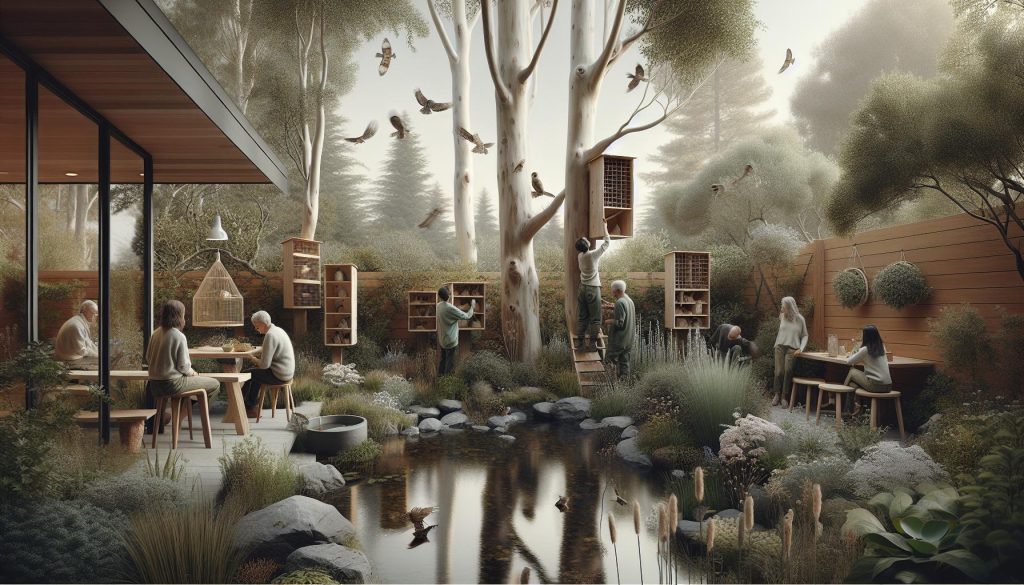
Did you know that attracting owls to your backyard can transform your outdoor space into a vibrant hub of wildlife activity? These fascinating birds are not only a joy to observe, but their presence also helps control rodent populations naturally. Whether you’re a seasoned birder or just starting your journey, creating an inviting environment for these nocturnal hunters can enhance your backyard experience. In this guide, you’ll discover seven proven tips that will help you attract owls while fostering a deeper connection with nature. From understanding their habitat preferences to providing suitable nesting sites, each tip is designed to make your efforts both effective and rewarding. So, let’s dive in and explore how you can invite these majestic creatures into your life!
How to Choose the Best Owl Species for Your Backyard
Selecting the right owl species for your backyard is a blend of understanding local wildlife, personal preferences, and creating a suitable environment. Owls are magnificent creatures; their silent flight and mysterious behaviors can add a unique dynamic to your outdoor space. First, consider the species native to your area, as each owl has specific habitat needs and dietary preferences. For instance, the Eastern Screech Owl thrives in urban settings with plenty of tree cover, while the Great Horned Owl prefers more open spaces and wooded areas.
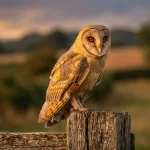
Before making a decision, research the habits and calls of these owls to see which resonates with you most. Many backyard birders find joy in the presence of smaller owl species like the Northern Saw-Whet Owl, which is not only adorable but also adept at hunting in dense foliage. On the other hand, if you’re interested in a larger presence, the Barn Owl may be more appealing, offering a spectacular silent glide during the night.
It’s essential to create a welcoming habitat that caters to the chosen species. This could involve setting up a mix of trees and open spaces, ensuring a steady supply of food, and installing appropriate nesting boxes. Aim to mimic their natural surroundings as closely as possible; for instance, Barn Owls prefer open fields for hunting and should have access to grasslands or meadows adjacent to your yard. By understanding these preferences and choosing wisely, you can create a thriving owl-friendly environment right at home.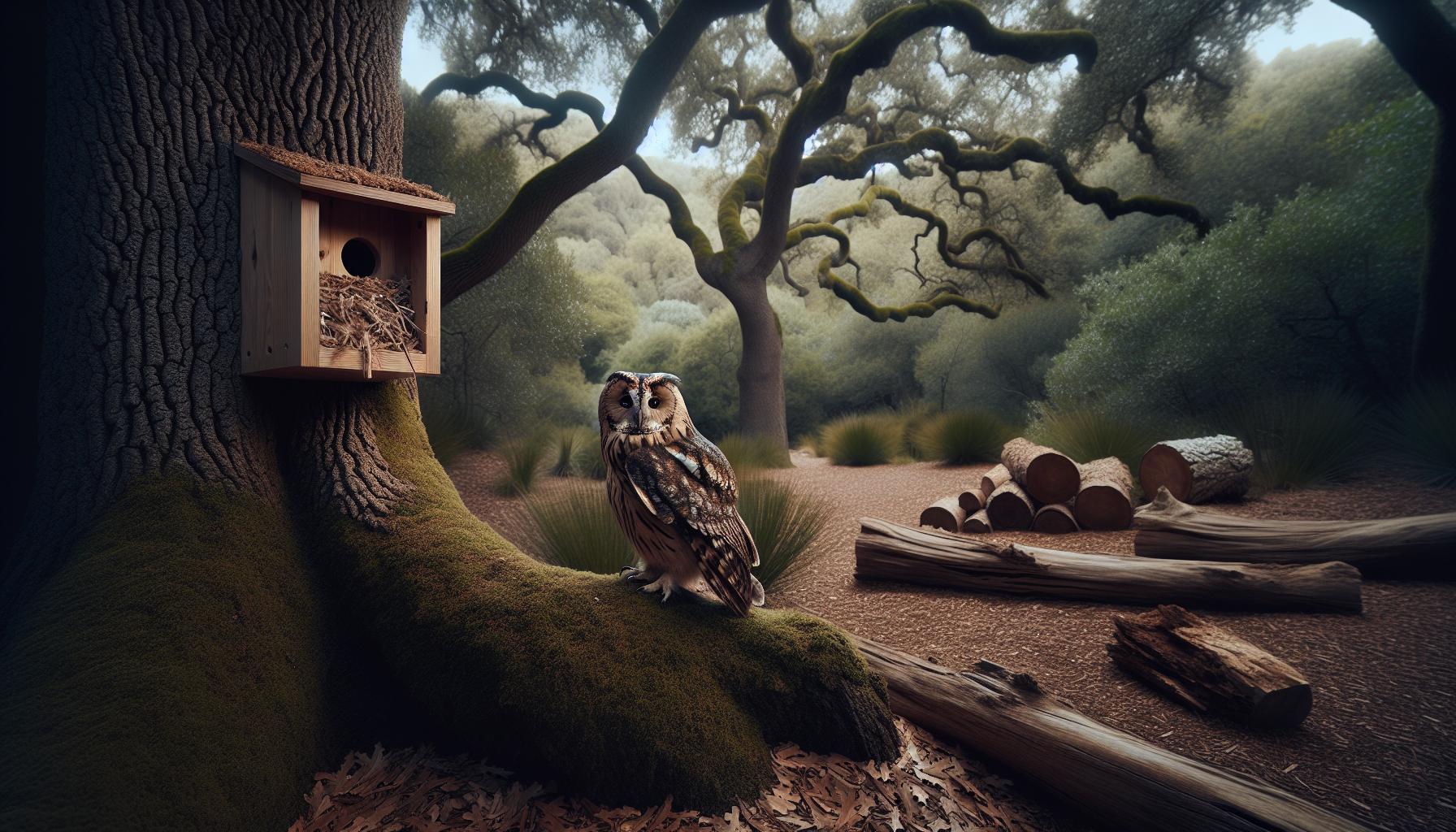
Essential Habitats to Create for Owls
Creating a welcoming environment for owls in your backyard is an exciting venture that can benefit both the birds and your local ecosystem. Owls require specific habitats to thrive, and by understanding these needs, you can design spaces that entice them to settle in your area. Most owls prefer a blend of open spaces for hunting and sheltered areas for roosting.
To attract owls effectively, you might consider implementing a few key habitat elements. Firstly, native vegetation is essential. Owls like the Northern Saw-Whet Owl may benefit from dense shrubs and small trees, which provide ideal cover while they forage for food. In contrast, species like the Barn Owl thrive in open fields close to nearby sheltering structures, such as trees or man-made nesting boxes.
Another aspect to consider is the creation of hunting grounds. You can facilitate this by allowing a section of your yard to grow wild, encouraging a natural habitat that attracts small mammals, which are a prime source of food for many owl species. Keeping grass a manageable height and avoiding pesticides will also help maintain a healthy ecosystem. Additionally, brush piles or rock piles can serve as great shelter for rodents, inadvertently drawing owls closer as they hunt.
Finally, ensuring a suitable nesting area is crucial. Installing an appropriate owl box can replicate natural nesting sites, particularly in urban areas where trees are scarce. Make sure to research the specific nesting preferences of the owls in your region; for example, the Great Horned Owl prefers large cavities, whereas Eastern Screech Owls will use smaller boxes. By integrating these habitat elements into your backyard, you not only create a sanctuary for owls but also contribute to the preservation of local wildlife.
Top 7 Foods to Attract Owls Effectively
Attracting owls to your backyard can be an enchanting experience, as these magnificent creatures play a crucial role in controlling rodent populations and maintaining ecological balance. Understanding what owls eat is vital for creating a supportive habitat that draws them in. Here are the top foods that can effectively lure these nocturnal raptors to your space.
Owls are primarily carnivorous and their diet mainly consists of small mammals, birds, and insects. Here are some favored food sources:
- Rodents: Mice, voles, and rats make up a significant portion of an owl’s diet. Their abundance in your backyard, especially in areas with brush piles or tall grass, can attract owls who are hunting.
- Small Birds: Species such as sparrows or starlings can be preyed upon by larger owls like the Great Horned Owl. Maintaining a diverse bird population can ensure there are potential meals for these predators.
- Insects: While owls do not rely heavily on insects, smaller species like the Eastern Screech Owl might occasionally snack on large moths and beetles which can be plentiful in your garden.
- Rabbits: In more rural settings, these furry creatures can provide a hearty meal for owls, particularly for larger species such as the Barn Owl.
- Fish: Some owl species, like the Fish Owl, hunt for fish along rivers and lakes. Having a water source nearby can support such diets.
- Amphibians: Frogs and small snakes may also be consumed by owls, offering a varied diet as they hunt.
- Roadkill: While not ideal, providing a safe, easy food source can sometimes attract owls into your area, particularly when natural prey is scarce.
By ensuring a rich environment where these food sources thrive, you enhance your chances of attracting owls. Maintaining natural habitats without chemical pesticides will support a diverse ecosystem, providing owls with the sustenance they need to thrive. This ecological balance not only benefits the owls but enriches your backyard with life and activity.
Understanding Owl Behavior and Timings
Owls are fascinating creatures that come alive at night, providing a unique experience for those who take the time to observe their behavior and habits. Understanding their behavior and timing is critical for anyone looking to attract these magnificent birds to their backyard. Most owls are nocturnal, meaning they are primarily active during the night. This characteristic drives their foraging and vocalization activities, making nighttime the best time to attract them. For instance, many people have had success when using calls or sounds of familiar prey during dusk and dawn, prime hunting times for owls.
To successfully attract owls, create a conducive atmosphere that aligns with their natural behaviors. Owls often prefer to hunt in areas that provide sufficient cover and perches, so strategically placing perches such as tall, bare branches or platforms can help lure them closer. A quiet, undisturbed environment is essential; loud noises or frequent disturbances can push owls to roost elsewhere. Even slight changes like reducing artificial lights can enhance the visibility of your backyard, inviting owls to feel more at home.
Additionally, understanding the specifics of owl vocalizations can aid your efforts. Each species has distinct calls-some are hoots, while others may resemble screeches or toots. Learning these calls can help you identify which species might be interested in your habitat. Engaging in owl calls during evening hours can pique their curiosity and encourage them to visit your yard.
Lastly, patience is paramount. It might take time for owls to establish trust in your backyard as a feeding ground. Regular monitoring of the activities of known owls in your area can also enhance your understanding. Observing their flight patterns, preferred hunting grounds, and interactions with other birds will provide deeper insights into the best practices for attracting them effectively. By aligning your backyard’s environment with their natural behaviors and respecting their patterns, you create a thriving space that welcomes these incredible nocturnal predators.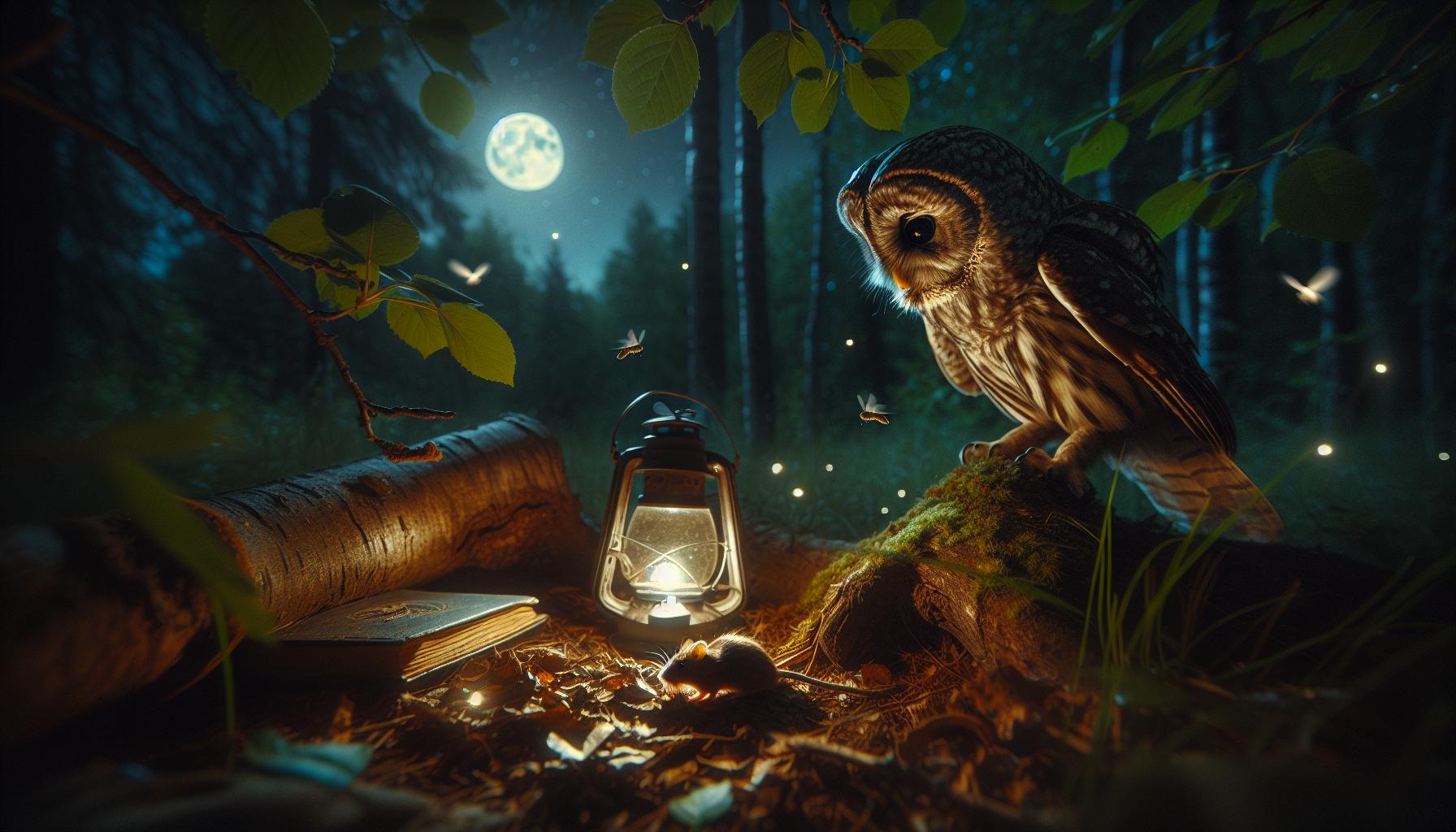
Nighttime Activities: What Attracts Owls?
Attracting owls to your backyard can be a thrilling experience, and understanding their nighttime activities is key to your success. Owls are primarily nocturnal, which means they are most active during the hours after sunset. This is when they hunt for food, engage in vocalizations, and even establish territories. To increase your chances of attracting these enigmatic birds, it’s essential to create a nighttime environment that resonates with their natural behaviors.
One of the most significant factors in attracting owls is the availability of food. Since owls primarily feed on small mammals, like rodents, you can encourage them to your yard by providing suitable hunting grounds. Consider setting up open areas with low vegetation where they can easily spot their prey. Additionally, you might want to minimize your garden’s inhabitants that could scare off owls-such as shrieking squirrels or hyperactive songbirds-while encouraging rodent populations in a controlled manner. Remember, a diverse and balanced ecosystem will not only attract owls but countless beneficial wildlife.
Another captivating aspect to consider is utilizing natural sounds to pique an owl’s interest. Many owl enthusiasts have had success mimicking the calls or sounds of their prey using recorded sound devices, especially during dusk. Engaging in these calls can create an inviting atmosphere that encourages owls to respond vocally and investigate your yard. Understanding the specific calls of local owl species-such as the hoot of the Great Horned Owl or the screech of the Eastern Screech Owl-can enhance your effectiveness during these evening hours. Tools like sound apps or CDs can help you learn and practice these calls, making your backyard even more attractive as a prime hunting ground.
Lastly, enhancing the ambiance of your backyard during the night can make it a welcoming haven for owls. Reducing artificial light not only helps owls see better while hunting but also maintains the natural night environment they prefer. Transitioning to softer, warmer lighting or employing motion sensor lights can strike a balance between safety for your outdoor activities and creating a suitable habitat for owls. A peaceful, quiet space with minimal disturbances from human activities enhances the chance of spotting these majestic birds perched nearby or gliding silently overhead. By focusing on their nocturnal activities and adjusting your yard accordingly, you’re laying the groundwork for a thriving wildlife sanctuary that includes owls.
Best Practices for Building Owl Houses
Imagine standing in your backyard, the night sky filled with twinkling stars, and suddenly, you hear the soft hoot of an owl in the distance. It’s a beautiful sound that many bird lovers dream of hearing in their own gardens. One of the most effective ways to entice these fascinating creatures is by building an owl house tailored to their needs. Not only does this provide shelter, but it also creates a safe haven for them to roost and raise their young.
To start, consider the type of owl you’d like to attract. Different species have specific requirements for nesting boxes. For example, Eastern Screech Owls prefer small, snug cavities, while Great Horned Owls need larger spaces. The dimensions of the owl house are crucial; a typical nesting box for a screech owl should be around 10 inches wide, 10 inches deep, and 12 inches high, with a hole opening of about 3 inches in diameter. In contrast, a box for a Great Horned Owl may need to be much larger, around 24 inches high and 18 inches wide, with a hole of 6 inches in diameter.
Materials Matter
When selecting materials, opt for untreated wood, such as cedar or plywood, as it’s durable and provides good insulation. Avoid using treated wood due to the chemicals that could harm the owls. Additionally, ensure there are drainage holes in the bottom of the house to prevent moisture buildup, which can be detrimental to the nest.
Placement is Key
Positioning the owl house correctly can significantly increase your chances of success. Aim for a location that is at least 10 to 30 feet off the ground in a tree or on a pole, away from direct sunlight and strong winds. The structure should be oriented toward the woods or an open space where owls can hunt. Keep in mind that owls prefer quiet, undisturbed areas, so avoid placing the house near noisy environments.
Maintenance and Monitoring
Once your owl house is up, it’s important to maintain it. Regularly check for signs of occupancy, such as droppings or feathers around the entrance. In late summer or early fall, be sure to clean out the house to prepare it for the next breeding season. A thorough cleaning will eliminate any parasites or old materials that might discourage owls from returning.
By investing time in creating the perfect owl house, you’ll not only invite these magnificent birds into your backyard but also contribute to their conservation. Observing owls can provide a rewarding experience for all who love nature, and with patience and care, your backyard may soon be alive with the sounds of these nocturnal hunters.
Using Natural Sounds to Lure Owls to Your Yard
Luring owls to your backyard can be a magical experience, and one of the most intriguing methods involves the use of natural sounds. Owls are fascinating creatures with keen hearing, and they often respond to the calls of their own kind or the sounds of potential prey. By mimicking these sounds, you can create an inviting atmosphere that draws them closer to your yard.
One effective approach is to play recorded owl calls. The soft hoots of a Great Horned Owl or the eerie trill of a Barn Owl can be incredibly enticing. These calls can evoke curiosity and encourage local owls to investigate your space. You can find recordings online or purchase devices specifically designed for attracting owls. Make sure to play these sounds intermittently to avoid overstimulating the area; this allows owls to feel more comfortable and assess any potential risks before approaching.
Additionally, you can enhance your soundscape by introducing natural prey sounds, such as the rustling of small rodents or the chirps of nocturnal insects. These sounds can be amplified by using a small speaker hidden among your garden plants, simulating an active nighttime environment. Not only does this mimic a natural habitat, but it also signals to nearby owls that food is available, thereby increasing your chances of attracting them to your property.
Creating a cohesive sound environment doesn’t just attract owls; it enriches your backyard with the authentic experiences of nature. By combining owl calls with the sounds of their prey, you transform your outdoor space into an owl-friendly haven. Whether you’re a novice backyard birder or a seasoned enthusiast, embracing the auditory landscape of your yard can significantly enhance your owl-attracting efforts, making each night a new adventure under the stars.
Common Mistakes to Avoid When Attracting Owls
Attracting owls to your backyard can be a rewarding endeavor, but many enthusiasts unknowingly make common mistakes that hinder their chances. One frequent misstep is failing to create the right habitat. Owls need a suitable environment, which typically includes dense trees for roosting, open areas for hunting, and a consistent water source. Neglecting these factors can make your yard less appealing. Instead, consider planting native trees and shrubs that provide cover and nesting opportunities, while ensuring there’s a clear sightline for hunting.
Another hurdle is the overuse of artificial owl sounds. While recorded calls can serve as an effective lure, playing them too often or at inappropriate times can inadvertently scare away your intended guests. It’s crucial to use these sounds judiciously-only during peak activity hours and with sufficient pauses to mimic natural conditions. Additionally, avoid using overly loud or distorted recordings, which can create an unnatural experience for the owls and lead them to avoid your space entirely.
Feeding owls can also pose challenges. While offering food may seem like an enticing idea, it’s essential to remember that supplemental feeding can disrupt their natural hunting instincts and may attract unwanted pests or other predatory birds. Instead of directly feeding owls, focus on attracting their prey. Establishing a healthy habitat rich in small mammals, insects, and other natural foods will encourage owls to frequent your yard without compromising their behavior.
Lastly, many enthusiasts overlook community engagement. Connecting with local birdwatching groups or owl conservation organizations can provide invaluable insights and resources. These communities often have experience with the local owl species and can offer practical advice on best practices for attracting them. Don’t hesitate to share your experiences and seek advice from those who have successfully transformed their backyards into owl-friendly spaces. Balancing these factors can enhance your ability to attract these magnificent creatures while ensuring their well-being.
Engaging with Local Owl Watching Communities
To truly enhance your backyard owl experience, can be a game changer. These groups are treasure troves of knowledge, offering insights that can make a significant difference in attracting owls to your property. By connecting with fellow enthusiasts, you can share experiences, tips, and best practices tailored to your specific region, ensuring that your efforts align with the needs of local owl species.
Joining a birdwatching group or an owl conservation organization can provide access to workshops, guided outings, and educational resources that deepen your understanding of owl behavior and ecology. These communities often organize events such as owl prowls-nighttime excursions where members seek out and observe owls in their natural habitat. Participating in these activities not only expands your knowledge but also heightens your excitement and appreciation for these magnificent birds.
Collaboration is key; don’t hesitate to ask experienced members for advice on effectively setting up your yard. They can offer invaluable tips on creating the ideal habitat, including what types of native plants to include and how to construct owl houses that cater to specific owl species. Many seasoned owl watchers have anecdotes about their own backyard successes and challenges, providing real-world examples of what works and what doesn’t.
Furthermore, local communities often monitor owl populations and share updates on their nesting and migration patterns. Staying connected with these groups can keep you informed about local conservation efforts and volunteer opportunities, allowing you to contribute positively to owl protection initiatives. This engagement not only benefits the owls but also fosters a sense of community and shared purpose among bird lovers in your area.
In sum, can amplify your backyard owl experience, offering practical insights, fostering connections, and enriching your knowledge about these captivating creatures.
Monitoring and Maintaining Your Owl-Friendly Space
Creating an inviting habitat for owls is just the beginning; maintaining that space ensures continued attraction and support for these nocturnal marvels. Regular monitoring of your owl-friendly environment not only enhances your chances of spotting these elusive birds but also helps you adapt your practices to suit their needs. After all, owls are sensitive to changes in their surroundings-by observing and responding to these changes, you can create a thriving ecosystem conducive to their lifestyles.
One of the fundamental steps in this process is to regularly check on the nesting boxes and feeding stations you’ve set up. Aim to clean the nesting boxes at the end of the breeding season to remove old material that could harbor pests or diseases. This simple act can significantly improve the likelihood of new owls taking up residence in subsequent years. Additionally, observing any signs of owl activity, such as pellets under roosting spots, can give you valuable insights into which species are visiting and when they are most active. Noting these patterns can help tailor your habitat to maximize its appeal.
Another aspect of monitoring relates to the health of the surrounding flora. Owls thrive in environments enriched with native plants that attract their prey, primarily small mammals and insects. Consider orchestrating a biodiversity initiative in your garden by planting a variety of native trees and shrubs. This not only provides cover and hunting ground for owls but also supports the broader ecosystem. Be vigilant about checking for any signs of invasive species, as these can disrupt the local food web and diminish the habitat’s overall quality.
It’s also worthwhile to engage with technology-many modern birders use trail cameras to document visits to their yards. These devices can reveal the nighttime dynamics of your owl visitors and catch a glimpse of their feeding behaviors, adding another layer of excitement to your monitoring efforts. By keeping an eye on these elements, cultivating a responsive habitat, and leveraging technology, you’ll build a sanctuary that not only attracts owls but will likely become a haven for many other wildlife species as well.
FAQ
Q: What is the best time of year to attract owls to my backyard?
A: The best time to attract owls is during their breeding season, typically from late winter to early spring. This is when they are actively seeking nesting sites and may be drawn to your backyard if it offers suitable habitat and food sources.
Q: How can I recognize if owls are visiting my backyard?
A: Look for signs such as droppings, pellets, or feathers in your yard. Owls may also leave hoots or other calls, especially at night. Installing a night vision camera can help capture their visits without disturbance.
Q: What kind of habitat do I need to attract owls?
A: Owls prefer a mix of open areas for hunting and trees for nesting. Create dense cover near open fields or water sources to attract their prey, which will in turn entice owls to your backyard.
Q: Do I need a permit to install an owl box in my yard?
A: Generally, no permit is required for installing an owl box on your property, but it’s advisable to check local regulations. Ensure the box is designed properly and placed in a suitable location to maximize your chances of attracting owls.
Q: How can I attract owls without disturbing wildlife?
A: To attract owls peacefully, minimize noise and light pollution in your backyard. Create natural habitats using native plants and avoid chemical pesticides, which can harm the local ecosystem and food sources for owls.
Q: Are there specific calls or sounds I can use to attract owls?
A: Yes, playing recorded owl calls can be effective in attracting them. Use calls during their active hours, particularly dusk or dawn. Offer sounds that correspond to the species you’re interested in attracting for the best results.
Q: What attracts owls the most?
A: Owls are primarily attracted by food sources. Providing a habitat with plenty of small mammals (like mice or voles) and insects will naturally draw them in. Additionally, ensuring safe nesting spots will increase the likelihood of their presence.
Q: How do owls impact the environment in residential areas?
A: Owls play a vital role in controlling rodent populations in urban and suburban areas. Attracting them can help maintain ecological balance and reduce pests naturally, benefiting both your garden and local wildlife.
These FAQs can help readers engage deeper with the topic of attracting owls, encouraging them to explore your article’s sections for more detailed information.
To Conclude
Now that you have the insider knowledge on attracting owls to your backyard, it’s time to put these proven tips into action! Remember, creating a suitable habitat is essential. So, consider adding natural cover, water sources, and appropriate nesting sites to entice these magnificent birds. Don’t wait-start making the changes today and watch as your nighttime visitors arrive!
If you found this guide helpful, explore our related articles on birdwatching techniques and the best plants for wildlife-friendly gardens. Join our newsletter to stay updated with the latest insights and tips on attracting not just owls, but a variety of beautiful birds to your space. Share your experiences in the comments below; we’d love to hear how your owl-watching journey unfolds!
Embrace the adventure of attracting owls and enrich your outdoor experience-these enchanting creatures are worth the effort!
Get our latest guides, news, and insights highlighted in your Google Search & AI Overviews.