

Did you know that there are over 200 species of owls across the globe, each uniquely adapted to their environments? Whether you’re a seasoned birdwatcher or just curious about these fascinating creatures, understanding the diversity of owl species enriches our appreciation of wildlife. From the petite Northern Saw-whet Owl to the majestic Eurasian Eagle Owl, each type plays a crucial role in its ecosystem and holds cultural significance in various societies. By exploring the rich variety of owls, we can better grasp their behaviors, habitats, and conservation needs. Join us as we delve into the global diversity of owls, highlighting their remarkable characteristics and how we can contribute to their preservation. You might find yourself inspired to take a closer look at the owls in your own backyard!
Global Overview of Owl Species Diversity
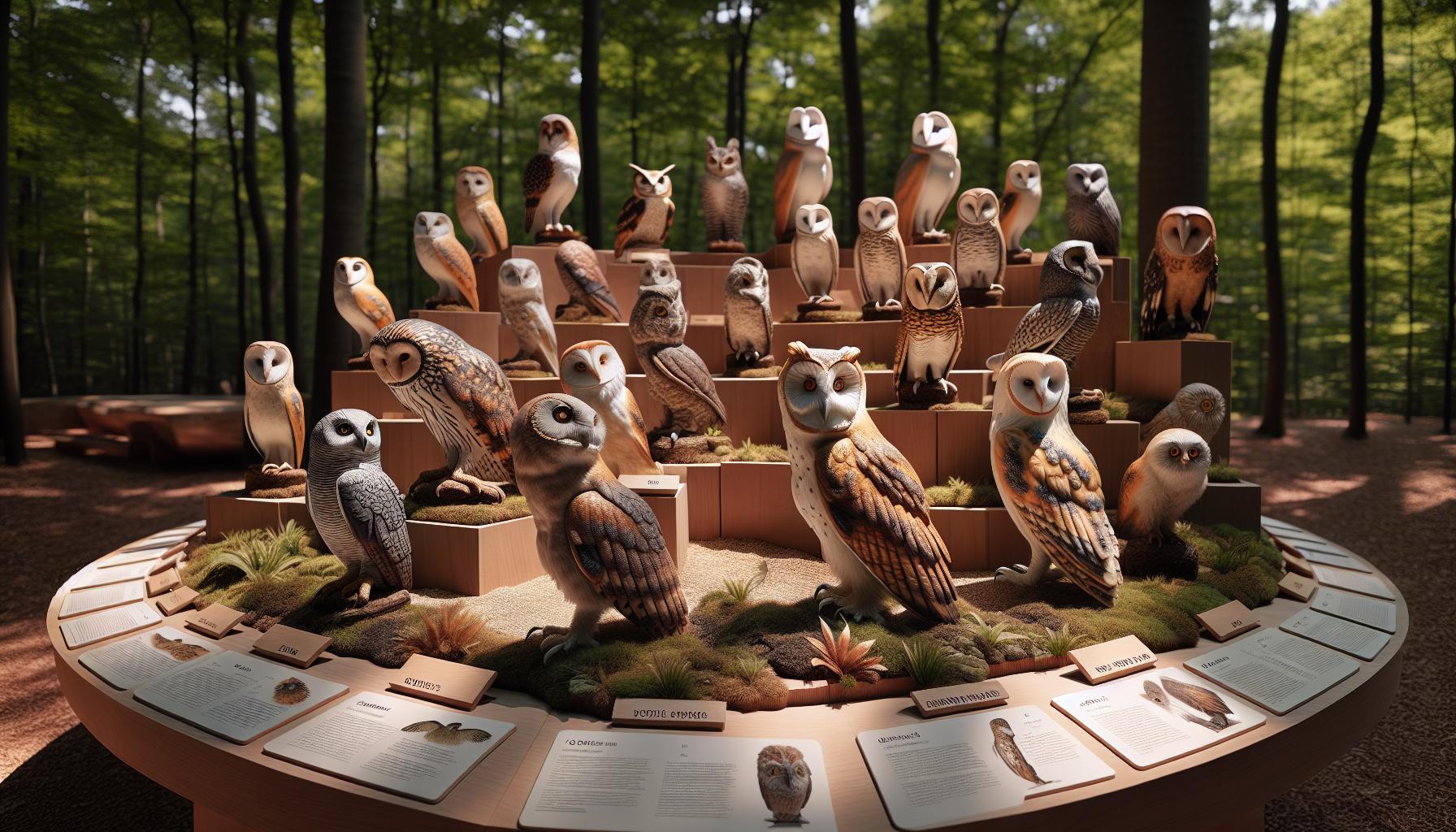
The diversity of owl species around the globe is not only fascinating but also a testament to the adaptability and evolutionary strategies of these unique birds. Currently, there are around 200 recognized species of owls, classified into two main families: Strigidae (typical owls) and Tytonidae (barn owls). These species showcase a remarkable range of sizes, habitats, and behaviors, making them one of the most widely recognized groups of birds.
Owls are found on every continent except Antarctica, which speaks to their versatility. They inhabit a wide array of environments, from dense forests and open grasslands to arid deserts and urban areas. For instance, the Eastern Screech Owl thrives in deciduous forests of North America, while the Barn Owl is adaptable enough to find refuge in agricultural fields and even city environments worldwide. Each species displays its unique set of adaptations that allow it to thrive in its specific habitat, such as the Great Horned Owl, which is known for its powerful build and ability to prey on a variety of animals, including rabbits and even other birds of prey.
In addition to their physical diversity, owls exhibit a range of hunting behaviors and vocalizations, which contributes to their cultural significance across various societies. From myths and folklore to environmental symbols, owls have captivated human attention for centuries, often representing wisdom and mystery. This rich tapestry of diversity among owl species emphasizes the importance of conservation efforts to protect their habitats and mitigate the challenges they face, including habitat loss and climate change. As bird enthusiasts, being aware of the myriad species and their unique characteristics can enhance our viewing experiences and appreciation for these nocturnal marvels.
Key Characteristics of Owls by Family
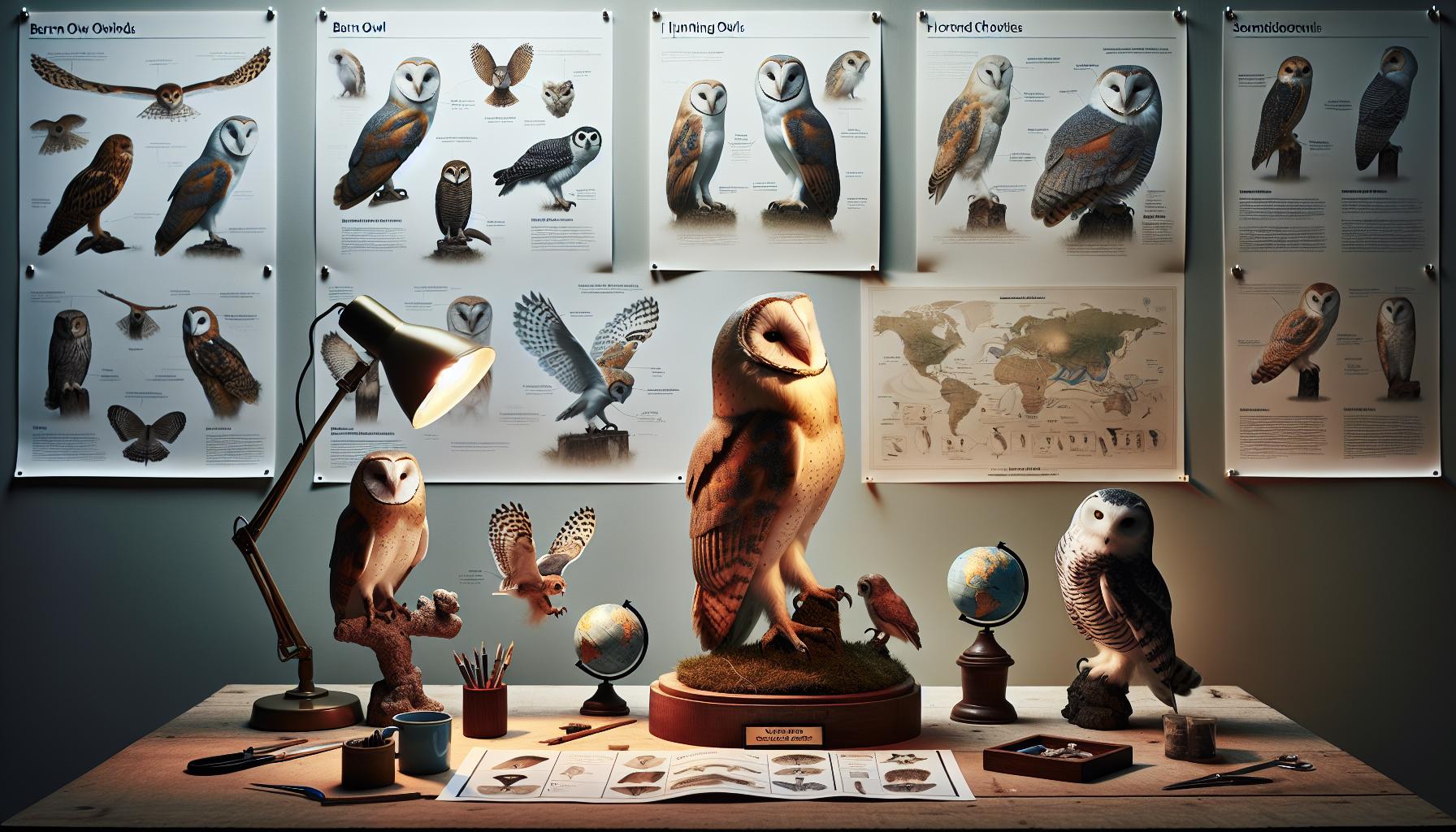
Owls are among the most fascinating birds, showcasing unique adaptations that align with their ecological roles as nocturnal predators. Understanding their key characteristics by family provides valuable insights into their behavior, morphology, and habitats. Each family has distinctive traits that highlight their adaptations to various environments and hunting strategies.
Strigidae (Typical Owls)
Members of the Strigidae family, commonly known as typical owls, represent a broad spectrum of species ranging from the small Eastern Screech Owl to the majestic Great Horned Owl. Characterized by their rounded heads and large, forward-facing eyes, they possess excellent binocular vision, essential for hunting in low-light conditions. Their feathers are soft and specialized to muffle sound, enabling stealthy flight that assists in surprising prey such as rodents and insects. Furthermore, most Strigidae exhibit a variety of vocalizations, including hoots and shrieks, which play crucial roles in territory establishment and mating calls.
Tytonidae (Barn Owls)
The Tytonidae family, which includes the Barn Owl, features striking differences from their typical owl counterparts. Notably, they possess a heart-shaped facial disc that enhances their auditory capabilities, allowing them to locate prey even in complete darkness by sound alone. Barn Owls have unique feathering patterns that vary greatly between individuals, often showcasing beautiful, mottled plumage. These owls are also known for their distinctive hunting technique: they tend to hunt primarily by hovering over fields or gliding silently just above ground, listening intently for the faintest sounds of movement.
Adaptations and Behavior
Behaviorally, owls exhibit distinct hunting techniques depending on their family and environment. For example, Strigidae often employ a sit-and-wait approach, perching silently until they spot potential prey, whereas Tytonidae are known for their active searching strategies. Their varied diets also reflect their adaptability; some species like the Barn Owl consume primarily small mammals, while others may include insects or even larger prey.
Understanding the key characteristics that differentiate these families not only enriches our appreciation for these remarkable birds but also aids in identifying them during birdwatching outings. Whether you’re a novice or an experienced birder, recognizing the visual and behavioral traits of these families enhances your experience and connection to the avian world.
Habitats: Where Owls Thrive Around the World
Owls have an extraordinary ability to occupy a diverse array of habitats across the globe, which contributes significantly to their ecological success. From dense forests to arid deserts, these fascinating birds are well-adapted to various environments, making them one of the most widespread groups of birds on the planet. A key factor in their adaptability is their unique physiological traits and hunting strategies, which allow them to thrive in different ecological niches.
In forested regions, such as temperate woodlands and tropical rainforests, you will find species like the Great Horned Owl and the Philippine Eagle Owl. These habitats provide ample cover and nesting opportunities, along with a rich supply of prey, including rodents, birds, and insects. Forests also serve as ideal hunting grounds, where the owls can leverage their excellent camouflage and stealthy flight to ambush unsuspecting prey.
Conversely, open lands such as grasslands and savannas are home to species including the Barn Owl and the Eastern Screech Owl. Here, owls often hunt by gliding low in search of small mammals and birds. Their ability to cover large distances in search of food illustrates their versatility and underscores the importance of grassland ecosystems in sustaining various owl populations. In arid habitats like deserts, the Burrowing Owl adapts remarkably well, often taking residence in abandoned burrows and utilizing the relatively open terrain to spot prey.
Urban areas have also become suitable habitats for owls like the Western Screech Owl, which can thrive amidst human development. These adaptable birds may nest in parks, gardens, and even in old buildings, capitalizing on the abundance of rodents in these environments. As they inhabit areas modified by humans, they illustrate the resilience of owl species and their ability to coexist with us.
When exploring the vast diversity of owl habitats worldwide, consider local conditions and specific owl behaviors to enhance your birdwatching experience. Understanding these habitats not only enriches our appreciation of owls but also supports conservation efforts to preserve their ecosystems. As you embark on your owl observation journeys, be mindful of the different environments they inhabit and the unique traits that help them thrive in their respective homes.
The Most Common Owl Species: A Snapshot

Owls are enchanting creatures, often regarded as symbols of wisdom, and some species are familiar sights across various landscapes. Let’s dive into a selection of the most common owl species, each offering unique characteristics and adaptations that make them fascinating to observe.
Barn Owl
The Barn Owl is one of the most widespread owl species in the world, easily recognized by its heart-shaped face and white underparts. Known for their exceptional hunting skills, they primarily feed on small mammals like mice and voles, relying on their acute hearing to locate prey in complete darkness. Barn Owls often roost in barns, old buildings, and tree cavities, which provides not only shelter but also proximity to ample food sources. A fascinating fact about them is their distinct screech, which sounds more like a drawn-out hiss than a typical hoot.
Great Horned Owl
Great Horned Owls are powerful and adaptable birds that can be found from the Arctic to tropical regions. Their imposing size, vertical ear tufts, and yellow eyes make them a striking sight. They are versatile hunters, preying on a variety of animals, from rabbits to birds, and even taking on larger prey. Nesting in trees, cliffs, and even the abandoned nests of other birds, Great Horned Owls have a diverse diet that reflects their opportunistic nature.
Eastern Screech Owl
Small but mighty, Eastern Screech Owls are known for their remarkable camouflage, often blending seamlessly into the bark of trees. Their distinctive vocalizations range from whinnies to tremolos, which can vary in tone and duration. These owls are primarily nocturnal, feeding on insects, small mammals, and occasionally birds. They thrive in suburban areas, making their presence more common to urban birdwatchers looking to spot these elusive creatures.
Western Screech Owl
Similar to their Eastern cousins, Western Screech Owls prefer dense woodlands and urban parks. Their ability to thrive in diverse habitats, from forests to urban settings, showcases their adaptability. These owls primarily hunt small rodents and insects, using their exceptional hearing to locate them in the underbrush. Their small size and cryptic plumage make them quite challenging to spot, but their distinctive calls resonate through the night sky.
Each of these common owl species showcases unique adaptations that not only allow them to thrive in various environments but also engage the interest of birdwatchers and nature enthusiasts alike. Whether you’re a beginner just starting to explore the world of owls or an experienced birder, the joy of observing these incredible birds in their natural habitats is both rewarding and enlightening. So grab your binoculars and get ready to explore the enchanting world of owls!
Unique and Rare Owl Species You Should Know
Among the myriad of owl species, some stand out not just for their rarity but also for their unique characteristics that enthrall birdwatchers and animal lovers alike. One such remarkable example is the Blakiston’s Fish Owl, renowned as one of the largest owl species in the world. Native to the riparian forests of Russia, Japan, and China, this magnificent bird has a wingspan that can exceed five feet. It primarily preys on fish, using its acute hearing and exceptional eyesight to spot movement in water. The Blakiston’s Fish Owl is also a conservation priority, as its habitat is threatened by logging and pollution, making spotting this owl a rare treat for any birder.
Another extraordinary species is the Sunda Scops Owl. Found in the dense rainforests of Southeast Asia, including Indonesia and Malaysia, this owl is notable for its distinctive calls that echo through the night. Its small stature-measuring only about eight inches-combined with its mottled plumage provides excellent camouflage against the tree bark. The Sunda Scops Owl exemplifies how adaptability can sometimes lead to less visibility, making encounters with this species particularly special for vigilant birdwatchers.
Furthermore, the Screech Owl family presents unique species worth noting. The Screech Owls (both Eastern and Western varieties) each have their own regional preferences but are generally elusive and blend seamlessly into their surroundings. Their varied vocalizations-ranging from quivering whistles to soft trills-play a crucial role in their communication and mating rituals. Listening for these calls is one of the best strategies for locating them, particularly in wooded urban areas where they may frequent.
In engaging with these rarer species, it’s not just about visual identification; it’s also about understanding their behaviors and habitats. Take the time to learn about their feeding habits, preferred nesting sites, and conservation status. Whether you’re an experienced birder or just starting your avian adventure, each encounter with these unique owls adds depth to your appreciation of their diversity and the ecological tapestry they weave. Always remember to observe respectfully; patience is key to enjoying the enchanting world of these extraordinary nocturnal creatures!
How Owls Adapt: Behavioral Insights
Owls are extraordinary creatures, finely attuned to their environments through a remarkable array of adaptations. From their specialized senses to their unique hunting techniques, each owl species demonstrates behaviors that enhance their survival in diverse habitats. For instance, many owls possess exceptional nocturnal vision, able to see in light levels much lower than what humans can manage. This adaptation allows them to navigate and hunt effectively during the night, when they are most active.
One fascinating aspect of owl behavior is their silent flight. Owls, such as the Great Horned Owl, have specialized wing feathers that allow them to fly noiselessly. The leading edge of their wings is serrated, softening turbulence and reducing sound during flight. This stealth is critical in hunting, as it enables them to approach prey without being detected. Coupled with their acute hearing, which can pinpoint even the smallest rustling of prey, this silent flight makes them formidable nocturnal hunters.
Feeding and Hunting Strategies
Owls adapt their hunting techniques based on the available food sources in their habitats. For example, the Barn Owl primarily feeds on small mammals like voles and mice, relying on their excellent hearing to locate prey in complete darkness. In contrast, fish owls, like the Blakiston’s Fish Owl, have developed keen hunting skills for catching fish, using their large size and sharp talons to snatch their slippery meals from the water. This adaptability is critical for survival, reflecting how owls can exploit various ecological niches.
Social Behaviors and Communication
While many owl species are solitary, some exhibit fascinating social behaviors, especially during breeding season. For instance, Eastern Screech Owls engage in intricate courtship displays that include vocalizations and aerial acrobatics to attract mates. Their distinctive calls, which range from soft trills to loud whistles, serve various purposes, including territory establishment and mate attraction. Understanding these vocalizations can greatly enrich the experience of birdwatchers, allowing them to locate and appreciate these elusive creatures in their natural habitats.
Whether you are an experienced birdwatcher or a curious novice, observing owls in the wild is a rewarding endeavor. Pay attention to their habits-watch for their unique flight patterns, listen for their calls, and explore their hunting techniques. By fostering an understanding of these behaviors, we can gain deeper appreciation for the incredible adaptability of owls and their vital role in the ecosystems they inhabit.
Challenges Facing Owl Species Globally
Owls are fascinating creatures that symbolize the mystery of the night, but they face significant challenges that threaten their survival. One of the primary threats is habitat loss due to urbanization, agricultural expansion, and deforestation. As natural environments are cleared for development, owls lose their hunting grounds and nesting sites, leading to population declines. For instance, the Barn Owl, widely recognized for its distinctive appearance, has been severely affected in many regions as farmlands become more industrialized, reducing the availability of its prey-small mammals like voles and mice.
In addition to habitat destruction, owls are often victims of human activities that inadvertently harm their populations. Collisions with structures such as wind turbines, power lines, and vehicles can result in significant mortality rates among these raptors. Furthermore, pesticides and rodenticides pose direct threats, poisoning not only their prey but the owls themselves when they consume contaminated animals. The impact of these chemicals is particularly detrimental to species like the Great Horned Owl, which sits high in the food chain and is vulnerable to bioaccumulation of toxins.
Climate change also plays a crucial role in the challenges faced by owl species globally. As temperatures rise and weather patterns become more unpredictable, many owls may struggle to adapt to changing habitats and food availability. For example, the Snowy Owl has been noted to face challenges in hunting as its primary prey, lemmings, experience population fluctuations due to alterations in climate and habitat.
To truly make a difference in conserving owl populations, it is essential to support initiatives focused on habitat preservation and restoration. Becoming involved in local conservation groups, participating in citizen science projects, or simply spreading awareness about the importance of owls in ecosystems can have lasting impacts. By addressing these challenges with informed and proactive measures, we can help ensure that owls continue to thrive for generations to come.
Conservation Efforts for Owl Populations
Owl conservation is an urgent and multifaceted effort that engages a diverse array of stakeholders, from local communities to international organizations. With over 200 species of owls globally, each with distinct habitats and behaviors, targeted conservation strategies are crucial to preserving their populations. In this endeavor, habitat restoration, raising public awareness, and legislative action play pivotal roles.
One of the cornerstones of owl conservation is habitat preservation, as many owl species depend on specific ecosystems for their survival. Organizations often work to protect natural habitats from urban development and agricultural expansion. Local conservation groups are vital in scouting and maintaining these habitats. One notable example is the Burrowing Owl Conservation Network, which focuses on protecting the habitats of the Burrowing Owl through careful management and rehabilitation efforts aimed at the ecosystems they inhabit [[1]].
Public education and awareness campaigns are also instrumental in conservation efforts. By fostering a deeper understanding of owls and their roles in ecosystems, communities can become more engaged in protecting them. Resources such as nature centers and school programs can inform people about the challenges owls face and encourage local participation in conservation initiatives, such as citizen science projects that track owl populations and habitats.
Legislative efforts, such as the protection of key habitats through zoning laws and environmental regulations, also significantly impact owl conservation. In the Pacific Northwest, the controversial yet necessary measures taken to manage invasive species-like the removal of Barred Owls to protect threatened native species-illustrate how such policies can lead to positive outcomes for owl populations in the long run [[2]]. These efforts, while often contentious, highlight the need for a balanced approach to wildlife management.
Ultimately, every individual can contribute to owl conservation through simple actions. Participating in local clean-up programs, creating owl-friendly environments in backyards by providing nesting boxes, and supporting wildlife-friendly legislation are practical ways to make a difference. Together, these actions form the foundation of a more extensive conservation strategy aimed at ensuring that owls continue to thrive across the globe.
Cultural Significance of Owls Across Civilizations
Owls have long captivated human imagination, earning their place in folklore, art, and mythology across various cultures. In ancient Greece, the owl was revered as a symbol of wisdom and was closely associated with Athene, the goddess of wisdom. The phrase “wise as an owl” traces back to this cultural association, reflecting how owls embody knowledge and insight in different societies. Their silent flight and mysterious nocturnal habits have also sparked fascination, leading to diverse interpretations globally.
In many Native American cultures, owls are seen as protectors and messengers. For instance, in some tribes, the presence of an owl is believed to herald significant life changes, while others consider them omens of death or bad luck. This duality emphasizes owls as powerful symbols within indigenous storytelling and spiritual beliefs. Their roles vary widely: in some instances, they represent guardianship, while in others, they remind us of the fragility of life and the cycle of existence.
Culturally, owls have also inspired countless artistic representations, from ancient Egyptian carvings depicting the owl as a figure of protection in the afterlife to modern-day illustrations in children’s literature that promote curiosity and learning. This adaptability to cultural narratives demonstrates how owls transcend mere wildlife, becoming integral to the collective human experience.
Today, the significance of owls continues to evolve, influencing conservation efforts and environmental education. As awareness grows about their ecological role in controlling rodent populations, owls are celebrated not only as cultural icons but also as vital contributors to healthy ecosystems. Engaging with owls through birdwatching and educational programs can deepen our understanding and appreciation of these remarkable creatures, fostering a deeper connection between humans and wildlife.
How to Help Protect Owl Species
Did you know that owls are not just mysterious nighttime predators but also vital to maintaining ecological balance? With about 250 species worldwide, these remarkable birds face numerous threats from habitat loss to climate change. Fortunately, there are practical steps you can take to help protect owl populations in your area and around the globe.
One of the most effective ways to support owl conservation is through habitat preservation. Owls thrive in diverse environments-ranging from dense forests to grasslands-so it’s crucial to protect these habitats. You can assist by actively participating in or supporting local conservation groups dedicated to preserving natural areas. Organizations like the Burrowing Owl Conservation Network focus on maintaining habitats for specific owl populations, advocating for ecological balance, and understanding the synergies within ecosystems. Learn more here.
Additionally, taking action in your own community can make a significant impact. Promote organic gardening and sustainable landscaping practices. Chemicals and pesticides harm not only the prey that owls depend on but also the owls themselves. Planting native trees and shrubs can also provide critical nesting and roosting sites. Furthermore, consider installing owl boxes to encourage nesting in your area. They can serve as safe breeding sites that mitigate the effects of habitat destruction.
Lastly, raise awareness about the plight of owls in your social circles. Share educational resources, organize community birdwatching events, or even collaborate with local schools to instill appreciation for these remarkable birds. Recognizing owls’ cultural significance-their role as both symbols of wisdom and guardians in various mythologies-can help foster a collective responsibility toward their conservation. The more informed we become about these unique creatures and the challenges they face, the better equipped we will be to enact meaningful change for their survival.
Owls in Captivity: Care and Management
Caring for owls in captivity requires not only specialized knowledge but also a profound respect for their unique behaviors and needs. These magnificent birds, often revered for their silent flight and nocturnal hunting, thrive in environments that closely mimic their natural habitats. Understanding how to create such settings is essential for their health and wellbeing.
First and foremost, a spacious enclosure that allows for flying and perching is crucial. Owls need vertical space, as they are used to hunting from above. Enclosures should be designed with various levels, incorporating natural elements such as branches and platforms to simulate the tree canopies they would naturally occupy. Additionally, it’s important to include appropriate substrate like wood chips or sand that allows for comfortable movement while also enabling the bird to dig and exhibit natural behaviors.
Feeding practices for captive owls differ significantly from other birds. They are strictly carnivorous and require a diet that mimics their natural prey. This diet primarily consists of rodents, insects, and sometimes small birds. When preparing their meals, it’s imperative to serve a varied diet to meet their nutritional needs, incorporating whole prey items whenever possible. Supplementing with vitamins and minerals may also be necessary, particularly if the diet lacks diversity. Careful monitoring of their health is essential; any signs of unusual behavior, such as lack of appetite or lethargy, should prompt immediate consultation with a veterinarian experienced in avian care.
Additionally, engaging owls mentally is just as important as their physical care. Owls are intelligent creatures requiring stimulation to thrive. Providing enrichment activities, such as hiding food in challenging locations within their enclosure, can encourage their natural hunting instincts. Toys that allow for manipulation or climbing can also keep them mentally engaged and physically active.
In summary, raising owls in captivity is a complex responsibility that demands knowledge of their specific needs and behaviors. With the right environment, diet, and mental stimulation, captive owls can lead healthy and fulfilling lives, allowing enthusiasts and caretakers alike to appreciate the unique qualities these birds bring to the world.
Engaging with Owls: Birdwatching Tips and Tricks
To experience the enchanting world of owls, birdwatching offers an unrivaled opportunity to connect with these elusive nocturnal creatures. Did you know that there are around 250 species of owls across the globe, each with distinct sizes, colors, and vocalizations? Whether you’re a seasoned birder or just starting out, spotting these magnificent birds can be both thrilling and rewarding. Here are some tips to enhance your owl-watching experience and help you appreciate their diversity.
First, timing is everything when it comes to owl observation. Most owls are nocturnal, so venturing out at dusk or during the early hours of dawn increases your chances of encountering them. Some species, like the Great Horned Owl, tend to be more active during these times. Use a good pair of binoculars to scan treetops or open fields where owls might be hunting. Look for movement, shapes that resemble their distinctive outlines, or the telltale signs of their presence-such as white droppings under trees or the remnants of prey.
Listening for Calls
Another essential aspect of owl watching is becoming familiar with their calls. Each species has a unique sound that can help you identify them before you even see them. For instance, the hooting of the Barred Owl is often described as sounding like “Who cooks for you?” Incorporating apps or recordings of owl calls into your practice can significantly improve your auditory skills. When you hear a call, stay silent and still; sometimes, the owls will come closer out of curiosity.
It’s beneficial to scout specific habitats known for owl populations, such as dense forests, wooded edges, or even urban parks. Owls often return to their favorite perching spots, so researching local sightings or joining birdwatching groups can lead to fruitful expeditions. Additionally, using stealth is key; move quietly and minimize noise. Owls have excellent hearing but can easily be startled by loud movements.
Record Your Sightings
Engaging with owls can also be more fulfilling when you document your experiences. Keep a bird diary or use a mobile app to log your encounters, which can help you keep track of the different species you’ve observed. Not only does this practice deepen your connection with these amazing birds, but it also contributes to a growing database of birdwatching activity, benefiting conservation efforts.
Above all, patience is vital. Owls are masters of camouflage, often blending seamlessly into their surroundings, so it may take time before you spot one. Enjoy the process of discovering the intricacies of their world-the rustle of leaves, the cool night air, or the silhouettes against the moonlit sky.
By applying these tips, you’ll be well on your way to becoming an adept owl watcher, able to appreciate the diversity and beauty of these incredible birds as you explore various habitats and enrich your birdwatching adventures.
Frequently asked questions
Q: How many species of owls are there globally?
A: There are approximately 200 recognized species of owls worldwide. This diversity includes various families, such as Strigidae (true owls) and Tytonidae (barn owls), each with unique adaptations and characteristics. For a detailed overview of species diversity, explore our section on Global Overview of Owl Species Diversity.
Q: What is the most widely distributed owl species?
A: The Barn Owl (Tyto alba) holds the title for the most widely distributed owl species, found on every continent except Antarctica. This adaptability contributes to its success in various habitats, from grasslands to agricultural areas. Check out our Habitats section for more insights.
Q: Why are some owl species endangered?
A: Several owl species face endangerment due to habitat loss, climate change, and hunting. For instance, the Spotted Owl (Strix occidentalis) is threatened primarily due to logging in its habitat. Learn more in our Challenges Facing Owl Species Globally section.
Q: How do owls adapt to different environments?
A: Owls have developed unique adaptations such as silent flight, excellent night vision, and specialized hunting techniques to thrive in various environments. Each owl species reflects its habitat needs through its behavior and physical characteristics. Discover more in our How Owls Adapt section.
Q: What are some unique owl species worth knowing about?
A: Unique species like the Snowy Owl (Bubo scandiacus) and the Burrowing Owl (Athene cunicularia) stand out due to their distinct behaviors and habitats. The Snowy Owl is well-known from the Arctic, while the Burrowing Owl is the only owl that nests underground. Our Unique and Rare Owl Species You Should Know section elaborates on these fascinating creatures.
Q: Where can I observe owls in the wild?
A: Owls can often be observed in forests, grasslands, and wetlands, especially during dusk and dawn. Birdwatching hotspots include national parks and wildlife reserves. Refer to our Engaging with Owls: Birdwatching Tips and Tricks section for the best practices on owl watching.
Q: How do owls hunt effectively?
A: Owls use their keen sense of hearing and night vision to hunt for prey in low light conditions. Their silent flight allows them to approach unsuspecting animals. For more on owl behavior, read the How Owls Adapt: Behavioral Insights section.
Q: What conservation efforts are in place to protect owl species?
A: Several organizations focus on habitat preservation, legal protection, and public awareness campaigns to safeguard owl populations. Participation in local conservation programs can contribute to these efforts. Explore our Conservation Efforts for Owl Populations section for more information.
Insights and Conclusions
As we conclude our exploration of the fascinating diversity of owls around the globe, remember that understanding how many species there are isn’t just a matter of numbers-it’s about appreciating the unique behaviors and habitats that make each owl special. With over 200 species existing today, there’s so much more to learn! For those eager to delve deeper, check out our detailed guides on owl identification and behavior, or explore the specific needs of popular species, like the Barn Owl or the Great Horned Owl, to enhance your birding experience.
Now that you’ve uncovered the richness of owl diversity, don’t stop here! Subscribe to our newsletter for the latest insights and tips, and feel free to share your own owl encounters in the comments below. If you’re curious about related topics, discover more about owling gear or the different ecosystems where owls thrive. Your journey into the world of owls is just beginning-join us as we continue to unlock the secrets of these magnificent creatures.
Get our latest guides, news, and insights highlighted in your Google Search & AI Overviews.










