Have you ever wondered about the intriguing world of bird reproduction? While it may seem like a simple question, the nuances of how birds mate and reproduce are both fascinating and essential for understanding avian species. In this article, we’ll explore the intricate behaviors and rituals that define avian sexuality, revealing how these practices are vital for species survival and evolution. Whether you’re a casual birdwatcher or a dedicated ornithologist, you’ll find that grasping the complexities of avian reproduction enhances your appreciation for these incredible creatures. By diving into these facts, you’ll uncover insights that connect us to the natural world and deepen our understanding of biodiversity. So, what exactly happens in the world of birds when it comes to mating? Join us as we unravel the mysteries of avian reproduction and discover why these facts matter more than you might think!
Does Bird Reproduction Involve Mating Rituals?
Birds are renowned for their intricate and sometimes flamboyant mating rituals, which serve to attract mates and ensure reproductive success. These behaviors vary widely across species, reflecting the diverse evolutionary strategies birds have developed. Mating rituals often involve dazzling displays, enchanting songs, and elaborate courtship dances that not only showcase the health and vitality of the individual but also reinforce pair bonding.
One fascinating aspect of avian courtship is the use of visual signals. For example, male peacocks fan their spectacular tail feathers in a captivating display that can attract females from a great distance. Similarly, in the bird of paradise family, males perform complex dances and exhibit striking plumage to entice potential mates. These physical displays are typically accompanied by vocalizations that further communicate their fitness and desirability.
In contrast, some species rely on more subtle finesses, such as the cooperative behaviors seen in many songbirds. Males often sing elaborate songs to establish territory and attract females, while females may assess the complexity and quality of these songs as indicators of a male’s genetic fitness. Once paired, many birds engage in pre-mating displays that help strengthen their bond, leading to successful mating and rearing of their young.
The timing of these rituals is equally important, as many birds are highly attuned to seasonal changes and environmental cues. During breeding seasons, species may synchronize their activities to maximize reproductive success, with rituals peaking during specific times to coincide with the availability of resources. The combination of these behaviors underscores the complexity of avian reproduction and highlights the importance of mating rituals in ensuring the continuation of bird species through effective mate selection and reproductive strategies.
Understanding Bird Mating Behavior
Bird mating behavior is an extraordinary display of adaptation and evolutionary strategy, reflecting the rich tapestry of avian life. One captivating fact is that right after the breeding season starts, many bird species engage in intricate courtship behaviors to attract and secure mates. These behaviors are not just instinctual; they are essential for passing on genes and ensuring the survival of species, embodying the stunning diversity across the avian world.
When we analyze how birds interact during courtship, it’s essential to recognize the blend of visual, auditory, and sometimes even tactile signals that play a role. For instance, male birds often showcase their vibrant colors or unique patterns to catch the eye of potential females. In the case of the bright-red Scarlet Tanager, the male’s striking plumage helps it stand out against the greenery, signaling its fitness and vigor. In tandem, males frequently vocalize elaborate melodies, which serve as both territorial markers and invitations to mate. The nuanced variations in song can reveal a male’s health and genetic viability, with females tuning in closely to assess their options.
Social Dynamics and Pair Bonding
The social behaviors exhibited during courtship may vary widely between species. In some cases, the role of the female is just as active as that of the male. Female birds often engage in selection, actively choosing mates based on displayed attributes. This leads to a fascinating social dance where mutual display and assessment occur. For example, in species like the Black-capped Chickadee, males not only sing to attract females but also participate in feeding displays to show their capability as providers. This intricate interaction forms the foundation of their partnership, influencing both their bonding and the eventual success of raising their young.
The context of environmental conditions also cannot be overstated. Breeding rituals tend to synchronize with seasonal changes; birds rely on cues such as temperature fluctuations, daylight length, and food availability. This timing ensures that they can maximize their chances of reproductive success. For instance, species that breed in temperate zones may begin courtship at the first signs of spring, capitalizing on abundant food resources to support raising chicks. By understanding these behaviors and their dependencies on time and ecology, bird watchers can appreciate the remarkable strategies birds use in their quest for reproduction.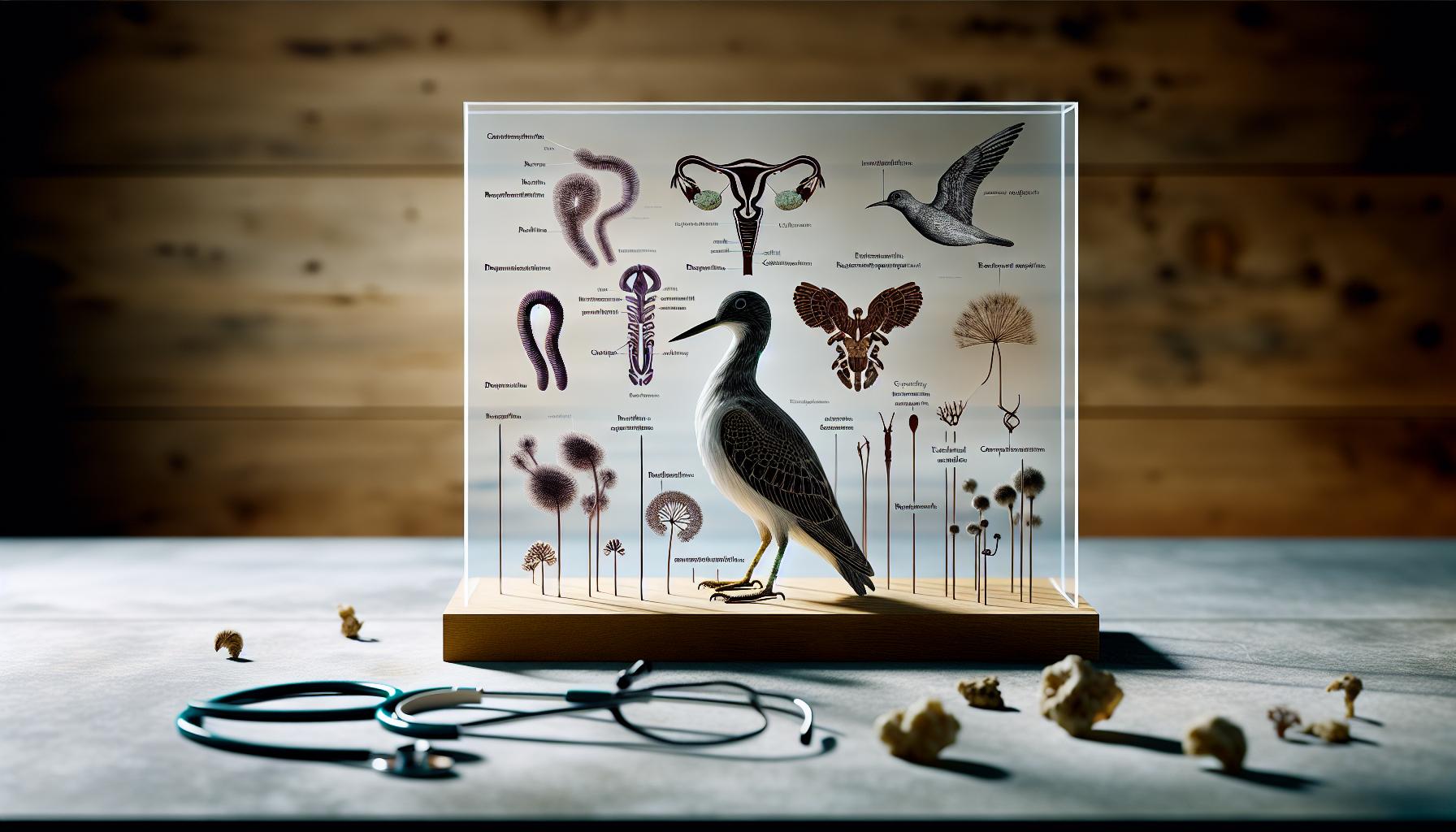
The Anatomy of Avian Reproductive Systems
Birds possess a fascinating array of reproductive systems uniquely adapted for their diverse lifestyles. While they may seem distant relatives to mammals, avian anatomy showcases astonishing efficiency and specialization. Intriguingly, many birds do not have external reproductive organs. Instead, they utilize a cloaca, a single opening that serves multiple purposes, including excretion and reproduction. During mating, the male and female birds typically align their cloacas to allow the transfer of sperm, an event known as the “cloacal kiss.”
Key Components of Avian Reproductive Anatomy
One of the standout features of a bird’s reproductive system is its remarkable adaptability. In males, the primary reproductive organs are the testes, which can significantly increase in size during the breeding season, enabling enhanced sperm production. This seasonal change ensures that males can compete effectively for mates, providing them with the necessary reproductive strength when opportunities arise. Conversely, females have a more stable anatomy; most possess a single ovary (usually the left one), which releases eggs into the oviduct where fertilization occurs if sperm is present.
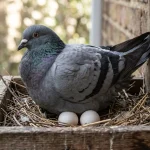
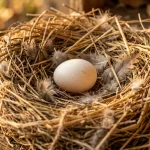
Another fascinating aspect is the egg development process. Bird eggs are extraordinary structures that provide protection and nourishment to the growing embryo. The shell is primarily composed of calcium carbonate and varies in thickness and texture among species, often reflecting the bird’s nesting habits and environmental conditions. As an added bonus for birdwatchers, observing different eggs in nests can offer insights into species identification and breeding patterns.
Understanding Avian Reproductive Strategies
Different species exhibit varied reproductive strategies, influenced significantly by their physiological traits. For example, species that engage in elaborate courtship displays often have more developed sexual dimorphism, where males boast bright plumage or intricate songs to attract females. On the other hand, some birds, such as the Emperor Penguin, adopt a unique approach, where males incubate the eggs on their feet, showcasing an exceptional parental commitment.
In addition, environmental factors play a crucial role in shaping these reproductive systems and behaviors. For instance, birds that inhabit seasonal climates have evolved to time their breeding cycles with food availability, ensuring that they can adequately feed their young. Understanding these anatomical and ecological intricacies enriches birdwatching experiences, highlighting the spectacular adaptations that have evolved in the avian world over millennia.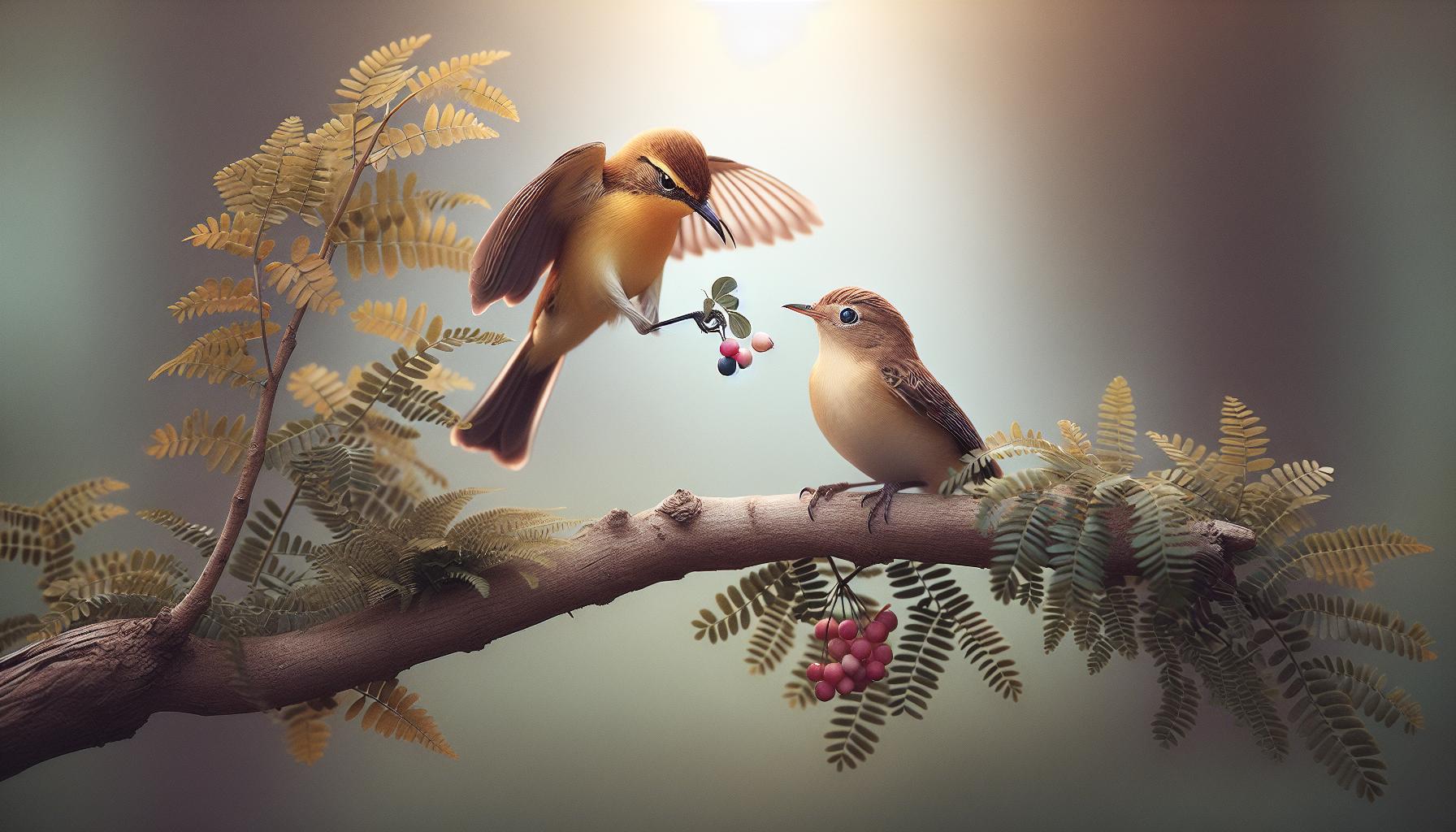
How Birds Choose Their Mates
Choosing a mate is a critical process for birds, shaped by an intricate dance of attraction and selection that integrates both behavioral displays and environmental cues. Many bird species engage in elaborate courtship rituals to attract potential partners. From the mesmerizing dances of the Blue-footed Booby to the intricate songs of the Song Sparrow, these behaviors function as signals of fitness and health, helping birds discern the best mates. In these performances, visual displays – such as plumage brightness or intricate wing patterns – and auditory cues play crucial roles in a bird’s selection process.
Factors Influencing Mate Selection
Several factors dictate :
- Physical Traits: Bright feathers and specific body sizes can be indicators of a bird’s genetic quality and health, attracting mates looking to pass on superior traits to their offspring.
- Behavioral Displays: Many male birds showcase their vitality through songs or dances. The complexity and quality of these performances can influence female choice, as seen in species like the Lyrebird, known for its extraordinary mimicry.
- Territory: A male’s territory can signal his strength and ability to provide resources. Females often prefer mates that claim and defend high-quality territories rich in food and nesting sites.
- Parental Investment: In some species, females assess the potential mate’s parenting abilities. In species like the Emperor Penguin, where males incubate eggs, the ability to care for the young is a vital consideration.
Birds also exhibit a fascinating phenomenon known as mate sampling, where females may accept a prospective partner only after observing how he interacts within his environment. This multi-faceted approach helps ensure that the selected mate possesses not only the right genetic traits but also the capability to thrive in their shared habitat.
Cultural Insights and Observations
Understanding mate selection can enhance your birdwatching experience. Observing the intricate courtship behaviors of various species can provide insights into their social dynamics. For instance, while watching a Common Loon dive and surface with a fish, be mindful of its mate call accompanying this display, as it communicates readiness and health to potential partners. Keeping a field journal where you note behaviors and patterns can deepen your appreciation for avian diversity and enhance your identification skills.
In essence, the process of selecting a mate among birds is a remarkable interplay of biological and environmental factors, showcasing the fascinating diversity of avian life. Whether you’re a budding enthusiast or a seasoned birder, witnessing these behaviors in the wild cultivates a deeper understanding and respect for the natural world.
Uncommon Avian Courtship Displays You Need to See
In the vibrant world of birds, courtship displays can be as extravagant as they are varied, capturing the attention of any birdwatcher. While many are familiar with the impressive flamingo dances or the intricate calls of songbirds, there exist lesser-known, yet equally fascinating, avian rituals that can be a spectacle for those patient enough to observe. One such display is the remarkable show of the Great Argus, a bird found in Southeast Asia. The male unfurls its stunning wing feathers, adorned with eye-catching patterns that resemble an intricate mosaic, while performing a slow, graceful dance to mesmerize potential mates.
Another astonishing courtship display comes from the Bird of Paradise, particularly the Wilson’s Bird of Paradise. Males engage in a vivid and dynamic performance that involves elaborate hopping and acrobatic moves while showcasing their unique plumage and even using a well-defined area of their territory as a stage. This bird’s stunning colors and lively dance not only serve to attract females but also demonstrate the male’s health and vitality, making it a wonderfully engaging sight for observers.
For a completely different experience, the Red-crowned Crane captivates with its elegant ritual dances performed during courtship, often accompanied by long, drawn-out calls. These synchronized movements are a striking display of partnership as the birds leap and bow to each other, which reflects their commitment to building a strong bond before nesting. This cooperative behavior is not just aesthetically pleasing but also reinforces their pair connection for a successful breeding season.
By appreciating these uncommon courtship displays, you can gain deeper insights into avian behavior and the diversity of mating strategies in the bird kingdom. As an enthusiastic observer, consider visiting local wildlife areas during breeding season to catch a glimpse of these captivating rituals. When you spot a display, take notes in your field journal about the behaviors you observe, noting how they may vary from species to species. Such detailed observations can significantly enrich your birdwatching experience while fostering a greater appreciation for the dynamics of avian life and mating. Keep your binoculars handy and prepare to be amazed by the extraordinary lengths to which birds will go in their quest to find the perfect mate!
The Role of Seasons in Bird Breeding
The annual rhythm of the seasons is a critical influence on bird breeding, creating a dynamic interplay that dictates when and how birds mate, nest, and raise their young. Understanding this seasonal orchestra can greatly enhance our birdwatching experiences, particularly if you’re eager to observe the captivating behaviors that accompany the breeding cycle.
As spring emerges and temperatures rise, many bird species enter their breeding season. The increasing daylight triggers hormonal changes that stimulate reproductive behaviors. For instance, the American Robin is one of the first birds to announce the coming of spring, often seen foraging and singing to establish territories. Males are particularly vocal, using their melodious songs to attract females and assert their dominance over a chosen area. You might encounter robin nests before the tree leaves fully unfurl, as they adeptly integrate their homes into the budding branches.
Temperature and Food Availability
The availability of food is directly linked to the timing of bird breeding. For many species, spring means an abundance of insects, seeds, and other food sources essential for rearing chicks. Songbirds, like the Eastern Bluebird, time their mating to coincide with peaks in food supply; thus, nests may be built after a spell of warmer weather ensures a plentiful insect population. Resident birds often adjust their breeding timing in response to local environmental cues, making the study of local climate patterns a useful endeavor for budding ornithologists.
Migration and Breeding
Seasonal changes also affect migratory birds, which time their return to breeding grounds based on the seasons. For example, the famous Arctic Tern travels vast distances to reach summer feeding grounds rich in nutrients, leading to one of the most intense breeding periods. Once on their breeding grounds, they engage in courtship displays to pair up before building their nests. Observing how these birds arrive just as conditions become favorable enriches the experience of understanding avian reproductive biology.
Recognizing the role of seasons in avian breeding opens a deeper window into the lives of birds. Whether you find yourself amidst the cacophony of spring courting calls or marvel at the intricate nesting behaviors of summer, paying attention to the changing seasons will reward you with unforgettable moments in the world of birds. Take notes on your observations, and you might just witness the magic of new life emerging from the nests you’ve encountered on your birdwatching journeys.
Incubation and Nesting: A Bird’s Journey
The journey of incubation and nesting is a fascinating chapter in the avian reproductive cycle, demonstrating the incredible adaptations and behaviors of birds as they prepare to raise their young. Understanding how birds navigate this critical phase can enhance not only our knowledge of these creatures but also our enjoyment in observing their natural histories. For many species, nesting is an intricate process that begins long before the eggs are laid.
Birds invest considerable effort into selecting the ideal location for their nests, often considering factors like safety from predators, proximity to food sources, and climatic conditions. For example, Barn Swallows construct their nests under eaves or ledges, using mud and plant materials, while American Robins often build their nests in shrubs or trees, utilizing grass and twigs. The materials chosen vary widely among species; some utilize feathers, while others may incorporate plastic or human-made items, showcasing their adaptability in urban environments.
Once nesting is underway, the female typically lays her eggs in a specific clutch size that varies by species. These eggs require careful attention, as they need warmth for proper development. During the incubation period, which can last from 10 days to several weeks depending on the species, birds exhibit notable behaviors. For instance, in the case of Emperor Penguins, males incubate the eggs on their feet, keeping them warm in harsh Antarctic conditions while fasting for prolonged periods. In contrast, many songbirds share incubation duties, taking turns to ensure that the eggs are consistently monitored.
Hatching is just the beginning of another significant phase-parenting. After the eggs hatch, the newly hatched chicks, often referred to as altricial young, are helpless and require substantial care from their parents. They rely heavily on their parents for food and protection during the vulnerable early days. Species such as Bald Eagles take turns in hunting and feeding their young, demonstrating a remarkable cooperative parenting style.
To observe this incredible journey firsthand, birdwatchers should be mindful of the timing and location of their observations. Knowing which species breed in your area and when they typically nest can provide insights into their behaviors and interactions. Consider keeping a journal of your observations during the breeding season-it can reveal the nuances of avian life that often go unnoticed but contribute profoundly to the rich tapestry of birdwatching experiences.
Unique Avian Reproduction Strategies Across Species
The diversity of reproduction strategies in the avian world is nothing short of astonishing, showcasing a kaleidoscope of adaptations that ensure the survival of species across varied environments. Take, for instance, the unique mating system of penguins, where male Emperor Penguins are renowned for their remarkable dedication. After the female lays a single egg, the male incubates it by balancing it on his feet, a process that can last for several weeks. During this time, he fasts and braves the harsh Antarctic climate, demonstrating an extraordinary level of commitment to ensuring the future of his offspring.
Another fascinating example comes from the realm of brood parasites, such as the Cowbird and Cuckoo. These birds employ a radically different strategy by laying their eggs in the nests of other species, relying on unsuspecting foster parents to rear their young. This method not only saves energy in nesting and raising young but also allows them to focus on producing more eggs. Often, the foster parents are unaware of the intruder eggs, leading to complex interactions and sometimes detrimental effects on their own brood due to the competitive advantage of the larger, parasitic chicks.
Social structures also play a critical role in avian reproduction. In species like the Florida Scrub-Jay, cooperative breeding is common, where younger, non-breeding individuals assist their parents in raising the young. This collaborative effort increases the survival rate of the offspring, as these helpers provide additional feeding and protection, enriching the social dynamics of their populations.
Moreover, some birds exhibit lekking behaviors, where males gather to display their plumage and vocalizations, attracting females for mating. The Greater Sage-Grouse is a prime example, where males perform elaborate dances and display bright plumes in a communal area to compete for female attention. This strategy not only highlights individual quality but also strengthens the genetic diversity of the population.
With such a rich tapestry of avian reproductive strategies, birdwatchers and enthusiasts can appreciate the nuanced behaviors that contribute to the survival of these remarkable creatures. Whether observing the steadfastness of a male penguin, the cunning of a brood parasite, or the elaborate courtship dances of grouse, each observation offers deep insights into the complexities of bird life and the myriad ways they ensure the continuation of their species.
How Do Birds Raise Their Young?
Most birds exhibit remarkable parenting behaviors that ensure the survival and success of their young, reflecting a range of strategies across species. From intricate nesting rituals to collaborative care efforts, avian parents invest considerable time and energy raising their chicks. A captivating aspect of bird parenting is the diversity in how different species approach the challenge of bringing up their young, shaped by their environments, resources, and social structures.
Many bird species engage in extensive nesting behaviors to provide a secure environment for their eggs and hatchlings. For example, the industrious *Bald Eagle* constructs massive nests high in trees, using sticks and other materials that are continually reinforced with new additions. This not only protects the young from predators but also offers a vantage point over their surroundings. In contrast, some species, like the *Common Loon*, opt for ground nests near water, where camouflage plays a crucial role in keeping their eggs safe.
Parenting styles vary widely, from devoted monogamous duos to cooperative breeding systems. In species such as the *Eastern Bluebird*, both parents share responsibilities, taking turns incubating the eggs and bringing food to the nest once the chicks hatch. This joint effort enhances the survival rates of the nestlings. On the other hand, in the case of *Florida Scrub-Jays*, younger siblings often assist in feeding their younger brood, demonstrating a fascinating example of familial cooperation that increases overall offspring success.
Feeding Strategies
Once the eggs hatch, feeding the chicks is a paramount concern. Many birds, like the *American Robin*, employ a method known as “crop feeding,” where they regurgitate pre-digested food to their nestlings. This method is crucial as it delivers essential nutrients to rapidly growing chicks. On the flip side, the parental care of the *Albatross* includes a unique feeding technique where both parents share responsibilities over long periods, ensuring their single chick receives sufficient sustenance as it grows.
While some birds, like the *European Starling*, raise their young in large colonies, providing protection through numbers, others, such as the *Emperor Penguin*, exhibit one of nature’s most remarkable parenting sacrifices. Male penguins endure extreme cold, incubating their solitary egg for weeks without food, showcasing an astounding level of commitment to ensuring their offspring’s survival.
In summary, when exploring how birds raise their young, it’s clear that these practices are as varied as the species themselves. Birdwatchers and enthusiasts alike can find wonder in observing these diverse behaviors, from the careful construction of nests to the nurturing of their chicks, revealing intricate details about avian life that enhance our understanding and appreciation of the natural world.
The Impact of Environmental Factors on Bird Breeding
The breeding success of birds is closely intertwined with their environmental conditions, creating a captivating interplay that significantly influences not only when but also how birds produce their young. Factors such as climate, habitat availability, and food resources can either encourage or hinder reproductive activities. For instance, in temperate regions, the onset of spring triggers a surge in breeding activity, as warmer temperatures and increasing daylight provide optimal conditions for nesting and feeding. Birds like the Robin and Black-capped Chickadee capitalize on these seasonal cues, initiating courtship and building nests often timed with abundant food availability.
In more extreme environments, such as the Arctic, breeding is significantly influenced by the short summer season. Species like the Snow Bunting and Arctic Tern time their reproductive cycles to coincide with the brief period when food is most plentiful, enabling them to raise their young effectively before the harsh winter sets in. This timing is critical; failure to adapt could result in nest failure due to a lack of food resources for feeding chicks during the critical rearing phase.
Habitat quality also plays a pivotal role in avian breeding success. Birds depend on specific vegetation for nesting materials and cover. For example, the American Woodcock, which favors dense understory vegetation, relies on healthy woodland habitats to achieve successful nesting outcomes. Deforestation or habitat degradation can lead to increased predation rates and lower survival odds for young birds, underscoring the importance of habitat conservation efforts.
Moreover, climate change has emerged as a significant factor impacting bird breeding. Altered weather patterns can shift the timing of food availability, later influencing breeding cycles. Species like the European Blue Tit have shown flexibility in their breeding times in response to earlier blooming flowers, but other species struggle to adjust, risking mismatches between hatch timing and food supply. This necessitates greater awareness of how changing climates might affect local bird populations and their breeding strategies.
Ultimately, understanding these environmental influences not only enhances our knowledge of bird breeding behaviors but also helps in making informed decisions about conservation and habitat management. By protecting diverse ecosystems and monitoring environmental changes, we can ensure that birds continue to thrive and reproduce in their natural habitats.
Common Myths About Birds and Mating
While it’s easy to imagine bird mating as a straightforward affair, several myths can obscure the true complexity of avian reproductive behaviors. One common misconception is that birds form monogamous pairs for life. While some species, like the Albatross, are indeed known for their long-term bonds, many birds engage in more varied mating practices, including serial monogamy or polygamy. In fact, it’s not uncommon for some species, such as the Red-winged Blackbird, to have multiple mates in a single breeding season, highlighting the diversity of avian relationships.
Another prevalent myth suggests that courtship is a secondary consideration compared to mating. In reality, elaborate courtship rituals are crucial for attracting mates and establishing bonds. Many birds, such as the Great Crested Grebe, showcase spectacular displays, including synchronized swimming and intricate dances, to impress potential partners. These rituals are not merely for show-they often serve as indicators of genetic fitness and can influence mate choices profoundly. Understanding these behaviors can deepen our appreciation for the nuances of avian interactions.
Many believe that all birds have loud, boisterous calls for attracting mates, but this is not always the case. A wide variety of species employ subtlety as a strategy. For example, the Eastern Whip-poor-will relies on a soft, repetitive call that blends into its nighttime environment, allowing it to attract a mate without drawing attention from predators. This highlights another layer of complexity in bird behavior, as mating calls can vary significantly based on the ecological context and the species’ specific needs.
Lastly, it’s a myth that birds only engage in mating behaviors during the breeding season. While many species are indeed driven by seasonal cues to breed, some birds can mate year-round, depending on environmental conditions and resource availability. For instance, tropical species often display reproductive flexibility, allowing them to take advantage of optimal conditions whenever they arise. This adaptability underscores the importance of understanding a bird’s environment to better comprehend its reproductive behaviors.
The realm of bird mating is filled with fascinating behaviors and misconceptions. By debunking these myths, we can appreciate the rich tapestry of avian life and the varied strategies birds use to ensure their reproductive success.
Tips for Birdwatching During Breeding Season
As the days grow longer and warmer, a thrilling spectacle begins in nature: breeding season for birds. This is the time when avian courtship rituals reach their peak, making it one of the best periods for birdwatching. Whether you’re a seasoned birder or just starting out, the breeding season offers a unique glimpse into the fascinating behaviors of our feathered friends. Learning to observe these behaviors can elevate your birdwatching experience tremendously.
To maximize your birdwatching during this vibrant time, consider visiting local parks, nature reserves, or even your own backyard. Early mornings or late afternoons are prime times for spotting male birds engaged in courtship displays, such as the elaborate dances of the *Great Crested Grebe* or the stunning plumage of the *Mandarin Duck*. Bring along a good pair of binoculars and a notebook to record your observations; noting behaviors such as singing, calling, and display can help you identify different species and their unique mating rituals.
Understand the Environment
Birds are sensitive to environmental cues, so understanding their habitat can enhance your watching experience. Look for areas where nests are commonly found-these could be trees, shrubs, or even on the ground depending on the species. Listen for the distinctive mating calls of male birds; many will sing or call frequently to establish their territory and attract females. For example, the melodious song of the *Common Nightingale* is not only beautiful but can help you locate these birds during the selective breeding period.
Patience and Silence
Patience is key during breeding season. Often, the best views come when you remain still and quiet, allowing birds to return to their natural behaviors. If you notice a pair of birds exhibiting courtship displays, like feeding or preening each other, stand back and observe rather than approaching too closely. Birds can be sensitive to disturbances, especially when they are nesting. This not only helps preserve their natural behavior but increases your chances of witnessing increasingly intimate moments between birds, which are often missed by those who intrude.
Ultimately, engaging with birdwatching during the breeding season opens a window into the complex world of avian life. Not only can you enjoy the visual beauty and heartwarming interactions of birds, but by observing and understanding their mating behaviors, you become part of the story of their survival and success. So grab your binoculars, find a comfortable spot, and immerse yourself in the wonders of bird life during this dynamic season!
FAQ
Q: Do birds mate for life?
A: Many bird species are known for forming lasting pair bonds, often seen as mating for life. However, this behavior varies widely. Factors such as species, environmental conditions, and individual circumstances can influence whether a pair stays together each breeding season. For more information on bird relationships, see “How Birds Choose Their Mates.”
Q: How do birds signal readiness to mate?
A: Birds signal readiness to mate through various behaviors, including vocalizations, displays, and courtship dances. Males often showcase bright plumage and perform intricate rituals to attract females. Understanding these signals can enhance your birdwatching experience during breeding seasons.
Q: What is the role of pheromones in bird mating?
A: Pheromones play a lesser-known role in avian reproduction compared to other animals. Birds primarily rely on visual and auditory signals for attraction. However, some research suggests that scent may influence mate choice subtly. Learn more in “Understanding Bird Mating Behavior.”
Q: When is the best time to observe bird mating behaviors?
A: The best time to observe bird mating behaviors is during the breeding season, which varies by species but often occurs in spring. Early morning and late afternoon are ideal times for birdwatching. Check out “Tips for Birdwatching During Breeding Season” for specific timings.
Q: How do different species of birds mate?
A: Bird mating strategies vary significantly across species. Some engage in elaborate courtship displays, while others may simply mate without rituals. Observing these differences can increase your understanding of avian behavior. Refer to “Uncommon Avian Courtship Displays You Need to See” for examples.
Q: What happens after birds mate?
A: After mating, birds typically engage in nesting behaviors, where females lay eggs that the pair incubates. The care of offspring varies by species, with some birds taking a more active role than others. Explore “How Do Birds Raise Their Young?” for detailed insights.
Q: Do birds experience sexual selection?
A: Yes, birds experience sexual selection, where certain traits increase mating success. Males often display more vibrant colors or elaborate songs to attract females. This selection process can lead to the evolution of distinct features in bird species. See “The Anatomy of Avian Reproductive Systems” for more.
Q: Can birds change partners between breeding seasons?
A: Yes, many bird species may change partners between breeding seasons based on various factors such as mate availability and environmental conditions. This behavior allows for genetic diversity in offspring, which can be beneficial for species survival.
To Wrap It Up
As we explore the intricate world of avian reproduction, it’s clear that understanding how birds mate not only satisfies our curiosity but also enriches our appreciation for these fascinating creatures. If you’re eager to dive deeper, check out our articles on bird courtship behaviors and parenting styles to expand your knowledge further. Don’t miss out on learning how to identify local species and their nesting habits!
We’d love to hear your thoughts-share your insights in the comments, and if you found this information valuable, consider signing up for our newsletter for more exciting content about bird behavior and care. Together, we can foster a community of passionate bird enthusiasts. Now, let’s continue this journey; knowledge awaits you!
Get our latest guides, news, and insights highlighted in your Google Search & AI Overviews.