Parakeets are beloved companions, known for their charming personalities and vibrant colors. However, many new bird owners may wonder about the potential pain associated with a parakeet’s bite. While these small birds are generally gentle, their beaks are surprisingly strong and can inflict discomfort if provoked. Understanding beak strength and the factors that lead to biting is essential for fostering a trusting relationship with your feathered friend. This guide will explore the nuances of parakeet bites, addressing common concerns and offering insights into their behavior. Whether you’re a curious beginner or a seasoned bird owner, you’ll find valuable information to help you navigate interactions with these sociable creatures. So, let’s delve into the world of parakeets, where understanding their biting behavior can lead to a more fulfilling and harmonious companionship!
Understanding Parakeet Bites: Pain Level Explained
Understanding the pain level of a parakeet’s bite is crucial for any bird owner, particularly since these delightful little companions can pack a surprising punch with their beaks. Typically, parakeet bites do not deliver significant pain; however, their beak strength and the context in which they bite can play a substantial role in the experience. Budgies have strong, curved beaks designed for cracking seeds and nuts, and while a bite can be startling, it is more about the surprise than actual damage. Most owners describe the sensation as a firm pinch rather than an excruciating pain, often resulting in little more than a raised eyebrow.
The pain level associated with a parakeet bite largely varies depending on the circumstances leading up to it. For example, a frightened or stressed parakeet may bite harder out of fear, whereas a relaxed and well-socialized bird typically offers gentler warnings if they feel threatened. Importantly, the bite is seldom malicious; it can be a way for the bird to communicate discomfort or to express its need for personal space. It’s essential to observe your parakeet’s body language prior to potential biting incidents. Signs such as fluffed-up feathers, head bobbing, or a rapid tail movement can signal that a bite is imminent if they feel cornered or threatened.
To minimize the chances of being bitten, it’s crucial to engage in regular handling that promotes trust and familiarity. Utilizing gentle, consistent approaches when interacting with your parakeet can significantly reduce the risk of bites. If you find yourself on the receiving end of a nip, remain calm and avoid sudden movements. Instead, gently remove your hand and give the bird space-this can help them learn that biting does not lead to the desired effect, meaning they won’t get the chance to interact when acting aggressively.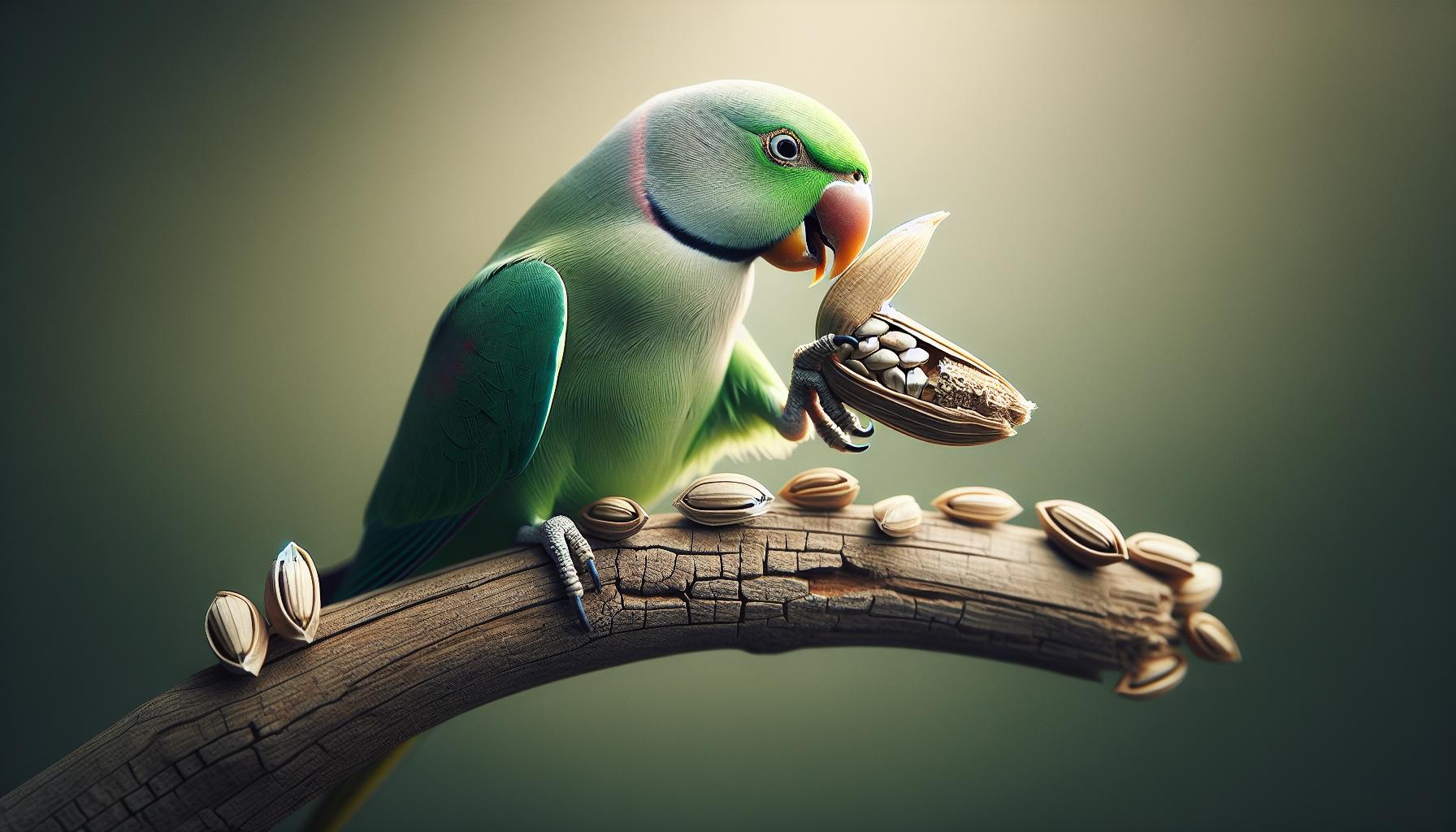
Beak Strength of Parakeets: What You Need to Know
Parakeets, with their vibrant colors and charming personalities, are popular companions, but their beak strength is an important aspect that prospective owners should consider. While these birds are small, their beaks are surprisingly strong, designed primarily for cracking seeds and nuts. This strength means that when a parakeet bites, it can be more than just a simple pinch; it can feel like a strong pinch or squeeze. Most parakeet owners report that while the bites can catch you off guard, they rarely cause serious injury.
The beak of a parakeet is a powerful tool, shaped to suit their natural behaviors like foraging and climbing. The structure consists of a hard outer layer composed of keratin, the same material found in human nails. This tough exterior allows them to exert considerable force on food items and, in some cases, on fingers. Understanding this can alleviate some concerns for new owners about potential biting. Although parakeet bites can be uncomfortable, they typically do not break the skin and are not fierce enough to cause lasting damage, especially when compared to larger parrots with more powerful beaks.
To appreciate the extent of a parakeet’s bite, consider the bird’s emotions and environmental context. For instance, an excited or frightened bird may bite harder due to stress. Conversely, a parakeet that feels secure and trusts its owner will exhibit softer, more playful nips. Regular interaction is key. Building a bond with your parakeet can lead to gentler behavior and reduce the likelihood of bites occurring as a form of self-defense or stress response.
Ultimately, understanding a parakeet’s beak strength and its behavioral cues is essential. If you approach your new feathered friend with patience and empathy, you’ll create a trusting relationship that minimizes the chances of painful bites, transforming what could be a fearful experience into a delightful companionship. Educating yourself about their beak strength and applying positive reinforcement will help create the strong bond you desire with your parakeet.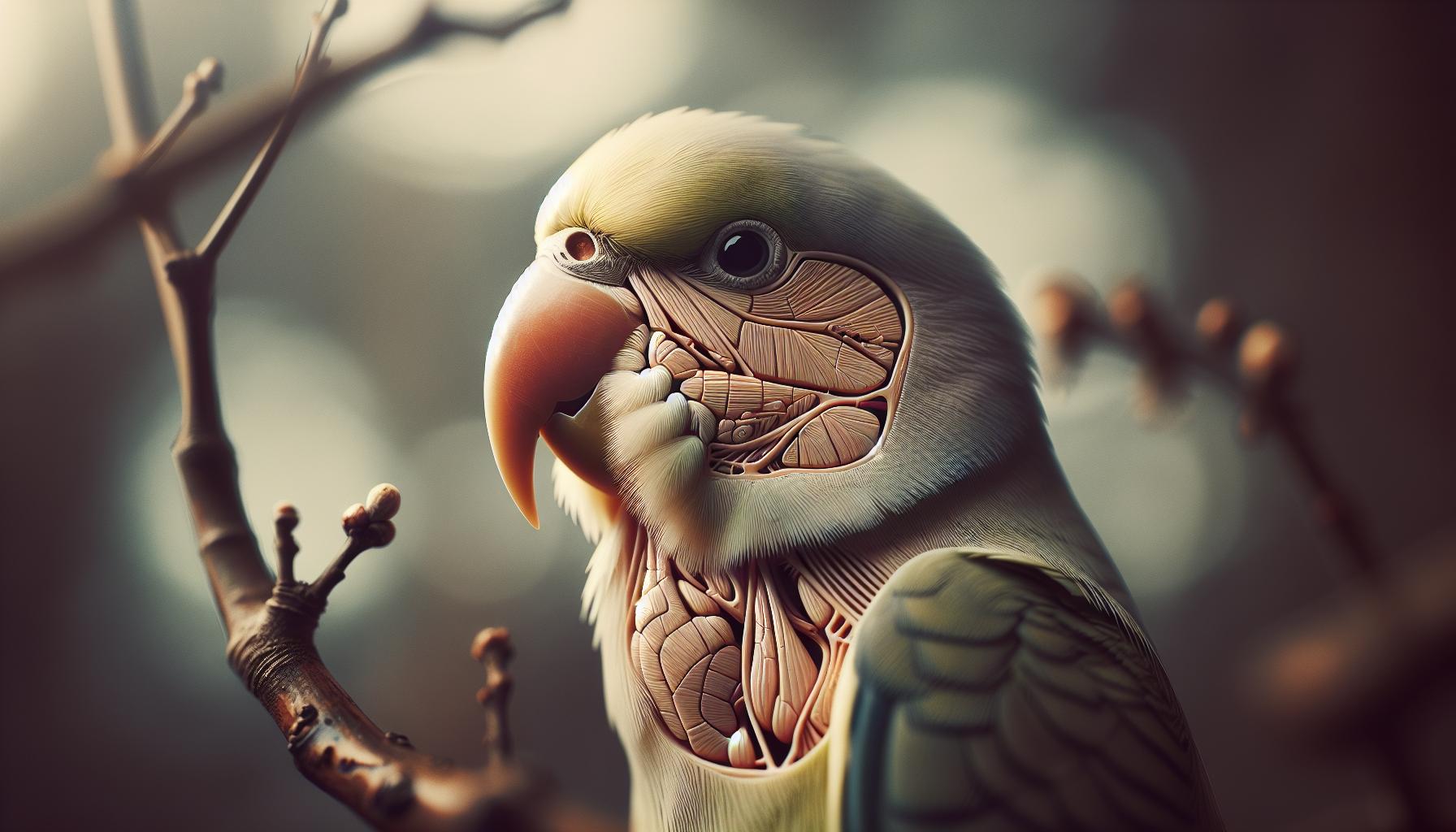
The Anatomy of a Parakeet’s Beak: A Closer Look
When you observe a parakeet, you might marvel at its colorful feathers and playful antics, but take a closer look at its beak-it’s a remarkable adaptation that plays a critical role in the bird’s survival and behavior. The parakeet’s beak is not just a feeding tool; it’s a multifunctional instrument, meticulously designed for cracking seeds, tearing fruits, grooming, and climbing. Understanding the anatomy of this vital feature can shed light on why parakeet bites occur and how they might feel.
The beak of a parakeet is composed of two primary parts: the upper mandible and the lower mandible. Both parts are made from keratin, a tough protein that also forms human nails and hair. This composition means that parakeet beaks can deliver significant pressure while remaining lightweight, which is essential for their agile lifestyle. The curved shape of the beak allows for precision and strength when cracking open tough seeds or grabbing branches. Interestingly, parakeets have a unique ability to move their beaks independently, enabling them to manipulate objects finely, adding to their charming and inquisitive nature.
Factors Influencing Beak Strength
Several factors influence how strong a parakeet’s bite may be, from its size and age to its emotional state. Generally, larger species or older birds tend to have more robust beaks that can exert greater force. Furthermore, emotional responses can amplify biting strength; a frightened or aggressive parakeet may bite harder than one that feels secure and relaxed. By providing a comfortable environment and engaging positively with your bird, you can help mitigate the desire to bite, fostering gentler interactions.
Understanding these anatomical and behavioral aspects is crucial for any parakeet owner. For those new to avian care, it’s essential to recognize that while the bite of a parakeet can feel surprisingly strong, it typically does not inflict lasting harm. Regular handling, confidence-building, and a safe environment can go a long way in ensuring that your interactions remain pleasant-transforming potential bite incidents into moments of playful bonding.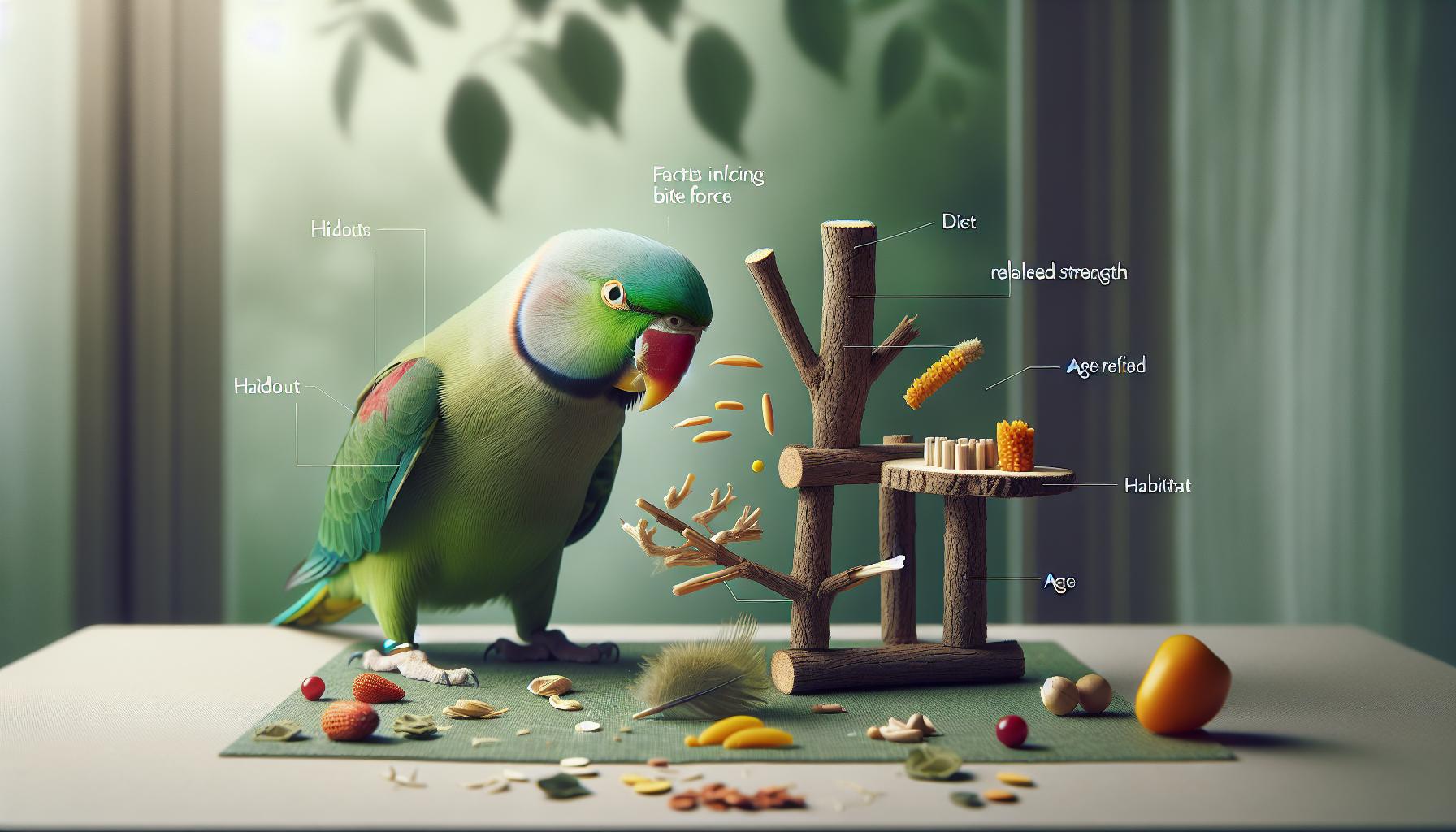
Factors Influencing Bite Force in Parakeets
The strength of a parakeet’s bite can be surprising, especially for those new to avian care. While these charming birds are often associated with playful behavior and sweet chirps, their powerful beaks are capable of delivering a surprisingly strong bite when the situation calls for it. Understanding the factors that contribute to this bite force can help owners better manage their interactions and avoid potential discomfort.
Several elements influence how forcefully a parakeet may bite. One significant factor is size and age; generally, larger or older parakeets possess stronger beaks that can exert more pressure. For instance, a fully grown budgie will have more biting capability compared to a younger chick due to the maturity of its jaw muscles and the development of its beak. Emotional state also plays a critical role; a parakeet that feels threatened or is in a defensive posture is more likely to bite harder than one that is calm and relaxed. Creating a nurturing environment, where your parakeet feels secure, can help ensure that these encounters are more pleasant.
Another important aspect is learning through experience. Parakeets, like many animals, learn from their interactions. If a bird has learned that biting effectively communicates its discomfort or fear, it may resort to this behavior more frequently. This is particularly common with parakeets that have not been socialized properly or have had past negative experiences with humans. Owners can encourage a more positive response through gradual handling, using treats to create positive associations, and allowing the bird to approach on its own terms.
Fostering a bond of trust is essential in managing biting behavior. The more a parakeet feels understood and secure in its environment, the less likely it is to respond defensively with its beak. Engaging in regular, gentle handling, and observing the bird’s body language can greatly reduce the likelihood of a painful bite and enhance the overall interaction between owner and pet. With patience and understanding, interactions with your feathered friend can flourish, making the bird a delightful companion in your home.
Common Misconceptions About Parakeet Bites
Many people mistakenly believe that a parakeet’s bite is harmless due to their small size and playful demeanor. This notion couldn’t be further from the truth. While parakeets, particularly budgies, are often perceived as gentle companions, their beaks are powerful tools designed for cracking seeds and fruits. Many owners find themselves surprised by the strength of the bite and the pain it can inflict.
One common misconception is that all parakeet bites are merely playful or harmless nibbles. However, it’s essential to recognize that a bite can reflect a range of emotions, including fear, stress, or irritation. Just like any animal, a parakeet will defend itself if it feels threatened or uncomfortable. For instance, if a parakeet is startled or mishandled, it may deliver a strong bite that can draw blood or leave a painful mark. Understanding this helps in managing interactions more safely and empathetically.
Another myth is that only larger parakeets, like the larger budgies or other bigger species, can administer a painful bite. In truth, even smaller parakeets can deliver significant pressure with their beaks. For example, African Grey parrots can exert a bite force of 100-200 psi, a level similar to smaller parakeets when size is taken into consideration. This highlights that any parakeet, regardless of size, has the potential to inflict discomfort if provoked or frightened.
Building awareness around these misconceptions can aid parakeet owners in improving their relationship with their pets. Establishing trust and ensuring a calm environment will foster positive interactions, reducing the chance of bites stemming from fear or anxiety. Never underestimate the significance of understanding your bird’s behavior; this knowledge empowers owners to create a harmonious living situation where both the parakeet and the owner can thrive.
How Does a Parakeet Bite Compare to Other Birds?
Understanding the bite of a parakeet in relation to other birds can provide valuable perspective for both new and seasoned bird owners. While parakeets may not seem as intimidating as larger bird species, their bites can still be surprisingly uncomfortable. For instance, when we consider the beak strength of a parakeet compared to a cockatoo or macaw, it becomes clear that size isn’t the only determinant of bite force. A typical parakeet can exert a bite force that ranges approximately from 20 to 100 psi (pounds per square inch), which is quite significant for an animal of its size and can certainly leave a mark.
When comparing parakeets to larger birds, such as cockatoos, which can exert a bite force of up to 300 psi, the discrepancy in power is noticeable. However, this does not diminish the potential pain from a parakeet’s bite. For example, many bird owners often recount stories of underestimating their budgie’s bite, only to experience surprising discomfort. Cockatoos and macaws tend to use their beaks more for breaking tough seeds and manipulating their environment, while parakeets, known for their playful natures, may deliver bites when startled or protecting their territory.
Another important aspect to consider is the behavior that leads to biting. While many birds can exhibit defensive biting behavior, parakeets may bite out of sheer excitement or over-stimulation. Their small stature might lead some owners to think that bites are harmless, a common misconception that can lead to negative interactions. Understanding that a parakeet’s bite can be an expression of stress or excitement, akin to the reactions seen in other bird species, allows owners to navigate their relationship with greater care and awareness.
In conclusion, as passionate bird enthusiasts, we must recognize that every bird species, regardless of size, has unique traits and capabilities. By appreciating the parakeet’s bite in the broader context of avian behavior, we can better manage our interactions and establish a safer, more respectful environment for these charming little companions.
Signs of a Painful Bite: What to Expect
Understanding the signs of a painful bite from a parakeet is vital for anyone considering these charming companions. While they may not have the intimidating beak strength of larger parrots, their bites can still deliver a surprising sting. Typically, a parakeet’s bite may feel more like a sudden pinch than a serious wound, but that doesn’t mean it’s inconsequential. Experienced bird owners often remind newcomers that these small birds can bite with enough force-ranging from 20 to 100 psi-to leave noticeable marks and mild pain.
When assessing the impact of a parakeet’s bite, it’s important to observe your body’s immediate response. After a bite, one might experience a sharp, stinging sensation that can gradually develop into discomfort or aching if the bite breaks the skin. Owners might notice swelling or redness in the area, and in some cases, a small bruise may form. It’s also essential to pay attention to behavioral signs from the bird. If a parakeet bites as a response to being startled or threatened, it may exhibit other anxious behaviors, like feather fluffing or retreating to a corner of its cage.
Moreover, understanding that each parakeet has a unique personality can help gauge their tendency to bite. Some individuals may be more aggressive or nippy than others, and recognizing signs of agitation-such as loud chirping or rapid head movements-can help prevent painful interactions. It’s crucial for owners to read these signals and manage their bird’s environment to reduce the likelihood of bites occurring in the first place.
Ultimately, being aware of the signs of a painful bite can not only help mitigate discomfort but also strengthen the bond between you and your parakeet. By approaching this aspect of bird care with openness and a willingness to learn, you foster an environment where both you and your feathery friend can thrive. In the long run, patience and understanding can turn a potential biting incident into an opportunity for trust-building and positive reinforcement.
Preventing and Managing Parakeet Bites
Parakeets are playful and sociable creatures, yet they can resort to biting when feeling threatened or overstimulated. Understanding how to prevent bites and manage them when they occur is essential for building a harmonious relationship with your feathered companion. One effective strategy is to provide a safe and secure environment. This includes a spacious cage outfitted with perches, toys, and other enrichment tools that allow your parakeet to express natural behaviors. A happy parakeet is less likely to bite!
When interacting with your parakeet, take it slow. Sudden movements or loud noises can startle these sensitive birds. Approach your parakeet gently and use a calm, soothing voice to build trust. Offering treats or engaging them with their favorite toys can also create positive associations with your presence. Remember, creating a calm environment can go a long way in preventing biting incidents.
If a bite does occur, it’s important to manage your response. Reacting with panic or sudden movements may reinforce the behavior. Instead, calmly withdraw your hand and give your parakeet some space. Once the tension has subsided, you can return to the interaction at a slower pace. It’s also helpful to observe your bird’s body language. Signs of agitation, like fluffed feathers or pinned eyes, indicate that your parakeet may be feeling uncomfortable and should be given more space.
Regular socialization and interaction are key to reducing biting behaviors over time. Spend daily time with your parakeet outside of the cage, allowing them to explore the area safely while remaining under your supervision. This not only helps in building trust but also aids in recognizing your pet’s comfort levels. Addressing their emotional needs by understanding their behavior, acknowledging signs of stress, and respecting their boundaries are all vital steps in managing and preventing bites effectively. With patience, consistency, and understanding, you can cultivate a loving and bite-free relationship with your parakeet.
Caring for Your Parakeet: Tips to Avoid Biting
Understanding parakeets’ behaviors, especially when it comes to biting, is crucial for any owner eager to foster a positive bond with their feathered companion. Parakeets, with their strong beaks designed for cracking seeds and nuts, can deliver surprisingly painful bites if they feel threatened or anxious. However, by implementing effective nurturing strategies, you can significantly reduce the likelihood of bites and enhance your relationship with your parakeet.
One of the most effective ways to prevent biting is to establish a routine that encourages trust. Spend time talking to your parakeet in a soft voice, and gradually introduce your hand into their space. Allow them to approach you on their own terms; this could mean offering a favorite treat or toy to entice them to come closer. Understanding their comfort levels and respecting their personal space is essential for creating a safe environment where biting is less likely to occur. Remember, patience is key-parakeets often need time to adjust and feel confident around humans.
Additionally, minimizing stressors in their surroundings can greatly influence their behavior. Ensure their cage is located in a quiet area free from sudden disturbances, such as loud noises or fast movements. Providing plenty of enrichment, including toys and perches, also helps. Boredom can lead to irritability, and a happy, engaged parakeet is less prone to biting. Regularly switch out toys and create opportunities for mental stimulation to keep their environment dynamic and interesting.
Moreover, be mindful of your parakeet’s body language. Signs of discomfort, such as fluffed feathers, head bobbing, or a change in vocalization, indicate that your bird may be feeling stressed. Recognizing these cues allows you to adjust your interactions accordingly. If you notice any of these signs, give your parakeet space and return to gentle engagement once they seem calmer. Over time, these practices can help cultivate a trusting and friendly bond, significantly reducing the risk of those sharp beak encounters.
Behavioral Triggers for Biting in Parakeets
Understanding the underlying reasons why parakeets may bite is crucial for nurturing a harmonious relationship with these vibrant companions. While parakeets are generally friendly and social, they can resort to biting when they feel threatened, anxious, or uncomfortable. Recognizing the behavioral triggers that lead to bites can empower owners to create a safer and more inviting environment, ultimately minimizing those sharp encounters.
One primary trigger is the bird’s perception of danger. When a parakeet feels cornered or startled-perhaps due to sudden movements or loud noises-its natural instinct may kick in, leading it to bite as a defense mechanism. Understanding your bird’s comfort zones is paramount. For example, if your parakeet tends to bite when you reach toward it too quickly, you might need to adjust your approach. Move slowly when interacting with your bird and always allow it to come to you rather than forcing contact.
Another important factor is social dynamics. Parakeets are inherently social creatures, but interactions can become competitive or stressful, especially in multi-bird households. Hierarchical conflicts or territorial behavior might trigger aggressive responses. If you notice a specific bird developing a pattern of biting, it could be beneficial to assess the social structure within your flock and consider behavioral interventions that reduce stress or competition for resources. Providing separate spaces or perches can also help mitigate conflict.
Boredom and lack of stimulation can also contribute to biting behavior. A parakeet deprived of mental and physical enrichment may resort to biting as a way of expressing its frustration. Ensuring that your parakeet has access to a variety of toys, climbing structures, and opportunities for play can greatly enhance its mood and reduce irritability. Regularly rotating toys and incorporating foraging activities can keep your bird mentally engaged and lessen the likelihood of biting.
In conclusion, understanding what triggers biting in parakeets can greatly improve your relationship with them. By being aware of their stressors, adjusting your interactions, and providing a stimulating environment, you’ll create a space where your parakeet feels safe and happy-ultimately leading to a much lower chance of receiving those painful bites.
When to Seek Veterinary Advice for Bites
It’s easy to underestimate the consequences of a parakeet bite, especially given their petite size. However, even a small bird can inflict a surprisingly painful nip that can be more than just a fleeting moment of discomfort. If your parakeet bites you, it’s important to evaluate the situation carefully, as there are circumstances when veterinary attention becomes necessary.
Consider seeking veterinary advice if a bite results in noticeable blood or severe swelling. While minor bites might only warrant basic first aid, any sign of infection or prolonged pain should raise a red flag. Parakeets often have unique sensitivities, and what begins as a simple bite can lead to complications if left untreated. Observe for symptoms such as:
- Oozing from the wound
- Acute tenderness in the area
- Changes in behavior, such as lethargy or lack of appetite
In these cases, it’s always best to err on the side of caution and consult an avian veterinarian.
Another critical reason to seek help is if your parakeet has bitten someone else or another bird in the household. This behavior could stem from stress or aggression, indicating underlying health or environmental issues. An avian vet can guide you on managing behavioral problems and ensuring a harmonious environment for all pets involved. Furthermore, if multiple bites occur, it’s advisable to investigate further. For example, if your parakeet suddenly becomes more aggressive, a check-up can rule out pain-related issues or other health concerns that might be triggering this behavior.
In summary, while most parakeet bites may not necessitate a trip to the vet, any signs of serious injury, infection, or behavioral change should prompt immediate attention. Taking proactive measures ensures your feathered friend remains healthy and happy, allowing your relationship to flourish without those sharp encounters.
Empowering Your Parakeet: Building Trust and Avoiding Bites
Building a harmonious relationship with your parakeet is key to preventing biting and ensuring a fulfilling companionship. Establishing trust involves understanding your bird’s behavior and responding with patience and care. Parakeets, like many birds, can become defensive or bite out of fear or anxiety, so creating a secure environment is crucial. Begin by allowing your parakeet to acclimate to its surroundings and your presence without forcing interaction. Use gentle sounds or talk softly to your bird to create a positive atmosphere.
“Bites can often be a form of communication rather than aggression.”
One effective method for building trust is through positive reinforcement. Whenever your parakeet interacts calmly with you-whether it approaches you, eats from your hand, or even sits on your shoulder-offer a treat to reinforce that behavior. Parakeets are social creatures that thrive on interaction, so gentle handling and rewarding behaviors can greatly reduce the likelihood of biting. A consistent routine can help your bird feel more secure; feed it at the same time each day and provide opportunities for play and exploration outside the cage.
Utilizing tools to facilitate bonding can also improve your relationship. Consider the use of toys, like ropes and perches, that you can hold while encouraging your parakeet to climb to you. This makes the interaction feel safer for the bird, as it has agency in approaching you. Additionally, spend time near your bird’s habitat without forcing contact; let it initiate the relationship when it feels comfortable.
Communication is essential in any relationship. Learn to recognize your bird’s body language. If your parakeet fluffs its feathers, screeches, or moves away, it may be signaling discomfort. Understanding these signs allows you to pause interaction and give your bird space. Conversely, signs of relaxation-like preening or bobbing its head-indicate that it’s open to interaction. By being attentive to its cues, you can strengthen the bond between you, reducing the chance of bites and fostering a deep, trusting companionship.
Frequently Asked Questions
Q: How strong is a parakeet’s bite compared to other birds?
A: A parakeet’s bite strength can be surprisingly strong for its size. While they may not bite as hard as larger birds, their bites can still cause pain. Understanding the anatomy and behavior of parakeets can help you manage interactions safely. Check the section on “How Does a Parakeet Bite Compare to Other Birds?” for more insights.
Q: What should I do if my parakeet bites me?
A: If your parakeet bites, remain calm and avoid reacting negatively, as this can reinforce the behavior. Assess the situation to understand the cause of the bite, and consider seeking advice from a veterinarian for persistent issues. Explore tips in “Preventing and Managing Parakeet Bites” for better interaction strategies.
Q: Do certain parakeet breeds bite more than others?
A: Some parakeet breeds may be more prone to biting due to temperament or socialization levels. Typically, younger, male parakeets are easier to tame and less likely to bite than older or unsocialized birds. Researching specific breed behaviors can help in choosing a less biting-prone companion.
Q: Can parakeets bite hard enough to break skin?
A: Yes, parakeets can bite hard enough to break the skin, especially if they feel threatened or frightened. Proper handling and socialization are crucial to minimize this risk. Understand the “Signs of a Painful Bite” in our guide for better management.
Q: Why do parakeets bite their owners?
A: Parakeets may bite their owners out of fear, aggression, or territoriality. Establishing trust through gentle handling and recognizing behavioral triggers can significantly reduce biting incidents. For detailed strategies, refer to the “Behavioral Triggers for Biting in Parakeets” sections of our article.
Q: How can I tell if my parakeet’s bite is serious?
A: A serious bite might bleed or leave deep marks, indicating a more significant threat or panic from the bird. If you experience excessive bleeding or pain, it’s wise to seek medical attention. Always observe your parakeet’s body language to prevent escalation.
Q: Are there ways to train a parakeet not to bite?
A: Yes, training a parakeet not to bite involves positive reinforcement techniques, such as rewarding good behavior and avoiding punishment. Building a trusting relationship over time is key. Check the “Empowering Your Parakeet: Building Trust and Avoiding Bites” for effective training methods.
Q: What behavioral signs indicate a parakeet might bite?
A: A parakeet may show signs like puffing up, flapping wings, or making a growling noise just before biting. Being aware of these signs can help you avoid potential bites. Learn more about recognizing these behaviors in the “Signs of a Painful Bite” section.
Insights and Conclusions
Understanding whether a parakeet bite hurts can influence how you interact with these charming birds. While they can deliver surprisingly painful bites, typically, these incidents stem from fear or discomfort. If you’re learning how to handle your parakeet or considering getting one, remember that their behavior is deeply linked to their environment and socialization. To enhance your bonding experience, check out our guides on Building Trust with Your Parakeet and Understanding Parakeet Body Language for valuable tips.
If you’re still curious or have concerns about parakeet care, don’t hesitate to explore our resources further! Empower yourself with knowledge, and consider subscribing to our newsletter for tips and insights tailored to enrich your parakeet care journey. Engage with our community by sharing your experiences in the comments-your insights might help a fellow bird enthusiast! Take the next step toward a fulfilling relationship with your feathered friend; every moment counts!
Get our latest guides, news, and insights highlighted in your Google Search & AI Overviews.