

Did you know that pigeons can carry over 60 diseases that pose risks to human health? While these birds are often seen as harmless city dwellers, their droppings and feathers can harbor pathogens that lead to a variety of illnesses. Understanding how these diseases transmit is crucial for anyone living in urban areas or involved in bird watching and care. Beyond the charming coos and social behavior of pigeons lies the serious concern of disease transmission, which can affect you and your family. This article delves into the ways pigeons can spread disease, empowering you to take informed precautions and safely enjoy our feathered friends. Join us as we explore the risks and learn how to protect yourself in this fascinating intersection of wildlife and human health.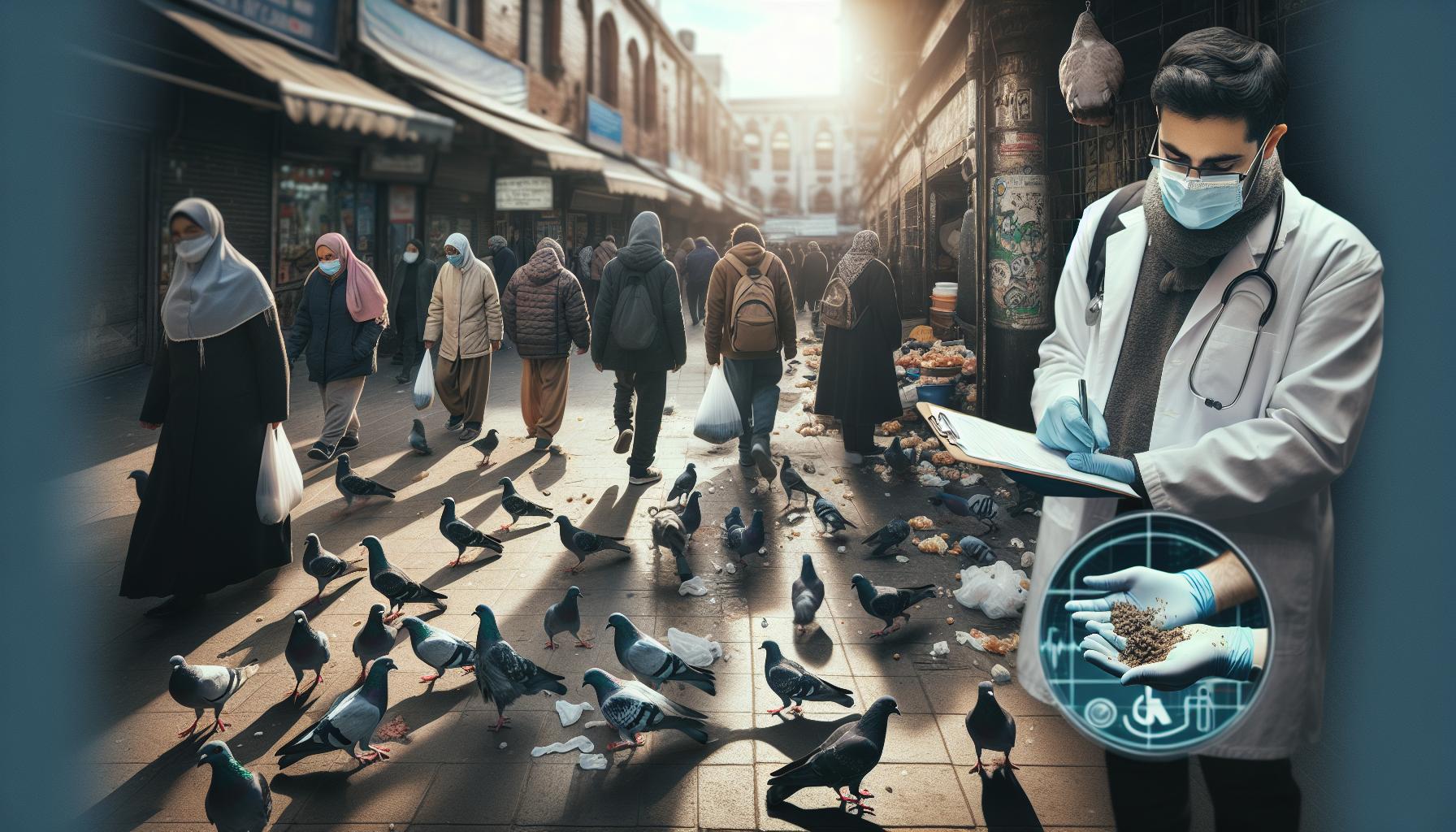
Understanding Disease Transmission from Pigeons
Pigeons are often seen as harmless city dwellers, but they quietly carry a host of pathogens that can significantly impact human health. Understanding how these birds transmit diseases is crucial for anyone living or working in proximity to pigeon populations. The transmission primarily occurs through their droppings, which can harbor various bacteria, viruses, and fungi harmful to humans. When these droppings dry out, they become dust particles that can be inhaled, leading to respiratory issues and infections. As a result, it’s vital to be aware of the environments in which pigeons thrive and the risks they pose.
Key diseases linked to pigeons include histoplasmosis, a respiratory disease resulting from a fungus found in soil contaminated with pigeon droppings, and psittacosis, an infectious disease that can cause flu-like symptoms and pneumonia. These diseases not only affect individual health but also present broader public health risks, especially in densely populated urban areas. The large numbers of pigeons can exacerbate these risks, as their droppings accumulate in parks, building ledges, and other public spaces, creating environments ripe for disease transmission.
Transmission routes can vary, but the most common involve both direct and indirect contact with droppings. People can contract infections through inhalation of airborne spores or by touching contaminated surfaces and then touching their face. This highlights the importance of diligent sanitation practices in urban settings to mitigate potential health risks. Effective pigeon control strategies can further limit exposure and help protect public health, emphasizing the need for community awareness and preventive measures.
Common Diseases Linked to Pigeons
Pigeons, often dubbed the “rock doves” of urban environments, may seem innocuous as they coo and strut around parks and sidewalks, but they are known carriers of several diseases that can pose health risks to both humans and other birds. Understanding these diseases is essential for anyone who interacts with these birds or lives in close proximity to pigeon populations. Among the most concerning conditions associated with pigeons are *psittacosis* and *histoplasmosis*, along with *salmonellosis* and *cryptococcosis,* which can all have serious health implications.
Common Pigeon-Linked Diseases
- Psittacosis: This infectious disease is caused by the bacterium *Chlamydia psittaci*, leading to flu-like symptoms such as fever, headache, and in severe cases, pneumonia. It primarily spreads through inhalation of droplets or dust contaminated with the bacteria from pigeon droppings.
- Histoplasmosis: A respiratory infection caused by the fungus *Histoplasma capsulatum*, which thrives in environments with bird droppings. Symptoms can range from mild respiratory problems to severe pulmonary issues, especially in immunocompromised individuals.
- Salmonellosis: Pigeons can carry the bacteria *Salmonella*, which can lead to gastrointestinal illness in humans. Infection typically results from ingesting contaminated water or food that has come into contact with pigeon feces.
- Cryptococcosis: This fungal infection is caused by *Cryptococcus neoformans*, and it can lead to serious respiratory issues and even neurological complications, particularly in those with weakened immune systems.
Understanding these diseases not only underscores the need for proper hygiene but also highlights the importance of monitoring pigeon populations in urban areas. For those who feed pigeons or have bird feeders in their yards, using gloves and maintaining cleanliness is crucial in limiting exposure to these pathogens. Remember, while these birds can bring joy, they can also carry invisible threats that require our attention and respect.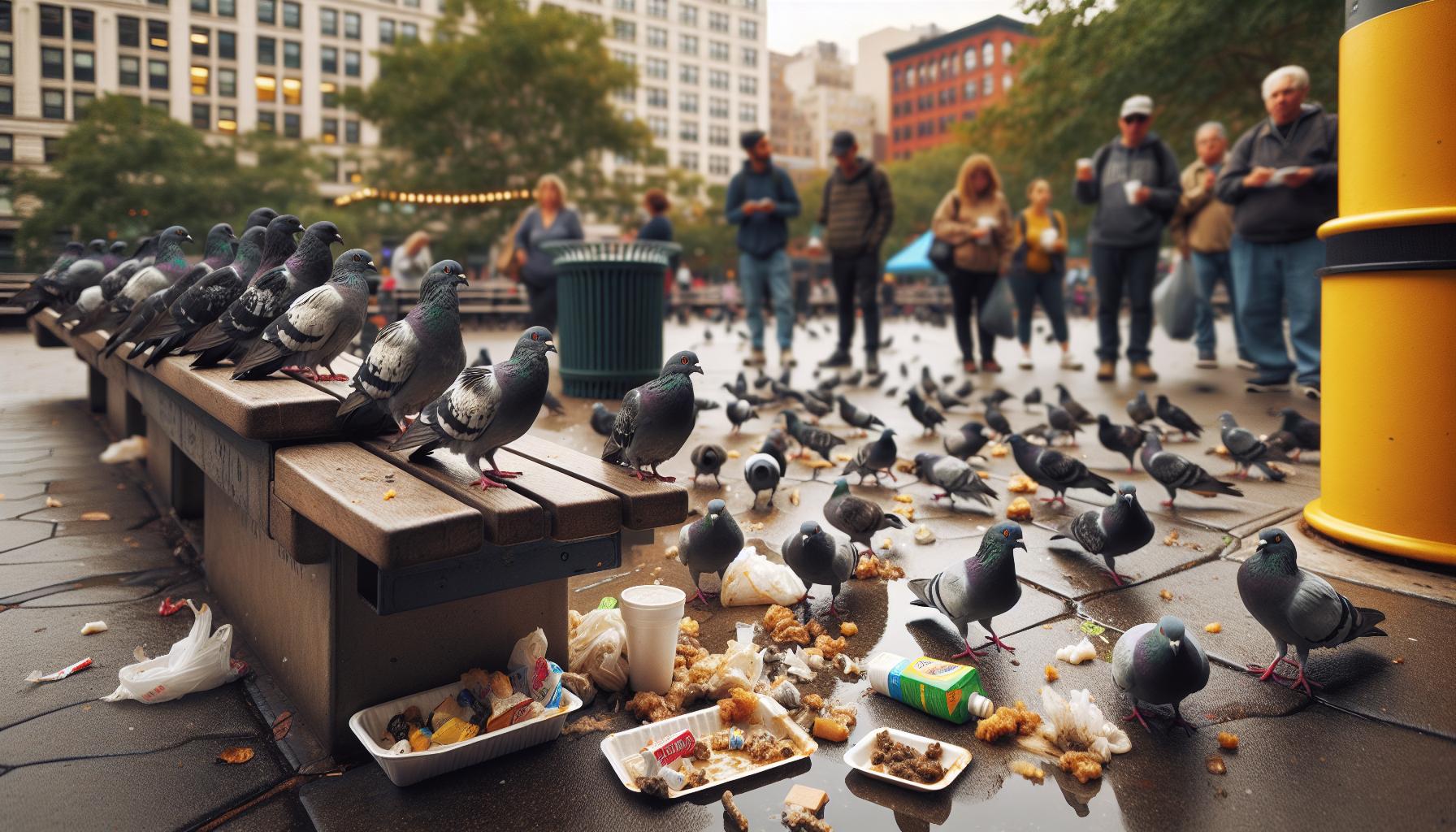
Transmission Routes: How Pigeons Spread Disease
Pigeons are more than just a common sight in urban landscapes; they can also be significant vectors for various diseases. Understanding how these birds spread illness is crucial for anyone who lives near them or interacts with them. The primary transmission routes of pigeon-linked diseases are through airborne particles, direct contact, and contaminated environments.
When pigeons defecate, their droppings dry and can become airborne in a fine dust. This dust can carry pathogens such as Chlamydia psittaci, the bacterium responsible for psittacosis, as well as spores from the Histoplasma fungus, which causes histoplasmosis. People can easily inhale these particles, especially in poorly ventilated or enclosed spaces, leading to respiratory infections. It’s also worth noting that this route poses a higher risk for individuals with compromised immune systems, who may experience more severe reactions to exposure.
Direct contact is another common transmission method. When a person handles pigeon droppings or contaminated surfaces, they risk exposure to bacteria and fungi that can lead to diseases like salmonellosis. This typically occurs when unwashed hands come into contact with food or the mouth after touching contaminated areas. Thus, maintaining hygiene is crucial when interacting in environments frequented by pigeons.
Moreover, pigeons can indirectly contribute to disease spread through their habitats. Areas littered with pigeon droppings, such as parks, rooftops, and urban structures, can become breeding grounds for pathogens. When other animals, including rodents and insects, come into contact with these droppings, they can further disseminate diseases. This highlights the importance of controlling pigeon populations and cleaning their roosting areas to minimize public health risks.
By being aware of these transmission routes and implementing basic preventive measures, such as avoiding direct contact with droppings, wearing masks in contaminated areas, and promoting cleanliness in urban environments, individuals can significantly reduce their risk of contracting diseases associated with pigeons.
The Impact of Pigeon Populations on Public Health
Urban environments often play host to large populations of pigeons, which can significantly impact public health through the diseases they carry. These birds are more than just a familiar sight; their droppings and presence can create serious health risks for communities. Authorities and health organizations have documented various pathogens linked to pigeon populations, including bacteria, fungi, and viruses that can transfer to humans, primarily through inhalation or direct contact.
The risks associated with pigeon populations are particularly pronounced in densely populated areas where sanitation may be compromised. Areas where pigeons roost often accumulate significant amounts of droppings, which can harbor a range of zoonotic diseases. For example, histoplasmosis and psittacosis are directly associated with pigeon droppings. In fact, inhaling dried droppings stirred up by wind or cleaning activities can expose individuals to hazardous spores and pathogens. Such exposure not only poses risks for the general public but is especially concerning for vulnerable populations, including the elderly and those with pre-existing health conditions.
Furthermore, the presence of pigeons can attract other pests, such as rodents, which can spread additional diseases. This synergistic effect-in which multiple vectors contribute to disease potential-highlights the importance of effective pigeon population management and sanitation practices in urban settings. Regular cleaning of pigeon habitats, particularly in areas frequented by humans, can mitigate these health risks and create a safer environment.
To address the public health implications of pigeon populations, education is key. Raising awareness about the potential dangers of pigeon droppings and promoting hygiene practices in urban settings can empower communities. Simple steps, such as wearing masks during clean-ups or avoiding direct contact with pigeons, can significantly reduce transmission risks. This proactive approach to managing pigeon populations not only benefits public health but can also foster a safer coexistence between people and these adaptable birds.
Preventive Measures: Reducing Transmission Risks
Taking proactive steps to mitigate health risks associated with pigeon populations can make a substantial difference in urban environments where these birds thrive. Pigeons, while charming in their own right, can carry diseases that pose significant risks to human health, particularly through their droppings. To foster a safer coexistence, it’s crucial to adopt preventive measures that prioritize hygiene and limit direct interactions with these birds.
One of the most effective strategies is ensuring that public spaces are kept clean and free from pigeon droppings. Regular cleaning not only reduces the risk of disease transmission but also discourages pigeons from roosting in the area. When cleaning droppings, individuals should use protective gear, such as gloves and masks, to minimize inhalation of pathogens. Wetting down droppings before removal can help prevent spores from becoming airborne. Additionally, disposing of waste responsibly and promptly can significantly decrease the likelihood of attracting not only pigeons but also other pests like rodents.
Education plays a pivotal role in preventive measures. Community awareness programs can illuminate the dangers associated with pigeon droppings and emphasize the importance of hygiene practices. Establishing signage in public areas to remind people to avoid direct contact with pigeons can further promote safety. Local governments can also step in by implementing pigeon control measures, such as using netting or spikes in roosting areas, to effectively manage populations without harming the birds.
Additionally, individuals who choose to feed pigeons or care for them should do so with caution. Providing appropriate food in moderation ensures that pigeons don’t become overly reliant on human sources, thereby reducing the density of populations that may lead to increased health risks. For bird enthusiasts, learning to distinguish healthy pigeons from those that may carry disease is vital. Observing signs such as feather condition and behavior can indicate the overall health of the birds and help mitigate risks associated with illness transmission.
Implementing these preventive measures not only protects public health but also fosters a harmonious relationship between urban residents and the adaptable pigeon population. By participating in community efforts, staying informed, and practicing responsible habits, we can diminish the risks associated with these urban birds while appreciating their presence in our cities.
Identifying Healthy Pigeons: Signs to Look For
When observing pigeons in urban settings, being able to identify healthy individuals is crucial for both bird enthusiasts and the public at large. Healthy pigeons typically exhibit vibrant feathers, a robust posture, and active behaviors, which are essential indicators of their overall health. Recognizing these signs can help mitigate risks associated with disease transmission, as individuals caring for or interacting with these birds can better avoid potential health hazards.
A key characteristic of a healthy pigeon is its feather condition. Healthy pigeons should have glossy, well-maintained feathers that lie flat against their bodies. Dull or ragged feathers can signal nutritional deficiencies or illness. Furthermore, check for any skin lesions or unusual feather loss; these can indicate parasitic infections or serious health concerns.
Behaviorally, a healthy pigeon will be alert and responsive. It should engage in preening, which is not only a behavioral norm for pigeons but also indicates good grooming habits and wellness. Active pigeons will display curiosity and social behaviors, often interacting with their environment or flock mates. On the contrary, lethargy, excessive hiding, or disinterest in surroundings are warning signs of possible illness or distress.
In addition to their physical and behavioral signs, appetite is a great indicator of a pigeon’s health. Healthy pigeons readily consume food and demonstrate normal drinking habits. If a pigeon appears to be ignoring food or water, this could suggest a health problem that needs to be addressed.
For those involved in caring for these birds, it is also essential to consider their environment. Pigeons that thrive in clean, safe habitats are less likely to carry diseases. Frequent exposure to feces or overcrowded conditions can contribute to health issues. Therefore, maintaining clean feeding areas and ensuring pigeons have access to fresh water can significantly enhance their wellbeing.
By paying close attention to these details-feather condition, behavior, appetite, and environment-individuals can confidently identify healthy pigeons. This awareness not only contributes to the welfare of the birds but also promotes safer interactions between humans and pigeons in urban settings.
Pigeon Habitats: Where Risks Are Highest
Pigeons are often ubiquitous in urban environments, occupying a variety of spaces that can significantly increase the risk of disease transmission. These adaptable birds thrive in locations close to human activity, particularly where food sources are ample. Common hotspots include city parks, plazas, rooftop gardens, and around busy outdoor dining areas. Understanding where pigeons are most likely to congregate allows us to take preventative measures to limit our interaction with their droppings, which are the primary vector for many pathogens.
Urban structures provide ideal nesting spaces for pigeons, often in alcoves, ledges, and other architectural features frequented by humans. The accumulation of pigeon droppings in these locations can lead to the growth of harmful fungi, such as Histoplasma, which poses serious respiratory health risks. Additionally, older buildings with inadequate maintenance tend to harbor more droppings and nesting materials, creating not only an aesthetic issue but also a public health concern. Regular inspections and cleanings are vital in maintaining these spaces, particularly in areas with high pigeon populations.
Another significant risk arises in areas where pigeons are allowed to feed freely. When people feed pigeons in parks or squares, it encourages large flocks to gather, increasing the likelihood of disease spread. Pigeon droppings can dry and become airborne, leading to potential respiratory exposure for those nearby. It’s vital for community members to understand the impact of feeding wildlife and to seek alternative ways to appreciate birdwatching, such as observing from a distance.
In terms of preventive strategies, implementing control measures like installing pigeon spikes or netting in common nesting areas can effectively reduce pigeon populations and the associated health risks. Moreover, educating the public about the importance of avoiding pigeon feeding and encouraging the maintenance of clean environments around these hotspots is crucial. By acknowledging where pigeons thrive and the risks they pose, we can better protect ourselves and our communities from potential disease transmission.
Cultural Perceptions of Pigeons and Disease
The presence of pigeons in urban environments often elicits a complex mix of admiration and aversion, particularly concerning the diseases they may carry. While these birds are celebrated for their remarkable navigation skills and historical roles as messengers, they are also commonly viewed as potential health hazards. This dual perception shapes our understanding of pigeons and significantly influences how we interact with them.
Many urban dwellers associate pigeons with disease due to their droppings and nesting habits, often resulting in a ‘guilty by association’ mentality. Pigeon droppings can be a breeding ground for harmful fungi and pathogens, such as Histoplasma and Cryptococcus, which are known to cause respiratory issues and other health problems in humans. This fear is exacerbated by sensationalized media reports and mythologized concerns, leading to a widespread cultural perception that sees pigeons solely as carriers of disease. However, it’s essential to balance this viewpoint with education on responsible coexistence and understanding their ecological role.
To reshape the narrative around pigeons, community education and awareness are paramount. Recognizing that while pigeons can pose risks, informed management practices can greatly mitigate these dangers. For example, communities can promote the importance of maintaining clean environments and discourage feeding pigeons in concentrated areas, thereby reducing the health risks associated with their droppings. Efforts like establishing designated bird-friendly zones can also foster positive interactions while ensuring public health safety.
Furthermore, understanding pigeons’ behavior and ecological significance can promote a more nuanced appreciation for these birds. By acknowledging them not just as urban nuisances but as integral parts of our ecosystems, we can foster a culture that respects wildlife while implementing preventive measures against the transmission of diseases. In this way, we can cultivate a healthier environment that appreciates the beauty and complexity of all bird species, including pigeons, while still addressing public health concerns effectively.
Pigeon Control: Strategies for Safe Urban Living
Urban environments often echo with the coos of pigeons, charming many while alarming others due to their potential health risks. By implementing effective pigeon control strategies, city dwellers can foster a harmonious coexistence with these ubiquitous birds while minimizing health concerns. Understanding the balance between allowing pigeons their space and safeguarding public health is key to creating a safe living environment.
One of the most effective strategies is to maintain cleanliness in areas where pigeons congregate. Regularly cleaning public spaces, such as parks and plazas, helps reduce the accumulation of droppings that can harbor harmful pathogens. Implementing proper waste management practices can also deter pigeons. For example, ensuring that trash bins are covered and secure reduces the food sources that attract pigeons to urban settings.
In addition to cleanliness, community engagement plays a vital role. Educational campaigns can encourage residents to avoid feeding pigeons, which leads to overpopulation and associated problems. Local governments can promote bird-friendly designs for public spaces, such as installing pigeon deterrents like spikes or sloped surfaces on ledges where birds tend to perch. These measures can effectively limit nesting opportunities while allowing for aesthetic considerations in urban planning.
Lastly, working with wildlife experts can provide tailored solutions for specific communities. For those particularly passionate about bird conservation and education, establishing designated areas for pigeons to thrive can help balance human health with ecological interests. Recognizing the ecological role of pigeons and involving local communities in monitoring and managing their populations can foster a positive symbiotic relationship-one where urban residents can enjoy the presence of these birds without compromising their health. In this way, proactive pigeon management transforms potential disease vectors into a cherished part of the urban ecosystem.
Expert Advice: When to Seek Medical Attention
While pigeons may be a common sight in urban areas, their potential to carry diseases can lead to serious health concerns. Consequently, knowing when to seek medical attention after potential exposure to pigeon droppings or interactions with the birds is crucial for your health and safety. If you’ve had direct contact with pigeons or their droppings, it’s important to be alert to certain symptoms that may arise, especially if you belong to a high-risk group such as individuals with compromised immune systems.
Symptoms to Watch For
Common diseases associated with pigeons, such as psittacosis and histoplasmosis, can manifest with a range of symptoms, including:
- Fever and chills
- Cough, often accompanied by chest discomfort
- Shortness of breath
- Fatigue and muscle aches
- Headaches and gastrointestinal issues
If you experience any of these symptoms following exposure to pigeons or their droppings, you should consult a healthcare provider. Early diagnosis and treatment can significantly improve outcomes since infections like psittacosis can be treated effectively with antibiotics if caught early.
When to Take Action
It’s vital to seek medical attention if you develop symptoms that seem severe or persistent, particularly if you have underlying health conditions. Additionally, if you find yourself frequently in environments where pigeons are prevalent-such as parks, markets, or historical sites-it may be wise to schedule regular check-ups, even if you feel well. This proactive approach can lead to early detection of potential diseases that may arise from contact with these birds.
Remember, individuals who engage in activities like cleaning areas heavily contaminated by pigeon droppings should take extra precautions. Wearing protective gear, such as gloves and masks, can help reduce the risk of inhalation or direct skin contact with pathogens. In case of accidental exposure, watch for symptoms and consult a healthcare professional if in doubt.
By remaining vigilant and informed about the risks, you can enjoy your time outdoors while minimizing health risks associated with pigeons. Such proactive measures ultimately safeguard your well-being while allowing urban communities to coexist with these fascinating birds.
Pigeon Care for Bird Enthusiasts: Best Practices
Pigeons are often seen as resilient urban dwellers, yet their care requires special attention to ensure both their well-being and that of those around them. Understanding pigeon behavior and needs not only enhances your experience as an enthusiast but also minimizes health risks associated with these fascinating birds. Proper care helps promote a healthy environment, and knowledge about their habits can empower you to make informed decisions.
To start, providing a clean, spacious habitat is crucial. Pigeons thrive in environments where they can fly freely and perch comfortably. Consider building or acquiring a spacious loft that allows them to exercise; this promotes their physical health and reduces stress. Ensure that the loft is well-ventilated and equipped with nesting materials, providing both shelter and comfort to your birds.
Feeding your pigeons a balanced diet is essential for their overall health. They need a mix of grains, seeds, and occasional protein sources like peas or grit to aid digestion. Avoid feeding them bread or junk food, as these can be harmful. Regularly check their food and water supply, ensuring that everything is fresh to prevent the risk of illness from spoiled supplies. Additionally, observe their droppings regularly; abnormal changes can indicate potential health issues or dietary concerns.
For pigeon enthusiasts who participate in bird shows or racing, health checks are imperative. Regular veterinary check-ups can help identify and address health issues early, providing vaccinations as needed and performing routine health assessments. It’s especially important to keep an eye out for signs of illness such as lethargy, unusual vocalizations, or changes in appetite.
In urban settings, keeping your pigeons socialized and accustomed to human interaction can help mitigate stress. Spending time with them daily can foster a trusting relationship, making handling easier and more enjoyable. However, ensure you practice good hygiene during these interactions. Always wash your hands before and after handling your birds and keep their environment clean to limit exposure to pathogens that could lead to disease.
By embracing these best practices, you contribute positively to the health of your pigeons and the broader community. Not only will you enjoy a rewarding relationship with your birds, but you’ll also play a part in creating a safe, healthy environment that benefits both pigeons and people alike.
Myths vs. Facts: Debunking Pigeon Disease Misconceptions
Misunderstandings about pigeons and their health risks abound in popular culture, often leading to fear rather than informed decisions. One prevalent myth is that all pigeons carry diseases that can easily spread to humans, making them dangerous urban nuisances. While it is true that pigeons can be carriers of certain pathogens, the actual risk of disease transmission, especially to healthy individuals, is quite low. In fact, many people interact with pigeons daily without adverse effects, particularly when basic hygiene practices are observed.
Common Myths Debunked
- Myth 1: Pigeons cause widespread disease outbreaks.
Fact: Pigeons can harbor diseases such as psittacosis and histoplasmosis, but these conditions are typically linked to exposure to droppings and not direct contact with the birds. Responsible feeding and clean living spaces can significantly reduce the risk. - Myth 2: Pigeons are dirty and unhealthy birds.
Fact: While pigeons thrive in urban environments that can be unsanitary, they are not inherently dirty. Proper care-such as regular cleaning of feeding areas and monitoring of health-can ensure their wellbeing and safety. - Myth 3: All pigeons are a risk to human health.
Fact: Most healthy pigeons do not pose a risk to humans. Infections typically occur among individuals with compromised immune systems or those who are heavily exposed to droppings in confined spaces, like modification of the environment to limit nesting.
Understanding these misconceptions is crucial for those who appreciate these remarkable birds. By acknowledging the realities of pigeon health, we promote a more balanced perspective that emphasizes coexistence and mutual benefit in urban ecosystems. For instance, recognizing that pigeons can play beneficial roles by consuming food scraps and naturally regulating insect populations can shift the narrative from one of fear to one of respect and care.
Integrating sound practices into your interactions with pigeons-such as washing hands after feeding or regularly cleaning their habitats-not only protects your health but also helps foster a healthier environment for these birds. Engaging with pigeons in an informed manner encourages responsible stewardship, enhancing both our world and that of the feathered friends we share it with.
Frequently asked questions
Q: What diseases can humans catch from pigeons?
A: Humans can potentially catch several diseases from pigeons, including histoplasmosis, cryptococcosis, and psittacosis. These diseases often arise through exposure to pigeon droppings, feathers, or dust. It’s essential to take precautions when cleaning pigeon areas and to consult a healthcare provider if you suspect exposure. For more on common diseases, refer to the section on “Common Diseases Linked to Pigeons.”
Q: How can I prevent pigeon-related diseases?
A: To prevent pigeon-related diseases, maintain hygiene by regularly cleaning areas where pigeons roost. Avoid direct contact with droppings, and wear gloves and masks when cleaning. Implement bird control measures to reduce pigeon populations in urban settings, as discussed in “Preventive Measures: Reducing Transmission Risks.”
Q: Are all pigeons carriers of disease?
A: Not all pigeons are carriers of disease, but feral pigeons are more likely to harbor pathogens due to their living conditions. Healthy pigeons typically show no signs of disease. It’s crucial to monitor their health and behavior, as outlined in “Identifying Healthy Pigeons: Signs to Look For.”
Q: What should I do if I find a sick pigeon?
A: If you encounter a sick pigeon, it’s best to contact a local wildlife rehabilitation center or veterinary service for advice. Avoid handling the bird unnecessarily to reduce the risk of disease transmission. Guidance on seeking expert help can be found in the “Expert Advice: When to Seek Medical Attention” section.
Q: Can pigeons spread diseases through the air?
A: Yes, pigeons can spread diseases through airborne particles, particularly when droppings dry and become dust. Inhalation of these particles can lead to respiratory issues and infections in vulnerable individuals. For more details, refer to “Transmission Routes: How Pigeons Spread Disease.”
Q: How do pigeon populations affect urban health?
A: Large pigeon populations can lead to increased risk of disease transmission in urban areas. Their droppings can contaminate surfaces and water, posing health risks. This topic is discussed further in “The Impact of Pigeon Populations on Public Health.”
Q: What signs indicate a pigeon may be sick?
A: Signs of illness in pigeons include lethargy, ruffled feathers, difficulty breathing, and lack of appetite. Observing these symptoms can help identify unhealthy pigeons early, as elaborated in “Identifying Healthy Pigeons: Signs to Look For.”
Q: Why are pigeons often seen as disease carriers?
A: Pigeons are often perceived as disease carriers due to their association with urban environments and the prevalence of their droppings, which can harbor pathogens. Public perception is discussed in the section “Cultural Perceptions of Pigeons and Disease.”
Closing Remarks
While pigeons may be a common urban sight, understanding their potential role in disease transmission is crucial for making informed decisions about your health and environment. Remember, practical steps, like maintaining hygiene and being mindful of your surroundings, can significantly mitigate any risks associated with these birds. If you’re intrigued by this topic, delve deeper into our related articles on “Pigeon Care Tips” and “Common Bird Diseases” for a broader perspective on avian health.
Don’t hesitate to share your thoughts or experiences in the comments below-we love hearing from fellow bird enthusiasts! For more insights and expert advice, consider subscribing to our newsletter. Your journey in understanding and caring for birds can begin right here, so explore our resources and empower yourself with knowledge today!
Get our latest guides, news, and insights highlighted in your Google Search & AI Overviews.










