
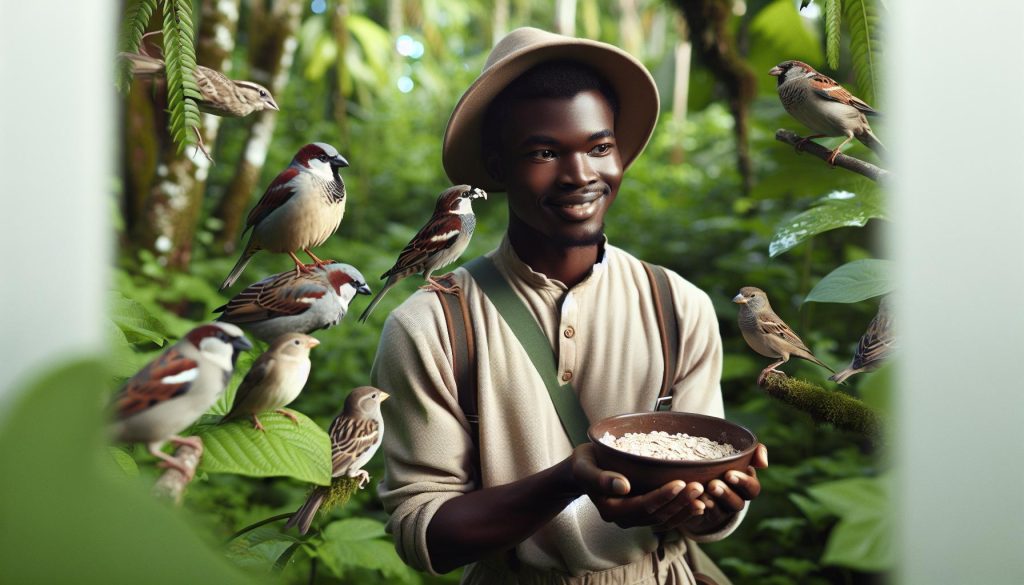
Did you know that many birds have a surprisingly varied diet that sometimes includes human foods? This raises an important question for bird lovers: Can birds eat oatmeal? Oatmeal is a popular and nutritious choice for humans, but can it also be safe and beneficial for our feathered friends? Understanding how to properly incorporate oatmeal into a bird’s diet can not only enhance their nutrition but also allow you to engage more meaningfully with nature. In this article, we will explore the safety, potential benefits, and best practices for feeding oatmeal to birds. Whether you’re a seasoned bird watcher or a budding enthusiast, this guide will provide valuable insights to ensure you’re offering your backyard visitors a treat that is both safe and delightful. Curious about the specifics? Read on to uncover the facts!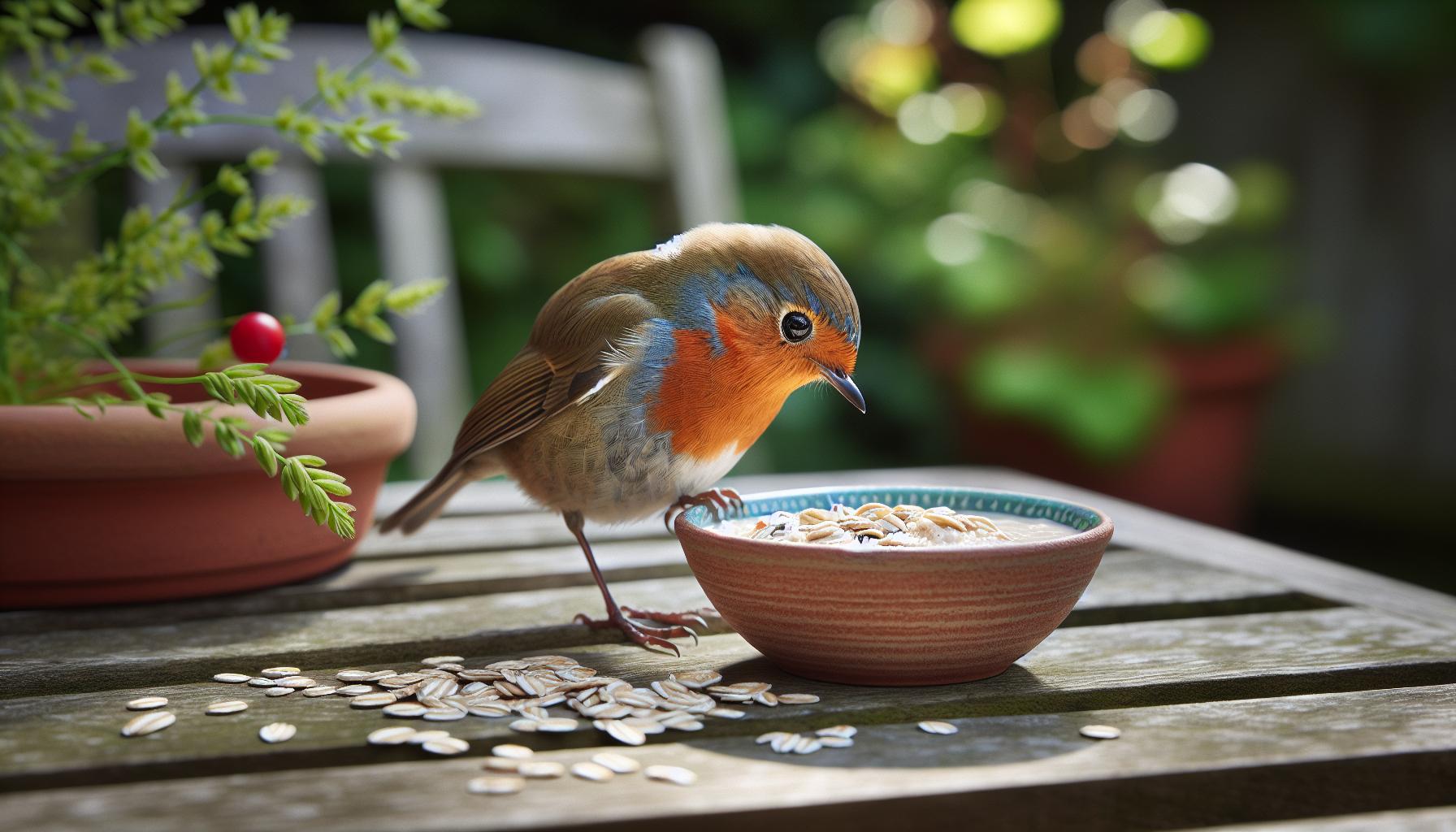
Can Birds Safely Eat Oatmeal? Key Considerations
Birds are naturally curious creatures, often willing to explore new foods, and oatmeal can be a nutritious addition to their diet. However, it’s crucial to approach this human food with care and understanding. The question of whether birds can safely eat oatmeal ultimately hinges on the preparation and the type of oatmeal offered. While birds are drawn to its texture and flavor, certain considerations must be taken into account to ensure their safety and health.
First, it’s important to note that oatmeal should always be prepared without additives like sugar, salt, or any artificial sweeteners, as these can be harmful to birds. Raw oatmeal can be a great option; it maintains the natural nutrients without cooking, which can alter the nutritional profile. Rolled oats, which are minimally processed, are preferable to instant oats that may contain preservatives and added ingredients. Additionally, serving oatmeal in moderation is key; it should complement a balanced diet rich in other essential nutrients.
When feeding birds oatmeal, observe them closely. Birds may exhibit preferences for certain types of oatmeal or how it’s prepared. Offering it dry, mixed with seeds, or moistened with a bit of water can cater to different tastes. It’s also wise to pay attention to how often oatmeal is served, ensuring it is just one part of a varied diet that includes fruits, vegetables, and pellets to meet all their dietary needs. Always remember, a healthy bird is a happy bird, and oatmeal can be a delightful treat when included responsibly!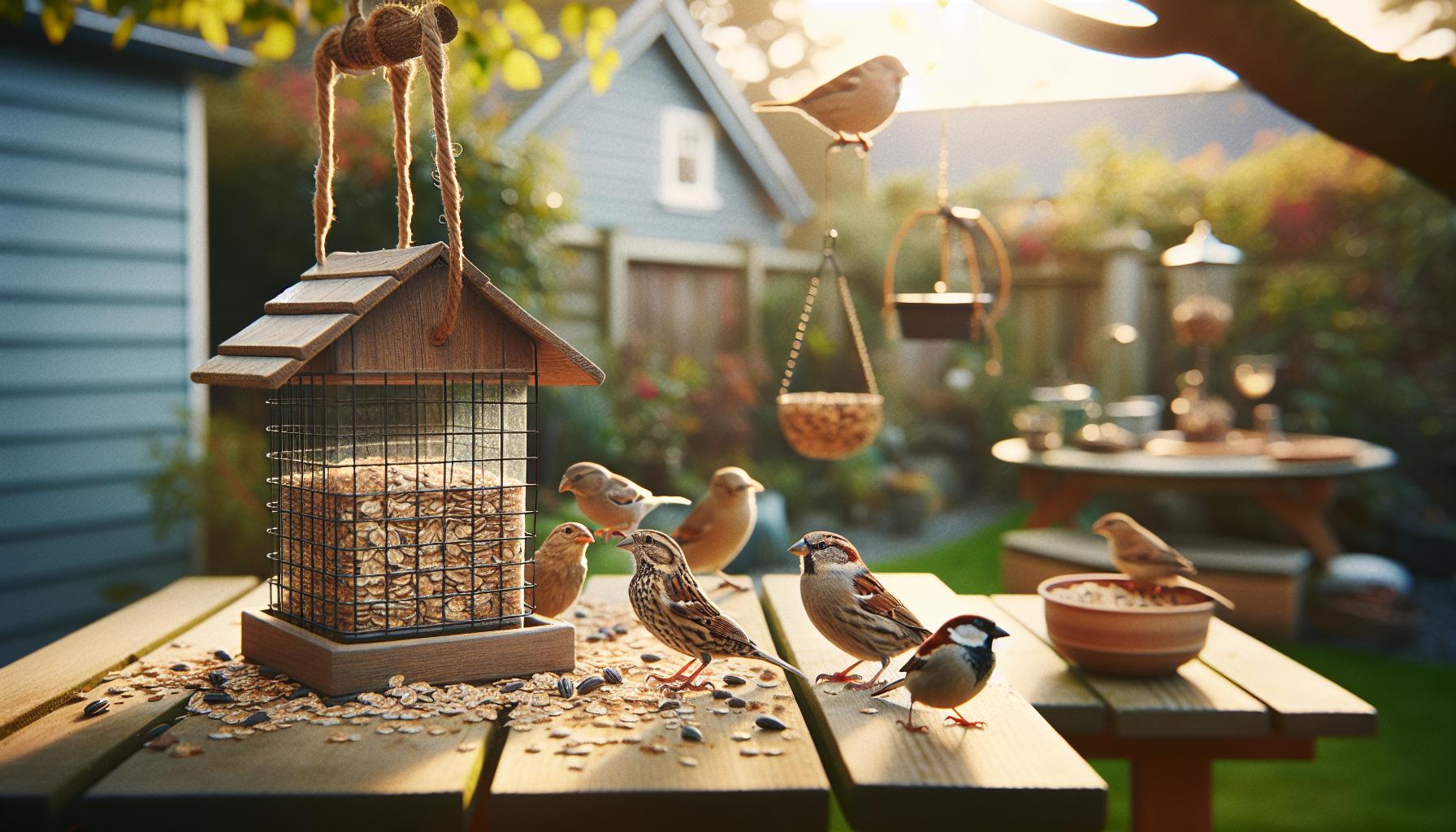
Nutritional Benefits of Oatmeal for Birds
Oatmeal is a remarkable food that can offer various nutritional benefits for birds, making it an enticing option for those seeking to diversify their feathered friends’ diets. Rich in complex carbohydrates, oatmeal provides energy that is crucial for active birds. The soluble fiber found in oats helps support healthy digestion, which is important given that many birds can struggle with gastrointestinal issues. This is particularly beneficial for seed-eating species, as it aids in processing their primarily seed-based diet.
In addition to carbohydrates and fiber, oats are a valuable source of protein, which is essential for muscle development and overall health. They also contain important vitamins and minerals like B vitamins, iron, and magnesium, which play a vital role in metabolic processes and maintaining energy levels. These nutrients help sustain birds as they engage in their daily activities, from foraging to playing and exploring.
To maximize the benefits of oatmeal, it’s essential to ensure it’s offered in its raw, uncooked form. Cooking alters its texture and can strip away some of the vital nutrients birds require. Moreover, integrating oatmeal into a varied diet that includes fruits, vegetables, and nuts can reinforce its positive effects. Birds thrive on diversity, and the combination of these various food sources can lead to a healthier, happier pet, enriched by the different tastes and textures offered.
While incorporating oatmeal into your bird’s diet can be beneficial, keep in mind that moderation is key. Offering small amounts regularly – such as twice a week – allows you to gauge if your birds enjoy it and how they react to this new treat. Monitoring them for preferences or potential allergies ensures that oatmeal remains a safe addition to their diet, contributing positively to their overall well-being.
Types of Oatmeal: What’s Safe for Birds?
Birds can indeed enjoy oatmeal as a tasty and nutritious treat, but not all types of oatmeal are equally safe. Understanding the different forms of oatmeal available can help you provide a beneficial and safe diet for your feathered friends.
When considering oatmeal for birds, raw, uncooked oats are the best option. They maintain their nutritional integrity and are generally well-accepted by various bird species. Rolled oats, for example, are popular among bird enthusiasts, as they are minimally processed and retain their fiber and protein content. Steel-cut oats are another safe choice; they undergo less processing and provide an appealing texture for many birds. On the other hand, instant oats or flavored oatmeal packets should be avoided, as they often contain additives like sugar, salt, or artificial flavors that can be detrimental to birds’ health.
It’s important to serve oatmeal in moderation. Start by offering small quantities and observe your birds’ reactions. Providing a variety of textures by mixing oats with other bird-safe foods can not only enrich their diet but also keep them engaged. When feeding, remember to offer oats dry. Wet or cooked oatmeal can clump together and may pose feeding challenges or even lead to health issues for your pets.
Overall, incorporating raw oats into your birds’ diet can present an exciting way to diversify their food sources, contributing to their overall well-being as you share the joy of healthy feeding practices.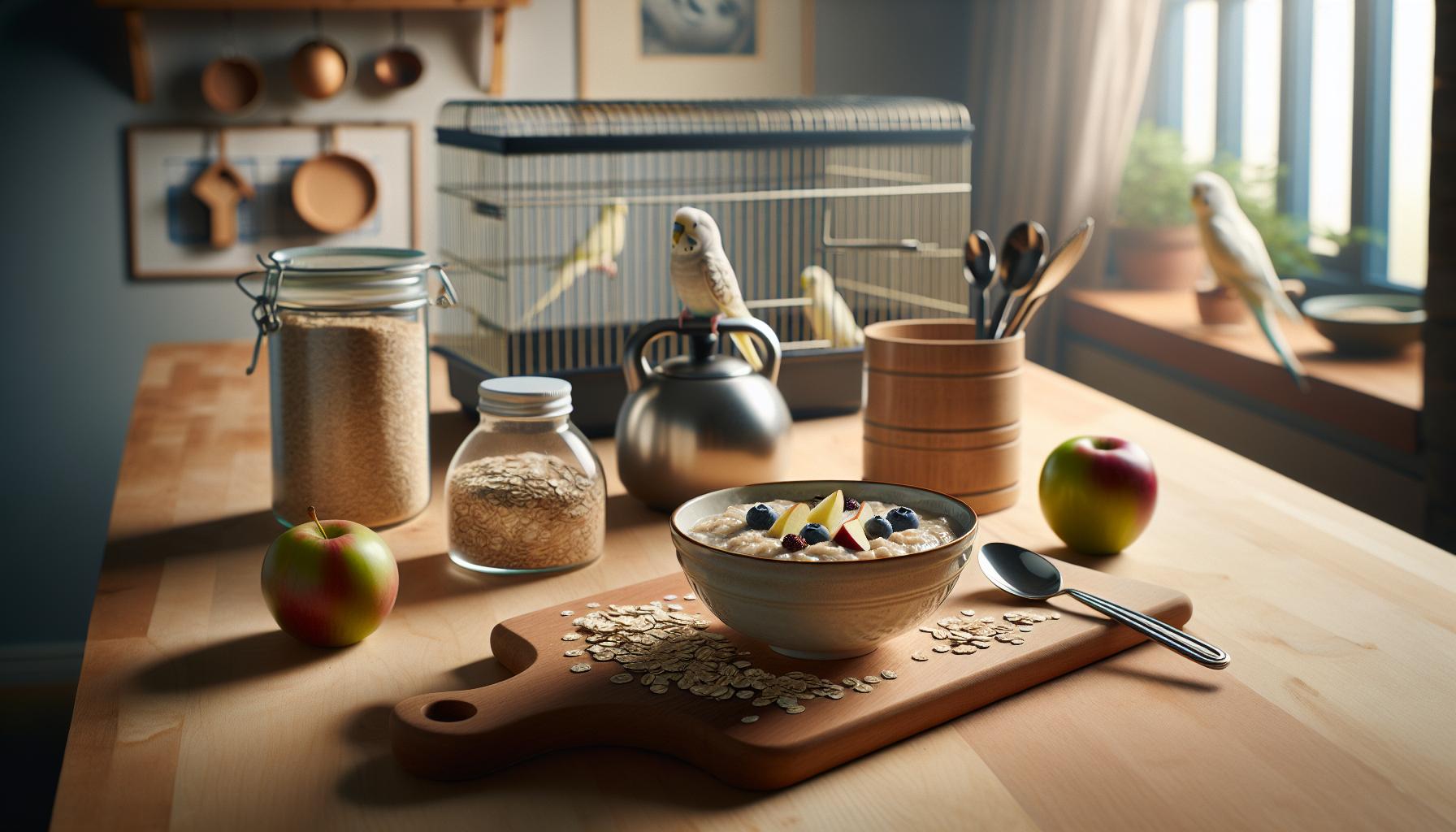
How to Prepare Oatmeal for Your Birds
Discovering can be a rewarding experience that enhances their diet and keeps them healthy. Birds thrive on a variety of textures and flavors, and oatmeal-when served correctly-can provide both. It’s essential to remember that the best type of oatmeal for our feathered friends is raw and uncooked. Cooked varieties can lead to clumping and may create feeding difficulties, which could discourage even the most adventurous eaters from trying this nutritious treat.
Start by choosing high-quality oats, such as rolled oats or steel-cut oats. These options are minimally processed and retain vital nutrients. When you’re ready to serve the oatmeal, measure out a small portion-birds don’t require large amounts-and offer it dry. You can place it in a separate feeding dish designed for treats or mix it with a blend of other bird-safe seeds and nuts to create a varied texture that keeps your birds engaged.
To make the feeding experience even more enticing, consider mingling the oats with dried fruits, like raisins or cranberries, which can appeal to fruit-loving species. This mixture not only provides essential nutrients but also introduces different flavors that can stimulate your birds’ curiosity. As you offer oatmeal, observe how they interact with it. Some birds will pick at the oats, while others may dive right in; either way, it’s a chance to learn their preferences and how to cater their diets better.
Always remember that moderation is key. Start with a small amount of oatmeal, and gradually increase it if you see positive reactions. This approach ensures your birds adjust well and that you are aware of any possible sensitivities. Feeding birds can be a delightful way to connect with nature, and incorporating oatmeal skillfully enriches their diets while allowing them to enjoy every bite.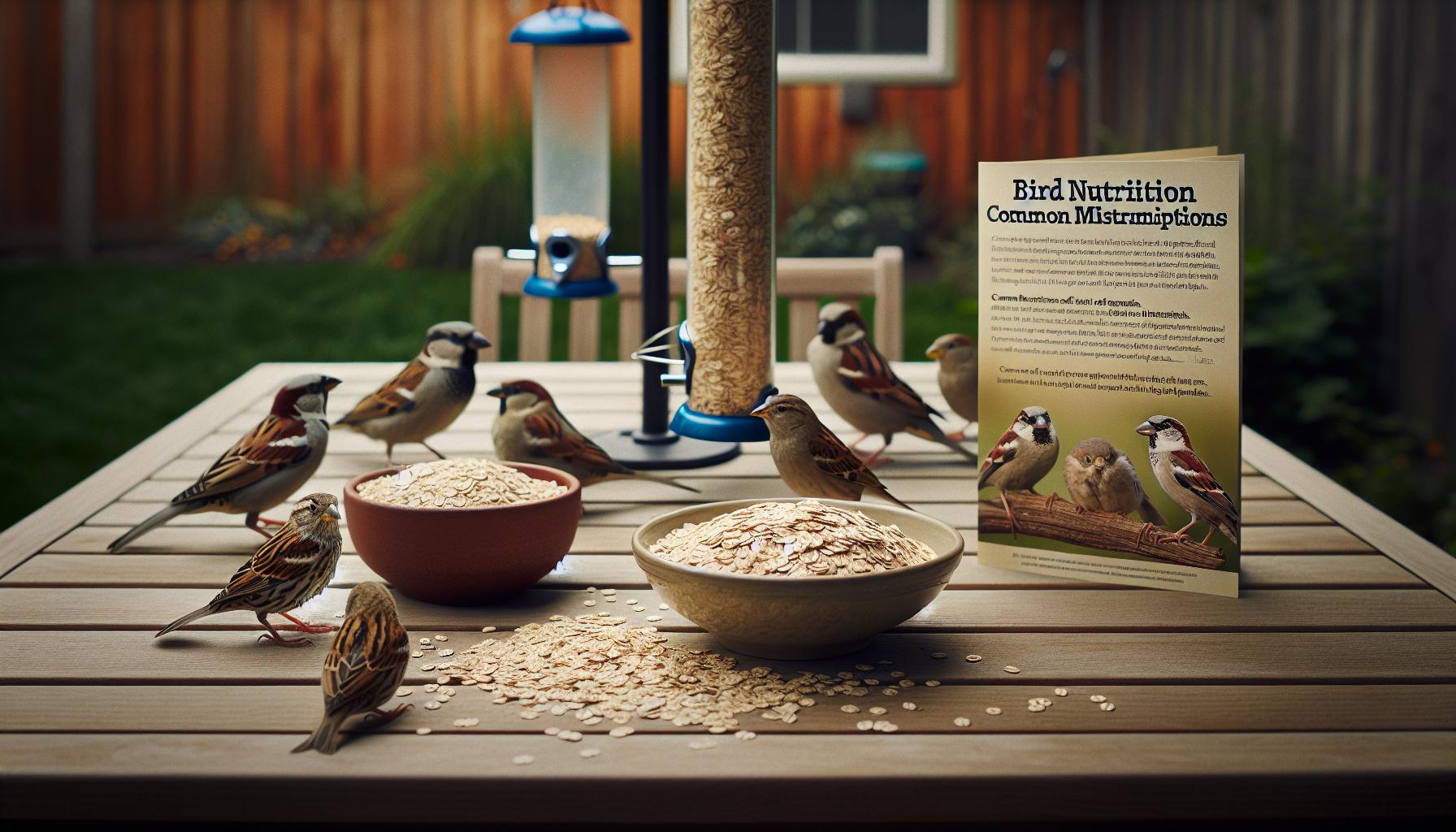
Common Misconceptions About Feeding Birds Oatmeal
Feeding birds oatmeal can be a delightful experience for both the bird and the caretaker, yet many misconceptions circulate about this simple food. One common myth is that all cereal grains are appropriate for birds. While oats can be a nutritious treat, not all grain products are safe; processed cereals often contain additives, sugars, and preservatives that can be harmful. It’s critical to stick with pure, whole oatmeal varieties like rolled and steel-cut oats, as they provide essential nutrients without the unwanted extras.
Another misconception is that it’s fine to feed birds cooked oatmeal, such as that which you might enjoy for breakfast. However, cooked oatmeal can clump together and become difficult for birds to consume. Birds are more inclined to enjoy and properly digest dried oats that allow for their natural foraging instincts. When offering oatmeal, it’s best served dry and raw, maximizing its appeal while lowering the risk of digestive issues.
Many people also overestimate the quantity of oatmeal birds should eat. A common belief is that birds can feast on oats as a primary food source. In reality, oatmeal should only be an occasional treat rather than a staple of their diet. Birds benefit from a varied diet that includes seeds, fruits, and vegetables, with oatmeal serving as a supplement that provides texture and flavor. Offering too much oatmeal can lead to imbalances in their nutrition.
Lastly, some bird owners assume that all species will readily enjoy oats. In truth, bird preferences can vary widely! For instance, species like parrots and finches may be more enthusiastic about oatmeal than others. Keeping an eye on your birds’ reactions can provide insights into whether they truly enjoy this treat. Understanding these common misconceptions can enhance your feeding practices and ensure a well-rounded diet for your feathered friends.
Bird Species That Love Oatmeal Treats
You might be surprised to learn that many bird species absolutely adore oatmeal! This versatile grain can be an excellent addition to their diet when offered appropriately. Birds are naturally curious and love to explore various textures and flavors, making plain, raw porridge oats an enticing treat. Not only do they enjoy the taste, but it also mimics the foraging behavior that keeps their minds engaged and active.
Parrots are among the biggest fans of oatmeal. Species like African Greys and Amazons enjoy the crunchy texture of unprocessed oats. Offering them raw oats can stimulate their natural curiosity and encourage healthy foraging behaviors, which are vital for their mental well-being. Another group that tends to relish oatmeal is the finch family. Species such as Goldfinches and House Finches will often flock to oatmeal as a delightful snack, especially during winter months when other food sources may be scarce.
You may also find that various types of pigeons and doves enjoy a sprinkle of oatmeal. These birds are known for their adaptability when it comes to food, and offering them oats can be a great way to enrich their diet. Canaries and other small birds often appreciate the smaller bits of oats, making this food easy to consume and digests well.
Always remember to observe your birds’ behavior; their enthusiastic response can be a clear indicator that they enjoy this nutritious treat. Offering a diverse range of bird-safe foods, including oatmeal, can help keep your feathered friends happy and healthy. In the end, as long as you stick to raw oats and present them in moderation, you’re sure to please a variety of avian palates!
Signs Your Bird Enjoys Oatmeal
When you introduce oatmeal to your feathered friends, their reactions can provide exciting clues about their enjoyment. Observing these signs can deepen your understanding of their preferences and ensure they are receiving a diet they love. One of the most telling indicators that your bird enjoys oatmeal is its behavior while eating. If your bird eagerly approaches the bowl and starts nibbling enthusiastically, chances are it’s a hit! Additionally, vocalizations can offer insights-happy chirping or chattering might signal that your bird is pleased with what it’s munching on.
Another sign to watch for is the speed and manner in which your bird consumes the oatmeal. A bird that picks at the oats casually may not find it as appealing as one that dives in, devours the oats quickly, and even shows interest in searching for more. This enthusiastic eating can serve as a clear indication that oatmeal is a beloved treat. You may also notice your bird becomes more animated and engaged, often playing with the oats, tossing pieces around, or even attempting to carry bits from the dish. This playful behavior reflects not just enjoyment but also a natural instinct to forage, aligning with what we know about avian play and mental stimulation.
Furthermore, keep an eye on the social dynamics if you have multiple birds. Birds often mimic each other’s behaviors; therefore, if one bird is seen enjoying oatmeal, others may join in or show a heightened interest. This communal eating can add another layer to the delightful experience of feeding oatmeal to your flock. Establishing a routine where you consistently offer oatmeal can enhance their appreciation, turning it into an eagerly anticipated part of their feeding experience.
In conclusion, watching for these signs-eager approaches, enthusiastic eating, playful foraging behavior, and social sharing-will not only help you gauge your birds’ enjoyment of oatmeal but also foster a deeper connection with their dietary preferences. By being attentive to their responses, you are sure to enhance their overall well-being and happiness.
Potential Risks of Oatmeal for Birds
Introducing oatmeal into your bird’s diet can be a rewarding experience, but it’s crucial to be aware of potential risks to ensure their health and well-being. Although oatmeal is generally safe, a few considerations must be kept in mind before making it a staple in your feathered friends’ diet.
One significant risk is the potential for overfeeding. Oatmeal, while nutritious, is high in carbohydrates and can lead to weight gain if fed excessively. It’s essential to treat oatmeal as an occasional snack rather than a primary food source. Moderation is key; consider offering small amounts mixed with other healthy foods to maintain a balanced diet.
Another concern is the type of oatmeal being offered. Instant oatmeal, flavored varieties, or those with added sugars and preservatives can pose health risks. Birds are very sensitive to artificial additives, which can be harmful to their digestive systems. Always opt for plain, unsweetened oatmeal, such as rolled or steel-cut oats, and ensure it is cooked appropriately to soften it for easier consumption. Uncooked oats can be hard for some birds to digest, leading to blockages or discomfort.
Food allergies also deserve attention. Some birds may not react well to specific grains, even commonly accepted ones like oats. To avoid potential allergic reactions, introduce new foods gradually, watching for any changes in behavior or health. Symptoms such as feather plucking, lethargy, or changes in droppings could indicate an adverse reaction to something in their diet, including oatmeal.
Signs of Neglect
It’s also important to manage the environment where oatmeal is served. Oatmeal can quickly spoil, attracting pests and potentially creating unsanitary conditions. Always clean up uneaten food promptly and monitor for mold, which can be toxic to birds.
By staying informed and observant, you can enjoy the benefits of sharing oatmeal with your birds while ensuring they remain healthy and happy. Keep an eye on their overall behavior and dietary reactions to make informed decisions about their feeding practices.
Alternatives to Oatmeal for Bird Feeding
For bird lovers looking to diversify their feathered friends’ diets, there are plenty of wholesome alternatives to oatmeal that are not only nutritious but also a delightful treat for various species. Incorporating a variety of foods ensures that birds receive well-rounded nutrition and encourages foraging behaviors, which is essential for their mental stimulation and overall well-being.
One excellent alternative is fresh fruits and vegetables. Birds enjoy a range of produce, with favorites including apples, carrots, leafy greens, and berries. These foods provide essential vitamins and minerals, enhancing their immune system and energy levels. For instance, dark leafy greens like spinach and kale are particularly beneficial due to their high calcium content, important for bone health.
Another great option is seed and nut mixes. While it’s essential to monitor portion sizes due to high fat content, offering a variety of seeds like sunflower, millet, or pumpkin seeds can be a rewarding experience for your birds. Nuts, such as walnuts and almonds, serve as an excellent source of protein and healthy fats, promoting feather health and maintenance, especially in species like parrots, who often require higher fat content in their diets.
Cooked whole grains are also a fantastic substitute. Besides oatmeal, birds can enjoy quinoa, brown rice, or barley. These grains can be served cooked and cooled, offering a hearty component to their diet without the added sugars or preservatives often found in packaged oatmeal options. Whole grains are rich in fiber, which supports healthy digestion.
Lastly, commercial bird food tailored to your specific species can ensure that your birds are receiving a balanced diet. These foods often come with added vitamins and minerals, specifically formulated for different types of birds, from canaries to cockatiels. Look for reputable brands that prioritize natural ingredients and avoid fillers.
Experimenting with these alternatives not only enriches your bird’s diet but also provides opportunities for interaction and play. Observing how your bird reacts to different foods can also be a rewarding experience. Whether they are nibbling on a piece of apple or foraging through seeds, diversifying their diet can significantly enhance their happiness and health.
How Often Can Birds Eat Oatmeal?
Birds are known for their diverse diets, and incorporating oatmeal can be a fantastic way to provide them with additional nutrition. When considering how often to offer oatmeal, it’s essential to strike a balance that supports their health without overwhelming their systems. As a general rule, oatmeal can be included in a bird’s diet 1-2 times per week, making it a treat rather than a staple food. Overfeeding can lead to digestive issues, so moderation is key.
When serving oatmeal, it’s vital to observe how your bird reacts to it. Some birds may have a particular affinity for oatmeal and might even come to expect it as part of their routine. However, it’s recommended to vary what you feed your birds to prevent them from becoming too reliant on any one food. This not only ensures a more balanced intake of nutrients but also keeps feeding time exciting and stimulating for our feathered friends.
In addition to regular oatmeal, consider the specific species of your birds. For instance, larger parrots may enjoy a more frequent offering due to their higher energy needs, while smaller finches may benefit from a less frequent, small portion. Offering oatmeal during different times of the day can also cater to their natural foraging behaviors, allowing them to enjoy this nutritious treat fresh. Just be sure to combine it with other healthy offerings, maintaining a well-rounded diet to meet all their nutritional needs.
Incorporating Oatmeal into a Balanced Diet
Incorporating oatmeal into your birds’ diets can be a delightful way to enhance their nutrition while also catering to their natural foraging instincts. Many bird species enjoy the texture and taste of oatmeal, making it a popular treat among bird enthusiasts. However, balancing this culinary addition with other food sources is essential. Oatmeal should serve as a supplement rather than a replacement for a varied diet rich in seeds, fruits, and vegetables.
When adding oatmeal to your birds’ meals, focus on variety and moderation. It’s beneficial to serve oatmeal in combination with other nutritious options. For instance, mixing raw rolled oats with fresh fruits or vegetables can offer a colorful and appealing plate, enticing your birds to explore different flavors and textures. This colorful feast not only satisfies their taste buds but also encourages their natural foraging behavior, stimulating their minds and bodies.
Different bird species may have varying dietary needs and preferences. For example, larger parrots may tolerate and benefit from oatmeal more frequently due to their higher energy demands. In contrast, smaller finches might require less frequent servings to maintain balance and avoid digestive discomfort. Always pay attention to how your birds respond to oatmeal; their enthusiasm for the food can be a good indicator of its suitability for them. Consider serving the oatmeal at different times of the day to observe when they are most eager to enjoy it.
To properly incorporate oatmeal into their diet, try to establish a routine. Offering oatmeal once or twice a week is a good start, creating anticipation without overindulgence. Remember, your goal is to create a balanced nutrient profile that supports their overall health. With careful consideration and attentiveness to their reactions, oatmeal can be a welcome and enriching addition to their diet.
Bird Feeding Tips for Beginners
Starting your bird-feeding journey can feel overwhelming, but understanding the basics of what birds can eat, especially how oatmeal fits into their diets, is a rewarding first step. Many bird species can safely enjoy oatmeal, but it’s crucial to know how to offer it correctly to ensure their health and happiness. Birds, just like us, thrive on a diverse diet, and oatmeal can be a delightful addition that supports their natural foraging instincts and provides nutritional benefits.
When introducing oatmeal to your feathered friends, consider variety and moderation as key principles. Use raw rolled oats as a staple, and feel free to mix them with other foods like fresh fruits or vegetables. A vibrant mixture not only attracts their attention but also encourages healthy exploration of flavors and textures. Always aim to create a balanced plate, as this helps maintain their interest and enriches their diet. Pay attention to your birds’ behavior-if they eagerly flock to the oatmeal, it’s a good sign they enjoy it and that you’re on the right track.
It’s also essential to keep in mind that not all birds will have the same preferences or dietary requirements. For example, larger parrot species might appreciate oatmeal more than smaller songbirds, who may still enjoy it, but in smaller portions. Keeping a journal of your feeding routine can help track your birds’ preferences over time. Note the frequency of oatmeal servings and their overall health, as well as any changes in their eating habits. This observational approach not only deepens your bond with your birds but also helps refine their diet based on their individual needs.
As you embark on this exciting adventure in avian care, remember to keep learning. There are plenty of resources available where you can discover more about specific bird species and their dietary habits. Engaging with local birdwatching clubs or participating in online forums can provide valuable insights and camaraderie among fellow bird enthusiasts. The journey of feeding birds is continuously evolving, and your efforts will create a loving and nurturing environment for your avian friends.
Frequently Asked Questions
Q: Can wild birds eat oatmeal?
A: Yes, wild birds can eat oatmeal, particularly rolled or instant oats. It’s a nutritious treat that provides energy, especially in colder months. Ensure it’s unflavored and avoid adding sugar or salt. You can scatter it on the ground or offer it in feeders for birds to enjoy.
Q: Is cooked oatmeal safe for birds?
A: Cooked oatmeal is safe for birds to consume, as long as it is plain and unsweetened. Warm oatmeal can be especially appealing during colder weather. Just make sure it cools down to a safe temperature before offering it to prevent burns.
Q: What should I avoid when feeding birds oatmeal?
A: Avoid flavored or sweetened oatmeal, as additives can be harmful to birds. Also, steer clear of instant oatmeal that may contain additives. Always provide oatmeal in moderation, mixing it with other safe bird foods for a balanced diet.
Q: How can I include oatmeal in a parrot’s diet?
A: You can incorporate oatmeal into a parrot’s diet by mixing plain cooked or cold rolled oats into their regular food. This adds variety and nutritional benefits. It’s important to maintain a balanced diet, including fruits, vegetables, and bird seeds along with oatmeal.
Q: Are there any specific birds that prefer oatmeal?
A: Many birds enjoy oatmeal, particularly finches, sparrows, and some parrots. These species appreciate the texture and energy it provides. Observing your specific bird’s preference can help you tailor their diet effectively. For species-specific feeding tips, refer to the section on bird species that love oatmeal treats.
Q: How often can I feed my birds oatmeal?
A: Birds can eat oatmeal as an occasional treat, ideally no more than once or twice a week. This helps maintain a balanced diet and prevents over-dependence on any single food type. Consult the section on how often birds can eat oatmeal for more guidance.
Q: Can baby birds eat oatmeal?
A: Baby birds can eat oatmeal, but it should be finely ground or mixed with water to ensure it’s easy for them to consume. Always ensure it’s bland and free from additives. If feeding wild baby birds, it’s best to consult a wildlife rehabilitator for tailored advice.
Q: What are the benefits of feeding oatmeal to birds?
A: Oatmeal is rich in carbohydrates and provides essential energy, especially beneficial for birds during migration or colder months. It also supports healthy digestion due to its fiber content. For a deeper dive into nutritional benefits, refer to the section covering oatmeal’s benefits for birds.
Closing Remarks
As we’ve explored, uncooked oatmeal can be a great addition to your feathered friends’ diet, offering a nutritious and safe option for many bird species. If you’re ready to start feeding birds oatmeal, consider using rolled or steel-cut oats and always remember to avoid sweetened varieties. Feel free to enhance their dining experience by mixing oatmeal with seeds or peanut butter, creating delightful treats they’ll love!
Want to dive deeper into bird nutrition? Check out our articles on “Top 5 Bird-Friendly Seeds” and “How to Create the Perfect Backyard Bird Feeder” for more enriching insights. Don’t forget to join our community of bird enthusiasts by signing up for our newsletter, where we share tips and tricks to attract even more colorful visitors to your garden. Share your oatmeal bird-feeding experiences in the comments below and let’s continue nurturing our passion for birds together!
Get our latest guides, news, and insights highlighted in your Google Search & AI Overviews.










