
As bird lovers, we often seek to provide the best nutrition for our feathered friends, but there are numerous myths about what foods are safe. One persistent question is, “Can birds eat rice?” It’s crucial to distinguish fact from fiction to ensure we’re supporting their health rather than harming it. Misconceptions about feeding birds can lead to unintentional consequences, leaving many bird enthusiasts worried about their feeding practices. By understanding the reality of what birds can safely eat, including whether rice should be part of their diet, we can create a welcoming environment for these beautiful creatures. Join us as we debunk common feeding myths and empower you with knowledge to enhance your bird feeding experience, ensuring that what you offer contributes positively to the well-being of the birds you cherish.
Can Birds Eat Rice? Understanding the Facts
When it comes to bird feeding, many myths abound, and one of the most pervasive is the idea that rice is harmful to birds. However, solid scientific evidence contradicts this claim. Wild birds have been feeding on rice for thousands of years in their natural habitats, and many species, such as waterfowl and sparrows, rely on grains-rice included-as staple components of their diet. In fact, in various parts of the world, native birds seek out rice fields, particularly when the rice is ready for harvest.
It’s essential to clarify the type of rice in question. Both cooked and uncooked rice are typically safe for birds to consume. The misconception stems from the idea that uncooked rice will expand in a bird’s stomach, potentially causing harm. Ornithologists and urban legends researchers affirm that such occurrences are purely mythological. Indeed, birds consume a variety of grains that can swell upon absorbing moisture, and there’s no evidence to suggest that rice poses any danger to them in moderation. Instead, feeding birds rice can serve as a part of a varied diet that includes other seeds and fruits.
While offering rice as a bird food option, it is vital to provide it in a safe manner. Some types of rice, especially the crunchy, dry variety, as well as its cooked counterpart, can attract various bird species. If you’re keen on attracting these feathered friends, consider tossing rice in a clean open space. Regardless, ensure that it’s just one part of a broader feeding strategy, including quality birdseed mixes, to cater to the diverse nutritional needs of different bird species visiting your yard. Emphasizing a balanced diet will not only support the birds’ health but will also enhance your birdwatching experience.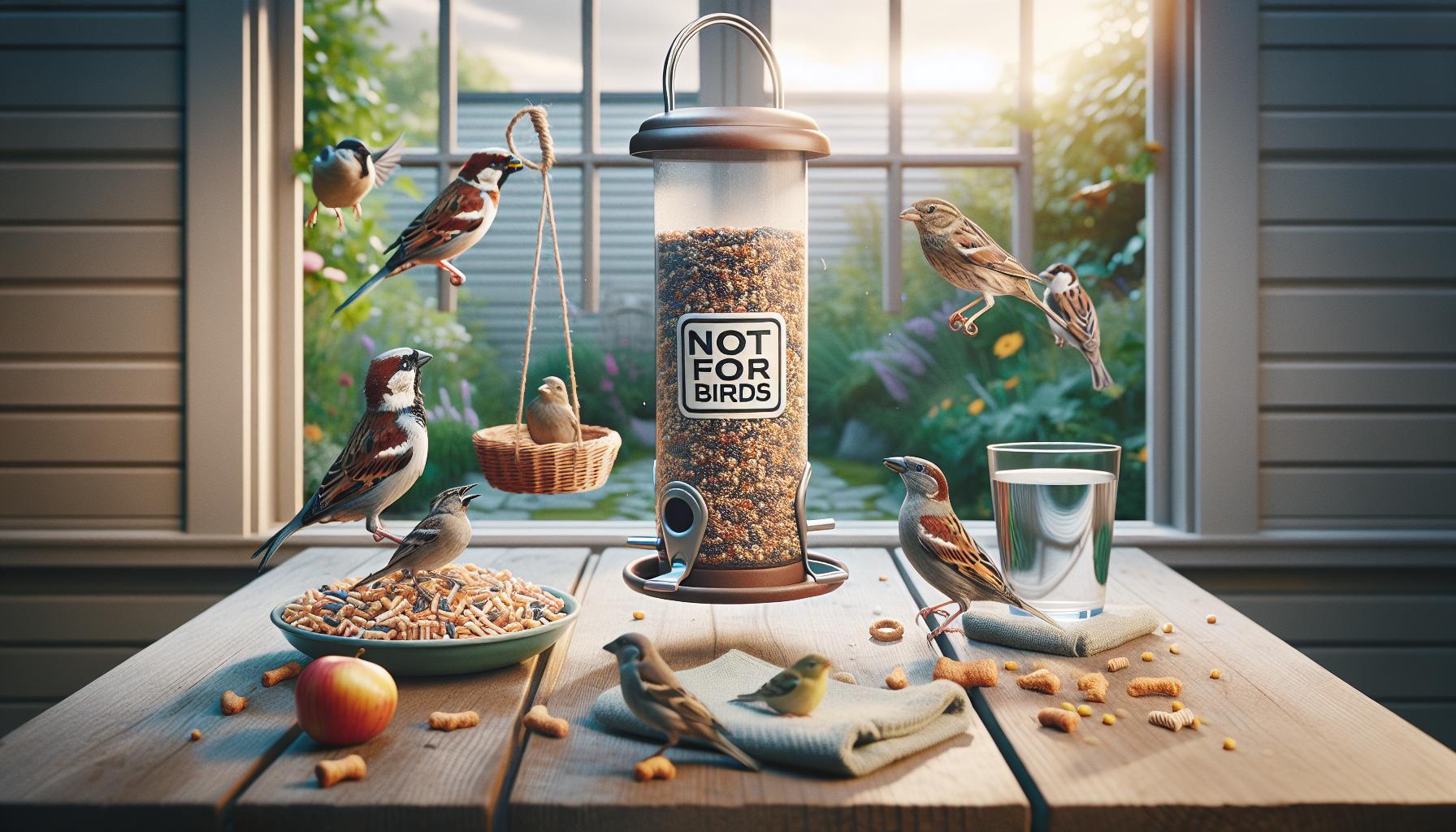
Debunking Common Feeding Myths About Birds
Bird feeding is often clouded by misconceptions that can deter well-meaning enthusiasts from providing a safe and nutritious environment for their feathered friends. One of the most persistent myths is that birds cannot eat rice, particularly uncooked varieties. However, this idea contradicts centuries of natural behavior. Numerous bird species, like sparrows and waterfowl, actively seek out rice in their habitats. In fact, during harvest seasons, rice fields can be rife with birds foraging for this readily available and energy-rich food source.
The myth that uncooked rice poses a danger comes from an unfounded concern that it might expand in a bird’s stomach and cause harm. Ornithologists have debunked this, emphasizing that many birds consume grains regularly, including those that swell when exposed to moisture. Instead, these grains, including rice, can be a part of a diverse and healthy diet when offered responsibly. This means serving rice as a supplemental food alongside high-quality seed mixes, fruits, and nuts to ensure birds receive balanced nutrition.
To provide rice to visiting birds safely, consider using both cooked and dry options, sparingly tossing them in an open area away from direct feeding stations to allow birds to forage naturally. This can also mitigate the risk of attracting unwanted pests. Remember, while rice is a delightful addition to a bird’s diet, it should not be the sole offering. Make sure to keep a variety of foods available to cater to different bird species, enhancing the chances of a diverse bird population visiting your yard.
As we explore the world of bird feeding, it’s essential to sift through the facts and the fables. Understanding what myths to dismiss empowers us to create a welcoming sanctuary for birds, where they can thrive and enrich our lives with their presence. By sharing knowledge about these misconceptions, we can foster an environment that supports avian health and wellbeing.
The Nutritional Needs of Different Bird Species
Birds are remarkable creatures, each with unique dietary needs that can vary dramatically between species. Understanding these differences is essential for anyone aiming to create a healthy feeding environment. Many bird lovers often wonder if rice fits into this complicated dietary puzzle, but it’s key to remember that the nutritional requirements of birds can be vast, influenced by factors like their size, habitat, and lifestyle.
For example, seed-eating birds such as finches and sparrows thrive on a diet primarily composed of seeds, grains, and plant matter. They derive energy and essential nutrients from these food sources. While rice can serve as a complementary food, it should not replace their primary diet. On the other hand, nectarivores, like hummingbirds, require a diet rich in sugars, often sourced from flowers and specially formulated feeders. They would be less likely to benefit from rice, highlighting the diversity in avian nutritional needs.
Moreover, carnivorous birds, such as hawks and owls, rely entirely on diets composed of proteins from other animals. Offering rice to these birds would be inappropriate, as their digestive systems are designed for processing meat, not grains. This distinction showcases the importance of knowing the specific dietary requirements of the birds you wish to attract or feed.
When considering how to best support the health of our feathered friends, remember to provide a variety of foods tailored to the species in your area. Offering different seeds, nuts, fruits, and appropriate supplements like rice in moderation can encourage a more balanced and diversified diet. This not only promotes healthier birds but also enhances your chances of attracting a wider array of species to your garden. As you engage in bird feeding, take pride in becoming well-versed in the nutritional needs of your visitors, fostering a thriving environment for avian wildlife.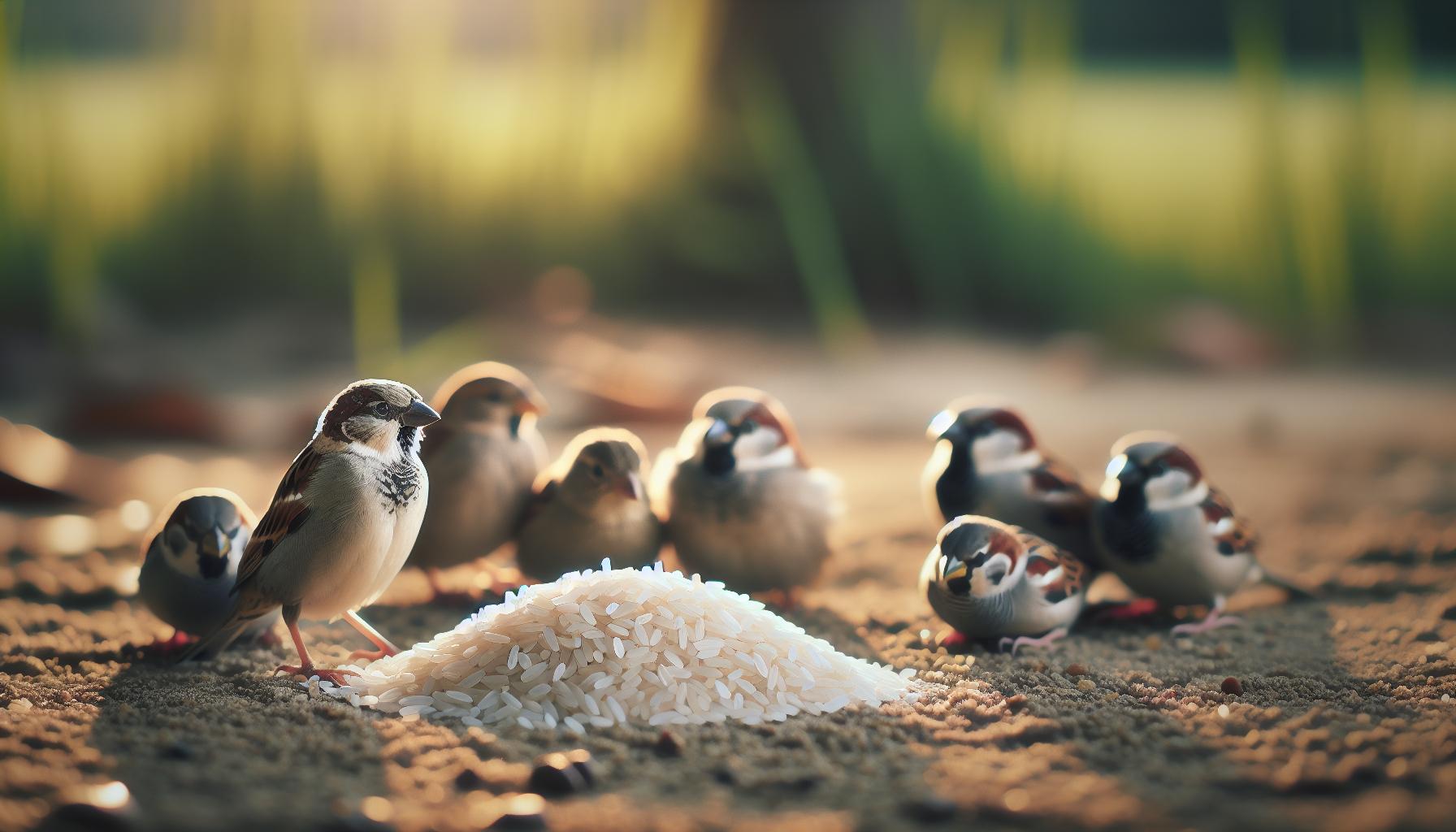
Is Rice Safe for Birds? A Scientific Perspective
Birds have long intrigued enthusiasts and casual observers alike, sparking questions about their dietary habits. One prevalent myth is that feeding birds rice, particularly uncooked rice, is harmful. However, scientific insights reveal a different story. Studies and expert opinions consistently show that birds can consume rice without detrimental effects. In fact, both cooked and uncooked rice are generally safe for various bird species, debunking the widespread belief that it expands in their stomachs and causes harm [2].
While it’s true that most birds are not inclined to seek out rice as a staple in their diet, they are capable of digesting it without issue. Urban birds, such as pigeons, readily eat rice, while other species may prefer seeds or insects [3]. It’s important to modestly incorporate rice into a broader diet rich in seeds, fruits, and insects, ensuring birds receive a variety of nutrients tailored to their specific species needs. For example, seed-eaters like finches might appreciate the occasional offering of grains alongside their usual seed mix.
To enhance the health and well-being of your feathered visitors, consider providing a range of foods that reflect their natural diets, including rice as an occasional treat. This approach not only diversifies their diet but also attracts a variety of bird species, creating a vibrant ecosystem in your garden. Ultimately, understanding the truth about rice and birds empowers us to feed them appropriately and responsibly, fostering their health and enriching our experience as bird watchers.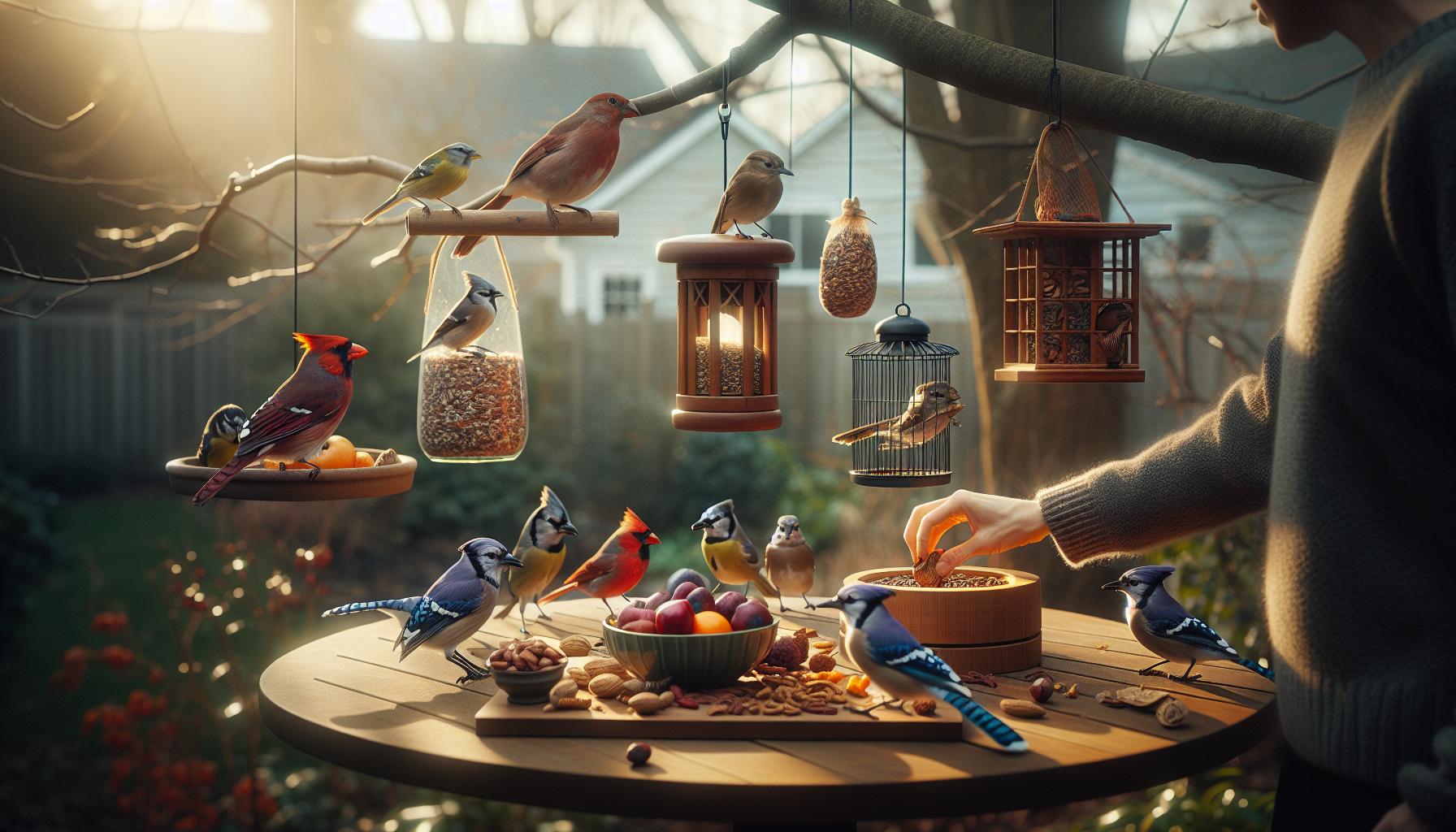
Exploring Alternative Foods for Wild Birds
There’s a diverse world of food options available for wild birds, and incorporating a variety into your feeding regimen not only enhances their nutrition but also encourages different species to visit your garden. While rice can be offered sparingly, it’s essential to explore alternative foods that meet the nutritional needs of various bird species.
Many bird enthusiasts have found success by providing a mixture of seeds, nuts, and fruits. Sunflower seeds are a fan favorite and can attract a range of species, including finches, chickadees, and cardinals. Peanuts, whether in or out of the shell, are an excellent source of protein and fat that many birds relish. For a touch of sweetness, try offering dried fruits such as raisins or cranberries, which can entice wrens and other small birds.
Seasonal Offerings
It’s also beneficial to adjust offerings according to the seasons. In spring and summer, consider introducing insects or mealworms to satisfy the dietary needs of nesting birds and their fledglings. During winter months, providing suet cakes can help birds maintain their energy as they face colder temperatures.
Adopting a bird feeder setup that accommodates various food types will create an inviting atmosphere. Platform feeders are particularly effective for mixed offerings, allowing birds to access seeds, fruits, and even small pieces of bread. Meanwhile, nyjer (thistle) feeders are perfect for attracting goldfinches and other small seed eaters who appreciate tiny seeds.
By diversifying the foods you offer and considering the needs of different birds, you’ll not only enhance your birdwatching experience but also contribute to the health and well-being of these fascinating creatures. Keep observing which foods are most popular with your feathered visitors, and over time, you’ll curate a menu that draws a rich variety of birds to your garden.
How Different Types of Rice Affect Birds
It may surprise some to learn that not all rice is created equal when it comes to feeding birds. The truth is that both cooked and uncooked rice can be safely consumed by birds, with some variations in preferences and effects. Cultivated rice, whether brown or white, is not a dietary staple in the wild, but that doesn’t mean birds can’t eat it. In fact, many birds have been observed feeding on wild rice in wetland areas, demonstrating their ability to incorporate different types of grain into their diets.
When considering the types of rice to offer, it’s essential to recognize the differences in preparation. Uncooked, dry rice does not pose any harm to birds, despite the myths suggesting otherwise-these myths often stem from the misconception that the rice expands in their stomachs leading to health complications. In reality, birds, particularly those adapted to foraging grains, can handle hard grains like rice without issue. Ornithologists indicate that wild birds naturally consume various grains, including those that swell when exposed to water, without adverse effects [1].
On the other hand, offering cooked rice is a great way to provide a soft, easy-to-digest food source, especially for those birds visiting your feeders. The appeal of cooked rice lies in its texture and moisture content, making it easier for some birds, like sparrows and doves, to consume. However, it’s advisable to offer cooked rice in moderation and as part of a more diverse menu that includes seeds, fruits, and nuts, as this will better meet the varied nutritional needs of different bird species.
Ultimately, while rice can be a safe addition to a bird’s diet, it’s crucial to consider the context of its consumption. Observe which bird species frequent your feeding areas, and tailor your offerings accordingly. By creating a balance of food types-such as seeds, insects, and fruits-you’ll provide a well-rounded diet that supports the health and vitality of the diverse bird visitors that grace your garden.
Best Practices for Feeding Birds in Your Garden
Creating a welcoming environment for birds in your garden can be a delightful and enriching experience. While rice can certainly find its place in a bird’s diet, feeding birds involves more than just scattering some grains. It’s essential to implement best practices that not only attract a variety of species but also ensure their health and well-being.
To begin with, offering a diverse selection of seeds, fruits, and nuts alongside rice will provide a well-rounded nutritional diet for your feathered visitors. Use bird feeders that accommodate different types of food-platform feeders work well for showcasing rice and other grains, while tube feeders are great for seeds. Always keep in mind the specific preferences of your local bird population. For example, finches might favor thistle seeds, while woodpeckers may be drawn to suet. Observing which birds frequent your space can guide your offerings for the most effective results.
Feeding Tips
- Cleanliness is Key: Regularly clean feeders and the surrounding area to prevent mold and attract pests. This will help maintain a healthy feeding environment.
- Water Sources: Provide fresh water in shallow dishes or bird baths; hydration is vital, especially when feeding dry substances like uncooked rice.
- Seasonal Adjustments: Change your food selections based on the season. In winter, high-energy options like peanuts and suet are beneficial, while summer might call for fresh fruits.
- Observe and Adapt: Take note of which foods are most popular, and adjust your offerings accordingly. If you find that rice isn’t being consumed, don’t hesitate to switch to more appealing options.
In addition to food offerings, creating a safe and attractive habitat is crucial. Plant native shrubs and trees to provide natural shelter and nesting sites, and consider adding birdhouses tailored to different species. The more inviting your garden, the more likely you are to establish a vibrant community of birds that return season after season. By following these best practices, you’ll not only enjoy the beauty of your visitors but also play an essential part in supporting their lives right in your backyard.
Signs of Healthy vs. Unhealthy Eating Habits in Birds
Observing birds in your backyard can be a captivating experience, and understanding their eating habits is crucial for their well-being. Healthy birds often exhibit vibrant plumage, alert behavior, and active foraging, while those with poor diets may display subtle, yet telling signs. A bird that is eating properly will have a full crop-an expandable pouch in the throat where food is stored before digestion-indicating they are consuming adequate food. Look for agile movement, energetic flapping, and social interactions with other birds; these are all signs of a bird thriving in its environment.
On the other hand, unhealthy eating habits can manifest in several alarming ways. For instance, if you notice a bird that is lethargic, has ruffled feathers, or appears to be losing weight, it may not be getting the necessary nutrients. Birds that struggle to fly or perch, or those that exhibit excessive preening or feather chewing, are signaling potential health issues exacerbated by insufficient or inappropriate food sources. It’s important to monitor their feeding behavior: overconsumption of certain foods, like rice, without a balanced diet can lead to nutritional deficiencies.
To create a supportive feeding environment, you could encourage a diverse menu that goes beyond just rice. Offer a mix of seeds, fruits, and insects, tailoring the selection to what the local bird species prefer. For example, small songbirds such as sparrows benefit from high-protein options, like mealworms, in addition to seeds. Keeping track of which foods are consumed most can help you calibrate your feeding strategy and promote better health among your feathered friends.
Ultimately, fostering a thriving bird community means understanding and responding to their needs. Regular observation is key; it not only enriches your own experience but also plays a role in ensuring the avian visitors to your yard maintain healthy eating habits. By being attentive to their behaviors and preferences, you’ll help your backyard become a supportive environment where birds can flourish.
Understanding Bird Behavior Around Food Sources
Birds are not only fascinating creatures but also intelligent foragers, showing intricate behaviors around food sources. Observing how they interact with different feeding environments can reveal much about their preferences, habits, and overall health. For instance, when birds flock to a feeder, their feeding behavior is often influenced by the type of food offered, the feeding station’s location, and social dynamics within their species. Birds are known to exhibit highly social feeding habits, where they may watch and follow more experienced individuals to find food. This not only helps them learn where to find the best sources of nourishment but can also create competition among species, leading to intriguing observations for a backyard birdwatcher.
Understanding their behavior around food is crucial, especially when considering whether to include rice in their diet. As studies have shown, birds can safely consume both cooked and uncooked rice; however, their choice often relates to availability rather than preference. Doves and pigeons, for example, may not seek out rice specifically but will eat it when mixed with other seeds. This opportunistic feeding highlights the importance of variety in their diets. By offering a diverse menu-seeds, insects, fruits, and yes, even rice-you encourage a healthier foraging behavior and ensure feathered visitors are accessing a well-rounded nutrient profile.
Another fascinating aspect is the communal nature of many bird species when it comes to feeding time. Seeing a mix of house finches and sparrows congregating at a feeder can be a delightful experience, as they often compete for food and socialize simultaneously. This behavior not only indicates that your feeding strategy is effective in attracting birds but also helps maintain their social structures. As you curate your feeding setup, consider geographical and seasonal changes that may affect bird behavior. For instance, in spring, you might notice increased activity as birds are nesting and foraging for the protein they need to raise their young.
Incorporating safe foods and observing bird behavior around your feeding stations enhances not only their health but enriches your birdwatching experience. By appreciating their interactions with food sources, you’re more than just a provider-you’re an integral part of their feeding ecosystem.
Cultural Perspectives: Do Birds Really Eat Rice?
Birds and rice share a cultural connection that has sparked both fascination and myth. In many regions, throwing rice at weddings is a traditional practice that symbolizes prosperity and fertility, but there’s a common misconception that this act harms birds. The truth is that many bird species, including doves and pigeons, naturally consume rice in various forms and can eat both cooked and uncooked varieties without negative effects. This belief stems from fear that rice expands in a bird’s stomach, potentially causing harm, yet scientific evidence indicates that birds readily digest rice without any adverse effects when consumed in moderation[1].
In cultures around the world, rice plays a significant role not only as a staple food for humans but also as a natural food source for many wild bird species. For instance, in rice paddies, it’s common to find various bird species foraging on rice plants. However, while birds can safely enjoy rice, it is essential to remember that their diets thrive on diversity. Offering a broader range of foods alongside rice-such as seeds, nuts, and fruits-can enhance their health and overall foraging behaviors[3].
To attract birds effectively in your garden or backyard, consider mixing rice with other types of birdseed. This strategy encourages birds to sample a variety of foods, promoting balanced nutrient intake. Additionally, observing how birds interact with these food sources can provide insight into their preferences, helping you refine your feeding practices over time. By acknowledging both the cultural significance of rice in human traditions and its role in avian diets, we can foster a deeper appreciation for how these beautiful creatures engage with the environment around them.
Tips for Attracting Birds with Safe Foods
Attracting birds to your garden can be an incredibly rewarding experience, and offering safe, nutritious foods is a great way to bring a diverse array of species into your outdoor space. Did you know that mixing rice with traditional birdseed can create a delightful buffet that will entice a variety of birds? This simple practice not only enriches their diet but also allows you to enjoy the sights and sounds of nature up close.
When creating a bird-friendly environment, it’s crucial to consider the types of foods you’re providing. In addition to rice, consider offering a mix of seeds like sunflower seeds, millet, and safflower, along with natural treats like peanuts and dried fruits. In incorporating different food types, you help meet the varying nutritional needs of various bird species. Some birds, like sparrows, may favor seeds, while others, such as doves, might be attracted to grains like rice.
Feeding Techniques
To maximize the effectiveness of your feeding efforts, try these practical tips:
- Combine Foods: Create a custom blend of rice and birdseed. The mix can be scattered on the ground or placed in feeders. This attracts a broader range of birds as they explore different textures and flavors.
- Utilize Feeders: Different types of feeders can cater to specific bird species. Tube feeders are great for smaller seed-eating birds, while platform feeders can accommodate larger species that may prefer rice.
- Strategic Placement: Position feeders near natural shelters like bushes or trees. Birds feel safer when they have cover nearby, making them more likely to visit your feeding areas.
- Freshness Matters: Always check and refresh the food in your feeders regularly to prevent mold or spoilage. Birds are drawn to fresh food and are likely to return more frequently if they find a reliable food source.
By incorporating these practices, you’ll not only attract birds to your garden but also cultivate a vibrant ecosystem that benefits the avian community. Observing their feeding habits can offer insights into their preferences, allowing you to adjust your offerings and create an inviting atmosphere. Your commitment to providing safe and nutritious options, including rice, can enhance the health and happiness of your feathered friends while enriching your life as a bird watcher.
Recommended Bird Feeders and Their Benefits
Bird feeders not only offer nourishment but also transform your garden into a vibrant hub of avian activity. Choosing the right feeder can amplify your success in attracting diverse bird species, each with unique feeding habits. A well-designed feeder can accommodate various food types, including the rice and seed mixes that many enjoy. Let’s explore the types of feeders that can enhance your birdwatching experience and support the local bird population.
Types of Bird Feeders
- Tube Feeders: These are perfect for small, perching birds like finches and chickadees. The design minimizes seed waste and keeps seeds dry. Look for tube feeders with multiple feeding ports to allow several birds to dine at once.
- Platform Feeders: Ideal for larger birds such as doves and jays, platform feeders provide ample space for feeding and allow for a generous spread of rice and seed mixes. These feeders can be placed on the ground or mounted on poles.
- Hopper Feeders: With their enclosed design, hopper feeders protect seeds from rain and help prevent spoilage. Quails and cardinals are often attracted to these feeders, making for delightful sightings.
- Suet Feeders: Perfect for woodpeckers and other insect-eating birds, these feeders hold suet cakes and offer a rich energy source. Incorporating suet alongside your rice and seed mix can attract a wider variety of birds.
Benefits of Using Feeders
Utilizing a range of feeders not only caters to different bird preferences but also enhances your garden’s ecosystem. Here are some advantages:
- Increases Bird Variety: By providing multiple feeding styles, you’ll attract various species, each contributing to the vibrancy of your garden.
- Stimulates Natural Behavior: Feeders that mimic natural foraging sites encourage birds to engage in their instinctual behaviors, improving their overall well-being.
- Observation Opportunities: Watching birds feed is not only enjoyable but can also be educational. You’ll gain insight into their behaviors and social interactions, informing your feeding strategies.
In summary, selecting the right bird feeders in combination with a diverse range of foods, including safe grains like rice, will significantly enhance your backyard birdwatching experience. Whether you are a beginner or an experienced bird enthusiast, the introduction of suitable feeders and food can transform your garden into a thriving avian sanctuary. Enjoy the process of observing and learning from the beautiful birds that visit your space.
Frequently asked questions
Q: Can birds eat cooked rice?
A: Yes, birds can eat cooked rice. Unlike raw rice, which may pose some risks, cooked rice is safe and can be a nutritious addition to their diet. It provides carbohydrates and can be offered in moderation alongside other bird-friendly foods. Always ensure the rice is plain and free from seasoning.
Q: What types of rice are safe for birds?
A: Most types of cooked rice, such as white and brown rice, are safe for birds. Avoid uncooked rice, especially if it’s introduced abruptly. Brown rice offers more fiber and nutrients, while plain white rice is often easier for birds to digest. Consult the section “How Different Types of Rice Affect Birds” in the article for further details.
Q: How often can I feed birds rice?
A: You can feed birds rice occasionally, such as a few times a week, as part of a varied diet. Rice should not be the mainstay of their meals. Balance rice with seeds, fruits, and vegetables to meet their nutritional needs effectively.
Q: Is rice harmful to birds if fed incorrectly?
A: Yes, feeding birds excessive amounts of rice, especially uncooked, can lead to digestive issues and malnutrition. It’s essential to avoid creating a diet solely based on rice. Refer to “The Nutritional Needs of Different Bird Species” for balanced feeding suggestions.
Q: Do wild birds prefer rice over seeds?
A: While some wild birds may show interest in rice, they generally prefer seeds, nuts, and berries due to their natural diet. It’s best to provide a variety of foods to cater to their preferences while ensuring nutritional balance.
Q: Can feeding birds rice attract unwanted animals?
A: Yes, rice and other bird foods can attract unwanted animals such as rodents and pests. To minimize this, place rice in feeders designed for birds, and avoid scattering it directly on the ground. Check “Best Practices for Feeding Birds in Your Garden” for more tips.
Q: What should I do if a bird refuses rice?
A: If a bird refuses rice, don’t be discouraged. Birds can be picky eaters. Try offering different food items or mix the rice with their preferred seeds or fruits. Observing their eating habits can also provide insights into their dietary preferences.
Q: Are there any cultural beliefs about birds eating rice?
A: Many cultures believe that feeding birds rice, especially during celebrations, brings good luck. However, it’s crucial to differentiate between myth and dietary facts. Explore “Cultural Perspectives: Do Birds Really Eat Rice?” in the article for a deeper understanding.
For comprehensive insights, check the detailed sections of the main article to enhance your knowledge on feeding birds safely while enjoying their wonderful presence in your garden!
Key Takeaways
Thanks for joining me on this journey to debunk feeding myths surrounding our feathered friends! Remember, while small amounts of rice won’t harm birds, it’s always best to stick to a balanced diet tailored for their specific needs. If you have more questions or want to dive deeper into bird nutrition, check out our articles on “Best Foods for Backyard Birds” and “Bird Feeding Essentials.”
Don’t forget to share your thoughts in the comments-what surprising facts did you learn about bird feeding? For the latest bird care tips and research, subscribe to our newsletter for weekly insights and resources. Your engagement helps us spread the word, so share this with fellow bird lovers! Let’s keep exploring the fascinating world of birds together!