Did you know that puffing up is one of the most common behaviors exhibited by parakeets? While it may look adorable, this action can signify a range of emotions and physical needs. Understanding “Why Do Parakeets Puff Up?” is essential not only for new bird owners but also for seasoned enthusiasts seeking deeper insights into their feathered friends. When your parakeet fluffs up, it might be trying to regulate its body temperature, express contentment, or indicate stress. As caretakers, it’s crucial to decode this behavior to ensure their well-being and happiness. Join us as we explore the fascinating reasons behind this behavior, empowering you with the knowledge to enhance your parakeet’s life and your connection with them.
The Science Behind Parakeet Puffing Up
Puffing up is a mesmerizing behavior often observed in parakeets, and it serves multiple functions that are essential to their well-being. This seemingly simple act is actually a complex physiological response driven by various factors ranging from temperature regulation to emotional states. When a parakeet fluffs its feathers, it creates layers of air insulation that help maintain body warmth, particularly in cooler environments. This adaptation reflects their natural instincts, as in the wild, many birds use this technique to conserve heat during chilly nights.
Understanding the science behind why parakeets puff up can be enlightening for bird owners. Feather structure plays a significant role; each feather has a shaft with barbs that can be separated to trap air. This air acts as insulation, making puffing a quick way for parakeets to combat shifts in temperature. In addition, the act of puffing can increase their overall size, which can deter potential threats or signal their readiness to engage socially. This dual functionality showcases the sophistication of parakeet behavior and the instinctual drives that shape their actions.
Moreover, puffing up is often a signal of relaxation and comfort. When your parakeet feels safe, it may puff up to indicate happiness or contentment. Additionally, observing when your bird puffs up can yield insights into its mood. A parakeet that frequently puffs while interacting with its owner or companions may be trying to exhibit friendliness or establish social bonds. In contrast, if puffing is accompanied by signs of distress or aggression, it could indicate that your bird feels threatened or is attempting to establish dominance.
In summary, the behavior of puffing up is more than just a charming quirk of parakeets; it’s a vital mechanism by which they maintain thermal comfort and communicate with their surroundings. As caregivers, recognizing the contexts in which this action occurs will aid in providing a nurturing environment that caters to their needs, ensuring happy and healthy pet birds.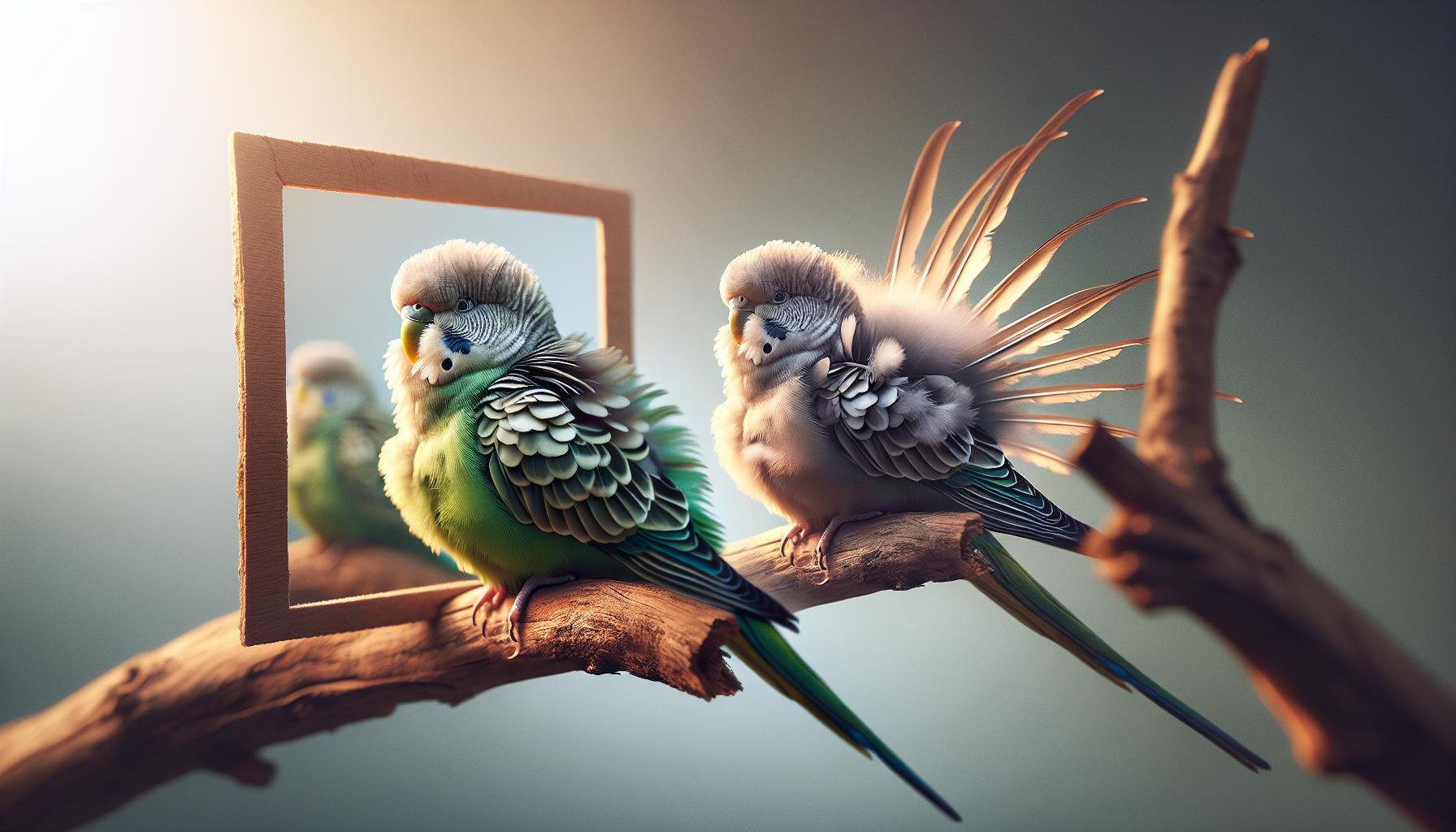
Understanding Typical Parakeet Behavior
Observing a parakeet fluffing up its feathers can be an enchanting sight, and it offers a fascinating glimpse into the bird’s behavior and emotional state. Parakeets, known for their vibrant personalities, are highly social creatures that express a myriad of emotions through their actions. By understanding these behaviors, owners can better cater to the needs of their feathered friends and identify any potential issues early on.
Typically, a relaxed parakeet will puff up its feathers when it feels comfortable and safe in its environment. This often happens during moments of contentment, like snuggling after a play session or resting after being fed. On the flip side, puffing can also signify other conditions, such as readiness to engage or assert dominance. For instance, when displaying before another bird, a puffed-up parakeet may be trying to appear larger, a behavior rooted in their instinctual survival tactics. It’s essential to understand that not all puffing indicates distress; rather, it can encompass a range of feelings from joy to agitation.
Moreover, social interactions are a cornerstone of parakeet behavior. When these birds puff up while interacting with their owners or other birds, it’s often a delightful signal of trust and affection. They may also develop a unique repertoire of sounds and body language that reflects their comfort level and relationships with their surroundings. Regularly observing your parakeet’s puffing in context-whether it’s during play, rest, or socializing-will help you gauge its mood and overall well-being, allowing you to respond adequately to its needs.
To ensure a healthy environment for your puffing parakeet, create a stimulating habitat enriched with various toys, perches, and social interaction opportunities. A spacious cage with safe, rotating activities can promote not just physical health but emotional well-being, ultimately contributing to a happier, more vocal, and sociable pet. Remember, each parakeet has its unique personality; keeping an eye out for changes in behavior can be a key factor in ensuring their happiness and health.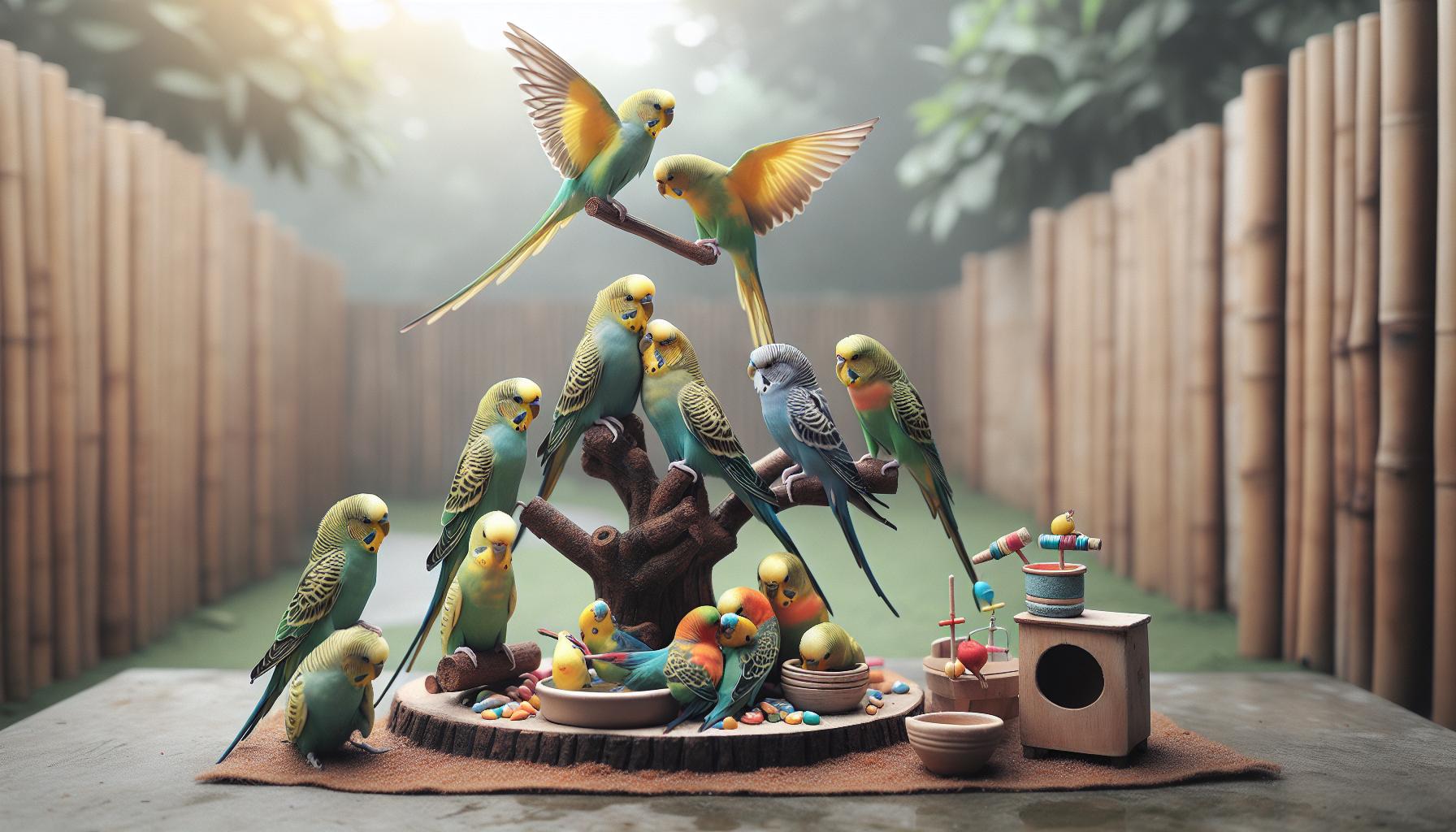
Common Reasons for Puffing Up
Puffing up is a common sight among parakeets, serving as a visual cue to understand their emotional state and overall health. Various factors can lead to this behavior, reflecting everything from their mood to environmental conditions. To help you interpret this behavior, there are several key reasons to consider when your parakeet fluffs up its feathers.
One frequent reason is comfort. When a parakeet feels secure in its surroundings-like during playtime or snuggling after a meal-you may notice it puff up its feathers. This puffing signifies relaxation and contentment, akin to a cozy blanket. It is often coupled with other body language signals, such as a gentle cooing sound, which indicates enjoyment and safety in that moment.
Another critical factor is temperature regulation. Birds, including parakeets, fluff up their feathers to trap air and create insulation, helping them maintain their body heat during cooler periods. If you notice your parakeet puffing up more than usual, it may be responding to a drop in temperature or draft within its environment. Ensuring a stable and comfortable temperature in their living space can promote their well-being.
Social interactions can also cause parakeets to puff up. During moments of communication or when asserting their presence among other birds, puffing can make them appear larger and more imposing. This behavior can be a claim of territory or even a friendly display meant to foster bonding, especially in multi-bird households. Observing the context in which your parakeet puffs up-whether in response to other birds, during play, or interacting with its human companions-can provide insight into its social dynamics.
As you delve deeper into your parakeet’s behavior, learning to recognize the nuances of puffing can enrich your bond with these vibrant creatures. Always observe your bird’s overall body language and signals; this holistic view will help you understand better what this common behavior signifies in various situations.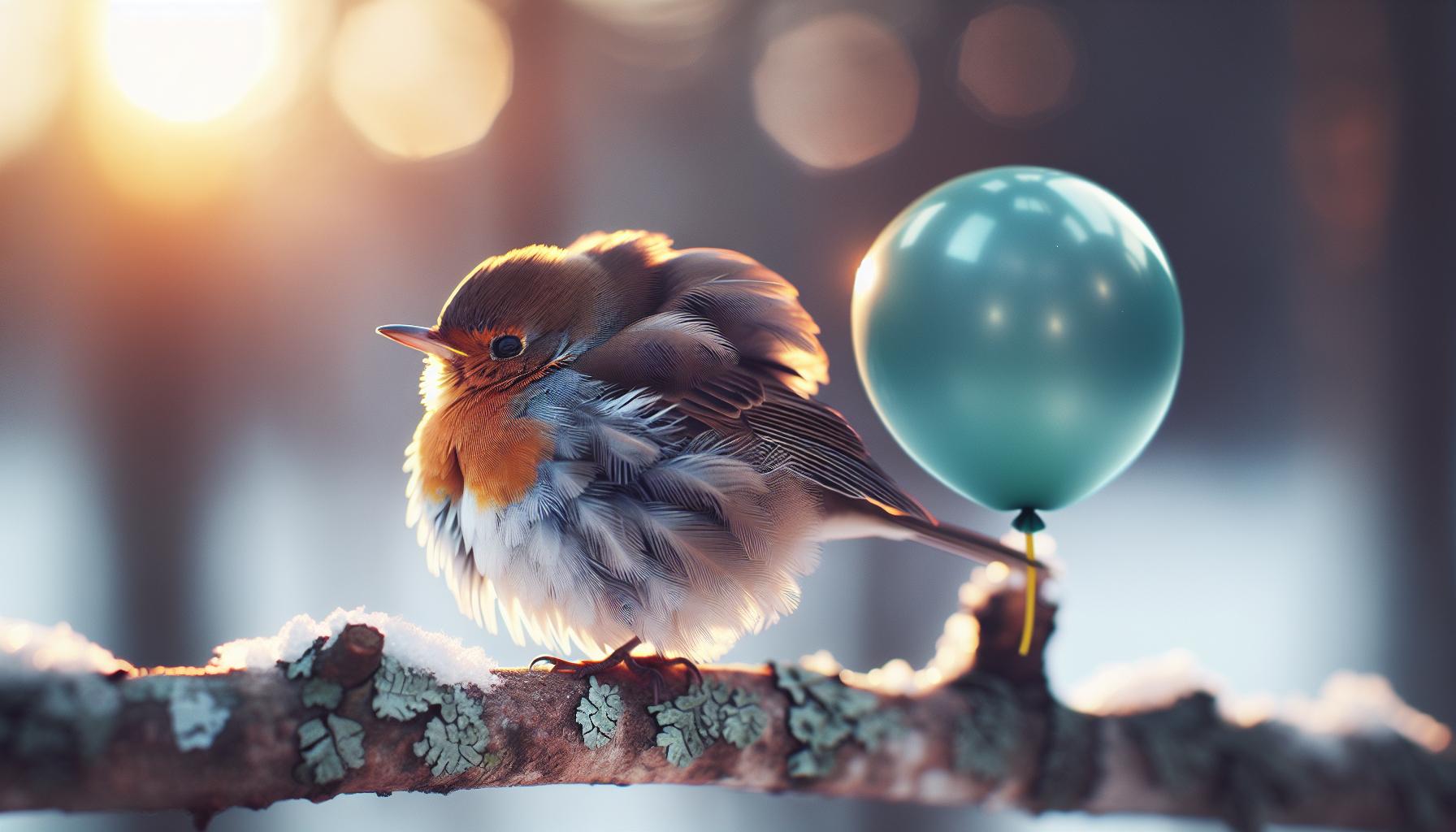
Puffing Up: A Sign of Illness?
It’s not uncommon for parakeets to puff up their feathers, but if you notice your feathered friend engaging in this behavior more than usual, it might be signaling an underlying health issue. While puffing can indicate comfort or a response to temperature changes, when it shifts from an occasional behavior to a constant state, it raises a red flag. This behavior can sometimes suggest that your parakeet is not feeling well or is dealing with discomfort.
When a parakeet is ill, it may puff up as a way of conserving body heat or due to lethargy. In a healthy bird, puffing is typically temporary, related to comfort or social interactions. However, if your parakeet appears fluffed up alongside other symptoms-such as a change in appetite, reduced activity, lethargy, or unusual vocalizations-it’s essential to pay attention. Persistent puffing combined with these indicators can suggest illnesses like respiratory infections or other health problems common in parakeets.
Identifying Signs of Illness
To ensure your parakeet stays healthy, regularly monitor its behavior and physical condition. Below are some key signs to watch for:
- Constant Puffing: If your parakeet remains puffed up over an extended period rather than intermittently, it could be a sign of illness.
- Changes in Appetite: A decrease in food and water intake can signal distress or illness.
- Lethargy: If your parakeet is less active and prefers to stay perched instead of engaging with its environment, it’s time to take note.
- Unusual Vocalizations: A change in the frequency or type of sounds your parakeet makes could indicate it isn’t feeling well.
Offering your parakeet a supportive environment, including a proper diet and comfortable living conditions, is crucial for its well-being. If you observe persistent puffing combined with any of these alarming symptoms, it is advisable to consult with an avian veterinarian promptly for a thorough examination. Taking swift action can make a significant difference in your parakeet’s health and recovery.
Temperature Regulation and Puffing Up
Puffing up is a fascinating and common behavior observed in parakeets, often linked to how these birds regulate their body temperature. When the environment around them changes-whether it becomes cooler or they feel chilled-they instinctively puff up their feathers to create air pockets that provide insulation. This natural response helps them retain body heat, much like how a cozy sweater keeps us warm on a cold day.
In addition to temperature regulation, puffing can also indicate comfort during moments of rest or relaxation. A well-cared-for parakeet will often fluff itself when it’s content, especially after a satisfying meal or a gentle preening session. However, it’s essential to distinguish between normal puffing and that which signals distress. For instance, if your parakeet is consistently puffed up even in warmer conditions, this could indicate that it is uncomfortable, perhaps due to stress, illness, or environmental factors that are less than ideal.
If you’re noticing puffing behavior, consider factors like room temperature and drafts that might be affecting your parakeet. Aim to maintain a comfortable and stable environment, ideally between 65-75°F (18-24°C). Ensure their cage isn’t placed near windows, air conditioning vents, or drafty areas. By creating a comfortable space, you can help your feathered friend maintain optimal health and well-being. Always remember, while occasional puffing is normal, persistent puffing warrants closer observation of your bird’s overall mood, appetite, and activity levels to ensure they remain healthy and happy.
How to Monitor Your Parakeet’s Health
Monitoring the health of your parakeet is crucial for ensuring a long and happy life together. These charming little birds can’t vocalize their discomfort like some pets, so you’ll need to keep a close eye on their behavior and surroundings. One accessible way to gauge health is by observing their puffing behavior. Regularly check on how often and under what circumstances your parakeet puffs up. While occasional fluffing can indicate relaxation or warmth-seeking behavior, consistent puffing may signal stress, illness, or discomfort.
To effectively monitor your feathered friend’s health, you should establish a routine observation schedule. Pay attention to several key indicators, including:
- Feather Condition: A healthy parakeet will have smooth, glossy feathers. Look for signs of wear, such as ragged or dull feathers, which can indicate stress or nutritional deficiencies.
- Activity Levels: Is your parakeet active and engaging with toys? A sudden increase or decrease in activity could be a red flag.
- Social Interaction: Parakeets are social birds; any retreat from interaction may mean something is wrong. Watch for changes in their desire to interact, both with you and with other birds.
- Appetite: Monitor their eating habits closely. A significant change in appetite could suggest illness.
- Droppings: Inspect droppings regularly. Healthy droppings are typically well-formed. Watery, unusually colored, or too frequent droppings may indicate health issues.
Keeping a journal of these observations can be immensely helpful, providing insights into patterns that might otherwise slip by unnoticed. Furthermore, ensure that their environment is conducive to good health. A clean, spacious cage with plenty of enrichment-like perches, toys, and foraging opportunities-will help them thrive. Regularly check the temperature and humidity levels to maintain an ideal setting for your parakeet’s well-being.
If you notice any persistent abnormal behaviors, such as constant puffing outside of resting conditions, schedule a veterinary appointment promptly. Early intervention often leads to better outcomes, enabling your parakeet to enjoy life to the fullest. Remember, building a trusting relationship with your parakeet means understanding their unique personality and recognizing subtle changes in their behavior. By being attentive, you can ensure they remain vibrant and joyous companions.
Does Puffing Up Indicate Stress?
Feeling a parakeet’s soft feathers puff up in your hand can be mesmerizing, but it’s vital to decipher what this behavior means. When a parakeet fluffs up its feathers, it can be a natural and instinctive reaction, often tied to their emotional state. While occasional puffing may indicate comfort or relaxation-like when they settle down for a nap-consistent or excessive puffing can be a signal of underlying stress or discomfort.
Stress in parakeets can stem from various sources. Common triggers include environmental changes such as new sounds, unfamiliar people or pets, or even a shift in the routine. For example, if you’ve recently moved your bird’s cage to a different room, the adjustment might cause them to feel vulnerable, prompting frequent puffing. This physical response serves as an attempt to create a barrier, helping them feel more secure. To manage and mitigate stress, ensure that your parakeet has a stable routine and a safe, enriched environment they can retreat to.
In contrast, it’s crucial to differentiate between stress-induced puffing and indications of illness. Should your parakeet consistently puff up while also displaying other signs of distress-like excessive squawking, unresponsiveness, or changes in eating and drinking habits-this could hint at a more serious health concern. Therefore, regular observation is key; take note of when and how often puffing occurs and what other behaviors accompany it. Keeping a log of these instances can be vital for understanding when it may be time to consult a veterinarian.
Offering appropriate outlets for your parakeet’s energy through toys, social interaction, and mental stimulation can significantly reduce stress levels. Engaging activities, such as foraging opportunities and interactive toys, not only keep them occupied but also promote a sense of well-being. Monitor your parakeet closely and make subtle adjustments to their environment, as even small changes can lead to improved emotional health and decreased stress-related puffing.
Social Interactions and Puffing Behavior
Understanding your parakeet’s social dynamics can reveal much about why they exhibit certain behaviors, including puffing up their feathers. These small, highly social birds thrive on interaction, not just within their flocks but also with their human companions. When parakeets are engaged in social activities, you may notice their tendency to puff up their feathers as a means of communication, showcasing their mood or emotional state.
During moments of excitement or playfulness, a parakeet might fluff itself up, signaling joy or eagerness to interact. This puffing behavior can also occur when they are flirting or establishing social bonds, as the display can make them appear larger and more vibrant to potential mates or companions. You might observe this when your bird is excited by the presence of another parakeet or is responding to your own energy during playtime or training sessions.
Conversely, if a parakeet experiences social stress-whether due to a disagreement with a cage mate or discomfort with the presence of unfamiliar people-they may also puff up. This can be a protective mechanism, where they create the illusion of being a larger presence to deter perceived threats. As a caregiver, it’s crucial to monitor your parakeet’s interactions closely. Ensuring a harmonious environment involves understanding their social needs and recognizing signs of distress when their usual behavior shifts to excessive puffing.
To enhance your parakeet’s social interactions, consider creating a richer social environment. You can do this through regular playtime outside the cage, interactive toys that encourage cooperative play, or even a companion bird if it fits your lifestyle. Remember, the more positively engaged your parakeet feels, the more their puffing behavior will lean towards a sign of happiness rather than stress. By observing and nurturing these interactions, you’ll foster a healthier and more vibrant life for your feathered friend.
Behavioral Differences in Parakeet Species
Among the various species of parakeets, their puffing behavior can vary significantly, providing unique insights into each species’ temperament and social dynamics. Understanding these differences can enhance your ability to interpret your parakeet’s behavior and provide optimal care. For instance, the commonly kept budgerigar, or budgie, is known for its playful and friendly disposition. Budgies often puff up during moments of excitement, like when engaging in play or interacting with their human caregivers, signaling happiness and readiness to engage.
In contrast, larger species, such as the Indian Ringneck or the Alexandrine parakeet, may display puffing in different contexts. These birds, while still social, often exhibit a more reserved demeanor compared to budgies. When they puff up, it could be a sign of mild stress or confusion, especially in unfamiliar situations. It’s essential to observe their environment closely and ensure that it is conducive to their comfort and well-being, as these larger species can be more sensitive to changes.
Differences in puffing behavior can also stem from the innate personality traits inherent to specific species. For example, Quaker parakeets are known for their strong vocalizations and intelligence. When they puff up, especially during vocal displays or communication antics, it can indicate a mix of excitement and a desire for attention. Understanding these species-specific behaviors allows owners to better cater to their individual needs and emotional states.
Overall, monitoring your parakeet’s puffing behavior, alongside their specific species traits, helps create a nurturing environment. This understanding not only enhances the bond between you and your bird but also leads to a happier, healthier life for your feathered companion.
Tips for Caring for Puffing Parakeets
Understanding your parakeet’s puffing behavior can deepen your bond and enhance their overall well-being. Puffing up is a common and expressive behavior seen in parakeets, often indicating various emotional states or physical needs. Whether you’re a seasoned bird owner or a new enthusiast, knowing how to care for your puffing parakeet is essential to providing a nurturing environment.
To support your feathered friend when they puff up, it’s crucial to create a comfortable living space. Start by ensuring their cage is spacious enough, allowing them to stretch their wings and move around freely. Incorporate enrichment items like perches, toys, and even climbing areas to keep them engaged. Regularly rotating their toys can prevent boredom and stimulate their inquisitive nature, encouraging healthy activity rather than stress-induced behaviors.
Pay attention to your parakeet’s diet, as nutrition plays an integral role in their health and behavior. A balanced diet rich in seeds, pellets, fresh fruits, and vegetables ensures they have the energy to interact playfully and engage with their environment. If you notice your parakeet puffing more frequently, consider whether changes in their diet might be affecting their well-being. Additionally, maintaining a consistent feeding schedule can instill a routine that helps reduce anxiety.
Finally, monitor your parakeet’s social interactions. Puffing can often be a response to environmental changes, including new sounds or visitors. Engage with your parakeet regularly through gentle talking and playtime to reinforce their safety and comfort. If they puff up around other pets, create safe zones where they can retreat and feel secure. When in doubt, foster open lines of communication with a veterinarian who understands avian behavior to ensure any persistent puffing is monitored.
By paying close attention to these aspects of care, you can help ensure that your parakeet remains happy and healthy, thriving in an environment that respects their unique behaviors and needs.
When to Consult a Veterinarian
When you notice your parakeet puffing up frequently, it can be both fascinating and concerning. This behavior can signify various emotional states, but it’s crucial to discern when it might indicate a health issue. Observing your feathered friend closely can help you identify whether a visit to the veterinarian is necessary. A parakeet’s well-being is intricately tied to its environment and physical health, making attentive monitoring vital.
If your parakeet has been puffing up regularly and you observe additional symptoms, such as lethargy, a change in appetite, difficulty breathing, or unusual droppings, these could be signs of a problem. In such cases, it’s wise to consult an avian veterinarian promptly. Puffing up can represent an effort to regulate body temperature or a response to stress or discomfort; however, if it becomes accompanied by other concerning behaviors, it can be a signal that something more serious is unfolding.
Another pertinent factor is the duration of the puffing. If it persists beyond a few hours or seems to occur at times of no apparent stress or cold, that could warrant intervention. Stress-induced puffing usually resolves quickly once the bird’s environment stabilizes. For instance, if you’ve recently introduced a new pet, and your parakeet seems to be puffed up as a reaction, consider providing a safe, quiet space where it can retreat. After any environmental changes, keep a watchful eye.
Lastly, even subtle changes in your bird’s communication can be telling. If your parakeet is typically vocal and suddenly becomes quiet while puffing up, this change in demeanor should not be overlooked. Regular veterinary check-ups can help ensure your parakeet remains healthy and can preemptively address any potential health concerns. Combining your observations with professional guidance leads to a better understanding of your parakeet’s unique behavioral nuances and overall care requirements.
Enhancing Your Parakeet’s Environment
Creating a stimulating environment for your parakeet is essential to its well-being and can significantly influence its behavior, including puffing up. A well-designed space can help reduce stress and promote a sense of security. First and foremost, ensure that your parakeet’s cage is spacious enough to allow for free movement and various activities. A general rule of thumb is to choose a cage that is at least 18 inches wide, 18 inches deep, and 24 inches high for a single parakeet, providing adequate room for climbing, flying short distances, and playing.
Cage Setup
Consider using a variety of perches at different heights and textures to keep your bird occupied. Natural wood perches mimic real tree branches and help maintain healthy feet. Add toys made of safe materials, such as untreated wood and non-toxic plastics, to stimulate curiosity and playfulness. Rotate toys regularly to prevent boredom, as parakeets thrive on novelty. You might include:
- Chewable toys
- Swings
- Foraging toys that encourage natural digging and searching behaviors
Environmental Enrichment
In addition to physical structure, consider the concept of environmental enrichment. Parakeets are intelligent creatures that benefit from mental stimulation. Introduce foraging opportunities by hiding food or treats in toys designed for this purpose, encouraging your parakeet to engage in natural seeking behaviors. You can also enhance their surroundings with safe, non-toxic plants. These not only improve air quality but also provide additional exploration opportunities. Just ensure the chosen plants are safe for birds, such as spider plants, Boston ferns, or bamboo.
Temperature and Lighting
Temperature regulation plays a significant role in your parakeet’s health. Ensure your home environment is kept at a comfortable temperature-ideally between 65°F to 80°F (18°C to 27°C)-and protect them from drafts. Proper lighting is equally crucial; exposing your parakeet to natural light or full-spectrum lighting can help mimic their natural habitat and may reduce anxiety, encouraging healthier behavioral expressions.
By investing time and thought into , you can encourage positive behaviors and reduce instances of puffing up due to stress. A well-balanced setup not only provides physical comfort but also stimulates mental engagement, creating a happy and healthy companion.
Frequently asked questions
Q: Why do parakeets puff up their feathers?
A: Parakeets puff up their feathers primarily to regulate their body temperature, to appear larger when feeling threatened, or to express comfort and relaxation. When your parakeet is puffed up, observe its behavior for signs of illness or stress, as this can sometimes indicate discomfort or a health issue.
Q: How can I tell if my parakeet’s puffing up is a sign of stress?
A: If your parakeet is puffing up frequently while also exhibiting signs like biting, excessive squawking, or hiding, it may be stressed. Monitor environmental factors such as sudden changes in temperature or loud noises and adjust their space to minimize these stressors.
Q: Is puffing up normal behavior for parakeets?
A: Yes, puffing up is a normal behavior for parakeets. It can indicate comfort after preening, warmth, or relaxation. However, frequent puffing, especially if coupled with lethargy or a decline in eating, could signal health issues.
Q: What other behaviors accompany puffing in parakeets?
A: Puffing is often accompanied by behaviors like head bobbing, vocalization, or spreading wings. Combined, these indicate a range of emotions from playfulness to discomfort, so it’s crucial to assess the overall context to gauge your bird’s mood accurately.
Q: Should I be concerned if my parakeet puffs up all the time?
A: If your parakeet consistently puffs up and shows no signs of playfulness or social interaction, it may be ill or uncomfortable. Consult a veterinarian, particularly if other symptoms like decreased appetite or abnormal droppings accompany this behavior.
Q: Do different parakeet species exhibit puffing behavior differently?
A: Yes, different parakeet species may exhibit puffing behavior uniquely. For example, some species may puff up more during social interactions, while others might do so primarily for temperature regulation. Understanding your parakeet’s specific patterns can enhance your care strategy.
Q: How does temperature affect my parakeet’s puffiness?
A: Puffing up helps parakeets trap heat in cold conditions. When temperatures drop, they may fluff their feathers to retain warmth. Ensure your parakeet has a stable environment, as extreme temperatures can lead to excessive puffing and health risks.
Q: When should I seek veterinary care for a puffed-up parakeet?
A: Seek veterinary care if your parakeet’s puffing behavior persists, particularly when combined with other symptoms like lethargy, lack of appetite, or unusual droppings. Early intervention can prevent potential health issues and ensure your pet’s well-being.
To Conclude
Understanding why parakeets puff up is just the beginning of your journey into their fascinating behaviors and needs. By recognizing their communication cues, you can create a more harmonious relationship with your feathered friend. If you’re eager to dive deeper into the world of parakeet care, don’t miss our guides on common parakeet health issues and best practices for socializing your bird.
Ready to take your bird care knowledge to the next level? Subscribe to our newsletter for expert tips and advice delivered straight to your inbox. Your parakeet deserves the best, and staying informed is key to providing a happy, healthy life. If you have questions or want to share your experiences, leave a comment below-let’s connect!
Explore more and turn those curious chirps into delightful conversations by checking out our care guides, and remember: every puff and chirp is a chance to deepen your bond with your budgie.