
Have you ever noticed the absence of baby pigeons in urban settings and wondered where they go? It’s a curious phenomenon that often baffles bird enthusiasts and casual observers alike. Despite their prevalence, pigeon chicks are rarely seen, leading many to question their existence during their formative months. In this article, we’ll unravel the mystery of why baby pigeons seem to vanish from view, revealing fascinating insights into their life cycle and behaviors. Understanding these delightful birds not only enriches our appreciation of nature but also helps us become more informed observers in our communities. So, let’s dive into this intriguing topic and discover what happens to these feathered youngsters until they finally grace our parks and streets.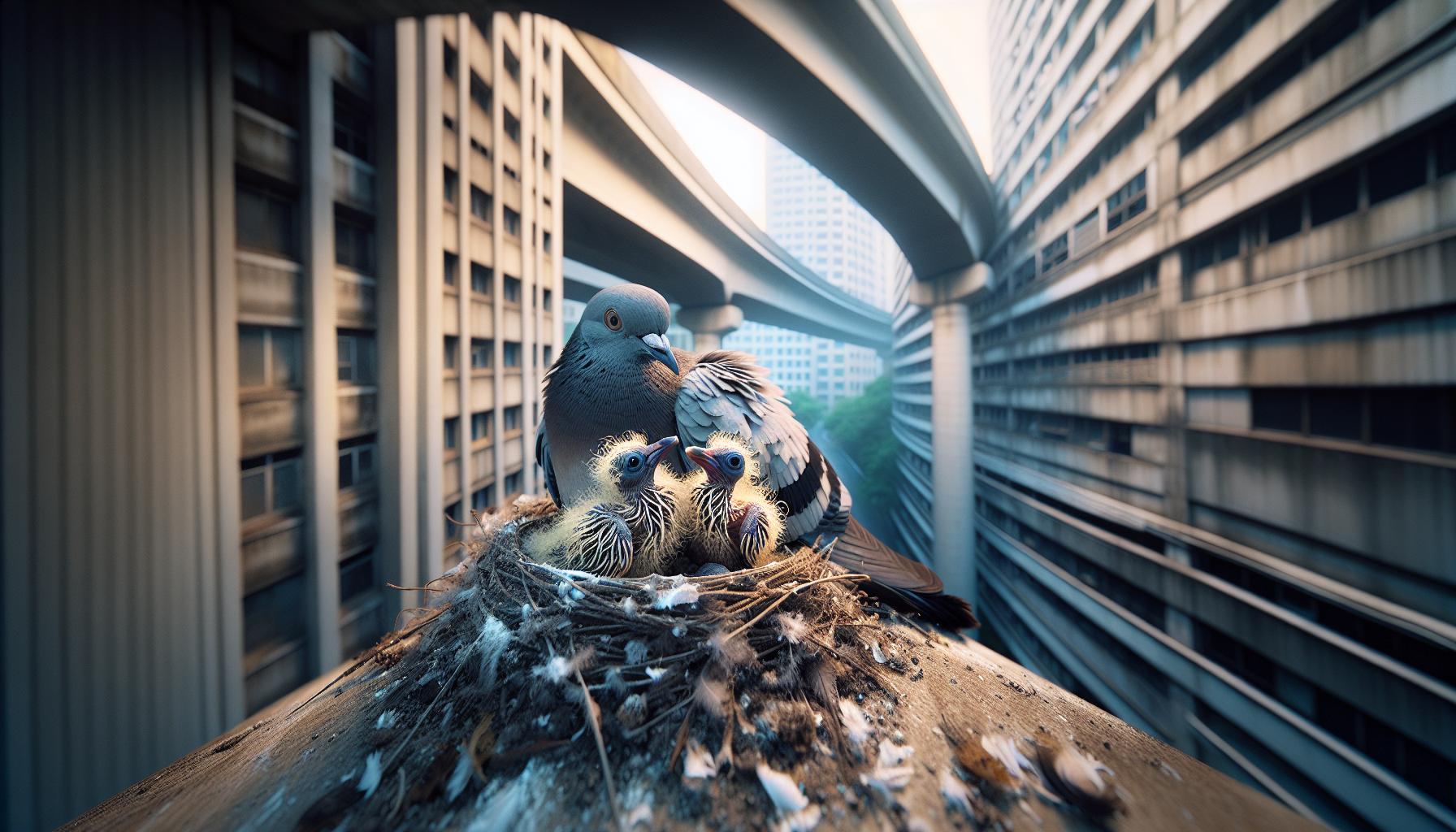
Why Don’t We See Baby Pigeons? Common Misconceptions Explained
Have you ever wondered why baby pigeons seem to be a rare sight in urban landscapes? Unlike many other birds, which are often seen flitting about with their young, pigeons have a somewhat hidden life during their formative stages. One of the main reasons we don’t see young pigeons is their developmental timeline. Baby pigeons, or squabs, are entirely dependent on their parents for the first few weeks of life and spend much of that time in the nest, which is often well-concealed in building eaves, ledges, or under rooftops. This strategic nesting behavior not only protects them from predators but also reduces their visibility to humans.
Common misconceptions about baby pigeons contribute to this mystery. Many people believe that squabs remain in the nest for only a short time before flying off, similar to many songbirds. In reality, they stay in the nest for about four to six weeks, during which they undergo significant growth and development. During this period, they develop their feathers and gain strength in their wings, preparing for the day they’ll take flight. As they are so well camouflaged and remain in hidden, secured locations, spotting a baby pigeon out in the open is quite rare.
In addition to their prolonged nest period, the very appearance of baby pigeons adds to the enigma. When squabs first hatch, they look quite different from adult pigeons, often characterized by their featherless bodies and large heads. As they grow, their feathers fill in, and they begin to resemble their parents, but by this time, they are often ready to leave the nest, making it unlikely for casual observers to see them during this transitional life stage.
Understanding these factors sheds light on the elusive presence of baby pigeons in our cities. As bird enthusiasts and urban dwellers, we can appreciate the nuances of pigeon life beyond the immediate swarms we see in parks or streets, recognizing that the hidden life stages of these remarkable birds play a crucial role in their survival and adaptation to urban environments.
The Life Cycle of Pigeons: From Egg to Adult
The journey of pigeons from humble beginnings as tiny eggs to their eventual status as agile adult birds is a fascinating progression that reveals much about their adaptability and the challenges they face in urban environments. Pigeons, like all birds, begin their life in an egg, usually laid in a nest just a few days after mating. The incubation period typically lasts about 18 days, during which both parents take turns keeping the eggs warm and protected. This parental teamwork is vital not just for the eggs’ survival but also for the feeding and nurturing of the squabs that will eventually hatch.
Once the eggs hatch, the squabs are entirely dependent on their parents. They are born featherless and blind, and their vulnerability is an immediate concern. During the first week of life, squabs grow rapidly, consumed by a diet primarily consisting of “pigeon milk,” a nutritious secretion produced by their parents. This diet is rich in protein and fat, essential for the swift growth required for their development.
As squabs approach two weeks of age, they start developing their feathers and begin to show signs of independence by moving around the nest more. By three to four weeks, their feathers are filling in, and they start flapping their wings, a critical preparatory step for flight. Interestingly, this is when their appearance becomes a source of curiosity. While they start looking more like adult pigeons, they still retain some juvenile features, such as a chunkier body and less developed coloring, which aids in their camouflage within the nest.
By the time they reach about four to six weeks old, squabs will have developed enough both in physical ability and feather coverage to take their first flights. During this period, their parents continue to care and feed them, gradually encouraging them to exercise their wings and explore the world outside the nest. This crucial phase underscores why we seldom witness baby pigeons in our cities; they are hidden away in their nests, growing strong and readying themselves for life in the urban jungle, where survival skills are key.
In summary, understanding the life cycle of pigeons sheds light on their elusive nature as juveniles. Their reliance on parental care, their unique dietary needs, and the gradual process of feather development all contribute to the relative invisibility of baby pigeons in our environment. Observing this cycle not only enriches our appreciation for these birds but also invites us to consider the complex dynamics of urban wildlife.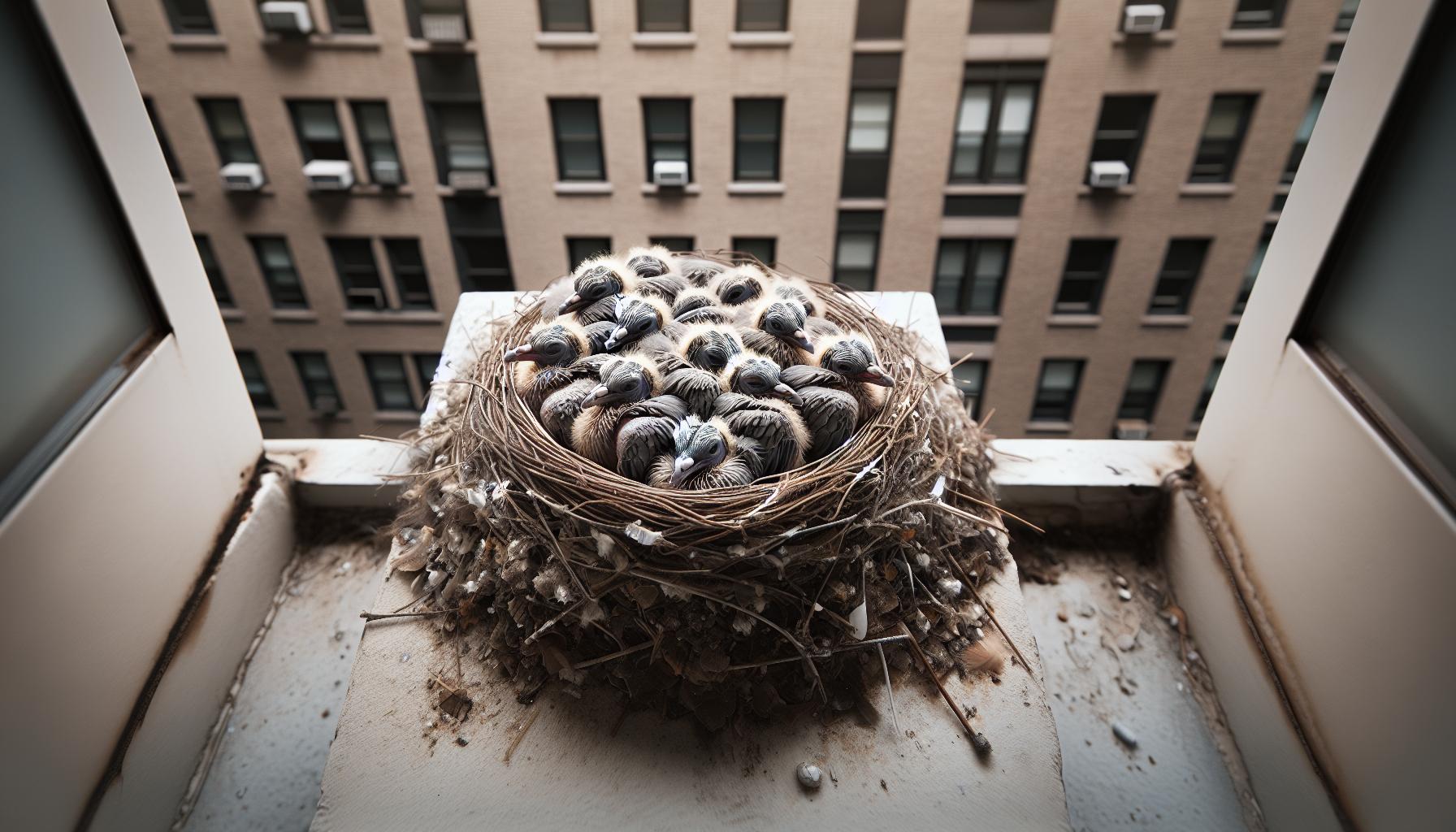
Where Do Baby Pigeons Live? Nesting Habits Uncovered
Discovering the hidden world of baby pigeons can feel like an elusive quest, especially considering how rarely we spot these young squabs in their urban habitats. Most pigeons prefer to nest in sheltered areas that provide both safety and a degree of concealment, making it easier for them to protect their vulnerable young from predators and the elements. Typically, pigeon nests can be found in protected spots like ledges, building eaves, and even in attics or abandoned structures. This choice of nesting sites is crucial not only for the safety of the eggs and squabs but also for minimizing human disturbances.
Pigeons are known for their adaptability, which is evident in their nesting habits. They often utilize locations that might seem unconventional to us, such as under bridges or on the sides of buildings. A cozy nook or cranny provides the ideal environment for a nest-a simple platform made from twigs, grass, and feathers, skillfully assembled by both parents. The female pigeon lays usually one to two eggs, which both parents incubate until hatching, showcasing their cooperative nature.
As the squabs grow in their nests, they are rarely seen because they spend their initial weeks hidden from sight, relying heavily on their parents for care. The secluded environment not only aids in the survival of these young birds but also ensures they can grow strong enough to cope with urban living. Once they have matured enough to fend for themselves, which takes about four to six weeks, they will gradually venture out. Until then, the baby pigeons remain tucked away, which is a fundamental reason why we often overlook them in bustling city life.
Understanding these nesting habits reveals a crucial aspect of why baby pigeons are so rarely seen. Their careful choice of nesting sites and the protective nature of their parents contribute to their stealthy existence, emphasizing the importance of these factors in determining pigeon visibility in urban landscapes.
Understanding Pigeon Growth: Key Developmental Stages
The growth of baby pigeons, or squabs, is a fascinating journey that many people are unaware of due to their elusive nature. After hatching, these young birds experience rapid development within the safety of their nests, which are often hidden away in urban crevices. Initially, squabs are incubated for about 18 days, during which time they are entirely dependent on their parents for warmth and food. Once they break free from their eggs, their growth isn’t just about increasing size; it encompasses significant changes in their capabilities and behaviors.
During the first week of life, squabs are covered with a soft down and lack feathers, which keeps them insulated. They rely solely on “pigeon milk,” a nutrient-rich substance secreted from the parents’ crops. This critical nourishment supports their initial days as they begin to grow rapidly. By the end of the second week, you’ll notice that they start to develop their feathers and gain strength, making their first attempts to move around the nest. At this stage, the squabs begin to explore their confined space, testing their soon-to-be-wonderful flying capabilities.
Developmental Milestones
The growth of squabs can be broken down into distinct stages that highlight their transformation:
- Hatchling Stage (0-7 days): Newly hatched, they are completely helpless and reliant on parents for warmth and feeding.
- Fledgling Stage (8-21 days): Feather development begins, and they start to stand and move around the nest, becoming more adventurous.
- Juvenile Stage (3-6 weeks): Squabs learn to fly and start to venture outside the nest, gradually gaining independence.
By four weeks, they can leave the nest. This is a crucial period for their survival, as they must learn to navigate their environment while still relying on their parents for food and learning essential survival skills. It’s during this time that many people may finally catch a glimpse of these young birds, often mistaking them for adults due to their swift development and nearly full feathering.
Understanding Their Needs
For those interested in caring for pigeons, understanding their developmental needs can enhance their wellbeing. Providing a safe and clean environment is crucial as squabs navigate their early lives. Additionally, feeding them appropriate nutrition, based on their developmental stage, is equally vital. Observing the growth process can reveal a lot about their behavior. For example, younger squabs tend to be more vulnerable and require constant parental care, while older squabs begin to exhibit more independence.
As a bird enthusiast, recognizing these key developmental stages not only enriches your understanding of pigeons but can also deepen your appreciation for the resilience and adaptability of these birds in urban settings. By paying attention to their growth milestones, bird watchers and new bird owners can cultivate a greater connection and sense of responsibility toward these remarkable creatures.
Pigeon Parenting: How Adult Pigeons Care for Young
The commitment of adult pigeons to their young is truly impressive and showcases the complexities of their parenting behavior. Adult pigeons, often referred to as “parents” or “doves,” engage in a nurturing process that significantly influences the survival and development of their offspring. They share duties in a remarkable partnership, ensuring that squabs receive the necessary care and protection.
From the moment the eggs are laid, parents take turns incubating them, which lasts about 18 days. During this time, they’ll create a warm environment essential for the hatching process. Once the eggs hatch, the intense parental involvement continues. Both parents are responsible for feeding the squabs with a unique substance known as “pigeon milk.” This nutritious secretion is produced in their crops and consists of a mix of digested seeds and proteins, offering everything the squabs need to thrive in those early days. The feeding process is a fascinating interaction: adult pigeons regurgitate this milk into the beaks of their young, emphasizing the bond formed during this nurturing phase.
As the squabs grow, the responsibilities shift slightly but remain a collective effort. The parents not only provide food but also play an active role in protecting the young from potential threats, whether those threats are predators or environmental hazards. They vigilantly guard the nest and often place themselves between the squabs and danger, using their own bodies as shields. Additionally, pigeons are excellent at choosing nesting locations that are discreet and safe, which further aids in the concealment of their young from the outside world.
| Parenting Task | Details |
|---|---|
| Incubation | Both parents share the responsibility, ensuring consistent warmth and safety until hatching. |
| Feeding | Pigeon milk is regurgitated by parents and fed to the squabs daily, ensuring optimal growth. |
| Protection | Parents actively defend their nest and young against threats, often covering them with their bodies. |
| Nesting Location | Caring parents select hidden or elevated sites to build nests, increasing the safety of the young. |
As squabs become increasingly mobile and begin to feather out, the parenting dynamics evolve. Adult pigeons will encourage their young to explore their surroundings while still providing essential guidance and supplementary feeding. This gradual shift from constant care to fostering independence is crucial for the skill development of the young pigeons, preparing them for life outside the nest.
Understanding the nuances of pigeon parenting not only enhances our appreciation for these birds but also underscores why baby pigeons tend to remain hidden from our sight until they are further along in their development. By ensuring optimal conditions for their young through attentive care and environmental choices, adult pigeons demonstrate a level of parental commitment that rewards both their efforts and the survival of their species.
The Secret Dangers to Baby Pigeons: Factors Affecting Survival
The journey of a baby pigeon, often referred to as a squab, is fraught with challenges that significantly affect its chances of survival. Despite the seemingly safe environments adults choose for nesting, several hidden dangers await these vulnerable chicks. Baby pigeons are at risk from predators such as hawks and cats, which can ambush them if they venture too far from their nest. Additionally, urban environments pose unique threats, including vehicles and human activity that can disrupt their habitats.
In their earliest stages, squabs are entirely dependent on their parents for nourishment and protection. The absence of their characteristic feathers during this period renders them particularly vulnerable. They remain hidden in the nest for the first few weeks, which is crucial not only for their development but also for their safety from the prying eyes of predators. As they grow, the instinct to explore kicks in, but this newfound independence can be perilous. Adult pigeons often face the challenge of encouraging their young to venture out while still ensuring their safety by monitoring their movements and keeping them close to the nest.
Environmental factors also play a critical role. Weather conditions such as heavy rain or intense heat can affect the availability of food and water, impacting the health of the squabs. Moreover, as urban areas expand, natural food sources for pigeons diminish, making it difficult for parents to find sufficient nutrition for their offspring. Pollution from vehicles and human waste can lead to disease, endangering both adult pigeons and their young.
Combining the adaptive instincts of adult pigeons with efforts to protect their young can mitigate these risks. By choosing locations that offer concealment and security while being vigilant against threats, they demonstrate remarkable parenting strategies. Understanding these hidden dangers not only elevates our appreciation for these resilient birds but also highlights why we seldom spot baby pigeons in the wild until they are ready to fledge.
Why Baby Pigeons Look Different: Appearance and Camouflage
Baby pigeons, known as squabs, often go unnoticed in urban landscapes, and one key reason is their distinctive appearance during their early life stages. Unlike their fully feathered adult counterparts, squabs emerge from the nest looking quite different. At around one to two weeks old, they resemble small, naked creatures with minimal feathering. Their downy appearance is soft and typically in muted shades of white and gray, which plays a crucial role in their survival.
This unique look is not merely a quirk of nature; it’s a well-adapted survival strategy. The color palette of squabs-often blending into the nest’s environment-provides excellent camouflage against potential predators. Their nesting habits typically consist of secluded spots in building crevices, where the muted hues help them remain hidden from the watchful eyes of hawks or roaming cats. As they mature and develop feathers, the change in appearance allows them to blend more seamlessly into their surroundings, further enhancing their camouflage.
Among common misconceptions, many people don’t realize that squabs stay hidden and dependent on their parents for a significant part of their early lives. They remain in the nest, primarily out of sight, for several weeks, hidden beneath the protective oversight of adult pigeons. This phase is critical not just for their growth but also for enhancing their survival chances. The contrast between their feathered parents and their own immature state is stark, which further contributes to why casual observers often overlook these young pigeons as they mature into adults.
Recognizing these differences in appearance and behavior can enrich your bird-watching experience. For those keen on learning about urban wildlife, understanding how squabs develop and why they often go unseen can enhance your appreciation for the natural world that thrives around us, even in the busiest of cityscapes. Next time you’re out and about, keep your eyes peeled for signs of life in those high nooks and crannies-every squab is a testament to nature’s incredible artistry of adaptation.
The Role of Urban Environments in Pigeon Visibility
In bustling urban environments, the presence of pigeons is unmistakable, yet spotting their young, known as squabs, can be quite a challenge. One captivating fact is that these baby pigeons tend to live in the shadows of city architecture, making them particularly difficult to notice. As they prefer nesting in high, secluded areas such as ledges, window sills, and building crevices, squabs’ natural camouflage plays a significant role in their invisibility. Their muted, downy feathers, which usually consist of soft whites and grays, are expertly designed to blend into their surroundings, providing a protective disguise against the myriad of urban predators and the hustle and bustle of city life.
Urban landscapes also offer unique nesting opportunities for pigeons, often providing them with safe spaces that shield them from potential threats. The dense structures in cities provide ample hiding spots, allowing squabs to remain out of sight while they depend on their parents for food and care. Adult pigeons actively select these urban nesting sites, often seeking out locations that are less frequented by humans and larger birds of prey. This strategic choice of habitat is crucial for the squabs’ survival during their early weeks, as they are not yet capable of flight and remain vulnerable to various dangers.
Moreover, the dynamics of urban life impact pigeon visibility in other ways. High traffic and constant movement can divert attention away from the subtle indicators of pigeon nests. People may be more focused on the fast pace of city life or might not look up often enough to notice the squabs nestled high above them. This behavior is coupled with the natural instinct of adult pigeons to keep their young concealed, leading many to question whether baby pigeons even exist at all. For enthusiasts seeking to observe these fascinating birds, an awareness of their nesting behaviors and urban ecology can provide valuable insight.
If you’re keen on spotting baby pigeons, consider frequenting locations with abundant pigeon populations, and take the time to look up at ledges or corners of buildings where squabs may be tucked away. Understanding their environment and behavior enhances not only your chances of seeing these elusive birds but also deepens your appreciation for nature’s adaptability in urban settings. Remember, observing the covert lives of squabs can transform your urban outdoor experiences into profound encounters with wildlife right in your backyard.
How to Identify Young Pigeons: Features and Characteristics
Young pigeons, or squabs, may be elusive to the untrained eye, but once you know what to look for, identifying them becomes an engaging endeavor. Interestingly, squabs are quite different in appearance from their adult counterparts, which contributes to their inconspicuousness in urban settings. In their early days, squabs are covered with soft, downy feathers that vary from light gray to white, providing them an effective disguise against predators. Their rounded bodies and relatively large heads add to their distinct juvenile look, making them stand out compared to the streamlined forms of adult pigeons.
To easily spot a young pigeon, pay attention to their behavior and size. Squabs typically have a much plumper appearance and are often seen huddling closely in their nests, relying on adult pigeons for nourishment. Their wings are not fully developed, and you’ll notice they tend to flap more than fly, distinguishing them from the adults that swoop gracefully across the sky. Additionally, squabs have a noticeable lack of the iridescent feathers that adult pigeons sport, which helps in identification.
Another key feature to observe is the coloration of their eyes – young pigeons often have dark eyes that may appear larger in proportion to their heads compared to the striking, vibrant irises of adults. As they mature, their feathers start to change, and the chaotic patterns of the adults develop, which will further help you differentiate their growth stages.
If you’re keen to enhance your birding experience, consider visiting spots where pigeons commonly nest, such as building eaves or ledges. Bringing binoculars can improve your chances of close observation while maintaining a respectful distance from their space. Remember, watching these young squabs as they grow will not only fill the thrill of spotting them but also enrich your connection to urban wildlife.
Caring for Pigeons: Tips for New Bird Owners
Caring for a pigeon, especially a young one, can be a rewarding experience that deepens your appreciation for these fascinating birds. While adult pigeons often roam city streets, baby pigeons, or squabs, require special attention due to their vulnerable state during early development. If you’re a new bird owner or considering bringing a pigeon into your home, it’s essential to understand their unique needs to ensure they thrive.
First and foremost, create a safe and comfortable environment. Young pigeons can easily be stressed, so a spacious cage that offers plenty of room to move around is crucial. Line the bottom with soft bedding, like straw or paper towels, to mimic a nest-like feel, which provides comfort and safety. When setting up the cage, ensure it is placed in a quiet area away from excessive noise and direct sunlight, as squabs are sensitive to temperature changes and loud sounds.
Feeding is another critical aspect of pigeon care. Squabs require a diet rich in nutrients for proper growth. A mixture of high-quality pigeon pellets, seeds, and fresh vegetables is ideal. It’s important to provide fresh water daily and consider adding supplements, such as calcium and vitamins, to ensure they receive adequate nutrition. For squabs still reliant on parents, you might find yourself needing to hand-feed them. A syringe or dropper filled with a suitable formula, like a powdered pigeon milk substitute, can provide the necessary nourishment when direct feeding isn’t possible.
Monitoring your pigeon’s health is vital as well. Observe their behavior for signs of distress or illness, such as lethargy, changes in appetite, or unusual droppings. A healthy pigeon will display curiosity and energy, so any significant deviations should prompt a visit to a veterinarian who specializes in avian care. Remember that socialization is equally important; spend time with your pigeon to build a bond and reduce stress. Pigeons are social creatures and thrive on interaction, so daily engagement will enhance their well-being.
By ensuring their environment is safe, providing a nutritious diet, and monitoring their health, you lay the groundwork for a happy and healthy pigeon. Remember, caring for these young birds not only enriches their lives but also brings joy and fulfillment to yours.
Understanding Pigeon Behavior: What to Look For
Watching pigeons can be a delightful experience, but understanding their behavior, especially in the context of baby pigeons, adds a deeper layer to your appreciation. Baby pigeons, known as squabs, are often hidden away in nests, making them a rare sight. Their early behaviors are critical for their survival and development, and recognizing these behaviors can enhance your ability to care for them.
Squabs are highly reliant on their parents during their initial stages of life. Newborn pigeons display a few key behaviors that signal their needs. For instance, they instinctively beg for food through a vocalization called “peeping,” combined with a frantic flapping of their wings, which invites adult pigeons to feed them. Understanding this behavior helps you recognize the importance of immediate nutritional support in the early stages of their life. As they grow, squabs begin to engage in flapping exercises, which are essential for muscle development and preparing for flight. Observing these early attempts at movement is crucial; they indicate the squab’s physical readiness to become independent.
Additionally, social behaviors begin to manifest even in young pigeons. Squabs are known to bond with their parents and siblings in ways that enhance their survival. They often huddle together, sharing body heat and protection. In a nurturing environment, such as a home aviary, young pigeons will not only exhibit this behavior with their siblings but can develop attachments to their human caretakers as well. Providing social interaction is key; engaging them through gentle handling or talking can help reduce their stress and promote healthy development.
A vexing aspect of pigeon behavior is their camouflage, especially in urban environments where they nest in hidden locations. Young pigeons are less mobile than adults and rely heavily on their downy feathers for camouflage. As they age, they develop more adult plumage, but the initial stages of their appearance can lead to misconstrued assumptions about their visibility. Consequently, keeping a watchful eye on nesting spots in your area can enhance your chances of observing these fascinating creatures as they grow.
In summary, understanding pigeon behavior-particularly the needs and actions of squabs-provides valuable insights into their care and the challenges they face. Whether you are an experienced birdwatcher or a newcomer, appreciating the nuances of these behaviors contributes to a fulfilling experience with these remarkable birds.
Baby Pigeon Myths: Debunking Common Misunderstandings
Many people are surprised to learn that baby pigeons, or squabs, are rarely seen in the wild, leading to a number of myths and misunderstandings about them. One of the most common misconceptions is that squabs remain hidden simply because they are shy or secretive. In reality, their low visibility is primarily due to their nesting habits. Pigeons build nests in concealed areas, such as high ledges or dense foliage, to protect their young from predators. This strategic choice reduces the likelihood of encountering a squab during a casual stroll through the park.
Another prevailing myth is that all baby pigeons look cute or resemble their adult counterparts. In truth, squabs have a very different appearance. At just a few weeks old, they are covered in soft down feathers and have large, awkward faces that can be unappealing compared to their sleek adult forms. This unusual appearance serves a purpose: it helps them blend in with their surroundings, further minimizing the risk of predation. As they grow and begin to acquire more adult plumage, they gradually change, becoming more recognizable.
Many also believe that young pigeons are abandoned if they leave the nest before they can fly. This is a misinterpretation of their development process. Squabs are precocial birds; they leave the nest at a relatively young age to stretch their wings and explore their environment, but they still depend on their parents for food and protection. Adult pigeons will often continue to care for these fledglings for several weeks, ensuring they’re well-fed until they can fully fend for themselves.
Lastly, there’s a notion that baby pigeons can thrive in isolation without parental care. The truth is quite the opposite; squabs require constant parental attention, especially for feeding. Adult pigeons produce a nutrient-rich substance known as “pigeon milk,” which they regurgitate to feed their young. This unique feeding method is crucial for the squabs’ growth and development. As such, understanding these facts can deepen our appreciation for these fascinating birds and why we seldom see their young in urban spaces.
FAQ
Q: Why do baby pigeons stay hidden?
A: Baby pigeons, or squabs, stay hidden to protect themselves from predators. Their nesting habits and reliance on their parents for food make them less visible in urban environments. This camouflage helps ensure their survival until they mature enough to venture out.
Q: What do baby pigeons eat?
A: Baby pigeons primarily consume a substance known as “pigeon milk,” which their parents regurgitate. This highly nutritious food helps them grow rapidly. As they age, they gradually transition to solid foods like seeds and grains, which are essential for their development.
Q: When do baby pigeons leave the nest?
A: Baby pigeons typically leave the nest at about four to six weeks old. During this time, they are learning to fly and forage. It’s crucial for them to develop their skills before venturing out on their own into the urban landscape.
Q: How can you tell the age of a baby pigeon?
A: You can estimate a baby pigeon’s age by examining its plumage. Younger squabs are covered in fine down feathers. As they approach maturity, they develop more feathers and their beaks change color. This visual change can help you identify their growth stages.
Q: Are baby pigeons safe in urban areas?
A: Baby pigeons face various risks in urban environments, including predators and traffic. However, their parents are devoted caregivers, providing them shelter and food, which significantly enhances their chances of survival despite the potential dangers they encounter.
Q: What are common misconceptions about baby pigeons?
A: Many people think baby pigeons are born looking like adults, but they actually are quite different. Young pigeons are fledgling and often look fuzzy with minimal feathers. Understanding this helps debunk myths around their appearance and growth stages.
Q: How do adult pigeons protect their young?
A: Adult pigeons protect their young by choosing secluded nesting sites and fiercely defending their territory from potential threats. They provide constant care and feeding, ensuring the young pigeons’ safety until they are ready to leave the nest.
Q: What should you do if you find a baby pigeon on the ground?
A: If you find a baby pigeon on the floor, observe it first. If it appears healthy and plump, it may just be a fledgling learning to fly. If it’s injured or in distress, contact a local wildlife rehabilitator for advice on how to proceed safely.
To Conclude
Thanks for exploring the mystery of why we don’t see baby pigeons! Understanding their life cycle and behavior can be fascinating and might change how you view these urban birds. If you’re curious about other intriguing bird behaviors, check out our articles on the secret lives of sparrows and the common myths about crows. You might discover even more surprising insights!
Don’t forget to subscribe to our newsletter for the latest updates, exclusive content, and tips on enriching your birdwatching experience. Got questions or thoughts? Share them in the comments below – we love hearing from you! Take a moment to explore more of our site, and immerse yourself in the wonderful world of avian wonders. Stay curious, and keep discovering!