Did you know that the haunting calls of a Screech Owl can be mistaken for the cries of a cat? These remarkable birds, found in a variety of habitats across North America, have a distinctive sound that can intrigue both casual listeners and seasoned birdwatchers alike. Understanding what a Screech Owl sounds like is not just about enjoying nature’s symphony; it’s an essential part of appreciating these elusive nocturnal creatures. By identifying their calls, you can enhance your birdwatching experiences, help in conservation efforts, and even engage in local wildlife spotting activities. This audio guide will delve into the various sounds of the Screech Owl, from their sharp, piercing whoops to their softer trills, enriching your knowledge and deepening your connection with the natural world. So, let’s dive in and discover the fascinating auditory world of the Screech Owl together!
Understanding the Unique Sounds of Screech Owls
The vocalizations of screech owls are as distinctive as their looks, with a variety of sounds that can leave even seasoned bird watchers intrigued. Known for their unique tonalities, these owls use their calls not only to communicate but also to establish territory and attract mates. Listening carefully to the rich array of sounds they produce can deepen our appreciation for these fascinating nocturnal creatures.
Screech owls, particularly the Eastern and Western species, are often misunderstood. Their calls can range from soft trills to sharp whistles. For instance, while the Western Screech-Owl is known for its “bouncing ball” song-a series of 5 to 9 short, whistled hoots that speed up in a playful manner[[1]](https://www.allaboutbirds.org/guide/Western_Screech-Owl/sounds)-the Eastern Screech-Owl typically features a repertoire of whinnies and low trills that surprise many who expect the classic “whoo” associated with owls[[3]](https://www.audubon.org/field-guide/bird/eastern-screech-owl).
Understanding these calls is crucial for bird enthusiasts looking to identify owl species by sound. For beginners, it may be helpful to familiarize themselves with audio samples from reputable sources. Resources like the Cornell Lab of Ornithology provide excellent examples of screech owl vocalizations. Listening to these calls in real time not only aids in identification but also enhances the enjoyment of observing these captivating birds in their natural habitats.
Moreover, engaging with these sounds can have a broader significance. Many cultures attribute various meanings to the calls of owls, often associating them with mystery or wisdom. By fostering a deeper understanding of screech owl vocalizations, we can bridge the gap between nature and culture, enriching our experience in the great outdoors. Whether you’re a novice or a seasoned birder, developing an ear for these sounds creates a richer narrative in the experience of birdwatching.
Types of Calls: What Do Screech Owls Say?
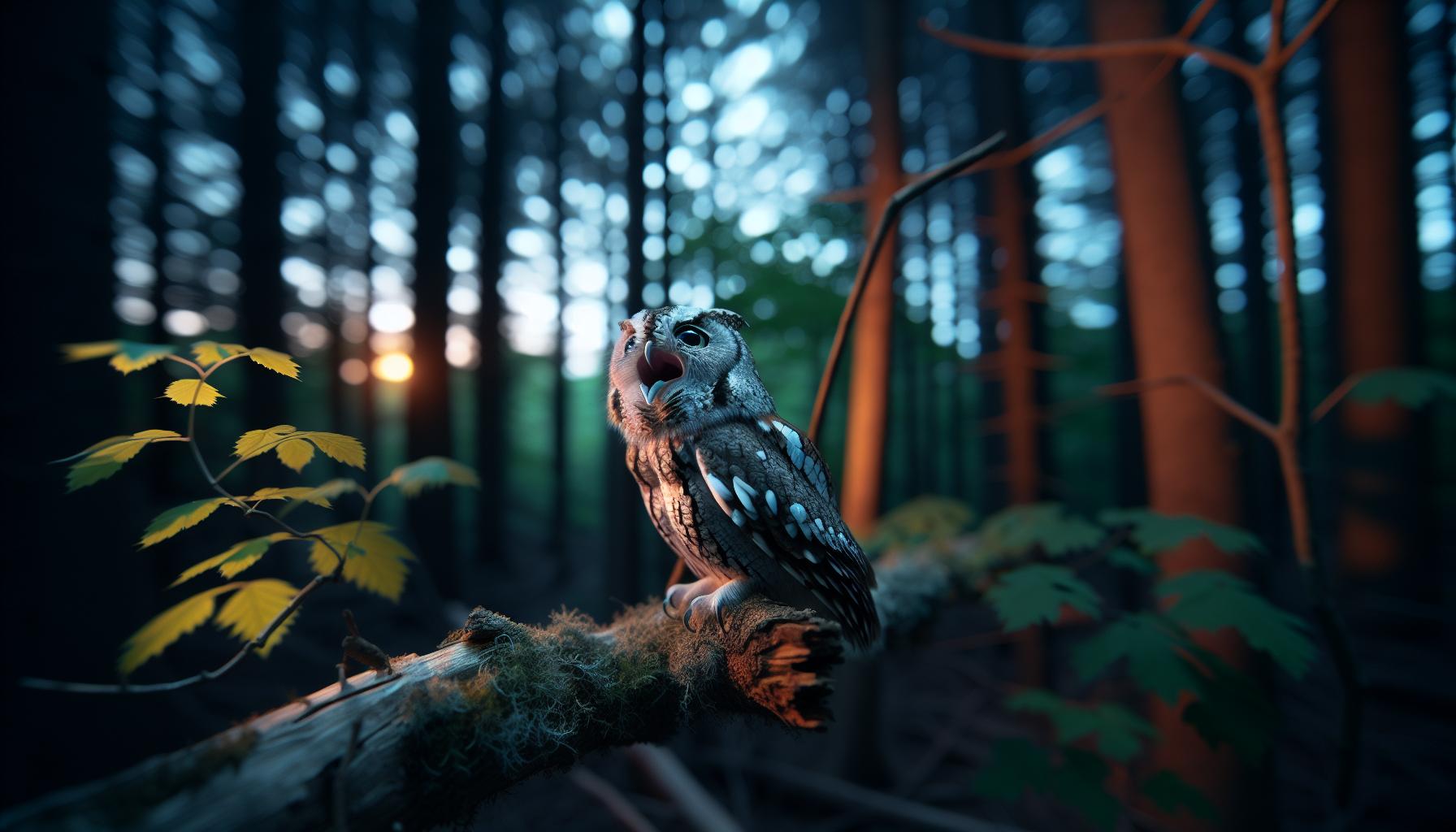
Screech owls, with their captivating sounds, add a unique soundtrack to the night. These vocalizations range from soft trills to sharp, piercing notes that can leave anyone curious about what these nocturnal creatures are trying to communicate. Their calls serve important functions, including mate attraction and territory establishment, thus playing a crucial role in their survival and reproductive success.
One of the most interesting aspects of screech owls is their varied vocal repertoire. The Eastern Screech Owl typically produces a range of whinnies and low trills, which many listeners find surprising given the perception of owls as hooting creatures. In contrast, the Western Screech Owl is known for its “bouncing ball” song-a delightful sequence of short, whistled hoots that increase in tempo, reminiscent of playful chatter. It’s fascinating to note how these vocalizations can carry across the forest at night, helping the owls assert their presence and connect with one another.
Below are some of the primary types of calls made by screech owls:
- Whinnies: Soft and melodic sounds often used during courtship or to maintain contact with a mate.
- Trills: Rapid sequences that can express excitement or warning, varying in intensity depending on the situation.
- Screeching Cry: A high-pitched, harsh sound that can be alarming; generally a response to threats or discomfort.
- Hoots: Characteristic of many owl species, these are deeper tones primarily used for territorial calls.
Understanding and identifying these calls can enhance your birdwatching experience. For beginners, I recommend listening to recordings from sources like the Cornell Lab of Ornithology or local wildlife organizations, as they provide clear examples of each call type. Engaging with these sounds not only deepens your appreciation for screech owls but also enriches your connection to the surrounding environment-fostering a sense of wonder and curiosity in the natural world.
How to Identify Screech Owl Calls by Sound

Identifying the calls of screech owls can transform a simple evening walk into a captivating experience as you tune into the subtle vocalizations of these enigmatic nocturnal creatures. Each screech owl, particularly the Eastern and Western varieties, has distinct vocal patterns that can enhance your understanding and appreciation of their behaviors. To start identifying these calls effectively, it’s important to know what to listen for and how to interpret their sounds.
The Eastern Screech Owl provides a delightful auditory experience, producing whinnies that are soft and melodic-ideal for courtship or maintaining contact with a mate. These calls can often blend seamlessly into the night sounds of the forest. In contrast, the Western Screech Owl is known for its unique “bouncing ball” song, a series of cheerful, accelerating whistled hoots that can sound like playful chatter. This differentiation in sound is crucial for birdwatchers aiming to identify these species in the wild.
To practice identifying these calls, try using audio resources from organizations like the Cornell Lab of Ornithology or nature apps that offer a variety of screech owl calls. Listening in different environments can also help sharpen your identification skills. For instance, during mating seasons, observe how the call patterns change; you may hear a greater frequency of whinnies and trills as males compete for attention. Additionally, consider recording your observations; this helps in comparing what you hear on different nights, thereby enhancing your identification proficiency.
Paying attention to the emotional context of the calls can also provide insights into the owls’ behaviors. Screeches might signal alarm, while trills often imply more relaxed communication between mates. By immersing yourself in the auditory landscape of the woods and approaching it with curiosity, you’ll gain not just the ability to identify the screech owl’s calls but also a deeper appreciation for the role these sounds play in their lives.
Listening to Screech Owls: Audio Samples and Analysis
Listening to the haunting calls of screech owls can transport you into a magical nocturnal world, creating an immersive experience that elevates stargazing or evening strolls into something truly extraordinary. Known for their distinctive vocalizations, these birds, especially the Eastern and Western varieties, produce a range of sounds that reveal their emotional and communicative states. Capturing these calls through audio samples can be both an educational and enriching exercise, giving bird enthusiasts of all levels the chance to connect deeply with these fascinating creatures.
The Eastern Screech Owl is particularly noted for its diverse sound palette. Classic calls often include soft, melodic whinnies that serve as courtship signals or maintain pair bonds. In contrast, the Western Screech Owl entertains listeners with a cheerful series of whistles that resemble a “bouncing ball.” These calls can create a whimsical atmosphere in the night and are often mistaken for playful chatter among woodland creatures. To truly appreciate these calls, finding audio samples from reputable sources like birding websites or sound libraries is invaluable. Pairing these recordings with guided listening exercises can aid in synthesizing auditory clues with visual identification, enriching your overall understanding.
As you explore the world of screech owl vocalizations, consider the context in which you hear these sounds. Each call-whether it’s a sharp “screech” signaling alarm or a gentle trill indicating comfort between mates-carries emotional significance. Many nature apps now provide real-time recordings, allowing for interactive learning. A personal tip is to use these audio tools while sitting quietly in the field; the environment can amplify the experience, drawing you into the interplay of sound that defines the screech owl’s nocturnal life.
Ultimately, engaging with screech owl calls through audio samples not only hones your identification skills but also fosters a greater appreciation for their role in the ecosystem. Listening attentively allows you to witness the richly-layered communication among these birds, unveiling a narrative of love, territory, and survival that unfolds under the cover of night. So, grab your headphones, find a quiet spot, and let the symphony of screech owls enchant you as you deepen your connection with the wild.
Screech Owl Vocalizations in Different Regions
The vocalizations of screech owls can differ significantly based on their geographical location, offering a rich tapestry of sounds that reflect their environments and behaviors. Understanding these regional variations can deepen your appreciation for these remarkable birds and enhance your birding experience. Both the Eastern and Western Screech Owls have distinct calls, shaped by their respective habitats and the ecological pressures of their environments.
In the eastern regions of North America, the Eastern Screech Owl is renowned for its varied repertoire. Their calls often include a soft, quavering trill that can resonate through wooded areas, ideal for signaling to potential mates or marking territory. In urban settings, however, their calls can shift slightly in pitch and intensity, perhaps as a response to the ambient noise of city life. Birders often note that listening during the twilight hours or just after dusk can provide the best chance to hear these soft calls. A fantastic way to engage with their sounds is to download recordings from online sound libraries, as many of these capture the unique tonal qualities of their calls.
Meanwhile, the Western Screech Owl presents a contrasting soundscape that is characterized by eerie, high-pitched whistles, reminiscent of a bouncing ball. These owls can be found ranging from arid deserts to lush forests, and their calls often reflect the habitat they inhabit. For instance, those residing in more arid environments might produce more drawn-out, echoing whistles, whereas their counterparts in dense forests may exhibit sharper, quicker calls. Observing the specifics of these vocalizations can yield insights into their behavior; for example, their melodious trills might indicate a relaxed state, while more abrupt sounds could signal distress.
To truly grasp these regional differences in screech owl vocalizations, immersing yourself in field experiences can be incredibly fruitful. During nocturnal excursions, bringing along a good quality audio recorder can not only aid in capturing these sounds but also allow for analysis and comparison later on. Engaging with local birdwatching communities can also open doors to shared experiences and insights, particularly when it comes to identifying subtle variations in calls across different habitats. Embrace the symphony of screech owls in your area, and allow their vocalizations to guide you into a deeper understanding of their lives and ecological roles.
Behavioral Significance of Screech Owl Sounds
The vocalizations of screech owls are a fascinating reflection of their behavior and social interactions, serving many purposes within their lives. These sounds are not merely for communication; they play critical roles in territory defense, mate attraction, and warning signals. Observing and understanding these vocalizations can unveil deeper insights into the behavioral ecology of these remarkable birds.
Territorial Calls
During the breeding season, both the Eastern and Western Screech Owls use distinct, loud calls to assert their territory. The haunting trill of the Eastern Screech Owl often echoes through the evening woods, serving as a powerful deterrent to intruders. In contrast, the Western Screech Owl will often interweave its high-pitched whistles, which can sound like bouncing balls, to mark their territories. This vocal display not only warns other owls but also helps establish dominance, ensuring they retain their breeding grounds.
Mate Attraction
In addition to signaling territory boundaries, the calls are vital for attracting mates. Male owls often perform a mesmerizing duet with females, combining varied sounds that create a beautiful symphony in the still of the night. This vocal display can clarify their desire and readiness to mate while showcasing their health and vigor. The density and complexity of their calls are often more pronounced among birds in rich habitats, hinting at the influential role of their environments in shaping vocal behavior.
Stress and Alarm
Screech owls also express discomfort or alarm through vocalizations, which can range from abrupt, sharp barks to frantic, faster sequences of sounds. When threatened by predators or other disturbances, these abrupt calls can alert nearby screech owls to potential risks, allowing them to respond quickly. This aspect of their vocal behavior highlights their adaptability and the crucial need to communicate in a diverse array of contexts.
Understanding screech owl sounds enriches the birdwatching experience and fosters a deeper connection with these fascinating creatures. For those venturing out to hear these calls, especially during dusk or twilight-when they’re most active-being mindful of the distinctive sounds can significantly enhance your ability to detect and identify these owls. As you listen, reflect on the natural history and ecological significance behind each call, harnessing the unique opportunity to witness the behaviors that shape their lives.
Comparing Screech Owls: Calls Across Species
Screech owls are not just masters of camouflage; they are also vocal virtuosos, each species boasting its own distinctive repertoire of sounds. Understanding these calls allows both novice birdwatchers and seasoned ornithologists to appreciate the nuances of screech owl communication. For example, the Eastern Screech Owl is renowned for its three main vocalizations: a soft, haunting trill, a unique whinny that can be reminiscent of a horse, and a sharp, mechanical bark used during moments of alarm. The Western Screech Owl, on the other hand, uses a series of high-pitched whistles that sound almost playful and can often be mistaken for the sounds made by other wildlife.
Comparative Overview of Vocalizations
To facilitate easier identification, let’s categorize prominent calls and provide a comparative analysis between the two species:
| Species | Vocalization Type | Characteristics |
|---|---|---|
| Eastern Screech Owl | Trill | Long, melancholic, often changes pitch; serves territorial and mating purposes. |
| Eastern Screech Owl | Whinny | Short, whimsical sound; used during courtship or to call young. |
| Western Screech Owl | Whistle | High-pitched, clear whistles; resembles the sound of bouncing balls; territorial. |
| Western Screech Owl | Bark | Sharp and rapid; often expressed when startled or threatened. |
Listening closely to these distinctive calls can enhance your birdwatching experience and allow you to recognize the presence of a specific species. If you’re venturing into their habitats during breeding seasons, you may hear enchanting duets performed by mated pairs, where the blending of sounds creates an auditory tapestry that is both beautiful and mesmerizing.
Common Misunderstandings and Identification Help
Many newcomers might confuse the barks or whistles of screech owls with other nocturnal sounds, such as those from coyotes or other owl species. Pay attention to the pitch and rhythm; screech owls typically have a staccato delivery, marked by a clear repetition, which can help in distinguishing them from other wildlife. Recording their calls and listening back is a fantastic way to hone your identification skills.
Additionally, different regions may influence their calls, as environmental factors and habitat richness can enhance the complexity of their vocalizations. Thus, when listening to screech owls in various locales, you might find subtle differences that speak to their adaptability and the auditory richness of their environments. Armed with this knowledge, you can deepen your connection with these intriguing birds and appreciate the rich sounds of the night.
How to Attract Screech Owls Through Sound
If you’re eager to attract screech owls to your backyard or nearby natural area, utilizing their unique vocalizations can be a highly effective strategy. These fascinating creatures are often drawn to sounds they recognize as calls from potential mates or other owls, making it a perfect opportunity for enthusiasts to engage with their presence actively. Recording and mimicking specific calls can create a welcoming environment, inviting these elusive birds into your vicinity.
One effective method for luring in screech owls is to play recordings of their calls, particularly during dusk and dawn when they are most vocal. Eastern Screech Owls are known for their haunting trills and whimsical whinnies, while Western Screech Owls produce high-pitched whistles and sharp barks. You can find high-quality audio samples online or through birding apps that mimic these calls accurately. Setting up a speaker in your backyard and playing the calls intermittently can pique the curiosity of nearby screech owls, encouraging them to investigate further.
It’s also beneficial to consider the timing of your calls. Screech owls are territorial and will respond to vocalizations during their breeding season, which generally occurs from early spring to mid-summer. Early in the evening or just past sunset is the prime time for owl activity. You might try starting with softer calls and gradually increasing their volume to simulate the natural communication between these birds. If you get a response, such as a replying call from a screech owl, that’s your cue to continue engaging them, possibly leading to a visual encounter.
Moreover, creating an attractive habitat with ample perches and shelter can complement your sound-based efforts. Installing owl nesting boxes can provide a secure space for them nearby, encouraging them to settle in your area. Combining these strategies will not only help you connect with screech owls but also enhance your overall birdwatching experience, providing a deeper understanding of their behaviors and calls.
Recording Screech Owl Calls: Tips and Techniques
To effectively record the enchanting sounds of screech owls, having the right equipment and technique can be a game-changer. These owls are most vocal during twilight hours-dusk and dawn-making these times ideal for capturing their calls. Using a quality digital recorder with a directional microphone will help you pick up the subtleties of their vocalizations, which include a haunting trill and a unique whinny. Positioning yourself in a location known for screech owl activity, such as wooded areas or near their nesting sites, will increase your chances of obtaining high-quality recordings.
When preparing to record, it’s crucial to remain as quiet and still as possible. Even a slight disturbance can break the natural flow of sounds. Utilize windshields for your microphones to reduce interference from wind noise, which can be especially problematic during outdoor recordings. Engaging in a little prior research on local screech owl behavior can also assist you in identifying their territories and preferred calling times, ensuring you’re in the right place at the right time.
Field Recording Tips:
- Choose equipment suitable for wildlife recording, such as handheld digital recorders or smartphones with good audio quality.
- Find a quiet location where owls are known to call, avoiding areas with significant human noise pollution.
- Start recording before the owls begin vocalizing to ensure you capture their calls from the onset.
- Consider using an audio editor to enhance and analyze your recordings further, identifying distinctive features of the calls.
If you’re looking to attract these owls for better recording opportunities, consider mimicking their calls or playing recorded sounds of their calls beforehand. This can pique their curiosity and bring them into a more favorable position for recording. Always remember to respect wildlife by maintaining a safe distance and minimizing disturbance-these practices not only benefit the owls but also enhance your own experience as an observer and recorder of nature’s captivating sounds.
Cultural Significance of Screech Owl Sounds
The ethereal sounds of screech owls have captivated human imagination across cultures and centuries. These vocalizations not only serve ecological purposes but also resonate deeply within folklore, mythology, and local traditions. For many, the call of the screech owl is synonymous with mystery and transformation, often signaling the transitions of the night. Their distinctive trills and whistles have sparked both curiosity and superstition, leading to a rich tapestry of cultural narratives surrounding them.
In various Native American cultures, for instance, the screech owl is sometimes viewed as a harbinger of change or an omen that connects the physical world with the spiritual realm. Its calls are often associated with watchfulness and intuition, representing guidance for those who heed its sound. Similarly, in some European traditions, the owl, including the screech owl, has been intertwined with themes of wisdom and the unseen. Folklore often depicts owls as guardians of knowledge, and their calls are interpreted as messages from ancestors or the cosmos.
Understanding the cultural implications of screech owl sounds can enhance our appreciation for these remarkable birds. For bird watchers and nature enthusiasts trying to connect with local wildlife, the experience can be even more enriching when they consider the historical and cultural context of the creatures they observe. Playing the calls of screech owls during an outdoor gathering can spark conversations about their various meanings, from folklore to personal anecdotes, creating a deeper bond with nature.
In a modern context, the fascination with screech owl vocalizations extends into popular culture, where their sounds might be featured in films, literature, or artistic expressions that emphasize their ethereal nature. Thus, when listening for screech owls, one is not merely hearing animal sounds; one is also tapping into a lineage of human stories and beliefs that have shaped our understanding of these enigmatic nocturnal predators. The spirit of cultural significance underscores our connection to wildlife and reminds us of the rich narratives we share with the natural world.
Common Misconceptions About Screech Owl Calls
The hauntingly beautiful sounds of screech owls can evoke wonder and curiosity, but many misconceptions surround these nocturnal vocalizations. One common myth is that all owl calls are the same or that they simply “hoot.” In fact, the Eastern Screech Owl (Otus asio) offers a diverse range of sounds that vary greatly in pitch and cadence. Among its most distinctive calls are the even-pitched trill, often referred to as a “bounce song” or tremolo, and a shrill, descending whinny. Understanding these differences is crucial for bird enthusiasts hoping to identify these owls by sound alone.
Another misconception is that screech owls are particularly aggressive or harmful due to the nature of their calls. While their sounds can be eerie and create a sense of foreboding, screech owls generally use their vocalizations as a means of communication for mating, territory establishment, and signaling distress. Contrary to popular belief, they’re not on the prowl for humans but are primarily preying on small mammals, insects, and birds. Their calls serve a vital ecological function in supporting their social structure rather than indicating a threat.
Additionally, many people assume that these owls vocalize chiefly at night. While it’s true that they are predominantly active during dusk and dawn, their calls can often be heard throughout various times of the night in certain environments. This is particularly true during nesting season when their vocalizations reach a peak as they engage in courtship behavior. The perception that they call exclusively at night may lead bird watchers and casual listeners to miss opportunities for observation or interaction during earlier hours.
Engaging with screech owl calls requires an open mind about their sounds and behaviors. To truly appreciate these remarkable birds, listeners should familiarize themselves with the range of vocalizations and the contexts in which they occur. Understanding these dynamics will enrich the experience of listening to screech owls and help dispel common myths that dilute their mystique and ecological importance. Whether you’re a novice birdwatcher or an experienced birder, recognizing these nuances enhances not only your appreciation for the Eastern Screech Owl but also your connection to the diverse world of avian life.
Resources for Further Exploration on Owl Sounds
The enchanting melodies of screech owls offer a gateway into the mystical world of nocturnal birds. For those eager to deepen their understanding of these unique vocalizations, a variety of resources can enhance your exploration and appreciation of owl sounds.
One of the best ways to familiarize yourself with screech owl calls is through dedicated audio databases and nature sound libraries. Websites like the Cornell Lab of Ornithology’s Macaulay Library provide an extensive collection of high-quality recordings. Here, you can listen to various calls and even compare sounds from different regions and times of year. YouTube also hosts numerous channels focused on bird sounds, where you can find curated playlists featuring screech owl calls, along with expert commentary about their meanings and contexts.
For hands-on learners, investing in a field guide specifically focused on owls can be invaluable. Books such as “Owls of the World” by James Duncan and “The Owl Book” by John K. Terres not only describe the auditory signals of these fascinating birds but also provide essential insights into their behavior, habitat, and life cycles. Additionally, many apps, like Merlin Bird ID and iBird, include sound identification features that allow you to listen to and recognize screech owl calls while you’re out in the field or even in your backyard.
Connecting with local birdwatching groups or nature centers can also enrich your experience. Many organizations host educational workshops or guided night walks where participants can listen to screech owls and other bird species while gaining expert tips on identification and conservation efforts. Engaging with fellow enthusiasts not only enhances your learning but also fosters community and shared passion for wildlife.
By diving into these resources, you can cultivate a more profound understanding of screech owls and enrich your birdwatching experiences. The journey of learning their calls can lead to captivating evenings filled with the rich sounds of nature, awakening a deeper appreciation for these remarkable birds and the ecosystems they inhabit.
Frequently asked questions
Q: What do screech owl calls sound like?
A: Screech owl calls are characterized by a high-pitched, trilling sound that can range from a soft whinny to a more pronounced, eerie scream. These distinctive calls are used to communicate, particularly during mating and territorial displays. For audio examples, explore the section on auditory samples in your guide.
Q: When are screech owls most vocal?
A: Screech owls are typically most vocal during the breeding season, which occurs in late winter to early spring. They often call at night, particularly around dusk and dawn. Listening during these times can enhance your chances of hearing their unique vocalizations.
Q: How can I differentiate a screech owl from other owls by sound?
A: You can differentiate a screech owl from other owls by its distinct trilling or whinnying sounds, which are shorter and higher-pitched compared to the hoots of larger owl species. Use the identification section in your guide for more details on comparing sounds.
Q: Why do screech owls screech?
A: Screech owls screech primarily to establish territory, attract mates, and communicate with their young. These vocalizations serve as a warning to intruders and can indicate their presence in a particular area. Understanding these behaviors is covered in your article’s behavioral section.
Q: Are screech owl sounds indicative of their mood or behavior?
A: Yes, the sounds of screech owls can indicate mood and behavior. For example, a soft whinny may suggest comfort or contentment, while a loud screech usually signifies alarm or distress. Observing their calls can provide insight into their emotional state.
Q: How can I attract screech owls to my yard using sound?
A: To attract screech owls, play recordings of their calls during breeding season, or set up nesting boxes nearby. This can encourage them to come to your area. Refer to your guide on attracting owls for tips on effective sound use and habitat setup.
Q: What is the cultural significance of screech owl sounds?
A: Screech owls often hold cultural significance in various communities, sometimes seen as omens or symbols in folklore. Their distinctive sounds add to this mystique. Explore the cultural insights in your article for more historical context related to owl sounds.
Q: Can screech owl sounds be recorded for study?
A: Yes, screech owl sounds can be recorded for scientific study or personal interest. Use a high-quality microphone and know the ideal times for recording. Check the tips in your guide on recording techniques for effective results.
To Wrap It Up
Thank you for exploring the fascinating sounds of the Screech Owl with us! You’ve now gained insight into their distinctive calls and what makes them unique in the avian world. If you’re eager to learn more about nocturnal wildlife, check out our guides on common night sounds and birdwatching tips. Don’t forget to listen to the audio clips provided to fully appreciate the haunting beauty of these creatures!
Ready to deepen your avian knowledge? Subscribe to our newsletter for expert tips and exclusive content, perfect for both new enthusiasts and seasoned birders alike. Your journey in the captivating world of birds is just beginning. Share your thoughts in the comments below, and let us know what you’d like to hear about next! Dive into our related articles to keep your passion for birds soaring high.