Did you know that a group of owls is called a “parliament”? This fascinating collective noun not only showcases the unique characteristics of these captivating birds but also reflects the cultural richness of language itself. Understanding the intriguing names we give to animal groups can deepen our appreciation for nature and enhance our conversations about wildlife. Whether you’re a seasoned bird enthusiast or simply curious about owls, recognizing these collective nouns adds a layer of enjoyment to your experiences in the great outdoors. As we explore the world of owls and their collective identities, you’ll uncover not just the whimsical terms used to describe them, but also insights into their behavior and habitats. Join us on this journey to learn more about why we call a group of owls a parliament and discover other charming collective nouns that make our connections with wildlife even more vibrant.
What is a Collective Noun for Owls?
Did you know that a group of owls is called a parliament? This charming term not only highlights the wisdom often attributed to these nocturnal birds but also adds a touch of whimsy to birdwatching. Owls are solitary or territorial creatures by nature; thus, observing a parliament of owls can be a rare and captivating experience.
Collective nouns like “parliament” provide insight into how we perceive animal behavior and characteristics. While “parliament” is widely accepted, some alternative terms such as “hoot” or simply “group” can also be used informally. This variety reflects the rich tapestry of language and cultural influences intertwined with our understanding of the natural world. Each term can tell a different story about the owls and their behaviors, fostering curiosity and inviting bird enthusiasts to delve deeper into the fascinating lives of these creatures.
When birdwatching, recognizing and utilizing these collective nouns can enhance your experience. For instance, if you spot a gathering of owls in a tree at dusk, referring to them as a parliament not only adds a layer of charm but can also spark discussions about their behaviors and ecological significance. Understanding these terms helps create a shared vocabulary among birdwatchers and fosters a greater appreciation for the species and environments we are fortunate enough to observe.
The Fascinating History of Owl Collective Nouns

The term “parliament” aptly encapsulates the allure and mystery surrounding owls, drawing from historical and cultural perceptions of wisdom and authority often attributed to these nocturnal creatures. The history of collective nouns is rooted in the English language’s fondness for poetic and whimsical expressions, particularly those influenced by the hunting and farming communities of the past. During the 15th century, groups of animals were often given colorful and imaginative names; it was in this context that “parliament” emerged, reflecting the solemnity and majesty of owls, likened to wise lawmakers gathered in discussion.
The use of collective nouns also highlights the unique characteristics associated with each animal group. Owls, known for their solitary nature, are not commonly observed together, making the sighting of a “parliament” significant. This aural connection between the term and the birds’ behavior offers insight into how humans interpret and celebrate their wild counterparts. Additionally, alternative collective nouns such as “hoot” or simply “group” have emerged, showcasing the flexible creativity of language as it evolves to capture various cultural interpretations of wildlife.
Understanding the origins and significance of these terms enriches the birdwatching experience. When you refer to a gathering of owls as a “parliament,” it introduces a narrative dimension, fostering discussions about the behaviors observed during such rare encounters. This cultural lens not only enhances observation but also encourages deeper appreciation for wildlife, promoting a sense of connection with the natural world. Engaging with these unique terms transforms a casual observation into an opportunity for learning, sharing, and experiencing the enchanting complexity of owls.
Different Types of Owls and Their Groups
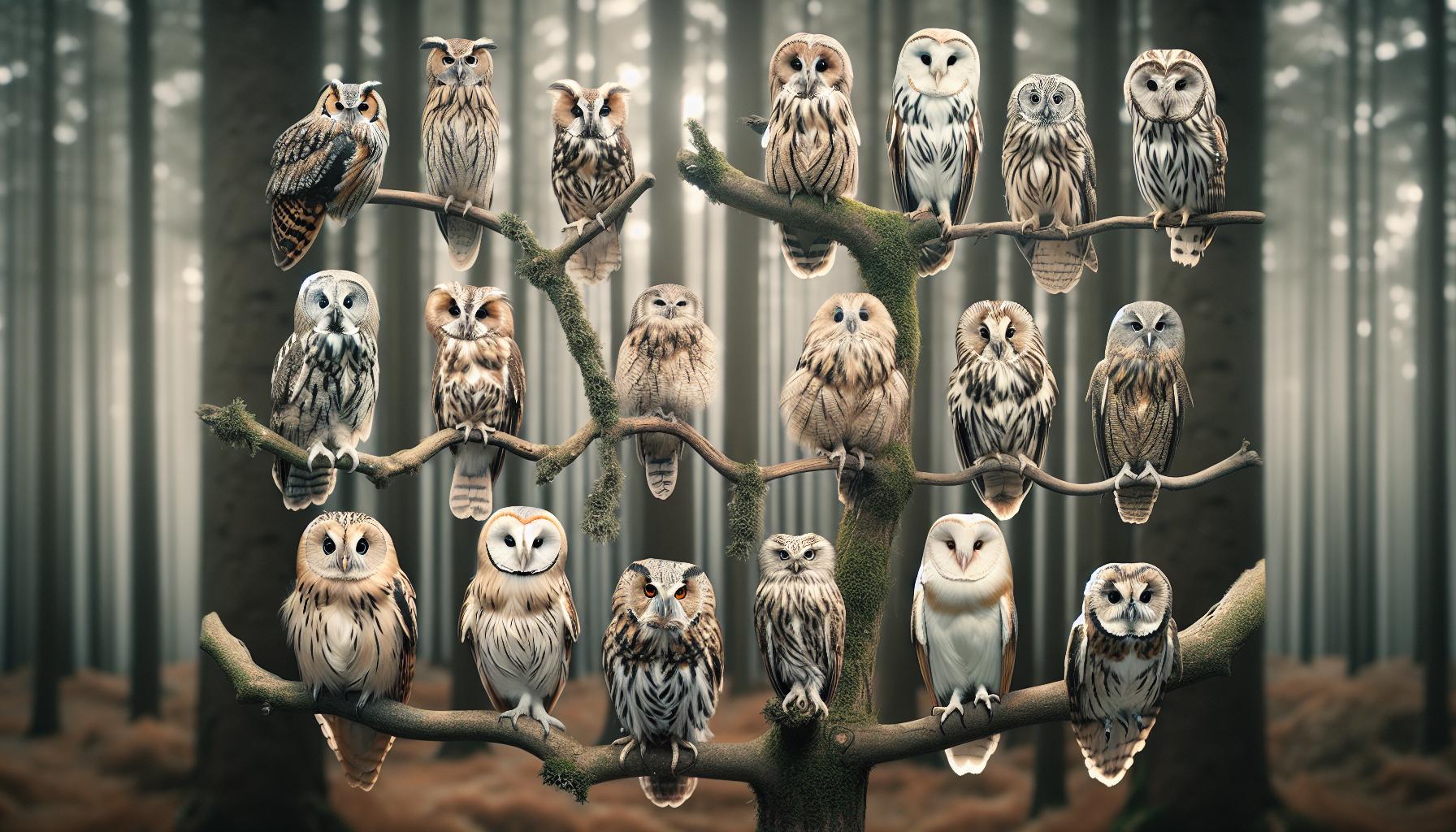
Imagine standing in a quiet forest at dusk, as the sun dips below the horizon, and suddenly the soft hoots of owls begin to echo around you. These magnificent nocturnal creatures come in various species, each with its unique behaviors and habitats, enriching the experience of witnessing them in their natural environment. Understanding the different types of owls and their social dynamics can elevate your birdwatching adventures and deepen your appreciation for these fascinating birds.
There are over 200 species of owls globally, classified generally into two families: the Strigidae (typical owls) and the Tytonidae (barn owls). Each species displays distinct characteristics and can often be spotted through their unique calls, physical traits, and preferred habitats. For instance, the great horned owl, known for its tufted “ears,” is a formidable predator often found in diverse settings from forests to urban areas. In contrast, the barn owl, easily identified by its heart-shaped face and silent flight, prefers open fields and can be seen hunting for small mammals in low brush during nighttime.
When we think of gathering names for owls, it’s essential to recognize that these birds generally lead solitary lives, frequently hunting and roosting alone. However, certain species exhibit social behavior, particularly during breeding season or in areas with abundant food sources. During these gatherings, the term “parliament” comes to life, giving visitors an insightful glimpse into their occasionally communal behavior. You’ll find leaders in their own right, like the Eastern screech owl, which may form loose groups in rich environments, indicating an intriguing social structure among their kind.
In summary, exploring different types of owls expands not just your identification skills but also enriches your birdwatching journey. By familiarizing yourself with the unique traits and behaviors of various species, you’re better equipped to observe and appreciate the remarkable complexity of owl life. Whether you’re tracking the majestic great horned owl or the elusive barn owl, each sighting is a connection to the marvels of nature, filled with stories waiting to be discovered.
Regional Variations in Owl Collective Terms

The enchanting world of owls is rich with eccentricities, one of which is the diverse collective terms used to describe groups of these fascinating birds. While many might be familiar with the term “parliament” to denote a gathering of owls, there are nuances and regional variations that enrich our understanding of these nocturnal creatures. For example, some enthusiasts may also refer to a group of owls as a “wisdom,” reflecting the association between owls and sagacity in various cultures.
In different regions, the terminology can change not only with local folklore but also with the context in which owls are observed. In North America, for instance, you might hear “parliament” more frequently due to its literary and whimsical appeal, tracing back to the early 16th century. However, in parts of Europe, terms can vary based on the species prevalent in that area. The British may use “nest” when referring to a group of owls roosting together, particularly at nesting sites.
Additionally, these collective nouns can reflect the behavior of the owls and their environment. For example, when discussing barn owls, which are often seen hunting in pairs or small groups, one might describe a “stare” of owls, highlighting their mesmerizing gaze as they survey their territory. In contrast, a “hoot” can be used more informally to capture the essence of their vocal gatherings during the mating season.
This diversity in collective nouns not only adds flavor to birdwatching but also serves to deepen our appreciation of the social structures existing within various owl species. Whether one is a seasoned birdwatcher or just starting, these terms remind us of the intricate relationships and behaviors that define owl life. Embracing these regional variations can enhance your experience in the field, granting you a richer vocabulary to describe the moments shared with these remarkable birds.
Why Do Owls Have Unique Group Names?
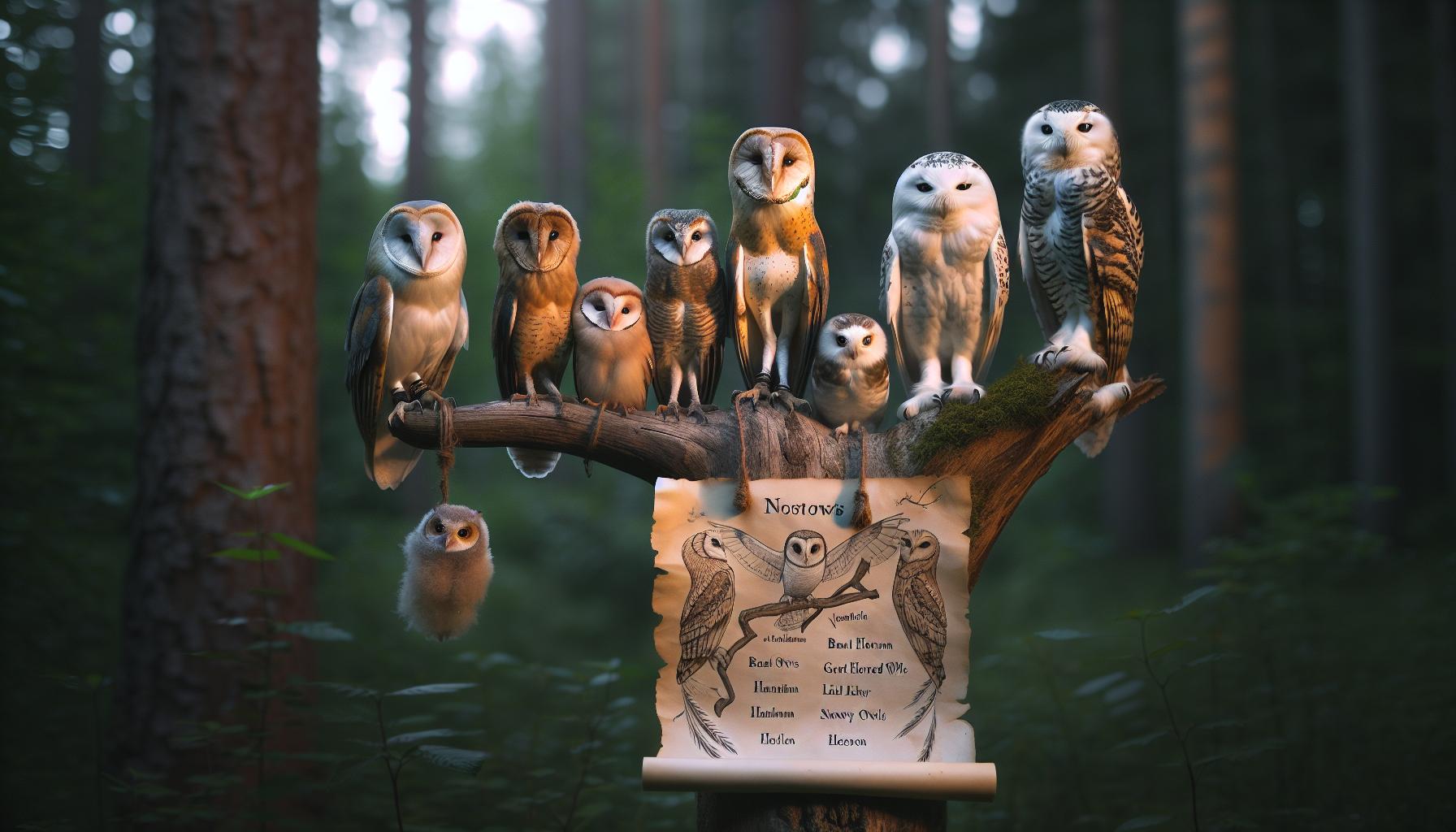
Owls are unique creatures that evoke a sense of mystery, wisdom, and elegance, making the names used to describe their gatherings just as captivating. The distinctive collective nouns for owls reflect cultural perceptions, behavioral patterns, and even the environments in which these birds thrive. For instance, the term “parliament” not only sounds regal but also aligns with the age-old association of owls with wisdom and knowledge. This connection is deeply rooted in folklore, where owls have been depicted as wise sentinels of the night, observing life’s events with keen insight.
These unique group names serve a variety of purposes beyond simple identification. They capture the essence of owls and their behaviors. For example, collective nouns can be indicative of how owls interact within their groups. A “stare” of owls emphasizes their attentive nature, particularly when hunting, while a “hoot” might describe the lively vocalizations common among owls during their mating season. Such terminology not only enriches our vocabulary as birdwatchers but also enhances our appreciation for the social dynamics of these birds.
Understanding the reasons behind these terms encourages deeper engagement with owls in their natural habitats. Recognizing a “nest” of owls perched together during their breeding season or observing a “parliament” in action allows birdwatchers to grasp the relationships and intricate interactions among these fascinating birds. These collective nouns act as a bridge, connecting us to the natural world and encouraging us to reflect on the behaviors and traits that make owls such remarkable creatures. By embracing these terminologies, both novice and experienced birders can develop a greater understanding and appreciation of owl ecology and social structures, making every owl encounter more meaningful.
The Significance of Collective Nouns in Birdwatching
In the realm of birdwatching, the distinct collective nouns for owls serve as more than mere terminology; they are windows into the fascinating social lives and behaviors of these nocturnal creatures. The term “parliament,” for instance, conjures images of wisdom and deliberation, aligning beautifully with the age-old perception of owls as symbols of knowledge. This not only enriches our vocabulary but also invites us to reflect on the unique characteristics that define owl interactions. Recognizing terms like “stare” or “hoot” allows birdwatchers to gain insight into the specific actions and social dynamics at play within these groups.
Understanding the nuances behind collective nouns can profoundly impact your birdwatching experience. When you spot a “nest” of owls, you’re not just observing individuals; you’re witnessing the nurturing behavior typical during the breeding season. This specific awareness can heighten your appreciation for the intricate family structures these birds maintain. Engaging with these terms can also enhance your observational skills. For example, when you hear a group of owls vocalizing during dusk, thinking of them as a “hoot” encourages you to tune in more deeply to their communication, revealing patterns you might otherwise overlook.
Moreover, these unique names foster a connection between enthusiasts and the enchanting world of owls. Whether you’re a beginner venturing into the field or a seasoned birder, understanding these terms adds depth to your encounters. For instance, if you describe your sighting of a “parliament” of owls to fellow birders, you engage in a shared language that celebrates the charm of these creatures, sparking conversations that delve into their behavior, habitats, and ecological significance. By embracing the richness of owl collective nouns, you not only enhance your birdwatching experience but also contribute to a greater narrative about these magnificent birds and their place in our ecosystems.
Ultimately, collective nouns for owls invite us to go beyond simple observation and into a realm of appreciation for the social structures and behaviors of these captivating animals. Each encounter becomes an opportunity to learn, share, and connect with the natural world in a meaningful way, making every outing a richer experience for all who participate.
Common Misconceptions About Owls and Their Groups
Owls have long been subjects of fascination, but many common misconceptions surround these enigmatic creatures and their social behavior. One prevalent myth is that owls are solitary by nature. While it’s true that many species of owls prefer to hunt and roost alone, certain types exhibit social behaviors and can be found in groups-especially during the breeding season or in areas abundant with food. A group of owls is collectively known as a parliament, an image that evokes a sense of wise deliberation, reflecting the cultural narratives that often portray these birds as symbols of wisdom.
Another common misbelief is that all collective names for owls apply universally. In fact, different regions and cultures have created a variety of terms to describe groups of owls. Throughout history, variations like “wisdom” and “study” have been suggested by some. The evolution of language and cultural references continues to influence how collective nouns are perceived and used, making it clear that owl vocabulary is not set in stone.
Moreover, many enthusiasts assume that a group of owls is always aggressive or noisy. In reality, owls can be quite social, engaging in soft vocalizations, especially during courtship or family interactions. By understanding the temperate and nuanced communication styles of owls, birdwatchers can appreciate the subtleties of owl behavior, which often reflect complex social structures rather than mere hostility.
Lastly, there’s a misconception that observing owls in groups is a rare occurrence. In truth, while it might seem uncommon in the wild due to their typically nocturnal habits, it can be relatively easy to spot gatherings of owls in certain conditions, such as around abundant hunting grounds or during migration. By being aware of their habitats and behaviors, birdwatchers can enhance their chances of witnessing these magnificent creatures interacting in groups, enriching their overall experience in the natural world.
Cultural References to Groups of Owls
The portrayal of owls in various cultures has given rise to intriguing collective nouns, reflecting humans’ enduring fascination with these enigmatic birds. While many simply refer to a gathering of owls as a “group” or “flock,” more poetic titles like “parliament” capture the imagination and resonate with the symbolic wisdom these creatures are often associated with. This connection has historical roots, stemming from ancient beliefs that linked owls to the night, mystery, and knowledge.
In literature and folklore, owls have frequently been depicted as guardians of wisdom and keepers of secrets. For instance, in ancient Greece, the owl was sacred to Athena, the goddess of wisdom, and this has influenced how we think of these birds. The term “parliament” likely arose not just from their solitary, thoughtful faces but rather as a nod to their often-studied behavior, evoking images of deliberation and contemplation akin to a wise council. Other collective nouns, such as “museum” or “wisdom,” found in various texts, further exemplify the layered meanings attributed to these birds throughout history.
Cultural representations vary widely, with different societies conjuring up their own unique associations. In popular culture, movies and children’s books often depict owls as sages or mentors, reinforcing the idea of their intelligence and thoughtful nature. The diversity of terms, from “parliament” to lesser-known names like “wisdom,” mirrors the rich tapestry of stories humans have crafted around these fascinating birds. Each phrase carries with it a piece of cultural history, offering birdwatchers a deeper appreciation of not just the owls themselves but also the humans who have chronicled their journeys through time.
Ultimately, engaging with these cultural references invites a richer experience when observing owls in their natural habitats. Enthusiasts can foster a greater appreciation for the not just the behavioral traits of these birds but also the stories and meanings we have attached to them through the ages. Whether you hear a soft hoot under the glow of the moonlight or spot a silent figure perched wisely in a tree, remember that the collective nouns we use for owls are not mere words; they reflect a profound relationship between nature and human culture.
How to Spot Different Owl Species in the Wild
There’s something truly magical about seeing an owl in the wild-its silent flight, large eyes, and majestic presence. Spotting different species, however, requires a keen eye and the right approach. Our nocturnal friends come alive at dusk, and knowing when and where to look can make all the difference in your wildlife observations.
One effective strategy is to familiarize yourself with the habitats preferred by various owl species. For instance, the Eastern Screech Owl often resides in deciduous woodlands, favoring areas close to water sources. Listen for their distinctive calls during the early evening hours. On the other hand, Great Horned Owls are commonly found in a range of environments, from forests to urban parks. Look for them perched on tall trees, occasionally in broad daylight, as they scan their surroundings. In contrast, Barn Owls, recognized by their heart-shaped faces, tend to prefer open fields and agricultural areas for hunting. Spotting them becomes easier around twilight as they hunt for small mammals.
To enhance your chances of seeing these fascinating creatures, consider the following tips:
- Time Your Outing: The best time to look for owls is during twilight and just after sunset when they are most active.
- Use Binoculars: A good pair of binoculars will help you view distant owls without disturbing them.
- Research Vocalizations: Familiarize yourself with the calls of local species. The calls can lead you to their locations, and recognizing them can enhance your owl-searching experience.
- Be Mindful of Noise: Owls have excellent hearing and can be spooked by sounds. Move slowly and quietly when in potential owl habitats.
- Look for Signs: Feathers, pellets, and signs of nesting (like tree cavities) can indicate where owls may be roosting.
Just as each group of owls has a unique collective noun-like a parliament of owls-each species exhibits distinct behaviors and characteristics that can help you appreciate their special place in the ecosystem. Observing an owl in its natural habitat provides an enriching experience and a deeper understanding of their role in nature, encouraging a lifelong passion for birdwatching and conservation. Whether you’re a novice or a seasoned birder, the thrill of spotting these silent hunters is sure to captivate your imagination and deepen your connection to the avian world.
Tips for Observing Owls in Their Natural Habitat
The enchanting world of owls reveals much more than their silent flight and captivating appearance; it also fascinates birdwatchers with peculiar behaviors and interactions within their unique groups. When seeking to observe these nocturnal wonders, timing and technique are key. Early evenings, particularly during twilight, serve as the best window of opportunity, as many owl species emerge to hunt. The hushed atmosphere and dim light conditions create the perfect setting for spotting these elusive creatures.
A good pair of binoculars can enhance your observations immensely, allowing you to view owls from a respectful distance without startling them. It’s also helpful to equip yourself with knowledge of local owl species and their vocalizations. Familiarizing yourself with the calls of different owls can guide you to their locations, as many will respond to their calls-creating an engaging experience that deepens your connection to these birds. Watch for signs of owl activity: look for feathers, pellets (regurgitated indigestible parts), or nesting sites like tree cavities, which can indicate their presence.
Moreover, patience is essential. Owls are naturally solitary and may appear skittish, so quiet movements are crucial. If you find a potential spot, settle in and allow the environment to unfold around you. With practice and attention, you’ll learn the nuances of your local owls’ behavior, enhancing your birdwatching skills and further appreciating their role in their ecosystems. As you embark on this journey, be sure to observe responsibly-maintaining a safe and respectful distance ensures these magnificent birds can thrive without undue stress from human interference.
The Role of Owls in Ecosystems and Their Groups
In the intricate web of ecosystems, owls play a pivotal role as both predators and indicators of environmental health. These extraordinary birds serve as natural pest controllers, preying on a variety of small mammals, insects, and other birds, which helps maintain balanced populations within their habitats. Owls are particularly skilled at hunting nocturnal prey, making them essential players in the food chain during the dark hours of the night. Their keen senses and silent flight abilities allow them to effectively track and capture prey, demonstrating their adaptations as true masters of the night.
Owls tend to be solitary creatures, often hunting alone, but they can also engage in fascinating group dynamics, especially during the breeding season or when food is abundant. Groups of owls, sometimes referred to by charming collective nouns like a “parliament” or “wisdom” of owls, can illustrate their social interactions. These gatherings may serve as opportunities for courtship displays or communal roosting, where owls share a safe space during inactive periods. Understanding these interactions not only enriches our appreciation of their behavior but also underscores their important role in the ecosystem’s balance.
The presence and health of owl populations can offer crucial insights into the state of their ecosystems. For instance, a decline in owl numbers can indicate problems such as habitat loss, pollution, or a decrease in prey availability. Birdwatchers and wildlife enthusiasts can contribute to conservation efforts by observing owl populations and reporting data to local wildlife organizations. This citizen science approach helps to build a clearer picture of ecological health and informs conservation strategies.
In summary, the role of owls in ecosystems extends beyond their function as skilled hunters. They are essential components of their habitats, providing a natural check on prey populations while also serving as vital indicators of environmental well-being. As we deepen our understanding of these magnificent creatures and their complex social structures, we not only gain insight into their lives but also learn the importance of preserving their habitats for future generations.
Engaging Owl Behavior: Interactions in Groups
Owls, often regarded as solitary and enigmatic creatures, can indeed exhibit engaging social behaviors when gathered in groups. The collective nouns used to describe these gatherings-most notably a “parliament” of owls-reflect not just their numbers but the intricate interactions that occur among these fascinating birds. Observing owls in groups, especially during breeding seasons or when sharing abundant food sources, reveals a variety of behaviors that underscore their social dynamics.
When owls come together, their interactions can be quite lively. Courtship displays often involve males showcasing their agility and vocalizations to attract females, sometimes resulting in aerial chases or synchronized flight patterns. This social interaction not only strengthens pair bonds but also enhances breeding success. Moreover, during communal roosting, owls may share a space where they can rest and conserve energy, despite their tendency towards solitary hunting. These gatherings allow for social interactions, vocalizations, and even some playful behaviors that demonstrate their adaptability to group living conditions.
- Vocalization: In groups, you might hear a range of calls-from soft hoots to loud screeches-that serve various functions, such as maintaining group cohesion or establishing territory.
- Alarm Responses: Owls may alert each other to potential threats, demonstrating a form of teamwork in navigation and survival.
- Nesting Choices: When selecting roosting or nesting sites, owls often rely on communal behavior; more experienced individuals can guide younger or inexperienced owls to safe locations.
Understanding these social structures not only enhances our appreciation of owl behavior but also highlights their essential roles in their ecosystems. By observing these interactions, birdwatchers and enthusiasts can gain insights into the health and dynamics of owl populations, making it easier to identify trends that may inform conservation efforts. Engaging with owl communities-whether through direct observation or participation in citizen science initiatives-offers invaluable opportunities to witness the rich tapestry of life these magnificent birds embody.
Faq
Q: What is the most common collective noun for a group of owls?
A: The most common collective noun for a group of owls is a “parliament.” This term reflects their wise and observant nature. You can learn more about the origins of this term in our article section on the history of owl collective nouns.
Q: Are there specific collective nouns for different owl species?
A: Yes, different owl species can have unique collective nouns. For instance, a group of barn owls may also be referred to as a “study.” For an in-depth look at various species and their group names, visit our section on regional variations in owl collective terms.
Q: Why do owls have unique group names?
A: Owls have unique group names due to their distinctive behaviors and social interactions, which have inspired creative terms. These names often reflect cultural meanings or characteristics attributed to owls. Explore our article for a detailed discussion on the significance behind these names.
Q: How do collective nouns enhance birdwatching experiences?
A: Understanding collective nouns can enrich birdwatching experiences by providing context for owl behavior and social dynamics. It helps birders communicate observations more effectively. Check out our section on the significance of collective nouns in birdwatching for more insights.
Q: What does a “parliament of owls” symbolize in culture?
A: A “parliament of owls” often symbolizes wisdom, knowledge, and calm contemplation in various cultures. This association has permeated literature and folklore, making it a fascinating topic to explore further in our cultural references section.
Q: How can I best observe a group of owls in the wild?
A: To observe a group of owls, it’s best to use binoculars during dusk or dawn when they are most active. Look for them in wooded areas or near open fields. Our tips for observing owls in their natural habitat provide useful strategies for successful birdwatching.
Q: What is the significance of collective nouns in understanding owl behavior?
A: Collective nouns provide insight into the social structure and behavior of owls. They reflect how these creatures interact and communicate within their groups, which can be essential for wildlife enthusiasts to understand. Further details are available in our discussion on engaging owl behavior.
Q: When are owls most likely to be found in groups?
A: Owls tend to be found in groups during mating seasons or when raising young, which increases their social interactions. For more information on the dynamics of owl groups, you can refer to our section on owl behavior in groups.
These FAQs are crafted to be immediately publishable and optimized for search engines, making them suitable for enhancing your website’s content on owls while providing actionable insights for readers.
In Retrospect
As we delve into the enchanting world of owls, we’ve uncovered the charm of these fascinating collective nouns. Whether it’s called a “parliament” or a “study,” understanding how we categorize them enriches our appreciation of these majestic birds. If you’re curious about other intriguing aspects of bird behavior or want to learn about various owl species, be sure to check out our articles on Owl Species Identification and Fascinating Bird Facts.
Don’t miss out-subscribe to our newsletter for regular updates on wildlife knowledge, tips for birdwatching, and exclusive insights! Join our community of passionate bird enthusiasts by sharing your thoughts or experiences in the comments below. Your engagement fuels our love for avian exploration, and we can’t wait to continue this journey together!