Did you know that female parakeets can lay eggs even without a mate? For bird owners and enthusiasts alike, this surprising phenomenon sparks questions about parakeet behavior and reproductive health. Understanding why and how this occurs not only helps us care for our feathered friends better but also gains insight into their natural instincts. Whether you’re a seasoned birdkeeper or a curious beginner, exploring this topic reveals important considerations for breeding, health, and your pet’s well-being. So, let’s dive deeper into the fascinating world of parakeet reproduction and uncover the truth behind this unexpected occurrence!
Understanding Parakeet Reproduction: The Basics
Parakeets are fascinating creatures, and understanding their reproduction can unlock many mysteries about their behavior and care. These small parrots are known for their vivid colors and playful nature, but when it comes to reproduction, several intriguing aspects emerge. Parakeets typically require a mate to initiate the egg-laying process, but it’s important to know that they can still lay eggs without a mate present. This phenomenon raises questions about their reproductive biology and the conditions that influence it.
A female parakeet’s reproductive cycle is closely linked to environmental cues, such as light and temperature. When conditions are favorable, hormonal changes trigger her reproductive instincts, prompting her body to prepare for egg production. This is why even single parakeets can lay eggs; the presence of a nesting area and appropriate stimuli can be enough for them to produce eggs, even without a male. However, it’s vital to note that these eggs will not be fertilized and, consequently, will not lead to the hatching of chicks.
Understanding the basics of parakeet reproduction also involves recognizing the significance of hormonal fluctuations and environmental factors. For instance, stress or changes in habitat can impact a parakeet’s ability to reproduce effectively. Therefore, providing a calm and nurturing environment is essential if you plan to support your parakeets through their breeding cycles. If a female lays eggs, it is crucial to monitor her health because excessive egg production can lead to health issues like egg binding, especially if the eggs are not managed properly.
As parakeet enthusiasts, we should be aware of these dynamics to provide the best care possible. By optimizing their living conditions and understanding their reproductive behaviors, we can ensure that our feathered friends thrive, whether they are in breeding mode or enjoying a carefree life.
Do Parakeets Lay Eggs Without Mates?
Female parakeets possess a remarkable ability to lay eggs even in the absence of a mate, which can come as a surprise to many bird owners. This phenomenon occurs due to their biological instincts and environmental triggers that can stimulate egg production. So how does this process work? While male parakeets are essential for fertilization, a female’s reproductive cycle can be activated by certain conditions, leading her to produce eggs regardless of whether a male is present.
To understand this behavior, it’s crucial to recognize that parakeets are influenced by their surroundings. Factors such as light exposure, temperature, and the presence of a suitable nesting area can dominate their hormonal responses. When these elements align favorably, females can experience hormonal surges that signal their bodies to prepare for egg-laying. This means that even a single female in an inviting environment may lay eggs, although they will be unfertilized and unable to hatch into chicks.
If you’re a parakeet owner, you might wonder what to do in this situation. First and foremost, it’s essential to ensure the well-being of your parakeet. Monitor her health closely; excessive egg-laying can lead to serious conditions such as egg binding, where an egg gets stuck inside her. Providing a stress-free and enriching environment can help mitigate these risks. Strategies include offering a balanced diet, enough space for exercise, and minimizing disturbances that might stress her out. In this way, even if your female parakeet lays eggs without a mate, you can still play an active role in her health and happiness.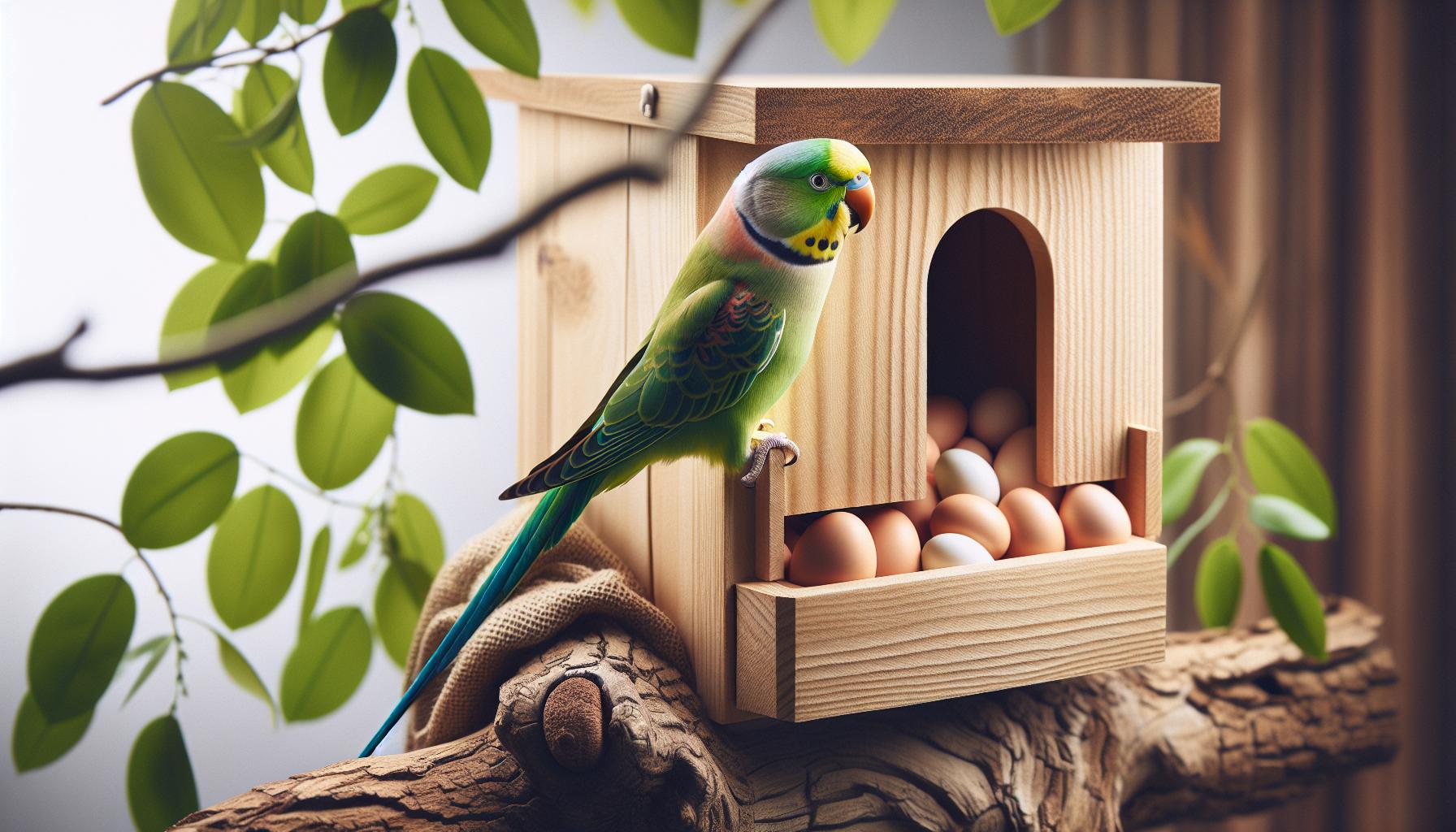
The Science Behind Parakeet Egg-Laying
Female parakeets are fascinating creatures, exhibiting complex reproductive behaviors that can astonish bird enthusiasts. A key aspect of these behaviors is their ability to lay eggs even when they lack a mate. This reproductive phenomenon isn’t purely instinctual; it’s significantly influenced by environmental factors that trigger specific hormonal responses in females. Understanding these scientific principles can demystify why a solitary parakeet might produce eggs, illuminating the biological processes at play.
During their reproductive cycle, female parakeets experience hormonal fluctuations that can be activated by various stimuli. Key factors include light exposure, which impacts the length of the day and can mimic seasonal changes, and temperature, which can signal a suitable time for breeding. Additionally, the presence of a cozy nesting area can encourage a female to prepare for egg-laying. When these environmental conditions align, the female’s body responds, often leading her to lay eggs regardless of whether a male is present. It’s a remarkable adaptation that ensures the species can continue to reproduce when conditions are favorable.
For parakeet owners, it’s crucial to recognize the implications of this behavior. Excessive egg-laying without a mate can pose health risks to the female. Conditions like egg binding-a situation where a female cannot lay an egg-can occur and turn dangerous. To support their feathered friends and mitigate risks, owners should create an enriching environment that includes a balanced diet and ample space for exercise. Additionally, understanding the signs of an impending nesting period can help owners proactively manage their pet’s health and well-being, ensuring a safe and happy habitat for their reproductive endeavors.
Factors Influencing Egg Production in Parakeets
The process by which female parakeets produce eggs is influenced by a variety of factors that extend beyond simply having a mate. Understanding these influences can help bird owners provide better care for their pets and manage unexpected egg-laying episodes. One of the most significant contributors to egg production is the presence of environmental stimuli, particularly the changes in light exposure. As days lengthen during certain seasons, female parakeets may perceive these extended daylight hours as a cue to breed, stimulating their reproductive hormones and potentially leading to egg-laying.
In addition to light, temperature plays an essential role in triggering egg production. Warmer environments can signal to the parakeet’s body that it’s an appropriate time for reproduction, regardless of the presence of a male. When parakeets are kept in consistently comfortable temperatures, they may become more inclined to nest and lay eggs. Furthermore, if a female parakeet has access to a nesting area that feels safe and secure, this can further encourage her to lay eggs. A cozy, inviting nesting space mimics natural conditions, prompting her to prepare for potential offspring.
It’s also worth noting how stress or lack of adequate stimulation can paradoxically influence a parakeet’s egg-laying tendencies. A solitary female or a bird that is bored with its environment may produce eggs as an escape from the monotony. Ensuring that your parakeet has ample toys, social interaction, and a dynamic setting can help mitigate excessive egg production. Regular changes in their environment, such as introducing new perches or toys, can stimulate mental engagement and reduce the likelihood of unwanted nesting behaviors.
Ultimately, being aware of these factors allows owners to create an enriched habitat for their parakeets. By understanding the environmental, situational, and psychological influences on egg production, bird owners can better support their pets’ well-being while also preventing potential health risks associated with excessive egg-laying.
Without a Mate: Can Parakeets Still Reproduce?
Female parakeets have an incredible ability to lay eggs even in the absence of a mate, which can be both fascinating and surprising for many bird owners. This reproductive phenomenon occurs due to a combination of hormonal influences and environmental cues, rather than solely relying on mating behavior. It’s not uncommon for a solo female parakeet to produce eggs, and understanding this can help owners make informed decisions about their care.
When a female parakeet lays eggs without a male, these eggs are typically unfertilized, meaning that they will not develop into chicks. The presence of certain stimuli can trigger this behavior; for instance, extended daylight hours in spring and summer often prompt hormonal changes that encourage reproduction. As a result, during these periods, even a solitary bird may exhibit nesting behaviors and lay eggs, driven by natural instincts rather than the presence of a partner.
To mitigate unwanted egg-laying, it’s crucial for owners to create an engaging environment for their parakeets. Here are some effective strategies:
- Provide Adequate Enrichment: Ensure your parakeet’s cage is filled with toys and activities to keep them stimulated. A bored bird is more likely to engage in nesting behavior.
- Adjust Lighting Conditions: Manipulating the amount of light your parakeet receives can impact her reproductive cycles. Reducing daylight exposure can discourage egg-laying.
- Minimize Nesting Spaces: If your parakeet has access to cozy, nesting-like areas, she may feel more inclined to lay eggs. Consider the layout of her cage and remove or limit such spaces.
- Monitor Health: Regular check-ups with an avian vet are essential to maintain your parakeet’s health, especially if she lays eggs frequently, which can pose health risks.
Ultimately, recognizing that female parakeets can lay eggs without a mate allows owners to better understand their birds’ behaviors and implement effective care strategies. By promoting a stimulating and healthy environment, you can help your feathered friend thrive while managing her reproductive health responsibly.
Understanding Parakeet Breeding Behavior
The fascinating yet often misunderstood breeding behavior of parakeets reveals much about their reproductive instincts and social dynamics. Parakeets, primarily known for their vibrant colors and playful personalities, exhibit unique mating rituals that can spark curiosity, especially when considering the reality of egg-laying without a mate. This behavior is driven not just by the presence of a male partner but is intricately linked to hormonal responses and environmental factors.
When female parakeets feel safe and secure in their environment, they may enter a state of heightened hormonal activity that prompts them to lay eggs. These instincts are deeply rooted in their biology, an evolutionary trait aimed at ensuring the continuation of their species. In the wild, female parakeets may lay eggs in response to perceived breeding conditions-such as increased daylight, availability of nesting sites, and social interactions. Interestingly, it is this instinctual drive that may lead solitary females to produce eggs, often resulting in a clutch of unfertilized eggs when no male is present. Owners should recognize this behavior as normal rather than a signal of distress or health issues.
Understanding these breeding behaviors can help parakeet owners create a more suitable environment. It involves not only recognizing the signs of nesting inclinations but also adjusting their habitat to foster a healthy mental state. For instance, providing diverse avenues for activity, such as toys and perches, helps keep your parakeet engaged and less likely to focus on nesting behaviors. Additionally, implementing light manipulation-like limiting exposure to longer daylight hours-can play a critical role in regulating your bird’s reproductive cycles. By keeping these factors in mind, you can support your feathered friends’ well-being while managing the complexities of their breeding behavior effectively.
Incorporating these insights into your bird care routine enriches not only your parakeet’s life but also deepens your understanding of their fascinating world. Observing how they interact with their environment, along with recognizing behavioral triggers, allows for a more rewarding experience for both you and your avian companion.
How to Care for a Nesting Parakeet
When a parakeet decides to nest, it’s a captivating phenomenon that showcases the bird’s natural instincts. Even if a female parakeet lays eggs without a mate, the way she needs care and attention remains significant. Providing the right environment and support during this time is essential for her health and well-being.
One of the most crucial aspects of caring for a nesting parakeet is to ensure her space is comfortable and safe. Create a designated nesting area by offering a small, enclosed nesting box or a cozy corner lined with soft materials like shredded paper or fabric for insulation. Ensure the nesting site is away from drafty areas and direct sunlight to maintain a stable temperature. Regularly check the nesting area and clean it gently to prevent bacteria buildup while avoiding distressing the bird.
Nutritional support is equally vital during this period. As laying eggs can be physically taxing, it’s important to increase her intake of high-calcium foods to support her body. Offering cuttlebone, crushed eggshells, and dark leafy greens can enhance her calcium levels. Additionally, provide a balanced diet rich in seeds, pellets, and fresh fruits and vegetables, ensuring she remains hydrated with fresh water available at all times.
Monitoring Behavior is also essential. Observe her closely for signs of stress or discomfort. While nesting instincts are natural, some birds may become overly territorial or aggressive. If your parakeet shows aggression, minimize handling and interactions that could stress her further. Remember that it can take a few weeks for her to adjust, especially if she’s laid eggs without a companion. Allow her the necessary space and tranquility to settle into her nesting routine.
Lastly, be prepared for the possibility of dealing with unfertilized eggs. If her eggs go unhatched after a couple of weeks, consider consulting an avian veterinarian to discuss the best practices regarding egg-laying and the potential removal of any unfertilized eggs to prevent health issues. Supporting your parakeet during her nesting phase with care, understanding, and proper management can help ensure she remains happy and healthy during this natural cycle of her life.
The Role of Environmental Factors in Egg-Laying
When it comes to parakeets, the environment plays a pivotal role in their egg-laying behaviors. Numerous factors, ranging from light exposure to temperature, can influence whether a female parakeet decides to lay eggs, even in the absence of a mate. For instance, natural light cycles trigger hormonal changes in birds, signaling the right time for breeding activities. Ensuring your parakeet has sufficient daylight hours-with around 12-14 hours of light daily-can encourage her nesting instincts. Conversely, periods of low light can suppress these behaviors, leading to fewer egg-laying instances.
Humidity and temperature are also critical components of a healthy breeding environment. Parakeets thrive in a stable climate, ideally between 65°F and 75°F (18°C to 24°C). Fluctuations in temperature can cause stress or discomfort, which may negatively affect their reproductive health. Additionally, a humid environment can help ensure that the nesting area remains conducive to egg-laying since overly dry or excessively damp conditions may discourage mating behaviors and egg production.
Furthermore, the presence of nesting materials can significantly impact a parakeet’s decision to lay eggs. Providing appropriate nesting options, like soft bedding materials such as shredded paper, hay, or soft fabric, can stimulate her natural instincts. Parakeets often feel compelled to lay eggs when they have access to a cozy and secure nesting place, even without the presence of a male.
In conclusion, the environment you create for your parakeet can either encourage or inhibit her reproductive behaviors. By understanding and adjusting these environmental factors-like lighting, temperature, and nesting materials-you can support your parakeet’s health and wellbeing during her nesting phase, ensuring she feels safe and secure enough to engage in natural behaviors, including egg-laying.
What to Do If Your Parakeet Lays Eggs
When your parakeet lays eggs, it can be both an exciting and concerning time, especially if it’s your first experience with bird parenthood. Understanding the next steps is crucial for ensuring the health and well-being of both the mother and potential chicks. Many bird owners find themselves unsure about how to care for egg-laying birds, but with the right knowledge and preparation, you can provide the best environment for your feathered friend.
First and foremost, consider the care of the nesting mother. She will require a comfortable and safe space that feels secure for laying and potentially raising her young. Make sure her nesting area is clean and adequately supplied with soft materials, such as shredded paper and hay, to facilitate a cozy environment. Minimize disturbances around her nesting area; excessive noise or activity can stress her out and adversely affect her health and willingness to tend to the eggs.
It’s also important to monitor her health closely during this period. Signs of health issues can manifest in various ways, including changes in appetite or excessive fatigue. Providing a nutritious diet filled with a variety of fresh fruits, vegetables, and fortified pellets will ensure she has the energy required to care for her eggs. Nutrition plays a key role in the successful incubation and health of the potential chicks.
Understanding the Egg-Laying Process
Once the eggs are laid, it’s common for the mother to become protective of her clutch. If you’re uncertain about the number of eggs or the timing of their incubation, consider keeping a simple log. Track when the eggs are laid; most species will require about 18-21 days to incubate before they may hatch. This knowledge is beneficial, allowing you to anticipate when to expect any new arrivals.
In case you find yourself with unexpected eggs, consider the implications of egg care. If she seems to be laying eggs without a mate, it’s important to be aware that you need to check her egg-laying behavior against potential health risks. Over time, excessive egg production can lead to calcium deficiency or reproductive complications. Consult a veterinarian if you notice any unusual symptoms or if egg-laying becomes frequent.
What to Do with Unfertilized Eggs
If the eggs are confirmed unfertilized and you are not prepared for chicks, you can allow the mother bird to keep them for a few weeks before gently removing them. Parakeets don’t recognize infertile eggs after a certain point; they will instinctively abandon them as if they were viable. If you decide to remove the eggs, do so quietly and thoughtfully, ensuring minimal stress to the mother bird during the process.
Taking these steps not only ensures your parakeet’s safety and health but also offers peace of mind while navigating the nuances of egg-laying. Remember, engaging with a community of bird owners or accessing reliable avian resources can further support you on this journey. Your enthusiasm and dedication can help foster a nurturing environment for your parakeets, regardless of whether they lay eggs solo or alongside a mate!
Health Implications of Egg-Laying in Parakeets
Egg-laying is a fascinating yet complex process in parakeets, often leading to both excitement and concern among owners. When parakeets lay eggs, particularly without a mate, they can face significant health implications that require attention and care. One primary issue is the risk of calcium deficiency, which can arise from the energy-intensive process of producing eggs, especially if the bird is laying frequently. Parakeets need an adequate supply of calcium for both the health of the eggs and their own bodily functions; a deficiency can lead to serious health issues such as egg binding, a potentially life-threatening condition where a bird is unable to pass an egg.
To mitigate these risks, it’s crucial to provide a well-balanced diet rich in nutrients. Incorporating fresh leafy greens, calcium supplements, and commercially formulated pellets can support the reproductive health of laying females. Additionally, keeping a close eye on their behavior and physical condition is essential. Watch for signs of distress or health issues, including changes in appetite, lethargy, or irregular droppings.
Monitoring Egg-Laying Behavior
When parakeets lay eggs, particularly in the absence of a mate, it’s important to monitor their egg-laying patterns closely. Should a female continuously produce eggs, even without a mate, it may indicate underlying hormonal issues or stressors in her environment. In such cases, consulting with an avian veterinarian can provide guidance tailored to your bird’s specific needs. Regular health check-ups can help identify any potential complications early, ensuring that both the parakeet and her eggs are healthy.
In conclusion, while egg-laying can be a natural part of a parakeet’s life, it comes with challenges that require careful management. By ensuring your feathered friend has a supportive environment and a nutritious diet, you can help mitigate the health implications of excessive egg-laying and foster a healthy, happy bird. Engaging with your parakeet and paying attention to their needs not only enhances their well-being but enriches your bond with them as well.
Enhancing Parakeet Well-Being and Nesting Conditions
In creating a nurturing habitat for your parakeet, you’ll find that enhancing their well-being and nesting conditions can significantly impact their health and happiness. Parakeets, known for their lively personalities, thrive in environments that simulate their natural habitat as closely as possible. One of the first steps in ensuring your feathered friend feels secure is to provide a spacious cage with various perches, toys, and enrichment activities. Opt for natural wood perches of varying diameters; this allows them to exercise their feet and helps with nail health.
To promote positive nesting behaviors, consider offering a designated nesting area. While parakeets can lay eggs without a mate, creating a comfortable and appropriate space for nesting is crucial for those instances when they do. Use a cozy nest box made of natural materials, and line it with safe bedding, like untreated wood shavings or paper that mimics the textures of their natural nesting sites. It’s essential to place the nest in a quiet corner of their habitat to minimize stress and provide a sense of privacy.
Diet also plays a pivotal role in enhancing well-being. A balanced diet rich in seeds, pellets, and fresh greens is key to maintaining overall health. Incorporating calcium-rich foods, such as broccoli, kale, and cuttlebone, is particularly important for laying females to prevent deficiencies. Providing a shallow dish of fresh water is not only for drinking; ensuring they have access to a small water bath encourages hygiene and mimics their natural bathing behaviors, further boosting their well-being.
Finally, fostering mental stimulation and social interaction can go a long way in keeping your parakeet satisfied. Regularly introduce new toys or rotate existing ones to keep them engaged. Spend quality time talking, whistling, or singing to your parakeet, as they are social creatures who thrive on interaction. By combining a supportive environment, proper diet, and stimulating activities, you can create an optimal setting that caters to your parakeet’s instincts, encouraging healthy behaviors whether they’re nesting or simply enjoying life as your beloved companion.
Faq
Q: Can parakeets breed without a male?
A: No, parakeets cannot breed without a male. While hens can lay eggs without mating, those eggs will not be fertilized and will not hatch. Understanding this ensures proper care and expectations for pet owners.
Q: What triggers egg-laying in parakeets?
A: Egg-laying in parakeets can be triggered by factors such as hormonal changes, environmental conditions, and the presence of a nest. Owners can encourage healthy egg-laying by providing a suitable nesting area and a balanced diet.
Q: How often do parakeets lay eggs?
A: Female parakeets typically lay eggs every 2 to 3 days when conditions are favorable. A clutch often consists of 4 to 6 eggs. Understanding their laying patterns can help manage their care effectively.
Q: What should I do if my parakeet lays eggs?
A: If your parakeet lays eggs, it is essential to provide a quiet environment and ensure proper nutrition. You may also want to manage the conditions to prevent stress, as described in the “What to Do If Your Parakeet Lays Eggs” section of the article.
Q: Do all female parakeets lay eggs?
A: Yes, all female parakeets have the biological capability to lay eggs, even without a mate. While some may lay eggs occasionally, others may do so frequently depending on their hormonal state and environment.
Q: What are common misconceptions about parakeet egg-laying?
A: A common misconception is that parakeets need a mate to lay eggs. In reality, hens can lay eggs without fertilization. Clarifying these myths is crucial for responsible pet ownership and care strategies.
Q: How can I prevent my parakeet from laying eggs?
A: To prevent egg-laying, avoid providing nesting materials and reduce stimuli that trigger breeding behaviors. You can also consider altering the lighting conditions and using a low-calcium diet temporarily.
Q: How do environmental factors affect parakeet egg-laying?
A: Environmental factors like light exposure, temperature, and stress levels significantly impact egg-laying. Ensuring a stable, stress-free environment can help regulate egg production, as outlined in “The Role of Environmental Factors in Egg-Laying.”
Future Outlook
As you’ve discovered, parakeets can lay eggs even without a mate, which can be both surprising and concerning for pet owners. If you’re eager to learn more about caring for your feathered friend or have lingering questions about avian reproductive behavior, check out our in-depth articles on “Caring for Breeding Birds” and “Understanding Avian Behavior” for additional insights.
Don’t miss out! Subscribe to our newsletter for expert tips and resources tailored to enhance your bird-keeping experience. Your journey into the fascinating world of parakeets doesn’t have to end here; explore our site to unlock new knowledge and become the best bird parent you can be. Share your thoughts in the comments below or connect with fellow bird lovers-your questions and experiences could help someone else! Remember, every bird tells a story, and we’re here to help you understand theirs.