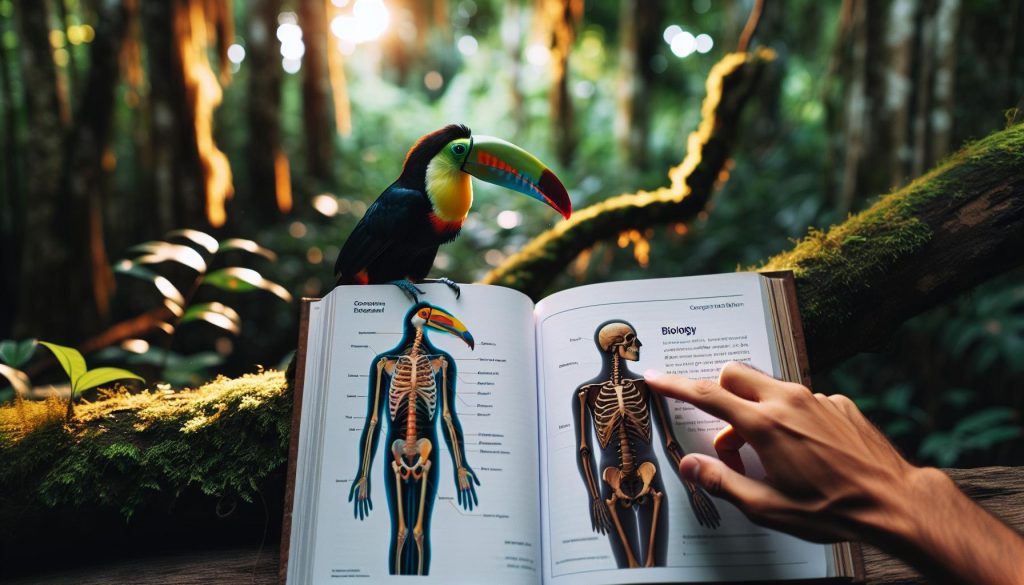
Did you know that toucans, with their vibrant beaks and enchanting presence, are not just captivating creatures but also essential parts of their ecosystems? As members of the avian family, these remarkable birds are classified as vertebrates, setting them apart from a vast world of invertebrates. Understanding whether a toucan is a vertebrate or an invertebrate is foundational in appreciating their role in biodiversity and the delicate balance of nature. Whether you’re a budding bird enthusiast or a seasoned ornithologist, delving into the biology of toucans can deepen your knowledge and appreciation for these fascinating birds. Join us as we explore the unique characteristics that define toucans, the significance of vertebrates in our environment, and what makes these birds extraordinary in nature’s tapestry. Your journey into the intriguing world of toucans begins here!
Is a Toucan a Vertebrate? Understanding Its Classification
Toucans captivate with their striking colors and impressive beaks, but what truly defines them biologically? To answer the question of their classification as vertebrates, we first need to identify the characteristics that set vertebrates apart from their invertebrate counterparts. Vertebrates are animals that possess a spinal column or backbone, which is a key element of their skeletal structure. This group includes fishes, amphibians, reptiles, birds, and mammals.
Toucans belong to the bird class, and all birds, by definition, are vertebrates. They have a complex skeleton that includes a skull, vertebrae, and an advanced skeletal structure that supports their ability to fly. The presence of a backbone is crucial for their mobility, enabling them to navigate through the dense canopies of their tropical habitats. In addition to their specialized skeletal adaptations, toucans possess a well-developed nervous system that coordinates their movements and behaviors, further solidifying their classification as vertebrates.
When exploring the anatomy specific to toucans, their large, colorful bill stands out. This feature, while not directly related to their classification, is fascinating as it serves multiple purposes-from attracting mates to helping them feed on fruits, insects, and small animals. Their unique anatomy highlights the adaptability that vertebrates have developed through evolution, allowing them to thrive in diverse environments.
In summary, toucans are indeed vertebrates, classified within the avian group due to their backbone and complex biological systems. Understanding this classification connects us to the larger narrative of vertebrate evolution and biodiversity, reinforcing the importance of these magnificent birds in our ecosystems.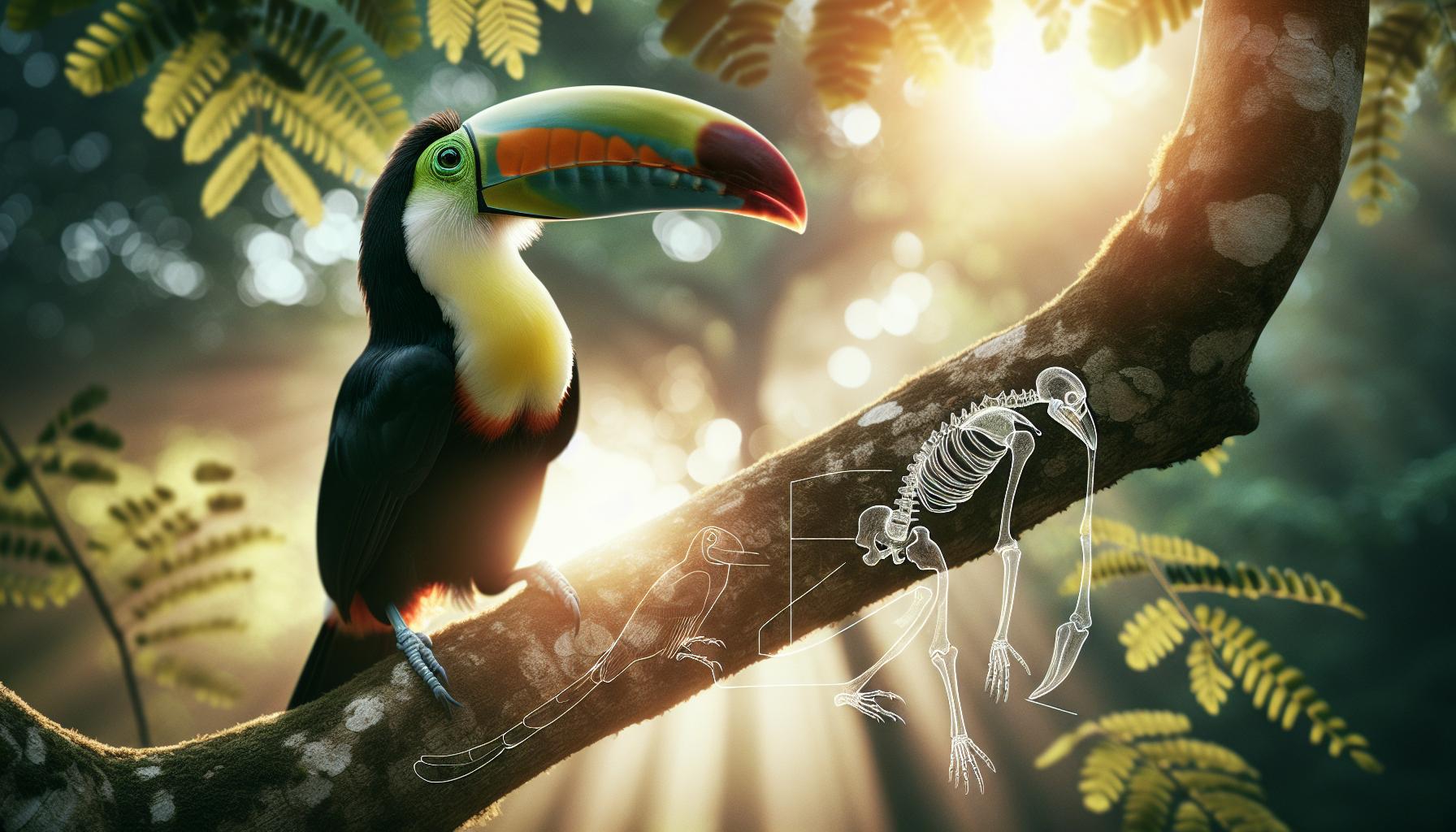
The Difference Between Vertebrates and Invertebrates
Understanding the distinction between vertebrates and invertebrates is essential not just in the taxonomy of animals, but also in appreciating the vast diversity of life forms on our planet. Vertebrates, which include birds, mammals, reptiles, amphibians, and fish, are defined by having a backbone or spinal column, a crucial feature that supports their complex structures and mobility. This backbone is part of a comprehensive skeleton that provides not just form and support, but also an attachment point for muscles, facilitating movement and agility.
In contrast, invertebrates lack a spine and make up the majority of animal species on Earth, showcasing incredible diversity in forms and functions. Examples include insects, arachnids, mollusks, and crustaceans. The absence of a backbone allows invertebrates to adopt fascinating adaptations for survival, such as the exoskeletons of arthropods or the soft bodies of mollusks. Despite their lack of a spinal column, invertebrates showcase a range of complexities that challenge our understanding of what it means to be an animal.
When we focus on birds, such as the toucan, we see the textbook examples of vertebrate characteristics: a rigid skeleton, a centralized nervous system, and sophisticated organ systems that support their lifestyle. Their ability to fly, navigate diverse habitats, and adapt behaviors are all facilitated by their vertebrate anatomy. From the dynamically shaped skull that houses their vibrant bill to the lightweight bones that enable flight, it’s clear that the backbone plays an integral role in their biological success. Understanding these differences not only enhances our knowledge of animal classification but also deepens our appreciation for the evolutionary developments that have led to such diverse life forms across ecosystems.
Why Toucans Are Classified as Vertebrates
Toucans are fascinating creatures that embody the quintessential traits of vertebrates, making them a compelling subject of study for bird enthusiasts and casual observers alike. Characterized by their vibrant colors and oversized bills, these birds not only delight the eye but also serve as an excellent representation of vertebrate features. With a spinal column forming the backbone of their anatomy, toucans belong to the broader category of birds that possess this crucial characteristic, a defining trait of vertebrates along with fish, amphibians, reptiles, and mammals.
One of the key factors that classify toucans as vertebrates is their rigid skeleton. This structural feature facilitates mobility and supports their various physiological systems, allowing them to navigate the treetops of their tropical habitats. Toucans’ lightweight bones are uniquely adapted for flight, enabling them to move swiftly from one fruiting tree to another in search of food. Moreover, their complex organ systems, including a more centralized nervous system, allow for sophisticated behaviors-like their social interactions in flocks-which enhance their survival in the wild.
Vertebrate classification also hinges on the developmental aspects of these animals. Toucans begin their lives as eggs, hatching into chicks that rely on their parents for sustenance and protection. This nurturing phase is vital and characteristic of many vertebrates, where the dependence on parental care plays a significant role in the survival and development of the young. Understanding this life cycle and the associated behaviors further solidifies the toucan’s place in the vertebrate realm, illustrating the complexities that arise from their anatomy and social structures.
In sum, toucans are not just eye-catching residents of the bird kingdom; they are integral members of the vertebrate classification, demonstrating the functional beauty and biological significance of having a backbone. From their vibrant anatomy to their ecological roles, toucans serve as a testament to the adaptability and diversity found within the vertebrate class.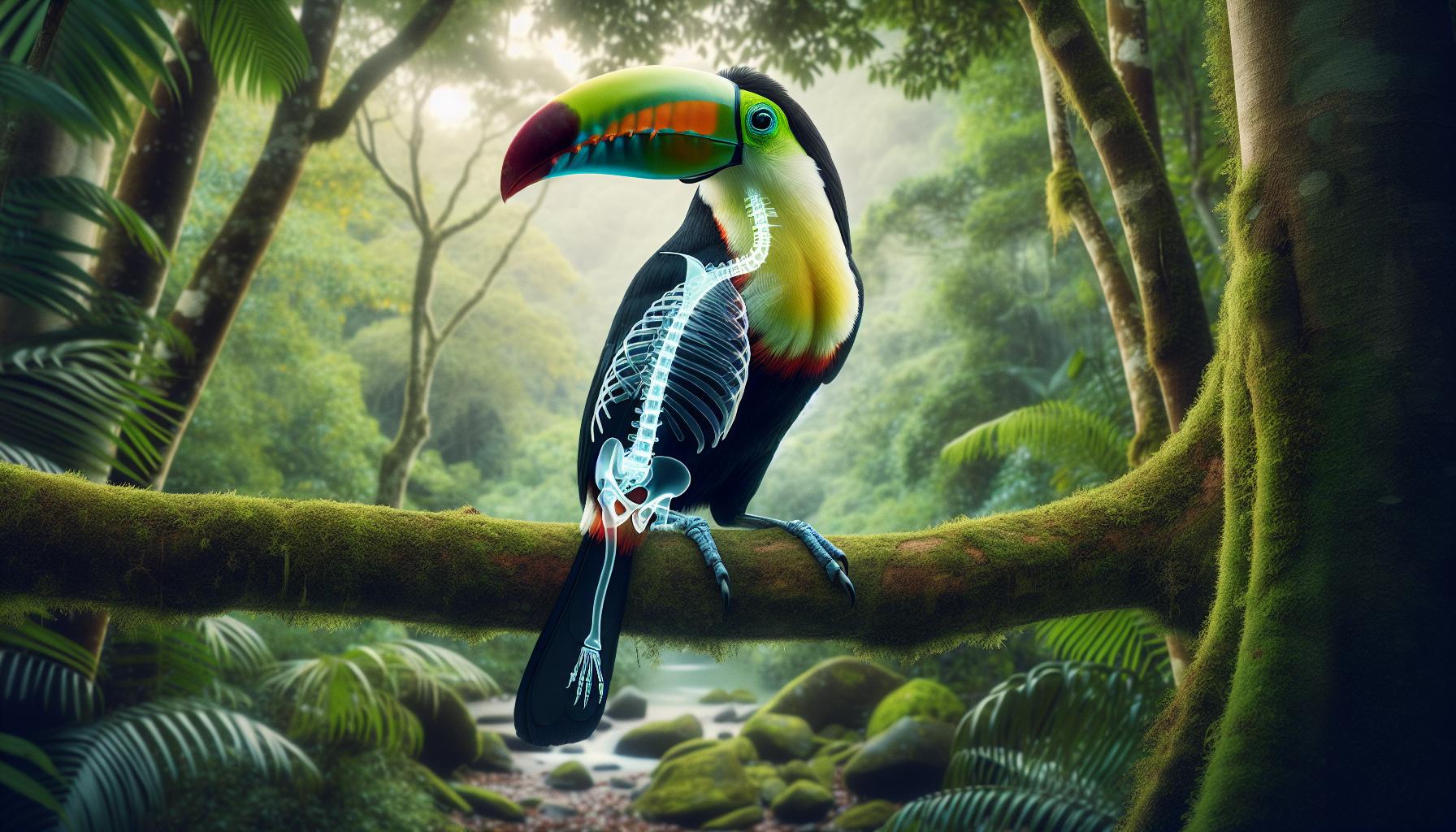
Anatomy of a Toucan: Key Features Explored
Toucans are remarkable birds that not only capture our attention with their striking appearance but also exhibit a fascinating anatomical structure that exemplifies their vertebrate classification. One of the most distinctive features of toucans is their large, colorful bills, which can be as long as their bodies, measuring up to 8 inches in some species. This oversized bill is not just for show; it plays several crucial roles in their survival. The bill’s lightweight construction, made of a bony core covered in a layer of keratin, allows them to forage fruit from branches that might be too small to support their weight, thereby expanding their dietary options in the forest canopy.
In addition to their impressive bills, toucans possess a flexible neck that allows them to navigate through dense foliage with ease. Their skeletal structure, characterized by lightweight but sturdy bones, supports agile movements necessary for life in the treetops. Their feet, although zygodactyl-meaning they have two toes pointing forward and two backward-enable a firm grip on branches, enhancing their ability to stabilize while feeding and resting. This foot structure is common in many tree-dwelling birds and facilitates their climbing abilities, crucial for their arboreal lifestyle.
Toucans are also equipped with vibrant feathers that serve not only for camouflage among the leaves but also for social signaling. The brightness of their plumage can vary significantly among species and is often indicative of their health and vitality, playing a role in mate selection and territorial displays. Their feathers are constructed from keratin, the same protein that forms their bill, showcasing a beautiful array of colors-predominantly yellows, oranges, and blacks-that can dazzle birdwatchers and casual observers alike.
In summary, understanding the key anatomical features of toucans highlights their classification as vertebrates. From their specialized bills and versatile feet to their colorful plumage, these birds are a beautiful example of how vertebrate anatomy has adapted to meet the demands of their environment. Observing these characteristics not only enriches our appreciation for toucans but also provides insight into their behavior and ecological roles as integral parts of tropical ecosystems.
The Unique Lifestyle of Toucans: Habitats and Behaviors
Among the vibrant inhabitants of the tropical forests, toucans stand out not only for their mesmerizing appearance but also for their unique lifestyle that is intricately tied to their habitats and behaviors. Often found in Central and South America, these remarkable birds prefer the heights of rainforest canopies, where they can be seen flitting from branch to branch, their colorful bills gleaming in the dappled sunlight. Toucans predominantly inhabit humid rainforests, but their adaptable nature allows them to thrive in various woodland habitats, including montane forests and even savannas on occasion.
Toucans are social creatures, often seen in small family units or larger flocks, sometimes making their lively presence known through a chorus of croaks and caws. Their social interactions are crucial for communication in the dense foliage where visual cues might be less effective. When engaging in these social behaviors, toucans utilize their vibrant plumage not only for attracting mates but also for maintaining hierarchies within their groups. These interactions can often involve playful displays, where individual birds wrestle one another using their bills, showcasing their agility and strength.
Additionally, toucans display fascinating nesting behaviors that reflect their lifestyle. They are cavity-nesters, often utilizing holes in decaying trees created by woodpeckers or naturally occurring cavities. The female typically lays 2 to 4 eggs, and both parents share incubation duties, a behavior that fortifies their pair bonds and ensures mutual care for their young. This cooperative breeding strategy is a significant part of their social structure, demonstrating the toucans’ reliance on community and shared responsibilities within their habitat.
Understanding the unique lifestyle of toucans opens a window into the ecological roles they play, such as seed dispersers for various fruiting plants. Their diet, rich in fruits, not only sustains them but also aids in the regeneration of their forest habitats. As they move through the treetops, toucans inadvertently facilitate the growth of new plants, thus contributing to the overall health of their ecosystems. This intricate relationship with their environment highlights the importance of conserving their natural habitats to ensure the continuity of these fascinating birds and their vibrant world.
Diet and Feeding Habits of Toucans: What They Eat
Diet plays a crucial role in the life of toucans, not only sustaining them but also influencing their behaviors and interactions within their ecosystems. Interestingly, while these colorful birds are renowned as frugivores-primarily feeding on ripe, fleshy fruits-they are versatile eaters that supplement their diet with a variety of other foods. Toucans will gladly munch on insects, and in some instances, they even consume eggs and nestlings from smaller birds. This omnivorous tendency allows them to thrive in the competitive environments of tropical rainforests, where food sources can be diverse and unpredictable.
The toucan’s iconic, oversized bill is fascinating beyond its striking appearance; it serves important functions in their feeding habits. It allows toucans to reach fruits that might be inaccessible to smaller birds, and its serrated edges help them easily slice through the skins of hard fruits. This adaptability signifies not just a beautiful adaptation, but also a vital tool for survival. Toucans are known to exhibit playful behavior while foraging, often tossing fruits in the air or locking bills with other toucans in playful competition for the best feeding spots.
In the wild, toucans typically prefer fruits from various species of trees, making them significant agents of seed dispersal. As they consume fruit, they carry the seeds to different locations, aiding in the growth of new plants and contributing to the regeneration of forest ecosystems. This relationship emphasizes the ecological importance of toucans and their role in maintaining the health of their habitats.
For those considering keeping toucans in captivity or simply wanting to better understand their dietary needs, it’s essential to replicate their natural diet as closely as possible. A suitable diet for pet toucans should include a mix of fresh fruits, commercially prepared toucan pellets, and occasional protein sources like insects. Providing a variety of foods not only ensures a balanced diet but also enriches their environment, satisfying their natural foraging instincts and keeping them healthy and engaged.
Caring for Toucans: What You Need to Know
Caring for a toucan can be a rewarding yet challenging experience due to their unique biological and behavioral needs. These vibrant birds, which belong to the avian class (thus classified as vertebrates), require special attention and care to thrive, especially in a domestic setting. Toucans are not just exotic pets; they are social creatures that exhibit playful behaviors and distinct dietary preferences that reflect their wild counterparts.
To create a conducive environment for your pet toucan, appropriate housing is essential. Toucans require a spacious cage-ideally larger than 3 feet long-to allow them to move freely, flap their wings, and explore. The cage should include adequate perches at varying heights, as toucans enjoy climbing and jumping. It’s important to use non-toxic materials for the cage and accessories to ensure their safety. Incorporating natural branches can also enhance their environment and encourage their natural behaviors.
When it comes to diet, replicating their natural feeding habits is crucial. Toucans thrive on a mixed diet primarily composed of fresh fruits such as papaya, mangoes, and bananas, paired with high-quality toucan pellets that provide essential nutrients. Supplementing their diet with occasional protein sources like insects will help mimic their omnivorous tendencies found in the wild. Since toucans often eat throughout the day, providing fresh food regularly and removing uneaten portions promptly helps maintain their health and hygiene.
Social interactions are vital, as toucans are known for their gregarious nature. They should be given ample time outside of their cage to socialize with their owners or other birds. Regular interaction can prevent behavioral issues and promote mental stimulation. Additionally, ensure that they have safe toys to play with, which can reduce boredom and encourage natural foraging instincts.
In summary, caring for toucans requires a comprehensive understanding of their dietary and social needs, as well as a well-equipped living space. This beautiful species not only captivates with its striking appearance but also brings a lively spirit to your home, making them truly delightful companions for those ready to embrace the responsibility. Curious about specific care techniques or facing challenges? Engaging with local avian communities or consulting avian veterinarians can provide invaluable support and resources for toucan care.
Common Misconceptions About Toucans and Their Classification
Many people are captivated by the colorful and striking appearance of toucans, yet there are some prevalent misconceptions regarding their classification and biology. One of the most significant misunderstandings is whether toucans fall into the category of vertebrates or invertebrates. Toucans unmistakably belong to the vertebrate group, like all birds, due to their possession of a backbone and spinal column. This classification may seem straightforward to bird enthusiasts, but for those new to ornithology, it’s helpful to clarify that all birds, including toucans, are vertebrates, as they also share key characteristics like feathers, beaks, and the laying of hard-shelled eggs.
Common Misconceptions
Another frequent misconception is that toucans are tropical parrots or even mammalian species because of their vibrant plumage and sociable behavior. While both toucans and parrots are often seen in similar habitats and exhibit social behaviors, they belong to completely different families of birds. Toucans are part of the family Ramphastidae, whereas parrots belong to the family Psittacidae. Their anatomical structures, feeding habits, and vocalizations vary significantly, underscoring their unique evolutionary paths.
Additionally, some people may believe that toucans primarily consume seeds or nuts, which can lead to inadequate dietary practices in captivity. In reality, toucans are generalist frugivores, predominantly eating a wide range of fleshy fruits, alongside insects and occasional bird eggs. This preference for a fruit-based diet reflects their role in seed dispersal within their ecosystems, further emphasizing the importance of providing a balanced and varied diet in pet care to avoid health issues.
In conclusion, understanding these common misconceptions about toucans helps to shine a light on their unique biology and the essential role they play in their environments. Whether you’re an aspiring bird owner or simply an admirer of these magnificent creatures, acknowledging their true identity and behavior is the first step in fostering a deeper connection with them. With a clearer perspective on their classification and needs, you can appreciate the majesty of toucans and their place in the avian world even more.
The Role of Toucans in Ecosystems: Importance and Impact
The toucan, with its vibrant bill and eye-catching colors, plays a crucial role in maintaining the health and balance of its ecosystem. These unique birds are primarily frugivores, thriving on a diet rich in fruits, seeds, and occasionally insects. By consuming various fruits and dispersing their seeds through their droppings, toucans help propagate countless plant species, a fundamental task that supports the growth and continuity of tropical forests. Their feeding habits not only foster plant diversity but also contribute to the overall health of their habitats, creating spaces where other species can thrive.
In addition to their role as seed dispersers, toucans serve as indicators of environmental health. The presence of these birds can signal a thriving ecosystem, as they require abundant food resources and suitable nesting sites found in mature forests. Conversely, a decline in toucan populations can hint at adverse environmental changes, such as deforestation or habitat degradation. Thus, studying toucans can provide valuable insights into the ecological status of their surroundings, highlighting the interconnectedness of species within their habitats.
Furthermore, toucans engage in social behaviors that can influence the dynamics of their communities. They often forage in groups, which can enhance their foraging efficiency and provide safety in numbers from predators. This social structure encourages interactions with other species, promoting a web of life that benefits the entire forest community. Their vibrant presence not only captivates birdwatchers and nature enthusiasts but also establishes them as integral components of biodiversity in their habitats, reinforcing the idea that every vertebrate, including toucans, holds significance in the grand tapestry of ecological balance.
Toucans vs. Other Birds: How They Compare
The vibrant and distinctive appearance of toucans, particularly their large, colorful beaks, sets them apart from many other bird species. But what truly distinguishes them in the avian world goes beyond just looks; it encompasses their anatomy, behavior, dietary habits, and ecological roles. Toucans belong to the family Ramphastidae, which showcases a variety of traits that often provoke curiosity when compared with their avian relatives. They are closely related to woodpeckers, honeyguides, and barbets, yet they possess unique adaptations that not only cater to their dietary needs but also play a pivotal role in their ecosystems.
In particular, the toucan’s bill, which can measure up to four times the size of its head, is an extraordinary tool. Unlike most birds that rely on beaks suited to their specific diets, toucans use their oversized beaks as multifunctional instruments. Not only does this adaptation aid in reaching fruit high in trees, but it also helps regulate their body temperature, acting as a kind of natural air conditioner in the humid tropics. In contrast, birds such as parrots have robust, curved beaks designed for cracking nuts and seeds. This variation in beak morphology reflects the adaptive strategies different bird species utilize in response to their specific ecological niches.
When we look at social behavior, toucans often travel in small groups, typically consisting of six to twelve individuals, although flocks can be larger in some regions. This communal lifestyle enhances foraging efficiency and provides safety from predators, echoing the social structures seen in other bird families like sparrows or finches. However, unlike many songbirds known for their complex vocalizations, toucans communicate through a series of croaks and growls, showcasing a different style of interaction that is as fascinating as it is practical.
In terms of conservation and ecological roles, the fate of toucans is also interlinked with their habitats, much like many other bird species. Habitat loss due to deforestation poses a significant threat to toucans, paralleling challenges faced by numerous other forest-dwelling birds. Their role as seed dispersers underscores their ecological importance, as they help propagate various tree species critical for forest health and biodiversity.
In the grander context of bird classification, toucans are unequivocally classified as vertebrates. They embody the key characteristics of their group, which include a backbone, a nervous system, and a complex skeletal structure. By understanding these revealing comparisons and contrasts, bird enthusiasts and casual observers alike can appreciate not only the uniqueness of toucans but the intricate web of life that connects all bird species.
Cultural Significance of Toucans: Symbolism and Representation
The toucan, with its strikingly vivid beak and playful demeanor, has captured the imagination of cultures across the world. These remarkable birds are not merely ornamental; they symbolize a deep connection to nature, culture, and art. In many indigenous cultures of Central and South America, toucans are revered as supernatural creatures imbued with wisdom and power. They are often depicted in traditional art, where the bright colors of their feathers evoke the vibrant landscapes they inhabit. This use of toucans in art showcases how their visual appeal translates into cultural significance, turning them into symbols of fertility, abundance, and the rich biodiversity of the rainforests.
Folklore and Symbolism
In various mythologies, toucans are often associated with the spirit world. For instance, some tribes believe that the toucan serves as a messenger between humans and the gods, embodying qualities of sharp intuition and resourcefulness. This connection is not only fascinating but also emphasizes humanity’s longstanding appreciation for the natural world, where toucans serve as a reminder of the delicate balance within ecosystems. The bright beak of the toucan also symbolizes communication and expression, perhaps due to the bird’s distinctive calls and vocalizations that resonate throughout its habitat.
Modern Representation
In contemporary culture, toucans often appear in branding, advertising, and popular media, further solidifying their status as icons of exotic beauty. Global companies leverage the toucan’s imagery to evoke feelings of adventure and tropical allure, appealing to consumers’ desires for escape and connection to nature. Cartoon characters based on toucans have also made their way into children’s entertainment, widely recognized for their friendly and humorous personalities, which fosters a sense of wonder and curiosity in young audiences.
The environmental status of toucans also plays a critical role in their cultural significance. As crucial seed dispersers in their ecosystems, their presence reflects the health of the forest environment. Conservation efforts aimed at protecting their habitats often highlight the toucan as a flagship species-one that can galvanize support for broader ecological initiatives. By understanding the rich tapestry of cultural meanings associated with the toucan, we can appreciate not only its biological significance as a vertebrate but also its role in fostering a greater awareness of environmental conservation and the intricacies of life on our planet.
Fun Facts About Toucans: Surprising Insights
The vibrancy of toucans extends beyond their iconic beaks; these fascinating birds harbor many surprising traits that can captivate any bird enthusiast. Did you know toucans primarily inhabit tropical forests in Central and South America, where their presence is often a sign of healthy ecosystems? With their striking plumage and substantial, brightly colored bills, toucans are not just beautiful; they play an essential role in their environment as seed dispersers. By consuming and later excreting seeds, they help maintain biodiversity, influencing the growth patterns of forests.
Toucans are social creatures and often found in small flocks, which can include up to 22 individuals. This social behavior enhances their protection from predators and aids in locating food sources. One of the most remarkable aspects of a toucan’s behavior is their vocalization. Each species has its unique call, adding to the symphony of sounds in their rainforest habitat, making them not just colorful visuals but melodic participants in their ecosystems.
When it comes to their diet, toucans are primarily frugivorous, meaning they consume a variety of fruits-often berries and soft fruits. Interestingly, they have a unique feeding strategy: their beaks, while large and impressive, are surprisingly lightweight, allowing them to reach and grab food in high branches without excess strain. They may also eat insects and small animals when fruits are scarce, displaying dietary flexibility that supports their survival in diverse environments.
For those considering caring for a toucan, it’s crucial to note that these birds have specific requirements. They thrive in spacious aviaries that mimic their natural habitat, complete with plenty of perches and food sources. Their diet should be complemented with commercial toucan pellets, fresh fruits, and vegetables to ensure they receive all necessary nutrients. Engaging a toucan in play and providing social interaction is equally important, as neglect can lead to behavioral issues in captivity.
Understanding the intricacies of toucans enriches not only our knowledge of these vertebrates but also highlights their importance in maintaining the delicate balance of tropical ecosystems. Their vibrant appearances, social structures, and roles as seed dispersers weave them into the fabric of rainforest life, making them a vital species for conservation efforts.
FAQ
Q: Are Toucans mammals, reptiles, or birds?
A: Toucans are classified as birds. They belong to the family Ramphastidae, which includes various species of colorful, fruit-eating birds known for their large bills. This classification aligns with their anatomical and physiological traits typical of avian species.
Q: How do Toucans adapt to their environment?
A: Toucans have several adaptations for survival, including a large bill that helps them reach fruit in trees and a unique S-shaped neck that allows for greater flexibility when feeding. They also possess strong feet suited for climbing and can often be found in social groups.
Q: What is the lifespan of a Toucan in the wild?
A: The lifespan of a Toucan in the wild typically ranges between 10 to 20 years, depending on species and environmental factors. In captivity, some Toucans can live longer due to better care and reduced predation risks.
Q: Do Toucans migrate or stay in one place?
A: Toucans are generally non-migratory and tend to inhabit the same areas throughout the year. They establish territories within tropical and subtropical forests, relying on the availability of fruit and other food sources within their range.
Q: What does a Toucan’s diet consist of?
A: Toucans primarily eat fruit, but they also consume insects, small reptiles, and bird eggs. Their diet is important for seed dispersal in their habitats, making them vital for ecosystem health arepredatorsofToucans”>[2].
Q: What are common health issues for pet Toucans?
A: Common health issues for pet Toucans include nutritional deficiencies, respiratory infections, and feather plucking. Proper diet consisting of a variety of fruits and regular veterinary check-ups can help maintain their health.
Insights and Conclusions
Now that you know a toucan is indeed a vertebrate, remember that these vibrant birds are not just fascinating due to their unique classification; they offer a glimpse into the rich diversity of avian life. If you’re intrigued by bird biology and want to explore more, check out our guide on the unique adaptations of tropical birds or how to care for pet birds.
Don’t let your curiosity stop here! Sign up for our newsletter to receive more insights about the incredible world of birds, tutorials, and tips delivered straight to your inbox. Have questions or thoughts? Feel free to leave a comment below-we love hearing from fellow bird enthusiasts! Every visit enhances your journey into ornithology, so dive deeper and discover the wonders that await in our expansive collection of articles. Your next adventure in birdwatching begins now!