
Did you know that a parakeet molts anywhere from once to several times a year? This natural process of shedding old feathers can impact your feathered friend’s health, mood, and even their appearance. Understanding when and why parakeets molt is essential for any owner who wants to provide the best care possible. Molting can reveal much about your parakeet’s well-being and can be an opportunity for owners to engage with their birds. It’s crucial to recognize the signs of molting and know how to support your pet during this time. In this article, we will explore the feather cycle of parakeets, including the stages of molting, what to expect, and tips for ensuring your bird remains healthy and comfortable. Your knowledge and attentiveness can make all the difference in helping your parakeet thrive!
When Do Parakeets Molt: Understanding the Feather Cycle

Understanding the molting cycle of parakeets is essential for any bird owner. Molting is a natural, periodic process in which birds shed old feathers to make way for new ones, ensuring their plumage remains healthy and vibrant. For parakeets, this cycle typically happens at least once a year, but it can vary somewhat based on the bird’s age, health, and environmental factors. During this time, you’ll likely notice your bird becoming slightly more subdued than usual, as it works through the challenges of shedding and regrowing its feathers.
As your parakeet undergoes its molting cycle, which usually lasts around four to six weeks, they will display notable physical and behavioral changes. You may start to see feathers scattered in the cage, and the bird may spend more time preening to help manage the discomfort associated with feather loss. Molting can be a taxing time for your pet, which is why recognizing the signs early can help you support them through this transition. Not only are new feathers coming in, but older ones are falling out, which can lead to increased vulnerability to temperature changes and potential irritability.
Providing an optimal environment during this feather cycle is crucial. This includes ensuring that your parakeet has plenty of sleep and a quiet space where it feels safe to promote a smoother molting process. Feather growth requires protein and other essential nutrients; thus, enhancing your parakeet’s diet with high-quality pellets, fresh fruits, and vegetables will support healthy feather regeneration. Familiarizing yourself with this natural process means you can give the right care and attention your feathered companion needs, fostering a comfortable and healthy environment as they experience this necessary phase of life.
Signs That Your Parakeet Is Molting
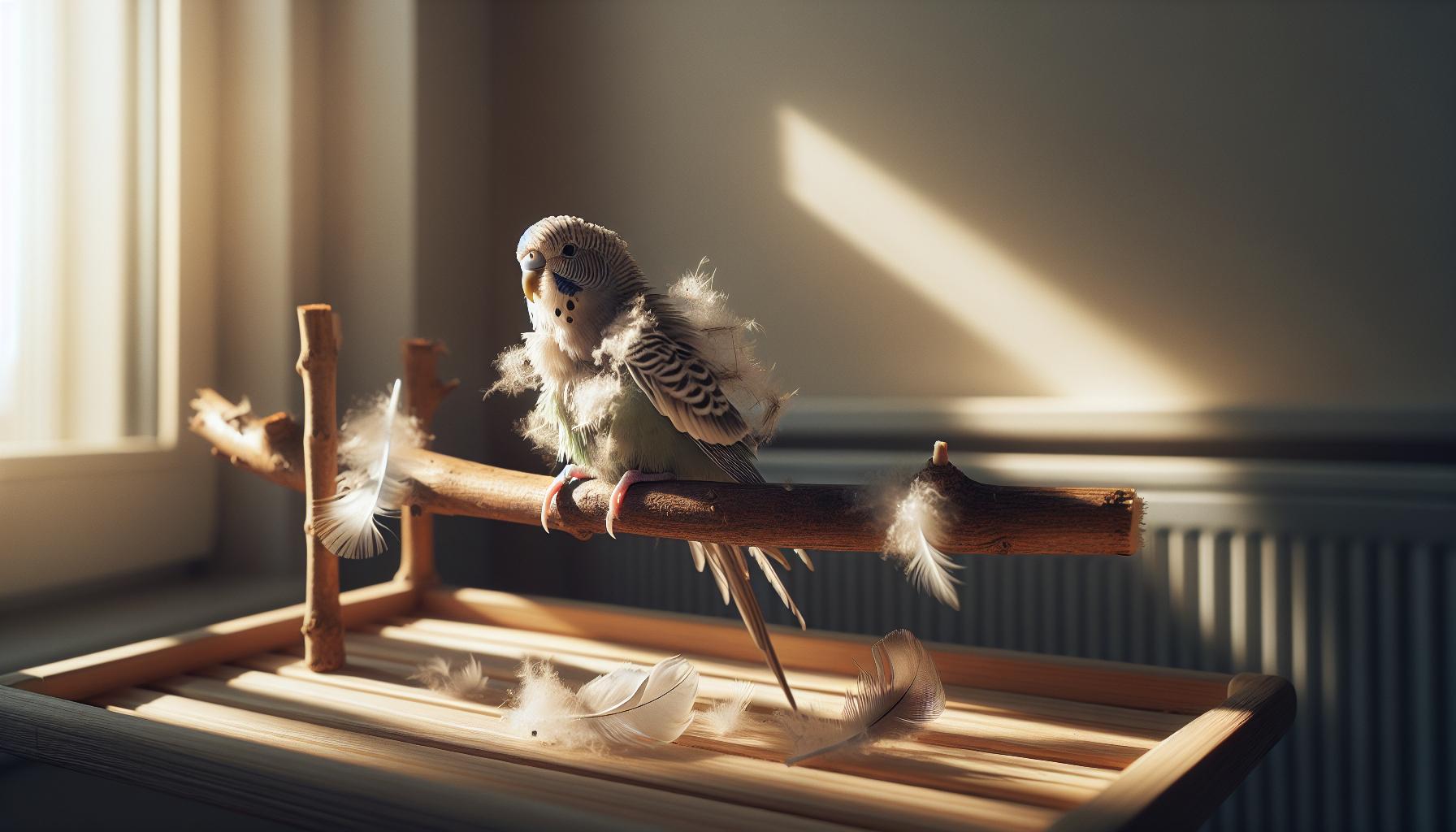
As parakeets transition through their molting phase, several distinctive signs will indicate that your feathered friend is engaged in this natural process of renewal. One of the first things you may notice is an increase in feather shedding. This can result in a scattering of feathers around the cage, which may surprise or even concern new bird owners. It’s important to remember that this is a normal part of the molting cycle. Be observant; you might also spot your parakeet spending more time preening than usual, as they groom themselves to manage the discomfort that comes with losing feathers.
Another key sign to watch for is a change in your parakeet’s behavior. During molting, they may become slightly more withdrawn or irritable. This response is typically due to the irritation and discomfort associated with feather loss. You might observe them being less vocal than usual or even becoming a bit fidgety, as the process can be somewhat taxing on their body. Understanding these behavioral cues can help you provide them with the support they need during this time.
In addition to behavioral changes, your parakeet’s physical appearance will also reveal clues about their molting status. Look for patches of feathers that seem sparse, or areas where new feathers (often referred to as “pin feathers”) are emerging. These pin feathers are typically covered by a protective sheath, which will eventually fall away to reveal the new, vibrant feathers underneath. This feather growth can be quite sensitive for your parakeet, so providing a gentle environment where they feel safe is crucial.
To sum it up, by keeping a close eye on feather loss, changes in behavior, and the emergence of pin feathers, you’ll be better equipped to identify when your parakeet is molting. Being proactive in your care during this period will not only help sustain your bird’s health but also create a trusting relationship where your parakeet feels secure and cared for as they navigate this essential life phase.
The Parakeet Molting Schedule: What to Expect
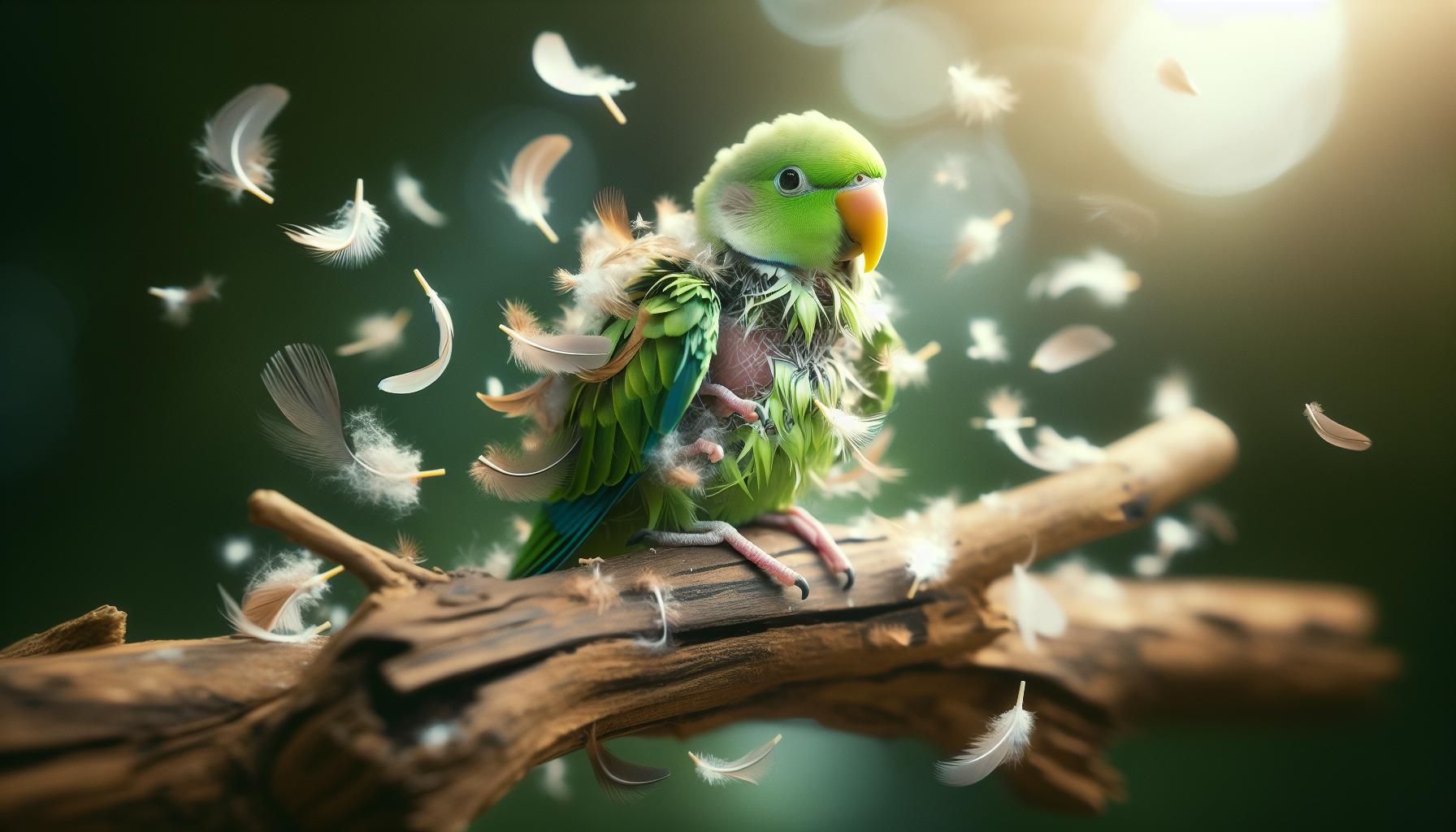
Understanding the molting schedule of parakeets is essential for any bird owner. Molting is a natural, cyclical process where these vibrant creatures replace old feathers with new ones, which helps maintain their health and plumage beauty. Typically, parakeets undergo this process every 6 to 12 months, depending on factors such as age, species, and environmental conditions. Knowing the expected timeline can help you anticipate and support your bird through this pivotal phase.
The molting process generally unfolds in stages. Initially, you’ll notice an increase in feather loss over a few weeks. New feathers, known as “pin feathers,” appear shortly thereafter, protected by a sheath that eventually falls away. The entire cycle can be divided into three key phases: the pre-molt phase, the active molt phase, and the post-molt phase.
- Pre-Molt Phase: This stage can last several days to weeks, where you might see your parakeet becoming more irritable as their body prepares for feather renewal. Their appetite may fluctuate, and they’ll likely engage in more preening to alleviate irritation from loose feathers.
- Active Molt Phase: During this intense period, parakeets can shed a significant number of feathers. The timing and duration of this phase vary by species. While some birds may complete their molt in a few weeks, others could take up to two months. It’s important to keep the environment calm, as stress can hinder the process.
- Post-Molt Phase: After molting, your parakeet’s feathers will be in full display. They’ll likely be more vocal and active, showcasing their revitalized plumage. This phase is crucial for their overall health, so maintaining a nutrient-rich diet is imperative to support new feather growth.
In summary, by closely observing your parakeet’s behavior and appearance, you can effectively navigate the molting schedule. Providing a supportive and enriching environment will not only ease their transition but also enhance the bond between you and your feathered friend during this essential cycle of renewal.
How to Help Your Parakeet During Molt
Caring for your parakeet during the molting phase is crucial not only for their physical appearance but also for their overall well-being. As they navigate this natural process of shedding old feathers and growing new ones, a supportive environment can make all the difference. Being patient and observant while providing appropriate care can ease your parakeet’s transition, allowing them to emerge rejuvenated and vibrant.
First and foremost, ensure that your parakeet’s diet is rich in essential nutrients to support feather regrowth. This includes a balanced mix of high-quality pellets, fresh fruits, and vegetables. Foods that are particularly beneficial during molting include leafy greens like kale and spinach, as well as seeds like sunflower or safflower, which can provide necessary fats and proteins. Additionally, consider offering a special supplement designed for molting birds, as this can supply an extra boost of vitamins and minerals that are critical during this time.
Creating a calm and stress-free environment is equally important. During the active molt phase, your parakeet may become more irritable or withdrawn. Minimizing loud noises and sudden movements can help to alleviate stress. Keeping their cage in a familiar location and avoiding new stressful stimuli will help your bird feel more secure. Additionally, allowing them ample time for rest and privacy is essential, as molting can be energy-draining. Providing cozy places to perch and play can keep them engaged without overwhelming them.
Regular grooming is also vital during molting. Gently assisting your parakeet in preening can not only help them manage loose feathers but also strengthen your bond. You can use a soft, damp cloth to help remove excess dander and dust that may accumulate during molting; this keeps their feathers clean and healthy. However, be mindful not to interfere too much with their natural preening behaviors, as this is also an important part of their self-care routine.
Finally, watch for any signs of distress or complications during the molting process. If your parakeet seems to struggle excessively or if you notice any unusual symptoms like excessive bleeding, bald patches, or lethargy, it may be time to consult with an avian veterinarian. Keeping an eye on their overall demeanor and health during this time will ensure that your feathered friend transitions through the molting cycle smoothly and returns to you as a happy, colorful companion.
Common Myths About Parakeet Molting
Many people assume that molting is a simple and straightforward process for parakeets, but there are several myths that can lead to misinformation about what our feathered friends truly experience. One prevalent myth is that molting occurs at the same time every year. In reality, a parakeet’s molting schedule can vary widely due to factors such as age, health, diet, and environmental conditions. While many birds may follow seasonal patterns, there is no hard and fast rule about when a parakeet will molt. Instead, they may experience multiple molts throughout the year as their bodies respond to changes in light and temperature.
Another common misunderstanding is that molting is a sign of poor health or stress. While it’s true that excessive stress can impact a bird’s health, molting is a natural and essential process for parakeets, allowing them to replace old feathers with fresh ones. It’s important for bird owners to recognize that some signs of distress during molting, such as feather loss or change in behavior, can be typical and should not be immediately linked to serious health issues. However, monitoring your parakeet’s overall well-being is crucial, as signs of distress can also indicate underlying health problems.
Many believe that molting requires a complete dietary overhaul. While it’s imperative to support your parakeet with a nutritious diet during this time, providing a well-rounded mix of their usual high-quality pellets, seeds, fresh fruits, and veggies can suffice. In fact, abrupt changes in diet can further stress your bird during an already vulnerable time. Supplements might be beneficial, but these should complement, rather than replace, their regular food.
Lastly, there is a misconception that owners should intervene significantly during the molting process. While providing a calm environment and possibly assisting with grooming are beneficial, excessive handling or forced interventions can lead to anxiety in your bird. Allow them the space to preen and manage their feathers as they naturally would, while being available for gentle support as needed. By differentiating myth from fact, you can help create a healthier and more comfortable environment for your parakeet during its molting phase, ensuring they thrive both physically and emotionally.
Health Indicators During the Molting Process
During the molting process, understanding your parakeet’s health indicators is crucial for ensuring their well-being. Observing the shifts in behavior and physical changes can help you discern whether your feathered friend is transitioning healthily or if there are issues that need addressing. Generally, molting involves noticeable changes in feather condition, behavior, and overall vitality; these can be markers of your parakeet’s health status.
One of the most evident signs during molting is the appearance of new feathers, often referred to as “pin feathers.” These feathers may look like small, sensitive shafts that are emerging from the skin. It’s important to watch for excessive discomfort or blood on these pins, which may indicate a problem. A normale process includes a gradual shedding of old feathers, but watch closely for instances where your parakeet seems to be pulling out feathers excessively, as this could signify stress or health complications.
Another critical aspect is the behavior of your parakeet. During molting, some birds may become more subdued, opting for a cozy spot in their habitat, while others may be more irritable or prone to hormonal swings. Providing comfort, like extra perches or soft bedding, can be beneficial. Monitoring food and water intake during this period is also essential; a decrease in appetite can indicate distress, while an increase in demand can be a sign of higher energy needs as your parakeet works through the feather replacement process.
Furthermore, a well-balanced diet plays a pivotal role in supporting your parakeet’s health throughout molting. During this time, ensure they have access to nutrient-rich foods, as deficiencies can impede feather growth and overall recovery. Offer a mix of high-quality pellets, fresh fruits, and vegetables, along with occasional treats. Hydration is equally important, as it aids feather formation and general health.
In summary, by closely observing your parakeet’s physical and behavioral changes, maintaining a nutritious diet, and ensuring a comfortable environment, you can significantly support their health during the molting process. If you notice persistent signs of distress or abnormal behavior, consulting with an avian veterinarian can help rule out any underlying issues and provide peace of mind for both you and your bird.
Feather Types and Their Role in Molting
Feathers are not merely decorative; they play a critical role in a parakeet’s life, from providing insulation to aiding in flight and communication. Each feather type has a specific function that shines through during the molting process, an essential time for every parakeet as they shed old feathers to make way for new, vibrant growth. Understanding these feather types can help you better care for your bird during this transformative period.
The primary feather categories include contour feathers, down feathers, and flight feathers. Contour feathers are the most visible and comprise the bulk of a parakeet’s plumage, giving them their characteristic color and shape. Down feathers, located closer to the skin, provide insulation, maintaining warmth during colder months. Flight feathers are critical for a parakeet’s ability to soar through the air. They are found on the wings and tail and are the ones that are most significantly replaced during molting, as they endure the most wear and tear from daily activity.
During the molting phase, you’ll notice the presence of pin feathers, which are essentially newly developing feathers that look like small shafts. These pin feathers are often sensitive and feel firm to the touch. They play a crucial role in the transition from old to new feathers by ensuring that the bird is adequately insulated and maintains its capability for flight. It’s vital to monitor these pin feathers, as problems like excessive blood or discomfort in this area can indicate stress or health issues.
Supporting your parakeet during this feather transition is key. Ensure they have a varied diet rich in nutrients that support feather growth, such as proteins and healthy fats. Offering a mix of seeds, fresh fruits, and vegetables can enhance their nutrition during this demanding time. Additionally, regular interaction and a comfortable environment will help alleviate any stress-related behaviors that might arise due to molting.
As you witness your parakeet’s feather cycle unfold, remember that each type of feather contributes to their overall health and well-being. By understanding these roles, you not only foster a more enriching habitat for your pet but also enhance the bond you share with them through vigilant care during their molting journey.
Nutritional Needs for Molting Parakeets
Proper nutrition is vital for parakeets during their molting phase, a time that demands extra resources as they shed old feathers and grow new ones. Did you know that a well-balanced diet can significantly influence the quality of your parakeet’s feather growth? This period can be stressful for them, and the right nutrients can make all the difference-ensuring not only comfortable molting but also vibrant coloration and overall health.
During molting, an increased intake of protein is essential. Protein is a building block for feathers, thus incorporating high-quality protein sources in your parakeet’s diet will aid in the formation of new plumage. Consider offering:
- Sprouted seeds: These are packed with proteins and make a great addition to their diet.
- Cooked legumes: Beans and lentils can be offered in moderation as they are excellent protein sources.
- Cooked eggs: Scrambled or hard-boiled eggs can be a delicious and nutritious treat.
In addition to protein, fats are also crucial during this time. Healthy fats assist in the absorption of vitamins that promote feather health. Including seeds like flaxseed or chia seeds can provide these essential fats and even boost your parakeet’s skin health.
Vitamin-rich foods should not be overlooked either. Incorporating fresh fruits and vegetables into their diet ensures they receive necessary vitamins such as A, E, and D. This can promote robust feather growth and overall well-being. Some beneficial options include:
- Leafy greens: Kale and spinach are excellent choices packed with essential vitamins.
- Carrots: These not only offer beta-carotene but are also a fun crunch for your bird.
- Fruits: Berries, apples, and oranges provide hydration and numerous vitamins.
Keep in mind that hydration is equally important. Fresh, clean water should always be available, and during molting, consider offering juicy fruits or vegetables, which can help keep your parakeet hydrated.
Monitor your parakeet’s behavior and feather condition closely. If you observe any signs of distress or nutritional deficiencies-such as feather plucking or a dull appearance-adjust their diet accordingly or consult a vet for advice. By providing the right nutritional support during molting, you will not only help your parakeet transition smoothly but also set them up for a vibrant and healthy plumage that showcases their unique beauty.
Comparing Molting Patterns Among Parakeet Species
Understanding the molting patterns of different parakeet species provides insight into their care needs and behaviors during this crucial time. While all parakeets undergo molting, the frequency and pattern can vary significantly among species, influenced by factors such as age, environment, and health. Typically, most parakeets will molt at least once a year, though many may have more frequent or irregular molts, especially in warmer months when they are more active.
Budgerigars, commonly known as budgies, exhibit a predictable molting cycle that aligns with seasonal changes. They typically undergo a major molt once a year, commonly in late summer to early autumn. During this time, you may notice that feathers come off in clusters, particularly around the head and neck. It’s important to provide extra nutrition, as they require additional protein and vitamins to support new feather growth.
In contrast, larger parakeet species, like the Indian Ringneck, may show a more gradual feather loss, often molting throughout the year, albeit in smaller increments. This species may continually replace feathers in a less noticeable manner, leading to fewer obvious signs of molting compared to budgies. It’s crucial to monitor their behavior closely, as even subtle changes might indicate stress or discomfort due to a protracted molting process.
Whether your parakeet is a vibrant budgie or a more laid-back Indian Ringneck, recognizing the signs of molting activity-such as increased preening or the appearance of pin feathers-can help you adjust their care accordingly. Providing a calm environment and ensuring they have a diet rich in protein and essential nutrients will facilitate a smoother molting process across species. Remember, supporting your feathered friend through this transition not only benefits their physical health but also enhances their overall temperament during this often-trying time.
Common Behavioral Changes During Molting
During the molting process, your parakeet will exhibit a variety of behavioral changes that can be both interesting and concerning for pet owners. Understanding these shifts is crucial for providing the right care and environment during this transitional phase. One prominent change you might notice is an increase in preening. As new feathers emerge, your parakeet may spend extra time grooming themselves, which is essential for maintaining the health of their new plumage. This behavior is usually accompanied by the appearance of pin feathers, which look like small, emerging quills that require gentle care as they develop.
Another observable change is heightened irritability or restlessness. Many parakeets become slightly more skittish or withdrawn during the molting period. This can manifest as changes in vocalization-your typically chatty budgie might become quieter or, conversely, engage in more frequent squawking as they express their discomfort. Providing a quiet and secure space for your feathered friend during this time can help mitigate stress.
Your parakeet may also show altered eating habits. They might be less enthusiastic about their usual diet or require added protein-rich foods to support feather growth. Pay attention to their eating patterns, as appetite fluctuations can be common during molting. It’s essential to ensure they have access to a balanced diet, supplemented with fresh vegetables and specific supplements designed for molting birds, which can encourage healthier feather development.
Finally, be aware of potential signs of discomfort or ailment, which can sometimes be mistaken for typical molting behaviors. If your parakeet seems excessively lethargic, has a change in droppings, or displays signs of feather plucking, it may be time to consult with a vet. Remember, molting is a natural process, but your care and attention to these behavioral shifts can significantly impact your parakeet’s emotional and physical well-being during this period.
When to Consult a Vet About Molting Issues
During the molting process, your parakeet’s well-being is paramount. While molting is a natural and necessary stage of their life, certain signs can indicate that something may not be right, necessitating a vet’s intervention. It’s essential to be vigilant and understand the nuances of your pet’s health during this period, as prompt action can prevent more serious issues down the road.
Look out for excessive lethargy; if your parakeet is spending most of its time in one spot without the usual bursts of energy or activity, it could be a red flag. Additionally, changes in droppings-such as diarrhea or significantly reduced volume-can signal digestive issues or stress. Weight loss is another concerning indicator; regularly check your parakeet’s weight, and if it appears to be losing weight rapidly during molt, it might be wise to consult a vet.
Furthermore, if your parakeet displays signs of feather plucking or aggressive preening, this could indicate discomfort or stress that goes beyond normal molting behavior. Keep an eye out for heat or injury in pin feathers, as they can become painful if your parakeet engages in too much grooming or if there’s an underlying health issue.
In general, if you notice changes in behavior that are concerning or prolonged, don’t hesitate to consult a veterinarian with experience in avian health. Bringing in a sample of droppings can be particularly helpful for your vet, as it provides clues about your parakeet’s digestive health. Remember that your pet relies on you to recognize when they need help, so being attuned to their needs during this delicate time will make all the difference.
Creating a Comfortable Environment for Molting Parakeets
Creating a comfortable environment for your parakeet during the molting process is essential to support their well-being and make this natural cycle as stress-free as possible. Molting can be a challenging time for our feathered friends, as their bodies undergo significant changes and they expend extra energy to grow new feathers. Understanding their needs during this phase can greatly enhance their comfort and health.
To begin with, ensure that the bird’s living space is quiet and free from excessive disturbances. Parakeets are sensitive to their surroundings, and a calm atmosphere can help reduce stress. Utilize soft lighting and maintain a consistent temperature; sudden temperature changes or drafts can be uncomfortable for a molting bird. If possible, provide a secluded area in their cage where they can retreat and feel safe, such as a covered perch or a corner that minimizes visibility from the outside.
Another crucial aspect is the diet you provide. During molting, parakeets require more protein and essential nutrients to support feather growth. Consider incorporating high-quality pelleted food or protein-rich treats like cooked eggs or legumes into their diet. Fresh fruits and vegetables should remain available, as these can provide necessary vitamins and hydration. It’s essential to keep their water clean and refreshing, encouraging them to stay hydrated.
Lastly, consider their need for physical comfort. Providing appropriate toys and perches can serve as distractions and help keep their spirits up. Opt for softer perches or ones with varied textures to ease the discomfort that sometimes accompanies molting. Regularly check for any pin feathers that may be visible, and gently assist your parakeet with grooming, as this can help alleviate irritation and keep their feathers in good condition. By fostering a nurturing environment during this time, you’ll help your parakeet not only navigate the molting process but also emerge healthier and happier.
Faq
Q: When does molting typically occur in parakeets?
A: Parakeets usually molt twice a year, with periods occurring in spring and fall. Each molt can last several weeks, depending on the individual bird and environmental factors. Understanding this cycle helps owners prepare for the changes in their parakeet’s feathers and behavior.
Q: How can I tell if my parakeet is about to molt?
A: Signs that your parakeet is about to molt include increased preening behavior and feather loss. You may also notice changes in temperament, such as increased irritability. Look for fluffy down feathers appearing as the new plumage grows in, indicating the start of the molting process.
Q: What should I feed my parakeet during its molting period?
A: During molting, parakeets require a nutrient-rich diet that supports feather regeneration. Include plenty of fresh fruits, vegetables, and fortified seeds or pellets. Also, consider offering supplements rich in protein and calcium to enhance their overall health (see the “Nutritional Needs for Molting Parakeets” section for detailed guidance).
Q: Are there any common health issues during parakeet molting?
A: Yes, while molting is a natural process, some parakeets may experience stress, feather plucking, or nutritional deficiencies. Monitor for any unusual behavior or lethargy, and consult a vet if you suspect health issues stem from the molting process (refer to the “Health Indicators During the Molting Process” section for more information).
Q: How can I create a comfortable environment for my molting parakeet?
A: To aid your molting parakeet, provide a calm environment with minimal disturbances. Maintain a stable temperature and humidity level, and ensure plenty of perches and hiding spots. Soft bedding can also help them feel secure during this vulnerable time (see “Creating a Comfortable Environment for Molting Parakeets” for detailed tips).
Q: Why does my parakeet seem more aggressive during its molt?
A: Increased aggression or irritability during molting is common due to hormonal changes and discomfort from the feather shedding process. Offering extra attention and creating a more peaceful environment can help mitigate these behavioral changes (check the “Common Behavioral Changes During Molting” section for further insights).
Q: How long does the molting process last for parakeets?
A: The molting process can last anywhere from 2 to 8 weeks, depending on the age and health of the parakeet. Some birds may take longer, especially if they are not receiving proper nutrition. Regularly assess your parakeet’s condition and adjust their care as necessary.
Q: Can all parakeet species have different molting patterns?
A: Yes, different species of parakeets can exhibit varying molting patterns. Factors such as age, health, and environmental conditions impact their molting cycle. Understanding the specific needs of your parakeet species can help you provide better care during their feather cycles (see “Comparing Molting Patterns Among Parakeet Species” for more details).
Feel free to explore more about caring for your parakeet during its molting period and beyond!
Closing Remarks
Understanding when parakeets molt is essential for any bird owner, ensuring you can support their health and comfort during this natural process. Remember, a well-timed molt can affect your parakeet’s mood and behavior, so stay observant and provide them with a nurturing environment. If you found this information valuable, dive deeper into our guides on “How to Care for a Pet Parakeet” and “Types of Parakeets” for more insights on keeping your feathered friend happy and healthy.
Don’t let the opportunity pass! Subscribe to our newsletter for the latest tips and resources on bird care directly in your inbox, and join our vibrant community in the comments below to share your experiences or ask questions. Continue exploring our site, from feather care tips to behavioral insights, as there’s always more to learn about these delightful companions!