
Did you know that pigeons are one of the few bird species that produce a unique substance known as crop milk? This fascinating secretion, produced by both male and female pigeons, plays a vital role in nurturing their young. Understanding how this remarkable biological process works can deepen our appreciation for these often-overlooked birds. Whether you’re a seasoned bird enthusiast or a curious beginner, exploring the ins and outs of crop milk can offer valuable insights into pigeon parenting and health. Join us as we delve into the science and significance of crop milk in pigeons, uncovering facts that reveal just how incredible these feathered companions truly are.
Do Pigeons Produce Unique Crop Milk?
Pigeons possess a fascinating trait that sets them apart from many other birds: they produce a substance known as crop milk. This unique nutritional product is not milk in the traditional sense, but rather a semi-liquid, highly nutritious secretion produced in the crop of both male and female pigeons. This secretion plays a crucial role in the early development of their chicks, especially in the first few days after hatching when the fledglings rely entirely on it for sustenance.
The formation of crop milk occurs when pigeons undergo a change in their digestive system and physiology, especially during the breeding season. The cells lining the crop (a part of the digestive tract) multiply rapidly and shed, forming a rich, protein-packed fluid. This crop milk is filled with essential nutrients, fat, and antibodies, making it an ideal source of nourishment for the growing chicks. One of the most remarkable aspects is that both parents take turns feeding the young; they regurgitate this nutrient-rich fluid directly into their chicks’ mouths, ensuring that the little ones get the best start possible.
To compare crop milk with other forms of animal milk, it’s vital to note that pigeon crop milk is significantly denser in protein and fat than cow’s milk. While cow’s milk is designed for the rapid growth of calves, pigeon milk is specifically tailored to meet the unique needs of their young, providing them with a perfect balance of nutrients needed during their most vulnerable phase of life. This specialized feeding method highlights the commitment of pigeon parents to their offspring, reflecting a nurturing behavior not commonly seen across the avian world.
In various cultures, pigeon milk has also stirred myths and curiosities, often seen as a symbol of parental dedication. While some traditional practices might extoll its virtues, it’s essential for pigeon enthusiasts and caretakers to understand its true nature and how they can support the natural feeding habits of these remarkable birds during breeding season. By recognizing the significance of crop milk in pigeon care, we can appreciate the intricate bond between pigeon parents and their chicks and ensure their well-being as they develop.
The Science Behind Crop Milk Formation
Pigeons possess an extraordinary feature that distinguishes them from most other birds: the ability to produce crop milk, a highly nutritious substance crucial for the early development of their chicks. This remarkable secretion is formed in the crop, a specialized part of the digestive system, during the breeding season. As both male and female pigeons prepare to nourish their young, the cells lining the crop multiply and undergo a fascinating transformation. They shed and form a rich fluid packed with proteins, fats, and essential antibodies that are vital for the chicks’ growth.
The process of crop milk formation is intricately tied to the pigeons’ reproductive cycle. As breeding approaches, the parent birds experience physiological changes that prime their digestive systems. This adaptation allows for the rapid production of this nutrient-dense fluid, which is not only essential for the chicks’ immediate survival but also supports their immune systems during the vulnerable early days of life. Interestingly, this milk-like secretion contains about twice the protein and fat content found in cow’s milk, indicating its specialized role in pigeon parenting.
Both parents actively participate in feeding their young by regurgitating this nourishing fluid directly into the chicks’ mouths. This cooperative feeding behavior not only highlights the unique parenting strategies of pigeons but also showcases their commitment to ensuring the survival of their offspring. By providing such a rich source of nutrients, they help their chicks gain weight rapidly, providing a strong start that can impact their health and development as they mature. Understanding these physiological processes not only enhances our appreciation of wild pigeons but also informs those involved in pigeon breeding and care about the specific needs during the critical nesting and feeding phases.
By fostering an environment that acknowledges the importance of crop milk, pigeon caregivers can better support the breeding pair and their chicks, ensuring the continuation of these fascinating behaviors and the well-being of the next generation.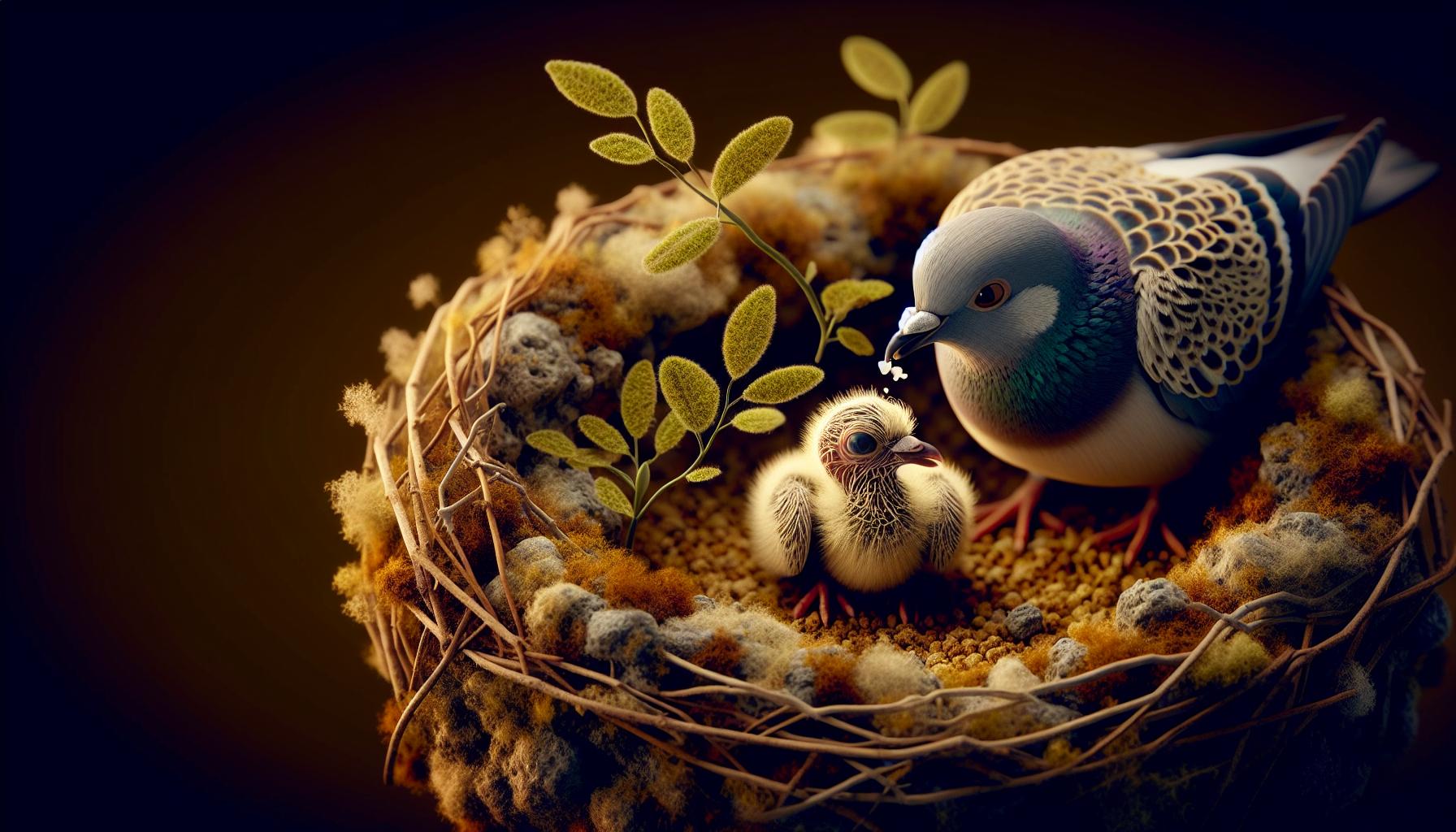
How Do Pigeons Feed Their Young?
Pigeons exhibit some of the most fascinating parental behaviors in the avian world, particularly in how they nurture their young through a unique feeding method. Unlike many bird species, both the male and female pigeons contribute to the feeding of their chicks by producing crop milk, a nutrient-rich fluid that is vital for their growth and sustenance. This remarkable cooperative feeding mechanism not only strengthens the bond between the parents but also highlights their commitment to ensuring their offspring thrive.
When it’s feeding time, parent pigeons regurgitate this specially formulated crop milk directly into the mouths of their chicks. The chicks, sensing the immediate availability of food, eagerly await this nutrient-dense offering. During the early days, when the chicks are unable to eat solid food, this regurgitated crop milk acts as their sole source of nourishment. The feeding process is incredibly efficient; both parents take turns feeding the young, typically every 2-3 hours, ensuring that the chicks receive consistent nutrition. This cadence is crucial, as it supports rapid growth, allowing the young pigeons to develop strength and vitality in their formative weeks.
As the chicks grow older, around 10 days into life, they begin to consume solid food along with continued feeding of crop milk. This transition is essential, as it encourages the development of their digestive systems and prepares them for independence. Moreover, the enriched crop milk is instrumental in supporting the immune system, providing the essential antibodies the chicks need to help fend off illness in their early vulnerable weeks.
Pigeon caregivers should take note of this feeding behavior when managing breeding pairs. Observing feeding times can provide insights into the health and well-being of the young pigeons. If one parent appears to be overly dominant or if the feeding seems infrequent, it may indicate a need for intervention, ensuring that all chicks receive adequate nourishment for healthy development. This insightful understanding of how pigeons feed their young fosters a deeper appreciation for their complex life cycle and informs caretakers about supportive strategies that align with these unique behaviors.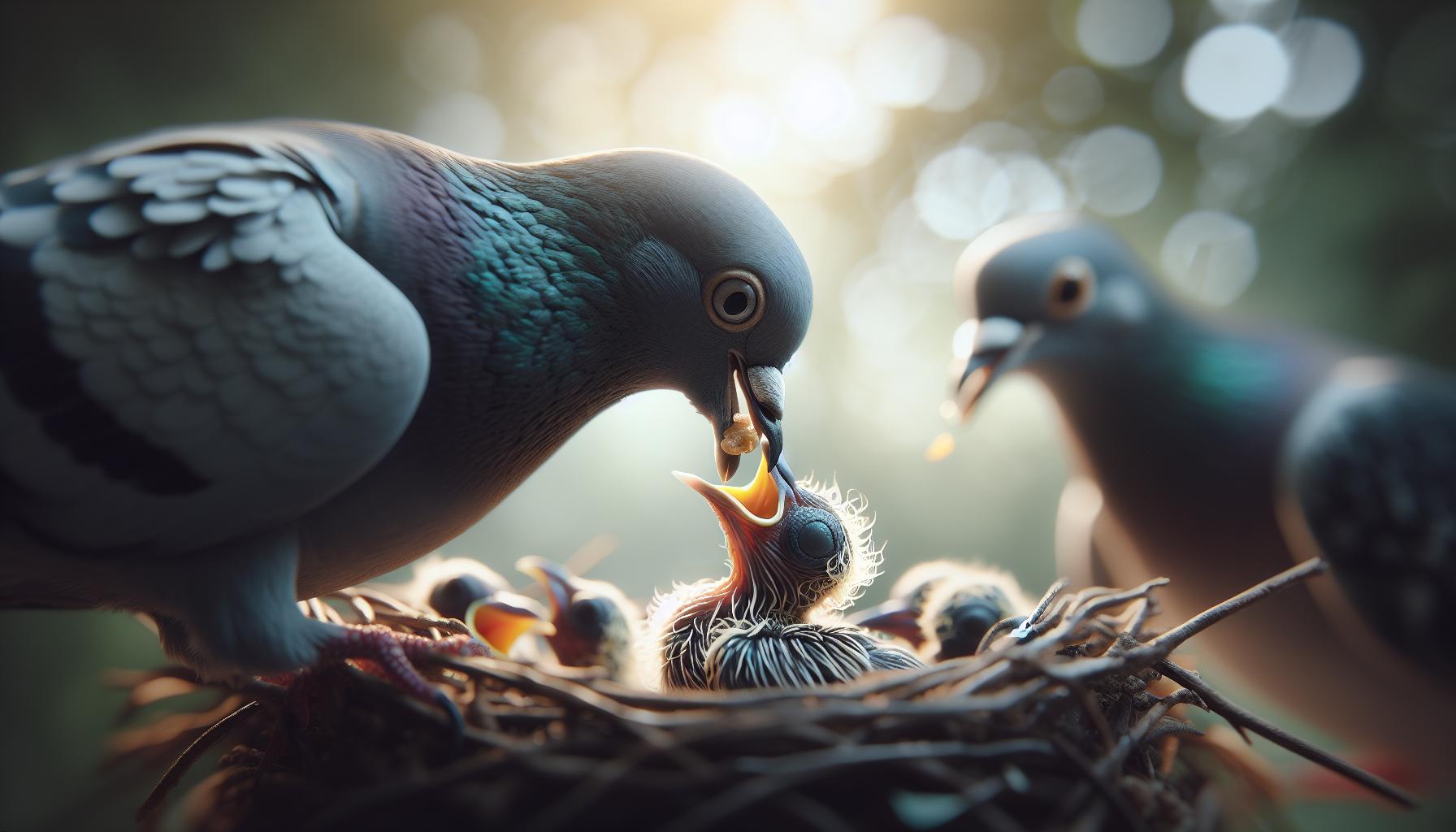
Nutritional Value of Pigeon Crop Milk
Pigeons offer one of nature’s most fascinating forms of parental feeding through the production of crop milk, a unique and highly nutritious fluid secreted in their crop. This remarkable substance is specifically designed to support the rapid growth of their chicks during the crucial early stages of development. Pigeon crop milk is rich in proteins, fats, vitamins, and minerals, providing a complete nutritional package that ensures the health and vitality of the young birds.
The composition of crop milk varies, but it typically contains a high proportion of proteins and lipids, which are essential for the chicks’ growth and energy needs. In fact, the protein content can be as high as 60 to 70 percent, making it an excellent growth medium for young pigeons. Additionally, crop milk is loaded with antibodies and other immune-boosting agents that help protect chicks from diseases during their vulnerable early weeks. This early nutritional support is critical, as chicks born without the ability to feed themselves rely solely on this nourishment until they can start eating solid food.
Furthermore, crop milk is not just a simple regurgitate; it undergoes a specific process of digestion and fermentation within the parent’s crop, enriching the nutritional quality of what is ultimately provided to the chicks. The feeding behavior aligns with the evolutionary adaptations of pigeons, highlighting their successful reproductive strategies. The combination of timed feeding every 2-3 hours during the early days ensures that the chicks receive a steady flow of nutrients, facilitating their rapid growth and development.
As caregivers to these remarkable birds, we should appreciate the significance of crop milk in pigeon care. Monitoring the feeding behaviors of parent pigeons and the condition of the chicks can provide vital insights into their health. Providing a proper diet for breeding pairs can enhance the quality of the crop milk produced, ensuring that the next generation is strong and healthy. By understanding the nutritional value of crop milk and its critical role in the life cycle of pigeons, we can better support their well-being and ensure the flourishing of these incredible birds.
Comparing Pigeon Milk to Other Animal Milks
Pigeon crop milk is a remarkable evolutionary adaptation that not only supports the nutritional needs of young pigeons but also sets it apart from the milks produced by mammals. Unlike cow’s milk, which is rich in calcium and lactose, pigeon crop milk has a unique composition tailored for the rapid growth of chicks. One of the most striking differences is in its high protein content, reaching up to 60-70%, which is crucial for the developing birds. This contrasts with mammalian milk, which often has varying levels of fat and sugar, such as lactose, which can be harder for some young animals to digest.
Unique Nutritional Benefits
Pigeon crop milk is also particularly rich in antibodies and immune-boosting agents, providing a defensive barrier to chicks against infections during their vulnerable early weeks. For comparison, while mammal milk such as human breast milk does contain antibodies, pigeon crop milk undergoes a fermentation process that enhances its nutritional profile further, making it a complex food source designed specifically for the swift growth and health of their hatchlings.
Feeding Mechanisms
In terms of feeding practices, pigeons regurgitate this nutrient-dense fluid to their chicks every 2-3 hours during the initial stages of life, unlike many mammals which have a more passive feeding approach such as suckling. This active feeding mechanism ensures a steady intake of critical nutrients at a time when energy demands are high due to rapid growth.
Cultural Perspectives
Culturally, pigeons and their feeding habits are often overlooked. Interestingly, crop milk has been noted in various folklore and culinary practices. While often considered less appealing compared to goat or cow milk in culinary uses, its nutritional profile is undeniably potent, reflecting a fascinating intersection of nature and human observation. Understanding these unique characteristics not only enriches our appreciation of pigeons but also informs better care practices for those raising these incredible birds, ensuring they thrive from the very beginning of their lives.
Cultures and Myths Surrounding Pigeon Milk
Pigeon crop milk, a fascinating secretion, has not only ecological significance but also cultural implications that span various regions and traditions. Despite being a lesser-known aspect of avian life, the phenomenon of crop milk has sparked curiosity and myths throughout history. The rich, nutrient-dense fluid produced by parent pigeons has been viewed through various lenses, revealing insights into how societies perceive this unique aspect of pigeon biology.
In many cultures, pigeons are emblematic of peace and fidelity, yet the concept of pigeons “feeding” their young with a milk-like substance often flies under the radar. Traditional narratives sometimes suggest that crop milk is akin to mammalian milk; however, the reality is that pigeons create this nutrient slurry through a unique avian process not seen in other birds. This misunderstanding has been perpetuated in folklore, where pigeon milk is sometimes romanticized as a mystical elixir, believed to offer health benefits and strength to those who might consume it – an example of how local customs can intertwine with natural phenomena.
Interestingly, in culinary contexts, crop milk has been mentioned in historical texts, though its use as an ingredient is rare and largely symbolic. In ancient times, some cultures viewed pigeon milk as a powerful nourishment for the young of different species, reflecting a respect for the natural world and its offerings. While it might not have gained the same culinary recognition as cow’s or goat’s milk, the nutritional potency speaks volumes about the pigeon’s evolutionary adaptations.
Understanding these cultural perspectives not only deepens our appreciation for the humble pigeon but also encourages responsible practices in pigeon care. By recognizing and valuing the scientific essence of crop milk, bird keepers can ensure their pigeons thrive, drawing inspiration from both the nutritional needs and the rich tapestry of myths that surround these remarkable birds. The tales of pigeons and their crop milk remind us that even the simplest aspects of nature can hold profound significance in human culture.
The Role of Crop Milk in Pigeon Care
The nurturing process of pigeons is as fascinating as it is vital to the development of their young. Unlike many other bird species, pigeons rely on a unique feeding method called crop milk to nourish their chicks. This substance, rich in proteins, fats, and antibodies, is vital for the health of the youngsters in their early stages of life. Understanding the role of crop milk not only enhances the care provided to these birds but also deepens the appreciation for their reproductive and social behavior.
During the first few days after hatching, pigeon parents produce crop milk by shedding the cells of their digestive tract, which combines with secretions from the crop. This highly nutritious fluid is regurgitated directly into the mouths of their chicks. As caretakers, ensuring that parent pigeons are healthy and well-fed is crucial. A nutritious diet for the adult birds leads to better crop milk quality, which significantly impacts the growth and immunity of the hatchlings. A balanced diet might include high-quality grains, seeds, legumes, and access to clean water to support the overall health of the pigeons and enhance crop milk production.
Moreover, understanding the specific needs of pigeon chicks during their reliance on crop milk is essential. Initially, they are entirely dependent on this secretion and exhibit behavior that indicates readiness for feeding, such as opening their mouths wide or bobbing their heads. Observing these behaviors allows caretakers to ensure the parents are engaging in appropriate feeding routines. If a chick appears weak or underfed, it may be necessary to intervene by offering supplemental feeding or consulting a veterinarian specializing in avian care.
Cultural beliefs about crop milk often highlight its importance beyond mere sustenance. Historically, some societies have revered this substance for its nourishing properties, believing it offers more than just the basics required for chick survival. As caretakers, this perspective can be a reminder of the intricate balance required in avian care-ensuring that both biological and emotional needs are met. By prioritizing a healthy environment and diet, we can not only support the physical development of the next generation of pigeons but also honor the remarkable process of parenting that these birds exhibit.
Key Differences Between Pigeon and Dove Milk
The intriguing world of pigeons and doves reveals significant differences in the crop milk they produce for their young, highlighting the nuances of avian parenting. Both species rely on this unique nutritional resource, yet variations in composition and the method of production set them apart. Pigeon milk, produced by both male and female pigeons, is rich in proteins, fats, and antibodies, essential for the rapid growth of their chicks. In contrast, dove milk, while also nourishing, tends to contain higher levels of fat and lower protein, giving it a distinct makeup that supports the slower growth rates typical of doves.
Composition and Nutritional Differences
Pigeon crop milk is primarily composed of epithelial cells that slough off from the parents’ crops and mix with digestive secretions. This combination creates a thick, creamy substance that is particularly high in protein, essential for the rapid development of young pigeons. On the other hand, dove milk has a similar secretory process but is richer in lipid content, offering energy primarily through fats, which is crucial for dove chicks that generally require longer nurturing periods due to their slower developmental pace.
Feeding Behavior Variations
The feeding behavior of pigeons and doves further illustrates their parenting differences. Pigeons often exhibit more aggressive and frequent feeding sessions, regurgitating crop milk several times throughout the day. This ensures their chicks, which can overcrowd the nest, receive adequate nutrition quickly. Conversely, doves tend to feed their chicks less frequently, employing a more gentle approach that reflects their nurturing style, which aligns with the dove’s more delicate temperament.
Impact on Chick Development
Understanding these differences can have practical implications for bird enthusiasts and caretakers. For instance, when caring for chicks of either species, recognizing their unique dietary needs can lead to better health outcomes. Providing appropriate nutrition and a stable environment will support their development more effectively. Moreover, acknowledging these behavioral and physiological traits fosters a deeper appreciation for the subtle dynamics of pigeon and dove parenting, enriching your experience as a bird observer or caregiver.
In summary, while both pigeons and doves create crucial crop milk for their young, their production and nutritional profiles differ markedly. These details not only shape the growth and health of their chicks but also offer caregivers vital insights into the best practices for supporting these fascinating avian families. Understanding these distinctions can enhance breeding success and promote healthier, more vibrant bird populations overall.
Pigeon Care: Supporting Nesting and Feeding
The nurturing behaviors of pigeons during nesting and feeding are fascinating and essential aspects of their life cycle. As devoted parents, both male and female pigeons contribute to raising their young, notably through the production of crop milk. Understanding how to support these remarkable birds in their nesting phase can significantly enhance their breeding success and ensure the health of their chicks.
When preparing the ideal environment for nesting, focus on providing a safe and clean area. Pigeons prefer small, secure spaces where they can feel protected from predators and disturbances. This can be as simple as a well-constructed pigeon loft or a sheltered outdoor space. Ensure that nesting materials, such as straw or soft hay, are readily available, as pigeons will use these to create a comfortable nest. Maintaining an adequate supply of fresh water and offering a balanced diet rich in seeds, grains, and specialized pigeon feed will also support the nutrient demands of both parents as they produce crop milk for their chicks.
The feeding behavior of pigeons is unique; after hatching, both parents regurgitate the nutrient-rich crop milk several times daily to their hungry chicks. This high-protein sustenance is vital for rapid growth and development. To aid this process, it is essential to limit interference during the nesting period. Observing from a distance can help minimize stress on the parents, allowing them to feed their young without disruption. If you’re caring for orphaned chicks or newly hatched pigeons, consider using a specially formulated hand-feeding formula to mimic crop milk-this should be administered with care and the appropriate tools to prevent aspiration or accidents.
Understanding the key role of crop milk production offers essential insights into pigeon care. With the right nest setup, adequate nutrition, and minimal disturbances, you can support these incredible avian parents and their young through to fledging. By nurturing their environment and respecting their natural behaviors, you’re contributing to the continued health and vitality of pigeon populations, enriching your experience as an avian enthusiast.
Common Misconceptions About Pigeon Milk
While many people are enchanted by the idea of pigeons producing a nourishing substance akin to milk, there are several misconceptions about what this “crop milk” actually is and how it functions. One common misunderstanding is that pigeon crop milk is similar to mammalian milk in composition and function. In reality, this secretion, produced by both male and female pigeons in their crop during breeding, is more akin to a semi-digested food source. It consists mainly of proteins, fats, and antibodies, providing a rich and easily digestible feeding option for their chicks.
Another prevalent myth is that pigeons produce this milk continuously. Pigeon parents actually produce crop milk for a relatively short duration, typically for the first couple of weeks after hatching. During this initial period, the parents regurgitate this nutrient-packed substance several times a day to meet the high energy demands of their rapidly growing chicks. As the young pigeons mature, they begin to eat seeds and grains, gradually reducing their reliance on crop milk.
Moreover, some might believe that because both male and female pigeons produce crop milk, there is no difference in the nutritional quality or quantity between the two. While both parents contribute equally, studies suggest there can be variations in the composition. For instance, the male may produce a slightly different formula that can impact the growth rates of the chicks, depending on who is feeding them at any given time. This cooperative breeding strategy highlights the complexities of pigeon parental care.
Finally, many people tend to overlook that crop milk is not a permanent feature of pigeon physiology. After the breeding season, pigeons no longer produce this substance, meaning the capability is tied to their reproductive cycle. Understanding these nuances enhances our appreciation of pigeons and can inform better care practices for those looking to support these fascinating birds in their nesting and feeding behaviors.
Discovering Pigeons: Fun Facts and Trivia
Did you know that pigeons are among the few bird species that produce a unique substance known as crop milk? This fascinating secretion is not milk in the traditional sense but a nutrient-rich fluid that helps nourish their chicks during the vital early stages of life. Here are some captivating tidbits about these remarkable birds and their crop milk production.
- Pigeon Parenting: Both male and female pigeons play an equal role in nurturing their young. They take turns producing crop milk, ensuring that their chicks receive constant nourishment. This cooperative behavior showcases the strong family bonds formed within pigeon pairs.
- Nutritional Powerhouse: The crop milk produced by pigeons is packed with proteins, antibodies, and fats, which are crucial for the rapid growth of chicks. Interestingly, crop milk can vary in composition depending on which parent is feeding the chicks, allowing for a tailored nutrition plan specific to the chicks’ developmental needs.
- Limited Production Time: Pigeons don’t produce crop milk indefinitely; the feeding period typically lasts for about two to three weeks after hatching. As the chicks mature, they gradually transition to a diet of seeds and grains, reducing their reliance on this specialized nourishment.
- Cultural Significance: Pigeons have been revered in various cultures throughout history. Often associated with peace and love, these birds also feature in myths and folklore. Their crop milk is a testament to their adaptability and strong nurturing instincts, reinforcing their cultural symbolism as caregivers.
Understanding the intricacies of pigeon crop milk enriches our appreciation for these birds and their parenting styles. Whether you are a new enthusiast or a seasoned birdwatcher, observing pigeon behavior can provide a fascinating glimpse into the natural world and underline the importance of supporting their habitats and care practices.
How to Recognize Pigeon Parental Behavior
Pigeons are remarkable parents, and their nurturing behaviors offer a stunning insight into the dynamics of bird care. One of the most distinctive aspects of pigeon parenting is their shared responsibility in feeding their young. Both male and female pigeons produce crop milk, a rich, nutrient-dense secretion that plays a crucial role in the chicks’ development during the first few weeks of their lives. Observing these behaviors can help you recognize healthy parental practices among pigeons.
When watching a pair of pigeons, look for signs of cooperation. You might notice them taking turns incubating their eggs or feeding their chicks. Male pigeons often exhibit protective behaviors, such as puffing up their feathers and cooing softly to reassure their mates and deter potential threats. It’s also common to see one parent engaging in a feeding routine while the other stands guard. This vigilant behavior is essential for chick safety and signifies a strong partnership.
Another clue to parental behavior is the way pigeons interact with their chicks. When it’s time to feed, you’ll see them regurgitating crop milk-a yellowish, creamy substance-directly into the mouths of their young. This feeding method is not only efficient but also strengthens the bond between parent and chick, as it requires trust and closeness. Pay attention to how often they feed; healthy parents typically feed their chicks several times a day, ensuring they receive adequate nutrition for growth.
Understanding these behaviors not only fosters an appreciation for pigeons’ nurturing instincts but also highlights the delicate balance of their breeding and parenting roles. Whether you’re observing wild pigeons in an urban park or caring for domesticated ones, recognizing these behaviors can greatly enhance your experience and understanding of these fascinating birds.
Frequently Asked Questions
Q: Do pigeons produce milk like mammals?
A: No, pigeons do not produce milk in the same way mammals do, but they create a substance called crop milk, which is a nutrient-rich fluid secreted from their crops to feed their young. This unique biological feature ensures that pigeon chicks receive essential nutrients early in life.
Q: What is crop milk and how is it formed?
A: Crop milk is a secretion produced in the crop of adult pigeons, composed mostly of proteins and fats. Its production occurs after the parents feed on seeds and grains, which are then digested and transformed into a nutritious liquid for their chicks.
Q: Why do pigeons feed crop milk to their young?
A: Pigeons feed crop milk to their young because it is nutrient-dense and easily digestible, providing the necessary energy and proteins for the rapid growth of chicks during their early developmental stage.
Q: How long do pigeons feed their chicks crop milk?
A: Pigeons typically feed their chicks crop milk for about 7 to 10 days after hatching. As the chicks grow and begin to develop feathers, the parents gradually introduce solid food into their diet.
Q: Is pigeon crop milk nutritious compared to cow’s milk?
A: Yes, pigeon crop milk is highly nutritious, containing more protein and fat than cow’s milk. It is specifically tailored to meet the needs of growing pigeon chicks, whereas cow’s milk is designed for calves’ needs.
Q: Can humans consume pigeon crop milk?
A: Pigeon crop milk is not suitable for human consumption. It is specifically formulated for pigeons and lacks the necessary components required for human dietary needs. Stick to more traditional sources of nutrition.
Q: Are there cultural beliefs about pigeon milk?
A: Yes, various cultures harbor myths and beliefs about pigeon milk, often associating it with fertility and vitality. These cultural perceptions highlight the significance of pigeons in human history and their unique care methods.
Q: How can pigeon owners support crop milk production?
A: To support crop milk production, pigeon owners should provide a balanced diet rich in seeds, grains, and water to the adult birds. Healthy parents are crucial for healthy crop milk, which is vital for the well-being of their chicks.
For further insights into pigeon care and behavior, explore sections on Nutritional Value of Pigeon Crop Milk and Pigeon Care: Supporting Nesting and Feeding in your article.
Final Thoughts
Now that you know the fascinating truth about pigeons and their ability to produce crop milk, it’s time to dive deeper! This unique aspect of pigeon biology not only highlights their maternal bond but also underscores the incredible adaptations these birds have for nurturing their young. If you’re curious about how to care for pigeons or want to explore their behavior further, check out our comprehensive guides on pigeon care techniques and breeding insights.
Don’t miss out on the opportunity to become a more informed pigeon enthusiast! Sign up for our newsletter to receive tips, stories, and the latest research right in your inbox. Have questions or experiences to share? Join the conversation in our forum and connect with fellow pigeon lovers. Let’s keep exploring the remarkable world of pigeons together-your next adventure in birding starts here!