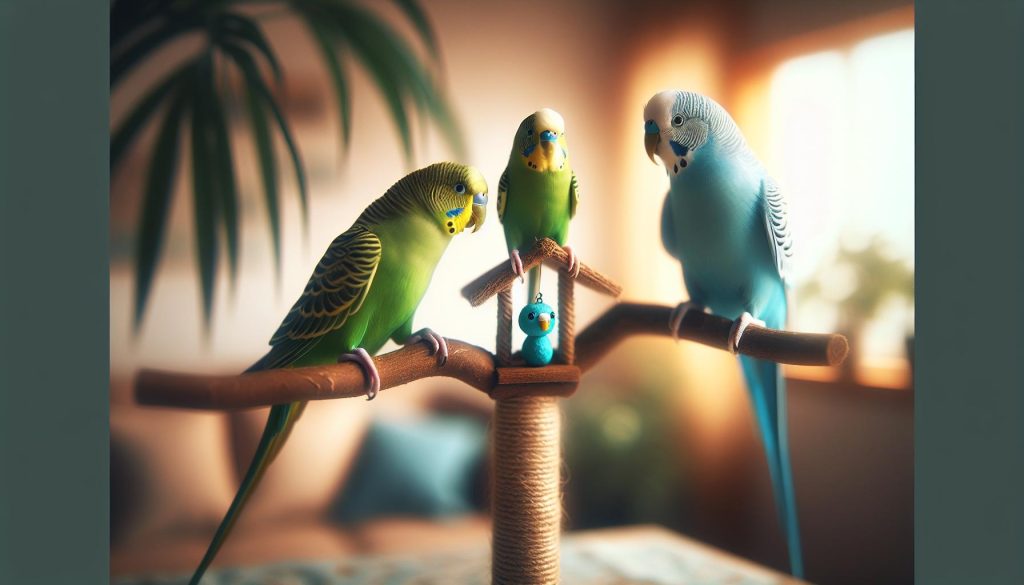
Have you ever watched in dismay as your parakeets, once cheerful companions, suddenly square off as if they’re in a feathery battle royal? This behavior can be concerning for any bird owner, as it impacts not only the happiness of your avian friends but also their health and safety. Understanding the reasons behind parakeet conflicts is crucial for fostering a harmonious environment where they can thrive. From territorial disputes to social hierarchies, these feisty emotions can stem from various sources. By recognizing the triggers of their skirmishes, you can implement effective conflict resolution strategies to restore peace in your home. Join us as we explore the ins and outs of parakeet behavior, and discover valuable solutions to create a happier, more cohesive flock. Your journey toward understanding and harmony starts here!
Understanding Common Causes of Parakeet Conflicts
Understanding why parakeets might engage in conflicts can be quite revealing for any bird owner. These charming little birds are inherently social creatures, thriving on interaction and companionship. However, various factors can trigger tensions among them, leading to squabbles and aggressive behavior. A common cause stems from resource competition; parakeets can become territorial, especially over food, toys, or perching spots. Each parakeet has its own personality, and when a lack of space or resources occurs, it can lead to conflicts.
Additionally, changes in the environment or routine can unsettle parakeets, causing stress that can manifest as aggression. Introducing new birds, rearranging their living space, or even changes in human interactions can disrupt their social dynamics. In such cases, the birds might display signs of anxiety or hostility toward each other as they attempt to establish a new hierarchy. Understanding their social structure is crucial; parakeets communicate through body language and vocalizations that indicate their mood, which can help owners preemptively mitigate potential conflicts.
Another common source of strife is the establishment of dominance. Parakeets often exhibit dominant behavior to assert their place within the social hierarchy. This struggle can be particularly pronounced during mating season, when hormonal changes may exacerbate territorial disputes. It’s important to monitor interactions closely during this time and provide ample opportunities for each bird to express itself without feeling threatened or cornered. By recognizing these triggers, owners can take proactive steps to foster a more harmonious environment for their feathered friends.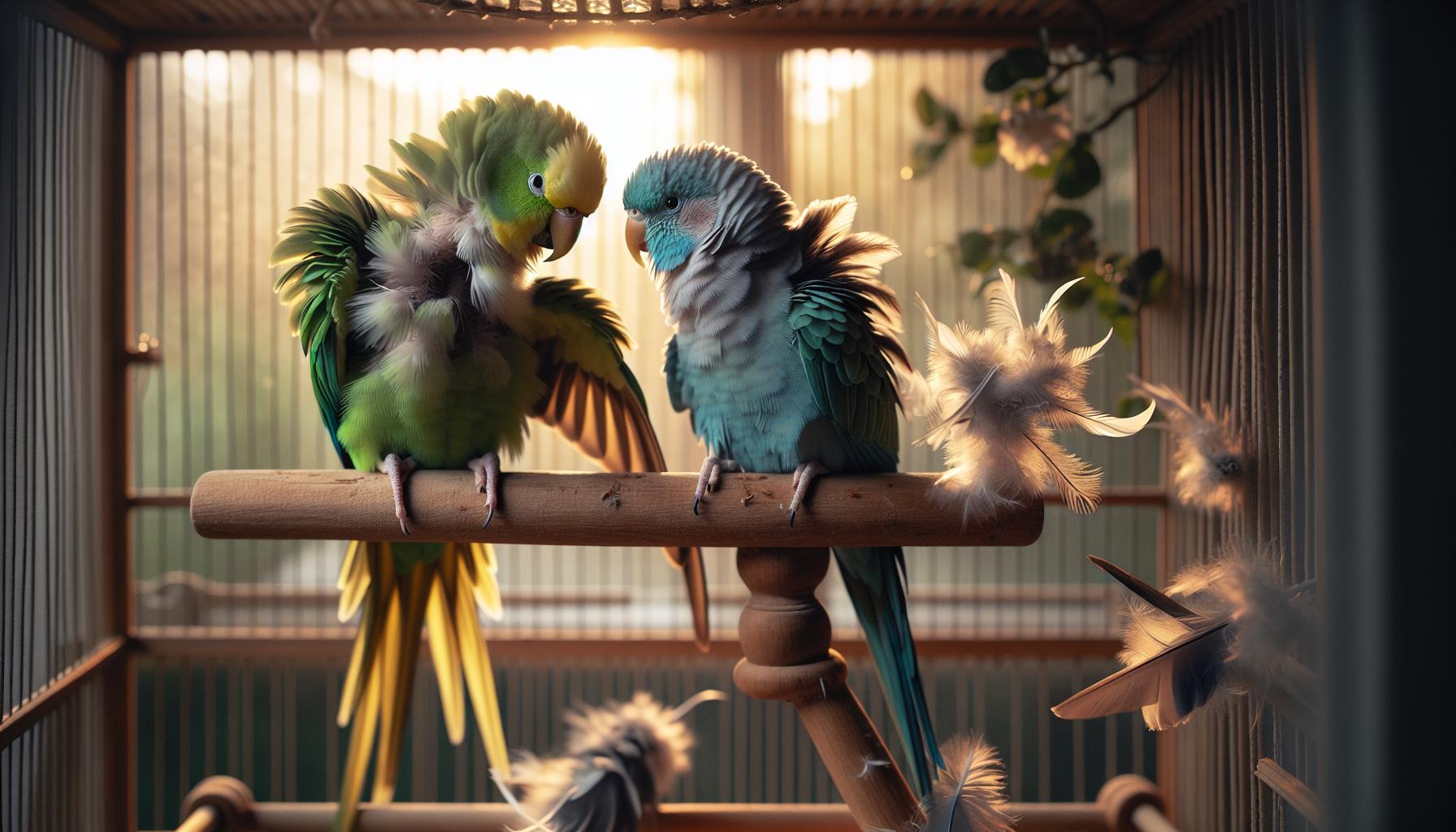
Signs Your Parakeets Are Fighting
When you bring multiple parakeets into your home, you might expect the sound of cheerful chirps and playful interactions. However, it’s not uncommon to observe behavior that suggests they are fighting. Recognizing the signs early on is essential in preventing serious conflicts that could lead to injuries or prolonged stress among your birds.
One of the most noticeable signs of fighting is aggressive body language. Watch for fluffed feathers, which often indicate a bird is feeling threatened or defensive. Additionally, if you see your parakeets lunging at each other or engaging in persistent beak-to-beak contact, this can signal an escalation towards aggression. Vocalizations also play a vital role; loud, harsh squawks or screeches often indicate that a parakeet is feeling threatened or is asserting dominance. In contrast, softer chirps may mean that they are communicating more peacefully.
Another clear sign is physical confrontation. If you notice that one parakeet is persistently chasing another, pecking, or attempting to establish physical dominance through wrestling, it’s an indication that they are fighting rather than playing. Birds that are fighting may also display a change in their typical behaviors, like avoiding certain perches or becoming overly skittish. This behavioral change could also lead to a decreased appetite, which is detrimental to their health.
If these signs emerge, it’s crucial for owners to intervene gently and thoughtfully. By recognizing these indicators promptly, you can take steps to separate the birds or adjust their environment to alleviate tensions. Such proactive measures can foster a more tranquil atmosphere, allowing your parakeets to coexist harmoniously.
Creating a Peaceful Environment for Your Birds
Creating a harmonious space for your parakeets is essential for their overall well-being and can significantly reduce instances of conflict. Parakeets are social creatures that thrive in environments where they feel safe and secure. One of the first steps you can take is to ensure that the cage and living area are spacious enough for all your birds. Overcrowding can lead to stress and territorial disputes, so providing ample space for each bird to perch, play, and retreat is crucial. A good rule of thumb is to have a cage that is at least 18 inches by 18 inches for each bird, with a variety of perches at different heights to help them establish their own areas.
In addition to space, enrich the environment with stimulating toys and foraging opportunities. Parakeets are naturally curious and benefit from interacting with their surroundings. Incorporate a range of safe toys-such as swings, ladders, and chewable items-into their cage. Consider placing food in different locations to encourage exploration and reduce competition during feeding times. This strategy not only keeps them engaged but also fosters friendly social interactions as they discover and share these resources.
It’s also important to maintain a consistent routine for feeding and care. Birds are creatures of habit, and having a predictable schedule can help mitigate anxiety and aggressive behaviors. Regularly changing the location of toys and perches can introduce new challenges and keep your feathered friends mentally stimulated, which is often a preventive measure against boredom-induced conflicts.
Lastly, ensuring that the environment is quiet and free from sudden disturbances can greatly benefit your birds. Loud noises or rapid movements can startle them, leading to skirmishes as they react defensively. Create a calm atmosphere by placing their cage in a low-traffic area and minimizing exposure to aggressive stimuli, such as barking dogs or loud televisions. By implementing these strategies, you’ll cultivate a peaceful haven for your parakeets, promoting positive interactions and minimizing conflicts within your flock.
Identifying Dominance Behaviors in Parakeets
Understanding the social dynamics of parakeets can significantly enhance your ability to manage conflicts among them. Recognizing dominance behaviors is crucial because these interactions can dictate the peace of your multi-bird environment. Parakeets, like many other parrot species, establish a hierarchy that influences their relationships and social interactions. By identifying these behaviors, you can create a more harmonious living situation for your feathered companions.
Among the most noticeable signs of dominance in parakeets are specific postures and vocalizations. A parakeet that holds its head high, fluffs its feathers, or spreads its wings slightly may be signaling dominance. Such displays can be accompanied by aggressive squawking or chirping, particularly when asserting space or during confrontations over food or perches. Additionally, behavior like chasing, blocking access to resources, or repeatedly landing on a particular perch can indicate a bird’s attempts to assert its status. Observing these interactions can give you insight into which parakeet views itself as the dominant individual.
To mitigate instances of aggression fueled by these dominance behaviors, it’s essential to provide separate zones within their shared space. Multiple perches and feeding stations placed throughout the cage can help minimize competition and allow lower-ranking birds to eat or play without stress. Regularly rearranging these resources can also serve as a distraction, promoting new and less competitive behaviors. Moreover, integrating plenty of activities that engage all birds simultaneously-like foraging toys or puzzles-can shift their focus away from territorial disputes and foster cooperation.
By understanding and addressing dominance behaviors, caregivers can cultivate a better environment where parakeets can coexist more peacefully. Establishing yourself as a knowledgeable observer allows you to reinforce positive interactions through rewards or shared activities, ultimately leading to a more harmonious atmosphere for everyone involved.
Effective Conflict Resolution Strategies
Conflict among parakeets can be disheartening for bird keepers, but employing effective resolution strategies is essential to restore harmony in your aviary. One of the most crucial steps to mitigate fighting is to observe your birds closely to identify the triggers of their altercations. Common reasons for disputes can include competition over food, perches, and toys, or disputes arising from misunderstandings in their social hierarchy. By targeting these specific issues, you can implement tailored strategies that foster peace.
A practical approach is to enhance the environment where your parakeets reside. Creating an enriched habitat filled with multiple perches, feeding stations, and toys can significantly reduce tension. Providing at least two of everything-food bowls, water dishes, and perches-ensures that all birds have access to necessary resources without feeling threatened. Moreover, placing these items in various locations within the cage encourages movement and exploration, lessening the likelihood of territorial claims over resources. This setup also allows each parakeet to establish their own space, promoting a sense of security.
In addition to improving resource availability, introducing structured playtime can help ease competitive tendencies. Engaging your birds in activities such as foraging or puzzle toys can divert their focus from conflicts to cooperative efforts. For example, consider setting up a large play gym where all birds can interact with different toys simultaneously, fostering teamwork and reducing individual stress. Regularly rotating the toys can also keep the environment stimulating and maintain their interest, ultimately leading to fewer squabbles over possessions.
Another effective technique involves using positive reinforcement to encourage peaceful interactions. Rewarding good behavior with treats or praise can solidify harmonious relationships between your birds over time. Observing and identifying which birds are prone to aggression can allow you to intervene with reinforcements when they interact positively, creating a cycle of good behavior that becomes habitual. In scenarios where conflicts arise, providing a “time-out” space for the aggressor can help them cool down and rethink their approach without escalating tensions.
When all else fails, consider the potential need for separate living arrangements. While parakeets are social creatures, some individuals may not coexist well due to incompatible personalities. If persistent fighting occurs despite your best efforts, it might be necessary to house particularly aggressive birds separately, ensuring the safety and well-being of all your pets. Remember, your goal is to cultivate an environment that allows each parakeet to thrive while maintaining the overall peace of the home.
How to Introduce New Parakeets Safely
Introducing new parakeets into an existing flock can be a delicate process, full of potential for enrichment but also for conflict. One of the primary challenges is that parakeets are social creatures with well-defined social hierarchies; when a new bird is introduced, it can disrupt the status quo, leading to squabbles or even aggression. To foster a harmonious transition, it’s crucial to employ careful and systematic steps.
Start by setting up a separate, neutral space for the new parakeet. This allows them to acclimate to their new surroundings without feeling threatened by established residents. During this period, engage in daily activities with both birds to create a sense of familiarity. Consider placing the new bird’s cage near the existing birds’ cage, allowing them to observe each other without direct contact. This gradual exposure helps reduce territorial instincts and lets your current parakeets get used to the new addition at their own pace.
Once the initial introduction phase has passed, it’s time to introduce the birds more directly. Timing is vital; choose a day when the household is calm. Make sure to have plenty of toys and perches accessible to decrease competition over resources. Engage them in a play session in a spacious room where they can perch apart yet remain within sight of each other. This structured environment encourages social interaction without forcing them into close quarters too quickly.
Monitoring interactions during these early introductions is crucial. Look for signs of aggression, such as fluffed feathers, squawking, or aggressive pecking. If conflicts arise, it may help to temporarily separate the birds and try again later. Using positive reinforcement, reward desirable behaviors such as curiosity or calmness among the birds with treats or praise, reinforcing a peaceful coexistence. With patience and careful observation, your new parakeet can become a cherished member of your feathery family, contributing to a vibrant and dynamic social environment.
Nutritional Factors Influencing Parakeet Aggression
The relationship between nutrition and behavior in parakeets is crucial, particularly when it comes to understanding and managing aggression. Many owners may not realize that a parakeet’s diet significantly influences its overall temperament and social dynamics. An unbalanced diet, especially one high in seeds or low in essential nutrients, can lead to excessive aggression or anxiety among birds. Just as in humans, a well-rounded diet contributes to better mood regulation and overall health, allowing birds to interact harmoniously with one another.
One common nutritional pitfall is the over-reliance on seed-based diets which often lack the variety and enrichment birds need. Seeds can be high in fat and low in essential vitamins and minerals, leading to behavioral issues such as aggression and heightened territoriality. Transitioning your parakeets to a more balanced diet that includes fresh fruits, vegetables, and high-quality pellets not only supports their physical health but can also improve their social behavior. For example, incorporating leafy greens and colorful fruits such as berries can provide antioxidants, which help in managing stress levels and promote overall wellbeing, fostering a more peaceful coexistence among your birds.
Moreover, specific dietary components can play a pivotal role in influencing hormone levels, which in turn affect aggression levels. For instance, excessive phytoestrogens found in certain foods can lead to behavioral problems. Understanding which foods can contribute to these issues is vital. Providing a varied diet that limits these phytoestrogens can significantly mitigate aggressive behaviors among parakeets. Additionally, making sure your birds receive sufficient calcium, through items like cuttlebone or calcium-rich vegetables, will help support their overall health and minimize tension, as calcium deficiencies can lead to irritability and aggressive posturing due to discomfort.
To promote a peaceful environment, consider setting up a diet plan that balances pellets with fresh produce while monitoring your birds’ reactions to these changes. Keep an eye on their social interactions during meal times, as competition over food resources can often lead to conflicts. By ensuring all birds have equal access to food and varying their diets, you can reduce the likelihood of aggression and foster a feeling of safety and community within your feathered family.
Behavioral Insights: Understanding Parakeet Social Dynamics
Understanding the intricate social dynamics of parakeets can greatly enhance your ability to foster a harmonious environment among your feathered friends. Parakeets, like many social birds, thrive on interaction and social structures; however, their playful natures can sometimes lead to conflicts. Observing their interactions closely offers valuable insights into their social hierarchies and helps prevent disputes that can escalate into more serious problems.
One key area to consider is the establishment of a pecking order within your flock. Parakeets naturally form social hierarchies, where dominant individuals assert themselves over others, often leading to squabbles over perceived territories or resources. Behavioral cues such as preening, vocalizations, and body postures play vital roles in these interactions. For instance, when you see one parakeet puffing up its feathers or engaging in aggressive vocalizations, it may be asserting dominance over the spaces they share. Understanding these signals can help you identify potential conflicts early on.
Another important aspect of parakeet behavior is their innate need for enrichment and stimulation. Boredom can lead to increased aggression as birds may take out their frustrations on one another. Ensuring that your parakeets have plenty of toys to play with, opportunities for exercise, and varied perches can contribute significantly to reducing conflicts. Activities such as foraging and climbing can keep their minds and bodies engaged, lowering the chances of competition and aggression among them.
Moreover, regular, positive interactions with your parakeets can strengthen their bonds and minimize conflicts. Sharing time with them outside the cage, offering treats, and practicing simple training exercises can foster trust and reinforce social connections. Remember, a happy, well-adjusted parakeet is less likely to engage in fighting. Setting up your bird’s environment to support their social needs and individual personalities helps reduce tension and promotes a peaceful coexistence, making for a happy, well-balanced aviary.
Enrichment Activities to Reduce Fighting
Creating a stimulating environment is essential for parakeets to thrive and helps significantly in reducing conflicts among them. Boredom can spark disagreements, as these intelligent birds seek out ways to entertain themselves, often at the expense of their companions. By providing various enrichment activities, you can keep your parakeets engaged and content, which in turn minimizes the chances of fighting.
One effective strategy is to introduce a diverse range of toys. Rotate toys regularly to maintain novelty; consider different types such as:
- Foraging toys: Items that encourage searching and retrieving can tap into their natural instincts.
- Chewing toys: Wood or paper-based options can satisfy their need to chew.
- Mirrors and bells: These can provide entertainment and stimulate social interaction without leading to aggression.
Exploring interactive activities can also foster a more harmonious atmosphere. Spend time outside the cage where they can fly freely and explore safely, offering them opportunities to interact better. Incorporate structured activities like training sessions, where you can teach them simple tricks using treats as rewards. This not only distracts them from territorial disputes but also builds trust between you and your birds.
Foraging is another vital aspect of keeping parakeets engaged. You can create a simple foraging station using shredded paper or grass as a base to hide their favorite seeds or small treats. This encourages them to work together, reducing feelings of competition for food and space.
Moreover, ensure that their enclosure has multiple perches and hiding places to reduce territorial behavior. Having enough personal space can significantly decrease disputes, as each bird can feel secure in its spot without feeling threatened by a roommate.
Ultimately, the key lies in the combination of providing various enrichment opportunities and actively engaging in your parakeets’ lives. With a well-stimulated environment, you’ll foster relationships among your feathered friends that are nurturing rather than combative.
When to Seek Professional Help for Bird Behavior
Recognizing when to seek professional help for your parakeets can make a significant difference in maintaining their well-being and harmony. While many conflicts can be resolved with patience, creativity, and proper care, there are instances where the intervention of an avian behaviorist or veterinarian specializing in bird behavior is crucial. If you find that despite your best efforts, your birds consistently display aggressive behaviors or struggle with chronic stress and anxiety, it’s time to consult an expert.
There are several clear indicators that professional assistance may be necessary. For instance, if one parakeet is consistently bullying or attacking another, and you notice injuries or signs of severe stress, like plucking feathers or excessive screeching, these could be red flags. Similarly, if one bird becomes withdrawn, stops eating, or exhibits changes in their usual behavior, professional guidance can help determine whether behavioral issues stem from environmental factors or underlying health problems. An avian veterinarian can perform health checks to rule out medical reasons before addressing behavior.
In situations involving multiple birds, dynamic social structures often lead to increased tension. If you’ve implemented environmental enrichments, gang members are introduced successfully, or other behavioral modifications, and conflicts persist, a behaviorist can analyze these interactions. They can offer tailored strategies and insights into your birds’ social dynamics, helping identify the root of the issue and ways to improve living arrangements or social interactions.
Ultimately, seeking professional help is not an admission of failure but rather a proactive step toward ensuring the health and happiness of your feathered friends. Utilizing expert advice can provide invaluable resources for both newcomers and seasoned bird owners, enhancing your understanding of parakeet behavior and leading to a more peaceful cohabitation.
The Role of Bonding in Minimizing Conflicts
Establishing strong bonds between your parakeets can significantly reduce conflicts and create a more harmonious environment. When parakeets develop a healthy social connection, they are less likely to engage in aggressive behaviors. Bonding occurs through shared experiences, mutual trust, and positive interactions, which help mitigate feelings of jealousy or competition.
One effective way to enhance bonding is to encourage simultaneous playtime or feeding. When both birds can enjoy their favorites-be it toys, treats, or even spaces within their cage-they learn to associate good experiences with each other. Here are some practical tips:
- Encourage interaction: Introduce toys that require teamwork, like foraging toys where they have to work together to retrieve food.
- Parallel activities: When training one bird, have the other close by, allowing them to observe and gradually become more comfortable with one another.
- Shared space: Ensure they have sufficient space and resources in their cage, like multiple perches and feeders, so neither bird feels threatened or deprived, minimizing territorial disputes.
It’s also important to monitor their body language during interactions. Signs of stress or aggression, such as puffing up, lunging, or screeching, indicate that they need more time apart or that their introductions require a more gradual approach. Take cues from their behavior: if one bird consistently shows dominant tendencies, you may need to intervene and manage their interactions to maintain a peaceful atmosphere.
As the bond between your parakeets strengthens, you may also observe behaviors such as grooming or preening, which are strong indicators of friendship. This companionship not only enriches their lives but can also alleviate stress, leading to a healthier and happier environment for both birds. Make bonding a daily focus, and soon you’ll find that your parakeets are thriving together, minimizing conflicts and maximizing the joy they bring to your home.
Tips for Multi-Bird Households: Harmony and Health
Creating a joyful and peaceful atmosphere in a multi-bird household involves understanding the dynamics at play among your feathered friends. With their lively personalities and diverse social needs, it’s essential to provide an environment where they can thrive together, minimizing conflicts that may arise from competition or territorial tendencies.
One of the most effective strategies to promote harmony is to establish multiple feeding stations and perches throughout the living space. This setup ensures that each bird has access to resources without feeling the need to compete. By offering different feeding options, you can alleviate stress and reduce aggressive behaviors that stem from food hoarding. Remember, even though budgies and parakeets enjoy social interaction, they are also territorial creatures who need their own space to feel secure.
It’s also crucial to monitor their interactions closely. Understanding the subtle nuances of parakeet communication can guide you on when to intervene. Observing body language-like puffing up feathers, lunging, or persistent squawking-can be indicators of discomfort or dominance. Providing them with opportunities to socialize without overwhelming them is beneficial. For example, when introducing a new bird to the flock, allow for shorter, supervised interactions before extending them to longer playtime.
Incorporating enrichment activities can also play a significant role in reducing fighting. Toys that encourage problem-solving and teamwork-such as puzzle feeders or foraging toys-can keep their minds engaged and lessen the chances of conflict due to boredom or excessive energy. Additionally, activities that allow for parallel play, where birds can engage simultaneously without direct competition, help them build positive associations with one another.
Lastly, keep in mind the importance of routine and stability. Birds thrive on predictability, so establishing a daily schedule for feeding, playtime, and interaction can help them feel more secure in their surroundings. By fostering a supportive environment where each parakeet feels valued and secure, you’ll not only reduce conflicts but also cultivate a thriving community where all your birds can flourish together.
Frequently asked questions
Q: Why are my parakeets constantly squawking at each other?
A: Constant squawking can indicate territorial disputes or a lack of social structure. To resolve this, ensure that each bird has enough space and resources, such as toys and perches, to prevent competition. Consider reviewing the section on “Creating a Peaceful Environment for Your Birds” for more insights.
Q: How can I tell if my parakeets are playing or fighting?
A: Observing body language is key. Playful parakeets will engage in light flapping and vocalizations, while fighting often involves aggressive postures and loud screams. If you notice aggressive behaviors, refer to “Signs Your Parakeets Are Fighting” for more details.
Q: What should I do if one of my parakeets is being bullied?
A: If a parakeet is being bullied, it’s important to separate them temporarily to reduce stress. Reintroduce them gradually while monitoring interactions. Consult the “Effective Conflict Resolution Strategies” section for more comprehensive solutions tailored to bullying behavior.
Q: When should I intervene in parakeet fights?
A: Quick intervention is crucial if fighting escalates into severe aggression, leading to injuries or stress. It’s best to separate the birds and assess their environment for stressors. You can learn more about this in the section “When to Seek Professional Help for Bird Behavior.”
Q: How can I introduce new parakeets without causing fights?
A: Introduce new parakeets gradually by keeping them in separate cages initially, allowing them to get used to each other’s presence. Familiarize them with each other’s sounds and scents before direct contact. Reference “How to Introduce New Parakeets Safely” for a detailed guide on this process.
Q: Do certain foods make parakeets aggressive?
A: Yes, improper diets can lead to aggression in parakeets. Avoid high-fat foods and ensure a balanced diet rich in seeds, fruits, and vegetables. Check the section “Nutritional Factors Influencing Parakeet Aggression” for further tips on dietary management.
Q: How can environmental enrichment help reduce fighting among parakeets?
A: Environmental enrichment, such as adding toys and perches, can alleviate boredom and territorial disputes. Providing stimulating activities decreases excessive fighting by keeping parakeets engaged. Explore “Enrichment Activities to Reduce Fighting” for specific recommendations.
Q: What social dynamics do parakeets have that could lead to conflicts?
A: Parakeets display a complex social dynamic where they establish pecking orders. Conflicts often arise from competition for resources or dominance. Understanding these dynamics is vital; check the section on “Behavioral Insights: Understanding Parakeet Social Dynamics” for a deeper dive into these interactions.
Concluding Remarks
Understanding why your parakeets are fighting is the first step to fostering a harmonious environment in your home. By providing adequate space, varied perches, and stimulating toys, you can significantly reduce conflicts and ensure that your feathered friends thrive together. Don’t wait-implement these solutions today for a happier, more cohesive flock!
For further insights, explore our guides on creating an enriching habitat for your birds and effective parakeet training techniques. If you’re still experiencing issues, consider reaching out to us for personalized advice. Join our newsletter for expert tips straight to your inbox, and don’t hesitate to share your experiences in the comments below. Your next friendly conversation about avian behavior might just be a click away!