Did you know that birds experience a broader spectrum of colors than humans? While we see three primary colors, many birds perceive ultraviolet light, allowing them to see hues invisible to us. Understanding how birds see colors is not just a fascinating topic; it enhances our appreciation of their behaviors, mating rituals, and foraging strategies. Whether you’re a seasoned birder or just stepping into the world of avian observation, grasping the intricacies of avian visual perception can deepen your connection to nature. Join us as we explore the vibrant world of colors through the eyes of our feathered friends, unveiling the mysteries that influence their lives and enhance our birdwatching experiences.
What Colors Do Birds See? The Science of Avian Vision
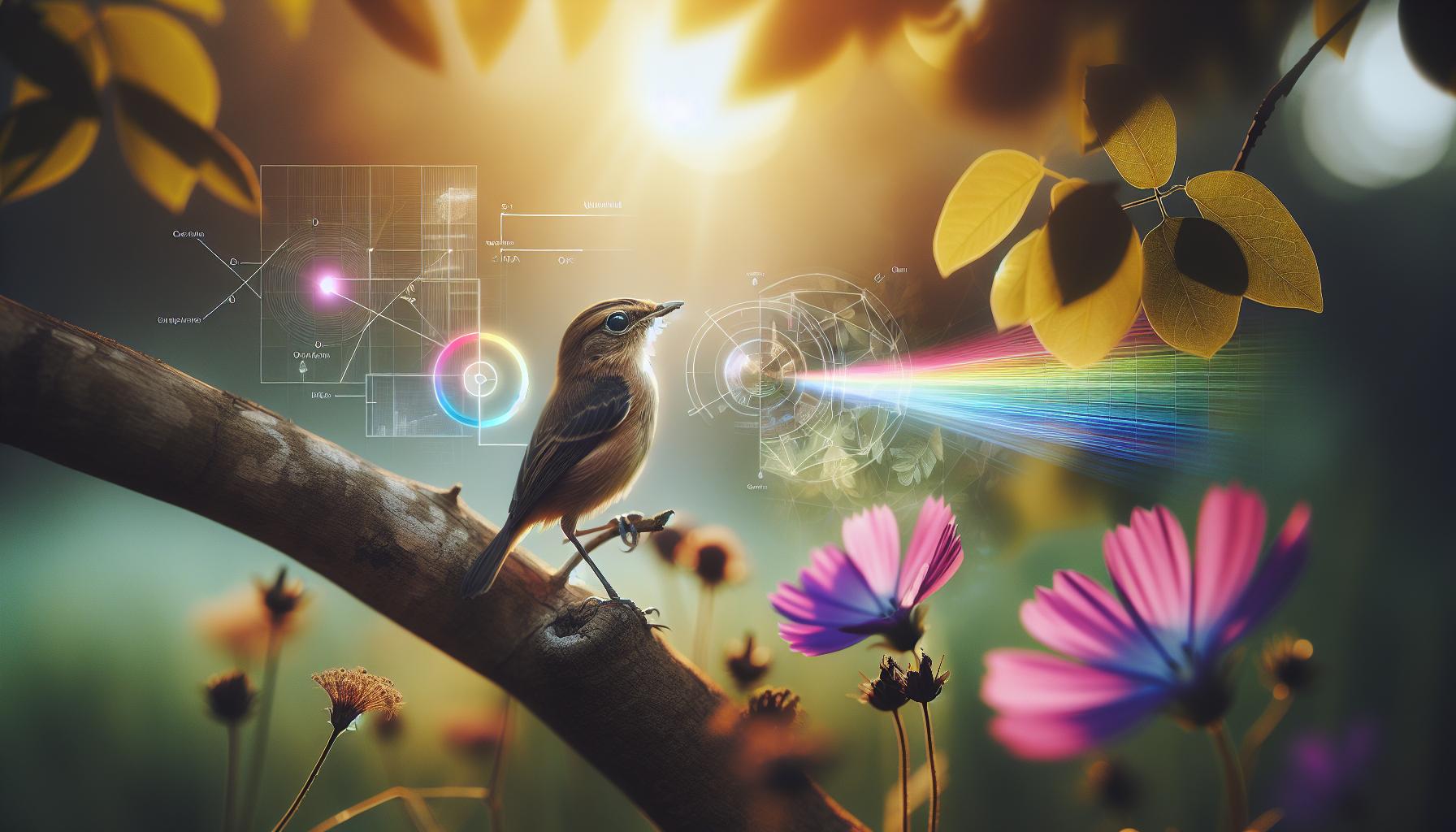
Birds inhabit a vivid world where colors hold significant meaning, offering more than just beauty; they serve vital roles in communication, foraging, and mating. Unlike humans, who primarily see a range of colors within the visible spectrum from red to violet, birds possess a remarkable ability to perceive ultraviolet light, expanding their color recognition abilities dramatically. While we see approximately 3 million colors, it is estimated that some birds can detect up to 100 million, thanks to the unique structure of their eyes.
Birds’ retinas contain four to five types of cone cells – specialized for color vision – compared to three in humans. This anatomical advantage allows them to distinguish subtle differences in shades and patterns that we may overlook. For instance, a blue jay’s plumage appears bright blue to us, but in the ultraviolet spectrum, it may exhibit intricate patterns that convey information to other birds. Similarly, the bright colors used by many species during courtship displays often include hues invisible to the human eye, making them particularly attractive to potential mates.
Understanding how birds perceive colors can enhance our birdwatching experiences. For example, when setting up feeders or nesting boxes, consider the colors that may attract specific species. Hummingbirds, known for their attraction to bright reds and oranges, can lead you to witness spectacular displays as they navigate their vibrant world. Similarly, observing how different birds interact with their environments can reveal their unique color preferences, ultimately deepening our appreciation for these remarkable creatures and the ecological roles they play.
The Spectrum of Light: What Birds Perceive
Birds experience a color spectrum that is incredibly rich and complex, far surpassing human abilities. While humans typically see colors ranging from red to violet, birds can detect ultraviolet light, which is invisible to the human eye. This ability allows birds to perceive a much wider array of colors. In fact, some species can distinguish up to 100 million different hues, thanks to their specialized vision. The secret to this remarkable perception lies in their eyes, which contain between four and five types of cone cells, each tuned to different wavelengths of light. This gives birds a sophisticated way to interpret their surroundings, helping them find food, identify mates, and communicate.
When observing birds, you’ll find that the way they see the world can change how they interact with it. For instance, many flowers have patterns that are only visible in ultraviolet light, guiding birds like hummingbirds to their nectar. This not only provides birds with food but also ensures that the plants corresponding to these colors receive pollination. Moreover, female birds often rely on these vibrant, UV-enhanced colors during mate selection, as males will display plumage that may appear dull or nondescript to our eyes but is superbly bright and patterned in the bird’s view.
If you’re keen on enhancing your birdwatching experience, consider how the colors in your environment may affect avian visitors. For example, painting feeding stations or planting native flowers that exhibit UV patterns can significantly attract birds to your backyard. This engagement allows you to witness firsthand the vibrant interactions as these creatures partake in the vivid world around them, giving you a deeper appreciation of their visual spectacle. Understanding these nuances of avian perception not only enriches your experience but also highlights the interconnectedness of birds and their environment, reinforcing the importance of conserving their habitats.
How Bird Anatomy Influences Color Vision
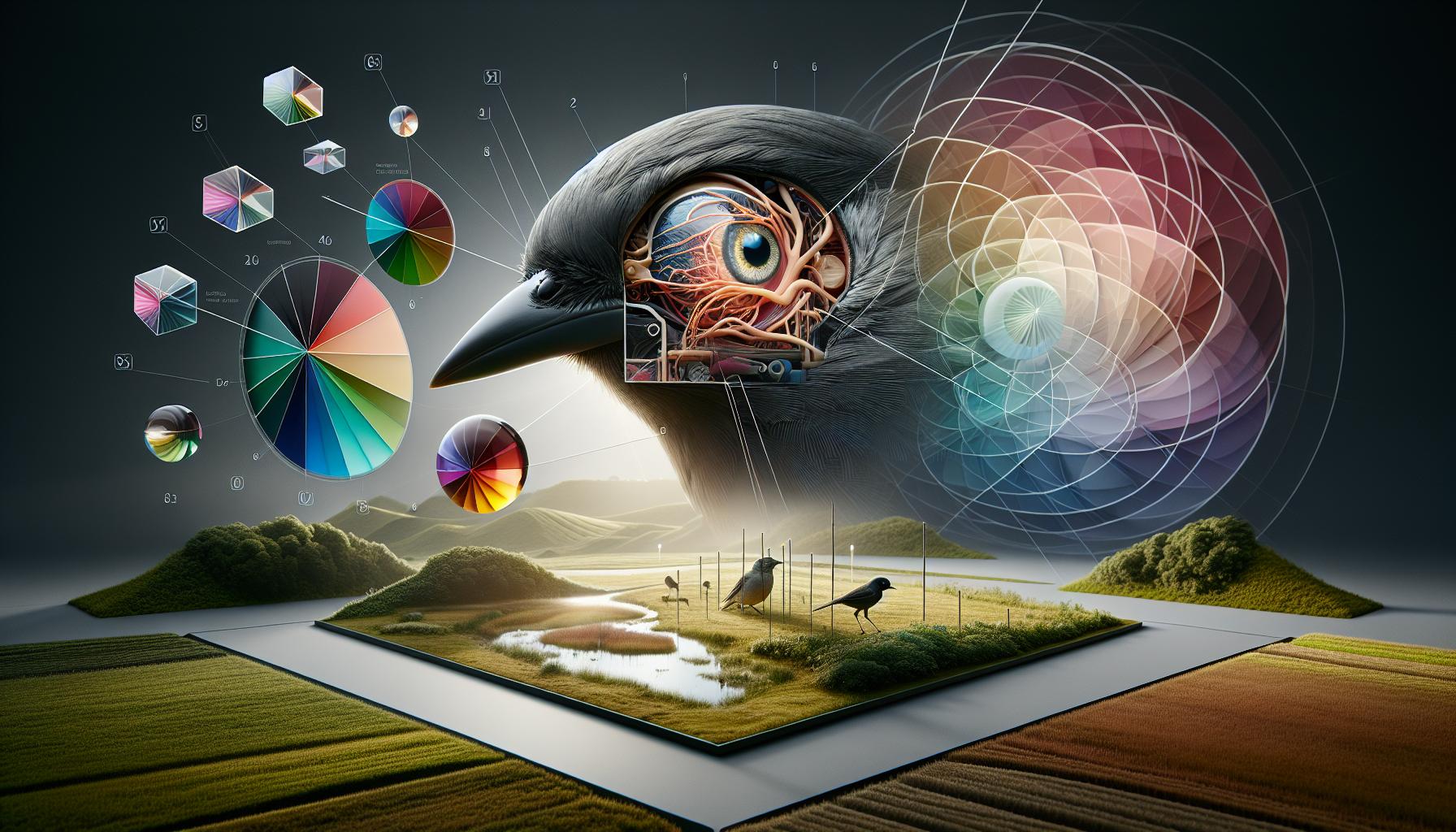
Birds have evolved remarkable anatomical features that directly influence their color vision, enabling them to navigate and thrive in their environments. One of the most striking aspects of avian anatomy is the structure of their eyes, which typically contain four to five types of cone cells. These cone cells are crucial, as they allow birds to perceive a broader spectrum of colors than humans can, including ultraviolet (UV) light. This adaptation is essential for various behaviors such as foraging, mating, and territorial displays. The ability to see UV allows birds to identify ripe fruit and flowers, connect with potential mates more effectively, and recognize markings and patterns on other species that are invisible to the human eye.
The placement of a bird’s eyes also plays a significant role in its vision. Many birds have laterally placed eyes, which enhances their field of view, allowing them to detect predators. However, species like hawks and owls possess forward-facing eyes that provide binocular vision, enhancing depth perception-a critical advantage when hunting. Moreover, the size and shape of the eyes can vary greatly among species, influencing not only the range of colors they see but also their ability to see in low-light conditions. For instance, nocturnal birds, such as owls, have larger eyes relative to head size, packed with rod cells, which enhance their night vision at the expense of color discrimination.
Birds also have a unique structure known as the oil droplet, found within their cone cells. This droplet filters and enhances specific wavelengths of light, effectively refining their color sensitivity. Different species can have varying types and arrangements of these oil droplets, allowing them to adapt their vision to specific ecological niches. For example, flower-pollinating birds may possess oil droplets that emphasize the colors of flowers, aiding in foraging.
Understanding how anatomical features influence color vision can also enrich your birdwatching experience. By recognizing the unique ways in which birds perceive their environment, you can better appreciate the intricate relationships between their vision, behavior, and ecology. Consider observing how birds interact with colorful flowers or how their plumage appears different in various lighting conditions; even a subtle shift in light can reveal dazzling patterns that are otherwise hidden from our eyes.
Color Preferences in Different Bird Species
Birds exhibit fascinating color preferences that are often dictated by their environmental needs, reproductive strategies, and ecological roles. For instance, many hummingbirds are deeply attracted to vibrant red and orange hues, which signal the presence of nectar-rich flowers. This preference aids them in foraging, ensuring they locate food more efficiently. Additionally, their ability to see ultraviolet light enhances their foraging capabilities, as many flowers reflect UV patterns that are invisible to the human eye.
< h3>Social and Mating Displays
Color also plays a significant role in the social interactions and mating displays of birds. Male birds, such as the peacock and the Western Bluebird, often showcase bright and intricate plumage to attract females. These vivid colors are not only visually striking but can also communicate fitness and genetic quality to potential mates. In contrast, females of many species tend to favor more muted colors, which can help them blend into their surroundings while nesting, thereby providing an advantage against predators.
< h3>Species-Specific Color Preferences
- Parrots: Known for their vibrant colors, parrots often choose mates based on the brightness of their feathers, which indicates good health and breeding potential.
- Finches: Many finches exhibit preferences for specific colors during the breeding season, with males displaying richer colors to attract females.
- Birds of Prey: While they may not be known for vibrant colors, species like Bald Eagles and Red-tailed Hawks favor the browns and whites in their habitats for effective hunting and camouflage.
Understanding these color preferences is crucial for birdwatchers and conservationists alike. By recognizing the significance of color in avian behavior, enthusiasts can better appreciate the complex dynamics of bird interactions, which are intricately tied to their visual perception. This knowledge not only enriches the birdwatching experience but also underscores the importance of maintaining diverse habitats that support these behaviors.
The Role of Ultraviolet Light in Avian Vision
Imagine walking through a sunny meadow and noticing how much more vibrant it feels to you than to someone wearing sunglasses; this concept closely mirrors how birds perceive their world through ultraviolet light. Many avian species can detect ultraviolet (UV) wavelengths, which are invisible to the human eye, dramatically expanding their perception of colors. This ability not only enhances their visual experience but plays a crucial role in their survival, mating, and foraging behaviors.
Birds have four types of cone cells in their retinas-compared to three in humans-allowing them to see a broader range of colors, including UV light. For instance, certain flowers reflect UV light patterns that are entirely undetectable to us, guiding birds like hummingbirds and butterflies to their nectar. Flowers evolve these UV “landing strips” as evolutionary adaptations to attract these pollinators, showcasing a fascinating example of mutualism in nature.
The role of ultraviolet light extends beyond foraging; it significantly influences social signaling and reproductive strategies. Many bird species exhibit plumage that fluoresces or reflects ultraviolet light, making males more attractive to potential mates. Birds like the Blue Tits have been found to have feathers that appear dull to the human eye but shine brightly under UV light. This enhancement allows females to choose mates based on traits that suggest health and vitality, often unseen by human observers.
For birdwatchers, the implications of avian UV vision are profound. Understanding how birds interact with their environment and each other through this unique lens can drastically alter how you observe and appreciate these creatures. Carrying UV-filtering binoculars or choosing the right time of day for birdwatching-when the light best showcases these qualities-can enhance your experience. This deeper insight into avian vision not only enriches your educational journey as a birdwatcher but also fosters a greater appreciation for the evolutionary marvel that birds truly represent.
Seasonal Variations in Bird Color Perception
Birds experience significant changes in color perception as the seasons shift, which plays a crucial role in their behavior and ecology. During breeding seasons, when competition for mates peaks, many species exhibit noticeable alterations in plumage brightness and patterns. For instance, male birds often display vibrant hues to attract females, relying heavily on their ability to perceive variations in color that may signal genetic fitness. The brighter the feathers, the more they may indicate access to better resources or superior health, making seasonal color changes vital for successful mating.
In winter months, however, the focus shifts. The innate need for camouflage becomes paramount for many birds. Species such as the Snowy Owl or the Northern Harrier tend to blend into their snowy or bleak environments. Their color perception adapts during this period to help them navigate and thrive in a landscape where staying unnoticed is crucial for both hunting and evading predators. This change highlights the dynamic nature of avian vision and color perception throughout the year, as birds respond to environmental cues that dictate their survival strategies.
Moreover, different species have varying seasonal alterations in color perception. For example, some songbirds may shift their attention to ultraviolet light signals that many flowers display when they bloom, while other birds may alter their perception to identify potential food sources or threats hidden in seasonal foliage. This adaptability not only showcases the intricate evolutionary connections between birds and their habitats but also highlights how plant life evolves alongside birds to enhance visibility during critical life stages.
Understanding these seasonal variations offers birdwatchers a fascinating glimpse into the lives of these creatures. To optimize birdwatching experiences, consider observing during peak mating seasons or at different times of the year to appreciate how birds adapt. Noting changes in feather colors and behavior can enrich your observations and provide deeper insights into the species you encounter. Embracing the rhythms of nature and being aware of these seasonal shifts in visual perception can make your birdwatching endeavors more rewarding.
Behavioral Impacts of Color Perception in Birds
Birds navigate their world with a level of color perception that is nothing short of extraordinary. Unlike humans, many avian species possess the ability to see ultraviolet light, which expands their visual spectrum beyond our comprehension. This added layer not only enhances their ability to locate food, such as seeds that reflect UV light, but also plays a crucial role in social behaviors and territory establishment. Understanding how color perception influences bird behavior is vital for both conservation efforts and birdwatching experiences.
Color perception dramatically affects how birds interact with each other and their environments. For example, during courtship displays, male birds often rely on vibrant colors to communicate their fitness and genetic quality. Species like the Northern Cardinal or the American Goldfinch exhibit striking plumage that can signal health and vitality to potential mates. Research suggests that the intensity and hue of these colors can influence the mate selection process significantly. In a study of European Robins, females preferred males with brighter, more saturated colors, linking these traits to better foraging abilities and overall fitness.
Moreover, color plays a crucial role in territoriality. Male birds often engage in colorful displays to assert dominance in a particular area, using their feathers’ brilliance as a warning to rivals. For example, male Blue Jays are known to flaunt their striking blue plumage during confrontations, employing visual signals to signal aggression or establish boundaries. Similarly, in species such as the Red-winged Blackbird, the vivid red epaulets on males serve both as a lure for females and as a deterrent for other males, effectively communicating strength and breeding opportunities.
Birdwatchers can enhance their observation experience by understanding these behaviors. When you head out to watch birds during the breeding season, pay attention to the dazzling color displays of males. Observing how they interact based on their coloration can reveal fascinating insights into avian behaviors. Also, consider the environments where you’re birdwatching; different habitats will showcase variations in color perception and display behaviors. By connecting these elements-color, behavior, and environment-you’ll deepen your understanding and appreciation of the avian world around you.
The Significance of Color in Mating and Territory
Bright colors in the avian world are not just a beautiful sight; they are pivotal in conveying essential messages about mating and territory. Many birds, especially males, don vibrant hues that serve as visual cues to attract mates and deter rival males. Take, for instance, the dazzling plumage of the male Eastern Bluebird, which showcases not just its genetics but its own health status. The rich blue of its feathers captures the attention of potential mates, suggesting the bird is fit and genetically superior-qualities that are crucial in ensuring the survival of their offspring.
In mating displays, color intensity and diversity matter greatly. Research indicates that female birds often prefer males that display more vivid colors, as these traits often correlate with the males’ overall fitness. A study on the American Goldfinch found that females consistently chose partners with brighter yellow plumage, associating these vibrant feathers with better foraging skills and robust health. This preference drives the evolutionary cycle, where the most colorful males have better reproductive success, influencing the gene pool over generations.
Territorial disputes in birds are also deeply entwined with color perception. During breeding seasons, males employ their bright plumage not only to attract mates but also to establish dominance over their territory. For example, male Red-winged Blackbirds are easily recognized by their striking red epaulets, which they puff out in displays of strength towards potential rivals. This visual display acts as a powerful deterrent, signaling their fitness and readiness to defend their claimed area. By showcasing their striking coloration, these males avoid unnecessary confrontations, relying on their visual cues to assert dominance.
For birdwatchers, understanding can enhance your observation experience immensely. Pay attention to the behaviors linked with these vibrant displays, particularly during the spring mating season. Observing how males flaunt their colors and how females respond can provide deep insights into the complex social dynamics of bird communities. The interplay of color, behavior, and environment makes for a rich tapestry of avian life that can be thrilling to document and understand.
Comparative Insights: Bird Vision vs. Human Vision
Birds possess a remarkable vision that far surpasses that of humans in many respects, allowing them to see a vibrant world filled with a broader array of colors, including ones totally invisible to us. While humans have three types of cone cells in our eyes that enable us to see colors within the red, green, and blue wavelengths, many bird species boast an incredible four or even five types of cones. This adaptation allows them to perceive colors in the ultraviolet spectrum, expanding their color palette significantly.
The Spectrum of Color
For instance, birds can see ultraviolet light, which is critically important for several behaviors, including foraging, mate selection, and navigation. Some flowers and fruits have patterns or colors that are only visible in UV light, guiding birds to the nectar or food they seek. Male birds often display plumage that reflects UV light to attract females. For example, studies show that *European starlings* sport feathers that shimmer in UV, signaling their health and genetic quality to potential mates.
Implications on Behavior
The implications of birds’ advanced color vision extend into their social interactions as well. Their ability to detect subtle color variations plays a crucial role in their mating rituals. Females often choose mates based on specific color signals that indicate a male’s fitness. Birds like the *American Goldfinch* demonstrate how color perception can dictate breeding success; females preferentially mate with males showing brighter and more vivid colorations, which often signal superior foraging skills and health.
These differences in color perception between birds and humans also influence birdwatching techniques. Understanding the importance of color can help enthusiasts refine their observation skills. When watching birds, look for behaviors tied to bright plumage-such as courtship displays or territorial assertions-particularly in spring when mating activity peaks. Keeping your distance while using binoculars can help you witness these spectacular displays without intruding on their natural behaviors.
By appreciating the nuances of avian vision, not only can birdwatchers gain a deeper understanding of birds’ lives, but they can also enhance their overall experience in the field, enriching each encounter with these fascinating creatures.
Myth-Busting: Common Misconceptions About Bird Vision
Many people believe that birds see the world in much the same way that humans do, but this couldn’t be further from the truth. One of the most common misconceptions is that all birds have a limited color palette similar to humans. However, research shows that many bird species have four or even five types of color receptors in their eyes, allowing them to perceive colors in the ultraviolet spectrum-a range completely invisible to us. This means that when we observe birds, they may be experiencing a vibrant array of colors and patterns that we simply cannot see.
Another prevalent myth is that all birds are colorblind. While it’s true that some species do have limited color vision-like certain nocturnal birds-the majority possess advanced visual capabilities. For instance, think about how a male peacock’s iridescent feathers may appear drab to our eyes, yet they could be dazzling displays of differing hues to a female peacock. The presence of ultraviolet markings in some birds’ plumage plays a pivotal role in mating and finding food.
Finally, many people assume that bird vision works similarly across all species, but this is a nuanced and varied aspect of avian biology. Different habitats have influenced how birds perceive color. For example, birds of prey, like hawks and eagles, have exceptionally acute vision that allows them to detect subtle changes in their environment from great heights. In contrast, forest-dwelling birds often rely on a rich palette of colors to navigate through their dense surroundings. Understanding these distinctions not only deepens our appreciation for birds but also enhances our experience as birdwatchers, as we can better identify behaviors linked to their extraordinary visual perception.
In summary, by debunking these myths, we can better understand the sophisticated world of avian vision. Knowing that birds see colors we can’t perceive allows birdwatchers to observe behaviors that are indicative of their rich and complex lives, ultimately enhancing the joy of watching these creatures in their natural habitats.
Tips for Bird Watchers: Enhancing Visual Experiences
Imagine witnessing a vibrant dawn chorus of birds while understanding that they are experiencing colors and patterns invisible to the human eye. By enhancing your birdwatching experience through an awareness of avian color perception, you can unlock a deeper appreciation for these remarkable creatures. Here’s how you can elevate your observations and connect more meaningfully with their world.
Engage with the Environment
To truly appreciate avian visual experiences, immerse yourself in their habitat. Take time to observe the different layers of vegetation in forests or the dynamics of open fields. Each setting influences how birds utilize their color vision, allowing you to witness diverse interactions. For instance, watch how brightly colored flowers attract specific pollinators that birds may also target for food. This awareness can also enhance your understanding of which birds to look for and what environments they favor.
Utilize Technology
Using binoculars with advanced optical clarity can immensely improve your birdwatching experience. However, consider investing in binoculars that offer a wider field of view and are designed for low-light conditions, as many birds are most active during dawn or dusk when natural light is limited. Apps and camera filters that simulate ultraviolet light can also provide insight into how birds perceive their world, revealing hidden patterns in plumage that are vital for mating and territorial displays.
Identify Behavioral Patterns
Familiarize yourself with different bird species and their behavioral responses to color. Some birds may be more attracted to certain hues during mating seasons. For instance, male birds may showcase more vibrant colors in the spring, which can be misleading but fascinating. Use a color-wheel reference to understand which species are attracted to which colors, enhancing your ability to identify and predict behaviors in the field. Recording your observations can also provide rich data for understanding seasonal variations in bird coloration and behavior.
Participate in Citizen Science
Consider joining citizen science projects like eBird, where you can contribute your sightings and gather insights on avian populations. This participation deepens your connection not only with the birds but also with a community of enthusiasts and scientists who share your passion. Engaging in these projects often leads to discussions that highlight unique avian traits, including their color perception.
By leveraging these tips, you’ll not only enhance your birdwatching experience but also foster a richer understanding of the captivating world of colors as experienced by the birds around you. Whether you’re a beginner or an experienced birder, these strategies will help you see beyond what meets the eye, enriching your encounters with some of nature’s most vivid inhabitants.
Frequently asked questions
Q: What colors can birds see that humans cannot?
A: Birds can see ultraviolet (UV) light, which is invisible to humans. This enables them to perceive a broader spectrum of colors, making their visual world much richer. Understanding UV light’s role can enhance bird watching experiences, as many birds communicate and find food using colors beyond human sight.
Q: How do birds’ color vision capabilities differ from those of mammals?
A: Birds have a more developed color perception than most mammals, possessing four types of cone cells compared to three in humans. This allows them to see a wider range of colors and to differentiate shades that appear identical to us. For example, vibrant colors and patterns in feathers are crucial for mate selection.
Q: Why is ultraviolet vision important for birds?
A: Ultraviolet vision allows birds to identify mates, locate food, and navigate through their environment. Many flowers and fruits reflect UV light, making them more visible to birds, which enhances their feeding efficiency. This unique perception can also influence behavior, such as mating rituals.
Q: How does a bird’s habitat affect its color vision?
A: Birds that inhabit diverse environments often have vision adapted to their surroundings. For instance, forest-dwelling birds may be tuned to green and brown hues to help them camouflage, while those in open habitats might favor colors that stand out against their backgrounds. Understanding this can improve bird watching strategies.
Q: Can birds perceive colors differently based on the time of year?
A: Yes, seasonal changes can impact how birds perceive colors. For instance, during mating seasons, some species may enhance the visibility of certain colors to attract partners. Additionally, changes in feather color due to molt can affect their visual perception of one another.
Q: Does diet affect a bird’s color perception?
A: A bird’s diet can influence its health and color vision, as certain nutrients are essential for maintaining the ocular health necessary for optimal vision. Birds that consume a diet rich in carotenoids are known to exhibit more vivid coloration, which can affect color perception and visibility in social interactions.
Q: How do young birds learn to interpret colors?
A: Young birds typically learn color interpretation through observation and interaction with their parents and environment. Exposure to various colors helps them associate specific hues with food sources, mates, and potential threats, enhancing their survival skills.
Q: What role does color perception play in bird migration?
A: Color perception assists birds with navigation during migration. Birds use landmarks that may include color cues in the landscape, and the ability to differentiate subtle color variations helps them maintain accurate migratory paths. Understanding this can enhance birding experiences during migration periods.
Key Takeaways
Understanding how birds perceive colors opens a fascinating window into their world, highlighting aspects of their behavior and interactions that we might overlook. With their remarkable ability to see UV light and a spectrum of colors beyond our own, birds navigate their surroundings with a complexity that enriches their existence. If you’re intrigued by avian vision, dive deeper into our related articles on bird communication and colorful plumage to enhance your understanding and appreciation.
Don’t miss out on the chance to expand your knowledge-sign up for our newsletter for the latest insights and expert advice straight to your inbox. Curious about attracting more birds to your backyard? Check out our comprehensive care guides and tips to create an inviting habitat. Join the conversation and share your thoughts below; your insights could inspire fellow bird enthusiasts! Together, let’s celebrate the vibrant world of birds and ensure a thriving future for these incredible creatures.