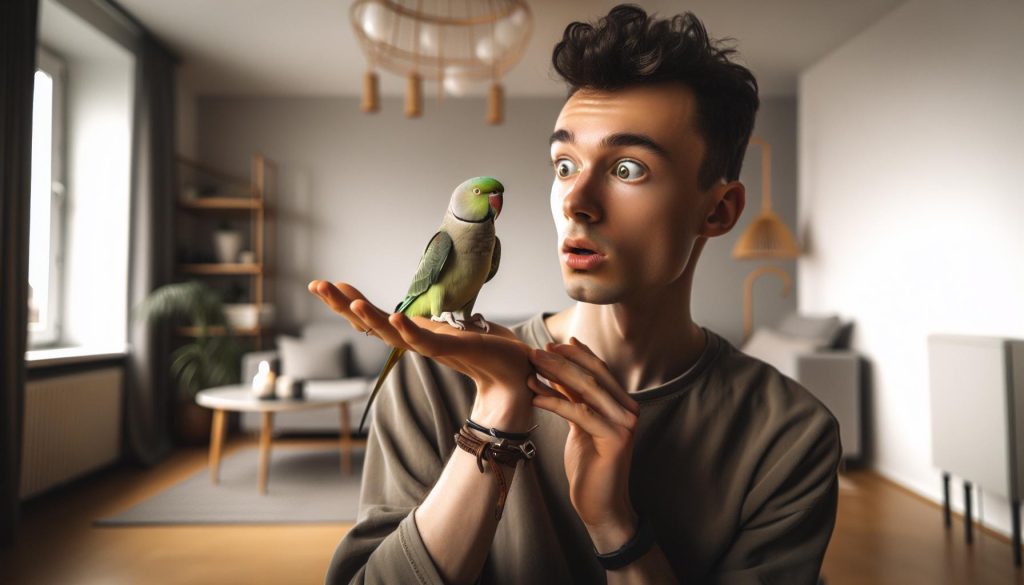
Did you know that parakeets, specifically budgies, are among the most popular pet birds for their playful nature and vibrant personalities? However, many pet owners face an unexpected challenge: aggression in the form of biting. Understanding why your parakeet bites is crucial for fostering a healthy, trusting relationship with your feathered friend. Biting can stem from various causes, including fear, stress, or territorial behavior, and addressing these triggers not only helps to reduce aggression but also enhances your bird’s overall well-being. As you delve deeper into this topic, you’ll discover practical strategies to promote positive interactions, ensuring your parakeet feels secure and happy. Keep reading to uncover the reasons behind this common but troubling behavior, so you can enjoy a more harmonious companionship with your delightful little companion.
Understanding Parakeet Aggression: An Overview
Understanding why your parakeet displays aggression, particularly through biting, is crucial for nurturing a harmonious relationship with your feathered friend. Parakeets, like all pets, express their emotions and needs through behavior, and aggression often stems from fear, territorial instincts, or past negative experiences. For instance, a parakeet that feels threatened by sudden movements or perceived encroachments on its space may resort to biting as a defense mechanism, viewing this behavior as a way to communicate discomfort or assert dominance.
It’s vital to recognize that a parakeet may not always bite out of malice; rather, many bites are instinctual reactions to their environment. A sudden loud noise or unfamiliar hand reaching into their cage can trigger a fright response. Understanding the context in which biting occurs can offer insights into how to reduce these aggressive tendencies. Observing your bird closely to identify certain triggers-such as specific sounds, people, or situations-will allow you to modify its environment and interactions accordingly.
Building trust with your parakeet is essential to mitigate aggression. Engaging in gentle, slow movements when approaching your bird can help it feel more secure. Using positive reinforcement, such as treats or praise when your parakeet behaves calmly, will further reinforce desirable behaviors and teach it that your presence is associated with positive experiences. Regular interaction, even when the bird simply observes you from its cage, helps create a foundation of trust, making it less likely to feel the need to bite in self-defense.
As you delve into the complexities of parakeet behavior, remember that patience and consistency are key. By taking the time to understand your parakeet’s emotional landscape, you enhance not just your bird’s wellbeing but also your own experience as a bird owner.
Common Reasons for Parakeet Biting

Understanding why a parakeet may bite is essential for building a loving and peaceful relationship with your feathered companion. Many owners find themselves shocked when their charming, little budgie suddenly exhibits aggressive behavior, but it’s important to remember that these actions often stem from natural instincts or environmental stressors rather than malice. By identifying the common reasons for biting, you can take proactive measures to prevent it and enhance your parakeet’s overall wellbeing.
One prevalent cause of biting is fear. Parakeets are prey animals, and sudden movements, loud noises, or unfamiliar people can make them feel threatened. When they sense danger, their instinct is to bite as a means of self-protection. It’s crucial to approach your bird calmly and slowly, making sure to minimize any loud or abrupt movements that might induce anxiety. Establishing a peaceful environment is key; consider setting up a quieter area for your parakeet or using ambient sounds they find soothing.
Another significant factor is territoriality. Parakeets can become possessive over their space, especially when it comes to their cage or favorite perch. A sudden intrusion into their territory-like reaching into their cage without warning-can trigger biting as they feel their space is being encroached upon. It’s a good practice to allow your bird to come out on its own terms and to provide a clear schedule for interaction, which can help them feel more secure and less defensive.
Additionally, lack of socialization plays a crucial role in aggressive behavior. Parakeets that are not regularly handled or interacted with can develop a fear of human contact, leading to biting when they do feel cornered or frightened. To combat this, consistent, gentle handling and engaging playtime can foster trust and help your parakeet feel more comfortable around you. Offering enrichment activities, such as toys that encourage exploration or foraging, can also reduce boredom and alleviate stress, making your bird less likely to act out aggressively.
In summary, recognizing the triggers for your parakeet’s biting behavior-be it fear, territorial instincts, or lack of socialization-is vital in creating a loving and safe environment. By observing and responding appropriately to their needs, you can promote calmness and happiness in your feathered friend, transforming potential aggression into affectionate interactions.
Recognizing Body Language and Signals

Understanding a parakeet’s body language is crucial for any owner looking to foster a peaceful and positive environment. These colorful little birds display a fascinating array of signals that can reveal their mood and intentions. For example, a parakeet that puffs up its feathers may be feeling threatened or preparing to assert dominance, while a bird that fluffs up just slightly might be in a relaxed state. By learning to interpret these behaviors, you can reduce the likelihood of aggressive encounters.
One of the key indicators of a parakeet’s feelings is its posture. When a budgie’s body is upright and it appears more alert, it may be on high alert or possibly ready to bite if it feels cornered. Conversely, a more relaxed stance, where the bird leans slightly forward with a calm demeanor, often signifies comfort and willingness to engage. Another important aspect of their body language includes tail movements. A parakeet that rapidly flaps its tail may be expressing excitement or eagerness, while a stiff tail can signal agitation or defensiveness.
Eye movement is another signal worth observing. When a parakeet’s eyes widen and become dark, this often indicates curiosity or excitement; however, pinning the eyes-where the pupils become small and fixed-can show irritation or aggression. Additionally, vocalizations paired with these non-verbal cues greatly enhance the overall understanding of their mood. Soft chirps may indicate happiness, while loud squawking or screeching can be a warning sign that something is amiss or that your bird feels threatened.
- Posture: Upright and alert = possible aggression; relaxed leaning forward = comfort.
- Tail movements: Rapid flapping = excitement; stiff = agitation.
- Eye behavior: Wide dark eyes = curiosity; pinned eyes = irritation.
Being attentive to these signs can transform your interactions with your parakeet. For instance, if your budgie shows signs of fear or aggression, you can step back and give it space, helping to alleviate its stress. Remember, understanding your parakeet’s unique language is not only vital for preventing bites but also for creating a nurturing relationship built on trust and respect. Each bird is different, so observing and adapting to your parakeet’s specific behaviors will go a long way in ensuring a harmonious bond.
How to Create a Safe Environment

Creating a safe and comfortable environment for your parakeet is essential to reducing stress and aggression, which can often manifest as biting. Parakeets are sensitive little creatures that thrive in surroundings that mimic their natural habitat. Providing a well-structured and secure space not only helps to mitigate aggressive behavior but also encourages your budgie to feel content and safe.
Start by ensuring that the cage setup is appropriate for your parakeet’s size and species. A spacious cage allows for ample movement, essential for exercise and reducing frustration. Incorporate various perches of different diameters and textures, as well as toys that stimulate mental engagement. An enriched environment including swings, bells, and chewing toys can keep your bird busy and help alleviate boredom-related aggression. Remember, a happy parakeet is less likely to resort to biting as a form of communication or defense.
Further, pay attention to the placement of the cage within your home. It’s crucial to position it in a calm area that isn’t subjected to loud noises or frequent disturbances. Birds are social animals and benefit from being a part of family activities; however, they also need a refuge where they can retreat when feeling overstimulated. Cover the cage with a light cloth during nap times or when they need downtime, providing a cozy, secure environment where they can feel safe.
It’s also important to keep the cage free from potential hazards. Regularly check for sharp objects, toxic plants, or drafty areas that could cause harm. Be mindful of household chemicals and ensure that the space is free from dangers like open windows or unattended pets. Lastly, maintain a consistent daily routine for feeding, playtime, and interaction. Routine helps build trust and predictability, further reassuring your parakeet. When they feel secure in their environment, they are less likely to exhibit aggressive behaviors.
In summary, a nurturing environment is foundational for a harmonious relationship with your parakeet. By providing adequate space, safe perches, engaging toys, a peaceful setting, and establishing daily routines, you’ll foster trust and reduce the likelihood of biting. A well-cared-for parakeet thrives, resulting in a beautiful bond that flourishes in mutual understanding.
Establishing Trust: Building a Strong Bond
To nurture a trusting relationship with your parakeet, patience and consistency are your greatest allies. Just like us, birds perceive their surroundings and experiences uniquely. Parakeets are sensitive and can easily become wary if they don’t feel safe or understood. Establishing trust isn’t an overnight endeavor; it requires daily interactions where your parakeet naturally feels comfortable and secure in your presence.
One effective method to build a strong bond is through positive reinforcement. This involves using treats or your parakeet’s favorite toys to encourage desirable behavior. For example, when your parakeet approaches you willingly or interacts calmly during playtime, reward them with a small treat. This tactic not only creates a positive association but also reinforces their willingness to engage without fear. Over time, they will learn that your presence is enjoyable rather than threatening.
Utilizing consistent routines can also greatly enhance your bond. Establish a regular schedule for feeding, playtime, and interaction. Parakeets thrive on predictability, which can help diminish anxiety and foster security. During your daily routine, take moments to calmly talk to your bird, allowing them to familiarize themselves with your voice. Over time, this gentle exposure adds layers of comfort to their understanding of you as part of their social structure.
Furthermore, observe your parakeet’s body language closely. If they seem tense or unsure, give them space; forcing interactions can lead to distrust and potential aggression. Instead, focus on creating intimate experiences that allow for gradual interaction. You might try sitting near their cage and softly talking or reading aloud. These small gestures show that you are there for them, and it encourages their natural curiosity to bridge the gap between you.
When it comes to socializing, never underestimate the power of play! Engaging with your parakeet through interactive toys or gentle games can break down barriers. Allow your feathered friend to come to you at their pace. A soft, inviting hand or a perch can offer them a safe way to explore closeness. Celebrating their progress, no matter how small, is a vital part of reinforcing their trust.
Building a reliable rapport with your parakeet is a rewarding journey that can transform your relationship into one of joy and companionship. By integrating positive interactions, establishing routines, and staying attuned to their comfort levels, you will not only mitigate biting but also create a lasting bond that enriches both your lives.
Socialization Techniques for Your Parakeet
Creating a friendly and sociable environment for your parakeet is essential for reducing aggression and preventing biting. A well-socialized parakeet is not only a joy to have but can also become a loyal companion. One engaging approach to facilitating socialization is through interactive play. For instance, incorporate toys like swing sets or foraging puzzles that invite curiosity and stimulate your bird’s natural instincts. These activities provide an excellent opportunity for bonding and help your parakeet associate you with positive experiences.
Another effective technique is to establish a routine. Parakeets are creatures of habit, and having a predictable schedule for feeding, playtime, and interaction can make them feel secure. Try creating a daily ritual where your parakeet knows exactly when to expect you. For example, if your bird enjoys morning play sessions, make it a point to spend that time together regularly. This consistent interaction fosters trust and can lead to a more relaxed and affectionate bird.
It’s also important to pay attention to body language and cues from your parakeet. Gaining a clear understanding of these signals will help you respond appropriately to their needs. For example, if your parakeet fluffs up or backs away, it may need some space. Conversely, when it leans in or chirps excitedly, it’s a sign it wants to engage. Learning to read these signals can make a substantial difference in your interactions, minimizing the chances of bites.
Lastly, encourage autonomy in your bird. Allow your parakeet to explore its surroundings and interact at its own pace. Forcing it to step onto your hand or engage in close contact can lead to stress and defensiveness. Instead, place your hand near your bird and let it choose to come to you when it feels comfortable. This gentle approach reinforces the idea that interactions are on its terms, building competence and confidence over time.
In conclusion, fostering a healthy social relationship with your parakeet requires patience, positive reinforcement, and an awareness of its needs. By integrating play, establishing routine interactions, interpreting body language, and allowing your bird autonomy, you contribute significantly to its social development and emotional well-being, reducing the likelihood of aggression and biting.
When to Seek Professional Help
Addressing biting behavior in parakeets can become a complex challenge, especially when the usual strategies aren’t yielding results. Understanding is crucial for ensuring your feathered friend’s well-being and your own peace of mind. If biting escalates beyond occasional nips and seems triggered by fear or aggression, or if the behavior persists despite your best efforts to socialize and establish trust, it’s time to consult a specialist.
There are several indicators that professional guidance may be necessary. For instance, if your parakeet regularly engages in aggressive behavior, such as persistent biting during handling or when interacting with toys, yaou may need to explore deeper behavioral issues. Some parakeets may also exhibit sudden changes in temperament; if your usually friendly bird becomes withdrawn or excessively nippy without clear cause, an avian vet or an avian behaviorist could help determine if underlying medical issues contribute to the aggression.
Another alarm bell is escalation in biting severity-if your parakeet’s bites become harder or draw blood, this is a signal that immediate intervention is needed. Moreover, if you find yourself feeling anxious or fearful when handling your bird, it might reflect the growing discomfort of your parakeet as well. Both scenarios indicate that a professional can provide tailored guidance. A behaviorist can analyze your interactions and environment, identifying stressors or triggers specific to your bird’s context.
What to Expect from Professional Help
When you seek professional assistance, expect a holistic approach. The expert will likely assess not only the bird’s behavior but also your interaction methods and the living environment. They may suggest innovative techniques, adjustments in your parakeet’s routine, or even changes to its diet that could affect mood and behavior. Furthermore, they can help you develop a structured plan to gradually condition your parakeet to feel more comfortable and secure, ultimately leading to a healthier, happier pet.
Finding the right professional can make a significant difference. Look for avian vets with experience in behavioral issues or certified avian behaviorists who can provide insights tailored to your situation. Your effort to improve your parakeet’s behavior and emotional well-being will not only enhance your bond but also contribute significantly to a peaceful home environment.
Redirecting Aggression: Tips and Tricks
Redirecting parakeet aggression can involve a blend of understanding your bird’s needs and employing strategic techniques to promote positive behavior. Often, biting stems from fear, territorial instincts, or the desire for personal space. By recognizing these triggers and implementing redirection strategies, you can create a more harmonious environment for both you and your feathered friend.
One effective method to redirect aggression is through the use of toys and activities. Provide a variety of engaging toys that encourage play and mental stimulation, such as foraging puzzles or chewable items. This not only diverts your parakeet’s energy away from biting but also keeps them mentally occupied, reducing stress and improving their overall mood. Interactive toys can serve as a fantastic outlet for any pent-up energy and provide a safe channel for your parakeet’s instincts.
Additionally, positive reinforcement plays a crucial role in changing biting behavior. Whenever your parakeet displays calm behavior, especially during handling or playtime, offer a treat or praise. This reinforces the idea that positive actions lead to rewards, gradually teaching your bird that there are better ways to interact than through aggression. Consistency is key; aim to reward desired behaviors every time they occur, helping your parakeet associate good conduct with positive outcomes.
Creating a safe space is equally important. Ensuring that your parakeet’s environment is free from stressors-such as loud noises or sudden movements-can significantly reduce their aggressive tendencies. When they feel secure in their surroundings, they are less likely to react defensively. For example, designate a quiet area for playtime away from commotion, providing them with a reassuring retreat when needed.
Lastly, engaging in structured socialization can work wonders. Gradually introduce your parakeet to new experiences or people while monitoring their reactions. Start with short interactions and slowly increase the duration as they become more comfortable. This incremental approach allows your parakeet to adapt without feeling overwhelmed, reducing the likelihood of anxiety-driven biting.
By understanding the root of your parakeet’s aggression and employing these redirection techniques, you can cultivate a positive relationship and mitigate biting incidents effectively. This collaborative effort will enhance your bond and lead to a more enjoyable companionship with your feathered pet.
Understanding Different Parakeet Species
Understanding the nuances among different parakeet species can significantly enhance your approach to mitigating aggressive behavior. Parakeets are an incredibly diverse group, with each species exhibiting unique traits, temperaments, and social needs that may influence their responses, including biting. One of the most common species kept as pets is the Budgerigar, often simply called a “budgie”. These birds are known for their friendly and social nature, but individual personality differences can lead to instances of aggression if they feel threatened or cornered.
Common Parakeet Species and Their Traits
- Budgerigar (Melopsittacus undulatus) – These small, cheerful birds are highly social and typically thrive on interaction. If a budgie feels neglected or tried to be handled too roughly, they may resort to aggression.
- Quaker Parakeet (Myiopsitta monachus) – Known for their playful and talkative demeanor, Quakers tend to be more territorial. Males, in particular, are prone to displaying aggressive behavior during nesting or when they perceive their space is being invaded.
- Indian Ringneck Parakeet (Psittacula krameri) – These parakeets are intelligent and can be more aloof than their budgie cousins. They can bite when they feel their personal space is threatened, particularly if they have not been adequately socialized.
- Lovebirds (Agapornis) – Although slightly different in appearance, lovebirds are often included in discussions about parakeets. They can be surprisingly feisty and may exhibit aggression towards other birds or humans when they feel jealous or insecure.
Each species has varying thresholds for stress and aggression. For example, a Budgerigar that has not been adequately socialized may bite out of fear or frustration, while a Quaker might behave aggressively out of territorial instincts. Understanding these species’ specific behaviors can help you anticipate situations that might cause your parakeet to bite.
Engagement with your parakeet should be tailored to their species’ social needs and individual temperament. For high-energy species like Budgerigars, providing ample toys and interaction can reduce biting incidents. On the other hand, more solitary species like the Indian Ringneck may require patience and gradual acclimatization to human handling to build trust and minimize aggression. When you understand the inherent traits of your parakeet’s species, it becomes easier to create a nurturing environment that fosters confidence and calmness, thereby mitigating aggression and enhancing your bond.
The Role of Diet in Aggressive Behavior
A well-rounded diet is essential for maintaining a parakeet’s health and behavior, directly impacting their temperament and potential for aggression. Just like humans, when parakeets lack essential nutrients, they can exhibit behavioral issues, including biting and irritability. For instance, diets deficient in vitamins and minerals can lead to frustration and stress, prompting aggressive behaviors as the birds attempt to communicate their discomfort or dissatisfaction.
Parakeets thrive on a diverse diet rich in natural seeds, pellets, fresh fruits, and vegetables. A balanced diet should include:
- Seeds and Pellets: These form the foundational nutrients but should not be the only component. High-quality pellets specifically designed for parrots often contain added vitamins and minerals.
- Fresh Fruits and Vegetables: Foods like carrots, leafy greens, apples, and berries are not only nutritious but stimulate mental engagement. Introducing a variety of produce can keep mealtime interesting and satisfying.
- Protein Sources: Occasionally offering hard-boiled eggs or cooked legumes can help provide the necessary protein that supports muscle health and overall vitality.
Additionally, some parakeets have special dietary needs based on species or individual health issues that can influence behavioral extremes. For example, the Quaker parakeet, known for its assertive character, might become more irritable if its diet lacks sufficient protein or is high in unhealthy fats. Therefore, monitoring their food intake and ensuring they have a balanced diet is crucial for preventing aggressive outbursts.
Improper feeding habits can also lead to obesity, resulting in lethargy and mood swings that may manifest as aggression when your parakeet feels overstimulated or anxious. Regularly assess your parakeet’s diet to ensure it meets their nutritional needs. Providing fresh food daily, avoiding excessive treats, and limiting fatty or high-sugar items can vastly improve their mood and behavior, ultimately creating a more harmonious environment for both you and your feathered friend.
Common Myths About Parakeet Biting
It’s common for new parakeet owners to feel perplexed or even hurt when their feathered friend bites. However, many misconceptions about parakeet biting can lead to misunderstandings about their behavior and needs. One prevalent myth is that biting is purely a sign of aggression or dislike. In reality, parakeets bite for various reasons, including fear, territoriality, or even playful behavior. They may also nip when they feel threatened or overstimulated, which doesn’t equate to a desire to harm. Understanding that this behavior can arise from natural instincts is crucial for fostering a healthy relationship.
Another myth suggests that all biting can be traced back to human mistakes. While inadequate socialization and handling can contribute to a biting habit, it’s important to recognize that parakeets also have their own personalities and moods. Just like us, some days they might be more cranky or sensitive. Factors such as hormonal changes can influence your parakeet’s behavior, often leading to increased nipping during breeding season. It’s essential for owners to adapt their handling and interaction techniques based on their pet’s behavior rather than solely blaming themselves.
The belief that once a parakeet bites, it will always be aggressive is also misleading. With patience, understanding, and consistent socialization practices, many biting behaviors can be redirected. Avoiding harsh punishment is key. Instead, gently encourage positive behavior through rewards and engaging activities. Building trust takes time, and recognizing that each bird is unique can lead you on a path to successful training and interaction. Understanding these myths helps you cultivate a more loving and responsive environment for your parakeet, greatly reducing the likelihood of biting incidents in the future.
Preventing Future Biting Incidents
To ensure a harmonious relationship with your parakeet and minimize the likelihood of biting incidents, prevention strategies are key. Understanding the underlying triggers that lead to biting will empower you to adapt your interactions and environment in a way that makes your feathered friend feel safe and secure. One fundamental approach is to foster an environment that promotes positive experiences. This includes providing a spacious and stimulating cage setup filled with toys, perches, and activities that keep your parakeet mentally engaged. Regular out-of-cage time for exploration under supervision can also significantly reduce feelings of boredom that might lead to nipping.
Establishing routines is another effective tool in your toolkit. Parakeets thrive on predictability, so having consistent feeding, play, and interaction times helps them feel more secure. Pay close attention to their body language; when they seem relaxed with their wings hanging down or are playfully engaging with toys, those are the ideal moments for handling. It’s essential to approach your bird gently and be mindful of their personal space-this can help prevent the fear responses that often lead to bites.
A crucial aspect of preventing biting lies in building trust through gradual socialization. Start by allowing your parakeet to come to you rather than trying to grab them. Use treats to reward them for approaching and interacting, forming a bond based on positive reinforcement. Over time, this will not only encourage your pet to be more comfortable around you but will also reduce any aggression born from fear or territorial instincts. Additionally, consider incorporating short, calm sessions of handling to nurture that bond without overwhelming your bird.
Lastly, keep an eye on your parakeet’s diet and overall health. Nutritional imbalances can affect temperament and mood, sometimes contributing to unwanted behaviors like biting. Providing a well-rounded diet rich in fruits, vegetables, seeds, and pellets can help keep your parakeet in good spirits, significantly lowering stress and potential aggression. By focusing on these proactive measures, you can build a trusting, rewarding relationship with your parakeet, diminishing the chances of future biting incidents.
FAQ
Q: Why does my parakeet suddenly bite me?
A: Sudden biting can indicate stress, fear, or discomfort. Changes in environment or routine can trigger this behavior. It’s crucial to observe your parakeet’s body language and surroundings to identify potential stressors and ensure a safe, stable environment. Refer to the section on recognizing body language for more insight.
Q: What are the signs my parakeet is feeling aggressive?
A: Aggressive parakeets may exhibit ruffled feathers, raised wings, a loud squawk, or a tense posture. Understanding these signals can help you recognize when your bird is feeling threatened or defensive. Review the article’s body language section for detailed signs and appropriate responses.
Q: How can I stop my parakeet from biting?
A: To prevent biting, establish trust through gentle interaction and consistent handling. Avoid forcing your parakeet into uncomfortable situations. Offer treats and engage in positive reinforcement techniques. See the trust-building section for strategies to foster a better bond.
Q: Is my parakeet biting because it’s bored?
A: Yes, boredom can lead to aggressive behaviors like biting. Parakeets are social birds that require mental stimulation and interaction. Providing toys, varying their environment, and spending time with your bird can alleviate boredom. Explore the article for socialization techniques that enrich your parakeet’s experience.
Q: Can a parakeet bite out of jealousy?
A: Yes, parakeets can display jealousy if they feel they are competing for your attention. This behavior may manifest through biting. To mitigate jealousy, ensure equal attention to all your birds and create a routine that incorporates each bird’s needs.
Q: When should I consider professional help for my biting parakeet?
A: If biting persists despite your efforts to correct it, consider seeking help from an avian vet or a bird behaviorist. Professional guidance can provide tailored strategies to address behavioral issues effectively. Check the article on when to seek professional help for more information.
Q: What role does diet play in my parakeet’s biting behavior?
A: Diet can significantly influence behavior. A lack of essential nutrients or an unbalanced diet may lead to irritability and aggression in parakeets. Ensure a well-rounded diet rich in fruits, vegetables, and seeds to promote overall well-being. The article discusses the role of diet in aggressive behavior further.
Q: How do environmental changes affect parakeet aggression?
A: Environmental changes, such as moving their cage or introducing new pets, can stress parakeets, leading to aggressive behaviors like biting. It’s vital to introduce changes gradually and observe their reactions. Review the section on creating a safe environment for tips on minimizing stress.
In Retrospect
Understanding why your parakeet might bite you is crucial for fostering a happier, more harmonious relationship with your feathered friend. Remember, aggression in parakeets can stem from fear, territorial behavior, or even health issues, and addressing these problems can transform your interactions. If you found this information helpful, don’t hesitate to explore our in-depth guides on understanding parakeet behavior and effective training techniques to curb biting.
We invite you to take action: sign up for our newsletter to receive expert tips straight to your inbox or check out our essential supplies list to ensure you’re equipped for all your parakeet’s needs. Whether you’re a seasoned bird keeper or a newbie, enhancing your knowledge is key to building a loving bond with your pet. Your journey towards a better understanding of your parakeet starts now-let’s dive deeper together!