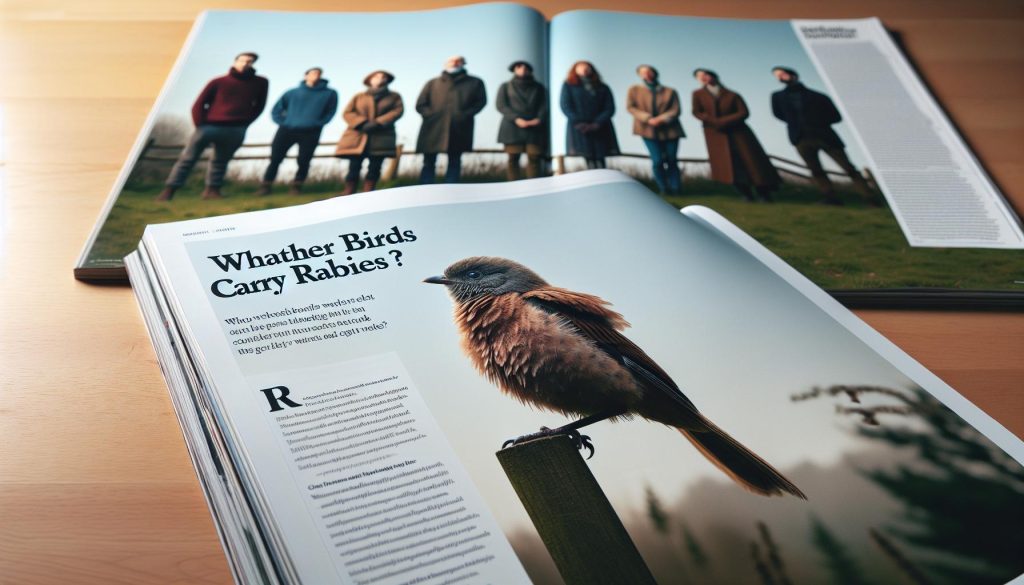
While birds are often seen as harmless and beautiful creatures, a lingering question arises: Can birds carry rabies? This topic may seem niche, but understanding the risk factors associated with wildlife and disease transmission is crucial for anyone engaged in outdoor activities or bird watching. Rabies is a viral disease that affects mammals, primarily transmitted through bites from infected animals. While birds are not typical carriers, awareness about their health and the ecosystems they inhabit is vital for public safety and wildlife conservation. In this article, we will delve into the facts surrounding rabies transmission, clarify common misconceptions, and explore how to stay safe while enjoying our feathered friends. Whether you’re a seasoned bird watcher or a casual observer, this information will equip you with the knowledge to appreciate birds responsibly and mindfully. Keep reading to uncover the surprising facts about birds and rabies, and learn how you can protect yourself and the wildlife around you.
Can Birds Transmit Rabies? Understanding the Risk
The idea of birds transmitting rabies might raise eyebrows, yet it fuels curiosity about the risks of interacting with these fascinating creatures. It’s essential to understand that while birds can become infected with rabies virus, they are not known to spread it or transmit it to humans. This fact significantly reduces the concern about rabies in relation to most bird species. The primary carriers of rabies are mammals, such as bats, raccoons, and foxes, which play a crucial role in the disease’s ecology. Birds, being warm-blooded and having a different immune response, do not typically serve as reservoirs for rabies.
Wild birds, like eagles and bluebirds, can occasionally fall victim to rabies if bitten by rabid mammals, but they do not play an active role in the transmission of the virus. This means that the risk of contracting rabies from handling or being near birds is exceedingly low. For example, even though a bird may exhibit unusual behavior due to illness, it is much more likely to be suffering from a different, non-rabies-related condition, such as avian influenza or West Nile virus.
To minimize any health risks while enjoying birdwatching or interacting with wild birds, it is advisable to avoid close contact or handling of any distressed or sickly-looking birds you may encounter. Keeping a safe distance when observing these creatures in their natural habitats not only protects you but also ensures their well-being. If you notice signs of severe illness in birds, such as lethargy or abnormal behavior, it’s best to contact a wildlife rehabilitation center for guidance. By understanding the real risks and respecting wild birds’ space, we can appreciate their beauty without unnecessary worry about diseases like rabies.
Common Misconceptions About Birds and Rabies
While many might assume that the beauty of birds comes with some hidden dangers, the reality surrounding birds and rabies often defies common beliefs. One major misconception is that birds can spread the rabies virus, but science paints a different picture. It’s crucial to highlight that birds, unlike mammals, do not serve as reservoirs for rabies and are not known to transmit the virus to humans or other animals. This is not only reassuring but also emphasizes the importance of distinguishing facts from myths when it comes to interacting with these fascinating creatures.
Another prevalent misunderstanding is that birds can exhibit symptoms of rabies. In truth, while birds can contract the rabies virus if bitten by rabid mammals, they rarely display the typical symptoms associated with rabies in mammals. Instead, an ailing bird may show signs of distress due to other illnesses, such as avian influenza or parasites. This misinterpretation can lead to unnecessary worry among bird enthusiasts and casual observers alike. For instance, a faltering bluebird spotted on the ground might be suffering from a treatable condition, leading to premature fears of rabies when in fact it requires proper care or rehabilitation.
Furthermore, many newcomers to birdwatching may feel apprehensive about approaching these creatures, thinking they pose a risk of rabies transmission. However, the likelihood of contracting rabies from birds is exceedingly low, highlighting the need to enjoy birdwatching without undue stress. To appreciate these magnificent beings, individuals can engage in responsible observation-keeping a safe distance and avoiding handling birds, particularly those showing distress. By addressing these misconceptions, bird enthusiasts can cultivate a greater understanding and appreciation for avian life without the shadow of unnecessary fear.
In summary, addressing these widespread myths not only aids in fostering an informed community of bird watchers but also encourages the respectful observation of wildlife in its natural habitat. Let’s focus on celebrating the diversity of birds, understanding their behaviors, and engaging safely with them, leaving the fears of rabies behind.
How Rabies Affects Birds: Symptoms to Watch For
Rabies is a viral disease that primarily affects mammals, leading to serious neurological symptoms and often death. While it’s crucial to understand the impact of rabies on mammals, many bird enthusiasts may wonder about the effects of this disease on avian species. Interestingly, birds are generally considered resistant to rabies. Although they can theoretically become infected through bites from rabid animals, they do not exhibit the same classic symptoms seen in mammals.
When examining how rabies affects birds, it is useful to look for symptoms unrelated to the virus since they are often misattributed to rabies. If a bird appears distressed, disoriented, or encounters difficulty flying or perching, these signs may derive from other health issues rather than rabies. Common ailments include avian influenza, bacterial infections, or parasitic infestations. These conditions can lead to similar states of malaise, such as ruffled feathers, changes in behavior, and lethargy.
Symptoms to Monitor in Birds
To better understand the indicators of potential health issues in birds, here are some key symptoms to observe:
- Lethargy: A noticeable decrease in activity or willingness to engage with its surroundings.
- Disorientation: Difficulty maintaining balance or coordination, often seen when a bird cannot settle on a perch.
- Feather Displacement: Ruffled or unkempt feathers may indicate stress or illness.
- Changes in Vocalization: Unusual or excessive calling can signal distress.
- Behavioral Changes: Increased aggression or withdrawal from interaction may suggest not only physical but also psychological discomfort.
If you find a bird displaying these symptoms, it’s critical to approach the situation with care and understanding. Instead of jumping to the conclusion of rabies, consider contacting a local wildlife rehabilitation service or avian veterinarian for a thorough evaluation and appropriate intervention. This way, you can ensure that the bird receives the proper care it may require, whether it’s due to rabies or another health concern. Remember, knowledge is power; understanding birds’ health can lead to more effective and humane responses in situations involving distressed wildlife.
Bird Species and Their Vulnerability to Rabies
While rabies is commonly associated with mammals, understanding the potential vulnerability of different bird species to this disease raises fascinating insights. Though birds are generally resistant to rabies, their interaction with rabid mammals-especially during mating season or when defending young-can pose danger. For instance, scavengers like vultures and crows are often seen around areas where rabies-infected animals are present; however, their resilient physiology makes them far less susceptible to the virus than many mammals.
Certain bird species exhibit behaviors that might inadvertently place them in contact with rabies. Birds that hunt or scavenge tend to encounter more mammals, increasing their exposure to environments where rabies is present. For example, raptors, including hawks and eagles, may have a higher potential risk when they prey on infected rodents or other small mammals. Additionally, waterfowl can interact with rabid animals near water bodies, further contributing to potential exposure.
To ensure bird enthusiasts can be proactive, it’s beneficial to engage with local wildlife and veterinary professionals. Understanding the dynamics that surround these species can enhance protection efforts. One practical step is to minimize any direct human-bird interactions that could exacerbate the spread of disease, particularly during peak rabies seasons-late summer and early fall, when wildlife activity is heightened. By observing best practices and recognizing the behavior of local birds, you can enjoy wildlife interactions while safeguarding their health and well-being.
Overall, while the risk of rabies in birds remains low, awareness and understanding of their interactions with other species can play a crucial role in their protection. By staying informed and cautious, we contribute positively to the well-being of our feathered friends in the wild.
Transmission Routes: Can Birds Spread Rabies to Humans?
While it’s a common concern among bird watchers and outdoor enthusiasts, the belief that birds can spread rabies to humans is largely exaggerated. Birds are generally resistant to this viral disease, which is primarily transmitted through the saliva of infected mammals, such as bats, raccoons, and foxes. Unlike these mammals, birds do not carry or transmit rabies effectively. This is primarily due to their unique physiology and the ecological differences between avian and mammalian species.
However, the potential for incidental exposure exists. For instance, if a bird were to come into contact with a rabid animal and subsequently interact with humans, there is a very minimal risk of transmission. In these rare scenarios, humans would be at risk chiefly through bites or scratches, as rabies viruses are predominantly spread via saliva. Hence, the chance of contracting rabies through birds remains extremely low. Nonetheless, bird watchers and volunteers should exercise caution and minimize direct contact with wild birds, particularly during times when rabid animals are nearby.
Preventive Measures
To further mitigate any risks, consider adopting these safe practices when observing or caring for birds:
- Avoid handling wild birds unless absolutely necessary.
- If handling is unavoidable, wear gloves and wash hands thoroughly after contact.
- Observe birds from a distance, using binoculars for a closer look.
- Report any unusual behavior in birds or instances of aggressive behavior that might indicate illness.
Remember, the best approach to enjoy birdwatching while ensuring safety is to respect their space and maintain a keen awareness of the surrounding wildlife dynamics. By fostering a safe environment, both birds and humans can coexist without the underlying fear of disease transmission.
Preventing Rabies: Safe Interaction with Wild Birds
Observing wild birds can be one of the most rewarding experiences for nature lovers and birdwatchers alike, yet it’s important to prioritize safety during these interactions. Did you know that while birds are generally not carriers of rabies, safe practices can help ensure both your health and the well-being of the birds? Understanding how to interact safely with these feathered creatures minimizes any potential risks associated with wildlife, especially during rabies outbreaks in local mammal populations.
Firstly, avoiding direct contact with wild birds is the cornerstone of safe interactions. It’s always best to observe birds from a distance using binoculars. This not only protects you but allows the birds to engage in their natural behaviors without disturbance. If, however, you find yourself in a situation where handling a bird is necessary-perhaps an injured or orphaned one-make sure to wear gloves. This adds a layer of protection for both you and the bird. After handling, thorough handwashing is essential to prevent any potential transmission of pathogens.
Observable Behaviors to Assess Health
When observing birds, pay close attention to their behavior. Healthy birds exhibit normal social interactions, feeding patterns, and flight behaviors. If you notice a bird behaving unusually-such as being overly aggressive, lethargic, or disoriented-these could be signs of illness. Reporting such behaviors to local wildlife agencies can help monitor potential outbreaks and protect other wildlife.
In addition, creating a respectful environment emphasizes the importance of leaving nesting sites undisturbed. Many birds are protective of their nests and can display aggressive behaviors when they feel threatened. If you’re in an area where bird nesting is prevalent, keep your distance to avoid stressing these birds during the critical breeding season.
Final Thoughts on Safe Bird Interactions
With these practices, you can enjoy the joys of birdwatching while maintaining a safe interaction with wild birds. By respecting their space and observing their behavior from a distance, you contribute to a healthy ecosystem while experiencing the beauty of avian life. Always stay informed about the health of local wildlife populations and remain vigilant in your observations. Safe practices not only protect you but also ensure that these incredible creatures thrive in their natural habitats.
What to Do If You Suspect Rabies in Birds
Discovering an unusual bird exhibiting strange behaviors can raise significant concerns about its health, particularly regarding the risk of rabies. While birds are not typical hosts for rabies, staying vigilant and knowing what to do in potential cases is essential for wildlife caretakers, birdwatchers, and concerned citizens alike. If you suspect a bird may be afflicted by rabies-identified by signs such as lethargy, aggressive behavior, or uncoordinated movement-engaging the right protocols is crucial for your safety and that of the bird.
Begin by observing the bird from a safe distance. It’s important to document any unusual behaviors in a calm and detailed manner. Characteristics of a bird potentially suffering from illness include erratic flight patterns, excessive vocalization, or approaching humans rather than fleeing. In the event you have to intervene, protect yourself by wearing gloves to avoid direct contact and minimize risks of other potential infections. Remember, handling wild birds should always be a last resort.
What to Do Next
- Report Your Observations: Notify local wildlife authorities or a licensed wildlife rehabilitator about the strange behavior. They have the training and resources to evaluate the situation further and determine if further action is needed.
- Follow Local Guidelines: Each region may have specific guidelines for dealing with potentially rabid wildlife. Be sure to familiarize yourself with these regulations to ensure that you are acting within the framework of local laws.
- Avoid Direct Contact: If you manage to get close, do not attempt to capture the bird. Instead, allow trained professionals to handle it. If necessary, they can conduct a proper health assessment and determine the appropriate next steps.
- Educate Yourself: Understanding bird health and rabies-related concerns can immensely benefit your interactions with wildlife. Local wildlife agencies often provide resources on recognizing signs of illness in various species.
In summary, while the likelihood of encountering a rabid bird is low, staying informed and prepared allows you to act appropriately and responsibly. By ensuring safe practices and involving experts, you prioritize both your safety and the welfare of these fascinating creatures.
Rabies in Other Animals: A Comparative Guide
Understanding the landscape of rabies transmission across different species highlights a fascinating yet serious aspect of wildlife health. While rabies is predominantly associated with mammals, particularly canines, felines, and bats, it’s crucial to compare how various animal groups interact with and transmit this virus. This comparative analysis not only sheds light on the risks associated with rabid animals but also helps dispel myths surrounding species like birds, which are seldom carriers of rabies.
Mammals: The Primary Hosts of Rabies
Rabies is primarily a viral disease affecting mammals, transmitting most commonly through bites. The canine rabies virus remains the most significant threat, especially in regions where vaccination efforts for domestic dogs are insufficient. Other mammals such as raccoons, skunks, and bats serve as natural reservoirs. For instance, bats, specifically the silver-haired and little brown bats, often transmit rabies through bites during human encounters, such as backyard gatherings. Their ability to fly allows them to spread the virus over vast areas, raising concerns for public health.
- Dogs: Highest risk due to close contact with humans, particularly in developing countries.
- Cats: Increasing rabies cases reported in feral and unvaccinated domestic cats.
- Bats: Increasingly recognized as significant rabies carriers with potential human transmission.
Rabies in Non-Mammalian Species
In contrast, non-mammalian species like birds and reptiles have much lower susceptibilities to rabies. Scientific observations suggest that while birds can technically host the virus, they are highly resistant. The physiological differences in avian anatomy and immune response prevent the virus from establishing a replicative life cycle within them. However, incidents of rabies exposure from birds are exceedingly rare.
Animals such as primates and pigs can exhibit more complex interactions with rabies. Although primates are generally not considered primary carriers, they can contract the virus under specific conditions, often in environments with high exposure to rabid mammals. Pigs have been reported to contract rabies from bites but are typically not involved in transmission dynamics like other mammals.
| Animal Type | Transmission Risk | Human Interaction Potential |
|---|---|---|
| Mammals (e.g., dogs, bats) | High | Frequent |
| Birds | Very Low | Infrequent |
| Reptiles | None | Rare |
| Primates | Moderate | Risk in close contact |
The comparative study of rabies transmission across species underscores the importance of remaining vigilant about known hosts, while also fostering an understanding that not all animal encounters pose a rabies risk, particularly with birds. As wildlife enthusiasts, recognizing these distinctions can assist in safe animal interactions and contribute to informed conservation efforts.
Cultural Perspectives: Rabies and Birds Throughout History
Throughout history, the perception of birds in relation to rabies has been shaped more by myth and fear than by scientific reality. Despite their minor role in rabies transmission, birds have often been seen as harbingers of disease, a misconception stemming from their mysterious behaviors and vocalizations. Interestingly, cultural narratives from various societies have reflected this fear, attributing negative symbolism to birds during outbreaks of rabies in mammals. For example, in folklore, birds such as ravens and owls have been linked to omens of death and disease, often invoked during discussions of contagion, despite their actual risk being negligible.
From a practical standpoint, understanding the historical context around birds and rabies can help demystify these creatures. In many cultures, birds have been revered for their beauty and song, yet they have also been misinterpreted in the context of zoonotic diseases. Education about the low risk of rabies transmission from birds is paramount in dispelling myths. This is particularly important for wildlife enthusiasts and birdwatchers who want to appreciate avian diversity without the burden of unfounded fears.
Moreover, the role of birds in traditional medicine and folklore illustrates the broader cultural relationship humans have with animals in terms of health. In some societies, certain birds were thought to carry diseases, but this was often a projection of anxiety surrounding more dangerous mammals like dogs and bats-primary rabies carriers. Celebrating the ecological significance of birds, such as their roles in pest control and pollination, can shift the narrative from one of fear to appreciation. Engaging in community education about the behaviors and characteristics of local bird species fosters a more harmonious relationship between humans and wildlife.
In summary, while rabies has historically intertwined birds with disease narratives, scientific understanding dispels the myth of birds as rabies carriers. Educating ourselves about the actual transmission risks associated with different species, alongside embracing the cultural significance of birds, enriches our interactions with these fascinating creatures.
Bird Behavior: Identifying Rabid vs. Healthy Birds
Observing bird behavior can be a fascinating experience, but distinguishing between a healthy bird and one that may be exhibiting signs of distress or illness, including rabies, requires keen attention. While it’s important to note that birds are not typical rabies carriers, they can display behaviors that raise concern and warrant further investigation.
Healthy birds typically exhibit vibrant behavior: they are active, alert, and engage actively in their environment, whether that’s foraging for food, interacting with other birds, or flying gracefully. If you observe a bird that appears lethargic, is unable to fly, or is excessively vocalizing in distress, these can be early indicators of health issues. Healthy birds will often have bright, clear eyes and maintain clean feathers; in contrast, a bird with potential health problems may have ruffled plumage or discharge around the eyes and nostrils.
Signs of Distress to Watch For
Recognizing distress signals is key. Here are several behaviors that can help identify a potentially rabid or unhealthy bird:
- Lethargy: A noticeable decrease in activity or prolonged immobility.
- Disorientation: Inability to maintain balance; wandering in circles.
- Excessive Vocalization: Unusual or persistent calling can indicate distress.
- Unnatural Aggression: A bird that is unusually aggressive or combative may be experiencing neurological issues.
It’s essential to approach the situation with care. While these signs may warrant concern, they are not definitive proof of rabies infection. Zoonotic disease transmission from birds, as previously mentioned, is exceptionally rare. However, if you suspect a bird is injured or sick, avoid handling it directly. Instead, consider contacting a local wildlife rehabilitator or veterinarian knowledgeable in avian health.
Most importantly, if you observe a bird showing multiple signs of distress, it can be beneficial to document its behavior and location before seeking professional advice. This information can assist wildlife experts in assessing the situation and determining the best course of action. By fostering an attentive and caring approach to observing birds, we can contribute to the well-being of our feathered friends while deepening our appreciation for their remarkable behaviors.
The Role of Birds in Rabies Ecology
Birds occupy a critical yet often misunderstood position in the ecology of rabies and zoonotic diseases. While it is widely recognized that rabies is most often associated with mammals-particularly bats, raccoons, and skunks-many people overlook the role of birds in this disease’s broader ecological context. Rabies primarily spreads through saliva and bite wounds, making traditional avian carriers exceedingly rare. However, understanding how birds might interact with rabies within their ecosystems can shed light on overall wildlife health and disease dynamics.
Birds can serve as hosts for other diseases and act as carriers for parasites that can impact mammal populations as well. For instance, certain bird species can host ticks or fleas that carry diseases; while these parasites might not transmit rabies, they can influence the health of surrounding wildlife. Notably, scavenging birds, such as ravens and vultures, may come into contact with infected animal carcasses, posing potential indirect risks in disease transmission pathways, though rabies transmission specifically from birds remains a rarity.
Additionally, the presence or absence of healthy bird populations can offer valuable insights into the health of an ecosystem. Birds often play vital roles in controlling insect populations and dispersing seeds, contributing to the resilience of their environments. This ecological balance can, in turn, influence the prevalence of various diseases among mammals, including those related to rabies. When bird populations decline, it may lead to a surge in potential disease-carrying insects or smaller mammal populations, thus impacting the dynamics of rabies transmission among susceptible species.
Understanding the nuances of avian interactions within the ecology of rabies can help inform better conservation strategies. For wildlife enthusiasts and bird watchers alike, this perspective encourages a deeper appreciation for not just the beauty of birds but their integral role in maintaining ecosystem health and mitigating disease risks. By supporting healthy habitats for birds, we inadvertently contribute to a healthier environment overall, potentially reducing the spread of various zoonotic diseases, including rabies. Through observation and responsible interaction with our avian friends, we can enhance our understanding of these complex ecological relationships and promote a healthier coexistence with wildlife.
Expert Insights: Veterinarian Advice on Rabies and Birds
Understanding the dynamics of rabies transmission, especially concerning birds, invites intriguing insights from veterinary experts who illuminate our knowledge of this often-misunderstood topic. While it is exceedingly rare for birds to transmit rabies, their health can still reflect broader ecological concerns and impacts on wildlife health. As a veterinarian, I always emphasize the importance of regular monitoring and understanding the behaviors of our avian neighbors to prevent misunderstandings about rabies and its transmission.
One key takeaway is that rabies is primarily transmitted through bites and saliva from infected mammals, with birds lacking the biological capacity to carry the virus in the same way. This misperception may arise from occasional instances where birds interact with rabid mammals or scavenging behaviors observed in species like crows or vultures. These birds may come into contact with sick animals or their remains but are not vectors for rabies themselves. For this reason, maintaining a respectful distance and observing wild birds from afar is recommended.
Additionally, if you’re caring for birds-whether pet birds or wildlife in rehabilitation-it’s essential to observe them closely for any signs of illness. Symptoms of rabies in animals can include changes in behavior, difficulty in coordination, or unusual aggression, although these indicators are more common in mammals. If you suspect a rabid animal poses a threat, contact wildlife control or local health authorities immediately rather than intervening directly.
It’s crucial for bird enthusiasts and caregivers alike to foster a safe environment for these creatures. Creating habitats that encourage healthy bird populations not only supports ecological balance but also mitigates the risks of disease transmission from mammals that may be vectors for rabies. In addition to proper sanitation and habitat management, education plays a pivotal role-sharing knowledge about rabies, responsible bird feeding practices, and the importance of vaccination for pet mammals can collectively enhance community awareness and wildlife safety.
In conclusion, staying informed and practicing responsible interaction can help ensure the health of both birds and the ecosystems they inhabit. Observations and sound practices contribute greatly to the wellbeing of our wild avian friends, allowing us to enjoy their beauty and variety without unnecessary fear regarding rabies transmission.
Faq
Q: Can birds get rabies and transmit it to humans?
A: Birds cannot get rabies and, therefore, do not transmit the virus to humans or other animals. This misconception arises from confusion with other wildlife, particularly mammals like bats and raccoons, which are known carriers. For more on rabies transmission, see “Transmission Routes: Can Birds Spread Rabies to Humans?”
Q: What types of animals are prone to rabies?
A: Mammals such as raccoons, bats, coyotes, and foxes are most prone to rabies. Unlike birds, which are not susceptible, these animals can carry and transmit the virus through bites or saliva. For a deeper comparison, refer to “Rabies in Other Animals: A Comparative Guide.”
Q: How can I safely interact with wild birds?
A: To safely interact with wild birds, maintain a safe distance, do not attempt to touch them, and avoid feeding them human food. Understanding bird behavior can prevent stress for the birds and risk for you. See “Preventing Rabies: Safe Interaction with Wild Birds” for more tips.
Q: What should I do if I find an injured bird?
A: If you find an injured bird, contact a local wildlife rehabilitation center for advice. Avoid handling the bird, as this can lead to further stress or injury. For more details, visit “What to Do If You Suspect Rabies in Birds.”
Q: How can I tell if a bird is sick?
A: Sick birds may exhibit unusual behavior such as lethargy, abnormal vocalizations, or a lack of appetite. Observing these signs can help in identifying health issues. For more on symptoms, see “How Rabies Affects Birds: Symptoms to Watch For.”
Q: Are there specific bird species that are more vulnerable to illness like rabies?
A: While birds are not susceptible to rabies, certain species may be more prone to other diseases due to their habitats and behaviors. Research common ailments of local bird species for better understanding. See “Bird Species and Their Vulnerability to Rabies” for details.
Q: What are the signs of a rabid animal?
A: Rabid animals exhibit erratic behavior, aggression, paralysis, and seizures. Recognizing these signs is vital for safety. For comparative insights on behavior, see “Bird Behavior: Identifying Rabid vs. Healthy Birds.”
Q: Can domestic birds also get rabies?
A: Domestic birds, like parrots or canaries, cannot contract rabies, as the virus primarily affects mammals. Always ensure they are kept safe from rabid animals. For more on bird care, refer to “The Role of Birds in Rabies Ecology.”
Insights and Conclusions
As we wrap up our exploration of whether birds can carry rabies, it’s essential to remember that while the risks are low, awareness is your best ally. If you have concerns about wildlife interactions, don’t hesitate to expand your knowledge further by checking out our in-depth guides on safe bird observation and wildlife health tips.
Stay engaged with our community-your experiences and questions matter! Consider sharing this article with fellow bird enthusiasts or on social media to help spread awareness. If you’re eager to learn more about bird behavior or species identification, visit our extensive bird guide and don’t forget to subscribe to our newsletter for the latest insights and updates.
Equal parts fascinating and vital, our understanding of birds goes hand in hand with responsible stewardship of wildlife. Join us in championing bird conservation and care; the more we learn together, the better prepared we are for the journey ahead. Keep exploring, and let’s continue to unravel the mysteries of our feathered friends!