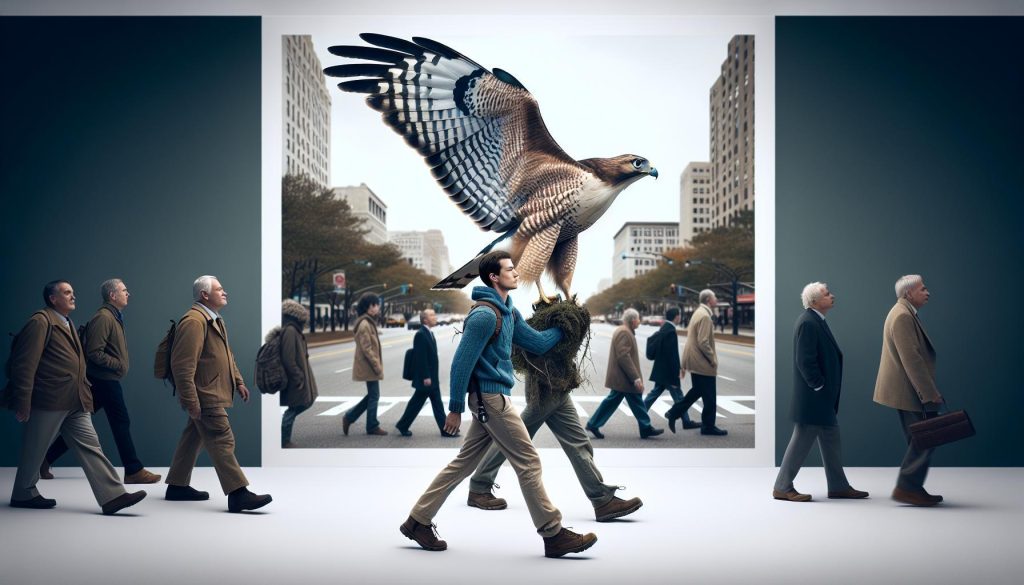
Did you know that the Zone-Tailed Hawk, often mistaken for a vulture, employs a fascinating hunting strategy that takes advantage of its unique mimicry? This bird, renowned for its ability to blend into its surroundings and trick other animals, showcases the intricate dance of survival in nature. Understanding the Zone-Tailed Hawk’s vulture mimicry can provide valuable insights into the complex relationships within ecosystems. Whether you’re a novice birdwatcher or an experienced ornithologist, exploring how this remarkable hawk hunts and interacts with its environment can deepen your appreciation for avian life. Join me as we delve into the fascinating world of the Zone-Tailed Hawk, uncovering its hunting tactics and the significance of its role in the ecosystem. Your journey into avian behavior and adaptation awaits!
Zone-Tailed Hawk: Overview and Unique Traits
The Zone-Tailed Hawk, a species often overshadowed by its more celebrated relatives, possesses remarkable traits that define its unique identity in the avian world. This bird of prey is particularly fascinating for its stunning mimicry of vultures, an evolutionary adaptation that enhances its hunting success. With a wingspan that can reach up to four feet, the Zone-Tailed Hawk can glide gracefully in the skies, often soaring alongside actual vultures. This is not merely a coincidence; by mimicking the flight patterns and behaviors of these scavengers, it can approach potential prey with decreased suspicion, making it a cunning hunter.
Physically, Zone-Tailed Hawks are distinguished by their dark plumage and characteristic banded tails, which feature horizontal stripes that lend the illusion of being part of a vulture’s silhouette. This coloration, along with their soaring style, plays a pivotal role in their strategy of vulture mimicry. When soaring in thermal updrafts, they can be indistinguishable from vultures to the untrained eye, allowing them to capitalize on the vultures’ ability to locate carcasses from great heights. Additionally, their vocalizations and social behavior can also resemble those of vultures, further enhancing this deceptive strategy.
The adaptability of the Zone-Tailed Hawk is evident not only in its hunting tactics but also in its habitat choices. Found primarily in the southwestern United States and throughout Central America, these hawks thrive in open desert areas where they can easily spot their prey. By understanding the interplay between their physical traits and behavioral strategies, birdwatchers and nature enthusiasts alike gain insight into the intricate adaptations that enable these birds to succeed in their ecological niche. Whether you are an experienced birder or just starting, the Zone-Tailed Hawk offers a compelling glimpse into the wonders of avian evolution and survival strategies.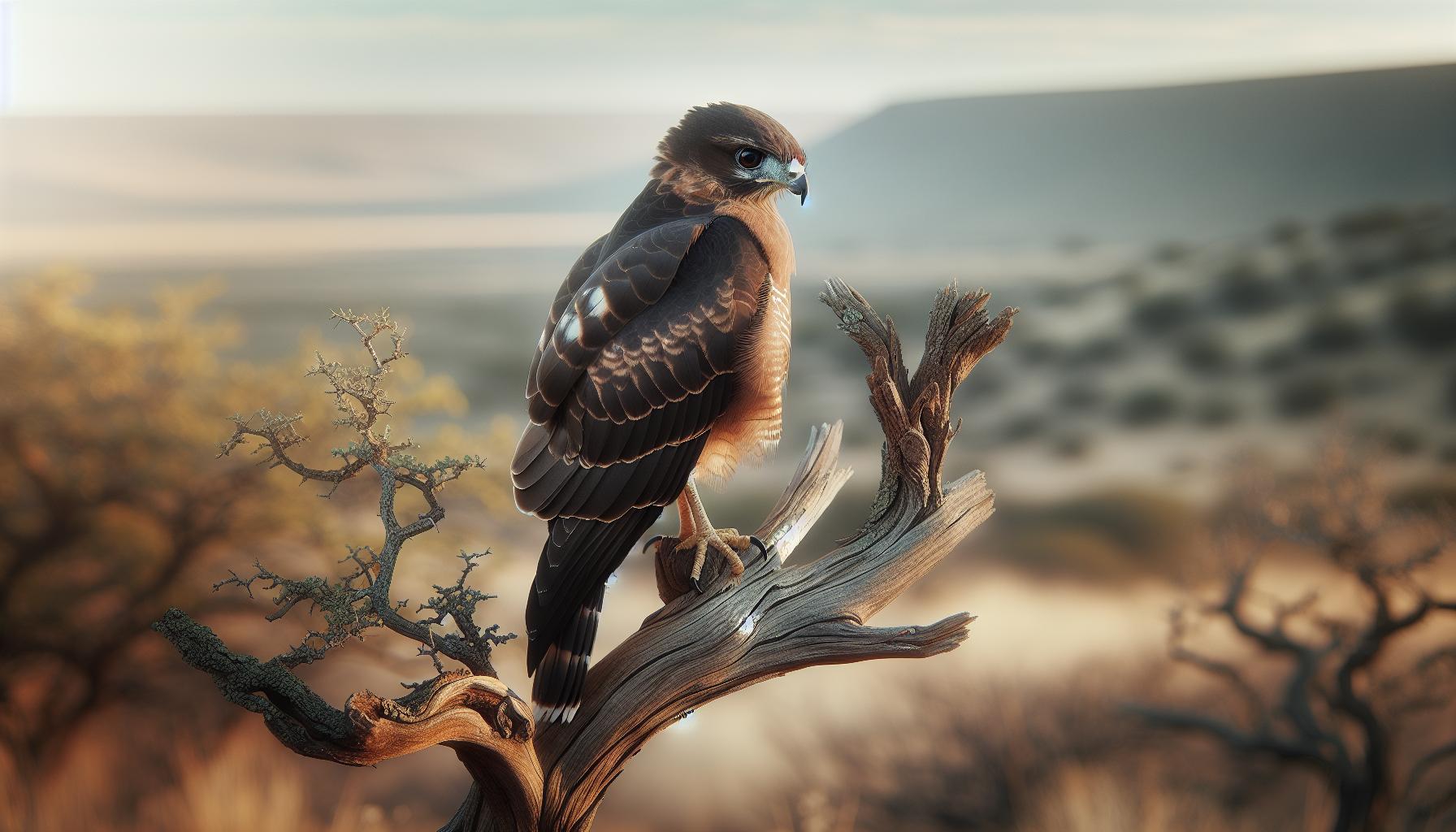
Understanding Vulture Mimicry in Birds
The Zone-Tailed Hawk exemplifies a fascinating survival strategy commonly seen in the avian world: vulture mimicry. This remarkable adaptation allows the hawk to soar alongside actual vultures, employing their size and flight patterns to its advantage. By resembling these scavengers, the Zone-Tailed Hawk can approach prey with less scrutiny. Vultures often attract a variety of animals to carcasses, and when the hawk imitates them, it adds an element of stealth to its hunting routine.
In flight, the Zone-Tailed Hawk’s dark plumage and distinctive banded tail create an illusion of being one with the vultures. As it glides on thermal updrafts, it can easily be mistaken for a vulture, which is critical for its hunting success. This behavior isn’t merely circumstantial; it reflects a calculated evolutionary benefit where the hawk can exploit the efficient scavenging habits of vultures to locate food sources. When observing these birds in the wild, the interplay between their camouflage and hunting strategy becomes apparent, especially when they mimic vultures’ soaring styles and vocalizations, further embedding themselves within the social dynamics of scavenger communities.
For birdwatchers, this mimicry provides a unique opportunity to observe a seldom-seen aspect of avian behavior. Watch how the Zone-Tailed Hawk elegantly integrates into the skies where vultures roam, and pay attention to the moments when it suddenly breaks the ruse to swoop down for its prey. The combination of physical adaptations and behavioral tricks underscores how nature crafts intricate relationships between different species, allowing organisms to thrive in their environments through remarkable means of survival. Whether you’re a novice or a seasoned birder, understanding this mimicry enriches the experience of watching these stunning hawks and deepens your appreciation for the complex strategies involved in the natural world.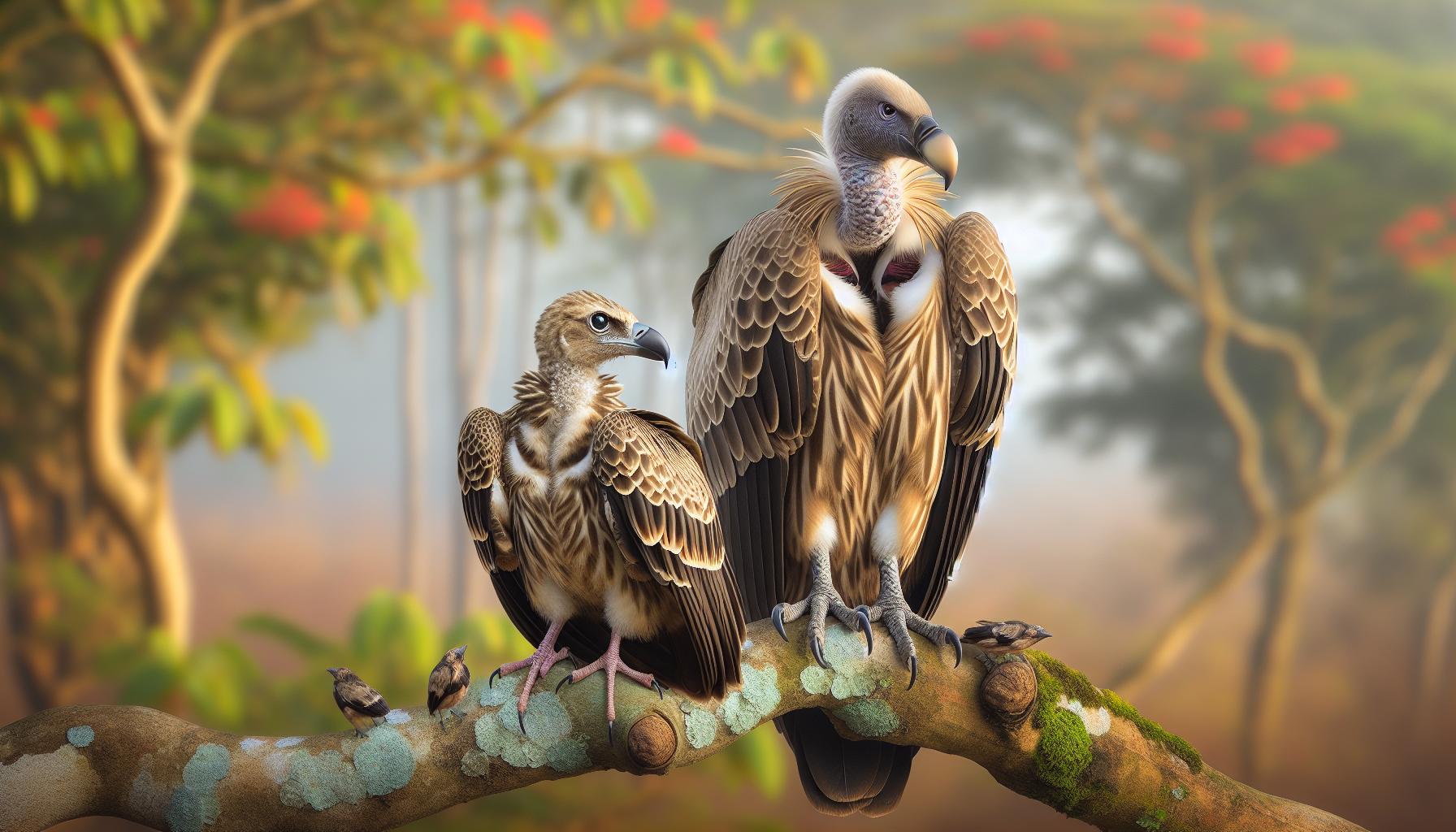
The Hunting Strategy of Zone-Tailed Hawks
The Zone-Tailed Hawk exhibits an extraordinary hunting strategy that intricately intertwines with its remarkable ability to mimic vultures. This unique approach is not just about blending in-it’s a calculated tactic that enhances its predatory success while minimizing detection by both prey and potential competitors. Observing a Zone-Tailed Hawk soaring alongside vultures can feel like witnessing a masterclass in survival instincts, as the hawk capitalizes on the vultures’ reputation as scavengers to hunt strategically.
These hawks often exploit their resemblance to vultures to approach unsuspecting prey. By flying in loose formations with actual vultures, Zone-Tailed Hawks can ambush small mammals or birds that are drawn to carcasses, believing they are in the company of harmless scavengers. The hawk’s dark plumage and the distinctive pattern of its tail allow it to blend seamlessly with its larger avian companions, enabling stealthy approaches within a few meters of their target. When hunting, they employ a combination of patient soaring and agile swoops, striking with speed and precision once they’ve identified an opportunity.
Key Aspects of the Hunting Strategy
Heightened Awareness: Zone-Tailed Hawks are adept at keenly observing their environment from above. When soaring, they take advantage of thermal updrafts, conserving energy while scanning for potential prey on the ground. This vigilance is vital, as they need to be quick to react when spotting movement in the landscape.
Mimicry in Action: The hawk’s mimicry goes beyond mere appearance; it also includes behavioral elements. Zone-Tailed Hawks will often imitate the soaring patterns and calls of vultures, further embedding themselves in the scavenger community. This behavioral mimicry not only helps them stay concealed but also allows them to benefit from the social dynamics of vultures, which can bring them closer to food sources.
Surprising Speed: When the moment is right, the Zone-Tailed Hawk transitions from stealth to ferocity in a flash. Their strikes are characterized by incredible acceleration, allowing them to cover ground quickly and catch their prey off-guard when it least expects a predator.
Overall, the hunting strategy of the Zone-Tailed Hawk showcases the intricate relationships present in ecosystems, illustrating how one species can evolve to mimic another successfully while developing unique hunting techniques. Engaging with these fascinating birds through observation can provide a deeper understanding of their complex behaviors and the evolutionary adaptations that make them such effective hunters in the wild.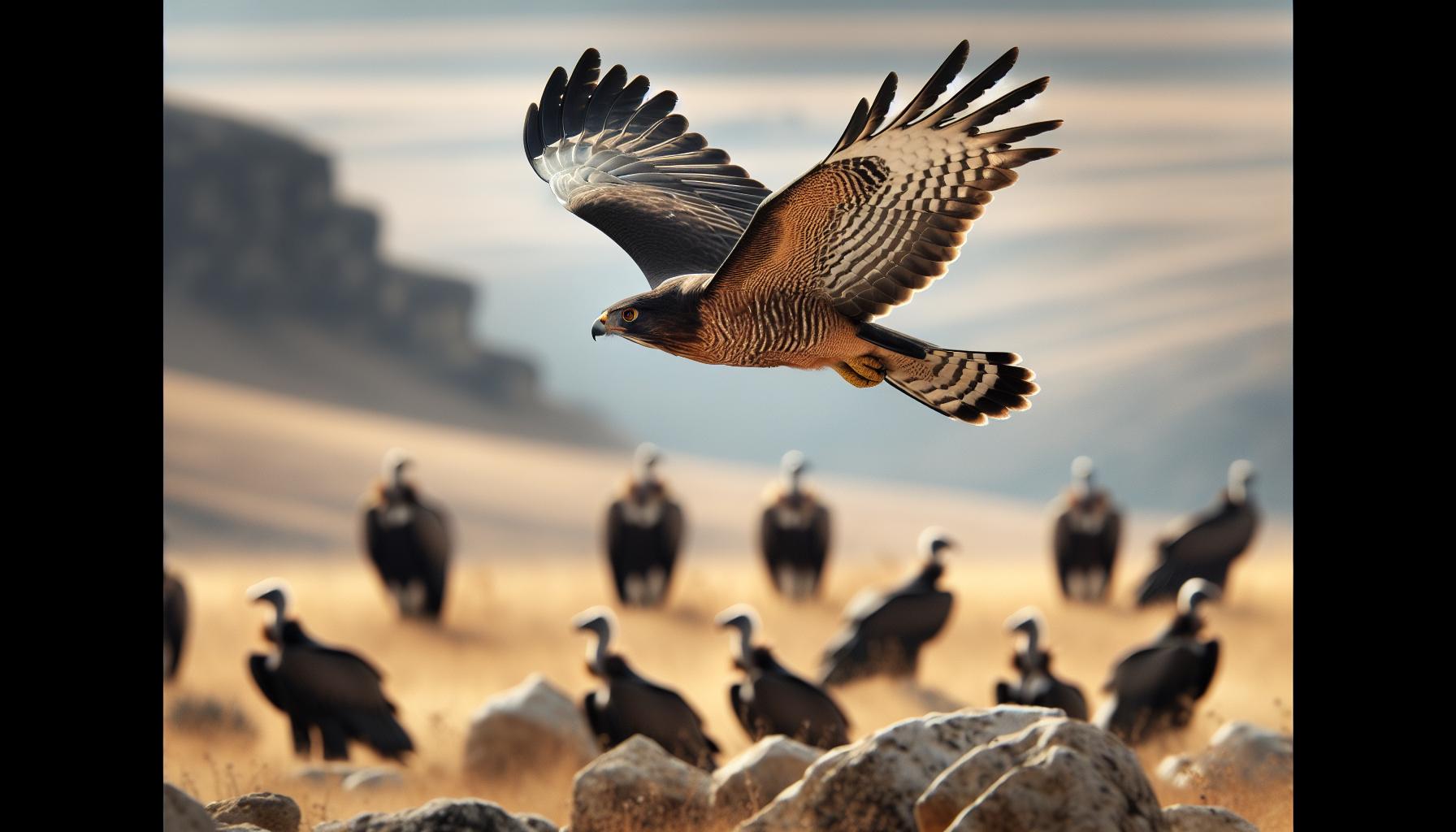
Comparison: Zone-Tailed Hawk vs. Vultures
The striking resemblance between Zone-Tailed Hawks and vultures is not just a coincidence; it’s a fascinating example of nature’s intricate web of survival strategies. As an observer, you might often find a Zone-Tailed Hawk gracefully soaring alongside Turkey Vultures. This mimicry is a calculated adaptation that significantly enhances the hawk’s hunting prowess while cleverly disguising its predatory intent.
Zone-Tailed Hawks, with their dark plumage and similar soaring patterns, can easily blend into a group of vultures. This resemblance provides them with a unique advantage during hunting. While vultures are scavengers, often drawn to carrion, the Zone-Tailed Hawk employs this association to capitalize on unsuspecting prey. By flying among vultures, it can ambush small mammals or birds that venture too close, believing they are safe in the presence of non-threatening scavengers. This behavior demonstrates how mimicry not only aids in camouflage but also plays a critical role in the hawk’s hunting strategy, allowing it to execute swift, predatory dives from an unexpected height.
In looking closely at their habits and behaviors, it becomes evident that while vultures rely on a keen sense of smell to locate deceased animals, Zone-Tailed Hawks depend on their impressive eyesight and opportunistic instincts. Vultures soar high, using thermal updrafts to conserve energy as they search for food, while the hawks often take advantage of these same thermals to observe their surroundings and identify potential prey. This similarity in soaring behavior further enhances their disguise, as both birds may be perceived as scavengers by other animals in the area.
Despite their superficial similarities, there are notable differences in behavior and diet. Tactics employed by vultures focus on scavenging, whereas the Zone-Tailed Hawk is a skilled predator capable of taking down live prey. This difference highlights the complex interactions within ecosystems, showcasing how one species can evolve mimicry as a part of a successful survival strategy while maintaining its unique hunting identity. Observing these interactions can deepen your appreciation for the nuanced relationships present in avian life and the remarkable adaptations that various species exhibit.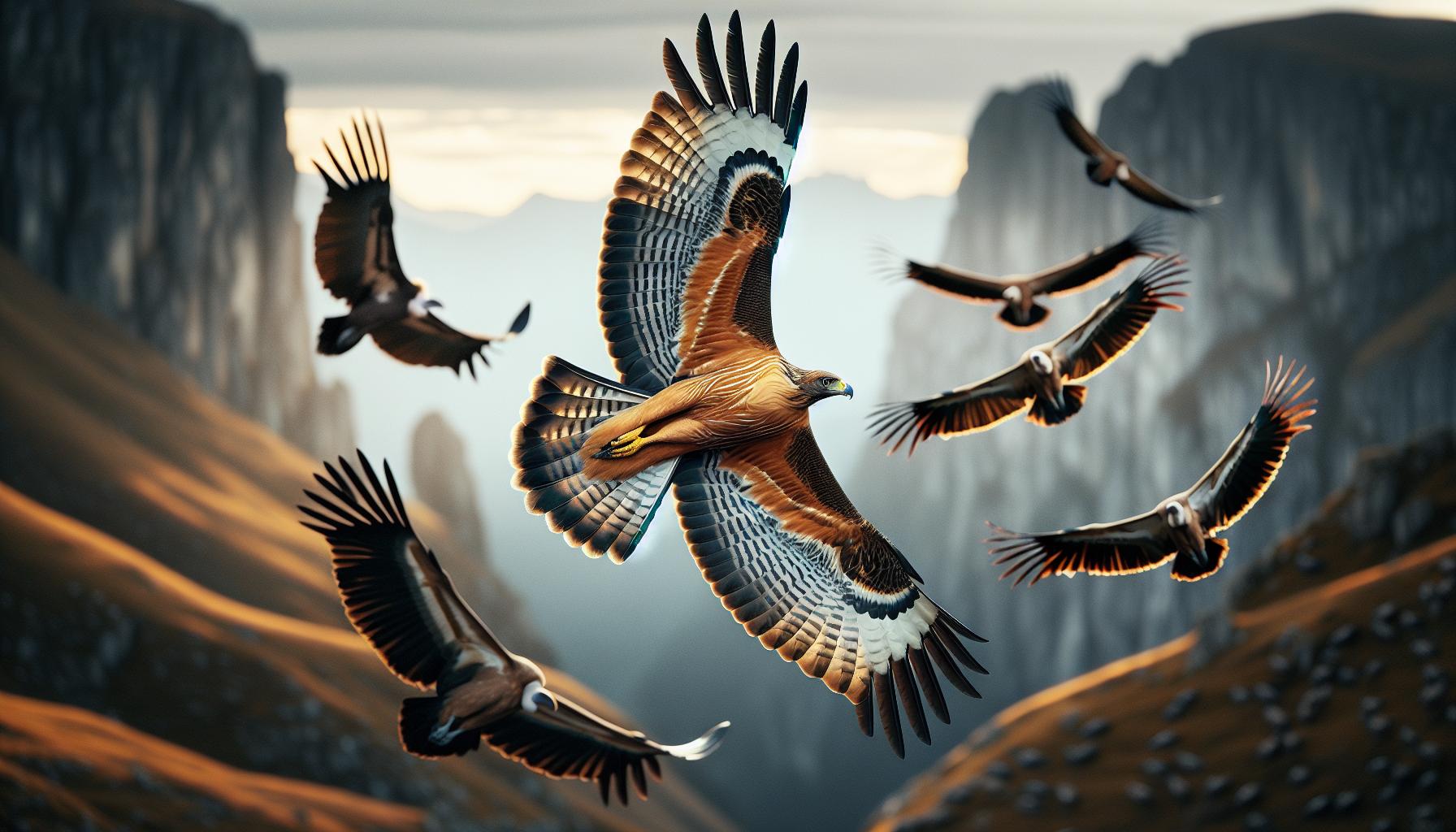
Behavioral Characteristics of Zone-Tailed Hawks
While soaring high above the arid landscapes of the American Southwest, the Zone-Tailed Hawk showcases an incredible blend of grace and cunning that truly sets it apart. One captivating aspect of its behavior is its strategic mimicry of Turkey Vultures. By adopting similar flight patterns and appearances, these hawks cleverly navigate the skies, often gliding alongside their scavenger counterparts. This mimicry isn’t just for show; it serves an essential purpose in their hunting strategy. The hawks leverage their vulture-like disguise to infiltrate groups of these benign birds, ambushing unsuspecting prey mingling among them.
Zone-Tailed Hawks exhibit a unique combination of hunting techniques. In addition to their mimicry, they are astute observers, utilizing thermal updrafts-just like vultures-to gain altitude while scanning for potential meals below. Unlike vultures, which rely on smell to find carrion, Zone-Tailed Hawks are adept hunters. They possess sharp eyesight and can spot small animals from impressive heights, preparing to dive stealthily at the perfect moment. This blend of soaring and observation allows them to maintain their disguise while optimizing their predatory tactics.
Their behavioral traits extend beyond hunting. Zone-Tailed Hawks are known for their boldness and adaptability. They often engage in aerial displays during courtship, an exciting spectacle for birdwatchers. Their calls are also distinctive and can include a series of sharp, high-pitched notes, which further distinguishes them from vultures. Observing these interactions in flight can provide a thrilling experience, whether you’re an experienced birder or just stepping into the world of avian observation.
Understanding these behavioral characteristics makes it clearer how the Zone-Tailed Hawk thrives in its environment. By embodying traits of a scavenger, it can approach prey without raising suspicion, demonstrating a remarkable adaptation strategy that showcases the complexity and creativity of nature. If you’re looking to observe these birds in action, seek out areas where vultures are present; the chances of spotting a Zone-Tailed Hawk are significantly heightened in those settings!
Habitat and Range of Zone-Tailed Hawks
In the sun-baked expanses of the American Southwest, the Zone-Tailed Hawk can be found deftly navigating its diverse habitat, showcasing a remarkable blend of adaptability and cunning. These hawks inhabit a range of environments, from arid deserts to open grasslands and mountainous regions. Their preference for areas with rising thermals-hot air currents-allows them to soar effortlessly, mimicking the flight patterns of vultures, which is crucial for their unique hunting strategy.
Zone-Tailed Hawks are primarily found in the southwestern United States, including states like Arizona, New Mexico, and Texas, extending down into parts of Mexico. In these regions, you’ll often see them soaring over rugged terrain or perched on tall trees and telephone poles, scanning the ground for movement. During migration, some may venture slightly further afield, taking advantage of varied terrain along their routes. Their ability to thrive in both urban and rural settings reflects their versatility as hunters.
These hawks are typically more abundant near water sources and open landscapes where prey is accessible. When birdwatching, look for them in regions where Turkey Vultures are prevalent; this not only increases your chances of spotting a Zone-Tailed Hawk but also provides a thrilling opportunity to observe their impressive mimicry in action. By taking note of their surroundings, you can often predict these hawks’ movements and behavior, enhancing your overall birdwatching experience.
To maximize your chances of encountering Zone-Tailed Hawks, consider the following tips:
- Timing: Early mornings or late afternoons are the best times for spotting these hawks as they are most active.
- Location: Focus your search in open areas near water bodies or where vultures typically feed.
- Patience: Bring binoculars and be prepared to spend time observing; these birds can blend into their surroundings.
With the right approach, you can immerse yourself in the fascinating world of Zone-Tailed Hawks, gaining insights into their habitat preferences and hunting strategies while enjoying the breathtaking landscapes they inhabit.
Diet and Feeding Habits Explained
The Zone-Tailed Hawk is a master of deception when it comes to hunting, using its remarkable vulture mimicry to gain the upper hand over unsuspecting prey. These raptors primarily feast on small mammals, birds, and reptiles, showcasing a diverse diet that adapts to seasonal and environmental changes. Their unique hunting strategy is further enriched by their ability to soar high in the sky, blending in with Turkey Vultures, which allows them to effectively ambush prey from an unsuspecting vantage point.
During foraging, Zone-Tailed Hawks are known to rely on both active hunting and opportunistic scavenging. They often utilize a sit-and-wait approach, perched quietly on elevated locations like tree branches or telephone poles. From these perches, they can scan the ground for movement, making quick calculated dives to catch small rodents or ground-nesting birds. This method not only emphasizes their patience but also illustrates their adaptability in various landscapes, from desert scrub to urban areas, where prey might be more accessible.
Their preferred hunting times coincide with the active hours of their prey. Early mornings and late afternoons are optimal, as many small mammals are foraging for food. When watching these hawks, look for them circling in the thermals or joining flocks of vultures; their behavioral mimicry serves both for camouflage and the scavenging of carrion, which adds an interesting layer to their feeding habits. Zone-Tailed Hawks have also been noted to follow vultures, waiting for them to uncover food sources, allowing them to take advantage of any opportunities that arise.
In summary, the hunting prowess of the Zone-Tailed Hawk is fuelled by its impressive mimicry and versatile diet. Understanding their feeding habits enhances our knowledge of this remarkable bird, deepening the appreciation of its role within the ecosystems it inhabits. Whether you’re a seasoned birdwatcher or a novice observer, knowing where and how to look for these unique hawks can enrich your birdwatching experience immensely.
Breeding and Nesting Behavior of Zone-Tailed Hawks
The breeding season for Zone-Tailed Hawks is a fascinating time that highlights their unique nesting behaviors and pair dynamics. Typically, these hawks are monogamous during the breeding season, forming strong pair bonds that can last for multiple seasons. Selecting a suitable nesting site is a critical first step, and they often choose high, inaccessible locations in the forks of trees, cliffs, or tall structures. This strategic choice offers a dual benefit: it provides a safe vantage point from which to watch for predators and a secure environment for their young.
Nesting usually begins in late winter to early spring, coinciding with the reproductive cycles of their prey. The female lays typically 1 to 5 eggs, which she incubates for about 30 to 35 days. Both parents are involved in caring for the young. The male plays an active role in hunting to provide food, displaying an impressive ability to adapt his foraging strategies based on available prey. Once hatched, the chicks are altricial, meaning they are born relatively helpless. During the first few weeks, they are fed via direct provisioning, and as they grow, they initiate their own involvement in the feeding process, often learning to hunt by observing their parents.
Adaptation for Survival
An intriguing aspect of the Zone-Tailed Hawk’s breeding behavior is how their enticing mimicry extends beyond hunting. The hawk’s ability to resemble a Turkey Vulture can also be beneficial during the nesting period. In regions where both species coexist, Zone-Tailed Hawks may use their vulturine appearance to deter potential predators from approaching their nests, leveraging the perceived danger associated with vultures.
As the young fledge around 6 to 8 weeks after hatching, they begin to explore their surroundings and develop their flight skills, often remaining near the nest while honing their predatory abilities. Watching this process can be a delight for birdwatchers; observing juvenile hawks perfecting their flight under the watchful eyes of their parents provides a wonderful insight into the lifecycle and familial bonds of these remarkable birds.
In conclusion, understanding the breeding and nesting behaviors of Zone-Tailed Hawks enriches our appreciation of their role in the ecosystem. By recognizing their complex family dynamics, nesting strategies, and the adaptive advantages conferred by their mimicry, bird enthusiasts can gain a deeper connection with these striking raptors. Whether you’re an experienced birder or a newcomer, witnessing these behaviors in the wild can be an unforgettable experience.
Conservation Status and Threats
The Zone-Tailed Hawk, while lesser-known, plays a crucial role in its ecosystem, yet it faces several conservation challenges. The survival of this majestic raptor is threatened by habitat loss, environmental pollution, and climate change. These factors not only reduce the availability of suitable nesting sites and prey but also disrupt their migratory patterns and breeding cycles. As urban development continues to encroach upon natural habitats, the hawks are increasingly forced to adapt to environments that may not support their survival strategies effectively.
Another significant threat to Zone-Tailed Hawks is the impact of rodenticides and other poisons used in agricultural practices. These chemicals can accumulate in the food chain, further endangering the hawks as they consume contaminated prey. In areas where their primary food sources, such as rodents, are poisoned, the hawks face dire health consequences, including weakened populations and decreased reproductive success.
Conservation efforts must focus on habitat preservation and the reduction of pesticide usage. Support for organizations engaged in raptor conservation is crucial, as they often conduct research to monitor population trends and help establish protected areas. Birdwatchers can play a vital role in conservation by reporting sightings of Zone-Tailed Hawks, thereby contributing to invaluable data that helps ornithologists understand their distribution and population health.
In addition to these practical steps, engaging local communities through education about the importance of these birds and their role in the ecosystem can foster a culture of conservation. Workshops, birdwatching events, and school programs can help raise awareness and spread the word about the charming behaviors and unique traits of the Zone-Tailed Hawk, ultimately benefiting both the species and the ecosystem they inhabit. By understanding the challenges they face, we can better advocate for the protection of these remarkable birds and their environments.
How to Identify a Zone-Tailed Hawk
The Zone-Tailed Hawk is a raptor that often deceives the eye with its striking resemblance to vultures, a mimicry that serves it well in the wild. This clever adaptation allows it to blend into groups of vultures while hunting, providing both protection and an advantage when chasing prey. Recognizing the Zone-Tailed Hawk, however, requires a keen eye and understanding of its unique characteristics.
To start, look for the hawk’s distinctive coloration. Adult Zone-Tailed Hawks display a dark brown plumage, with a lighter underside that showcases a banded tail. This banding is a key identifying feature. Moreover, the juveniles may look slightly different, exhibiting more mottled patterns that aid in camouflage against tree branches. When in flight, the hawk’s wings are broad and slightly rounded, presenting a steady, soaring silhouette similar to that of vultures. Pay attention to their flight behavior; unlike vultures that soar in thermals, Zone-Tailed Hawks tend to glide in a more straightforward manner, and you’ll often see them actively flapping their wings as they navigate through the sky.
Key Identifying Features
- Coloration: Dark brown above, paler below, with conspicuous dark bands on the tail.
- Body Size: Medium-sized hawk, approximately 18 to 24 inches in length.
- Flight Pattern: Broad wings and a more direct gliding flight, especially when hunting.
- Vulture Mimicry: Often seen flying among vultures, exhibiting similar soaring techniques.
Observing their behavior during the hunting strategy can also assist in identification. Zone-Tailed Hawks often hunt from high perches, scanning the ground for movement. If you see a raptor that appears to be stalking or hovering, chances are it might be this species. Important note: being aware of their mimicry allows birdwatchers to discern them from true vultures, which engage more in scavenging than active hunting.
For those eager to catch a glimpse of these fascinating hawks in their natural habitat, patience and preparation are key. Bring binoculars for a closer look, and scout areas where they might nest-such as open woodlands or scrublands. By familiarizing yourself with these identifying traits and behaviors, you’ll be more equipped to recognize the Zone-Tailed Hawk, an intriguing blend of beauty and strategy in the avian world.
Tips for Birdwatching: Spotting Zone-Tailed Hawks
Spotting a Zone-Tailed Hawk in the wild is a thrilling experience that few birdwatchers forget. These remarkable raptors have perfected the art of disguise, mimicking vultures to enhance their hunting strategies. To increase your chances of encountering one, start by familiarizing yourself with their behavior and preferred habitats.
When searching for Zone-Tailed Hawks, head to areas with open woodlands, scrublands, and near high perches, such as trees or cliffs. They are often found soaring with vultures, which makes it essential to look closely at the flock. Pay attention to their flight patterns; unlike vultures that utilize thermal currents to stay aloft with minimal effort, Zone-Tailed Hawks frequently flap their wings and glide in a more direct manner, especially when hunting. Carrying binoculars will be advantageous, allowing you to observe their silhouette and subtle differences more clearly.
Observing their unique hunting behaviors can also be quite rewarding. Zone-Tailed Hawks prefer to scan the ground for movement from elevated vantage points. If you see a bird hovering or gliding while seemingly tracking its next meal, take a closer look. Their dark brown plumage and banded tails will help distinguish them from true vultures, which generally lack this hunting behavior and are more inclined to scavenge.
Utilizing the right gear can make your birdwatching excursion successful. In addition to binoculars, a good field guide or birding app can help you quickly identify the hawks you encounter. Don’t forget to bring a notebook to jot down your observations; documenting your sightings enhances your experience and reinforces your learning as a birder. Patience is key in this endeavor-spending ample time in areas where these magnificent hawks are known to hunt can lead to thrilling encounters and deeper insights into their behavior and adaptations.
Cultural Significance and Folklore Surrounding Hawks
The Zone-Tailed Hawk is not just a raptor of keen hunting capabilities; it also holds significant cultural meanings and captures the imagination in various folklores across the Americas. In many indigenous cultures, hawks represent power, vision, and guardianship. The Zone-Tailed Hawk, with its impressive mimicry of the Turkey Vulture, adds a layer of intrigue to these symbols, embodying the concept of transformation and the duality of nature. This adaptability resonates with the human experience, emphasizing the importance of blending into one’s surroundings to thrive.
Stories about hawks often highlight their role as messengers and observers, connecting the earthly and spiritual realms. The Zone-Tailed Hawk, soaring alongside vultures, is viewed by some as a symbol of life’s cycles-life, death, and rebirth. This association with vultures, creatures frequently linked to spiritual cleansing and renewal, enhances the hawk’s mystical reputation. Birdwatchers and nature enthusiasts might find inspiration in these narratives, interweaving their observations with the cultural stories that enrich the environment they’re exploring.
When birdwatching or simply enjoying the outdoors, consider carrying some of these cultural dynamics with you. Sharing stories or learning about the local folklore can deepen your appreciation for these magnificent birds. By respecting and recognizing their cultural significance, you’ll be engaging with the natural world on a more profound level. Whether it’s observing their impressive flight patterns or witnessing their elusive hunting techniques, understanding the symbolic weight behind the Zone-Tailed Hawk can transform a simple sighting into a memorable experience packed with meaning.
Frequently Asked Questions
Q: What adaptations do Zone-Tailed Hawks have that enhance their vulture mimicry?
A: Zone-Tailed Hawks exhibit several adaptations for vulture mimicry, including dark plumage and similar flight patterns. These traits help them blend into the environment, allowing them to deceive both predators and prey, thus enhancing their hunting success. Their soaring behavior mimics that of vultures, increasing their stealth during hunts.
Q: Why do Zone-Tailed Hawks mimic vultures during hunting?
A: Zone-Tailed Hawks mimic vultures to avoid detection by prey and other birds. By resembling non-threatening vultures, they can approach potential prey unnoticed, leveraging the instinctive avoidance behaviors that smaller animals exhibit towards larger scavengers. This strategy significantly enhances their hunting effectiveness.
Q: How do Zone-Tailed Hawks differ from true vultures in their hunting methods?
A: Although Zone-Tailed Hawks mimic vultures, they primarily hunt live prey instead of scavenging. Their ability to soar high and observe from above allows them to spot movements on the ground, employing stealth and surprise attacks. This contrasts with vultures, which typically rely on smell and sight to locate carrion.
Q: What is the importance of vulture mimicry in the Zone-Tailed Hawk’s ecosystem?
A: Vulture mimicry plays a critical role in maintaining the ecological balance. By imitating vultures, Zone-Tailed Hawks can effectively control populations of small mammals and other species by hunting, thus preventing overpopulation. This adaptability contributes to biodiversity and helps stabilize food chains in their habitats.
Q: How can birdwatchers identify Zone-Tailed Hawks from other similar birds?
A: Birdwatchers can identify Zone-Tailed Hawks by their characteristic dark plumage, long wings, and tail with distinct bands. Their flight style, resembling that of a vulture while circling in search of prey, also helps in identification. Observing these traits can assist in distinguishing them from other raptors.
Q: What role does social behavior play in the hunting strategy of Zone-Tailed Hawks?
A: Social behavior enhances the hunting strategies of Zone-Tailed Hawks, particularly during migration. They often hunt in groups, leveraging collective soaring and scanning for prey. This social dynamic increases their chances of detecting prey while also helping them avoid potential threats from larger predators.
Q: When is the best time to observe Zone-Tailed Hawks using their hunting strategies?
A: The best time to observe Zone-Tailed Hawks is during early mornings and late afternoons when they are most active. These times promote optimal conditions for hunting as the light enhances visibility and the cooler temperatures motivate prey activity. Birdwatching during these hours increases the likelihood of sightings.
Q: What threats do Zone-Tailed Hawks face that impact their hunting strategies?
A: Zone-Tailed Hawks face several threats including habitat loss, climate change, and competition with other raptors. These factors can affect their hunting strategies by limiting available habitats and prey. Conservation efforts are crucial to sustain their populations and maintain their important ecological role.
Concluding Remarks
Understanding the Zone-Tailed Hawk’s remarkable vulture mimicry unveils fascinating insights into adaptive hunting strategies. By leveraging its similarity to vultures, this remarkable bird not only enhances its hunting success but also showcases the intricate balance of nature. As you explore more about avian behaviors, don’t miss our in-depth articles on bird identification tips and the role of mimicry in wildlife.
Now that you’ve delved into this unique hunting strategy, consider signing up for our newsletter to stay updated on the latest ornithology research and birdwatching tips. With each visit, you uncover more about the avian world and its intriguing dynamics. Your journey into the wonders of birdlife doesn’t end here-join the conversation below, share your thoughts, and connect with fellow bird enthusiasts. Together, let’s keep exploring the skies!