
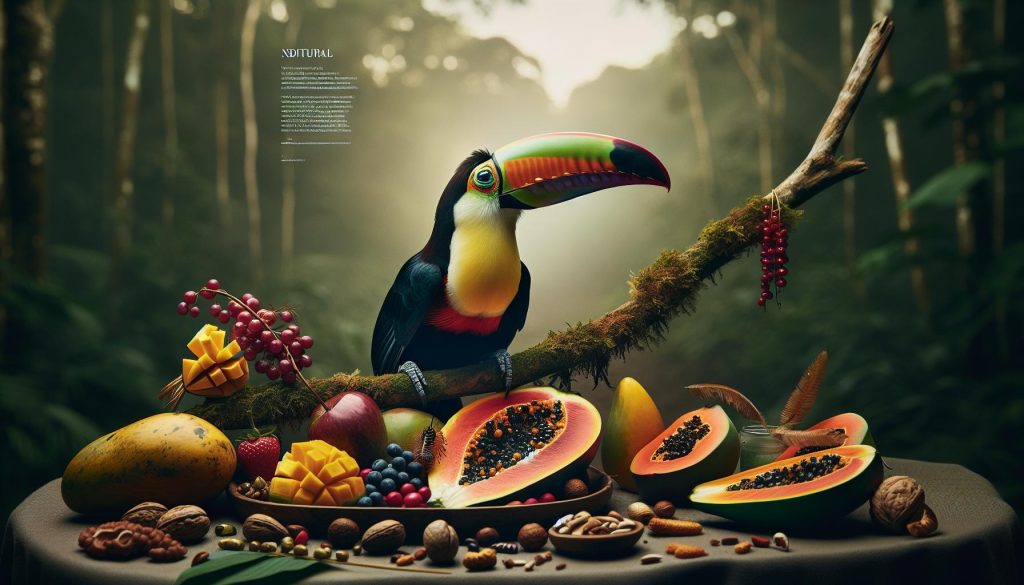
A complete toucan diet requires high-carbohydrate, moisture-dense fruits balanced with low-iron proteins. In both wild ecosystems and captive zoological management, ramphastids are exceptionally vulnerable to Hemochromatosis (Iron Storage Disease), mandating strict avoidance of foods containing high ascorbic acid (vitamin C) or bioavailable iron exceeding 50 to 100 ppm.
Did you know that toucans have a unique role in forest ecosystems, acting as seed dispersers due to their fruit-heavy diet? Understanding what food toucans eat is not just fascinating; it’s essential for anyone interested in caring for these vibrant birds in captivity or simply learning about their natural behavior. Toucans primarily feast on fruits, but their diet is much more diverse, including insects, small reptiles, and even eggs. This rich variety highlights their adaptability and how their feeding habits impact their environment. Whether you’re a beginner bird lover or a seasoned ornithologist, uncovering the complete dietary list of toucans will deepen your appreciation for these stunning creatures and provide insights into their care and conservation. Get ready to explore the colorful world of toucan cuisine and learn how you can contribute to their wellbeing or enhance your understanding of their role in the wild!
What Do Toucans Eat? An Overview of Their Diet
Toucans are fascinating birds known for their vibrant colors and iconic oversized bills, but their diet is just as intriguing. Primarily frugivorous, or fruit-eating, toucans feast on a variety of fruits, showcasing a keen preference for those that are soft and easy to digest. Fruits such as mangoes, bananas, and papayas make up a significant part of their nutritional intake. Their remarkable bills not only serve as striking features but also assist them in reaching fruit in hard-to-access places, allowing these birds to thrive in their lush, tropical habitats.
In addition to fruits, toucans also incorporate a range of other food sources into their diet. They consume leaves, seeds, and occasionally insects and small vertebrates, which provide necessary protein. This varied diet helps them adapt to different environmental conditions and ensures they receive essential nutrients to support their active lifestyles. A balance of fruits, seeds, and protein-rich foods is crucial for maintaining their health and vitality.
For those caring for toucans in captivity, understanding their dietary needs is essential. A typical balanced diet should include fresh fruits as the primary component, alongside safe seeds, and occasional protein sources to mimic their natural foraging behavior. Regularly offering a variety of fruits not only keeps them engaged but also promotes overall health.
As you embark on the journey of understanding toucan diets, remember that their feeding habits are influenced by the changing seasons. In the wild, toucans will forage for what’s abundant, which may vary depending on the time of year. This natural dietary adaptability is a testament to their role in the ecosystem, as they help disperse seeds through their eating habits, contributing to the health of their forest environments. By mimicking these practices and providing a diverse diet, you can ensure your toucan thrives and remains a vibrant part of its ecosystem, whether in the wild or a domestic setting.
Understanding Toucan Nutritional Needs
Toucans have a unique nutritional profile that reflects their vibrant lifestyles and ecological roles. These birds, primarily frugivorous, rely heavily on fruits for sustenance, but their dietary needs are more multifaceted than one might assume. In the wild, toucans thrive in rainforests, where they have access to an abundance of fruit varieties, along with other food sources such as seeds, flowers, and even insects, all vital for their health.
To cater to the nutritional needs of toucans, it’s essential to mimic their natural diet as closely as possible. Fruits such as mangoes, bananas, and papayas are not only favorites but also offer vital vitamins and energy. However, a well-rounded toucan diet goes beyond fruits. Incorporating a mix of protein sources, including insects and small vertebrates, is crucial-these provide essential amino acids that support overall health and reproductive success. Additionally, seeds contribute necessary fats and fiber, promoting digestive health.
For those caring for toucans in captivity, the importance of a balanced diet is paramount. It is advisable to provide a diverse range of fresh fruits, alongside carefully selected seeds and proteins. A daily offering of varied fruits will not only stimulate their interest during feeding but will also help maintain their physical and mental wellbeing. Keep in mind that toucans are prone to obesity, so it’s vital to regulate their food intake and ensure they receive proper nutrients without overfeeding.
Lastly, stay attuned to how seasonal changes affect their dietary needs. In the wild, toucans adjust their foraging behaviors based on food availability, often seeking out the ripest and most nutritious options. By observing how seasoned illusion bears are affected by different environmental factors, caregivers can more effectively adapt their feeding strategies to ensure that captive toucans experience a dynamic and healthy diet. With this approach, you can help your toucan flourish, embodying the beauty and resilience that these birds are renowned for.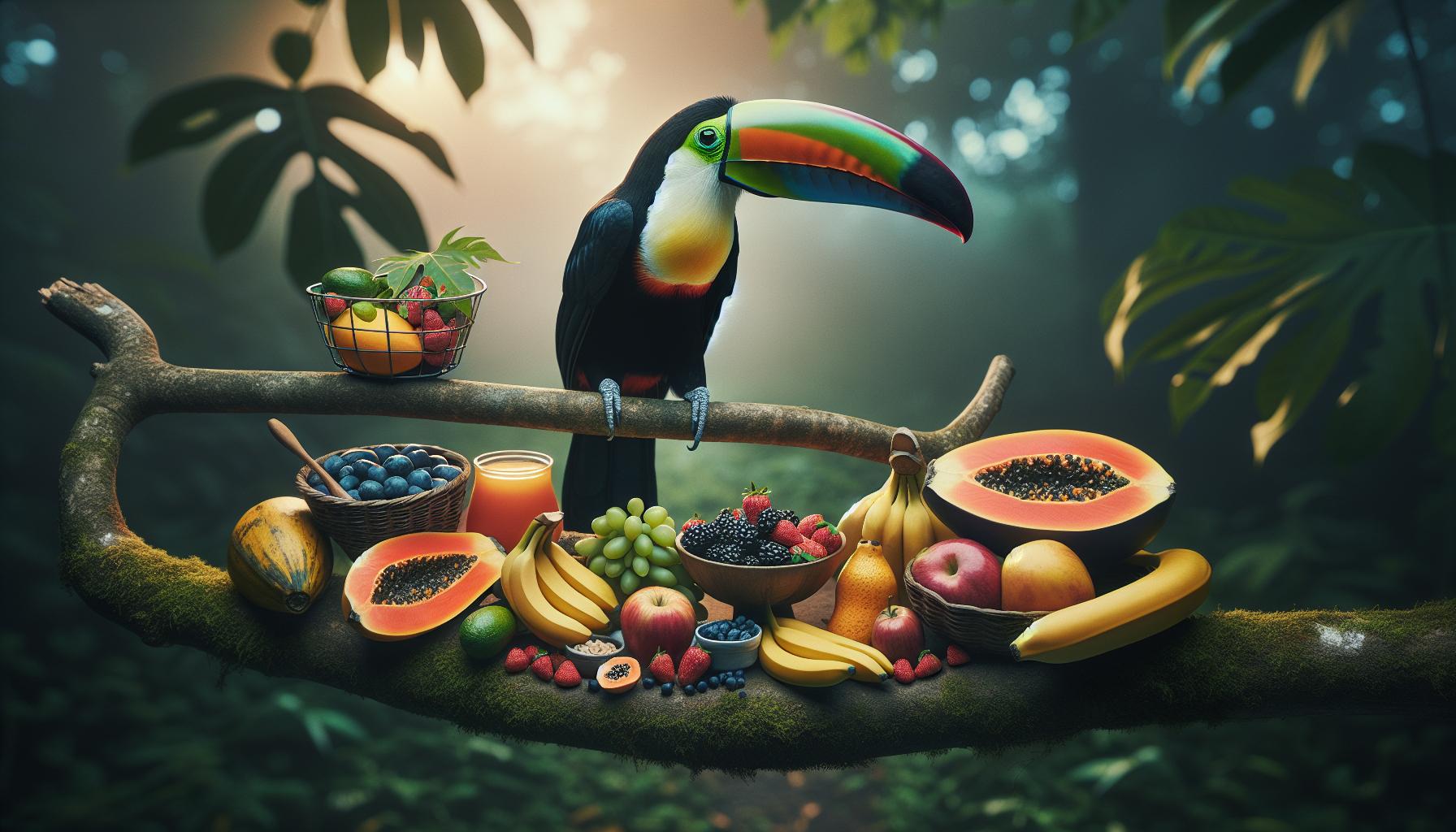
Top Fruits for a Happy Toucan
Toucans are not just vibrant in color; they are also vibrant in their eating habits, showcasing a diverse palate that centers predominantly around fruit. Feeding these stunning birds the right variety of fruits not only satisfies their cravings but also plays a crucial role in their overall health. When selecting fruits for toucans, think of nature’s candy-brightly colored, juicy, and packed with nutrients. Some of the top choices that can bring a smile to your toucan’s beak include:
- Mango: Rich in vitamins A and C, mangoes are a sweet delight that toucans often enjoy, providing essential hydration and a burst of energy.
- Banana: A favorite among many birds, bananas offer a creamy texture and are a good source of potassium, which aids in muscle function.
- Papaya: This tropical fruit is not only delicious but also helps with digestion due to its enzyme content, promoting gut health in toucans.
- Figs: Figs provide a unique texture and are high in fiber, helping to maintain a healthy digestive system.
- Berries: Strawberries, blueberries, and blackberries provide antioxidants and are low in calories, making them excellent snack options.
- Passion fruit: The exotic flavor and nutrient richness make this a delightful treat that can stimulate your toucan’s interest in mealtime.
Incorporating a colorful array of these fruits into your toucan’s diet not only satisfies their natural foraging behaviors but also mimics their wild diet, ensuring they receive a spectrum of vitamins and minerals essential for their health. Offering fruits daily can also be a wonderful opportunity to observe and learn about your toucan’s preferences and behaviors during feeding time.
Additionally, mixing fruits with other food sources can create a well-rounded diet. Combining fruits with seeds or insects can enhance the nutritional value and engage your toucan both mentally and physically. Remember to always introduce new foods gradually and watch for any preferences, ensuring that your toucan thrives in a healthy, balanced diet.
Essential Insects and Protein Sources
Toucans are not just fruit aficionados; their diet is also supplemented by a variety of essential insects and proteins. These dietary components are crucial for maintaining their health and providing the necessary nutrients that fruits alone may not offer. In nature, toucans thrive on insects, which are rich in protein and critical to their growth and energy levels. By replicating this aspect of their wild diet, we can ensure our pet toucans receive the balanced nutrition they require to flourish.
Insects such as mealworms and crickets should be integral to a toucan’s diet. Mealworms, for instance, are an excellent source of protein and fat, supporting muscle development and overall vitality. Crickets also provide vital nutrients, and both are often met with enthusiasm by toucans due to their movement and texture, sparking their natural foraging instincts. It’s beneficial to offer a variety of these insects to create an engaging feeding experience for your toucan, capturing their interest while promoting health.
To supplement their insect intake, consider including other protein sources like cooked eggs, which are easily digestible and packed with essential nutrients. You can also introduce small amounts of lean meats or specialized bird pellets formulated with adequate protein levels tailored for toucans. Always ensure that these protein sources are fresh and free from any additives or preservatives that could disrupt their delicate digestive systems.
Introducing insects and other protein sources should be done gradually to avoid overwhelming the bird. Start with small amounts, observing your toucan’s response, and adjust accordingly. This practice not only caters to their nutritional needs but also provides an opportunity to foster a deeper bond as you engage in their feeding routines. By prioritizing a diverse and balanced diet rich in fruits, insects, and proteins, you set the foundation for a vibrant and healthy life for your toucan.
The Role of Seeds in a Toucan’s Diet
Toucans have a diverse diet that encompasses a variety of foods, and seeds play a significant role in their nutrition. While most people associate these vibrant birds primarily with fruits, seeds offer essential nutrients that contribute to their overall health and well-being. Whether it’s the high energy content or the fatty acids found in many seeds, these natural foods are integral to a toucan’s diet and mimic what they would naturally forage in the wild.
In the wild, toucans often consume seeds from a variety of fruits and plants. Seeds can be an excellent source of healthy fats, vitamins, and minerals that are essential for their energy levels and metabolic processes. For instance, seeds from fruits like melons or berries are not only palatable but also provide valuable nutrients leading to healthy feather growth and vibrant coloration. Incorporating seeds into your toucan’s diet can enhance their physical appearance and vitality, making them even more captivating to observe.
When selecting seeds for your pet toucan, it’s crucial to choose varieties that are both safe and beneficial. Consider including options like pumpkin seeds, sunflower seeds, and flaxseeds in their diet. These seeds are rich in proteins and good fats, which help support a toucan’s high metabolism, especially important since they take in foods high in water content, like fruits. It’s a good practice to offer seeds in moderation, as too many can lead to dietary imbalances, particularly concerning fat intake.
Moreover, offering seeds in a foraging context can stimulate their natural behaviors. Toucans thrive on interaction and mental challenges, so scattering seeds on a platform or within toys can make feeding time more engaging. This approach not only promotes a healthy diet but also enhances their overall mental health, providing both physical and psychological enrichment. By ensuring a balanced approach with various food groups, including seeds, you can create a fulfilling diet that mirrors their natural instincts while keeping your toucan healthy and active.
How to Create a Balanced Diet for Toucans
Creating a balanced diet for your toucan is crucial to their long-term health and happiness. These striking birds are known for their vibrant colors and playful nature, and ensuring they receive a varied and nutritious diet reflects their natural feeding habits in the wild. A well-rounded diet primarily consists of fruits, seeds, and supplements that replicate the diverse food sources they would encounter in their natural habitats.
To start, focus on providing a wide assortment of fresh fruits. Toucans thrive on fruits like bananas, papayas, and berries. These not only offer essential vitamins and hydration but also serve as a delightful treat that keeps them energetic and engaged. Aim to fill about 60-70% of their daily intake with fruits. Always cut fruits into appropriate sizes to avoid choking, and watch for any signs of spoilage.
Next, seeds should complement the fruit portion of their diet, making up around 20-30%. Including a range of seeds-such as pumpkin, sunflower, and flaxseeds-ensures your toucan receives the necessary fats and proteins to support their fast metabolism. However, moderation is key; too many seeds can lead to obesity and other health issues.
Additionally, adding protein sources like insects and specially formulated pellets can round out their nutritional needs. Protein is vital for feather growth and overall energy, so consider crickets or mealworms as part of their diet. These should be offered in small amounts to maintain balance.
Regularly change their diet and monitor their preferences and health. Providing a varied menu keeps feeding time exciting and prevents dietary boredom. It’s also wise to consult an avian veterinarian for personalized dietary advice tailored to your toucan’s specific health requirements. By prioritizing variety and balance, you ensure that your toucan not only maintains optimal health but also enjoys mealtime as much as they should!
Common Toucan Dietary Mistakes to Avoid
Toucans, with their striking beaks and vibrant energy, often inspire enthusiasm among pet bird owners. However, feeding these fascinating birds comes with its own set of challenges. One common mistake is overlooking the importance of variety in their diet. While it may be tempting to rely heavily on a single type of fruit or seed, a lack of diversity can lead to nutritional imbalances. Toucans are naturally foragers, and in the wild, they consume a wide array of foods. Therefore, it’s essential to rotate fruits and other items to ensure they receive all necessary vitamins and minerals.
Another frequent oversight is the use of inappropriate foods. Some owners may unknowingly provide toxic items, such as avocado or chocolate, which can be harmful or even fatal to toucans. Additionally, feeding them processed or high-sugar snacks, commonly sold in pet stores, can lead to obesity and health issues. Always opt for fresh, organic fruit and high-quality seeds while steering clear of any potentially dangerous items. A helpful tip is to keep a list of safe foods handy as a quick reference to avoid these pitfalls.
Lastly, many newcomers underestimate the importance of hydration. Toucans need access to fresh, clean water at all times. Dehydration can occur quickly, especially in warmer climates or with inadequate humidity. Regularly change their water, ensuring it remains clean and free from contaminants that could harm a toucan’s health. This simple practice is often overlooked but plays a vital role in their overall well-being.
By avoiding these common dietary mistakes and focusing on a balanced diet with variety, toucan caretakers can contribute to the longevity and vibrancy of these incredible birds. Their joy during feeding time will reflect the care and attention you put into meeting their nutritional needs.
Feeding Toucans in Captivity: Best Practices
Toucans are not just a feast for the eyes; their dietary needs are as colorful and varied as their vibrant plumage. When it comes to feeding toucans in captivity, creating an enriching and diverse environment is essential for their health and happiness. These birds naturally forage for food in the wild, which means that mimicry of their natural feeding habits is key to their well-being. A diet focused largely on fruits, seeds, and insects can play a significant role in their longevity.
To ensure your toucan thrives, focus on providing a wide array of fresh fruits, such as bananas, papayas, mangoes, and berries, as they are rich in essential vitamins. Just as important as fruits are the seeds and nuts that serve as a vital protein source; consider offering a mix of high-quality seeds formulated for exotic birds. Rotating these food items not only keeps mealtime exciting but also covers their nutritional bases-variety is the spice of life for these feathered friends!
Common Feeding Practices:
- Fresh and Clean: Always offer fresh, organic fruits free from pesticides.
- Supplement with Insects: Adding protein-rich insects like crickets and mealworms can offer essential amino acids.
- Mind the Portion Sizes: Toucans can be prone to obesity, so monitor their intake and adjust as necessary.
In addition to a diverse diet, ensure that your toucan has constant access to clean water. This critical element is often overlooked but is essential for their hydration and overall health. Make it a routine to change their water daily, keeping it fresh and inviting. Observing their feeding behavior can also provide insights; if a toucan appears disinterested or is not eating, it could be a sign of an unhealthy diet or stress in their environment.
Finally, understanding the importance of environmental enrichment can set the stage for successful feeding practices. Incorporate food puzzles or hanging treats that challenge your toucan while satisfying their natural instincts to forage. This not only keeps their minds stimulated but also provides physical exercise, critical aspects of their care in captivity. By creating a balanced diet and engaging feeding routine, you’ll help foster a happy, healthy toucan that brings joy to your home!
The Importance of Fresh Water for Toucans
Providing fresh water is a crucial aspect of a toucan’s diet that cannot be underestimated. These vibrant birds, known for their striking beaks and sociable nature, require constant access to clean water to maintain their health and overall well-being. Hydration plays a significant role in their metabolic processes, aiding digestion and nutrient absorption, while also supporting healthy feather and skin condition.
One of the most important practices when caring for toucans is to ensure their drinking water is changed daily. Stale water can harbor bacteria and algae, leading to potential health issues. Here are some best practices to keep in mind for providing fresh water to your toucan:
- Daily Changes: Replace the water each day to avoid contamination.
- Clean Bowls: Use a dedicated water dish that is easy to clean and disinfect regularly.
- Monitor Consumption: Observe your toucan’s drinking habits to ensure they are hydrated. If you notice a decrease in water intake, it may indicate health concerns.
- Temperature Considerations: Offer water at room temperature, as very cold water can be uncomfortable for your bird.
Additionally, providing opportunities for bathing can enrich a toucan’s life and improve their feather condition. Many toucans enjoy misting or shallow water baths, which are not only enjoyable but also essential for maintaining healthy plumage. This mimics their natural behaviors in the wild and can help reduce stress. Always ensure any bathing setups are safe and monitored to prevent accidental submersion or drowning.
A well-hydrated toucan is likely to display vibrant colors, active behavior, and a cheerful disposition, making fresh water an indispensable element of their care routine. By paying attention to these practical details, you will contribute to a thriving, happy toucan that graces your home with its vivid presence.
How Seasonal Changes Affect Toucan Diet
The diet of toucans is not static; it dramatically shifts with the seasons, showcasing the adaptability and resourcefulness of these stunning birds. In their natural tropical habitats, toucans primarily forage in the lush canopies where food availability significantly varies throughout the year. During different seasons, factors such as fruit ripening, flowering patterns, and the abundance of insects dictate what toucans feast on.
In the wet season, an array of fruits such as papayas, bananas, and berries flourish, providing toucans with ample sustenance. Toucans are particularly fond of the abundant ripe fruits produced by flowering trees, which peak during this time. Their specialized long beaks enable them to reach and extract fruit from hard-to-reach places, indulging in a diet rich in vitamins and sugars that fuel their energetic lifestyles. As the trees shed their leaves in the dry season, these birds may shift their focus towards more resilient food sources, relying on seeds and nuts that persist through harsh conditions.
Additionally, seasonal changes influence the availability of protein sources, which are crucial during breeding times when nutritional demands soar. Insects, which are prominent in the diet of many tropical birds, may be more abundant after rains, leading toucans to capitalize on this protein-rich food source. Therefore, understanding how to provide a balanced diet that mimics these seasonal changes is essential for caregivers of captive toucans.
For any toucan owner, staying attuned to the seasonal shifts can help in offering appropriate food that aligns with a toucan’s natural dietary patterns, ensuring their health and happiness year-round. This could include incorporating a variety of fresh fruits and a mix of seeds or nuts, along with occasional protein sources to keep their diet diversified and stimulating. Adaptability is key, not just for toucans in the wild but also for their caregivers in striving to replicate the natural conditions that affect these remarkable birds.
Exploring Toucan Foraging Behavior in the Wild
In the vibrant canopies of the tropical rainforest, toucans engage in a fascinating foraging behavior that reflects their adaptability and diverse dietary needs. With their distinctive long, colorful beaks, these birds are not just visually stunning; they are master foragers equipped to select the ripest fruits and the best insects among the dense foliage. Toucans primarily consume a diet rich in fruits, but their foraging extends well beyond simple fruit picking. They exhibit remarkable flexibility, adapting to the seasonal availability of food to ensure they obtain a balanced diet.
Toucans are known to favor fruit, with species such as the Keel-billed Toucan often munching on papayas, mangoes, and various berries. Their foraging behavior typically involves scanning the surrounding area for visually appealing and aromatic fruits. Once they identify a potential snack, they skillfully use their beaks to grasp and extract fruit from branches that other birds may not reach. This accessibility provides them with an advantage in a habitat where competition for food can be fierce. Additionally, toucans have an interesting habit of dropping fruit pieces from the trees, which not only aids in seed dispersal but can also attract other birds and mammals to share in the feast.
Beyond fruits, the diet of toucans also includes seeds and insects, particularly during the breeding season when protein intake becomes essential. Toucans take advantage of seasonal shifts, as the abundance of insects fluctuates with weather changes. Rain can lead to increased insect populations, prompting toucans to adapt their foraging patterns and feast upon this protein-rich source. Interestingly, they are known to forage in pairs or small groups, reinforcing social bonds while searching for food. This collaborative behavior enhances their foraging efficiency, as they can spot food sources more effectively together.
For those observing toucans in the wild, it’s compelling to witness their foraging behavior in action, showcasing not just their beauty but their ecological role. By understanding how these birds forage, enthusiasts can appreciate their impact on the ecosystem, particularly in seed dispersion and maintaining the health of their forest habitats. For those caring for toucans in captivity, replicating this varied foraging behavior is crucial. Incorporating a mix of fruits, seeds, and protein sources ensures that these intelligent birds remain stimulated and healthy, mirroring the dynamic nature of their wild foraging practices.
Cultural Significance of Toucans and Their Diet
Toucans are not only a delight to the eyes with their vibrant plumage and iconic beaks; they also hold a deep cultural significance in various regions where they reside. In many Indigenous cultures across Central and South America, the toucan is revered as a symbol of the rainforest’s richness and biodiversity. The bird’s dietary habits, primarily consisting of fruits, seeds, and insects, reflect the interdependent relationships within its ecosystem. This connection underscores the importance of preserving these habitats, as the toucan’s role in seed dispersal directly contributes to the propagation of many tree species in tropical forests.
In some cultures, the toucan is featured in myths and folklore, often embodying qualities of intelligence and adaptability. They are frequently depicted in art and literature, representing not only the beauty of nature but also emphasizing the importance of balance in ecosystems. For instance, the way toucans forage for fruits can teach us about mindfulness in consumption and the significance of sustainable practices, as these birds play a crucial role in maintaining the health of their environment. Their presence indicates a thriving ecosystem, and protecting them means safeguarding larger environmental interests.
When it comes to the diet of toucans, they mainly consume a variety of fruits-mangoes, papayas, and figs are among their favorites. However, they also eat seeds and insects, particularly during breeding seasons when protein is vital for their young. This varied diet illustrates not just their role in the ecosystem, but also how human agricultural practices can align with wildlife conservation. By planting native fruiting plants in gardens or agricultural spaces, we can support these magnificent birds while enjoying the fruits of our labor.
For those who keep toucans in captivity, understanding their cultural significance goes hand-in-hand with dietary needs. Providing a balanced diet that mimics their natural foraging habits will enhance their well-being, making it essential to incorporate a mix of fruits, seeds, and protein sources. Encouraging natural behaviors through enrichment-such as hanging fruit from branches-can further honor their cultural importance while ensuring their physical health. Connecting with a toucan’s rich heritage not only enriches the experience of birdwatching or caring for them but also deepens our responsibility to preserve their habitats for future generations.
Frequently Asked Questions
Q: What are the main components of a toucan’s diet?
A: Toucans primarily eat a diet rich in fruits, seeds, insects, and small animals. Fruits are the mainstay, providing essential vitamins and hydration, while seeds offer necessary fats. Incorporating protein sources like insects is crucial for their overall health.
Q: How do seasonal changes affect a toucan’s diet?
A: Seasonal changes can significantly impact the availability of food sources for toucans. During the fruiting season, their diet is predominantly fruit-based, while they may rely more on insects and seeds during lean times. Understanding these patterns is essential for providing adequate nutrition in captivity.
Q: Can toucans eat citrus fruits?
A: Yes, toucans can eat citrus fruits in moderation. While they enjoy the taste and nutrition, high acidity can be harsh on their digestive systems. Always introduce new fruits gradually and observe for any adverse reactions to ensure their diet remains balanced.
Q: What are some common feeding mistakes to avoid with toucans?
A: Common mistakes include over-reliance on commercial pellets, neglecting fresh fruits, and not providing a varied diet. Toucans thrive on diversity, so it’s essential to include a mix of fruits, seeds, and protein sources. Regularly review feeding practices to avoid health issues.
Q: How do toucans forage in the wild?
A: Toucans forage primarily in the canopy of tropical forests, using their long bills to reach fruit and nuts. They also engage in opportunistic feeding, sometimes stealing from smaller birds. Understanding their natural foraging behavior aids in replicating a suitable feeding environment in captivity.
Q: What vegetables are safe for toucans to eat?
A: Toucans can safely eat a variety of vegetables, including bell peppers, squash, and leafy greens. These add vital nutrients to their diet. Always ensure that the vegetables are fresh and free from harmful pesticides.
Q: How much food should I feed my pet toucan daily?
A: The daily food intake for a toucan typically ranges from 10-15% of its body weight, depending on its size and activity level. Regularly adjust portion sizes based on their health and weight while providing a balanced mix of fruits, seeds, and protein.
Q: Why is water important for toucans?
A: Fresh water is vital for toucans as it helps in digestion, regulates body temperature, and aids in hydration, especially in a fruit-based diet. Ensure they have access to clean water at all times, as it directly impacts their health and well-being.
Final Thoughts
Now that you’ve explored the fascinating dietary habits of toucans, you might be inspired to delve deeper into the care and keeping of these stunning birds. Remember, providing a varied diet is crucial not just for their health but also for their happiness. To enhance your understanding, check out our articles on “Top 10 Fruits Toucans Love” and “Feeding Your Bird: Nutritional Insights.”
Don’t miss out on the latest updates-subscribe to our newsletter for expert tips and exclusive content right in your inbox! Your toucan’s well-being begins with informed choices, so feel free to drop any questions or share your toucan stories in the comments below. Join our community of bird enthusiasts today and continue your journey into the vibrant world of avian care!
Toucan Diet: Comprehensive Nutritional Composition & Captive Feeding Standards
Formulating a safe, medically sound toucan diet represents one of the most critical challenges in modern aviculture. Because toucans (family Ramphastidae) evolved in tropical rainforests where soil and fruit iron levels are naturally trace, their physiological iron absorption mechanisms operate at near-maximum efficiency.
The Iron Storage Crisis: Understanding Hemochromatosis
In human and general avian medicine, excess iron is regulated and excreted through mucosal shedding. However, toucans, along with mynahs and birds-of-paradise, lack physiological downregulation mechanisms for iron uptake:
- Hepatic Iron Overload: When fed commercial poultry feed, standard bird seed, or high-iron dog kibble, ingested iron accumulates directly in the liver, spleen, and heart muscle.
- Vitamin C Synergy Risk: Ascorbic acid (vitamin C) chemically reduces dietary ferric iron ($Fe^{3+}$) to ferrous iron ($Fe^{2+}$), accelerating intestinal absorption. Feeding citrus fruits (oranges, lemons, grapefruits) to toucans is strictly contraindicated because it triggers rapid fatal toxicosis.
- Strict Iron Limits: Complete commercial diets formulated for toucans must guarantee iron content below 50 to 100 parts per million (ppm).
Captive Dietary Formulation Protocol
Zoological institutions and private aviaries maintain toucans on precisely balanced daily rations:
- Base Fresh Fruits (70–80% of total diet): Ripe papaya, cantaloupe, honeydew melon, blueberries, and bananas diced into bite-sized 1 cm cubes that the bird can toss and swallow whole.
- Low-Iron Extruded Softbill Pellets (20–30%): Specialized low-iron pelleted formulas (e.g., Mazuri ZuLiFE Softbill Diet or Pretty Bird Softbill Select) providing complete trace minerals, vitamins A, D3, and E.
- Prohibited Food Items: Citrus fruits, tomatoes, pineapples, commercial bird seeds, raw red meats, spinach, and tap water with high iron mineral content.
Toucan Food Safety & Nutritional Matrix
The table below provides a comprehensive dietary safety guide for toucans:
| Food Category | Safe & Recommended Items | Hazardous / Prohibited Items | Clinical Rationale |
|---|---|---|---|
| Fresh Fruits | Papaya, blueberries, honeydew, mango, sweet apples | Oranges, grapefruits, lemons, limes, pineapple, kiwi | Excess ascorbic acid dramatically increases iron absorption rates |
| Extruded Diets | Certified low-iron pellets (<70 ppm Fe) | Standard parrot seeds, dog/cat kibble, poultry mash | Parrot/poultry mixes contain >250 ppm iron, causing hepatic failure |
| Vegetables | Cooked carrots, sweet potato, green squash | Raw spinach, chard, collard greens, broccoli | High oxalates and non-heme iron content threaten organ function |
| Proteins | Occasional hard-boiled egg whites, gut-loaded crickets | Red meat, raw organ meats, commercial mealworms in bulk | High purines and heme iron content overwhelm renal filtration |
To understand natural fruit harvesting in the wild, check our article on what does a toucan eat in the rainforest and read about their famous advertising caricature in what bird is toucan sam.
Get our latest guides, news, and insights highlighted in your Google Search & AI Overviews.










