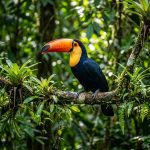
Did you know that toucans use their vibrant beaks not just for eating, but also to help regulate their body temperature? These stunning birds are not only a delight to watch but also face various threats in their natural habitats. Understanding the predators of toucans is crucial for conservationists, bird watchers, and nature enthusiasts alike. By uncovering their primary threats, we can better appreciate the delicate balance of ecosystems and the role toucans play within them. This article delves into the various predators that pose risks to toucans, highlighting the importance of awareness and action in preserving these magnificent creatures. Join us as we explore the fascinating world of toucans and the challenges they face in the wild. Your curiosity will not only enrich your knowledge but also inspire a deeper commitment to wildlife conservation.
Understanding the Importance of Toucans in Ecosystems
Toucans, with their strikingly colorful bills and vibrant plumage, are not just visual marvels; they play a crucial role in their ecosystems. Their presence impacts forest health, particularly in tropical regions where they thrive. Toucans are primarily frugivores, meaning they feed on fruits, seeds, and nuts, acting as vital seed dispersers for numerous tree species. This function aids in the propagation of trees and contributes to forest regeneration, ensuring biodiversity is maintained. By munching on fruits and then excreting the seeds, toucans help to scatter these seeds across vast distances, promoting genetic diversity and population growth in trees.
Beyond their role as seed dispersers, toucans contribute to the balance of their ecosystems through their interactions with insects and other small creatures. As they forage, they help control insect populations, which can prevent outbreaks that might otherwise threaten plant life. Toucans also serve as prey for larger predators, ensuring that they are integral to the food web. The healthy populations of toucans signify healthy ecosystems; therefore, their decline can indicate larger environmental issues that may ultimately affect other species within the habitat.
Emphasizing their ecological importance underscores the necessity for conservation efforts targeting toucans and their habitats. Protecting these birds not only ensures the survival of a vibrant species but also safeguards the intricate web of life they support. Engaging in responsible practices, such as habitat restoration efforts and promoting sustainable agriculture, can help maintain the populations of toucans and, by extension, the forests they inhabit. To delve into their magnificent adaptations and how we can help, we must appreciate these remarkable birds not merely as colorful inhabitants of the jungle but as pivotal players in the health of our planet’s ecosystems.
Common Natural Predators of Toucans

In the vibrant ecosystems where toucans thrive, the balance of nature is delicate, and every species plays a role. Toucans, with their impressive size and colorful bills, might look formidable, yet they face several natural predators that challenge their survival. Birds of prey, such as hawks and eagles, are among the main threats, often hunting for smaller birds like toucans. Their keen eyesight allows them to spot toucans perched high in the trees, easily swooping down to capture these unsuspecting feeders.
Other common predators include:
- Felines: Large cats, including jaguars and ocelots, can pose a significant threat, especially when toucans venture closer to the forest floor.
- Snakes: Various snake species can attack toucans, particularly when they are nesting. These reptiles are adept at climbing and can reach nests built high up in the trees.
- Crocodilians: In regions where toucans may approach water sources, crocodiles can take advantage of these moments to catch them off guard.
The interaction between toucans and these predators is not merely a story of survival but a dance of adaptation. For instance, toucans have developed their unique vocalizations and social structures, which can alert them to the presence of danger. Tracking a predator’s movements, they can quickly take to flight or retreat to the safety of dense foliage. Understanding these threats not only highlights the challenges toucans face but also underscores the importance of habitat conservation, which can provide safe havens for these birds as they navigate the complexities of their environment.
Impact of Habitat Loss on Toucan Populations

In the intricate web of life within tropical forests, toucans play a vibrant role, but their existence is increasingly precarious due to habitat loss. As forests are cleared for agriculture, urban development, and logging, toucans lose not only their homes but also crucial resources such as food and nesting sites. This destruction leads to fragmented habitats, which severely impact their ability to survive and reproduce.
When toucans’ territories are diminished, they face heightened competition for dwindling resources. This can result in lower reproductive success as finding sufficient food becomes a daily challenge. Nesting sites that were once abundant become scarce, leading to increased vulnerability when they attempt to breed. In addition, habitat fragmentation can isolate toucan populations, making it difficult for them to find mates or migrate to new habitats where conditions may be more favorable.
Another layer of this issue is the increased exposure to predators, which can thrive in disturbed environments. As suggested earlier, toucans rely on dense foliage for protection from various predators like hawks and snakes. When their habitats are stripped away, toucans are forced into more open areas where they are more easily spotted, heightening their risk of predation. Furthermore, the stress of adapting to new surroundings can weaken their overall health, making them less resilient to diseases and further environmental pressures.
To combat the dire consequences of habitat loss, conservation efforts must focus on restoring and preserving toucan habitats. This includes creating protected areas, promoting sustainable land-use practices, and reforesting previously cleared lands. By taking action to ensure toucans have a stable and secure environment, we not only safeguard their populations but also strengthen the entire ecosystem, which thrives on the diversity of species it contains. Every effort counts; by understanding these dynamics, we can become advocates for toucans, actively participating in their conservation journey.
Behavioral Adaptations of Toucans to Avoid Predators
In the vibrant realm of tropical forests, toucans have evolved a suite of fascinating behavioral adaptations that help them navigate their environment and evade predators. These large, colorful birds are not just a feast for the eyes; their behaviors are a testament to their survival instincts and the challenges they face in the wild. Toucans often rely on their superb agility and intelligence to remain one step ahead of threats lurking in their environment.
One key adaptation is their remarkable vocalization. Toucans use a variety of calls to communicate with one another, signaling warnings when predators are nearby. This social behavior not only strengthens their bonds within flocks but also enhances collective vigilance, allowing toucans to work together to spot potential dangers. For instance, when a hawk approaches, toucans emit specific alarm calls that alert their companions, providing them critical seconds to take shelter in dense foliage.
Additionally, the toucan’s coloration is more than just a visually striking characteristic; it aids in their survival. Their vibrant plumage, while eye-catching, is effectively camouflaged among the bright flowers and leaves of their forest habitat. This use of coloration helps them blend into the canopy’s complexity, making it harder for predators like eagles and snakes to single them out. In moments of high tension, toucans also exhibit a behavior known as “freezing,” where they remain motionless, relying on their natural camouflage to avoid detection.
Toucans are also exceptional at adapting their feeding and nesting behaviors to minimize risk. They often choose nesting sites that are high up in trees, away from ground predators. Furthermore, they are known to eat a diet rich in fruits, which helps keep them agile and ready to take flight at a moment’s notice. When threatened, a quick escape maneuver can often be the difference between life and death.
These unique behavioral strategies showcase the intricate relationship toucans have with their habitat and the myriad challenges they encounter each day. By understanding these adaptations, we can appreciate the resilience of toucans and recognize the importance of conserving their ecosystems, ensuring that future generations can marvel at these extraordinary birds.
Human Threats to Toucans: Poaching and Trade
In the lush canopies of Central and South American forests, toucans face a multitude of challenges that threaten their survival-not least among them being human-induced threats such as poaching and illegal trade. These vibrant birds, known for their striking beaks and colorful plumage, have become targets for wildlife trafficking due to their aesthetic appeal, which attracts collectors and enthusiasts alike. Unfortunately, this demand has led to a dramatic decline in toucan populations in certain areas.
Poaching not only strips the wild of these magnificent birds but also disrupts their social structures. Toucans are predominantly social creatures that thrive in flocks; being removed from their natural habitat can lead to severe stress and a breakdown of established social bonds. Young toucans are especially vulnerable and often sold as pets, leading to issues where owners are ill-equipped to care for these complex creatures, resulting in high mortality rates.
The Impact of Illegal Trade
The illegal pet trade exacerbates the issues caused by poaching. Toucans have specific dietary needs and require vast territories to thrive-all elements that are often neglected by potential pet owners. As a result, many of these birds either suffer from malnutrition or are abandoned when they don’t meet the expectations of their owners. While the trade is often hidden, organizations and governments have begun to crack down on these activities and promote awareness about the ecological importance of these birds. This awareness is crucial in shifting attitudes toward sustainability and conservation rather than exploiting these beautiful species.
What You Can Do
There are substantial steps that individuals can take to combat these threats:
- Educate Yourself and Others: Understanding the issues surrounding wildlife trade and property laws can empower you to make informed choices.
- Support Conservation Programs: Many organizations work tirelessly to protect toucan habitats and educate local communities. Contributions to these programs can make a substantial difference.
- Advocate for Habitat Protection: Promote policies that safeguard natural habitats and strengthen regulations against wildlife trade.
By working together to spread knowledge and embrace responsible practices, we can help ensure that toucans continue to grace our planet with their presence. These incredible birds are not just exotic pet material; they are vital components of their ecosystems, and their decline is a loss for all of us.
The Role of Other Birds as Predators of Toucans
In the vibrant ecosystems where toucans reside, they are not only colorful inhabitants but also part of a complex food web. Fascinatingly, some avian species consider toucans as potential prey, revealing that despite their size and bold beaks, these birds are not at the apex of the food chain. Larger raptors, such as hawks and eagles, pose significant threats, particularly to the younger or more vulnerable members of toucan populations. These predators often perch from high vantage points, scanning the dense canopies for their next meal.
Another category of birds that can threaten toucans includes nest predators, such as certain species of jays and magpies. These birds are known for raiding nests, which can be particularly detrimental during the breeding season. Toucans, with their unique nesting habits, often rely on tree cavities. However, if these nests are discovered, fledglings may fall victim to predation before they have a chance to fend for themselves. Therefore, the reproductive success of toucans can be heavily influenced by the presence and behavior of other bird species in their environments.
Interestingly, it’s not just direct predation that poses a risk; competition for resources can also impact toucans adversely. For instance, larger frugivores (fruit-eating birds) may outcompete toucans for their favored food sources, leading to a decrease in availability and affecting the health of toucan populations. By understanding these dynamics, conservationists can develop more effective strategies to protect toucans and their habitats, ensuring they thrive in the face of both predation and competition.
In the grand tapestry of nature, every species plays a role, and recognizing the role of other birds as predators helps us appreciate the delicate balance of ecosystems. Monitoring avian interactions can provide insights essential for developing conservation initiatives that not only protect toucans but also enhance the biodiversity of the forests they inhabit. As we engage with and learn from these relationships, we become better advocates for their conservation and future resilience.
Monitoring and Protecting Toucan Species in the Wild
In the effort to safeguard toucan populations, monitoring their behaviors and habitats is crucial. Toucans play a significant role in forest ecosystems, particularly in seed dispersal, which helps maintain the biodiversity that supports a multitude of species, including themselves. By tracking toucan movements and nesting sites, researchers can assess the health of forest ecosystems and identify areas that require protection or restoration. Collaboration with local communities often yields valuable data, as residents may notice shifts in toucan populations or nesting behaviors that can signal environmental changes.
Engaging in conservation actions is vital for protecting these stunning birds from their natural predators and human-related threats alike. Key strategies include:
- Habitat Restoration: Replanting native trees and conserving existing forests help ensure that toucans have safe nesting sites and abundant food sources.
- Community Education: Educating local communities about toucans and their role in the ecosystem promotes awareness and support for conservation efforts. Workshops and schools can be venues for sharing knowledge about the importance of biodiversity.
- Research Collaboration: Partnering with universities and wildlife organizations fosters research on toucan health, diet, and breeding patterns, which can guide effective conservation strategies.
- Patrolling and Enforcement: Strengthening laws against poaching and illegal trade is essential. Conservation groups often collaborate with law enforcement to patrol areas where toucans are vulnerable.
- Citizen Science: Involving birdwatchers and nature enthusiasts in monitoring efforts can provide extensive data on toucan sightings and behaviors, further enriching conservation initiatives.
The data collected through these efforts can inform targeted conservation policies, reinforce protected areas, and support recovery programs for endangered toucan species. Effective monitoring not only contributes to the survival of toucans but also highlights the interconnectedness of all forest inhabitants, enhancing our understanding of ecological health. By fostering an environment of collaboration and commitment to these vibrant birds, we can ensure that future generations of toucans thrive in their natural habitats.
How Climate Change Affects Toucan Survival
The delicate balance of ecosystems worldwide is increasingly threatened by climate change, and toucans-vibrant avian icons of tropical rainforests-are no exception. As temperatures rise and rainfall patterns shift, the habitats that provide food and nesting sites for toucans are becoming less stable. For these birds, even slight changes in climate can disrupt their critical food sources, primarily the fruits of tall trees that form their diet. When these trees bloom and produce fruit earlier or later than usual due to fluctuating temperatures, toucans may find themselves struggling to locate the food necessary for their survival and reproduction.
Additionally, altered weather patterns can lead to increased frequency and intensity of storms, which can devastate the forest canopy where toucans nest. A severe storm can destroy significant portions of their habitat in a short time, leaving them exposed to predators and the elements. This type of habitat destruction not only reduces their nesting opportunities but also limits their ability to find shelter from human encroachment or rapid urban development that often follows natural disasters. Such stress on their living conditions compels toucans to relocate, pushing them into less suitable habitats where competition for resources is heightened.
In terms of their natural behaviors, toucans may also need to adapt to changing climate conditions. For example, they may be forced to change their migratory patterns or breeding seasons to align with new food availability. However, adaptation isn’t always possible, especially for species with narrower ecological niches. Those that cannot adequately adjust may face population declines, further exacerbating their vulnerability to predation and other threats.
Protecting toucans amidst climate change requires both conservation of their existing habitats and active efforts to restore areas that have been degraded. It is essential to advocate for the protection of significant tracts of their habitat, focusing on reforestation initiatives and sustainable land use practices that can minimize habitat fragmentation. By doing so, we not only contribute to the resilience of toucan populations but also to the broader ecosystems that rely on the health and diversity that these remarkable birds help to maintain.
Conservation Efforts for Toucans and Their Habitats
The survival of toucans is not only critical for the ecosystems in which they thrive but also hinges upon various well-coordinated conservation efforts. These efforts seek to mitigate the threats that afflict toucans, including habitat loss due to deforestation, poaching, and the encroaching impacts of climate change. Initiatives aimed at preserving toucan populations often focus on creating protected areas, promoting sustainable land practices, and engaging local communities in conservation strategies.
One effective method is the establishment of wildlife reserves that protect the natural habitats of toucans, allowing for safe nesting and feeding. These reserves provide a refuge not only for toucans but also for the wide array of species that coexist within their ecosystems. Collaborative projects involving governments, non-profits, and local villagers can bolster these protected areas, ensuring that the land remains untouched by agricultural expansion or urban development.
Additionally, education plays a pivotal role in conservation efforts. By raising awareness about the ecological importance of toucans and the threats they face, we can foster a cultural shift towards valuing and protecting wildlife. Programs aimed at schools and local communities can highlight sustainable practices and the benefits of biodiversity, which can lead to increased local involvement in conservation initiatives. Planting native trees, supporting eco-tourism, and reducing dependence on single-use plastics are practical steps that individuals can take to protect toucan habitats.
Overall, through a combination of habitat protection, community engagement, and education, we can create a future where toucans not only survive but thrive in their natural environments, ensuring the health of the tropical ecosystems they inhabit. Every effort counts, and even small actions can contribute significantly to the broader conservation narrative, enabling us to preserve the vibrant presence of toucans in our world.
Unique Defense Mechanisms of Toucans Against Threats
Toucans possess fascinating and unique defense mechanisms that enable them to navigate threats in their tropical environments. One of the most striking adaptations is their ability to recognize and evade potential predators through keen eyesight and agile flight. These birds are often found perched high in the canopy where they can spot danger from afar. Their large, colorful bills, which are visually stunning, are also functional; while they don’t serve as a primary defense weapon, they provide a significant advantage in camouflage among the vibrant fruits and flowers of their habitat.
Another essential aspect of toucan behavior is their social structure. Toucans often live in small flocks, which enhances their ability to detect threats. When a predator is spotted, such as an eagle or a snake, toucans can quickly alert each other with a series of loud calls, allowing them to take evasive action as a group. This communal vigilance reduces the likelihood of an individual bird being caught off guard, demonstrating the effectiveness of cooperation in the wild.
In addition to their social behaviors, toucans have developed remarkable physical adaptations. Their bill, while large and heavy, is surprisingly lightweight due to its honeycomb structure, enabling the birds to maneuver swiftly through branches despite their size. This agility allows them to dart away quickly when threatened, enhancing their escape potential. Moreover, the bright colors of their plumage serve as a distraction technique, potentially confusing predators in the dense foliage.
Overall, the combination of keen eyesight, social cooperation, and unique anatomical features plays a vital role in the survival of toucans against various threats in their ecosystems. Understanding these mechanisms not only deepens our appreciation for these vibrant birds but also highlights the importance of conserving their habitats and ensuring their survival amidst increasing environmental challenges.
What You Can Do to Help Toucans Thrive
To make a meaningful impact on the survival of toucans and combat the various threats they face, we can each play a crucial role. One simple yet powerful action you can take is to support sustainable and eco-friendly products. When you purchase items that are certified as environmentally friendly, you help reduce habitat destruction. Look for logos from organizations that prioritize wildlife conservation, so your shopping choices contribute positively to the ecosystems where toucans thrive.
Participating in local conservation efforts and birdwatching groups can also be a great way to contribute. These organizations often host educational events, clean-up outings, or habitat restoration projects. By engaging in these activities, not only do you learn more about toucan conservation, but you also help raise awareness about the challenges these birds face. Furthermore, supporting wildlife refuges that protect tropical habitats helps ensure toucans have safe breeding grounds free from human encroachment.
Moreover, educating others about toucans can amplify your efforts. Share what you learn with friends and family, or use social media platforms to highlight toucan facts and conservation needs. Consider supporting organizations focused on toucan research and protection by donating or volunteering. These groups work tirelessly to monitor toucan populations, study their behaviors, and mitigate threats such as poaching and habitat loss.
Finally, reducing your ecological footprint is a practical way anyone can contribute. Consider adopting sustainable practices such as minimizing plastic use, supporting tree-planting initiatives, and promoting the preservation of natural habitats. Every small action counts in the grand scheme of biodiversity, and collectively, these efforts can create a strong network of support that helps toucans and other wildlife flourish. Your passion for these remarkable birds can lead to a more hopeful future for them and for our environment as a whole.
FAQ
Q: What animals are known to prey on toucans?
A: Toucans face predation from a variety of animals, including snakes, large birds such as hawks and eagles, and mammals like jaguars and coatis. These predators often target young toucans or their eggs, which are particularly vulnerable during nesting season.
Q: How do toucans protect themselves from predators?
A: Toucans utilize several behavioral adaptations to evade predators, such as roosting in dense foliage, being vocal to alert each other of danger, and employing camouflage through their vibrant feathers to blend with their surroundings.
Q: Can habitat loss increase predation risks for toucans?
A: Yes, habitat loss significantly elevates predation risks for toucans by reducing their natural cover and increasing exposure to predators. Fragmented habitats make it easier for predators to spot and catch toucans while they forage.
Q: Why are human activities a threat to toucans?
A: Human activities, such as deforestation and illegal pet trade, pose serious threats to toucans by destroying habitats and directly removing these birds from their natural environments. Awareness and conservation efforts are crucial for protecting toucan populations.
Q: How does climate change impact toucans and their predators?
A: Climate change affects toucans by altering their habitats and food sources, which can lead to fluctuating predator populations. Changes in temperature and precipitation patterns may also affect the abundance of the insects that many toucans rely on for food.
Q: What role do other birds play as predators of toucans?
A: Larger bird species, such as certain raptors, can be significant predators of juvenile toucans. These birds often hunt for nests or young toucans, making them a threat during early development stages.
Q: Are toucan eggs vulnerable to specific predators?
A: Yes, toucan eggs are particularly vulnerable to snakes, rats, and some bird species that raid nests for eggs. Ensuring safe nesting sites is critical to reducing egg predation rates in toucans.
Q: What can individuals do to help protect toucans from threats?
A: Individuals can help protect toucans by supporting conservation initiatives, reducing deforestation, and raising awareness about the impacts of hunting and trade. Participating in local wildlife organizations can also foster habitat conservation efforts.
Final Thoughts
Understanding the predators of toucans is crucial for appreciating their role in the ecosystem and the challenges they face. From eagles to jaguars, these threats highlight the delicate balance of survival in the wild. If you enjoyed learning about toucan predators, delve deeper into related topics like “The Ecosystem Role of Toucans” or explore “How to Protect Toucans in Your Area” for actionable insights to help these fascinating birds thrive.
Don’t miss out on our upcoming articles-subscribe to our newsletter for the latest updates on avian wildlife and conservation tips. Join the conversation by sharing your thoughts in the comments below! Your engagement not only helps create a community of bird lovers but also strengthens our commitment to educating others about the beauty and challenges of birdlife. Remember, every click counts-explore more and keep the knowledge flowing!
Get our latest guides, news, and insights highlighted in your Google Search & AI Overviews.