Is a Toucan an Endangered Species: Conservation Status

Is a Toucan an Endangered Species: Conservation Status

Did you know that the stunning toucan, with its vibrant colors and iconic oversized beak, is facing increasing threats to its survival? As deforestation and habitat loss escalate, these remarkable birds are slipping into a vulnerable status, highlighting the urgent need for conservation efforts. Understanding the current conservation status of toucans is essential for anyone who cares about wildlife and the health of our ecosystems. In this article, we’ll explore whether toucans are endangered and discuss the various challenges they face. By uncovering the intricacies of their plight, we aim to inspire action and awareness, ultimately contributing to the preservation of these fascinating creatures. Join us on this journey to discover how you can make a difference in the lives of toucans and their habitats.

Understanding Toucan Conservation: An Overview

Toucans are more than just fascinating birds with their oversized bills; they hold a significant place in biodiversity and conservation efforts globally. Understanding the intricacies of toucan conservation requires a look at the multitude of factors influencing their survival. With approximately 50 known species of toucans, 11 of which are classified as globally threatened or Near Threatened, it’s clear that many toucans face severe challenges in their natural habitats due to various human activities and environmental changes [3].

Central to toucan conservation is the alarming decline in their populations, exacerbated by habitat loss primarily through deforestation and land conversion for agriculture. For instance, the Channel-billed Toucan has seen its population decrease by over 30% since 2002, primarily due to these environmental pressures [2]. Conservation organizations are working tirelessly to preserve these vibrant ecosystems, implementing initiatives aimed at protecting the forests where toucans thrive. Their efforts include habitat restoration projects and legal protections for critical bird habitats across South America.

Moreover, toucans play essential roles in their ecosystems by aiding in seed dispersal, thus contributing to forest health and regeneration. Understanding this ecological significance highlights the imperative to advocate for effective conservation strategies. As an enthusiast or supporter, you can engage with local wildlife conservation initiatives, participate in awareness campaigns, or even consider symbolic adoptions that directly fund the care of these birds [1]. Through collective efforts and informed action, we can work towards a sustainable future for toucans and the rich biodiversity they represent.
What Makes Toucans Unique: Species Identification

What Makes Toucans Unique: Species Identification

Did you know that toucans, with their famous vibrant bills, are not just visually stunning but also play critical roles in their ecosystems? Identifying these fascinating birds goes beyond simply appreciating their striking appearance; it involves understanding their diversity and specific ecological niches. There are approximately 50 species of toucans, each exhibiting distinct characteristics, behaviors, and habitats.

Distinctive Features

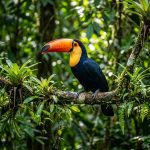
Toucans are characterized by their large, colorful bills, which can reach up to 5.5 inches in length in some species. This oversized bill not only serves as a striking feature but also plays a functional role in their thermoregulation, helping them to dissipate heat. The bill’s lightweight structure, made possible due to its hollow bones, allows these birds to navigate their rainforest homes adeptly. Species such as the Keel-billed Toucan and the Channel-billed Toucan possess bill colors that vary dramatically; the former boasts a rainbow of hues, while the latter features a more monochromatic palette.

Furthermore, when identifying toucans, look for their plumage patterns and sizes. The Toco Toucan, the largest species, reaches around 25 inches in length, while the smaller species, like the Red-breasted Toucan, stand out with their vivid red chest. Their geographic distribution also reveals interesting patterns, with certain species adapted to specific microhabitats-some thrive in lowland rainforests, while others inhabit montane forests or cloud forests.

Behavioral Insights

Toucans are inherently social birds, often seen in small flocks of 6 to 20 individuals. Observing their interactions can provide insights into their social structures; for example, they engage in elaborate courtship rituals where they toss fruit to each other, showcasing cooperation and bonding. This behavior not only strengthens pair bonds during breeding but also highlights their role in seed dispersal, giving them ecological importance beyond their beauty.

As enthusiasts or budding birdwatchers, understanding these unique traits is crucial not only for identification but also for appreciating the complexities surrounding their conservation status. With many toucan species currently threatened by habitat loss, recognizing the diverse species and their ecological roles becomes essential for effective conservation efforts.
Current Conservation Status of Toucans

Current Conservation Status of Toucans

Toucans, with their vibrant bills and sociable nature, are not just a sight to behold; they are a vital part of their ecosystems. However, their current conservation status reveals a troubling reality. Approximately 11 out of 50 toucan species are classified as globally threatened or Near Threatened, highlighting an urgent need for conservation efforts. This decline is primarily attributable to habitat loss due to deforestation, agriculture, and human encroachment, particularly in the tropical forests of Central and South America where toucans thrive [[1]](https://www.pbs.org/wnet/nature/blog/toucan-fact-sheet/) [[2]](https://www.birdlife.org/birds/toucans/).

Species such as the Channel-billed Toucan have experienced significant population declines, estimated at over 30% since 2002, and are currently classified as Vulnerable by the International Union for Conservation of Nature (IUCN) [[3]](https://abcbirds.org/bird/channel-billed-toucan/). The challenges they face emphasize the necessity of understanding and monitoring their habitats to develop effective conservation strategies. Keeping track of the number of individuals and their reproductive success is essential to gauge population health.

In light of these challenges, conservation organizations are making strides to mitigate the threats faced by toucans. Initiatives focused on habitat preservation, both through legal protections and community engagement, are essential. Projects that involve local populations in conservation efforts have proven to be particularly effective, as they foster a sense of stewardship and ensure that the socio-economic needs of local communities are considered alongside ecological preservation. Engaging in regular birdwatching or participating in citizen science projects can also help track toucan populations, providing valuable data for researchers and conservationists alike.

By understanding the conservation status of toucans and the factors that endanger them, we can all play a role in ensuring a future where these remarkable birds continue to flourish in their natural habitats.
Threats Facing Toucans: Habitat Loss and More

Threats Facing Toucans: Habitat Loss and More

The beauty of toucans captivates many, but beneath their vibrant exteriors lies a stark reality: these remarkable birds are facing grave threats that jeopardize their existence. One of the most significant challenges toucans encounter is habitat loss, primarily driven by deforestation. As tropical forests-where toucans thrive-are increasingly cleared for agriculture, urbanization, and logging, the natural habitats that these birds rely on are rapidly diminishing. This loss not only reduces their nesting sites but also disrupts the availability of food, essential for their survival.

In addition to habitat destruction, toucans face other pressures that compound their vulnerability. Climate change poses a looming threat, altering weather patterns and impacting the ecosystems where toucans find their homes. The drying out of forests and changes in fruit availability can affect feeding behaviors and reproductive success. Moreover, hunting and the illegal pet trade further endanger certain toucan species, as they are sought after for their striking appearance, which can lead to population declines.

To truly grasp the precarious state of toucans, it’s essential to consider the species-specific challenges they face. For instance, the Channel-billed Toucan has been observed to experience substantial declines, estimated at over 30% in the last couple of decades. Understanding these dynamics is critical for effective conservation measures.

To advocate for toucans, individuals can engage in local conservation initiatives, support ecotourism that prioritizes habitat protection, and educate others about the importance of preserving these stunning birds. It’s a collective effort, and every action counts in ensuring that toucans can continue to thrive in their natural habitats for generations to come.
Conservation Efforts for Toucans: Success Stories

Conservation Efforts for Toucans: Success Stories

The remarkable beauty and vibrant plumage of toucans have not only captured the hearts of bird enthusiasts but have also ignited powerful conservation movements worldwide. Success stories in toucan conservation highlight the positive impacts of dedicated efforts aimed at protecting these extraordinary birds from decline. Programs focused on habitat restoration, community engagement, and legal protections have shown that hope exists for toucan species, despite the various threats they face.

One notable success story is centered around the Toco Toucan, which, through systematic habitat preservation programs in Brazil, has seen promising population stability. Organizations such as the World Wildlife Fund (WWF) have partnered with local communities to create protected areas, ensuring that these ecosystems can support healthy toucan populations. The introduction of ecotourism initiatives has also played a crucial role, as local residents are motivated to preserve forest habitats that not only sustain toucans but also attract tourists, creating a sustainable economic model.

In Colombia, the Fundación ProAves has spearheaded efforts to protect the endangered Yellow-eared Parrot, which shares its habitat with various toucan species. Their community-based approach has educated locals on the ecological importance of toucans while providing alternative livelihoods that lessen reliance on deforestation. Such efforts have resulted in a marked increase in both toucan sightings and community participation in conservation activities.

Furthermore, international collaborations like those established under the Convention on Migratory Species have contributed significantly to toucan conservation. Through shared research and monitoring, countries across Central and South America have begun to coordinate efforts aimed at combating poaching and illicit wildlife trade. Programs aimed at raising awareness about the legal and ethical implications of keeping toucans as pets are crucial, helping to curb demand and protect wild populations.

Conservation successes serve as a reminder that collective action and informed strategies can yield tangible results. As we continue to support toucan conservation initiatives, it’s vital to involve ourselves at any level possible-whether that be participating in local volunteer activities, supporting relevant organizations, or simply spreading awareness about the importance of preserving these stunning birds and their habitats. Each effort counts and can help secure a brighter future for toucans around the world.

How You Can Help Toucan Conservation Efforts

Toucans, with their vibrant colors and striking bills, are not only a joy to observe but also play vital roles in their ecosystems as seed dispersers. Unfortunately, many toucan species face significant threats, primarily due to habitat loss and the illegal pet trade. However, enthusiasts and concerned individuals can actively participate in conservation efforts to help protect these magnificent birds.

One of the most impactful ways to contribute is by supporting conservation organizations dedicated to preserving toucan habitats. Groups like the American Bird Conservancy work tirelessly to protect lowland forests across South America-key environments for various toucan species. By donating to these organizations, you can directly aid their conservation projects, policy advocacy, and habitat restoration efforts. Additionally, many of these groups offer volunteer opportunities that allow you to contribute your time and skills in a meaningful way.

Another effective method to assist toucan conservation is to raise awareness in your community. Educate friends and family about the importance of protecting habitats and the negative impacts of the pet trade. Consider organizing community outreach programs or events that highlight toucans’ ecological significance and how local actions can effect positive change. By sharing information through social media or local gatherings, you can foster a culture of environmental stewardship that extends beyond just toucan conservation.

Participating in ecotourism is also a powerful avenue for support. When you visit regions where toucans are native, choose responsible tour operators committed to sustainable practices that benefit local communities and wildlife. This supports livelihoods while ensuring that habitats are preserved and protected. Engaging in wildlife photography or birdwatching responsibly helps to showcase the beauty of toucans, further promoting their conservation in your travels.

In summary, whether it’s through financial contributions, volunteering, community education, or responsible tourism, there are numerous ways for individuals to make a difference in toucan conservation. The collective efforts of passionate individuals can help safeguard these iconic birds and their habitats for future generations. Your involvement matters-be it small, like spreading the word, or extensive, like leading conservation projects. Each step contributes to securing a brighter future for toucans and the ecosystems they enrich.

The Role of Toucans in Ecosystems

Toucans are not just visually striking birds with their vibrant plumage and enormous bills; they are integral components of their forest ecosystems. One of their most significant roles is that of seed dispersers. As they consume a variety of fruits, including those of large-seeded species, they help to spread seeds throughout their habitat. This helps to maintain plant diversity and promotes a healthy regeneration of forest flora. In fact, certain plants have evolved specifically to benefit from toucan dispersal, as these birds are capable of carrying seeds away from the parent tree, ensuring that they grow in new, suitable locations.

In addition to their role in dispersing seeds, toucans contribute to their ecosystems by influencing fruit availability, which in turn affects the entire food web. The presence of toucans can help stabilize ecosystems by ensuring a balance between plant and animal populations. When toucans thrive in an environment, they signal a balanced ecosystem, as their well-being often correlates with the abundance of various tree species that rely on them for reproduction. This interdependence illustrates the delicate relationships that characterize tropical ecosystems.

Moreover, toucans also serve as prey for larger predators, further integrating them into the food chain. Their position as both seed dispersers and prey highlights their ecological significance, making their conservation critical not just for their survival, but also for the overall health of their habitats. Protecting toucan populations means preserving the intricate ecological webs that depend on their presence.

In summary, extends far beyond their charismatic appearance; they are pivotal players in maintaining the health and diversity of tropical forests. Their activities contribute to the stability and resilience of their habitats, underscoring the vital need for conservation efforts aimed at ensuring their continued existence. By understanding and supporting the ecological roles of toucans, we can help safeguard the ecosystems they enrich and sustain.

Understanding Toucan Behavior: Social and Feeding Habits

Toucans are not just remarkable for their vibrant colors and large bills; they also exhibit fascinating social behaviors and feeding habits that reveal much about their ecological niche. Known for their charismatic presence in the lush canopies of tropical forests, these birds are highly social creatures that thrive in family groups or small flocks. This social structure plays a crucial role in their foraging strategies and overall survival. Toucans often engage in playful interactions, which strengthen their bonds and can help them coordinate during feeding excursions.

Feeding is a central aspect of a toucan’s daily life, heavily influenced by their unique anatomy. Their oversized bills, while striking, serve practical functions beyond mere aesthetics. Toucans primarily feed on a variety of fruits-particularly those from flowering trees, which are abundant in their habitats. Interestingly, despite their ability to consume large fruits, they also eat insects, small reptiles, and occasionally bird eggs, showcasing an adaptable diet. When foraging, they often use their beaks to reach difficult spots among branches, demonstrating both agility and ingenuity. Their feeding habits not only fulfill their nutritional needs but also contribute significantly to the ecosystem by aiding in seed dispersal, which is vital for plant reproduction.

Toucans exhibit specific feeding behaviors that reflect their intelligence. They are known to “share” food within their social groups, an act that reinforces their community dynamics. This sharing behavior can also extend outside their immediate family, leading to cooperative foraging strategies that help maximize food availability during leaner times. Moreover, this social feeding practice allows younger toucans to learn from adults, ensuring that knowledge regarding the best foraging spots and food sources is passed down through generations.

Understanding these behavioral patterns is crucial for anyone interested in toucan conservation. The survival of these fascinating birds is intricately linked to their social structures and feeding strategies. By protecting their natural habitats and ensuring the availability of food sources, we not only support toucans in their daily lives but also enhance the overall health of the ecosystems they inhabit. Engaging with conservation initiatives can make a real difference in maintaining the balance of these vibrant communities, showcasing the essential role toucans play within their environments.

Toucans in the Pet Trade: Ethical Considerations

Owning a toucan might seem like a dream come true for bird enthusiasts, but it comes with significant ethical considerations that every potential owner should weigh carefully. These vibrant birds are not just beautiful pets; they require a specialized diet, ample space to thrive, and social interaction that mimics their natural behaviors. Many toucan species are facing population declines in the wild due to habitat loss and the pet trade itself, raising alarms about their conservation status. Understanding the implications of bringing a toucan into your home is crucial not just for the bird’s well-being but also for the species as a whole.

Diet and Care Requirements
Toucans have unique dietary needs that can be challenging to meet. Unlike more common pet birds, they thrive on a diverse diet that includes a mix of soft fruits, insects, and specialized pellets. Owners must be prepared to invest time and resources in sourcing the right foods to keep their toucans healthy. A lack of proper nutrition can lead to serious health issues, including metabolic bone disease. Furthermore, toucans are not solitary creatures; they are social animals that thrive in groups. Keeping one alone can lead to stress and behavioral problems, which may manifest as feather plucking or vocalization issues.

Legal and Ethical Implications
In many regions, owning a toucan is subject to legal restrictions. Some countries have strong laws against the capture and sale of wild birds, including toucans, to protect their populations. Therefore, it’s essential to ensure that any pet toucan is sourced ethically from a reputable breeder who complies with wildlife conservation regulations. Purchasing a toucan from questionable sources can unknowingly contribute to the decline of wild populations and disrupt ecosystems. Before making any decisions, it’s wise to research local laws as well as the origins of the birds on offer.

Supporting Conservation Efforts
If you’re passionate about toucans and their conservation, consider supporting efforts that focus on habitat restoration and protection of their natural environments instead of keeping one as a pet. Many organizations and sanctuaries are dedicated to educating the public, rehabilitating birds, and working on reforestation projects that keep toucans in the wild where they belong. Volunteering your time or financial support can have a lasting positive impact on both toucans and their habitats, thereby contributing to the conservation of species that are essential to their ecosystems.

In conclusion, while the allure of having a toucan as a pet can be strong, it’s important to approach this decision with a clear understanding of the ethical responsibilities involved. By prioritizing the health and well-being of these remarkable birds, both in captivity and in the wild, we can help ensure they thrive for generations to come.

Future of Toucans: Challenges and Opportunities

Despite their vibrant colors and charismatic personalities, toucans face a future filled with challenges that threaten their survival. With increasing habitat loss due to deforestation, agriculture, and urbanization, many species are at risk of becoming endangered. However, these challenges also bring opportunities for targeted conservation efforts that can make a real difference in the lives of toucans and their ecosystems. For example, organizations dedicated to habitat restoration and sustainable land use are actively working to ensure toucans have the spaces they need to thrive.

Conservation initiatives are being established across various regions where toucans reside, focusing on educational programs and community engagement. By raising awareness about the ecological importance of toucans-especially as seed dispersers in their habitats-conservationists are cultivating a sense of stewardship among local communities. These grassroots efforts can create a ripple effect, inspiring sustainable practices that benefit both the toucans and the people who share their environment.

Moreover, advancements in technology and research are paving the way for more effective monitoring of toucan populations and their health. Innovations like satellite tracking and genetic studies can provide insights into the movements and breeding patterns of toucans, helping conservationists create data-driven strategies. Local partnering with wildlife agencies can lead to more effective policies that protect their habitats and regulate illegal trade, addressing one of the significant threats that toucans face today.

To turn the tide in toucan conservation, it is crucial not only to invest in protective measures but also to empower individuals. Engaging the public through citizen science programs allows bird enthusiasts and local residents to contribute valuable data about toucan sightings and behaviors. This shared responsibility fosters a deeper connection to wildlife, ensuring that toucans can flourish both in the wild and under human care, if ethically sourced. Together, these actions can forge a brighter future for toucans, transforming the challenges they face into a tapestry of opportunities for thriving populations.

Why Toucans Matter: Cultural and Ecological Significance

The striking toucan, often recognized for its oversized, colorful beak and brilliant plumage, plays a pivotal role in both its ecological and cultural environments. These birds are not just beautiful; they are essential seed dispersers in their tropical forest habitats. By consuming and excreting fruit, toucans help maintain the health of their ecosystem and promote biodiversity. Many tree species rely on toucans to propagate their seeds, ensuring that forests continue to thrive even in the face of environmental changes. This unique ecological niche showcases how interconnected biological communities are and highlights the importance of every species in maintaining the balance of their habitats.

Beyond their ecological services, toucans hold significant cultural value, particularly in the regions where they are native. In many Central and South American cultures, toucans symbolize beauty, happiness, and resilience. Their vibrant images appear in local art, textiles, and folklore, reinforcing community identity and cultural heritage. Toucans are often depicted as messengers between the human and spiritual worlds, which is a testament to how deeply embedded they are in the cultural consciousness of these regions. By preserving toucans and their ecosystems, we also protect the cultural practices and identities that rely on their existence.

Additionally, the social behavior of toucans informs us about their cooperative nature and intelligence. They often travel in small, vocal groups, engaging in playful antics that not only strengthen social bonds but also enhance their survival skills. This social structure is essential for educating younger toucans about food sources and safety. Observing this behavior can inspire conservationists to shape educational programs aimed at fostering a deeper understanding of biodiversity among local communities.

As toucans face growing threats from habitat loss and climate change, the urgency to recognize their importance extends beyond their natural beauty. Protecting toucans is not just about saving a bird species; it is about preserving the intricate web of life they support and the cultural values they embody. By understanding and advocating for these remarkable birds, we can engage in more effective conservation efforts that represent both ecological and cultural priorities.

Resources for Toucan Enthusiasts and Advocates

The effort to conserve toucans and their habitats is vital in ensuring the survival of these striking birds, as well as the ecosystems they support. For those passionate about toucan conservation, various resources can heighten awareness and inspire action. Organizations like the Toucan Rescue Ranch focus on rescue, rehabilitation, and education, providing a wealth of information for enthusiasts. By visiting Toucan Rescue Ranch, you can explore opportunities for volunteering, donating, or even participating in wildlife photography contests that directly fund conservation efforts.

Understanding the significance of toucans within their ecosystems is crucial. BirdLife International offers an extensive database on toucan species and their conservation status, highlighting which species are threatened or near-threatened. Their efforts not only focus on conservation but also on educating the public about the importance of these remarkable birds. For a deeper dive into toucan facts and their habitats, check out the resources available at BirdLife International.

To actively engage in conservation, consider joining local birdwatching groups or online communities where fellow enthusiasts share experiences, offer tips, and organize events focused on bird conservation. These platforms often provide practical guides on how to identify different toucan species, understand their feeding and social behaviors, and contribute to efforts aimed at preserving their habitats. Sharing your observations and learning about their habitats can also foster a stronger community committed to toucan conservation.

Lastly, advocacy plays a critical role. Participating in or supporting campaigns aimed at conservation legislation can help draw attention to the threats faced by toucans. Engaging in discussions about eco-friendly practices and habitat preservation not only raises awareness but also encourages others to take part in the fight for toucan survival. By utilizing these resources and becoming an active advocate, you can contribute to meaningful progress in toucan conservation and ensure these beautiful birds continue to flourish in their natural environments.

Frequently asked questions

Q: Are all toucans endangered?
A: Not all toucan species are endangered, but some face severe threats. Of the 50 recognized species, 11 are classified as globally threatened or Near Threatened. Conservation efforts are essential to protect these species from habitat loss and other dangers. For more detailed information, visit the “Current Conservation Status of Toucans” section in the article.

Q: What are the primary threats to toucans’ survival?
A: The primary threats to toucans include habitat destruction due to deforestation, poaching, and climate change. These factors significantly impact their natural habitats, which leads to declining populations. Understanding these threats is crucial for effective conservation strategies, as discussed in the article’s “Threats Facing Toucans” section.

Q: How can individuals contribute to toucan conservation?
A: Individuals can support toucan conservation by donating to wildlife rehabilitation organizations, participating in educational programs, or engaging in community conservation efforts. Even small actions, like reducing plastic usage and supporting sustainable products, can positively impact toucans and their habitats. Check the “How You Can Help Toucan Conservation Efforts” section for more ideas.

Q: Are toucans protected by law?
A: Yes, many toucan species are protected under various wildlife conservation laws and treaties, which aim to safeguard them from illegal trade and habitat destruction. Specific protections vary by country and region. Learn more about regulations in the article for a comprehensive overview.

Q: What conservation efforts are currently in place for toucans?
A: Current conservation efforts include habitat restoration, public awareness campaigns, and breeding programs to increase their populations. Organizations are working collaboratively with local communities to promote coexistence and sustainable practices, as highlighted in the “Conservation Efforts for Toucans” section of the article.

Q: Why are toucans important for their ecosystems?
A: Toucans play a vital role in their ecosystems by dispersing seeds, which helps maintain the health of tropical forests. Their feeding habits support various plant species, promoting biodiversity. This ecological significance is detailed further in the article’s “The Role of Toucans in Ecosystems” section.

Q: What is being done to rescue and rehabilitate injured toucans?
A: Wildlife rehabilitation centers, like Toucan Rescue Ranch, actively rescue and rehabilitate injured or orphaned toucans. They provide medical care, behavioral training, and eventually aim for the animals to be released back into the wild. More on these efforts can be found in the article’s section on wildlife rehabilitation.

Q: How does climate change affect toucan populations?
A: Climate change impacts toucan populations through altered weather patterns, affecting their habitats and food sources. Increased temperatures and extreme weather events can lead to food scarcity and loss of nesting sites. Understanding these impacts is crucial for effective conservation strategies, discussed in the article’s relevant sections.

In Conclusion

As we uncover the conservation status of toucans, it’s clear that these vibrant birds face significant threats, primarily habitat loss. By understanding their plight and supporting conservation efforts, you can play a vital role in ensuring their survival. Don’t wait-join the movement to protect these magnificent creatures and their habitats today.

Explore our related articles on toucan species and habitat preservation for more insights into how you can make a difference. Additionally, consider subscribing to our newsletter for ongoing updates on conservation efforts and ways to get involved in protecting our feathered friends. Every action counts, and together, we can ensure that future generations will marvel at the beauty of toucans. Share your thoughts or experiences in the comments below-we love hearing from fellow bird enthusiasts!

🔍 Search WorldBirds
🦜 Trending Bird Guides
🕊️ Explore Bird Species

🦉 Quick Bird ID Help
Want to identify a backyard or pet bird? Check our visual tips and key features to spot each species quickly—even if you’re brand new to birding. Save time, spot more!

🐦 Bird Symbolism Insights
Curious about what seeing a cardinal, dove, or owl might mean? Learn the most common bird symbols and their spiritual stories, rooted in global traditions and nature.

🌱 Bird-Friendly Backyard Tips
Grow your bird sanctuary! Get actionable steps for feeder placement, safe foods, and habitat ideas. Make your garden a safe, lively haven for birds year-round.

🛠 Creative Bird DIY Ideas
Explore handpicked, bird-themed art and craft projects for every skill level. Find new tutorials and fun inspirations to connect nature with creativity—great for adults and kids alike.

🐣 Care for Baby Birds
Rescue or raise with confidence. Get essential advice on feeding, warmth, and safety to help fledglings and nestlings thrive—humane and practical tips for any situation.

💡 Expert Bird Tips
Uncover trusted tricks for pet bird bonding, safe handling, and solving common behavioral challenges. Build your skills and enjoy happier, healthier birds at home or outdoors.