
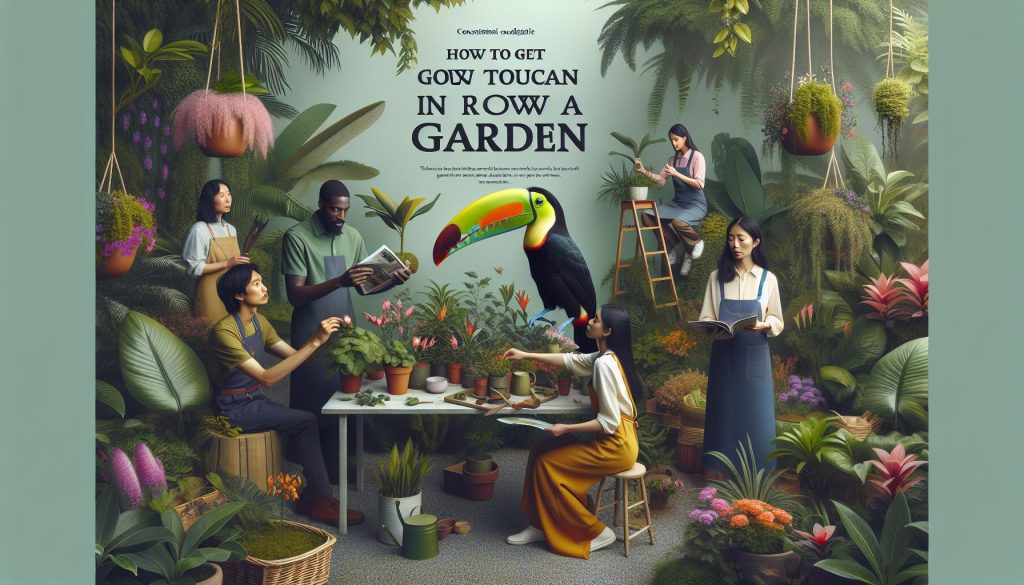
Have you ever dreamed of owning a vibrant Toucan in your virtual garden? These striking, colorful birds not only add an exotic flair but also represent a significant achievement in the game “Grow a Garden.” This comprehensive guide will walk you through the exclusive steps you’ll need to follow to secure a Toucan, a rare pet available only through the limited-time Rare Summer Egg, boasting a tantalizing 25% chance of obtaining one. Whether you’re a seasoned player or just starting on your gardening adventure, understanding how to find this unique creature is key to enhancing your gameplay and elevating your garden’s aesthetic. With insights and tips aimed at satisfying both your curiosity and gameplay goals, this guide will help ensure that the elusive Toucan is not just a dream, but a vibrant reality in your virtual sanctuary. Let’s dive in!
How to Attract a Toucan to Your Garden
To entice these vibrant and sociable birds into your garden, start by creating an environment reminiscent of their natural habitat. Toucans thrive in lush, tropical settings complete with tall trees, dense foliage, and an abundance of fruit. Incorporating native plants and fruit-bearing trees, such as papaya, mango, and guava, is crucial. These don’t just provide food; they offer perches and breeding spaces, drawing toucans close enough for you to observe their remarkable behaviors.
In addition to plant selection, the arrangement of your garden plays a pivotal role. Consider establishing layered plantings that mimic the multi-strata environment of a rainforest. This not only enhances the aesthetic appeal of your garden but also creates a structure that encourages toucans to visit. Planting native shrubs and flowering plants at various heights will attract insects and other wildlife, serving as a food source for the toucans and enriching the local ecosystem.
Creating Water Sources
Water is another critical element. Install a shallow birdbath or a small pond to ensure a fresh drinking source. Toucans tend to prefer water features that are calm and safe, so check that your water source remains clean and is shaded to prevent overheating on hot days.
Feeding Strategies
While attracting toucans naturally through your plant choices is essential, you can also supplement their diet. Offering a variety of fruits is an effective strategy. Place slices of bananas, oranges, or berries on feeding stations to capture their attention. It’s important to keep this area fresh and clean, changing the fruits regularly to avoid spoilage which could deter your feathery guests.
By merging these elements-appropriate plant choices, effective garden layouts, and thoughtful feeding stations-you will create a vibrant space that lures toucans and supports their needs, enriching your garden with their captivating presence.
Understanding Toucan Behavior and Habitat

Toucans are fascinating creatures known for their vibrant colors and unique bills, and understanding their behavior and habitat is essential for attracting them to your garden. Found primarily in the tropical rainforests of Central and South America, these birds thrive in environments with ample food sources and shelter. They are social animals, often seen in small groups, and their calls and vocalizations are a significant part of their communication. Observing these interactions can provide a delightful window into their lives.
In the wild, toucans typically prefer dense canopy cover where they can navigate through the trees with ease. They are well adapted to perch on branches, using their large, colorful bills not just for feeding but also for thermoregulation and striking visual displays to attract mates. Toucans primarily feed on fruits but will also eat insects and small reptiles, making it essential to create a varied diet in your garden. By ensuring that your outdoor space contains a mix of fruit-bearing trees and flowering plants, you can mimic their natural foraging environment and entice them to visit.
To further enhance your garden’s appeal to toucans, consider their nesting habits. These birds often use tree cavities or natural hollows, so incorporating taller trees or providing nesting boxes can increase your chances of attracting them. Remember to maintain a stress-free environment; toucans are sensitive to disturbances. Choosing a quiet area of your garden, away from heavy foot traffic and noise, will create a sanctuary for these beautiful birds, allowing them to feel secure as they explore and feed.
By understanding these key aspects of toucan behavior and habitat, you will not only increase your likelihood of seeing them in your garden but also contribute positively to their well-being. Whether you’re a beginner or an experienced birdwatcher, enhancing your garden to accommodate these extraordinary birds can lead to a rewarding experience filled with the joys of nature.
Choosing the Right Plants and Trees for Toucans

Choosing the right plants and trees is crucial for creating a welcoming habitat for toucans in your garden. Toucans are primarily fruit-eaters, and their stunning bills play an essential role in their foraging habits. To attract these vibrant birds, a garden rich with their favorite fruits not only provides nourishment but also offers an enticing environment for them to thrive.
Fruit-bearing plants are essential. Consider incorporating a variety of trees like mango, papaya, and guava, which are favored by toucans. These trees not only produce abundant fruits that attract toucans but also provide necessary shade. Additionally, having flowering plants, such as hibiscus or banana plants, can help create a lively atmosphere while appealing to a broad range of wildlife.
- Mango Trees: Produces large, sweet fruit that is a favorite for toucans.
- Papaya Trees: Offers soft fruit that is easily accessible.
- Guava Trees: An excellent source of nutrition for these birds.
- Banana Plants: Provides both fruit and shelter, encouraging toucans to visit.
- Hibiscus Plants: Attracts insects that serve as an additional food source.
In addition to the types of plants, consider the layout of your garden. Vertical structure is important; tall trees provide perching and nesting opportunities, while lower shrubs can offer quick cover and safe feeding spots. Aim to create a layered garden that mimics their natural habitat in rainforests, combining tall canopy trees with smaller understory plants.
Furthermore, maintain a pesticide-free garden to ensure the health of both the plants and the visiting toucans. Pesticides can harm these birds and eliminate beneficial insects they rely on for additional nutrition. By curating your garden with the right plants and keeping it safe, you will not only attract toucans but also foster a thriving ecosystem that benefits a variety of wildlife.
Creating an Inviting Environment for Toucans

Creating a haven for toucans in your garden goes beyond just providing food; it’s about designing an inviting environment that mimics their natural habitat. Toucans are vibrant, social birds known for their extraordinary bills and their loud calls, making their presence a delightful addition to any outdoor space. To really draw these beautiful birds in, you need to focus on several key elements that cater to their preferences and needs.
Start by crafting a landscape that emphasizes diverse vegetation. Toucans thrive in areas with a rich assortment of trees, shrubs, and flowering plants. By planting a mix of tall canopy trees for perching-like ceiba or mango-and smaller fruit-bearing plants such as papaya and guava, you’ll create a layered habitat that allows toucans to feel secure and offer them plenty of food options. Additionally, consider adding banana plants and hibiscus that not only attract toucans but also encourage a variety of insects they can feed on.
Incorporate water features whenever possible, as toucans are attracted to the sound and sight of water. A small pond or birdbath can provide bathing opportunities and help make your garden a focal point for these colorful visitors. Make sure to keep the area around the water source clean and free of debris to entice them further.
Lastly, ensure that your garden is a safe space. Avoid using pesticides and chemicals that could harm toucans or the insects they rely on. Instead, implement natural pest management strategies to maintain a healthy ecosystem. The more comfortable and secure toucans feel in your garden, the more likely they are to return time and again to forage and play, adding a touch of excitement and vibrancy to your outdoor spaces.
Essential Care Tips for Your Garden’s Wild Guests
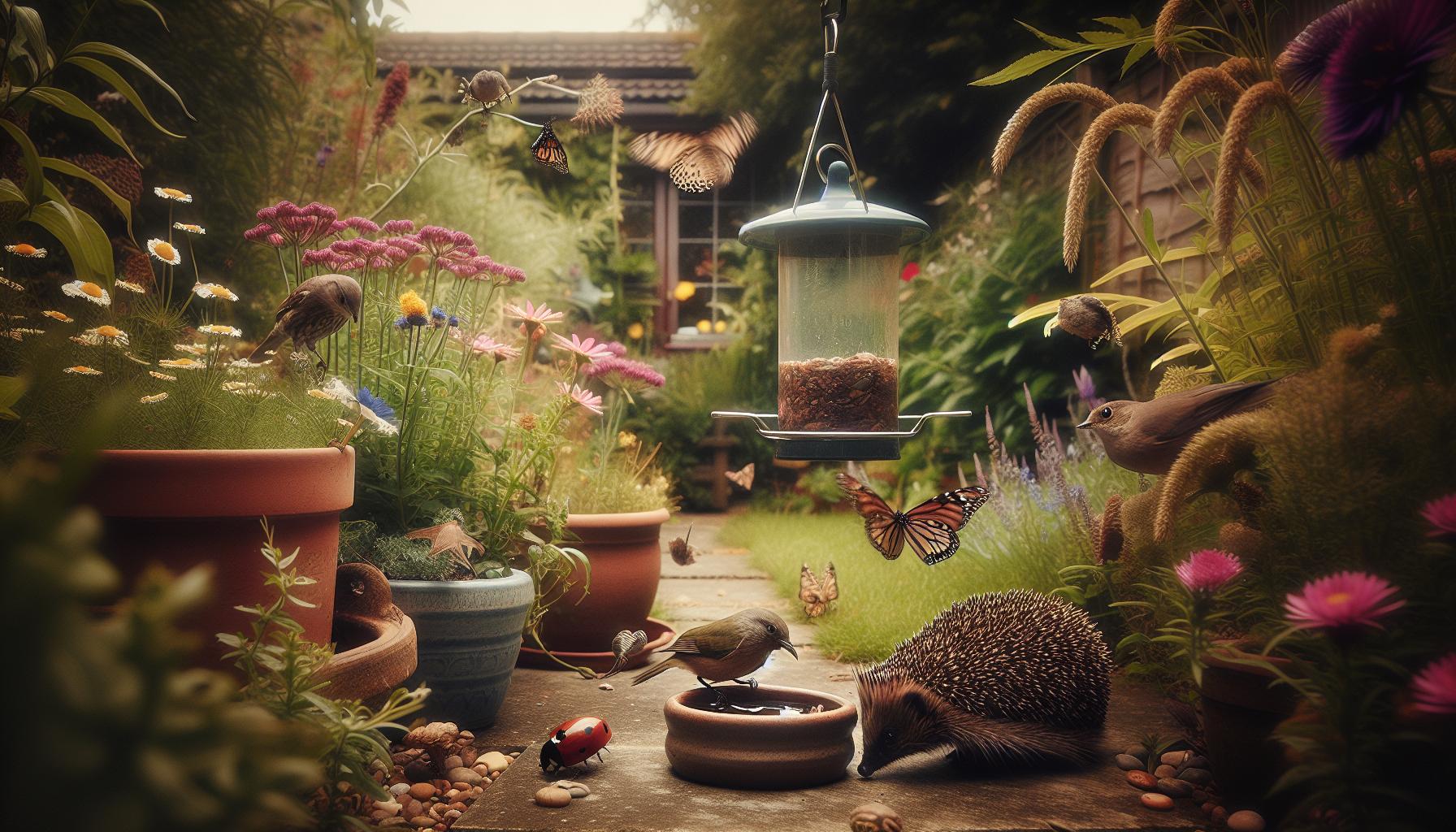
Creating a lush paradise for toucans in your garden calls for thoughtful care and consideration of their unique needs. These magnificent birds need an environment that feels safe and offers ample food sources, so it’s essential to embrace practices that promote their wellbeing. Understanding their behavior can guide you in providing a hospitable space that encourages frequent visits.
Begin by ensuring that food sources are not just varied but also plentiful. Fresh fruits are a must, as toucans are primarily fruit eaters. Placing ripe fruits such as bananas, papayas, and berries on open feeding platforms can attract these colorful visitors. Toucans are drawn to vibrant colors, so consider planting flowers that bear edible fruit when in season, which also helps create an appealing sight in your garden.
In addition to diet, consider the climate requirements for these tropical birds. If you live in a region with cooler temperatures, adding greenhouses or sheltered areas where heat can be stored may suffice during colder months. Maintaining a stable temperature will not only cater to toucans but also benefit other wildlife.
Engage your garden community by sharing knowledge about bird safety. Ensure that other pets or wildlife are unlikely to disturb these visitors. Creating birdhouses in sturdy, secure locations will also encourage nesting. Make use of natural building materials to minimize hazards and help maintain the health of your ecosystem.
By being proactive and observing the needs of toucans, you can build a respectful relationship with these fascinating creatures. Regularly check on the health of the plants and fruits you offer. This hands-on involvement can lead to incredible experiences while documenting the joyful presence of toucans in your garden. Implementing these care strategies will not only attract toucans but will also create a thriving habitat that supports a range of wildlife.
Building an Attractive Feeding Station for Toucans
Building a successful feeding station for toucans is an exciting endeavor that can transform your garden into a lively sanctuary for these colorful birds. Toucans, known for their vibrant plumage and distinctive bills, primarily feed on fruit, making a well-planned feeding station essential for attracting them. A few strategic choices can entice toucans to visit regularly, ensuring that your garden dazzles with their presence.
Start by selecting a suitable location for your feeding station. It should be placed in a quiet and shady area to give toucans a sense of safety while they feed. Use sturdy open feeding platforms or tray feeders that are elevated off the ground to deter ground-dwelling predators. Position them near trees or shrubs, providing toucans the option of perching close by, as these birds prefer to feel secure while enjoying their meals.
In terms of food, offering a variety of fresh fruits is key. Toucans enjoy a range of options such as ripe bananas, berries, papayas, mangoes, and even melon. You can also experiment with adding nuts and seeds to the mix, but ensure the fruits are sliced into bite-sized pieces to accommodate their feeding habits. It’s wise to provide food regularly and keep the feeding stations clean to prevent mold and pests that can deter toucans.
H3. Attracting Toucans to Your Feeding Station
- Use Colorful Containers: Brightly colored feeders can capture the attention of toucans, attracting them from afar.
- Keep Water Nearby: Adding a shallow birdbath or water source can enhance your feeding area, providing a place for toucans to drink and bathe.
- Regular Refills: Keeping the feeders stocked and refreshing the food daily will help establish consistency, making your garden a go-to spot for these birds.
Monitoring your feeding station can be incredibly rewarding. Take the time to observe their behavior; toucans are social and oftentimes enjoy eating in pairs or small groups. Setting up a comfortable chair nearby will create the perfect birdwatching experience, allowing you to appreciate their antics as they interact with each other while feeding.
By integrating a well-thought-out feeding station into your garden design, you not only hold the key to attracting toucans but also foster a vibrant ecosystem. With patience and care, these stunning birds will soon become regular visitors, adding beauty and life to your outdoor space.
Maintaining a Healthy Ecosystem for Toucans
Creating a vibrant sanctuary for toucans goes beyond just setting up feeding stations and selecting the right fruits. Maintaining a healthy ecosystem is crucial for attracting these beautiful birds and ensuring their well-being. Toucans thrive in environments that closely mimic their natural habitats, so understanding their needs will enhance your garden’s appeal to them.
Start by ensuring a diverse range of trees and plants. Toucans are fruit-eating birds that love to perch in tall trees with ample foliage. Choose native trees and shrubs that produce fruits, such as avocado, guava, and various berry-producing plants, which not only provide food but also create natural cover. This biodiversity is essential for drawing toucans in, as it offers both food sources and safe nesting sites. Incorporating native plants can also help bring in other wildlife, contributing to a balanced ecosystem.
Encouraging Natural Behaviors
Providing natural elements such as dead wood, rocks, and logs can create hiding and nesting spaces for toucans and other local wildlife. These features encourage natural foraging behaviors, allowing toucans to safely explore your garden. Additionally, maintaining a water source, like a small pond or a birdbath, can attract toucans and other birds while also supporting beneficial insects and amphibians that can improve your garden’s health.
Regularly monitor and manage your garden’s health. This includes removing any invasive plant species that may compete for resources, maintaining healthy soil through organic composting, and using natural pest control methods. By reducing chemical use, you create a healthier environment for toucans to thrive. Regular garden health checks will help identify any issues before they escalate, keeping your ecosystem balanced and welcoming.
Incorporating these elements into your garden not only makes it attractive to toucans but also promotes a lively, sustainable environment. By committing to this holistic approach, you can enjoy the breathtaking sight of toucans visiting while contributing positively to local biodiversity. With some effort and care, your garden can become a cherished haven for these magnificent birds.
Identifying Common Toucan Species in Gardens
Toucans are among the most visually striking birds, easily recognized by their extraordinary bill and vibrant plumage. When aiming to attract these marvelous creatures to your garden, it’s important to familiarize yourself with the common species that might visit your area. Understanding their characteristics and preferences can significantly enhance your chances of encouraging them to take up residence.
Among the most frequently spotted species in gardens are the Keel-billed Toucan (Ramphastos sulfuratus), famous for its multi-colored bill and bright yellow chest. This toucan is commonly found in Central America, often seen in pairs or small groups. Another prevalent species is the Channel-billed Toucan (Ramphastos vitellinus), recognized for its larger size and distinct channeled bill, which tends to be darker than that of the keel-billed counterpart. These toucans are sociable and enjoy fruit trees-a perfect fit for your garden.
Identifying Characteristics
To help with identification, here are key traits of these common toucan species:
- Keel-billed Toucan: Multi-colored bill (green, orange, blue), yellow throat, black body, and white face.
- Channel-billed Toucan: Larger than the keel-billed, with a dark bill featuring pale channels, and a more pronounced curved shape.
When you’re designing your garden, consider planting fruit-bearing trees that cater to these species. Avocados, papayas, and bananas are favorites, ensuring lush, inviting environments where toucans can flourish. Providing ample perches, such as tall trees with dense foliage, allows them to feel secure and encourages them to spend time feeding and nesting.
Behavior Insights
Toucans are primarily fruit eaters but will also consume insects and small reptiles, especially during breeding seasons. Observing their behavior can add excitement to your birdwatching experience. You may witness them engaging in playful vocalizations, and their social nature often leads to entertaining interactions with one another. Providing a variety of food sources in your garden and maintaining a peaceful environment will make it a sanctuary for these magnificent birds.
With patience and the right conditions, you’ll not only identify the toucan species that visit your garden but also gain a deeper appreciation for their unique behaviors and roles in your local ecosystem. Make your space a safe haven that celebrates these colorful residents-your efforts will surely pay off with delightful sightings throughout the year.
Troubleshooting Garden Issues with Toucans
When inviting toucans into your garden, it’s crucial to consider various potential issues that may arise. From fruit-eating habits impacting your harvest to the interactions with other birds and wildlife, troubleshooting these challenges can enhance your garden’s ecosystem and ensure a harmonious balance. One commonly reported issue is the competition for fruit, as toucans are known for their voracious appetites and can consume a significant amount of fruits and berries.
To mitigate this, consider planting an abundance of fruit-bearing trees like avocados, guavas, and bananas, which not only nourish toucans but can also sustain other wildlife. By diversifying your plant selection, you’ll lessen the impact on individual trees and create a more resilient environment. Moreover, try to stagger the fruiting seasons of these trees, ensuring there’s a steady supply of food available throughout the year, thus preventing overcrowding and competition.
Another concern might be the accessibility of your garden to potential pests or predatory species. Toucans do not only rely on fruit; they can attract insects and larger birds. To manage this, maintaining a clean feeding area and regularly inspecting plants for pests can help minimize unwanted visitors while providing a safe space for your toucan guests. Planting native plants can also support a balanced ecosystem, as they tend to attract natural pest predators, keeping your garden vibrant and healthy.
Furthermore, consider how toucans might impact your garden’s auditory environment. Their playful vocalizations are part of their charm, but they can be quite boisterous, especially in groups. If you live in a community where noise may be a concern, planting dense foliage to help absorb sound or placing feeding stations behind barriers can help. This way, you can enjoy their presence without disturbance to your neighbors.
By being proactive about these dynamics, you can create a welcoming and thriving habitat for toucans. Your dedication to maintaining a balanced ecosystem will not only benefit these stunning birds but enhance the overall beauty and productivity of your garden. Enjoy the process of learning and adapting your space, embracing the surprises and delights that come from inviting these magnificent creatures into your life.
Engaging Children and Families with Birdwatching
There’s nothing quite like the thrill of spotting a toucan in your garden, with its vibrant bill and striking colors. Engaging children and families in birdwatching can transform an ordinary backyard into an extraordinary adventure. Not only does it foster a love for nature, but it also provides countless opportunities for learning and bonding. Here are some fun and practical ways to make birdwatching a delightful experience for the whole family, especially when it comes to welcoming toucans.
Start by setting up a cozy birdwatching spot right in your garden. This could be a simple bench or a few comfortable chairs facing your feeding station. Equip the area with a pair of binoculars and a field guide that features local birds, including toucans. Encourage kids to observe the details of each bird they see-its shape, color, and the sounds it makes. You might even create a family chart to record sightings, noting the date and any interesting behaviors, like a toucan’s unusual way of balancing on branches while feeding.
Another engaging activity is to organize birdwatching scavenger hunts. Create a list of things to look for, such as specific bird behavior (like preening or feeding) or signs of toucans, like droppings or nests. This not only turns birdwatching into an interactive game but also enhances children’s observational skills and knowledge about local avian habitats. Make it even more exciting by offering small prizes for participation or finding all the items on the list.
To maximize your chances of attracting toucans and other birds, involve the family in creating a bird-friendly garden. Assign each family member a specific task-such as planting fruit trees, adding native plants, or making a DIY bird feeder. Not only will this teamwork enhance your garden’s appeal, but children gain firsthand experience in gardening and caring for wildlife. Talk about the types of plants that benefit toucans most, like those with berries or fruits that are part of their diet, emphasizing how these contributions impact the ecosystem.
Finally, don’t forget to celebrate your birdwatching successes! Organize family gatherings to share stories and experiences or host a birdwatching picnic. These moments will create lasting memories and deepen everyone’s appreciation for nature and wildlife. By making birdwatching a regular family activity, you’ll not only enjoy the beauty of toucans and other birds but also nurture a family bond anchored in shared experiences of discovery and wonder.
Documenting Your Toucan Experience: A Personal Journal
Recording your experiences with toucans can turn a garden visit into a treasured collection of memories and insights that deepens your connection with these magnificent birds. Keeping a personal journal dedicated to your encounters allows you to reflect on behaviors, seasonal patterns, and even the evolving dynamics of your garden as it becomes more inviting to these colorful guests. Here’s how to make the most of your toucan documentation journey.
Start by setting up your journal in a way that excites your creativity and curiosity. You could choose a beautiful notebook or a digital app that allows you to jot down notes, sketches, or photos. Each entry could include the date, time, and weather conditions, creating a comprehensive snapshot of your environment when you spot a toucan. Additionally, note the plants and trees that are thriving, as these will give you clues about what toucans are attracted to. For example, detail any specific fruits or flowers you notice the toucans interacting with, which can inform your future planting decisions.
As you record your observations, try to include details about their behavior. Are they feeding on specific fruits? Do they seem to prefer certain trees over others? If you notice them interacting with other wildlife, like squirrels or butterflies, make a note of that too. Documenting these moments not only enriches your understanding of toucan behavior but also contributes to a larger understanding of your garden’s ecosystem. Consider using a format like bullet points for easy listing:
- Date: October 15, 2025
- Location: Near the orange tree
- Weather: Sunny, light breeze
- Activity: Feeding on ripe oranges
- Notes: Observed two toucans interacting, one kept calling!
Every so often, review your entries to spot patterns or significant changes. Have certain plants consistently attracted toucans? Did you notice that they appeared more frequently at specific times of the day? This reflective practice can reveal which strategies have been effective in enhancing your garden’s appeal. To get the family involved, encourage them to contribute by taking turns adding their observations and illustrations, making it a collective family activity that sparks discussions about wildlife conservation and the importance of biodiversity.
In addition to observational entries, consider dedicating a section of your journal to sketches or photographs. Capture the vibrant colors of the toucan‘s bill or the gracefulness with which it navigates through branches. Sketching or snapping pictures while taking notes transforms your journal into a lively visual archive of your experiences, which can be cherished for years to come. By documenting your toucan encounters, you not only celebrate the beauty of nature but also cultivate a deeper awareness of the intricate relationships within your garden ecosystem.
Expanding Your Garden for Other Bird Species
Creating a vibrant garden environment not only attracts toucans but also invites a variety of other beautiful bird species that can enhance your wildlife experience. A diverse bird presence can lead to a more dynamic ecosystem and provide endless opportunities for birdwatching. The key to expanding your garden for other birds lies in incorporating a range of plants and habitats suited to their unique needs.
Start by planting a mix of fruit-bearing trees and shrubs. Birds like mockingbirds, orioles, and cardinals enjoy berries, while other species may be attracted to fruit like apples or pears. Try including native plants that provide seeds and nectar, such as sunflowers, coneflowers, and flowering vines, which attract finches and hummingbirds. The right selection not only benefits toucans but can draw in a multitude of songbirds.
Consider creating a layered structure in your garden. Using tall trees for perches, medium-sized shrubs for nesting, and ground cover for insects will give birds plenty of options for shelter and feeding. This approach mimics natural habitats and will increase your chances of attracting various bird species. Additionally, having a water source, such as a birdbath or a small pond, is essential. Birds are drawn to fresh, clean water for drinking and bathing, making your garden a favorite stopover.
Lastly, add bird feeders in strategic locations throughout your garden. Different feeders can cater to different species-platform feeders for larger birds, tube feeders for finches, and suet feeders for woodpeckers. Experiment with different seeds to discover what your local birds prefer. Providing a variety of food sources allows for a richer avian community in your space, transforming it into a lively sanctuary where every visit can reveal something new.
By cultivating a garden with diverse flora and providing ample food and water sources, you’ll create an inviting ecosystem for toucans and an array of other bird species, enriching your gardening experience and connecting you deeper with the natural world.
FAQ
Q: What type of food attracts toucans to my garden?
A: Toucans are attracted to a variety of fruits, especially those that are bright and high in sugar content. Try providing papayas, bananas, and guavas. Consider building a feeding station to offer these fruits regularly, encouraging toucans to visit your garden consistently.
Q: When is the best time to observe toucans in my garden?
A: Toucans are most active during early morning and late afternoon. To increase your chances of spotting them, set up feeding stations or plant your garden with their favorite fruits and flowers to create an inviting atmosphere during these peak hours.
Q: How can I ensure my garden is safe for toucans?
A: To make your garden safe for toucans, avoid using pesticides and chemicals that could harm them. Instead, focus on organic gardening practices. Providing natural cover, such as shrubs and trees, will also help protect them from predators.
Q: Are there specific plants that help attract toucans?
A: Yes, toucans are attracted to flowering and fruiting plants. Consider indigenous species like Ficus, fruiting palms, or any flowering trees that produce nectar. These plants not only provide food but also mimic their natural habitat, making your garden more appealing.
Q: How do I create a suitable habitat for toucans in my garden?
A: To create a suitable habitat, plant a mix of fruit-bearing trees and native plants that provide shelter and nesting sites. Ensure there is a water source nearby, and avoid using netting or fences that could hinder their movement.
Q: What common problems do toucans face in gardens, and how can I address them?
A: Common issues include competition for food and habitat loss. To mitigate these, ensure a variety of food sources and adequate cover in your garden. Additionally, monitor for invasive species that may disrupt the local ecosystem.
Q: How can I attract toucans without feeding them?
A: You can attract toucans by planting native fruit-bearing trees and providing natural perches for them to roost. Creating a biodiverse garden with various plants will attract insects and other food sources, promoting a natural food chain that includes toucans.
Q: What should I do if I spot a toucan in distress?
A: If you encounter a distressed toucan, observe from a distance first. If it seems unable to fly or appears injured, contact a local wildlife rehabilitation specialist. Ensure conditions around your garden are safe and supportive for their well-being.
In Retrospect
Now that you’ve unlocked the secrets to bringing toucans into your garden, it’s time to take action! Remember, these vibrant birds thrive in environments rich with lush foliage and a variety of fruits. By implementing the techniques we discussed, you’ll not only enhance your garden’s appeal but also create a sanctuary for these stunning creatures. Don’t wait-start planting today and enjoy watching toucans flourish in your outdoor space!
For further insights, don’t miss our guides on creating a bird-friendly garden and the best plants to attract tropical birds. If you have any questions or want to share your experiences, drop a comment below! We love hearing from fellow enthusiasts. Lastly, sign up for our newsletter to receive expert tips and exclusive content directly in your inbox.
Let’s keep your garden’s adventure going-check out our other resources and transform your space into a paradise for toucans and more!
Get our latest guides, news, and insights highlighted in your Google Search & AI Overviews.










