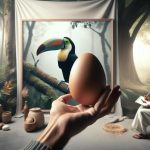
Did you know that the Toco Toucan, with its vibrant orange and black beak, is not just a striking figure of the avian world but also a fascinating subject for artists? Drawing this species can be a rewarding endeavor, whether you’re a budding artist or a seasoned professional. In this tutorial, we’ll guide you through the steps of capturing the essence of the Toco Toucan on paper. You’ll learn about its unique features, vibrant colors, and the intricacies of its anatomy, allowing you to create a stunning representation of this iconic bird. With practical tips and insights, you’ll not only enhance your drawing skills but also deepen your appreciation for these incredible creatures. So grab your pencils and get ready to explore the art of drawing a Toco Toucan – let your creativity soar!
How to Identify a Toco Toucan: Key Features to Look For
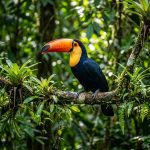
Identifying a Toco Toucan can be an exhilarating experience, especially for avid bird watchers and artists alike. These magnificent birds are distinguished by their vibrant colors and unique shape, making them a favorite subject for artists aiming to capture their beauty. The Toco Toucan features a striking orange and yellow bill, which is not only its most recognizable trait but also a fascinating example of evolution in action. This massive bill serves multiple purposes-it aids in feeding, displays during courtship rituals, and even helps regulate body temperature.
To effectively identify a Toco Toucan, pay close attention to several key characteristics:
- Size: Toco Toucans are one of the largest toucan species, measuring about 25 to 29 inches in length.
- Bill: Their bill can be up to 8 inches long, showcasing a vivid orange and yellow coloration with a dark tip, making it an iconic feature.
- Body Color: The body is mostly black with a white throat and chest, which offers a stark contrast to the bright colors of the bill.
- Eyes: They have striking blue eyes, which add to their captivating appearance.
- Feet: Toco Toucans possess zygodactyl feet (two toes facing forward and two backward), offering excellent grip on branches.
When drawing these magnificent birds, focus on capturing the proportions of their bill compared to their body. The bill should dominate the composition, as its size and color are what make the Toco Toucan truly stand out. Observing these features in real life, either in nature or through photographs, will provide you with an excellent reference for your artwork, ensuring you depict this extraordinary avian with both accuracy and flair.
Essential Tools for Drawing a Toco Toucan
To bring the vibrant beauty of a Toco Toucan to life on paper, having the right tools is essential. The first thing to consider is your choice of medium. Pencils are fantastic for initial sketches, allowing you to easily adjust proportions and shapes as you refine your drawing. A range of pencils, from HB for light lines to 3B or 6B for deeper shading, will give you the flexibility you need.
Once your preliminary sketch is in place, colored pencils or markers will let you capture the Toco Toucan’s brilliant coloration. When selecting colors, look for high-quality blends that can accurately portray the bright orange and yellow of the bill, the contrasting black body, and the white chest. Watercolor paints can also achieve a soft, natural look, ideal for capturing the feathered texture of the toucan’s body.
Additional Supplies to Consider
- Sketchbook: Opt for a sketchbook with thicker pages to withstand various media, especially if you plan to use watercolors.
- Eraser: A kneaded eraser will allow for gentle corrections without damaging the paper.
- Blending Tools: Stumps or tortillons can help blend colored pencil work smoothly, creating that lifelike appearance.
- Reference Images: Having high-quality photographs of Toco Toucans will aid in observing intricate details, from their unique bill shape to the subtle textures of their feathers.
Getting the right tools not only enhances the drawing experience but also ensures that you can convey the magnificent proportions and colors typical of a Toco Toucan. Whether you are a beginner or a seasoned artist, investing in quality materials will undoubtedly elevate your artwork to the next level.
Step-by-Step Guide: Basic Shapes to Capture the Toco Toucan’s Form
To create an engaging representation of a Toco Toucan, begin by breaking down its distinct structure into simple geometric shapes. This approach helps to outline the bird’s unique form before diving into intricate details. Start by sketching a large oval for the body, as the Toco Toucan’s stout figure is key to its recognizable silhouette. Position this oval slightly tilted to imply motion or a natural resting position.
Next, add a smaller circle for the head at one end of the oval. Toco Toucans have a sizable, iconic bill, so attach an elongated triangular shape for the beak that extends prominently from the head. Make sure it’s proportional; the bill can often be as long as the bird’s head is wide. Draw a smaller circle where the eye will be placed, ensuring it’s slightly above the midpoint of the head circle to capture that characteristic gaze.
For the wings, sketch in two elongated, rounded shapes extending from the body’s sides. These should align with the body’s curve to give a natural look to the bird’s posture. Complete the basic structure by adding simple lines for the legs: two elongated shapes positioned beneath the body. Don’t forget the tail, which can be represented by a few tapered rectangular shapes extending from the back of the body.
Once you are satisfied with the basic shapes, refine the contours to capture the more nuanced features of the Toco Toucan. Add distinct curves to the beak’s edges and ensure the body flows seamlessly into the wings and tail. This step lays a solid foundation for the detailed work that will follow in your drawing.
Simple Breakdown of Shapes
- Body: Large oval
- Head: Smaller circle
- Beak: Elongated triangle
- Wings: Rounded shapes on sides
- Tail: Tapered rectangles
- Legs: Long lines positioned beneath
By following these steps, artists can capture the essence of the Toco Toucan’s form effectively and prepare for the next stages involving detail, color, and texture. Always remember, the key to a great drawing lies in understanding the basic shapes that compose the subject, allowing you to delve deeper into its complexity with confidence.
Adding Color: Palettes and Techniques for Realistic Toco Toucan Art
The vibrant colors of the Toco Toucan make it a striking subject for artists, inspiring a wide range of creative expressions. To effectively bring this magnificent bird to life on paper, understanding its unique color palette is essential. Toco Toucans are primarily characterized by their impressive black bodies contrasted with a brilliant yellow-orange bill and striking white throat. The best way to start is by gathering reference images that showcase the bird from various angles to capture the nuances in color and texture.
When selecting your palette, focus on high-quality pigments that can reproduce the rich and vivid colors of the Toco Toucan. A recommended palette for your artwork might include the following colors:
- Black: For the body and the tips of the wings.
- Bright Yellow: To create the fundamental hue of the bill, using a warm yellow will help emphasize the sunlight hitting the feathers.
- Orange: Incorporate a vibrant orange shade to add depth to the bill and to highlight areas where the yellow transitions.
- White: Essential for the throat and eye area, providing contrast against the darker feathers.
- Sky Blue or Light Gray: For the background, complementing the bold colors of the toucan without overpowering it.
To apply these colors effectively, consider using watercolors or acrylics, both of which can provide a luminous quality. For watercolor, start with a light wash for the base colors and gradually build up layers to achieve a rich, multi-dimensional look. Acrylics allow for more opacity and can be layered quickly, enabling you to work on fine details after laying down the foundational colors.
As you paint, pay attention to the interplay of light and shadow on the Toco Toucan. Use lighter shades strategically where light hits the feathers and darker tones to suggest depth, especially under the wings or around the bill. For beginners, a common approach is to work from the darkest colors to the lightest to accurately depict how light interacts with your subject.
Lastly, don’t forget to embrace the individualistic traits of your artwork. Each Toco Toucan can vary slightly in its coloration or posture, which can be reflected in your painting. By combining observation with your own creative flair, you’ll not only reproduce a faithful representation but also infuse a unique character into your art. This exploration of colors and techniques will enrich your drawing process, creating a lifelike version of one of nature’s most captivating birds.
Common Mistakes to Avoid When Drawing Toco Toucans
Capturing the essence of a Toco Toucan can be thrilling yet challenging due to its vibrant colors and distinctive shape. However, artists often stumble into a few common pitfalls that can detract from their portrayals. One such mistake is ignoring the bird’s proportions. The Toco Toucan boasts a notably large bill and a compact body, which means that failing to accurately represent the size relationship between these features can lead to a distorted image. Take the time to study reference photos and practice sketching out basic shapes before committing to your final drawings.
Another frequent error is the over-reliance on bright colors without understanding their application. While it’s tempting to use vivid hues liberally, this approach can create an unrealistic representation. Instead, strive for a balance by incorporating shades and highlights that reflect light naturally-this applies especially to the toucan’s bill, which requires careful blending of yellows and oranges to portray depth. Observing how light interacts with the feathers and bill will enhance your ability to depict the bird’s various textures.
Artists should also be cautious of neglecting the surrounding environment. A Toco Toucan’s natural habitat is lush and colorful, and incorporating elements of this environment can add context and vibrancy to your artwork. Failing to include these can make the subject appear isolated. Soft backgrounds not only enhance the subject but also help to ground the toucan in a setting that reflects its ecological niche.
Additionally, many artists draw without engaging in ample observational study, which is crucial when rendering wildlife. Spending time observing Toco Toucans, whether in videos or through field observations, provides valuable insight into their postures, movements, and behavior. Such understanding enriches your artistic process, allowing you to depict the bird more authentically. Avoid rushing this phase; the better you grasp your subject, the more lifelike your art will become.
Engaging in this reflective practice while painting can make a world of difference. By remaining mindful of proportions, color application, environmental context, and observational depth, you significantly enhance your ability to create a compelling and accurate portrayal of the Toco Toucan.
Advanced Techniques: Shading and Texture for a Lifelike Appearance
To achieve a lifelike representation of the Toco Toucan, mastering shading and texture is essential. This vibrant bird, characterized by its striking bill and glossy feathers, presents a rewarding challenge for artists seeking to capture its essence. Begin by observing how light interacts with the toucan’s unique morphology. Pay special attention to the way highlights dance across the surface of its bill, creating an illusion of depth and dimensionality. The bill’s colors, ranging from bright yellows to deep oranges, can be replicated through a technique called layering, where you gradually build upon your base colors with lighter and darker shades to reflect natural variations in hue.
Shading Techniques
Emphasizing shadows is crucial for giving your toucan a three-dimensional appearance. Use a blending technique with a soft brush or blending tool to achieve smooth transitions between light and shadow. For the Toco Toucan, shadows are typically found beneath the bill and around the neck area, which can be exaggerated to enhance definition. Selectively applying darker tones will help to create the illusion of contours, allowing you to exaggerate the unique shapes that define the toucan, such as its broad chest and the curve of its tail.
Creating Texture
The texture of the Toco Toucan’s feathers can be explored through varied brush techniques and pencil strokes. Begin with lighter washes to lay down the foundational colors of the feathers. Follow up with finer, controlled strokes to represent the individual feather structure, using a slightly darker color to add depth at the base of the feathers. This layering not only mimics texture but also captures the iridescence observed in the bird’s plumage, suggesting a playful interaction with light. Don’t forget to introduce subtle hints of colors like blues or greens near the black feathers, which reveal the complexity of their iridescent surfaces.
Incorporate these strategies while continuously observing reference images of Toco Toucans or even real-life specimens if possible. Articulating the intricate details of their appearance through effective shading and texturing techniques will not only boost the realism of your artwork but also enliven the portrayal of this magnificent bird. As you refine these methods, let the beauty of the Toco Toucan inspire you, allowing your creativity to soar.
Understanding Toco Toucan Behavior: Inspiration for Your Artwork
The Toco Toucan is not just a visual marvel; its behavior is equally captivating and can serve as a significant source of inspiration for your artwork. These toucans are known for their playful and social nature, often seen in groups. Observing how they interact can enhance your understanding of their form and proportion. For instance, notice how they use their oversized bills not just for feeding but as tools for communication and social interactions, often engaging in gentle pecking and mutual preening. Capturing these moments in your art can convey the liveliness of the Toco Toucan in a more dynamic way.
While drawing, pay attention to their distinctive postures and movements. Toco Toucans perch confidently on branches, frequently adjusting their balance and posture as they scan their surroundings. Their perched stance provides a unique angle to showcase their colorful bill and sleek bodies. Consider sketching them in various positions: leaning forward when foraging or stretching their necks to call to nearby companions. These behaviors, combined with their vibrant colors, allow you to create a composition full of life and movement.
Additionally, their diet and feeding habits can infuse your artwork with natural narrative. Toco Toucans primarily feed on fruits, but they will also eat insects and small animals. When illustrating a Toco Toucan in action, think about depicting it in a lush, tropical setting with ripe fruits or depicting its nimble movements as it hops between branches. This context not only enriches the scene but also reflects their natural habitat, creating a more engaging artwork that showcases their behaviors within their environment.
By integrating these elements into your work, you not only highlight the aesthetic beauty of the Toco Toucan but also its vibrant life. Observing their behavior, from social interactions to feeding habits, will deepen your understanding and appreciation of this remarkable species, ultimately enriching your artistic expression.
Incorporating Toco Toucans in Nature Scenes: Composition Tips
The vibrant plumage and distinctive features of the Toco Toucan make it a stunning focal point for any nature scene. To effectively incorporate this iconic bird into your artwork, consider the dynamics of its environment, which reflects its lively spirit. Begin by selecting a lush, tropical background filled with elements that mirror its habitat, such as banana trees, hibiscus flowers, and bright fruits. This not only provides depth but also serves as a context that enhances the toucan’s vivid colors, inviting the viewer’s attention.
To create a sense of movement and interaction, think about how you can position multiple Toco Toucans within your composition. For instance, place one bird prominently in the foreground while others perch on branches or engage in social behaviors like preening or calling to each other. This technique creates a narrative that showcases their sociable nature and makes the scene more engaging. Additionally, utilize diagonal lines formed by the branches to lead the viewer’s eye toward the toucans, enhancing the flow of your composition.
Color and Contrast play pivotal roles in your artwork. Use bold hues to make the toucans stand out against green foliage; for example, the deep orange and yellow of their bills can be contrasted with lush greens and bright flowers. Don’t shy away from experimentation; layering different colors and textures can add richness. Consider capturing the play of light and shadow on their feathers by using lighter shades where the light hits and darker tones in crevices, adding a three-dimensional aspect to your design.
When deciding on the perspective, explore varying angles that capture not only the bird but also its interaction with the environment. A slightly elevated view can highlight the toucan’s majestic bill while showing it engaged in feeding. Alternatively, a lower angle may emphasize the bird’s height and presence as it perches atop a branch. Remember, illustrating the Toco Toucan in a dynamic nature scene will not only enhance its portrayal but also celebrate the biodiversity it represents, making your artwork a vibrant tribute to the beauty of wildlife.
Resources for Toco Toucan Enthusiasts: Books, Videos, and Communities
Discovering and appreciating the vibrant Toco Toucan can be an exhilarating journey for bird enthusiasts and aspiring artists alike. To deepen your understanding and enhance your artistic skills, a wealth of resources is available that cater to various interests and expertise levels. Whether you’re seeking detailed visual references, engaging documentaries, or interactive online communities, the following avenues are packed with inspiration and practical information.
Books
Books offer a treasure trove of information about Toco Toucans and their habitats. Consider immersing yourself in titles like *Birds of the World* and *The New Encyclopedia of Birds*, which provide exhaustive details on toucan behavior, ecology, and anatomy. For artists, *Drawing Birds: The Ultimate Guide* includes specific sections on drawing toucans, with step-by-step illustrations and helpful tips on capturing their unique forms. Don’t overlook field guides, such as *Field Guide to the Toucans of the Amazon*, which not only help with identification but also provide context on their natural behavior.
Videos and Documentaries
Visual learning can significantly enhance your ability to draw and understand the Toco Toucan. Platforms like YouTube feature a variety of nature documentaries and tutorials. Look for series such as *The Life of Birds* and *Planet Earth* that showcase toucans in their natural behavior, emphasizing their social interactions and unique feeding habits. Additionally, drawing channels often provide real-time demonstrations, revealing techniques for capturing the toucan’s vibrant colors and intricate feather patterns.
Online Communities
Engaging with communities of like-minded individuals can offer support and insight into your artistic journey. Websites like Reddit have dedicated subreddits such as r/birdwatching and r/ArtFundamentals, where you can share your work, ask for advice, and connect with fellow enthusiasts. Facebook groups focused on wildlife art or birdwatching allow members to post their pictures and experiences related to Toco Toucans. These platforms often host challenges and contests that can motivate you to improve your skills while connecting with other artists and bird lovers.
Workshops and Events
Consider participating in local workshops or webinars focused on wildlife art, where professional artists share their techniques for drawing real-life subjects like Toco Toucans. These events often provide a platform for hands-on learning and direct feedback on your artwork, fostering both skill development and community engagement. Check local museums or wildlife organizations that might host events centered around avian themes to deepen your knowledge and practice.
With these resources at your fingertips, you’ll find yourself better equipped not only to draw the Toco Toucan but to fully appreciate the captivating world these remarkable birds inhabit. Dive into books, share your passion, and watch your skills flourish as you explore the vibrant and engaging realm of toucans.
Comparing Toco Toucans: Similar Species and Their Traits
When exploring the captivating world of Toco Toucans, it’s essential to appreciate not only their unique characteristics but also how they compare to similar species within the toucan family. Toco Toucans, known scientifically as *Ramphastos toco*, are the largest and most recognizable members of the toucan family, featuring a strikingly bright yellow and orange bill. This bold coloration makes them a favorite subject for artists and birdwatchers alike, but they share their habitat with several other toucan species, each with its very own traits and quirks.
One notable species to consider is the Keel-billed Toucan (*Ramphastos sulfuratus*). Identifiable by its vibrant green bill that displays a multicolored pattern, the Keel-billed is slightly smaller than the Toco and often has a more slender body. While both species exhibit social and playful behavior, the Keel-billed Toucan tends to be more arboreal, often found in the canopies of Central American rainforests. In contrast, the Toco Toucan is more prone to foraging on the ground, making it easier to observe during outings.
- The Channel-billed Toucan (*Ramphastos vitellinus*): Found across the tropical forests of Central America, this medium-sized toucan has a more subdued coloration with a striking bill that can appear almost horn-like. Unlike the Toco’s social demeanor, the Channel-billed can be somewhat more solitary, making it a less frequent subject in group interactions.
- The Ivory-billed Aracari (*Pteroglossus azara*): A smaller relative of the toucans, this aracari features a beautifully contrasted black and white bill, which is more elongated. It navigates the understory of forests, offering a different perspective on the diversity of toucan-like birds and telling a different artistic story.
Understanding these nuanced differences not only enriches your appreciation for Toco Toucans but also enhances your artistic endeavors. By recognizing the traits and behaviors of related species, you can incorporate elements from the broader toucan family into your drawings, creating a richer and more vibrant depiction of their habitat. For instance, integrating the lush foliage typical of Keel-billed Toucans can complement your artistic presentation of a Toco, emphasizing their interactions within the ecosystem. As you study these relationships, you’ll find that the world of toucans is filled with inspiration that can enhance your creativity and art skills.
Celebrating Toco Toucans: Cultural Significance and Artistic Depictions
Toco Toucans are not just stunning examples of avian beauty; they also hold a significant place in various cultures and artistic realms. The striking contrast of their bright yellow and orange bills against their sleek black bodies has made them a symbol of tropical vibrancy. Artists and dreamers often draw inspiration from their unique appearance and lively demeanor, using them as subjects in paintings, illustrations, and even digital art.
In many South American cultures, the Toco Toucan has been admired for its colorful appearance and social behavior. These birds are often seen in groups, which enhances their appeal in community-centric stories and legends. For example, the Toco Toucan is sometimes associated with joy and happiness, embodying the spirit of vibrant wildlife in rainforests. Their presence in art and folklore underscores their significance as symbols of wilderness and biodiversity, reminding us of the beauty that exists in nature.
When it comes to capturing the essence of Toco Toucans in art, understanding their behavior can enhance your work. Observing how they interact in their natural habitats-whether they’re foraging for fruit, calling to each other, or simply perched prominently in the trees-can provide context for your creations. Artists often depict these interactions to portray the toucan’s lively character and role within its ecosystem.
To celebrate the Toco Toucan in your artwork, consider combining their vivid representation with elements of their habitat-the lush greens of the Amazon rainforest, for instance. This not only highlights the bird’s beauty but also contextualizes its existence in the larger narrative of conservation and environmental appreciation. Emphasizing these aspects can lead to powerful visual storytelling that resonates with viewers, inviting them to appreciate not just the Toco Toucan, but the entire ecosystem it represents.
Frequently Asked Questions
Q: What are the unique features of a Toco Toucan that I should focus on when drawing?
A: When drawing a Toco Toucan, pay attention to its large, colorful bill, vibrant plumage, and distinct black and white markings. Focus on its broad, rounded tail and striking facial patterns, which are essential for capturing its likeness. For more details, refer to the section on identifying key features.
Q: What are the best techniques for shading a Toco Toucan in my artwork?
A: To effectively shade a Toco Toucan, use a range of pencils or digital brushes to create smooth gradients on the bill and body. Incorporate light and shadow to emphasize its curves. Blending tools can help achieve a lifelike appearance, especially in the feather textures. For advanced techniques, check our shading section for tips.
Q: How do I incorporate Toco Toucans into a larger nature scene?
A: When incorporating Toco Toucans into nature scenes, consider their habitat. Position them harmoniously amongst tropical foliage, using varying shades of green and colorful flowers to complement their vibrant colors. This adds depth and context to your artwork, which is discussed in our composition tips section.
Q: What tools do I need for drawing a realistic Toco Toucan?
A: Essential tools for drawing a Toco Toucan include high-quality colored pencils, markers, or digital drawing software. Use thick paper for traditional methods to withstand blending, and consider a reference photo for accuracy. For a complete list of tools, refer to the essential tools section of our tutorial.
Q: Can I use photographs as references for drawing a Toco Toucan?
A: Yes, using photographs as references is highly beneficial for capturing the Toco Toucan’s details accurately. Look for images that highlight its distinctive bill, plumage, and natural poses. Make sure to analyze these images for color variations and textures, which can enhance your artistic rendition.
Q: What are the common mistakes to avoid when drawing a Toco Toucan?
A: Common mistakes include neglecting the proportions of the bill, misrepresenting colors, and ignoring the natural curvature of feathers. Ensure you take time to observe each feature carefully. For a comprehensive list of mistakes to avoid, refer to our dedicated section on common errors.
Q: How can I make my Toco Toucan drawing more lifelike?
A: To make your Toco Toucan drawing more lifelike, focus on incorporating realistic textures and shadows. Use varied line weights and layering techniques to depict depth in feathers. Studying photos for color variations will also enhance realism. Explore our advanced techniques section for additional tips.
Q: What are some cultural references related to Toco Toucans that can inspire my artwork?
A: Toco Toucans often symbolize tropical wildlife and are featured in various cultures, reflecting uniqueness and beauty. They are commonly depicted in art, literature, and crafts, inspiring vibrant color choices in artwork. For insights into their cultural significance, refer to our section dedicated to celebrating Toco Toucans.
Wrapping Up
Now that you’ve learned how to draw a Toco Toucan, it’s time to put your skills to the test! Remember, practice is key, so grab your sketchbook and keep refining your technique. If you enjoyed this tutorial, check out our guides on how to draw other fascinating birds like the Scarlet Macaw and the African Grey Parrot for even more inspiration. For those interested in delving deeper into birdwatching or sketching, don’t miss our top resources on bird characteristics and habitats to enhance your artistic journey.
Have questions or want to share your artwork? Drop a comment below! Engaging with our community not only inspires others but can also spark new ideas for your next project. For exclusive tips and resources delivered straight to your inbox, consider signing up for our newsletter. Your adventure with avian art is just beginning-let’s keep it going!
Get our latest guides, news, and insights highlighted in your Google Search & AI Overviews.